Nikon’s Low Light Holy Trinity? | 35mm, 50mm, 85mm f1.2 S Z
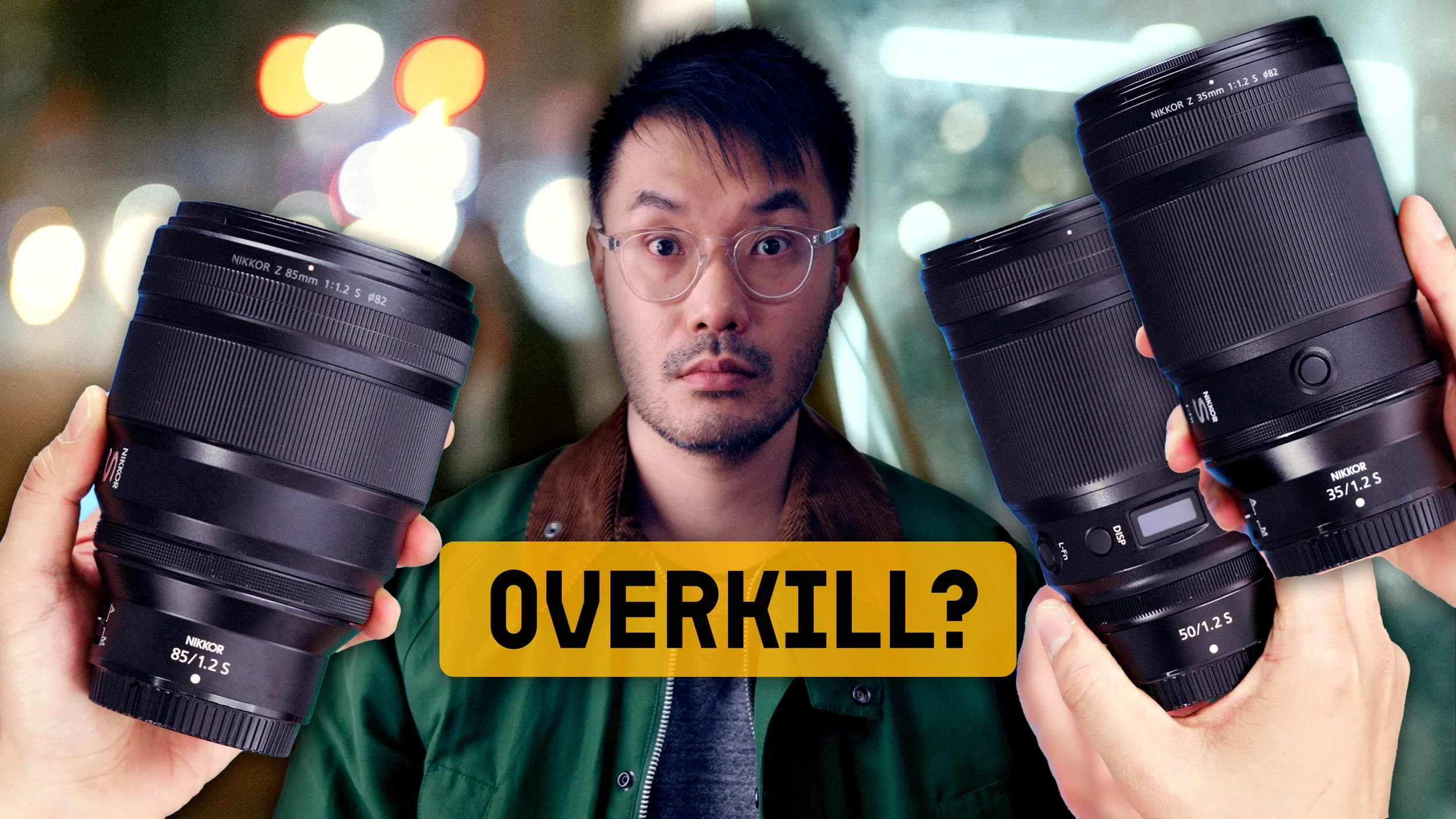
An f1.2 prime trilogy makes sense for pros covering events or weddings…
That’s not me?
As an enthusiast, I choose gear I can afford to carry, so what would it take for me to lug around these huge primes?
I took the Nikkor 35mm, 50mm, 85mm f1.2 S Z lenses out at night, to see how they change my work in low-light?
As an enthusiast creating just for fun, which of these would I pick if I can only have one?
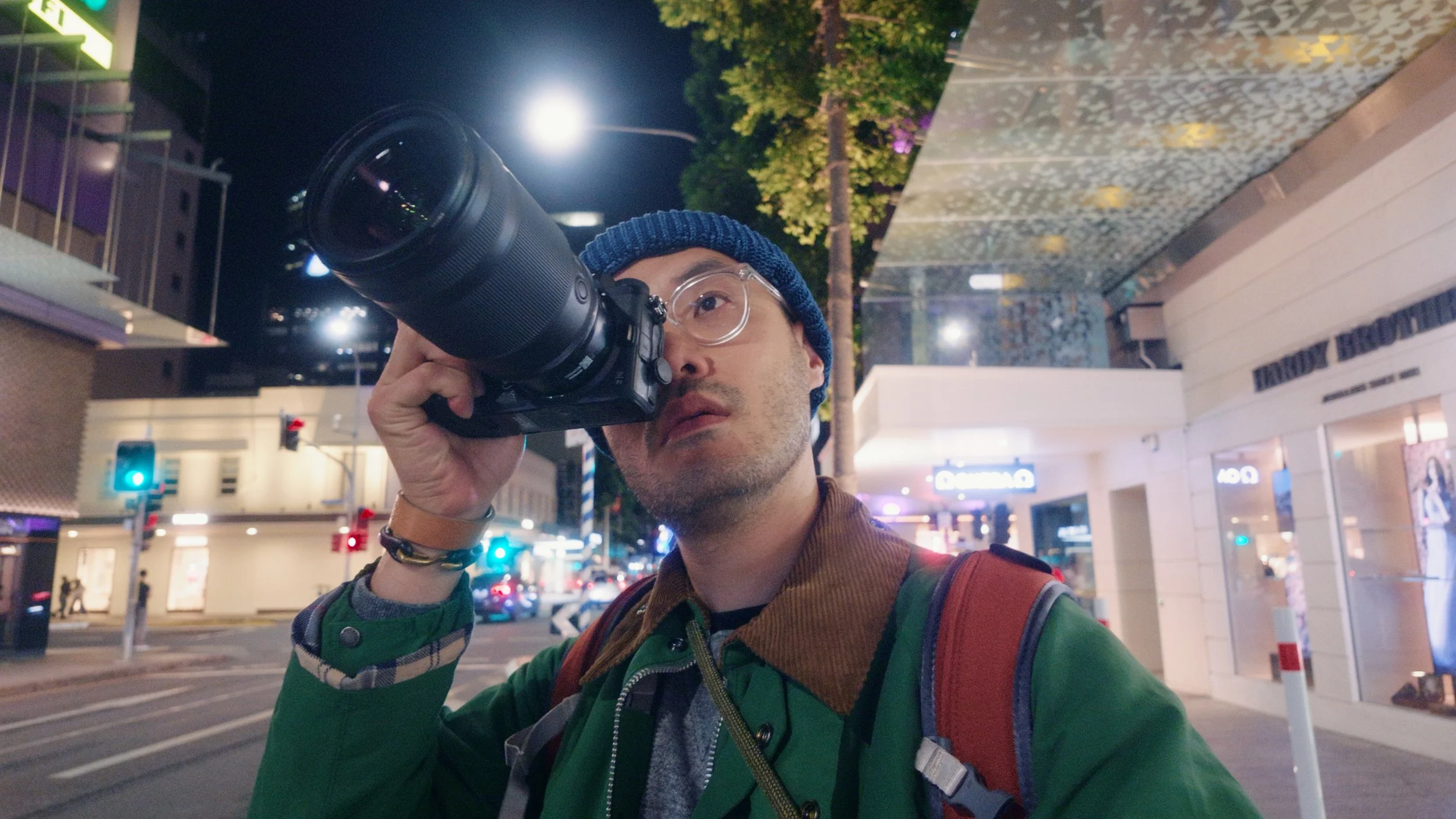
I’m in over my head with this one.
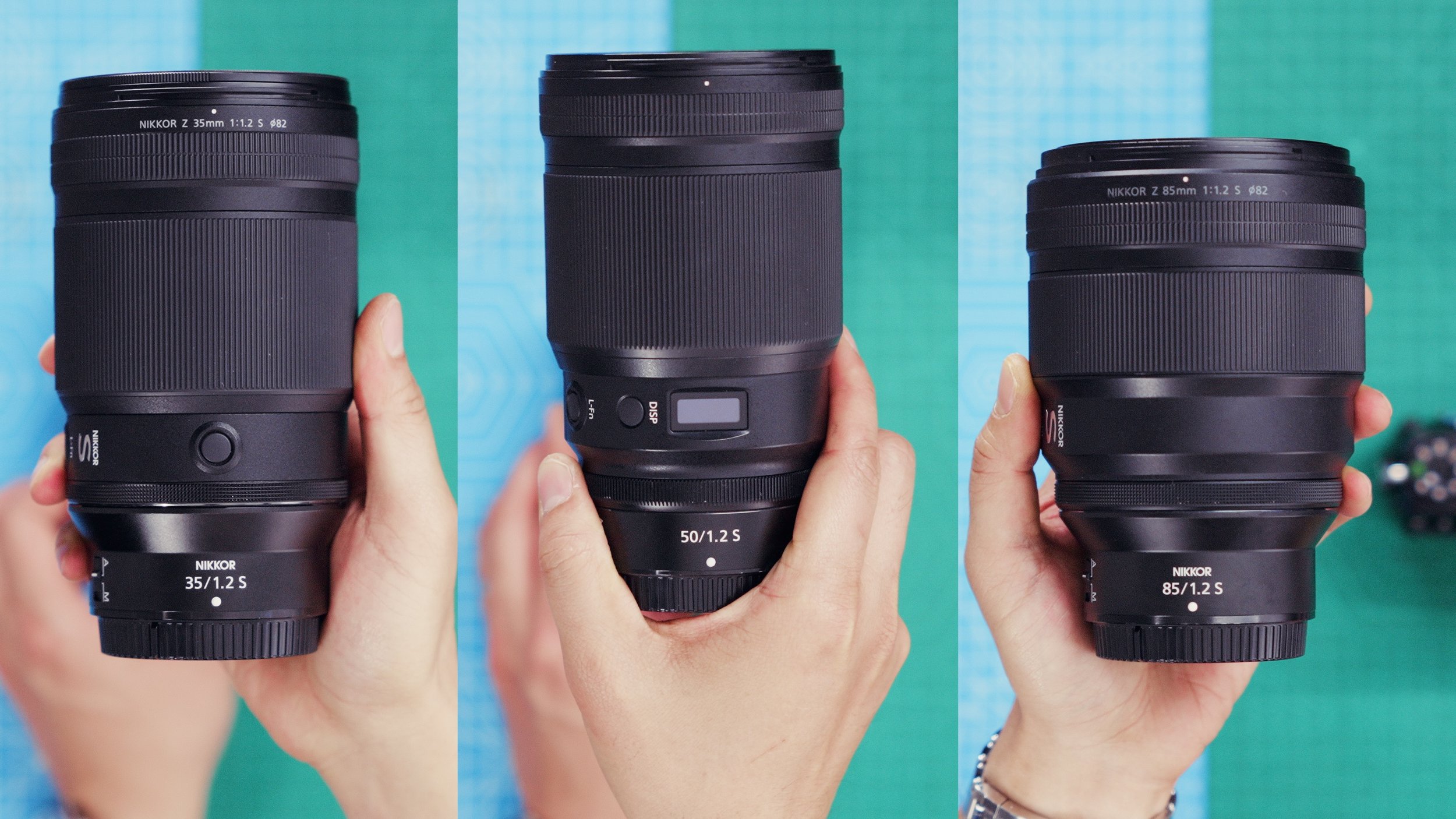
I borrowed all of this gear from Nikon Australia, to see if I can justify owning any of these f1.2 primes. But I’ve run out of time. They need to go back tomorrow morning, which reveals my biggest issue with this low light trinity. I have a full-time day job. I do this channel after hours, on the side.
I don’t have space for f1.2 lenses in my everyday carry, and it took longer than I thought to get enough time testing these 3 primes.
I might be able to justify just 1 of them in my kit…
But which one?
I. 35mm
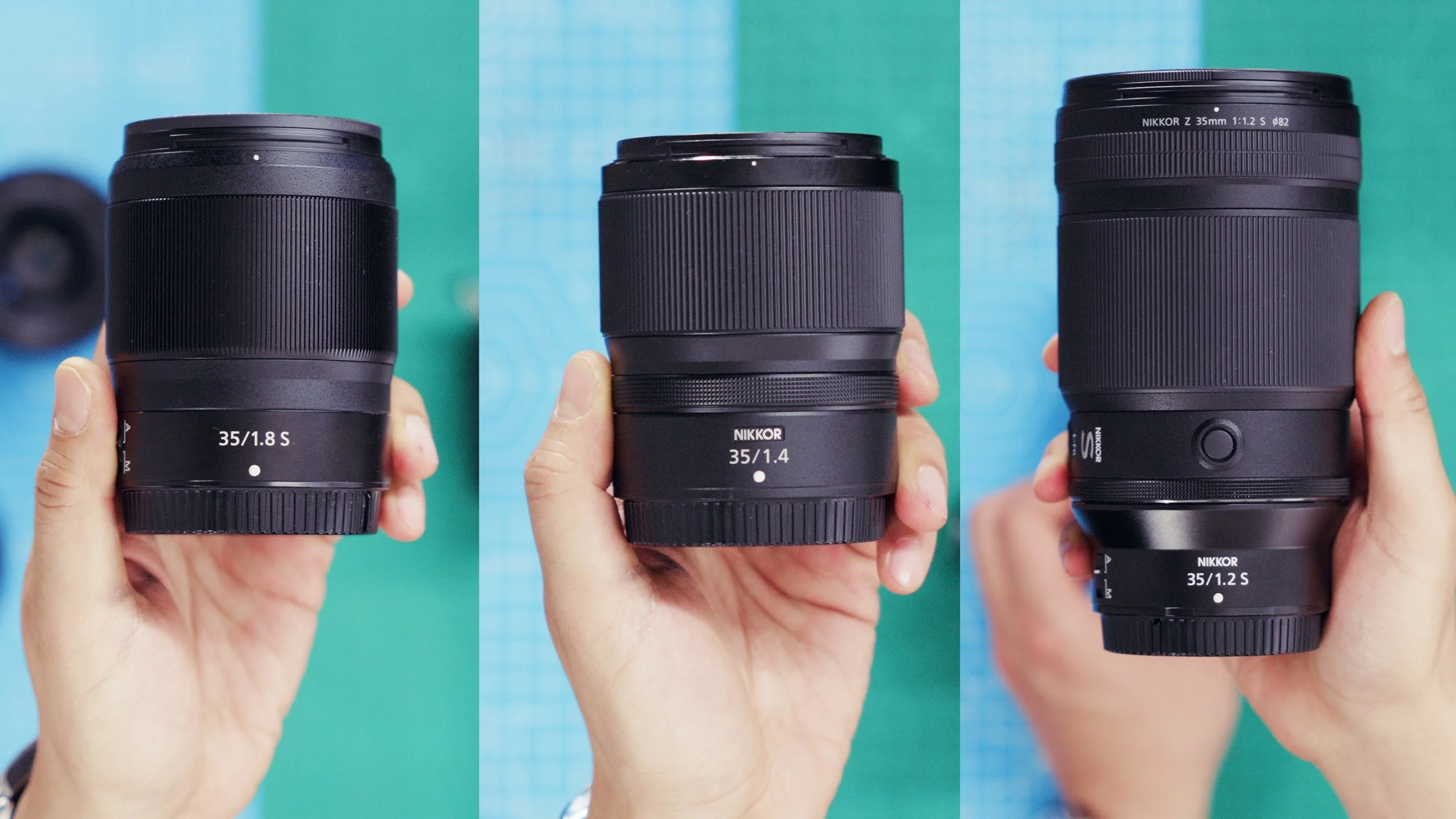
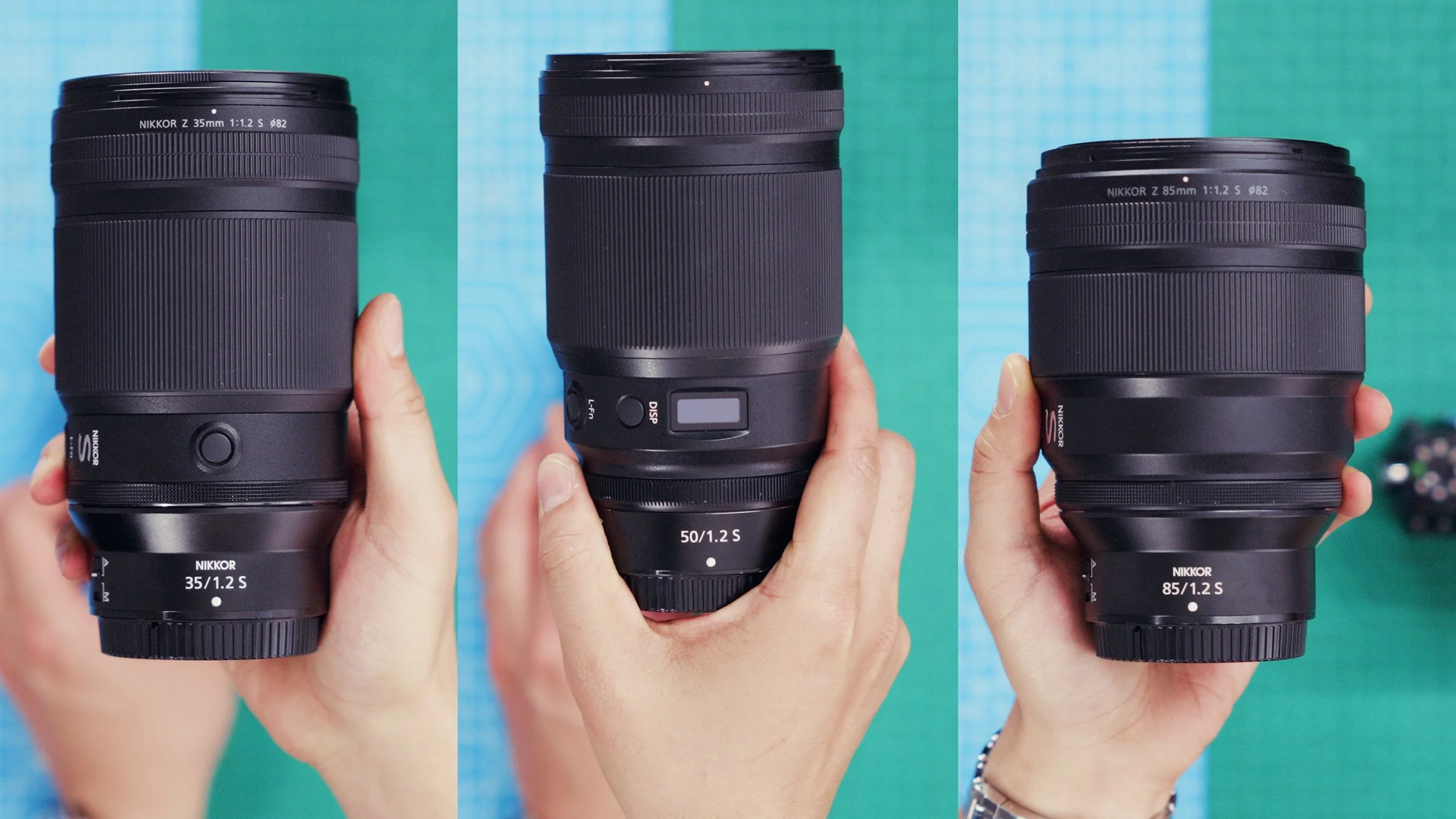
I’m a very happy user of the 35mm f1.8 S. I love its sharpness, modern image quality. The 35mm 1.4 Z has softer falloff, more distinctive rendering at the cost of a few more optical flaws. I prefer the 1.8S but I think I’m in the minority? Given their size and price it’s a toss-up - there’s no wrong answer. But the 1.2 S is a different beast altogether. The newest out of Nikon’s 1.2 S lineup, it’s a juggernaut at over 1 kilogram, almost triple the weight of the two other 35mm options. The weight across the lens feels balanced for what it’s worth.
If you owned either the 1.8 or 1.4, what would it take to justify this massive upgrade?
Getting some subject separation with a 35mm isn’t hard but to get an ethereal dream-like vibe with a 35 is a different story. Faster apertures like f1.4 can get you there, but to really obliterate the background on 35mm you need to get closer. Some wide-angle distortion could kick in, less flattering for people, a problem that a 35mm f1.2 addresses.
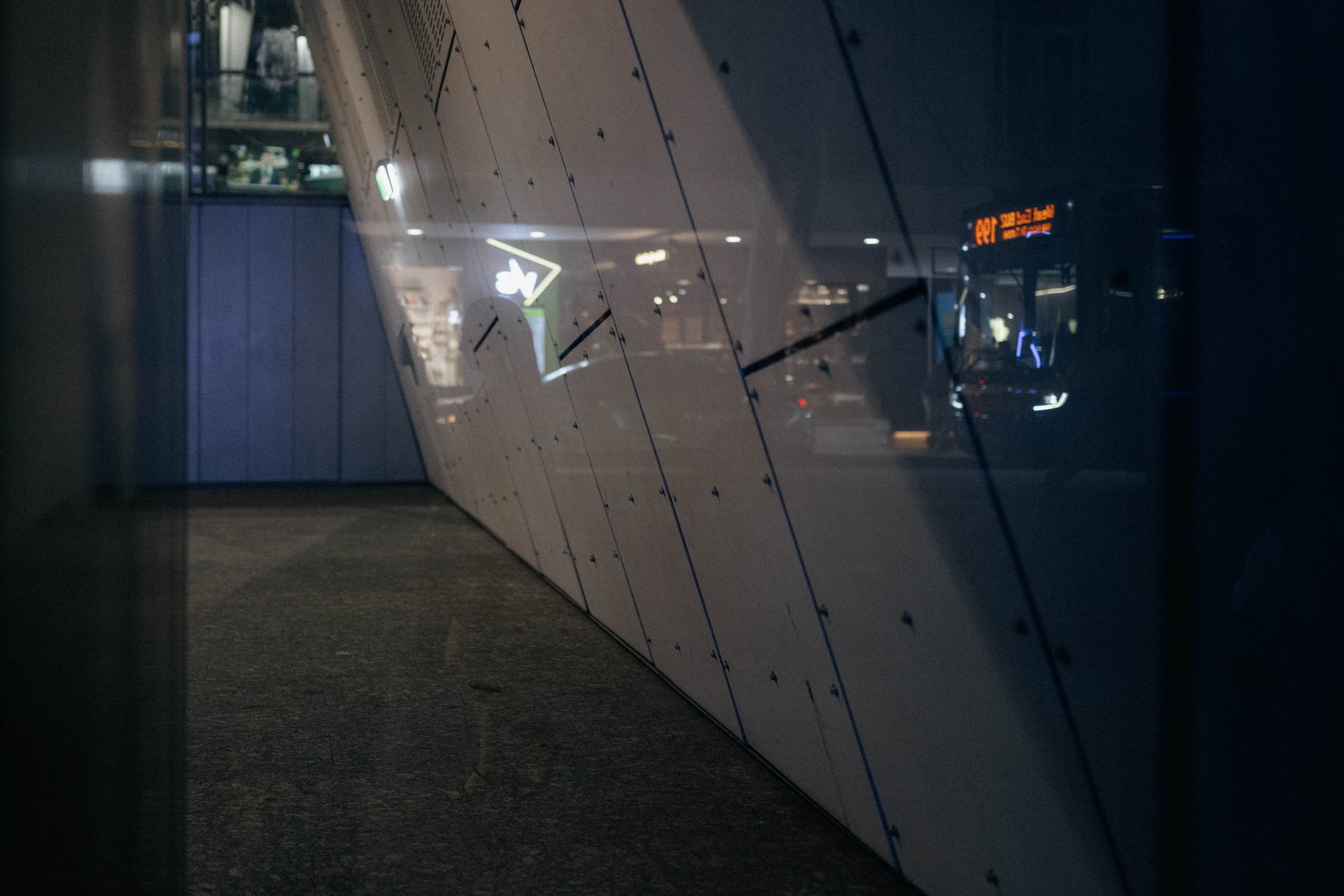
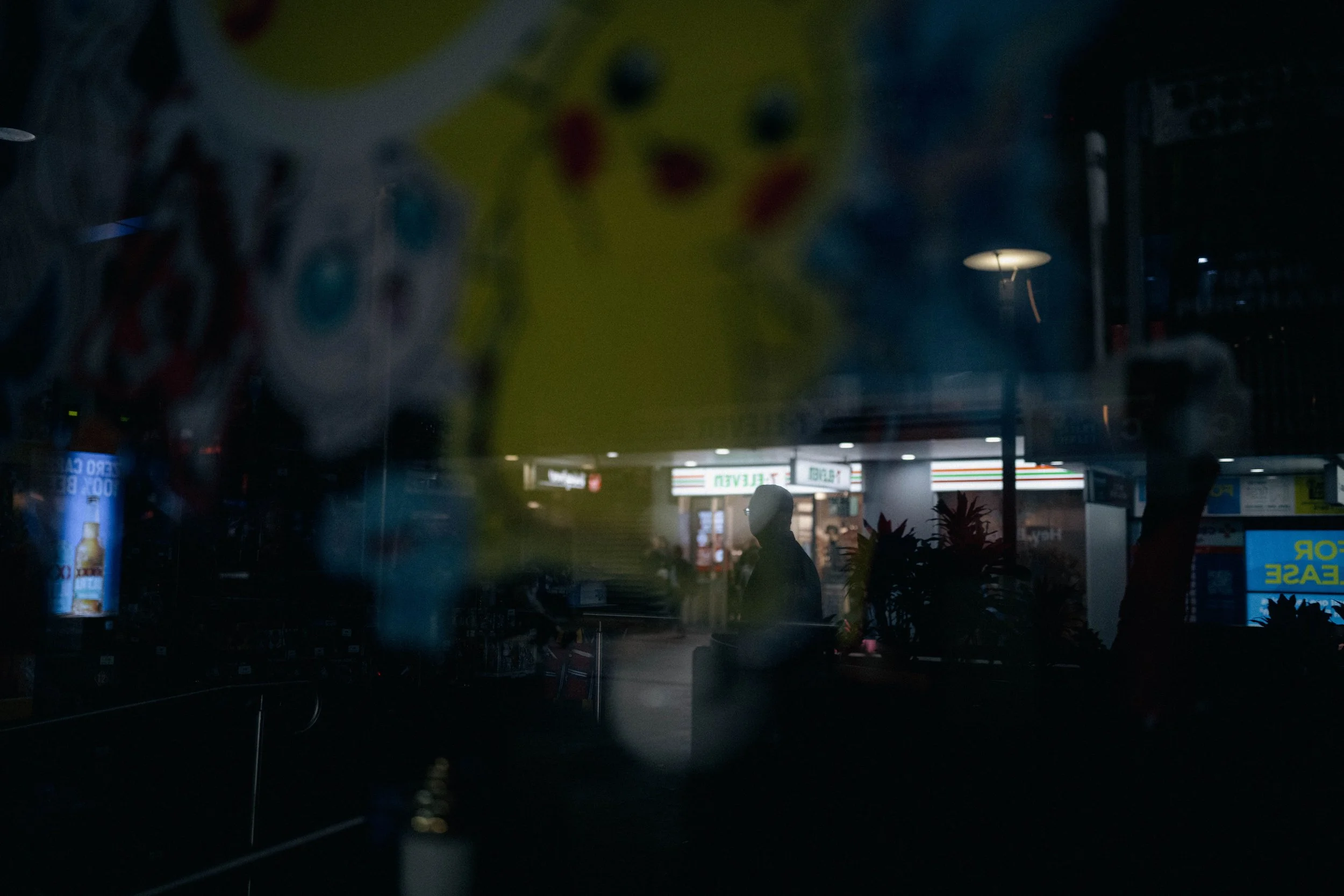
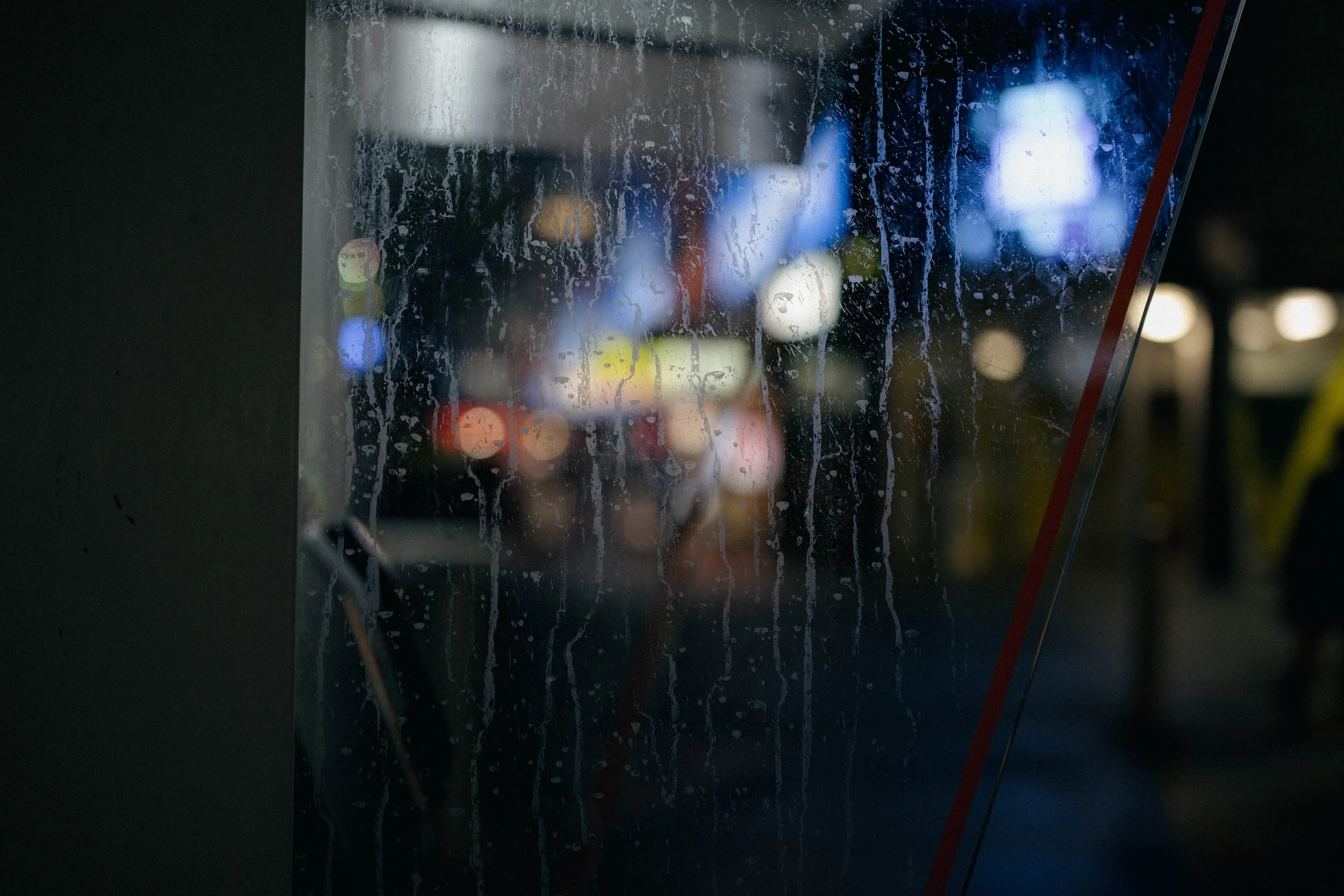
Nikon 35mm f1.2 S Z.
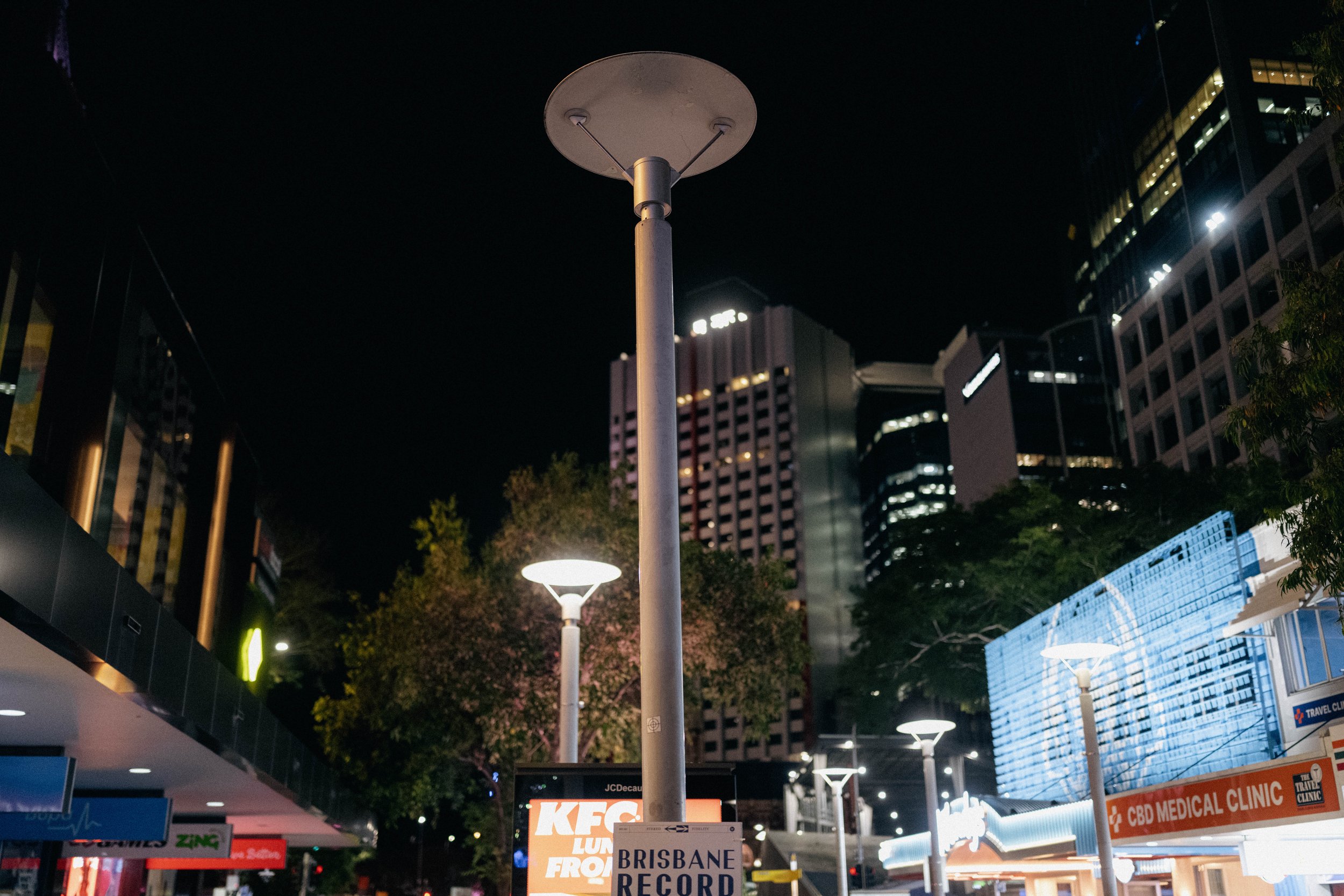
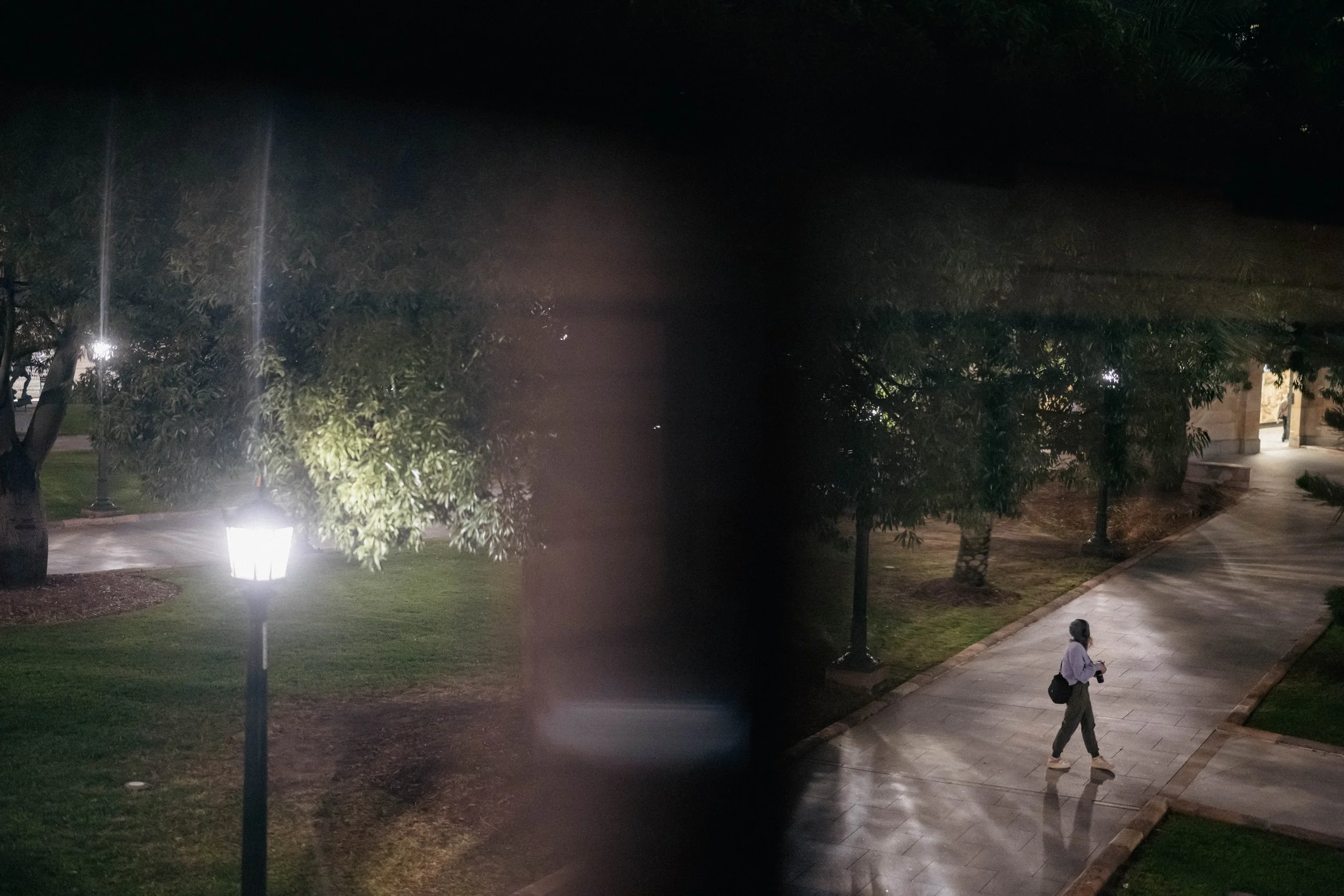
You can stand a bit further away and still get that separation, I must have been 10 metres away from this overhead street lamp - there’s still nice falloff at 1.2.
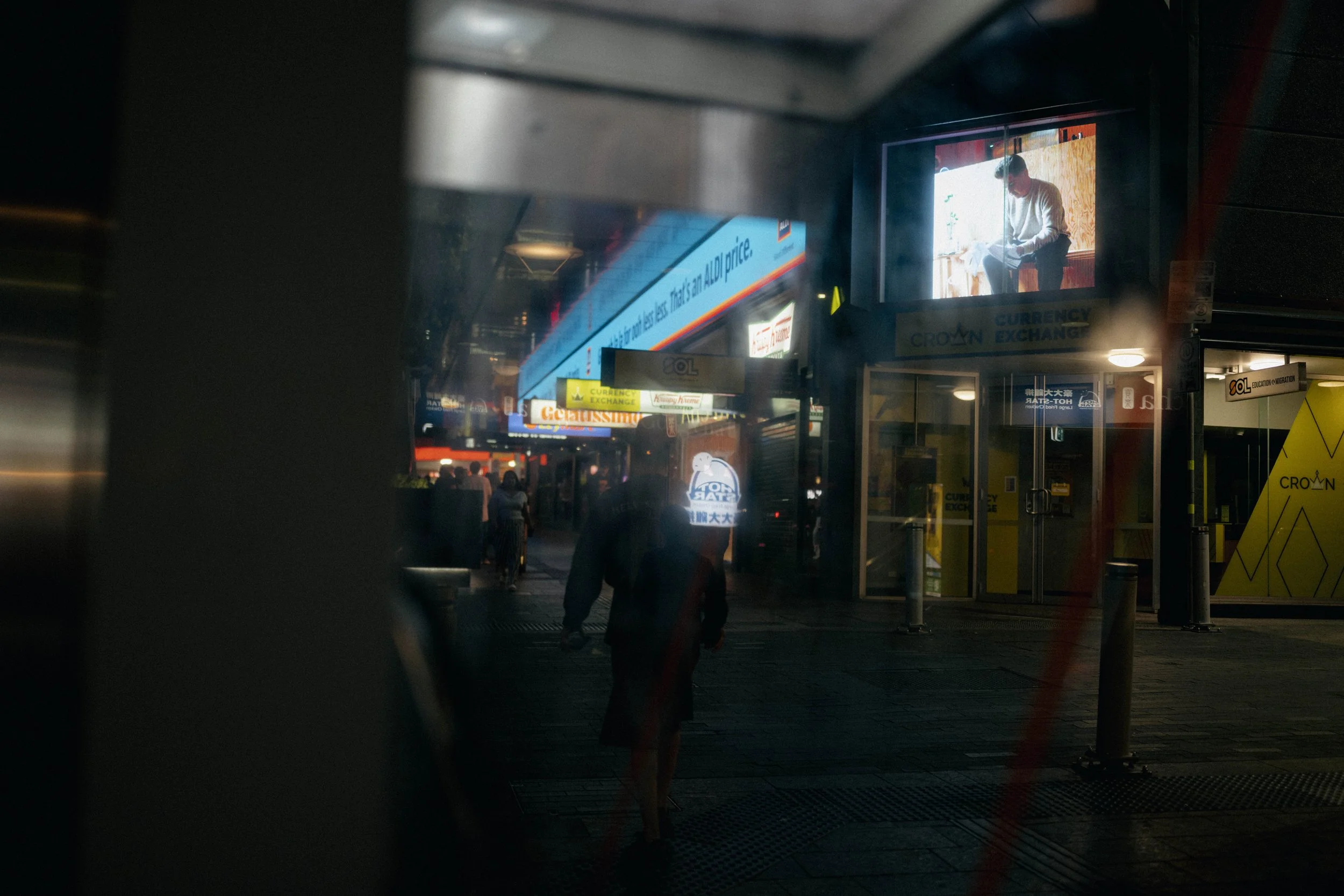
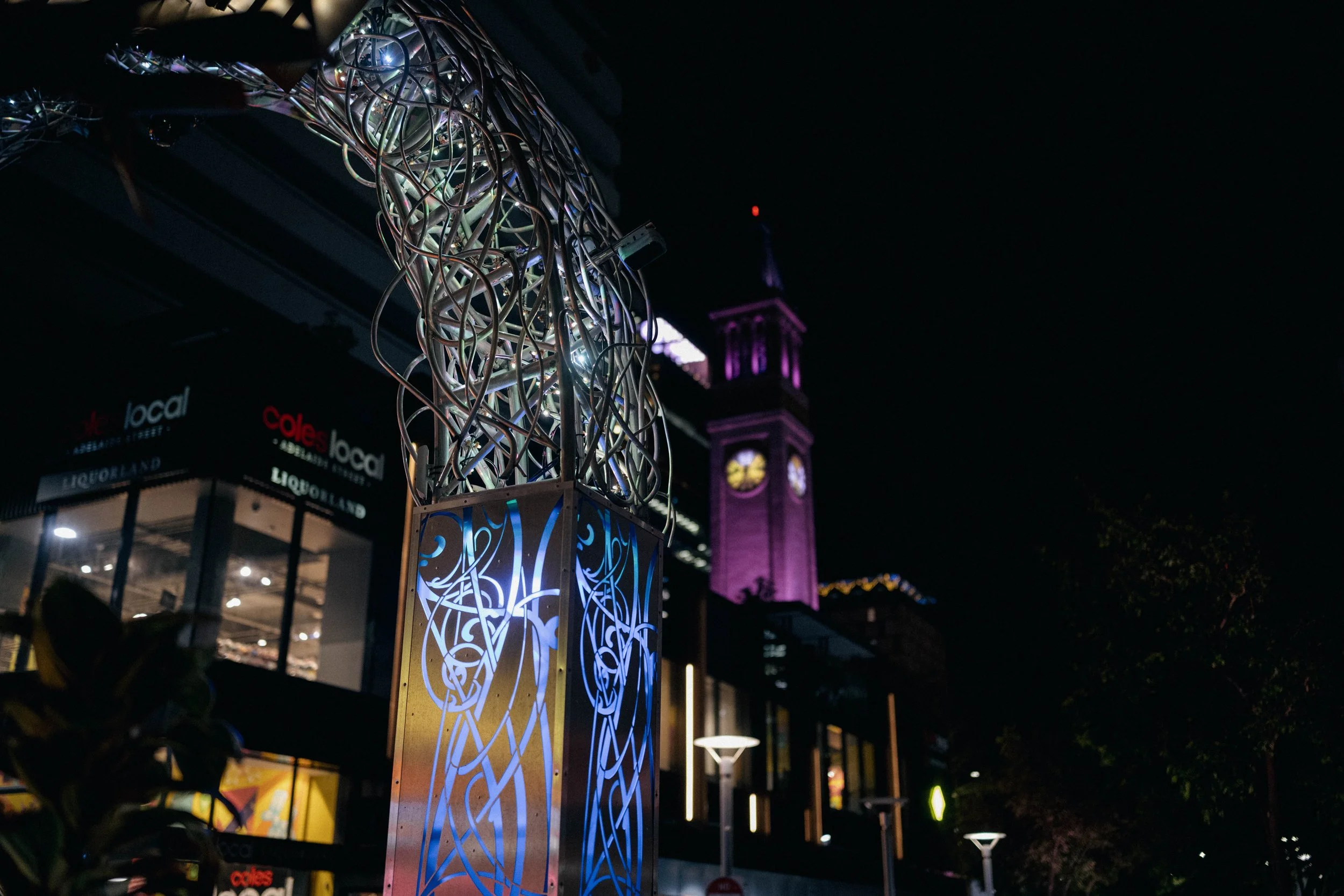
Nikon 35mm f1.2 S Z
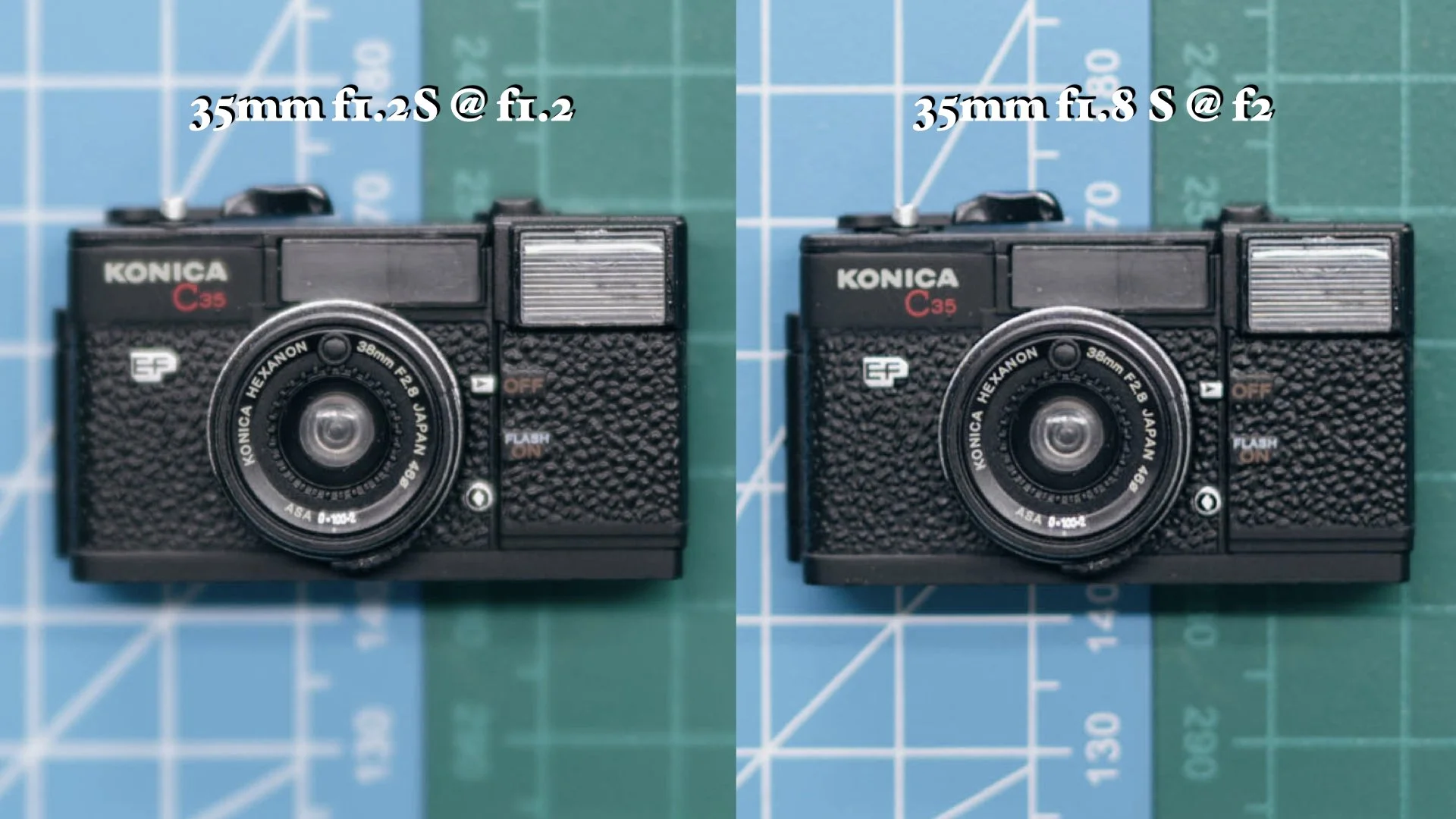
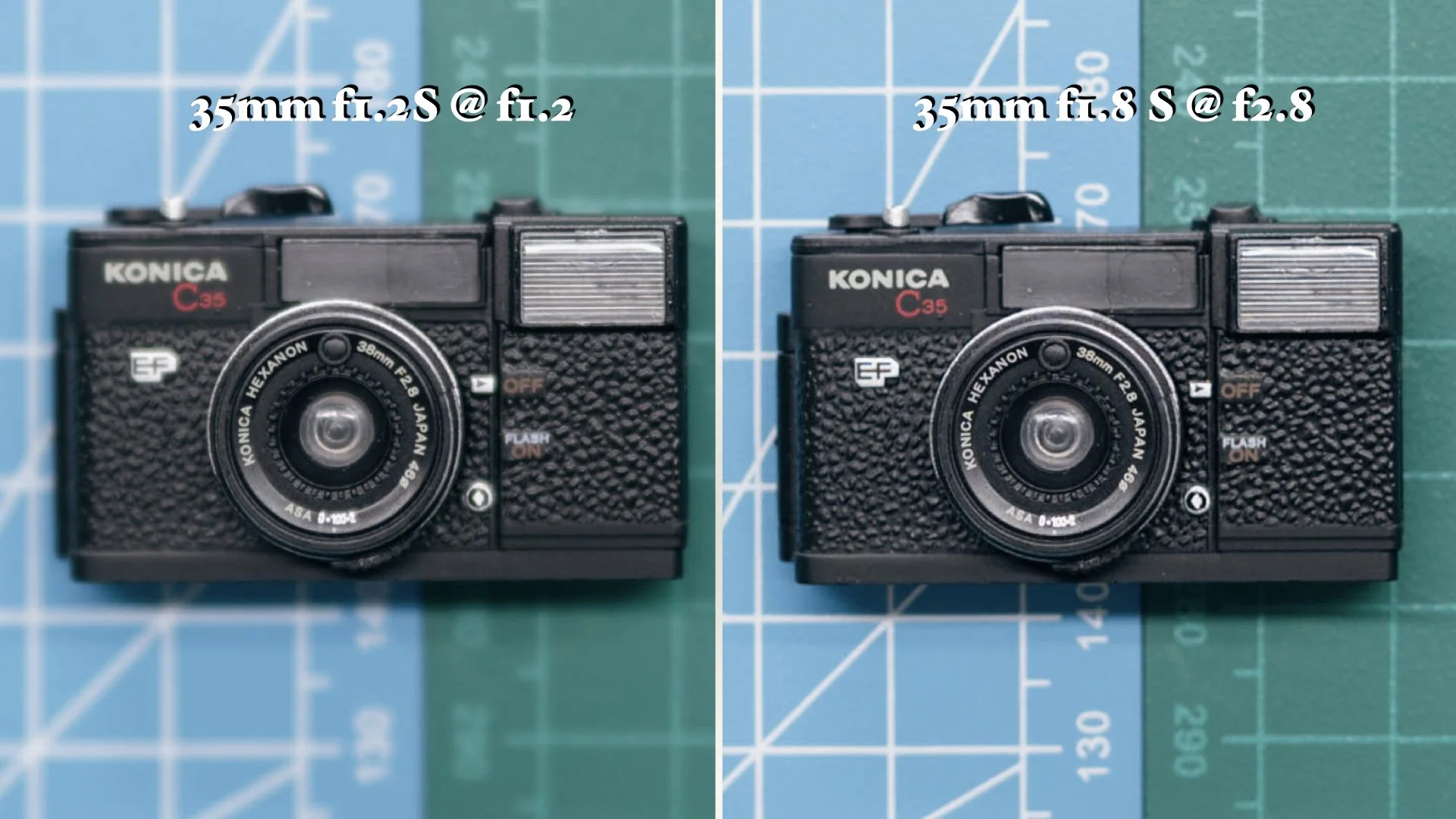
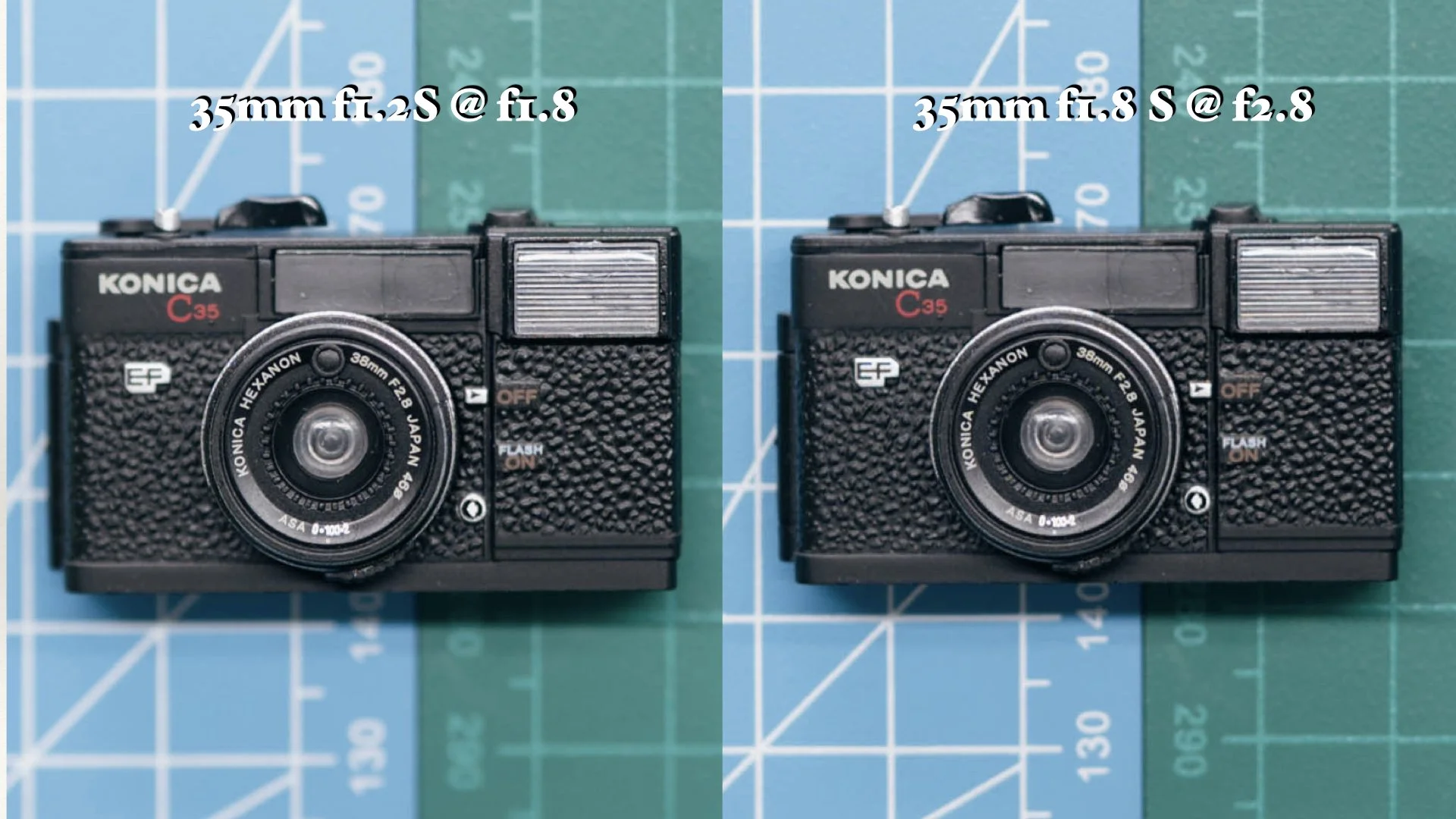
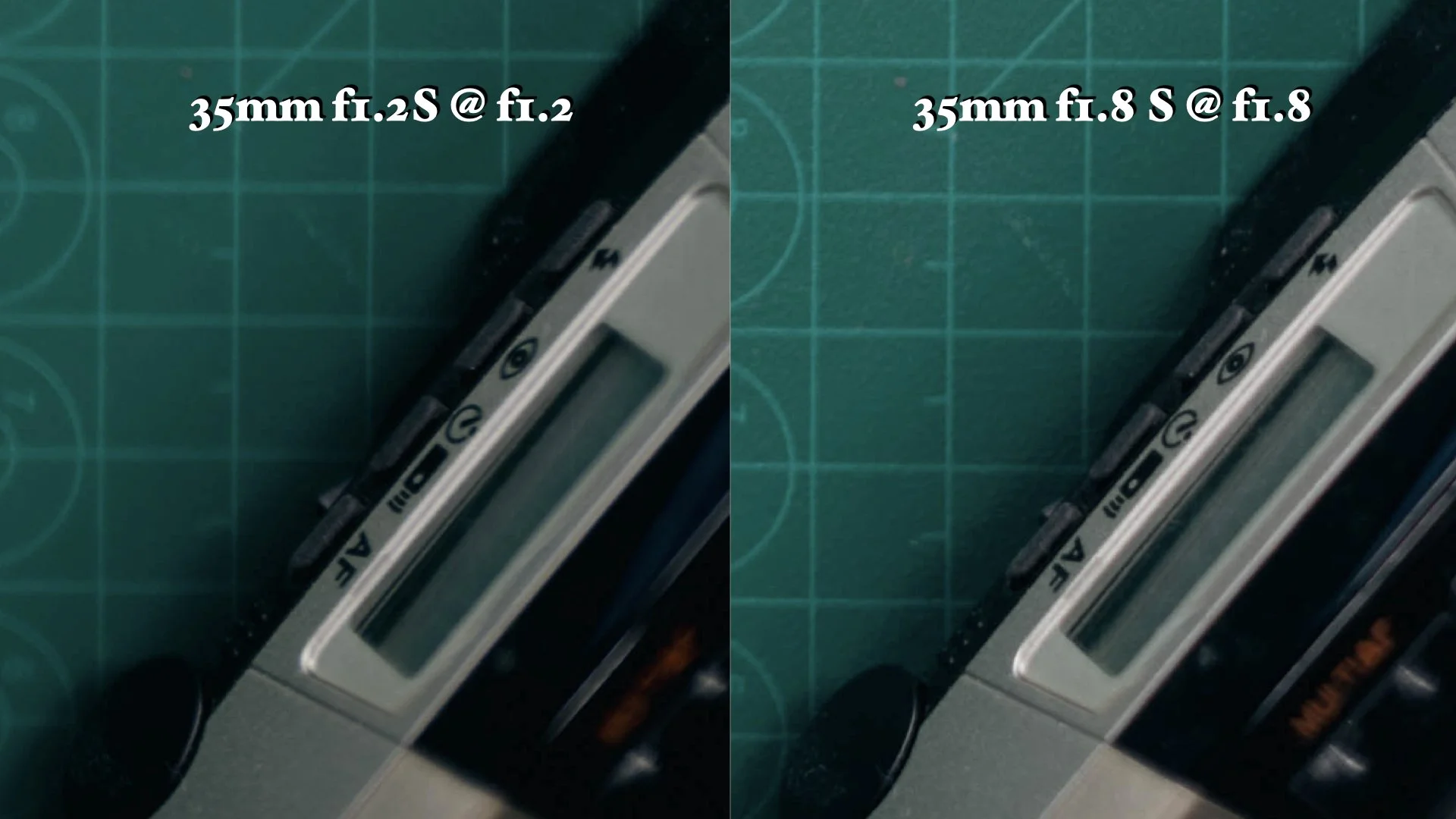
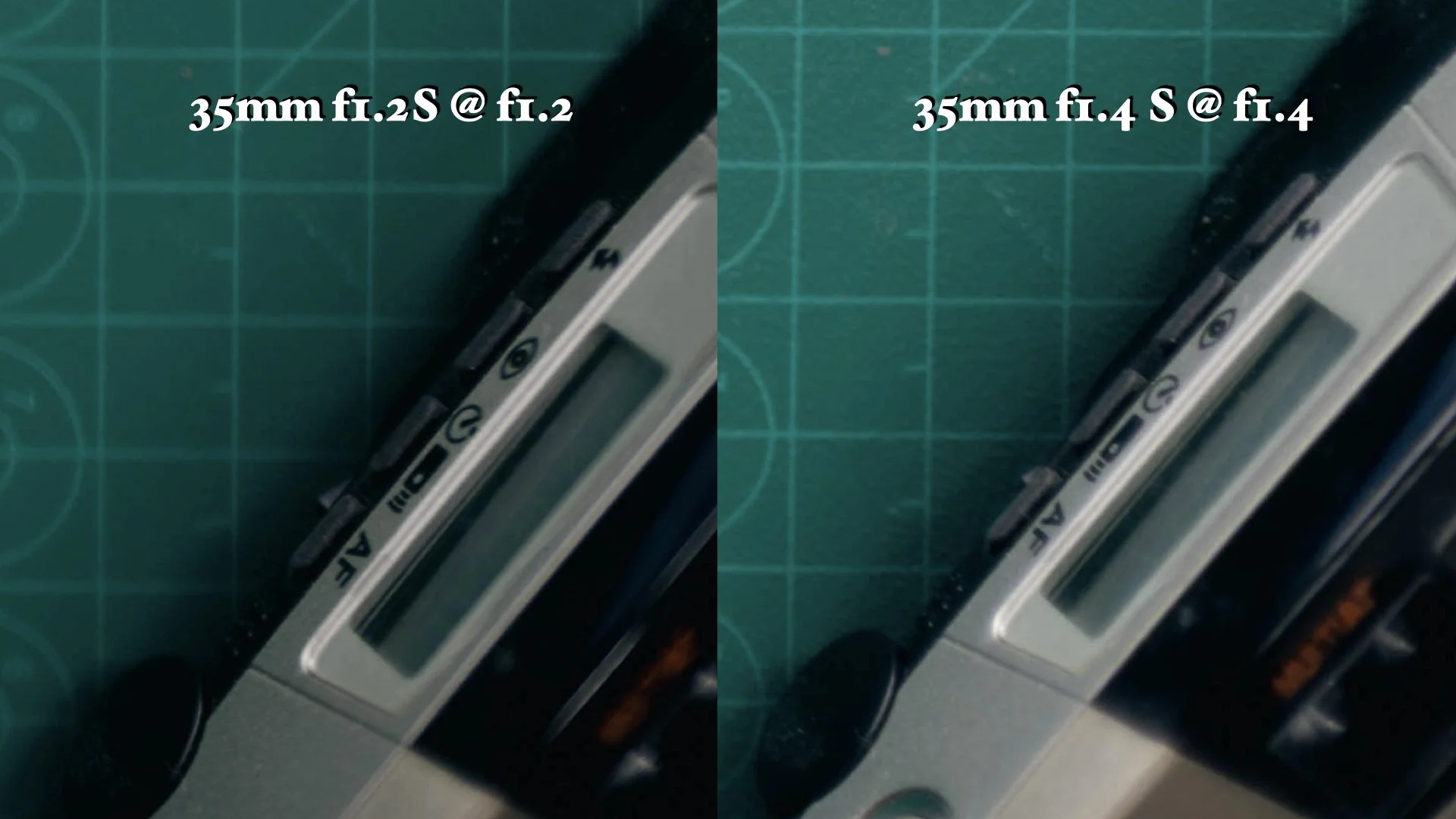
I only had time to do 1 studio test - close-up sharpness at minimum focus distance. I’ll say all three 35mm lenses are sharp, sharp enough - I can only see differences zoomed in at 400%, but the 1.2 is the sharpest out of the three in the centre. You can comfortably get as close as you like to get as much blur as possible, your subject in the centre should still be tack sharp.
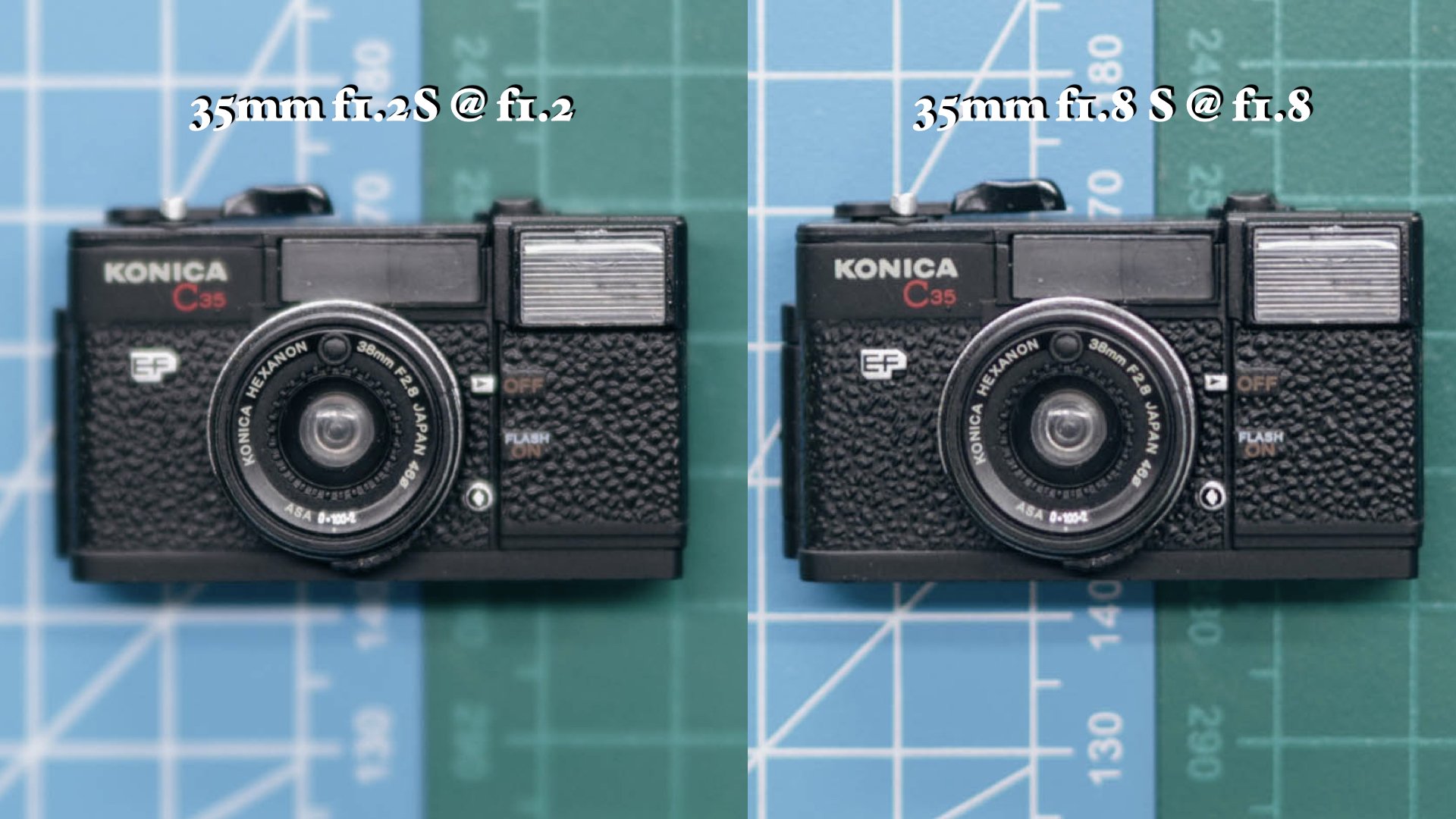
The first thing you’ll notice though is how razor thin the depth of field is up close at f1.2. The lettering on the lens is sharp, but the Konica sign is blurry at 1.2 - that’s about 2-3mm difference in focal plane. The 35mm f1.2 is sharper at 1.2 than the 35mm f1.8 is wide open at 1.8. There’s a hint of fringing around the chrome lens barrel - it looks better controlled on the f1.2 than on the f1.8.
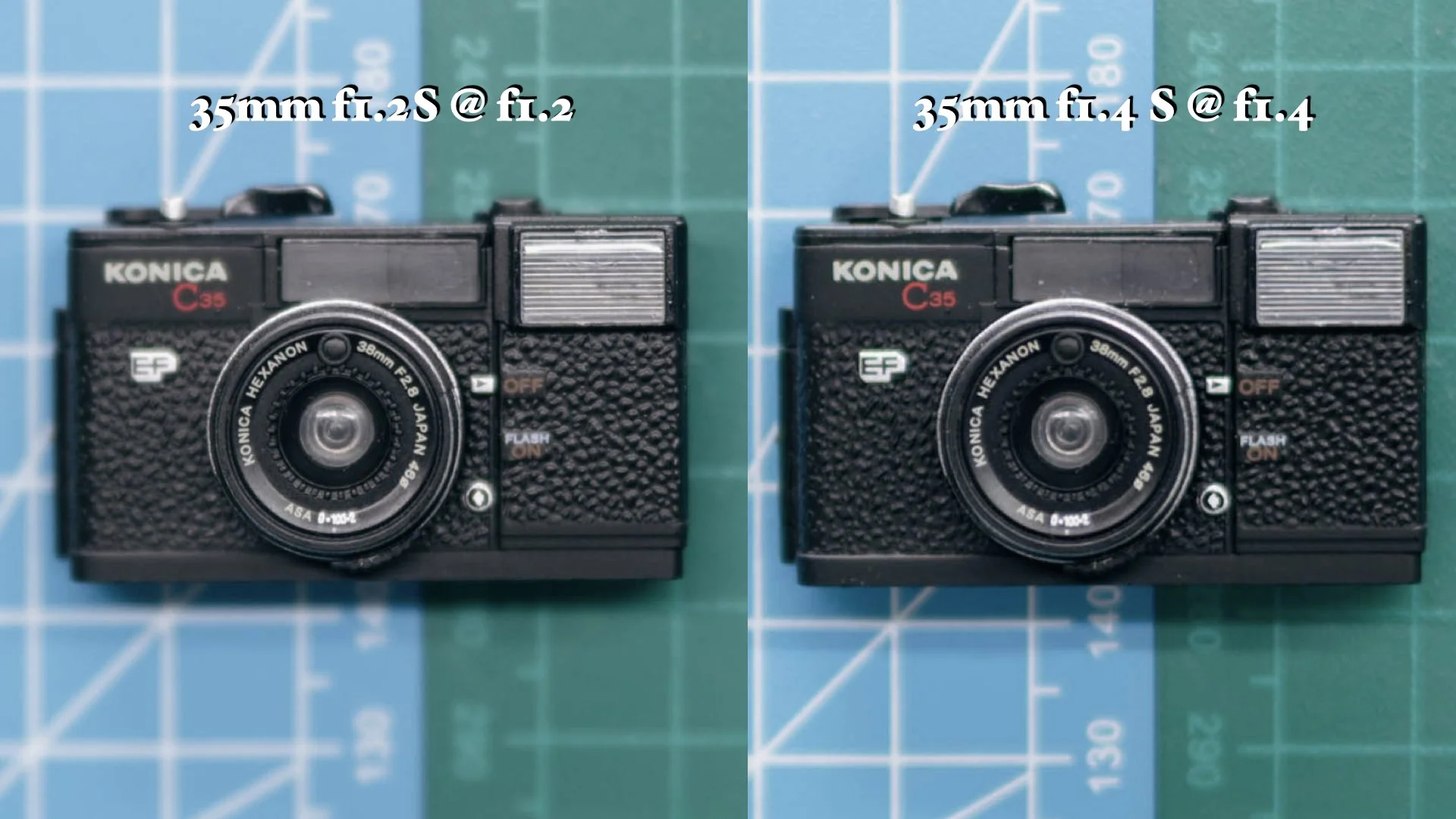
You also see it on the 1.4 at 1.4, which is softer in the centre than either the 1.8 or the 1.2 - that’s to be expected as it’s not a S-line prime.
To match or beat the 1.2 in sharpness I have to stop the 35mm 1.8S to 2.8. If you stop the 35mm f1.2 down to f1.8 it beats it takes the lead again - a crazy sharp lens.
Does this matter for my work? No.
On 35mm I prefer to focus on the space, than any one face, and sharpness across the frame matter more to me.
Nikon 35mm f1.2 S Z
In the extreme corners at minimum focus distance there’s still plenty of detail at 1.2. It’s hard to say but I think the 1.8S is sharpest wide one in the corners out of these 3, though it could just be depth of field effects. 1.4 performs the worst in the corners out of the three in this setting.
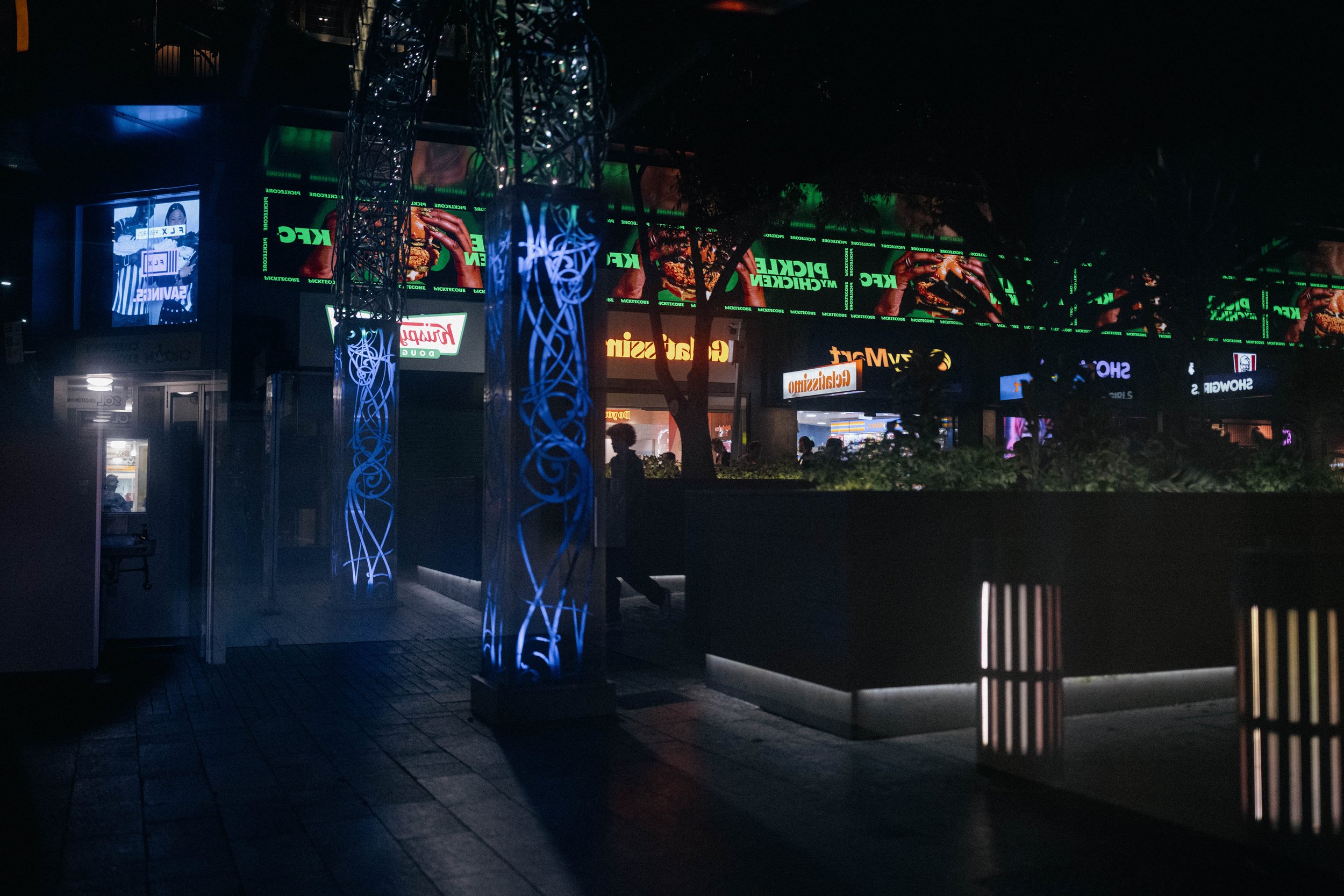
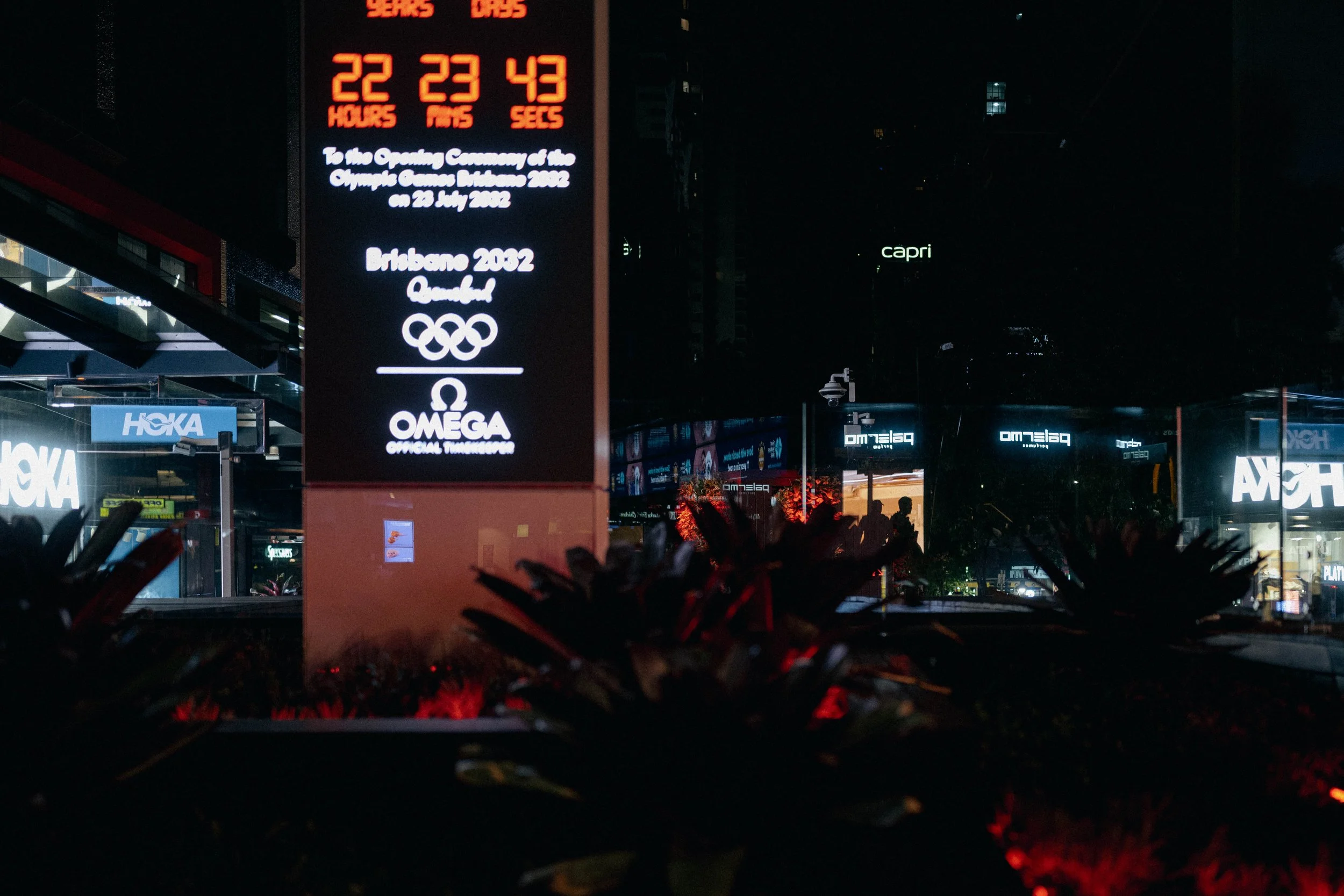
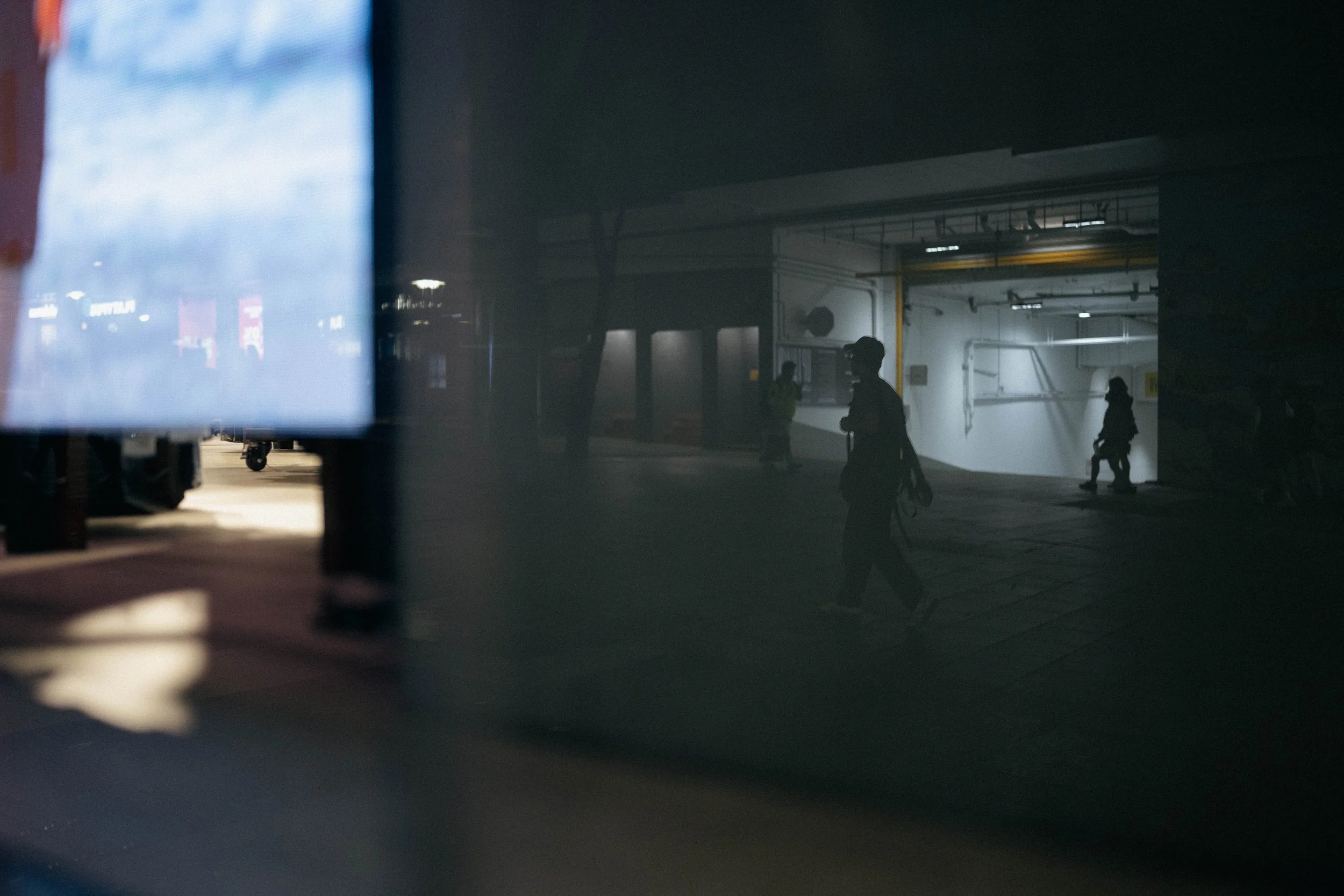
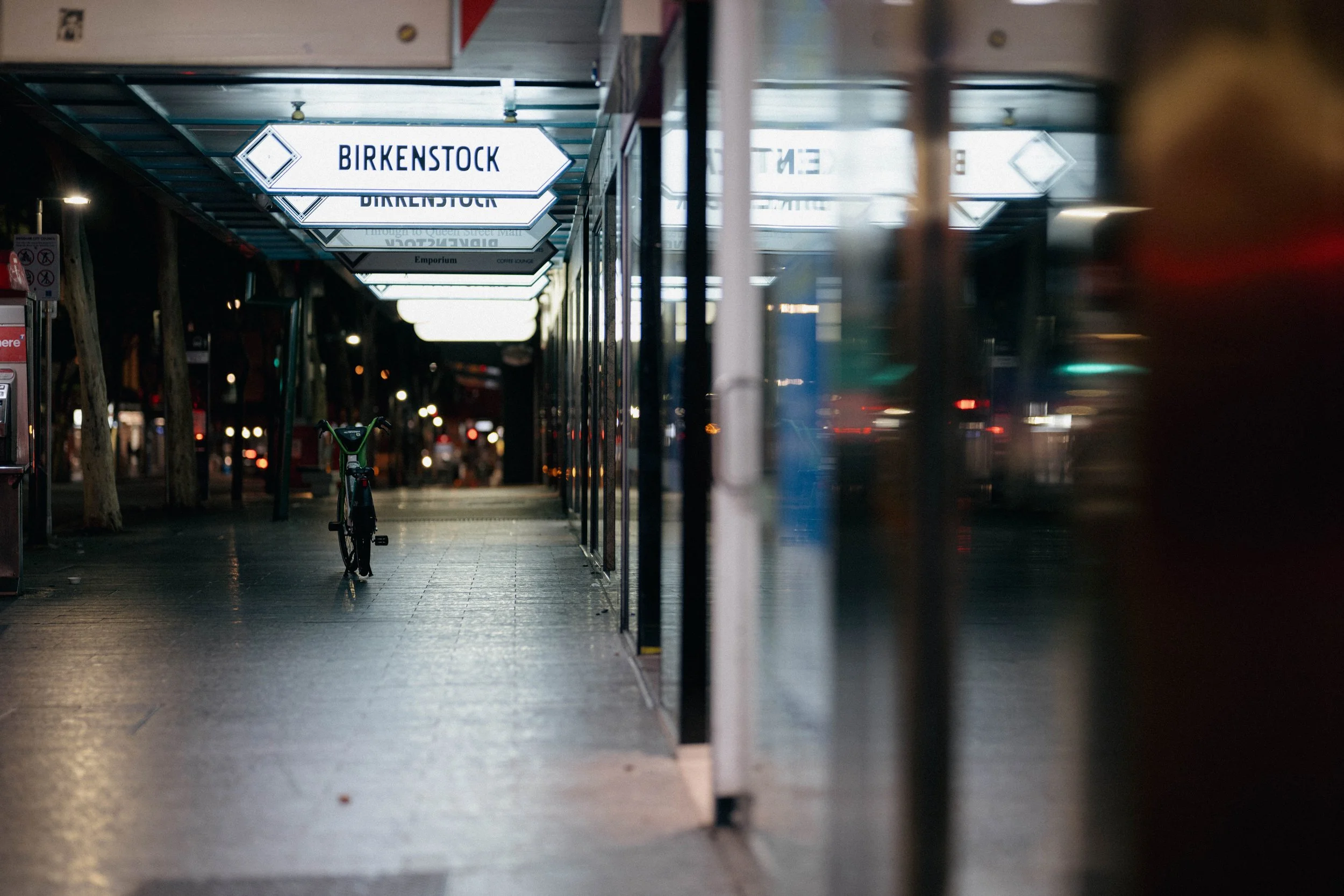
This 35mm f 1.2 has that characteristic Nikon S-line handling, the arneo coating diffuses light sources in soft and gentle way. It’s not a pro-mist look, you don’t lose sharpness and contrast, there’s no veiling or ghosting - feels distinctive to Nikon. This matters to me as someone who shoots almost exclusively at night, how the street signs and lamps are rendered affects my final image more than any other light source.
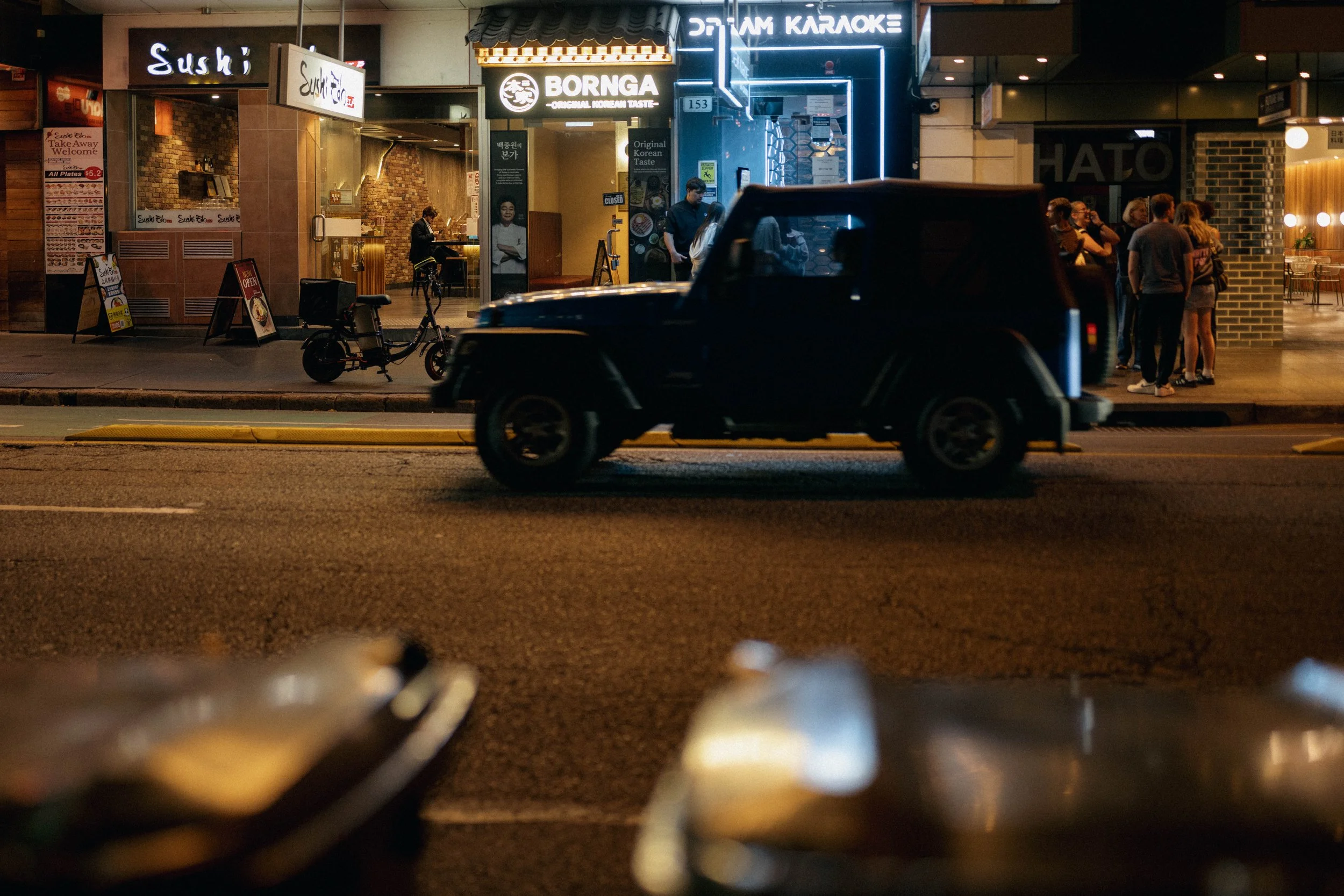
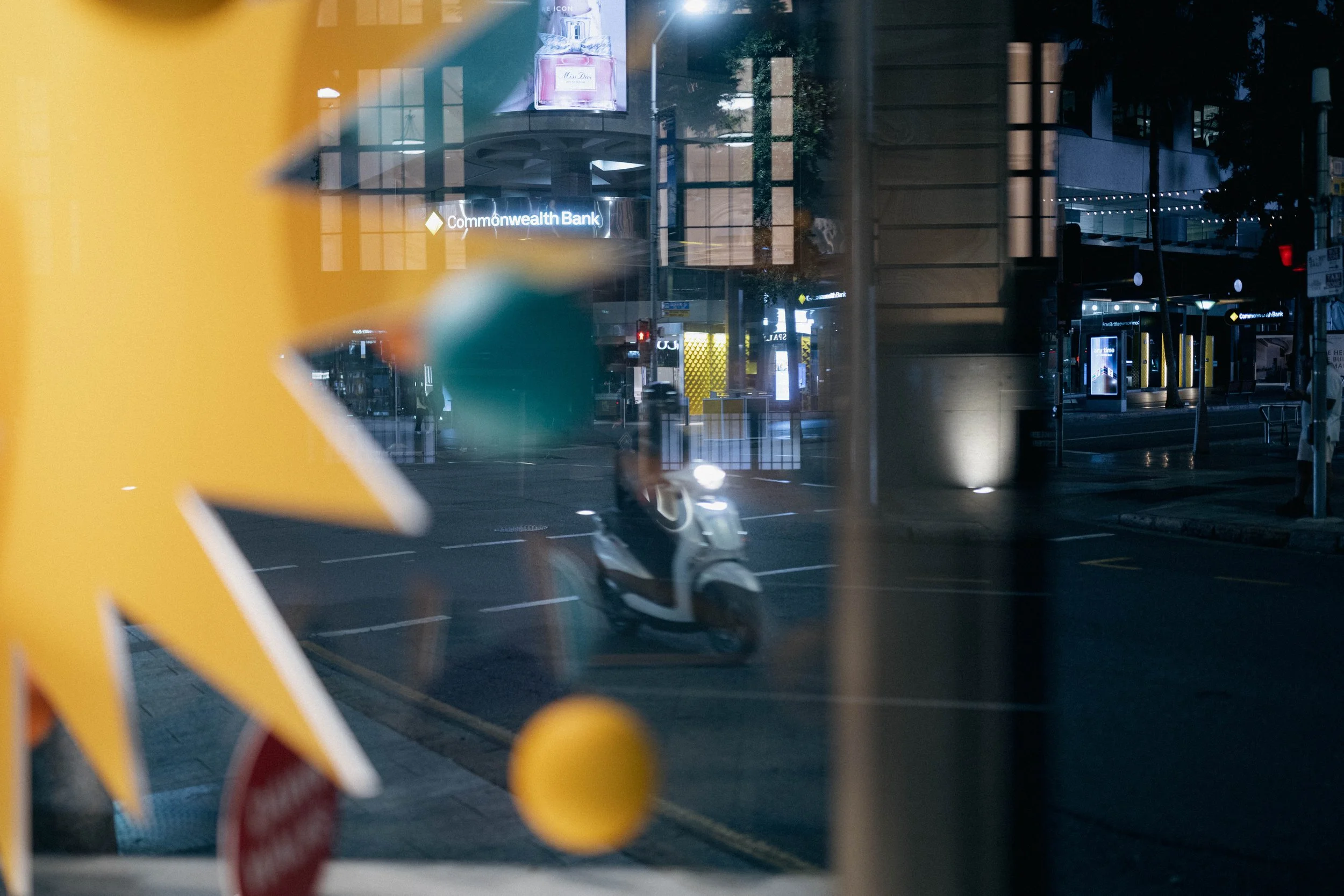
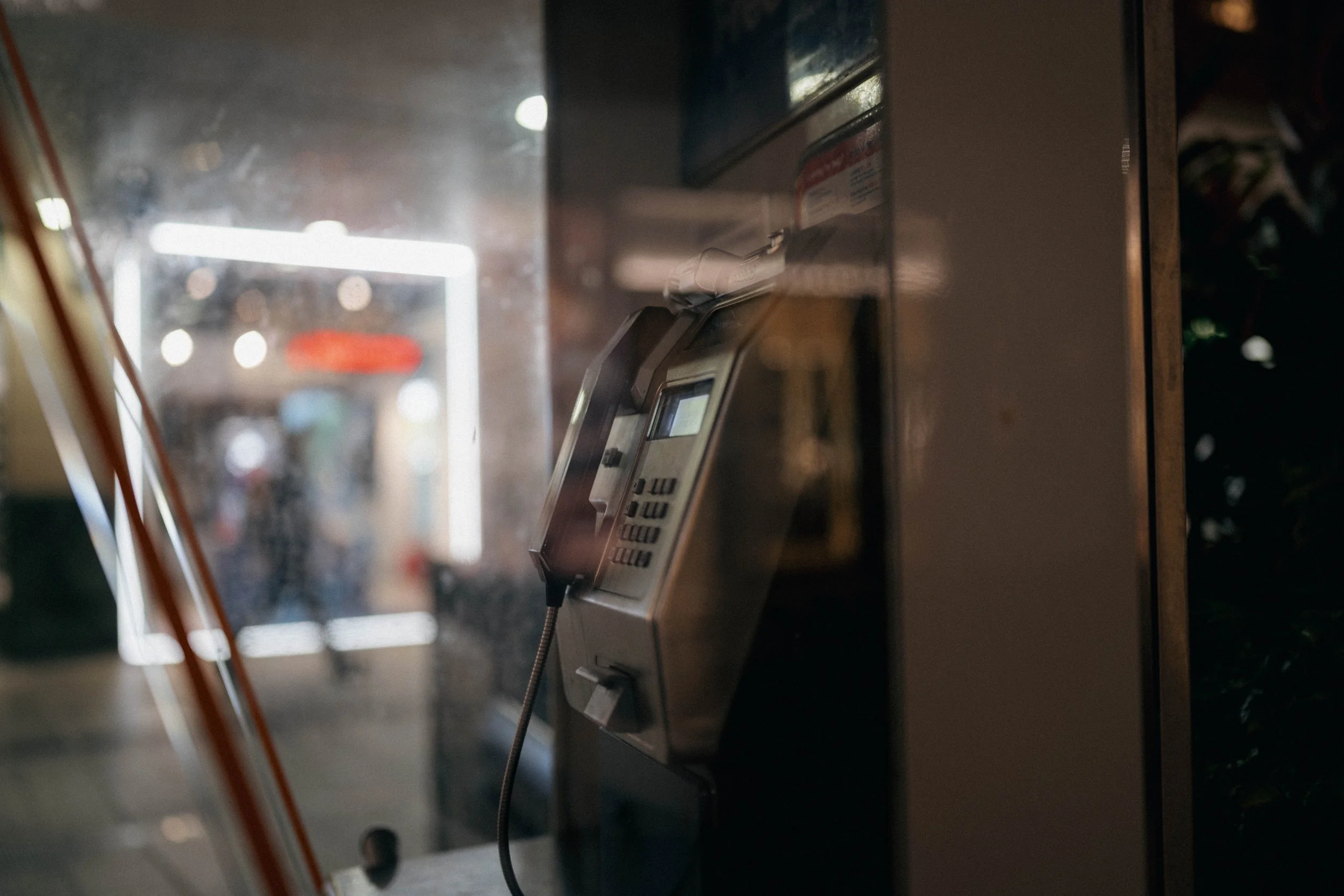
Nikon 35mm f1.2 S Z.
The bokeh looks smooth, not distracting, it’s not particularly swirly, not much cats eye in the corners either, but the thing that stands out the most to me is the rendering. At f1.2 there’s an airiness for a lack of a better word. I’m shooting through glass, reflective surfaces, there’s a subtle dreaminess to these images that I don’t have on my 35mm f1.8S.
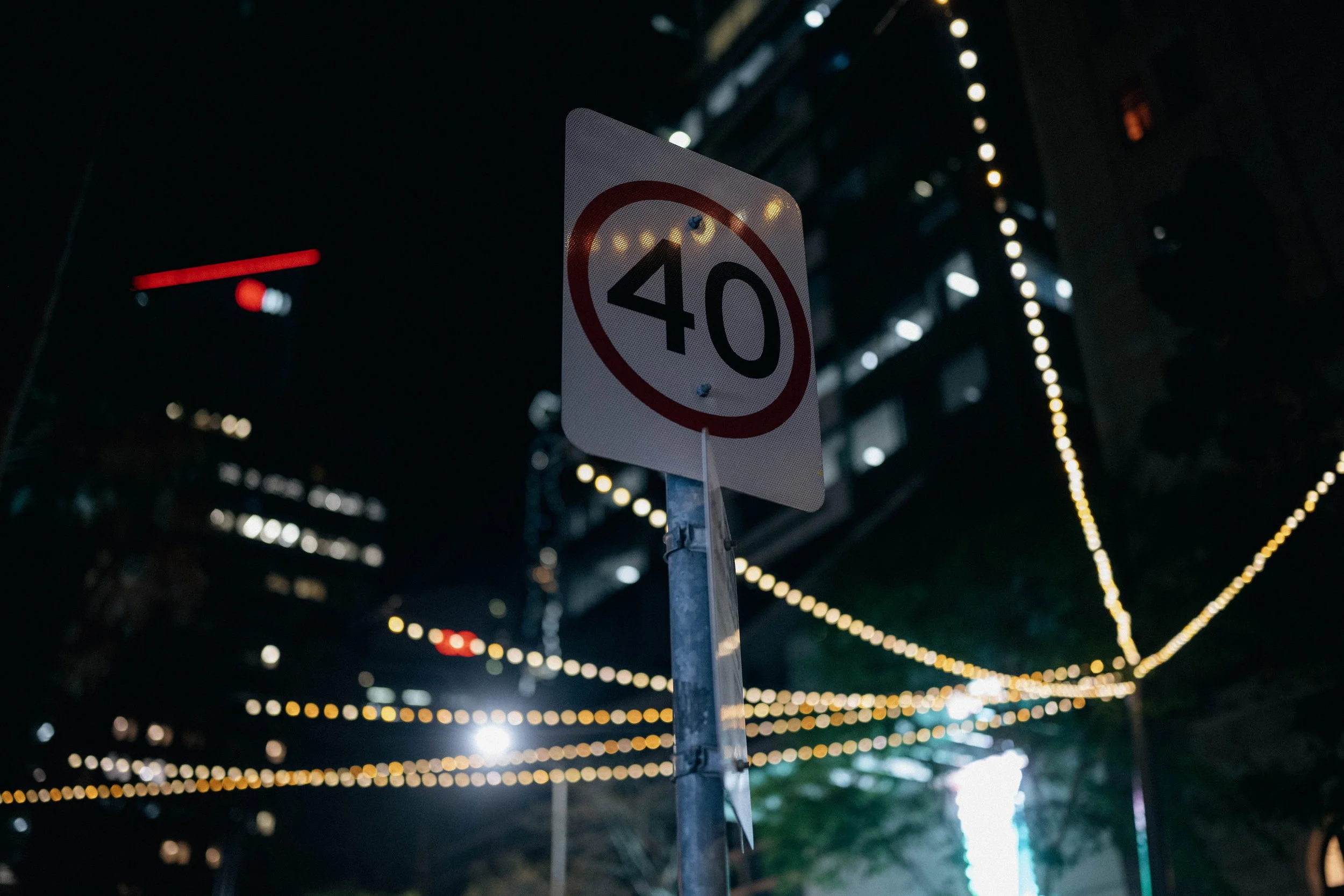
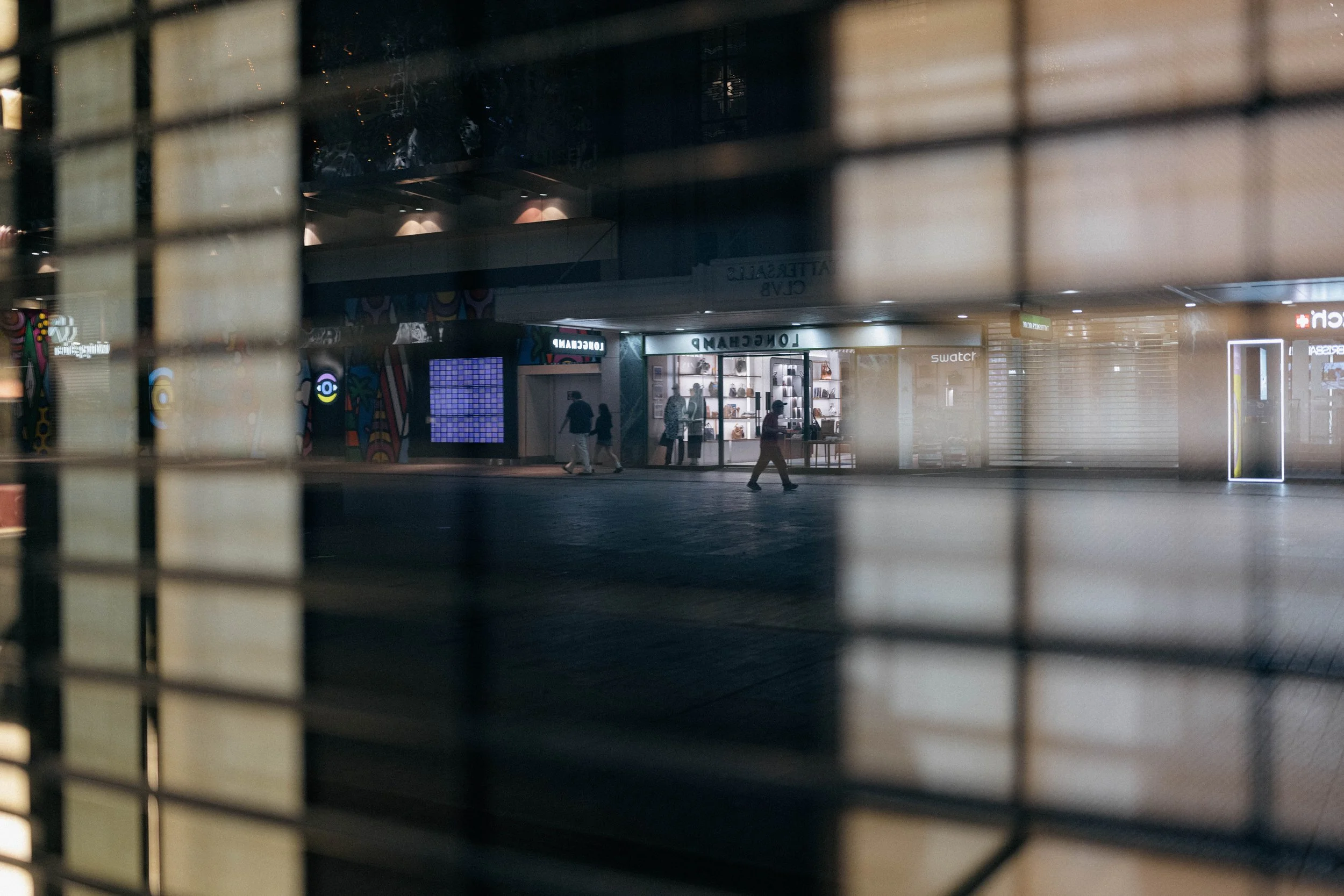
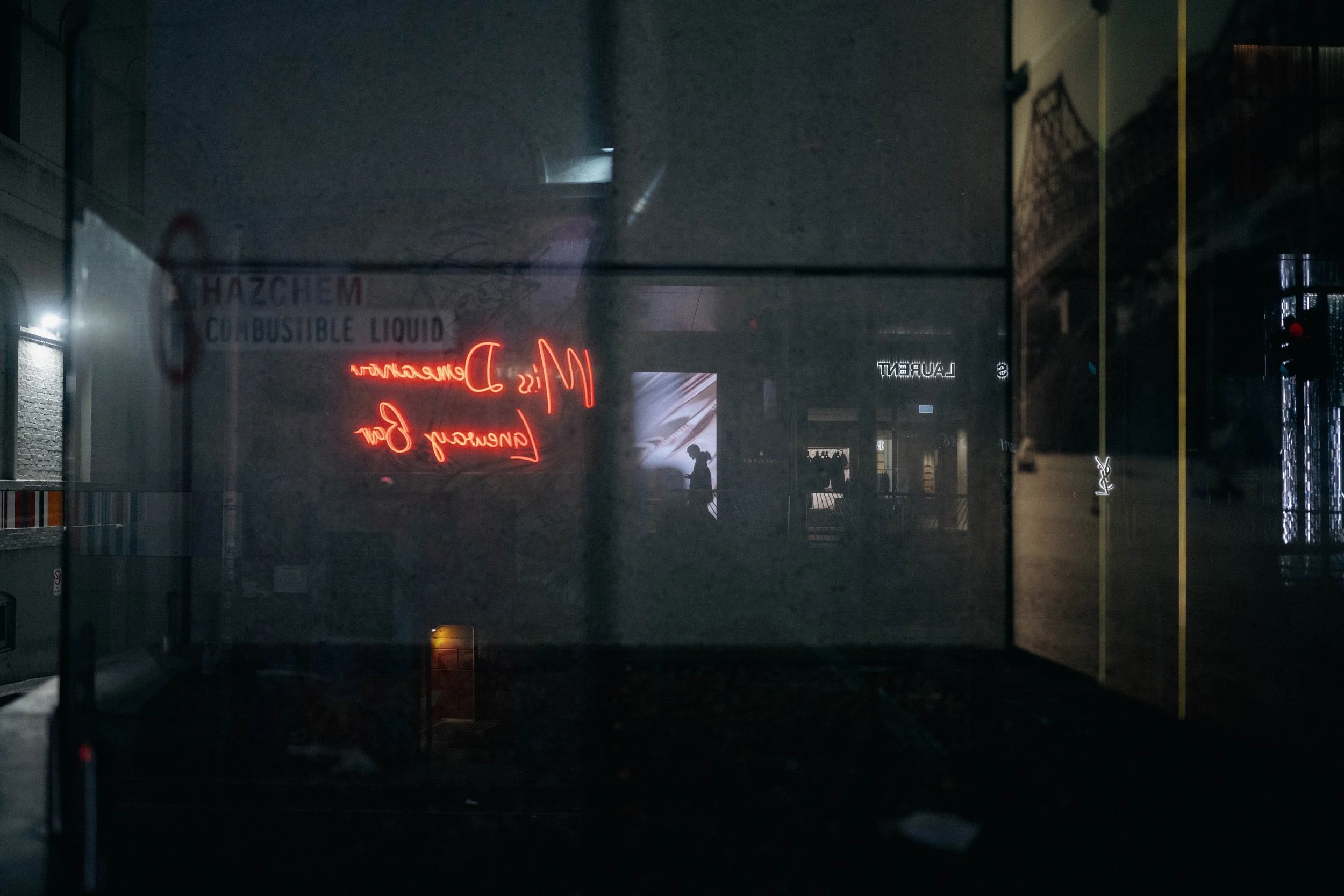
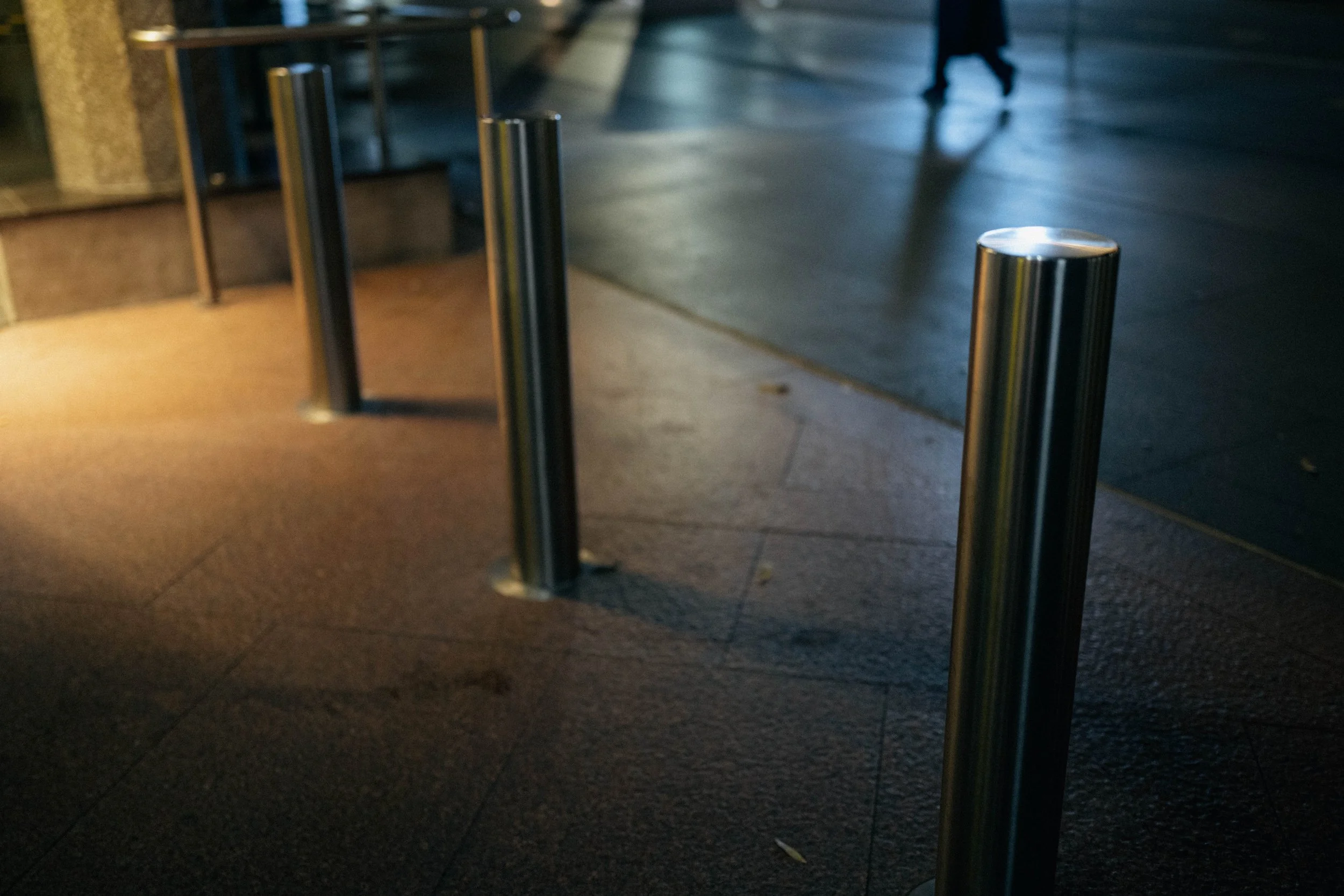
Nikon 35mm f1.2 S Z.
It is a subtle effect though from the working distances I prefer on the street with a 35.
Is it too subtle?
II. 50mm
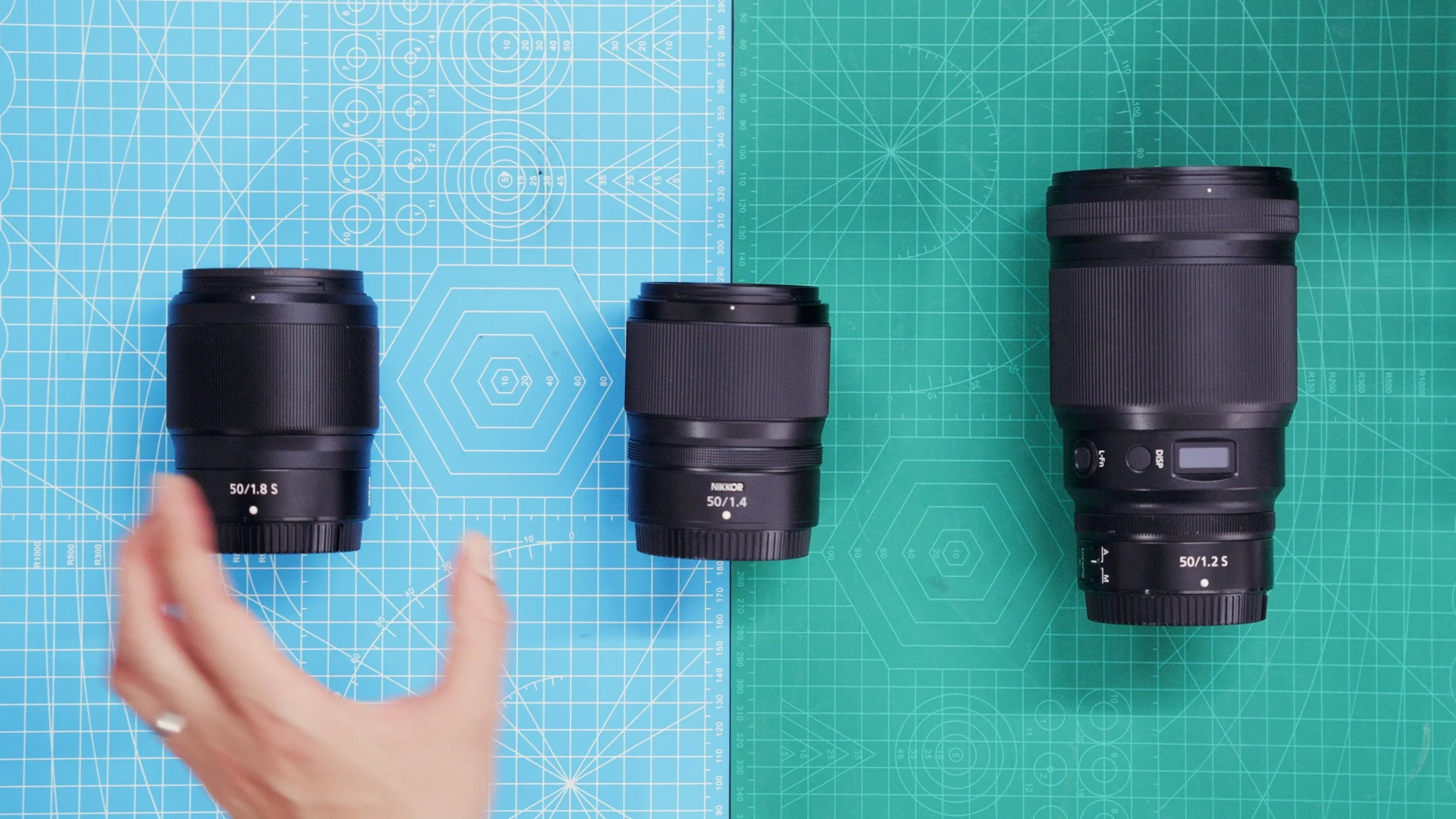
50mm is my go to focal length, equally useful for everyday documentary and abstract scenes. With a 50 you don’t need it to be that fast to get separation, I can keep the overall size of my kit down while getting very diverse and versatile results on a fifty.
What does a massive 50 1.2 bring to the table that’s not available elsewhere in Z-mount?
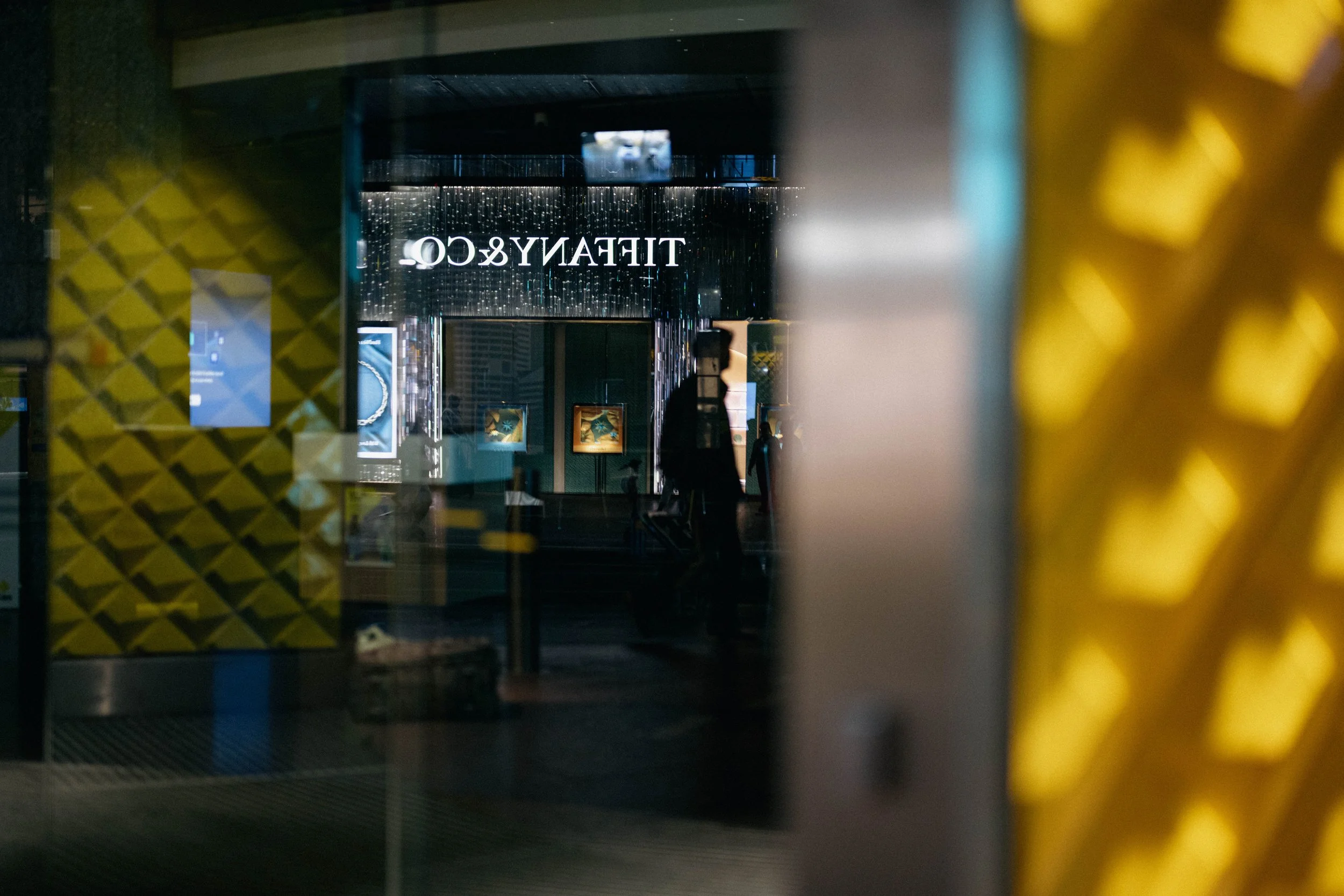
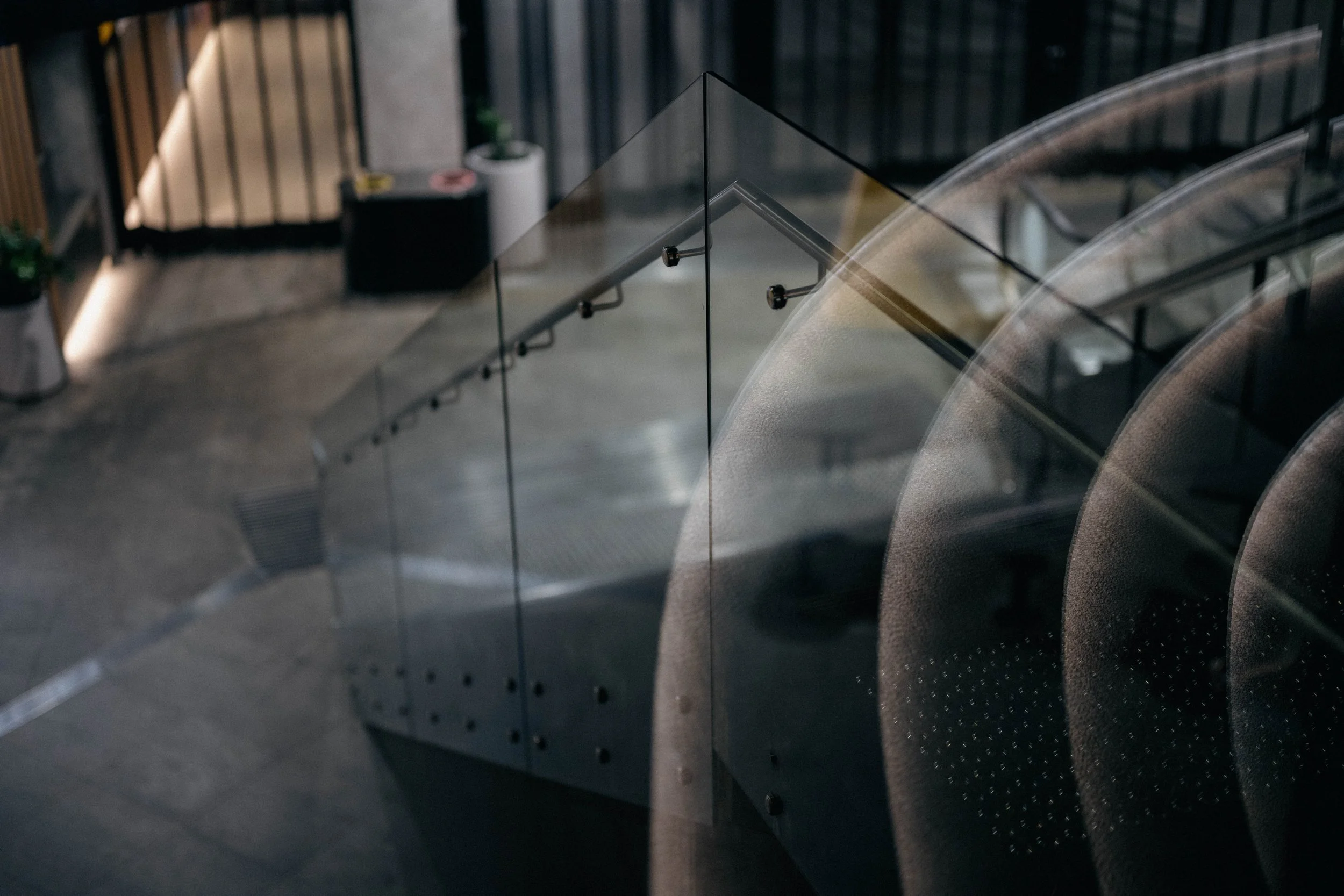
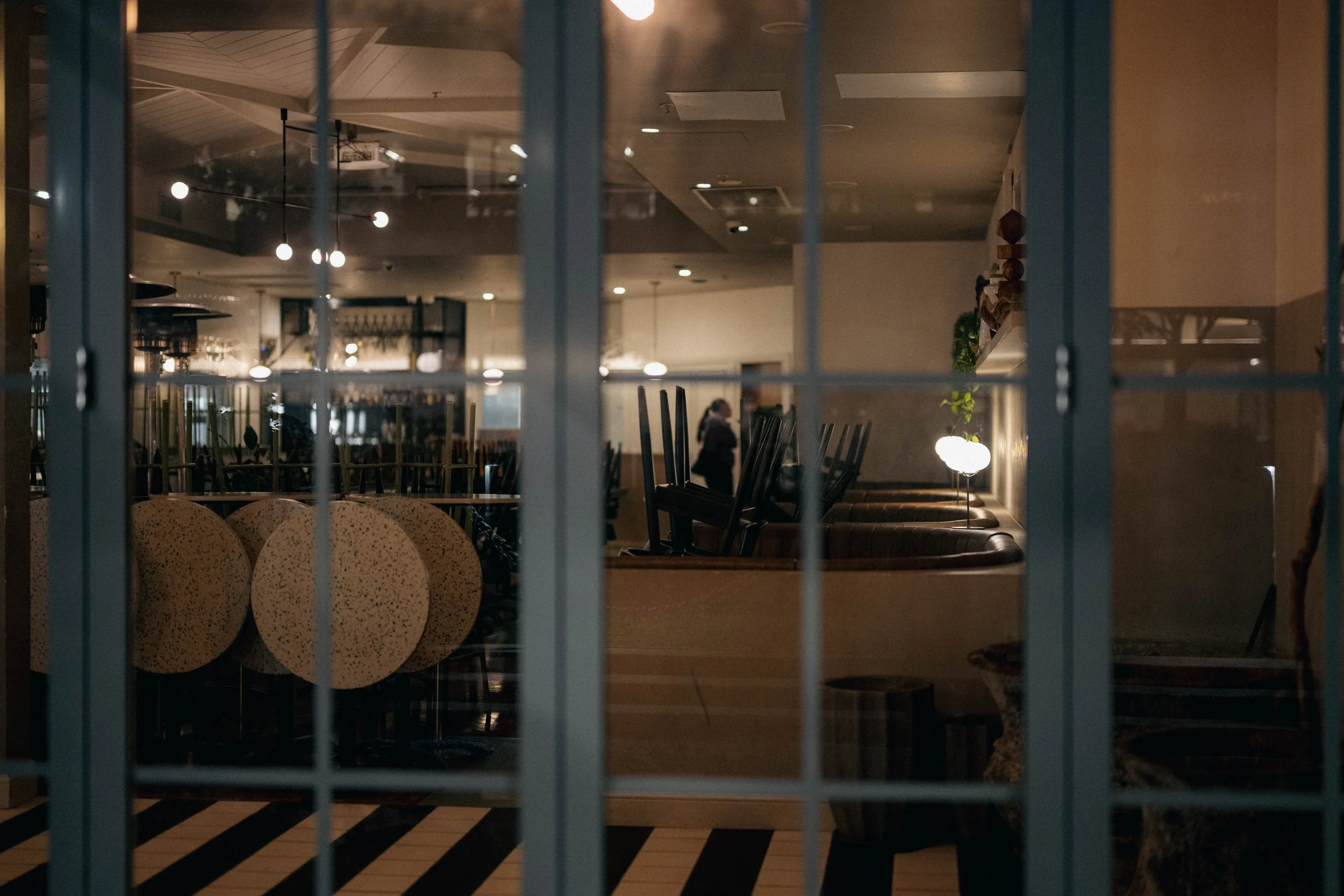
Nikon 50mm f1.2 S Z.
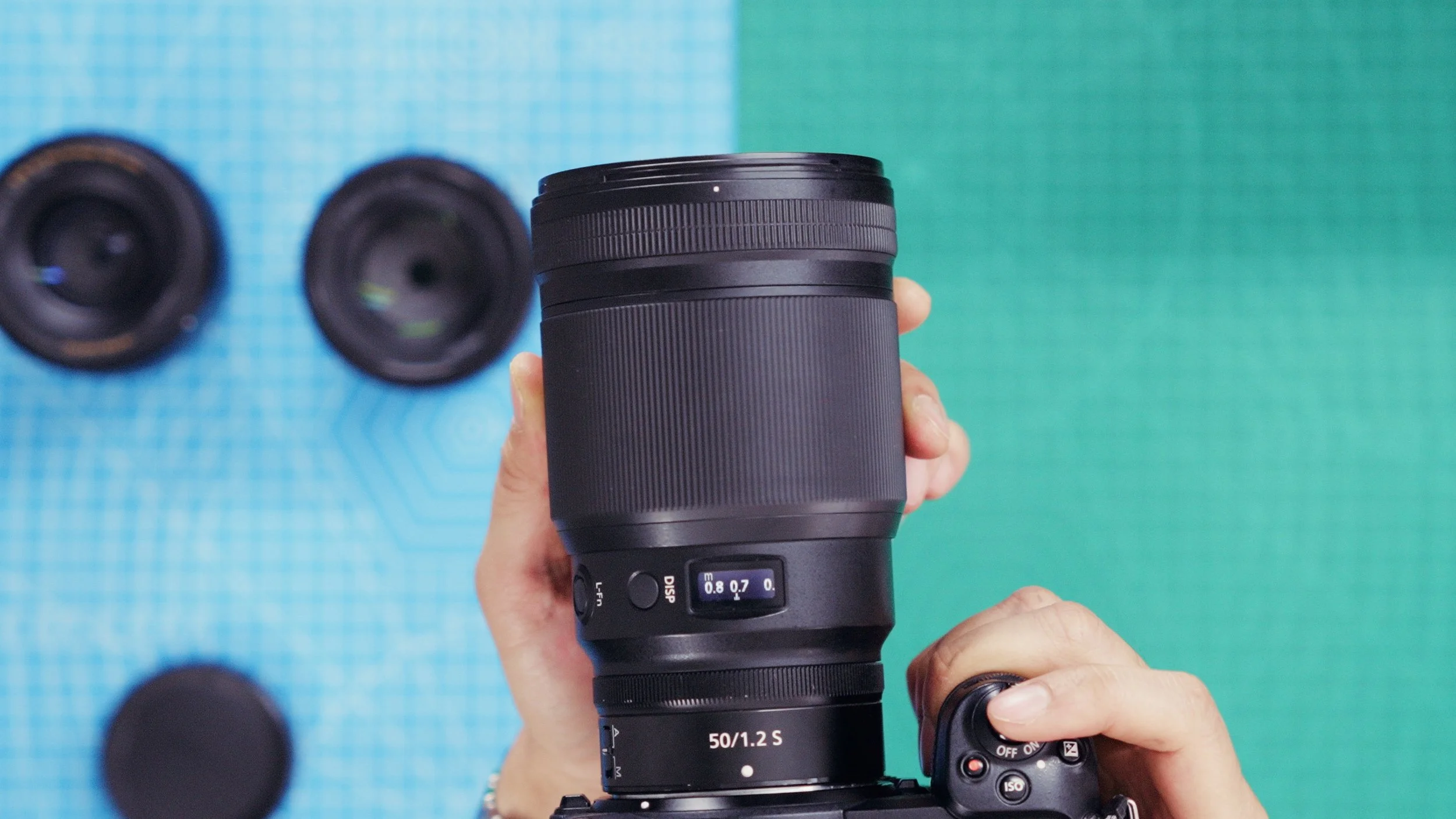
The 50m f1.2 S is the oldest 1.2 Z lens, does it still live up to its S-line legacy? Though it’s very similar in weight to the 35mm 1.2 S, it also uses 82mm front filter threads, in my testing it feels more front heavy. I don’t know how this is affected by the arrangement of the glass inside, just something worth noting. It has the older OLED lens screen design, while it was helpful judging focal distances sometimes, I found it a little distracting lighting up at night.
How about its image quality?
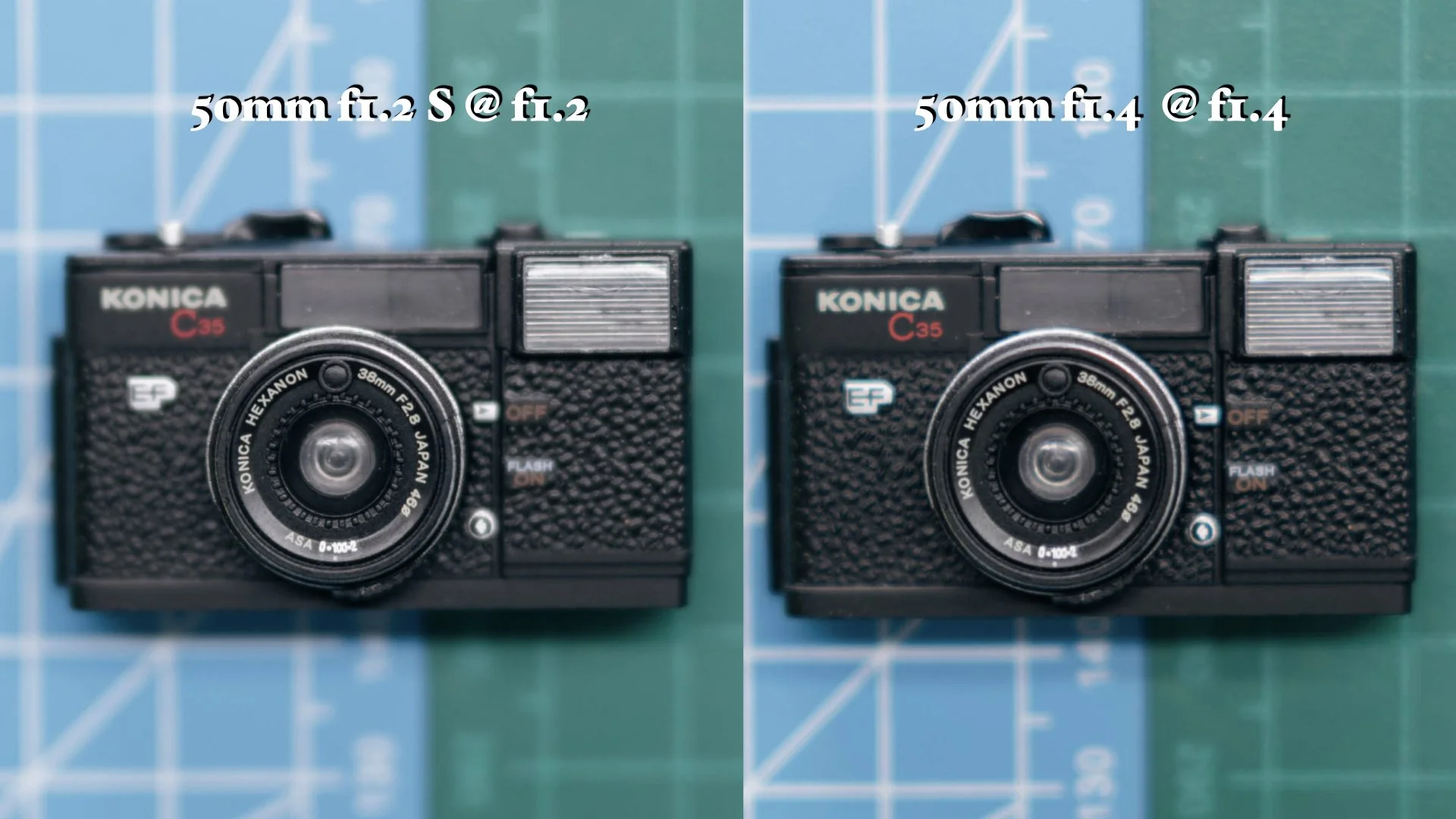
The 50mm f1.8 S for Z-mount has up until this point been the sharpest 50mm I’ve tested - but at least in the centre it’s now bested by the 1.2. Again these aren’t that noticeable in the real world, but zoomed in to 400% in my studio there’s slightly more detail in the centre on the 1.2 at 1.2 than the 1.8S wide open at 1.8. It’s very close.
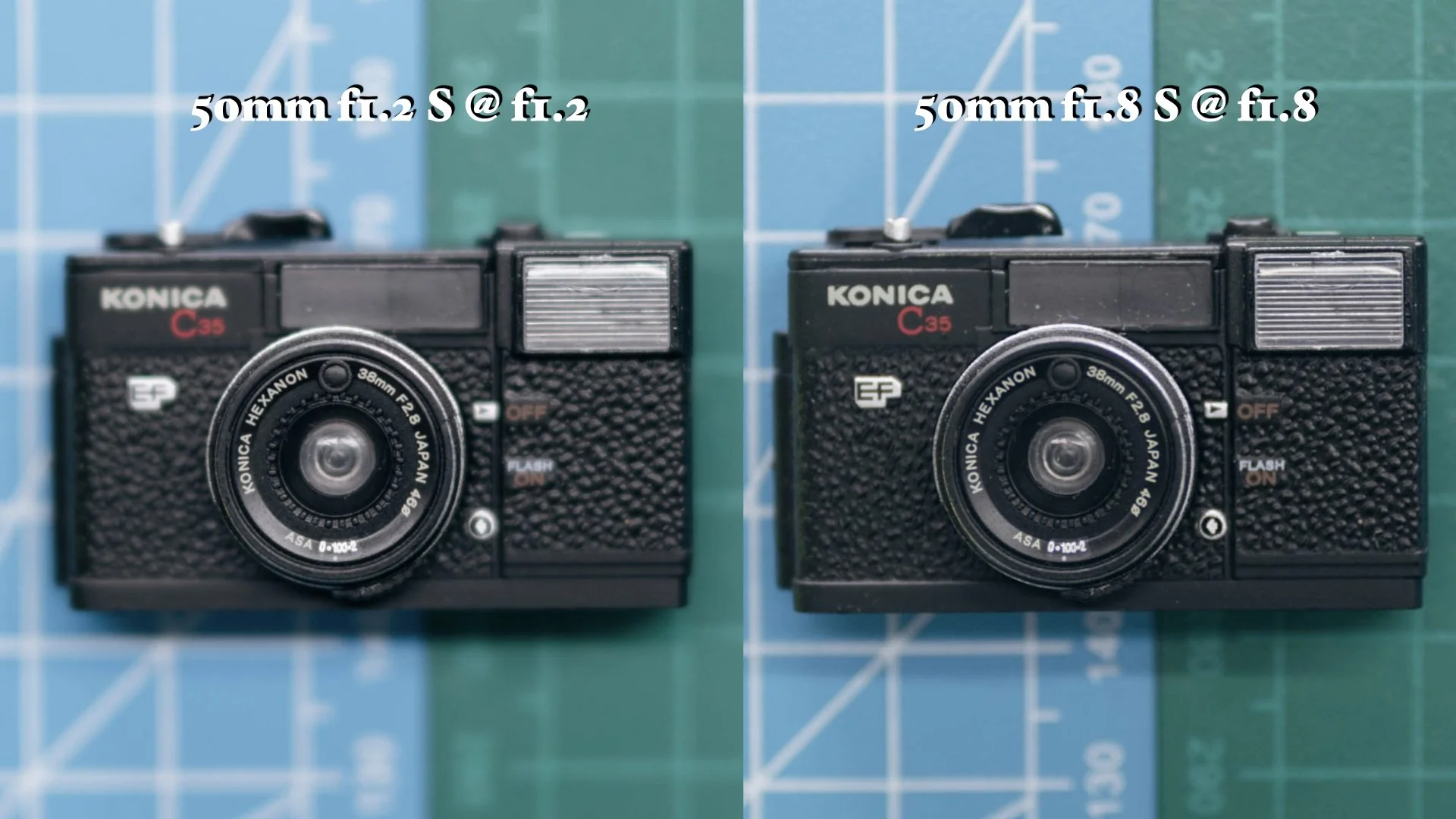
The 1.4 is the weakest performer out of the three in this setting, it looks like the 1.8S has a diffusion filter put on the top.
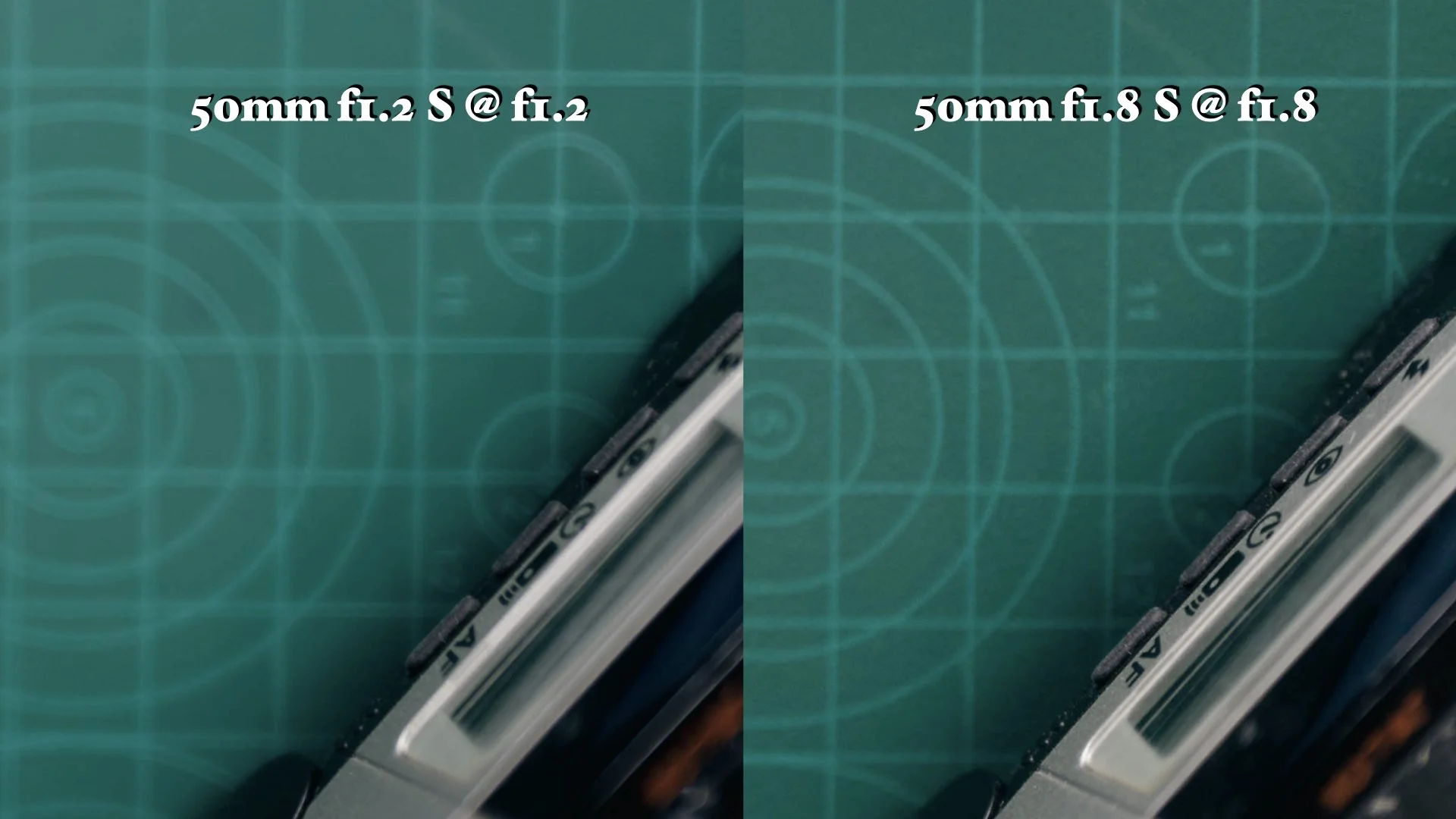
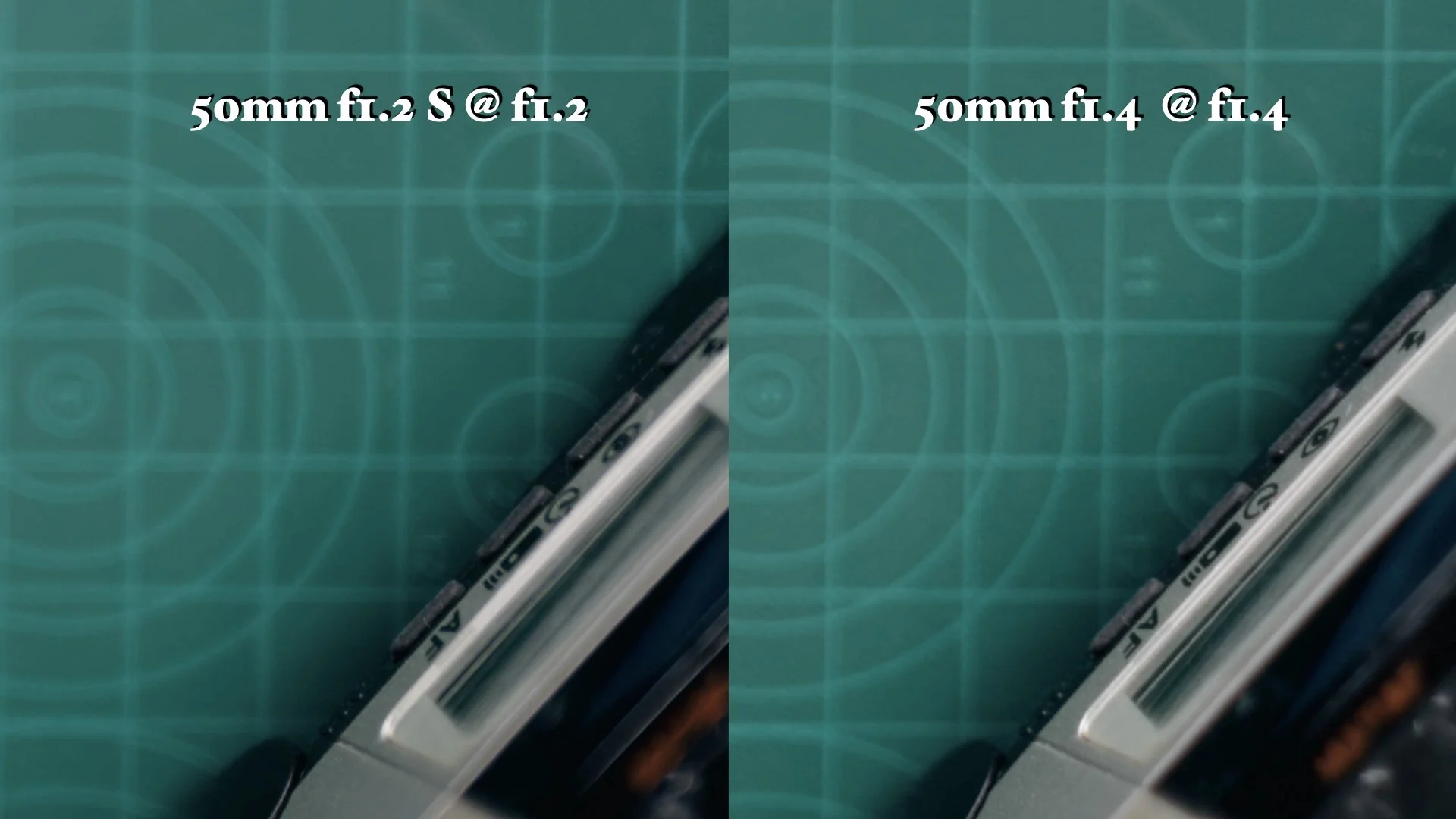
The corners look ever so slightly sharper on the 1.8S than the 1.2, both wide open, though it could just be a slight depth of field effect at 1.2. The 1.4 is softer than both.
In the field you won’t notice any corner sharpness problems with this 50 1.2 - focused to infinity there’s plenty of detail across the frame, but what you’ll notice most is that falloff. Incredibly easy to not just get background bokeh, but also foreground blur.
A fast 50 is very useful for subject layering to add more visual interest in a scene. There is vignetting sure, a tiny hint of fringing in the highlights but barely noticeable, that tighter than a 35 but still standard field of view sandwiched between background and foreground blur looks beautiful.
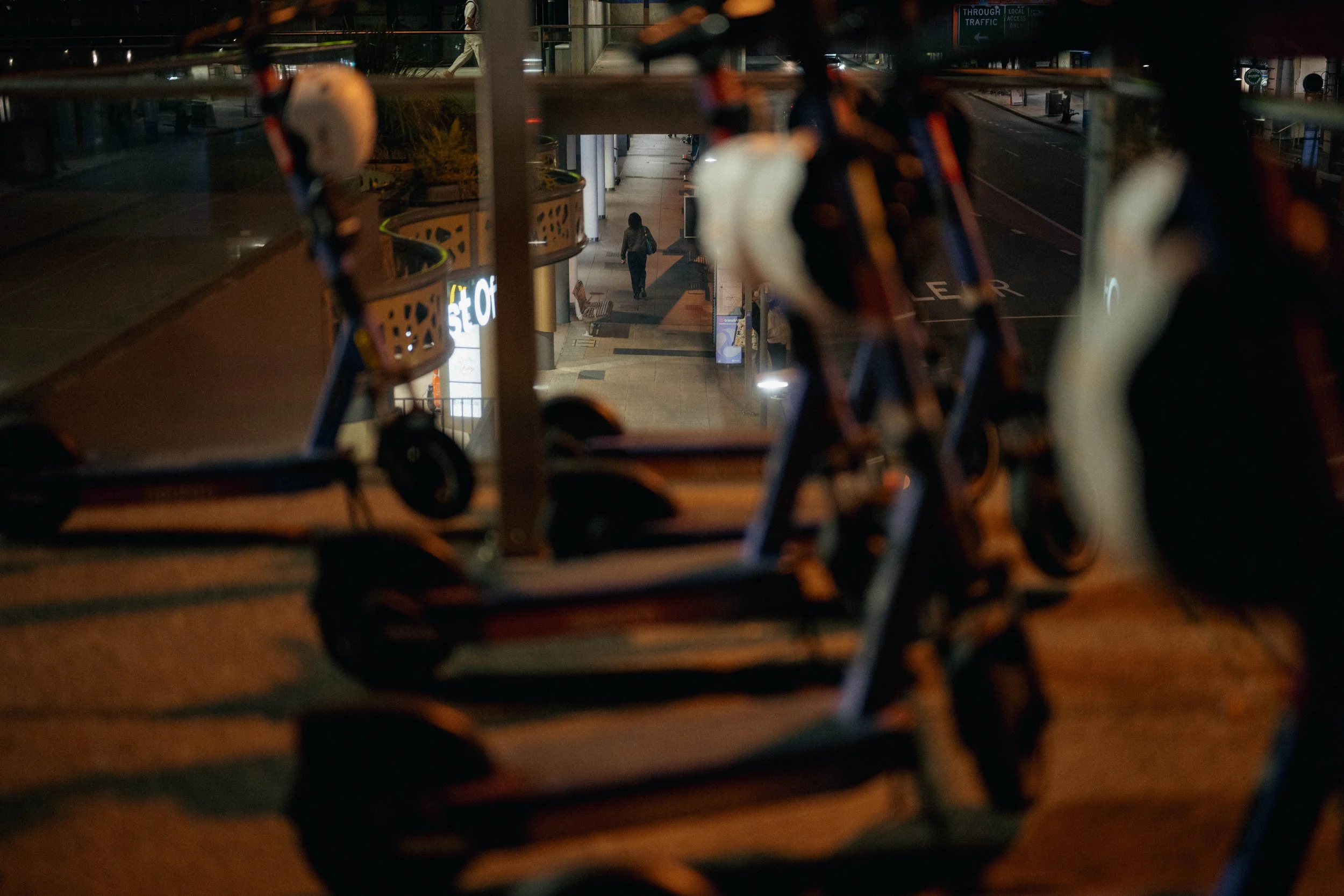
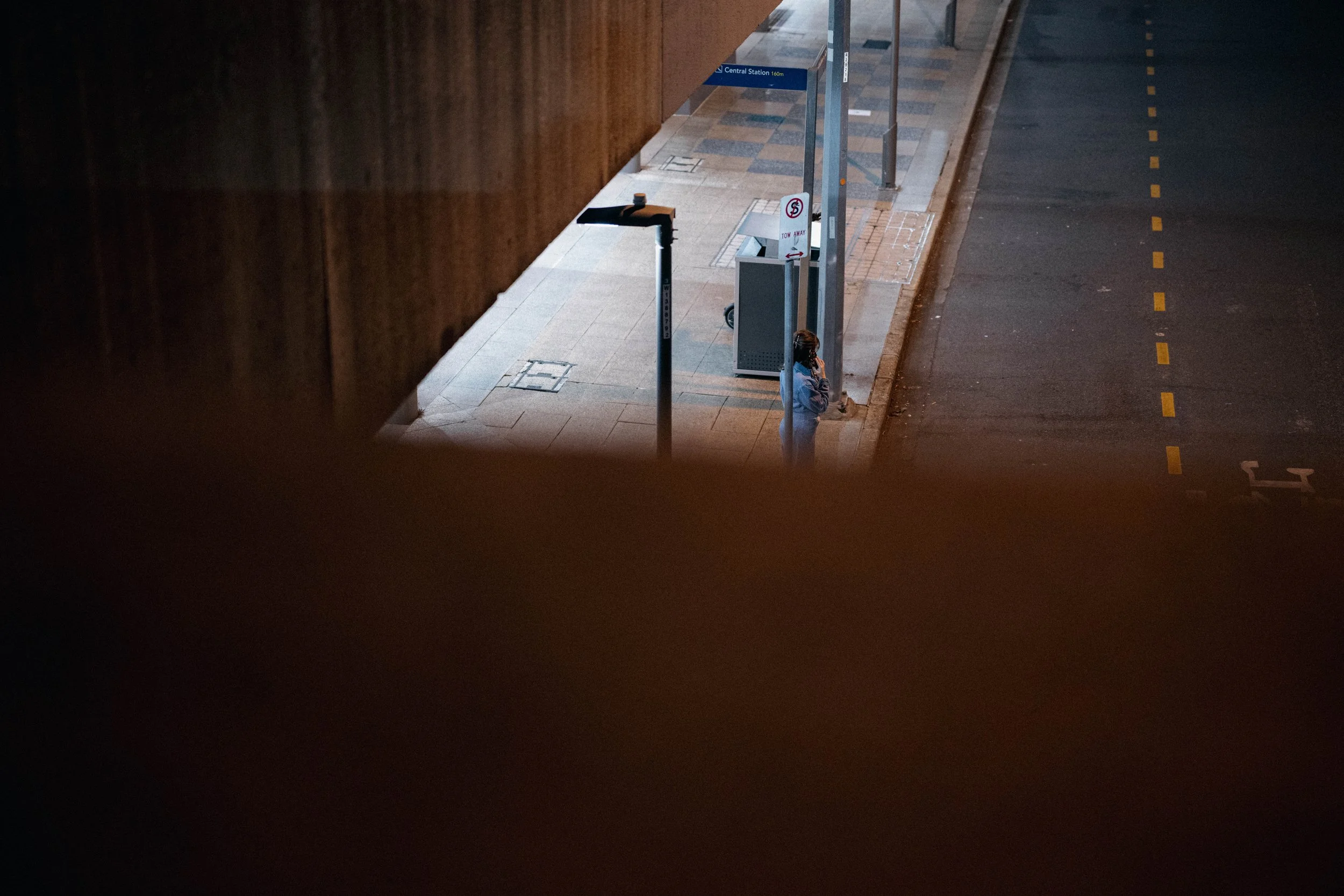
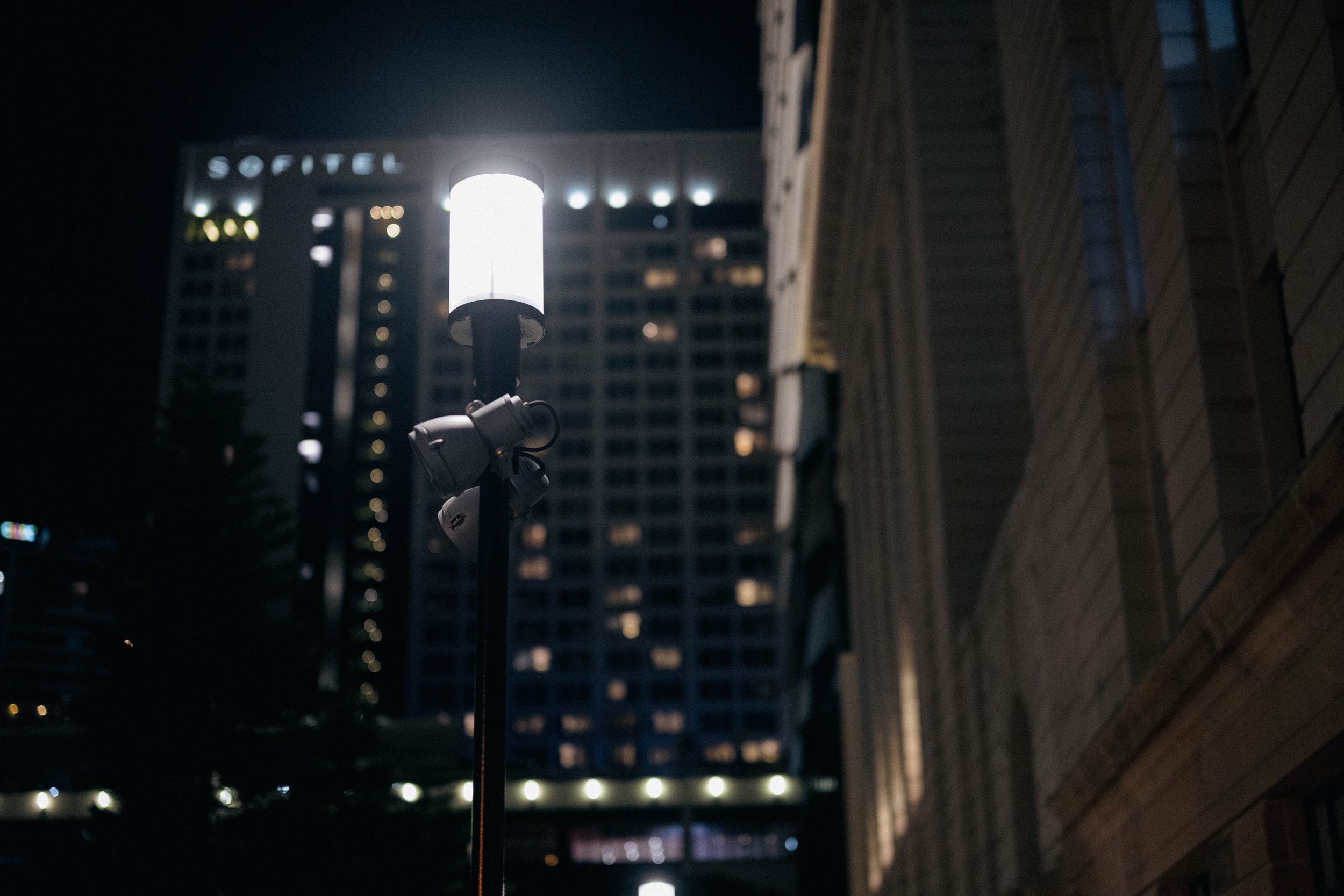
Nikon 50mm f1.2 S Z.
The 50 has very similar rendering and optical characteristics as the 35. Just like the 35 it handles flaring and ghosting beautifully - subtle diffusion.
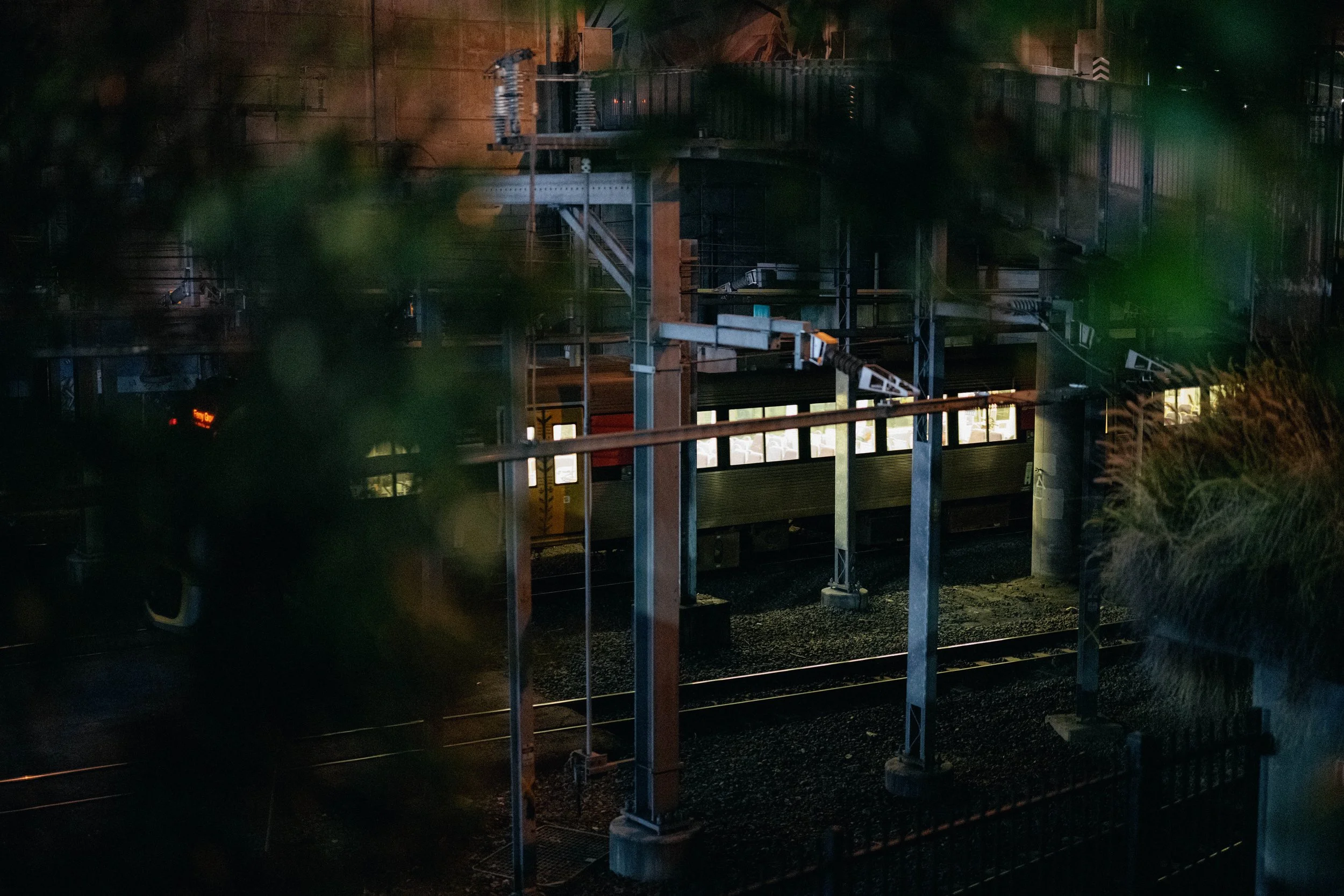
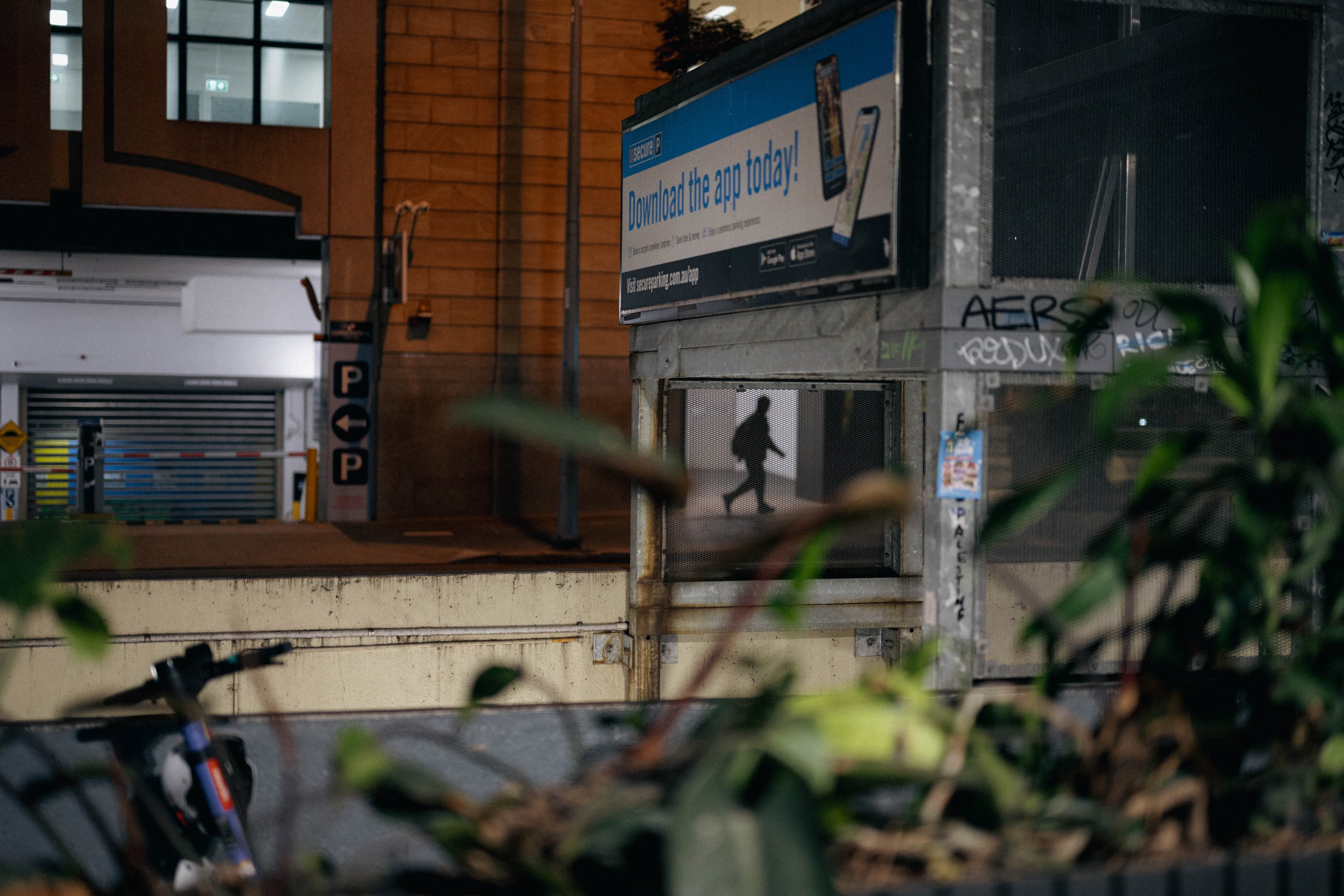
Nikon 50mm f1.2 S Z.
I can see how having both in a kit makes sense for a working pro, photos or videos from your A and B cam will match seamlessly between this 35 and 50.
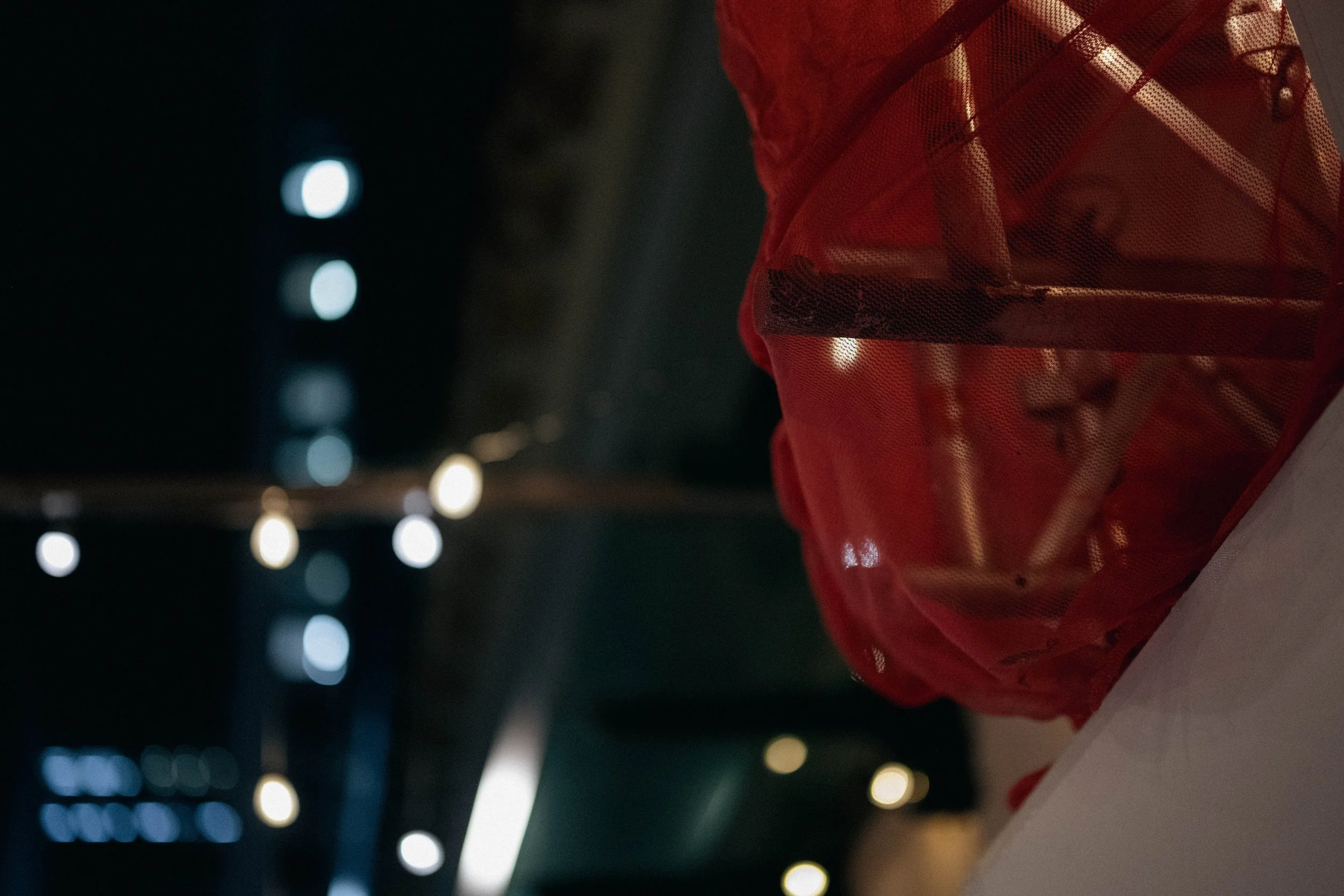
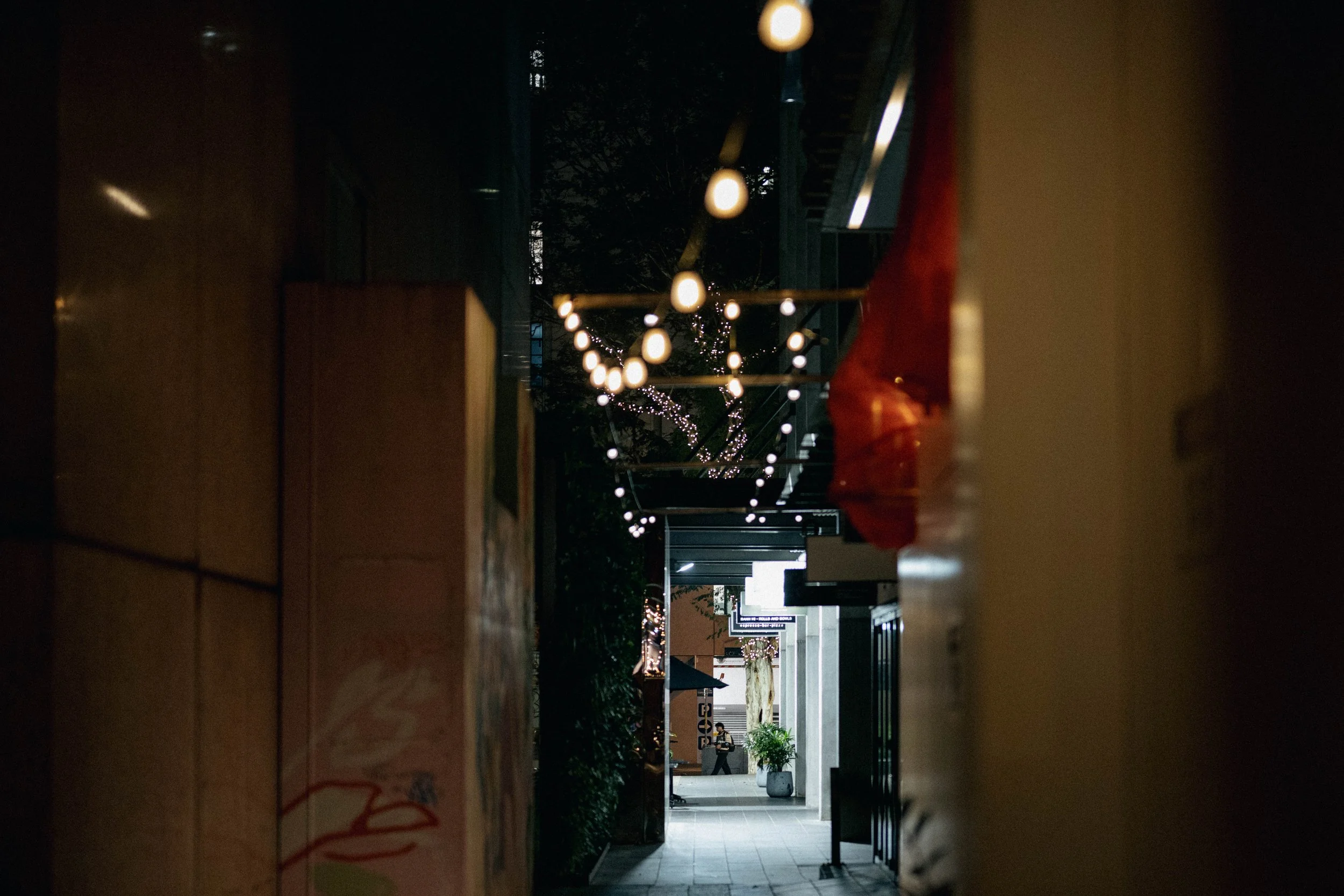
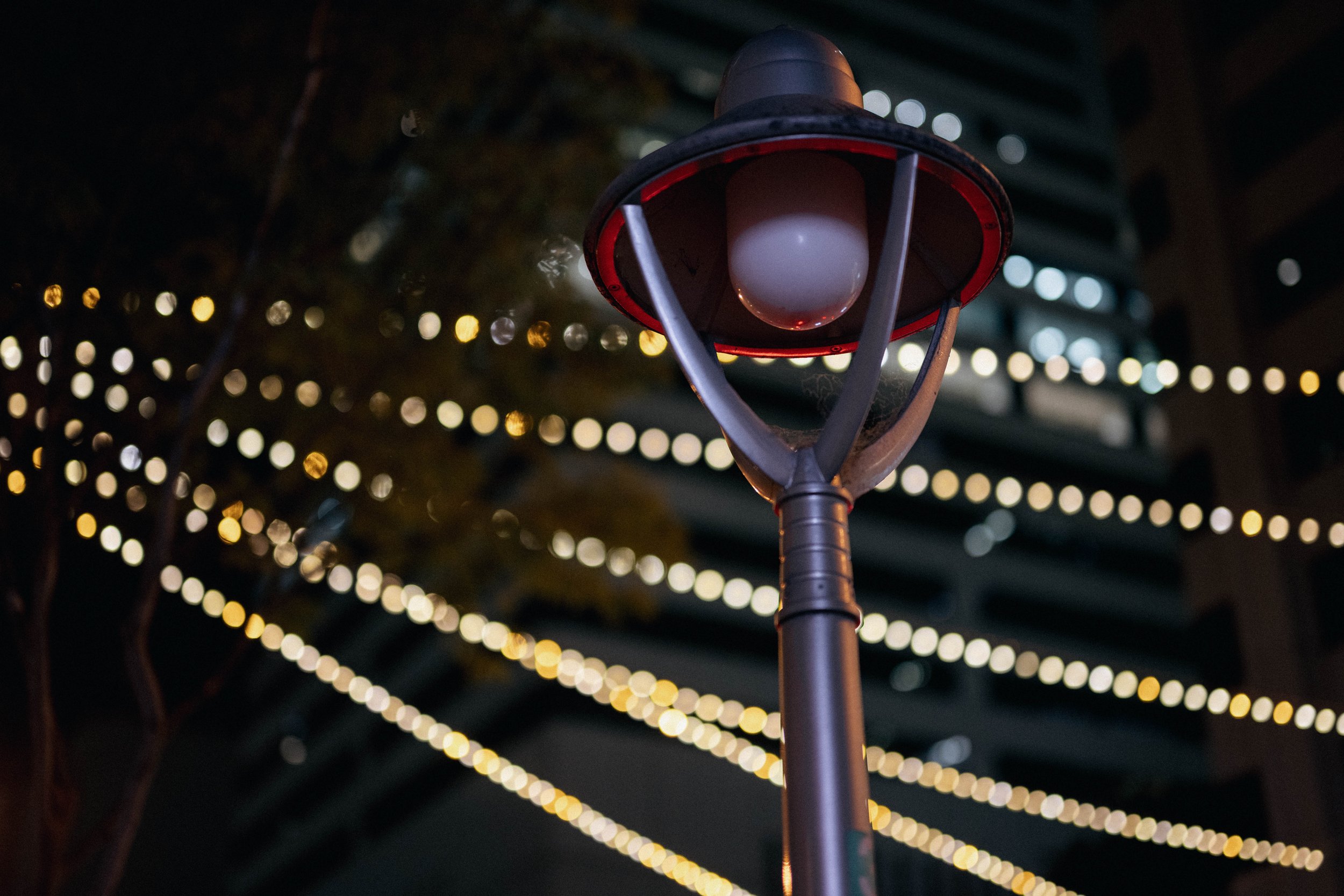
Nikon 50mm f1.2 S Z.
If for some crazy reason this 50mm wide open at f1.2 isn’t enough separation for you, there is one more choice?
III. 85mm
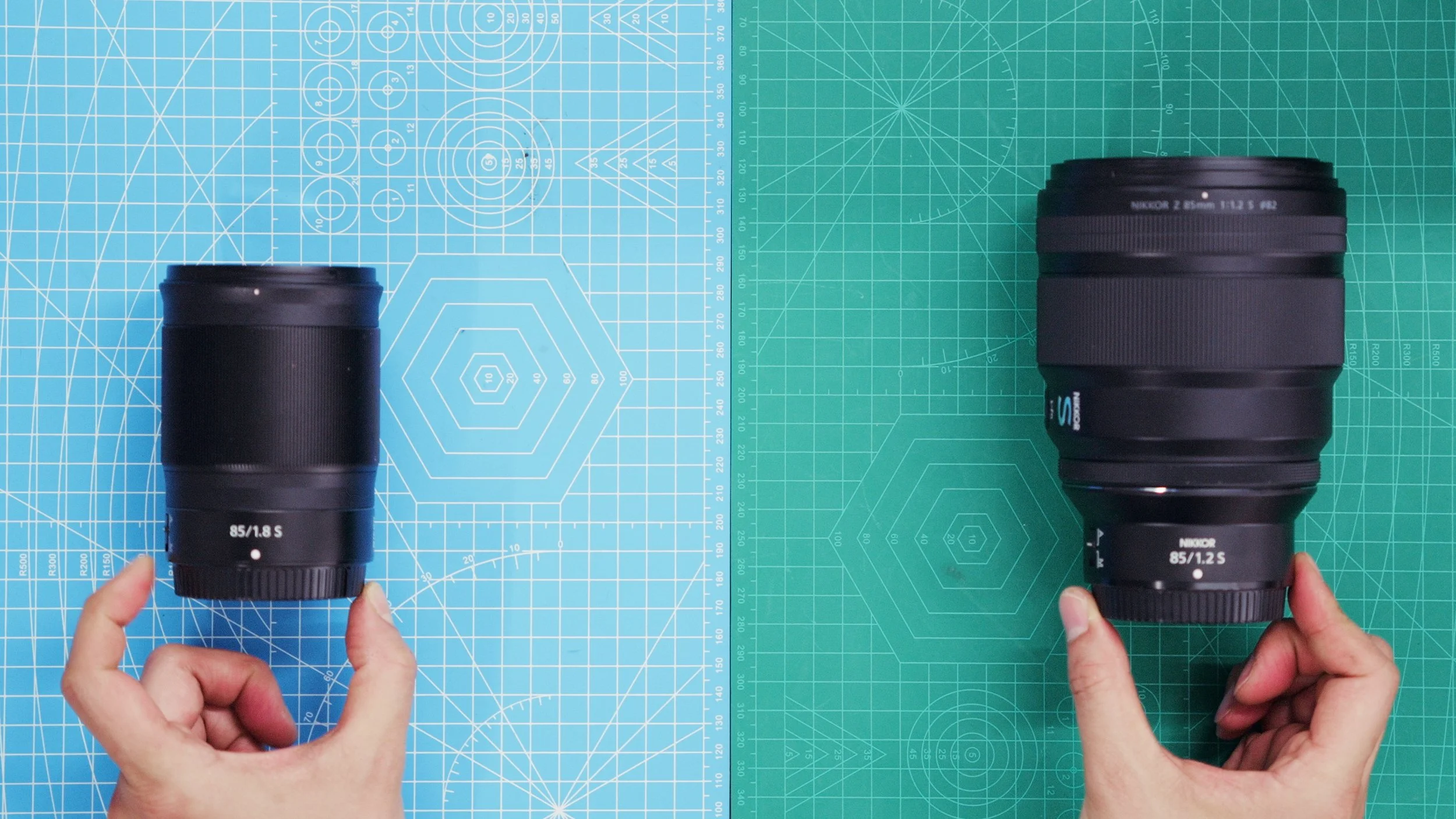
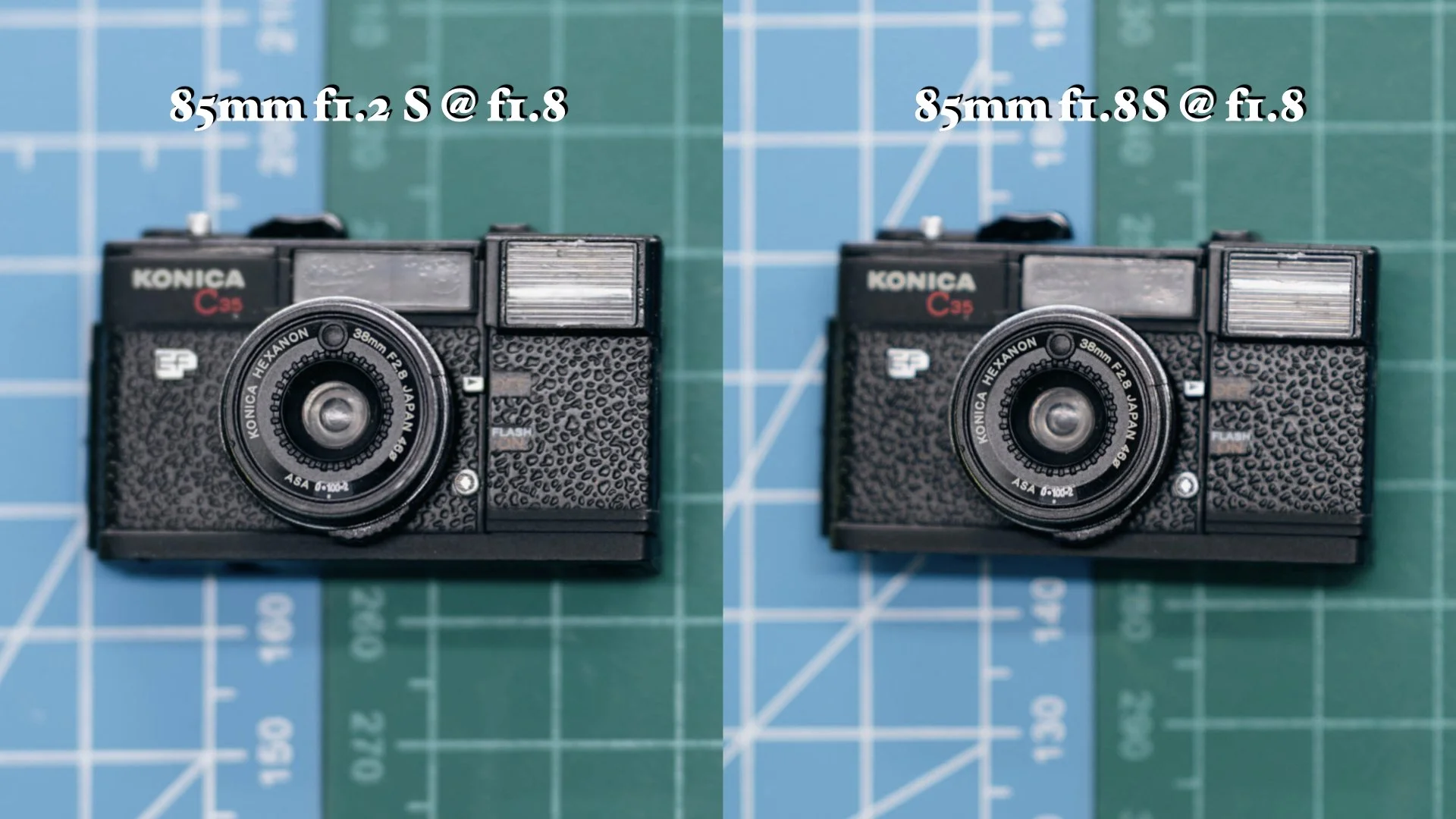
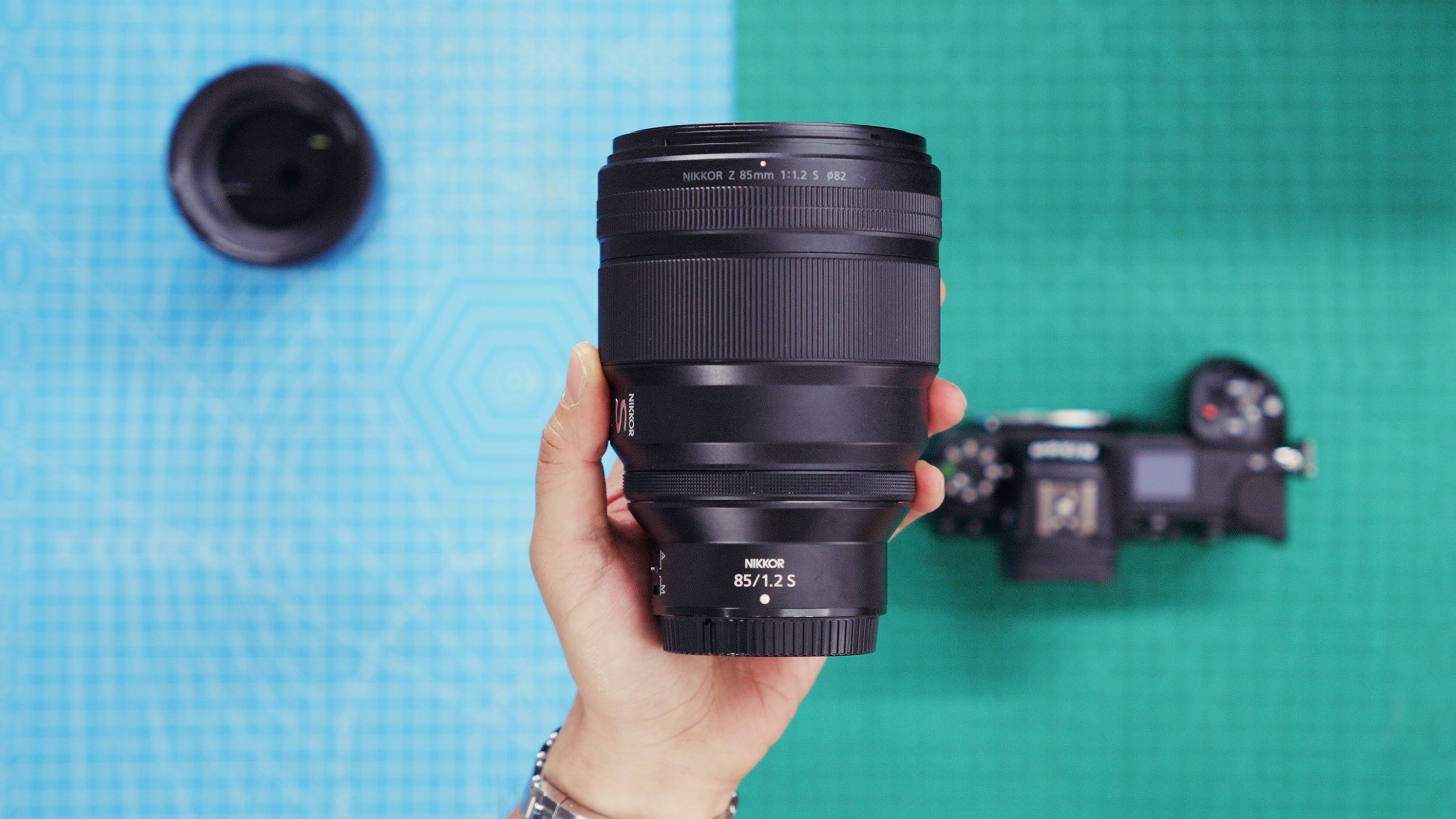
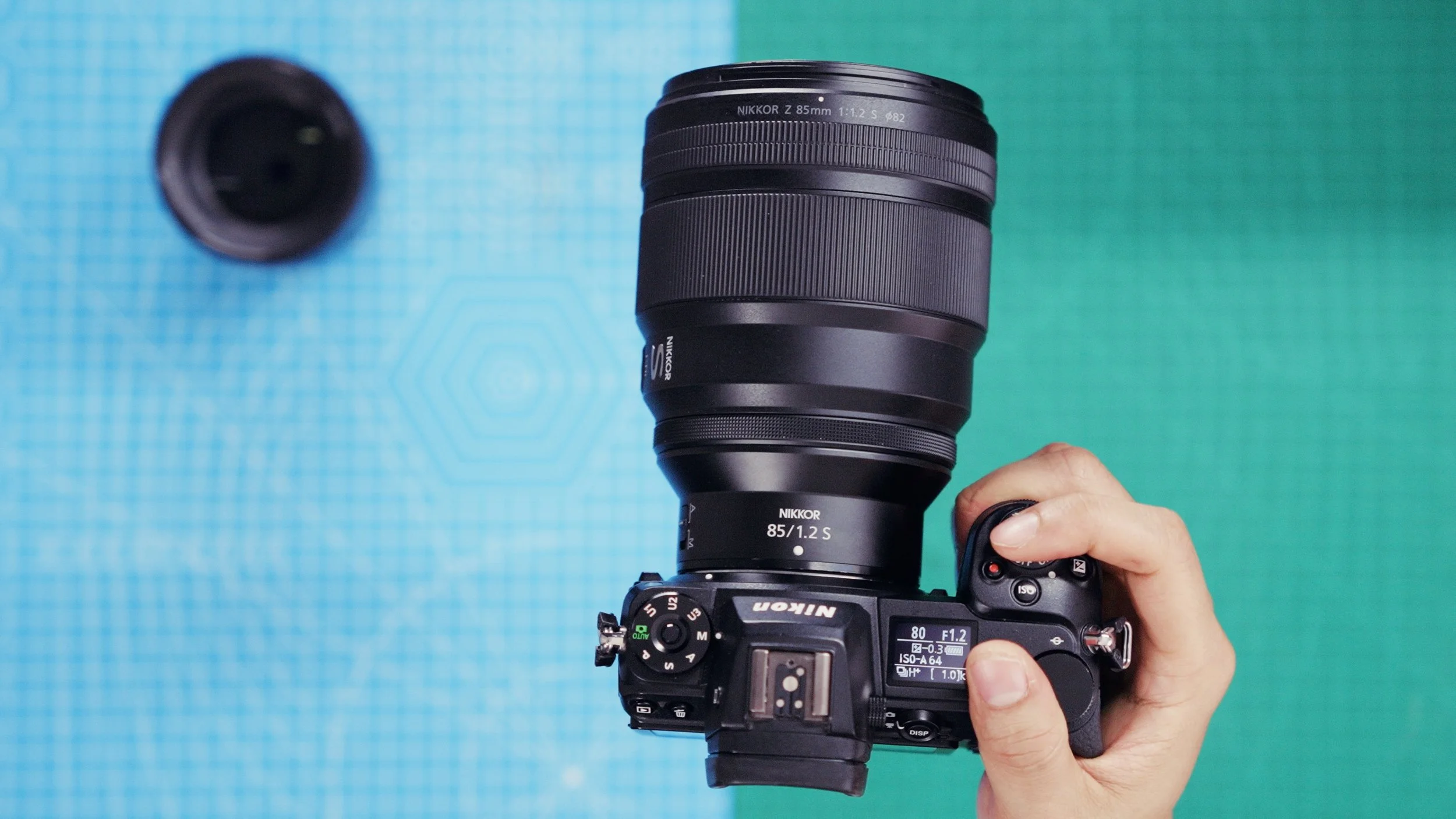
The 85mm f1.2 S breaks pattern from the 35 and 50 1.2. On paper it’s the heaviest out of the three by about 100 grams, but in hand it feels the best handling? The thicker lens barrel distributes the weight a bit more evenly, the lens feels more hollow than dense - it’s why I always recommend holding a camera and lens combo in hand in store if you can, rather than relying purely on internet reviews when it comes to ergonomics. The 85 1.2 also shares the same 82mm front filter threads, but where it differs from the other 2 in the trinity is in its relationship to its siblings. There currently is no 85mm 1.4 in Z-mount, there’s only an 85mm 1.8 S, but unlike the 35 and 50 1.2 being sharper at 1.2 up close than the 35 and 50 1.8 at 1.8, the 85mm 1.8S is sharper than the 1.2.
Wide open, minimum focus distance, same torture test as the rest, and the amount of detail on the front of the lens is sharper on the 85 1.8S at 1.8, than the 85mm 1.2 at 1.2. For what it’s worth if you stop down the 85mm f1.2 S to f1.8 the sharpness at minimum focus distances catches up, but you’re paying for that f1.2 for a reason.
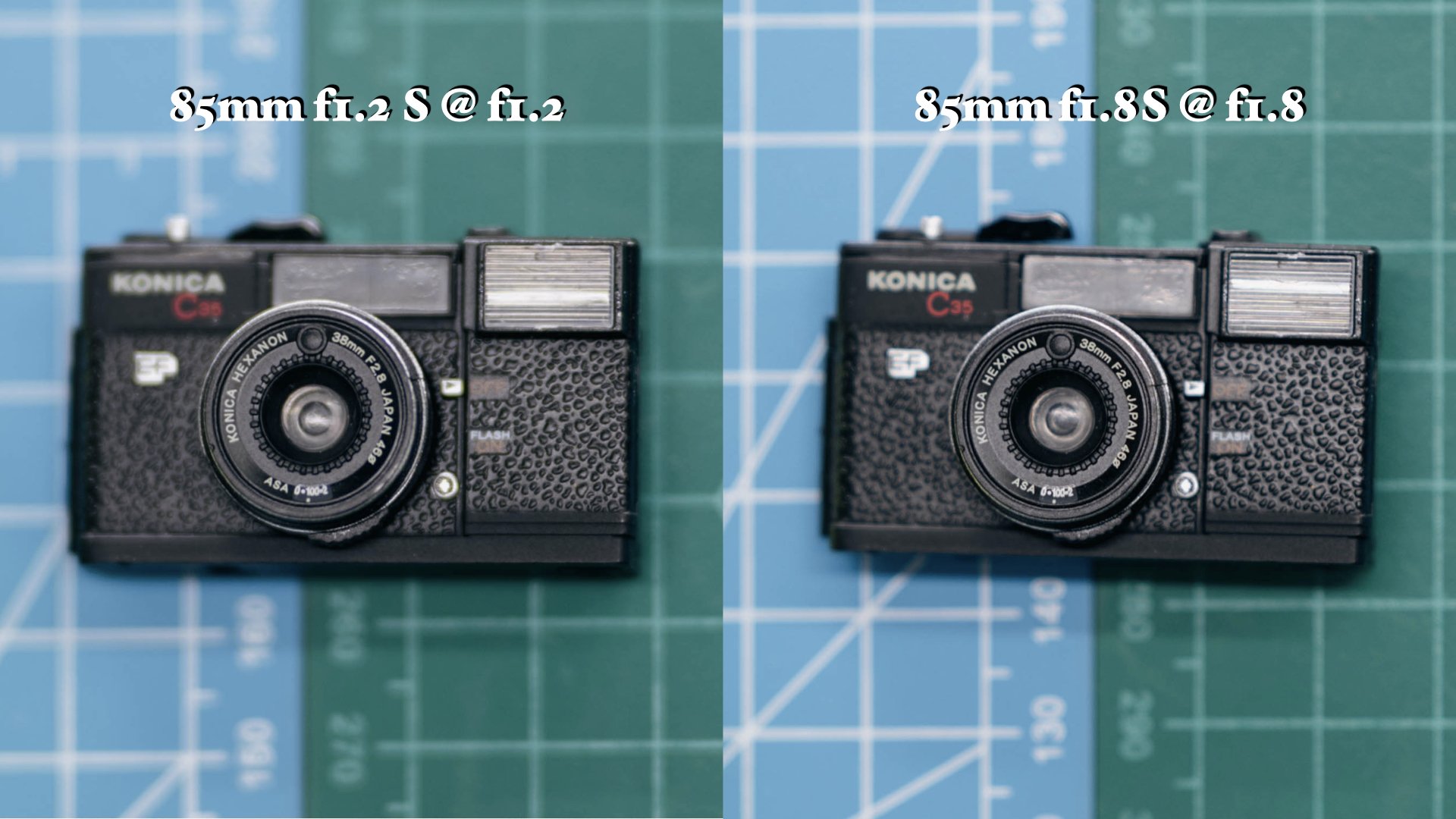
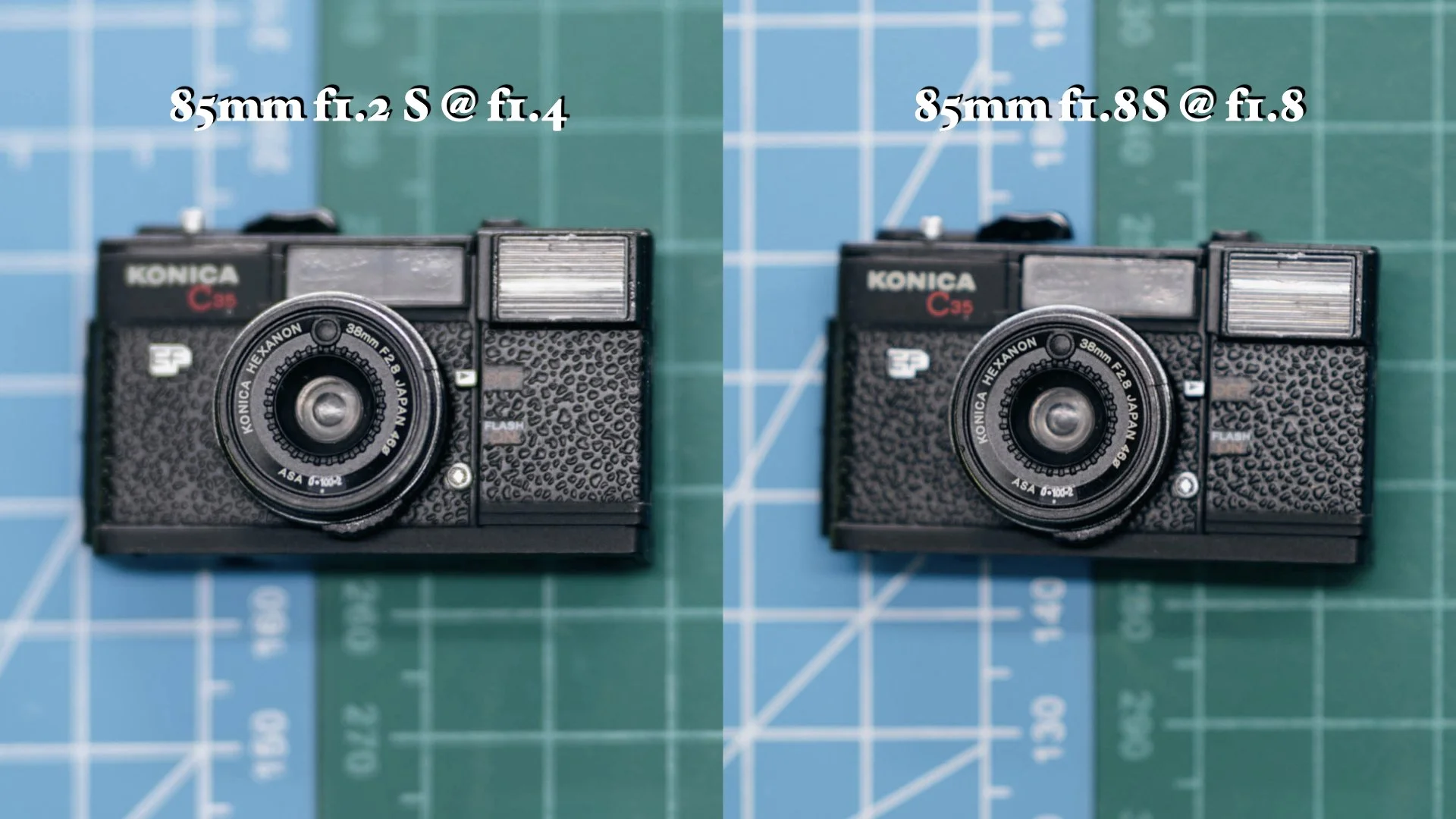
If it’s not extra sharpness you’re paying for in the 85 1.2, what would make you lug this around?
It’s not how it handles flaring - it’s the same as 35 and 50 1.2. It does so very nicely, what you’d expect at this point from S-line lenses.
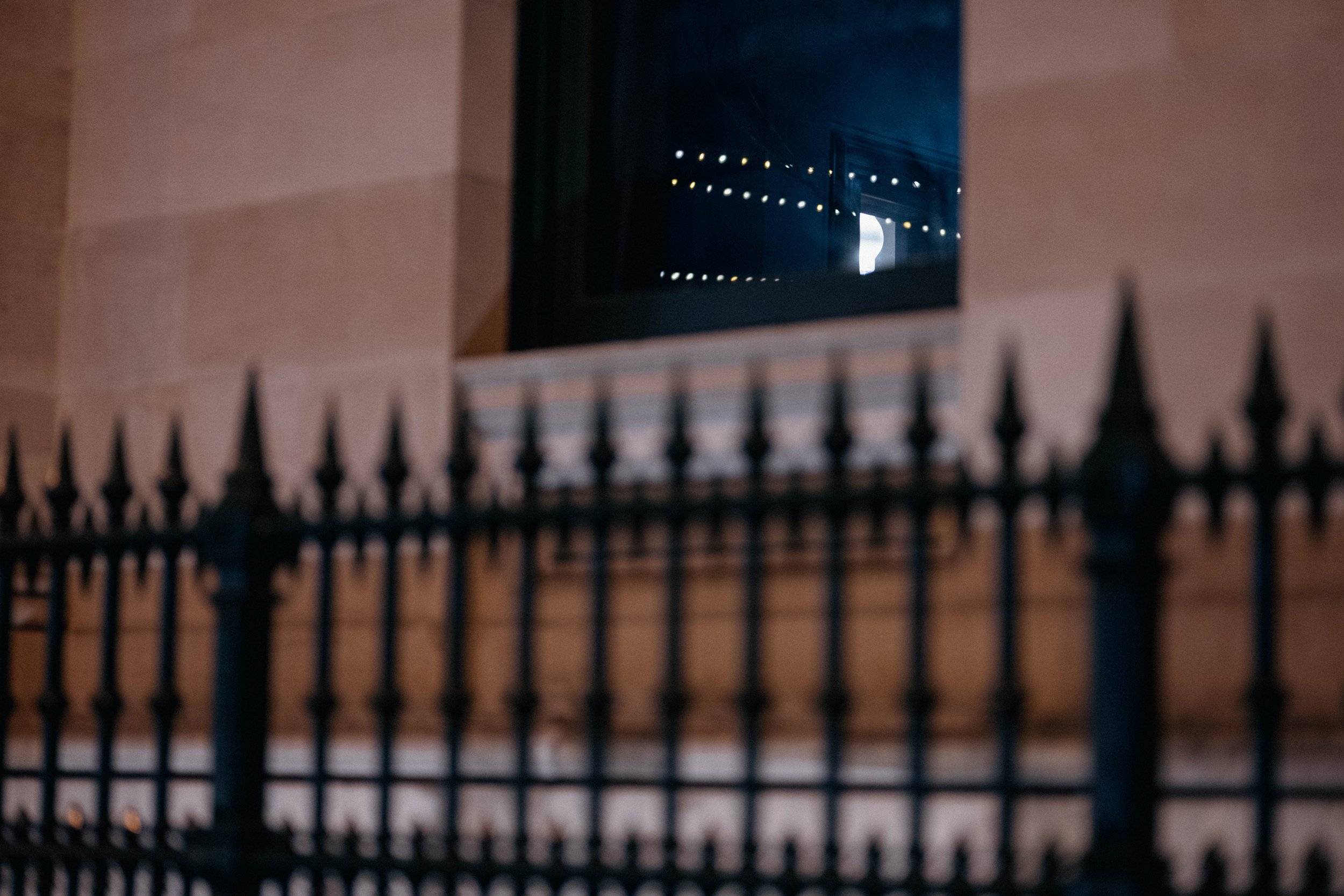
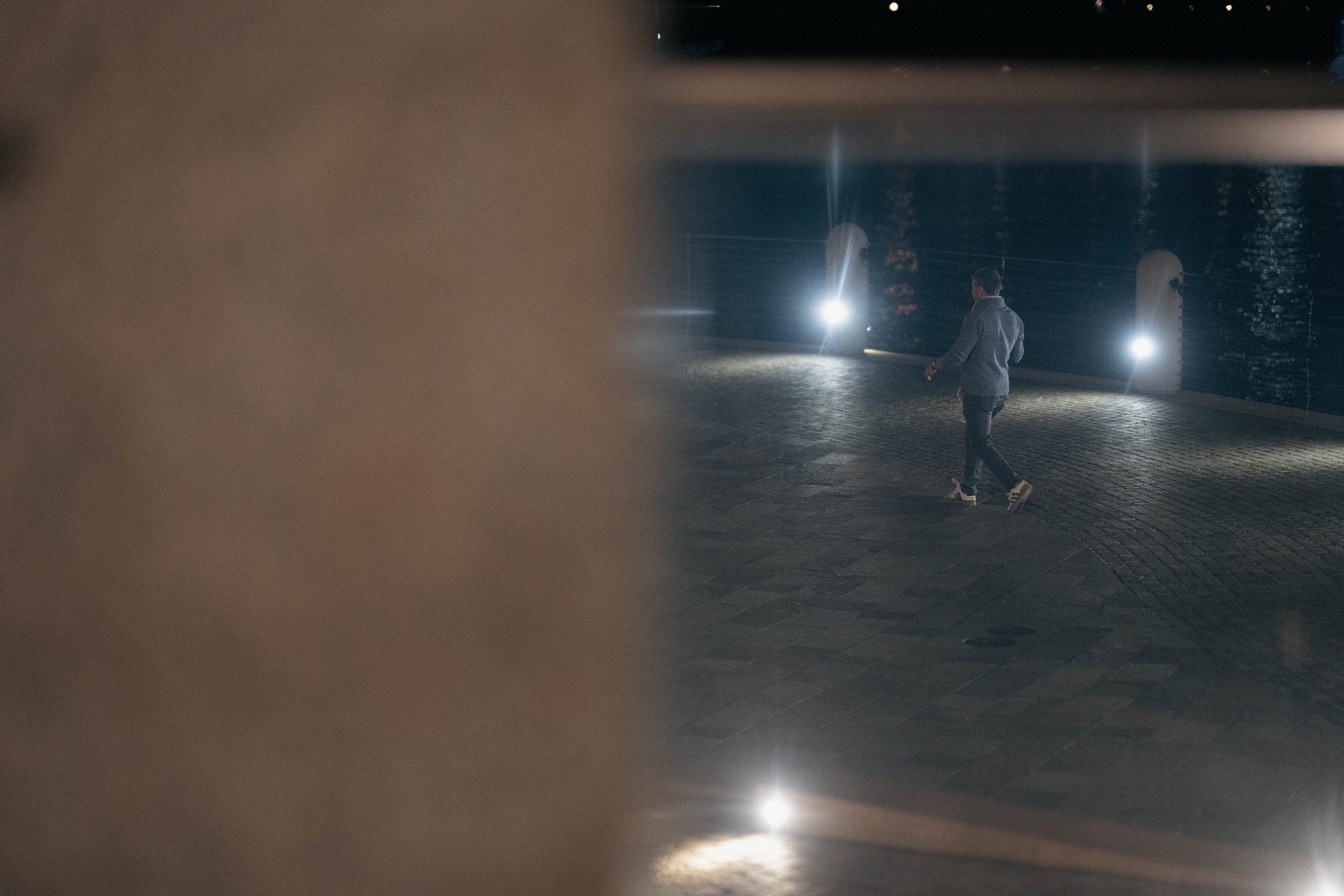
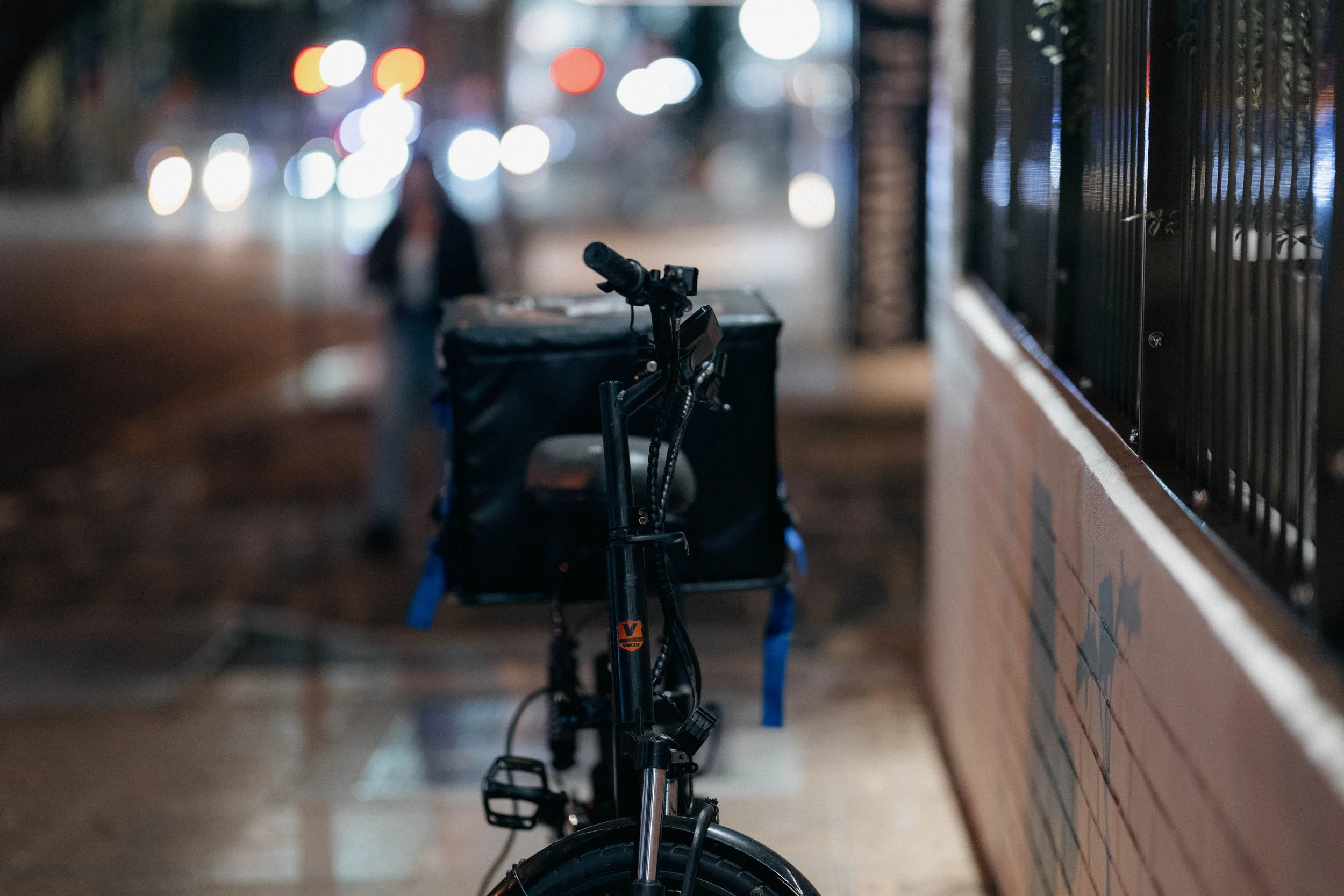
Nikon 85mm f1.2 S Z.
It’s not that the bokeh is perfect - you can see some cats eye towards the corners, for perfectly circular bokeh to the edges you’ll need to go to the Nikon Plena for that. At 135mm though the scene is too tight - barely recognisable, hard to relate or connect it to everyday settings.
But an 85mm at 1.2 is a magic trick.
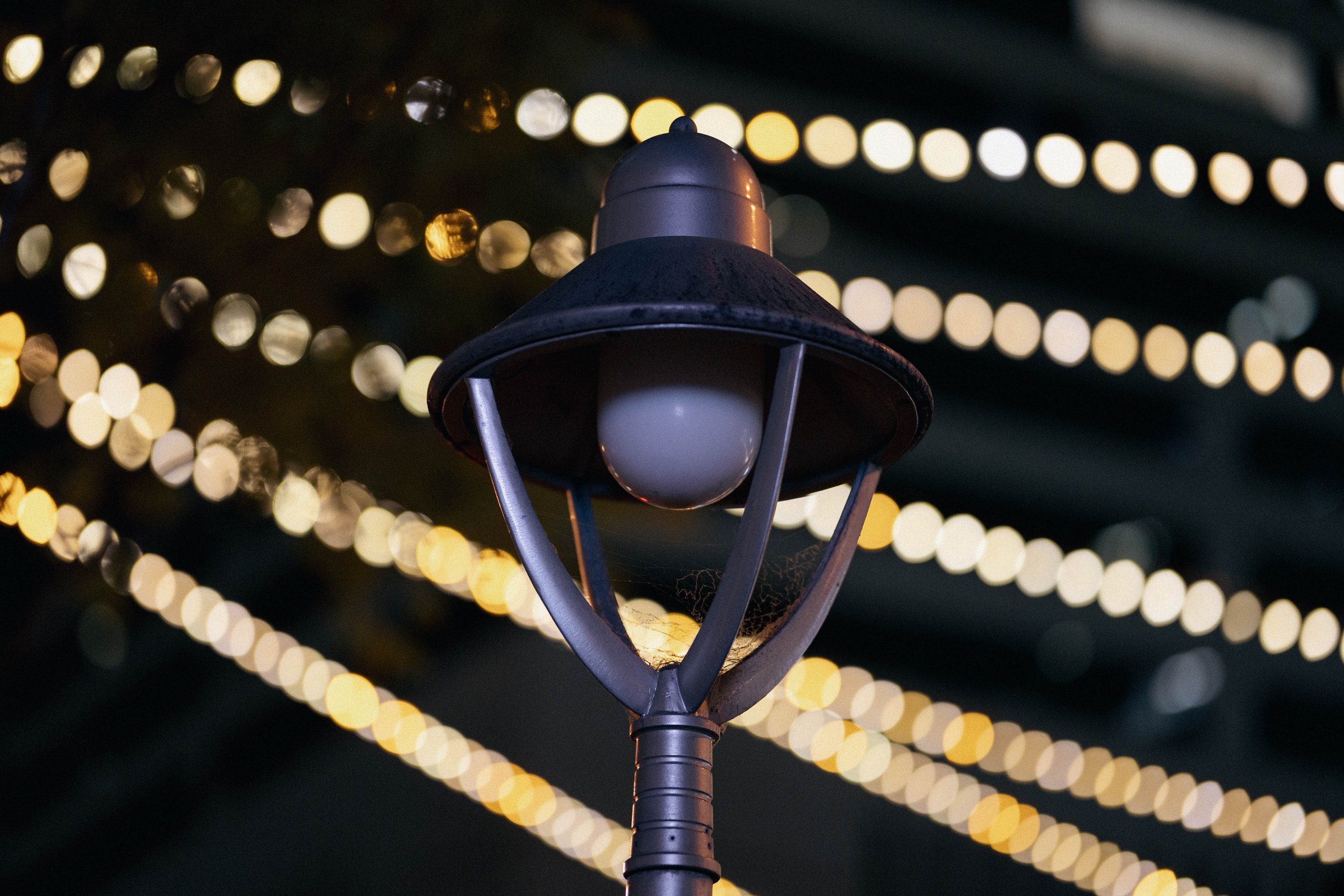

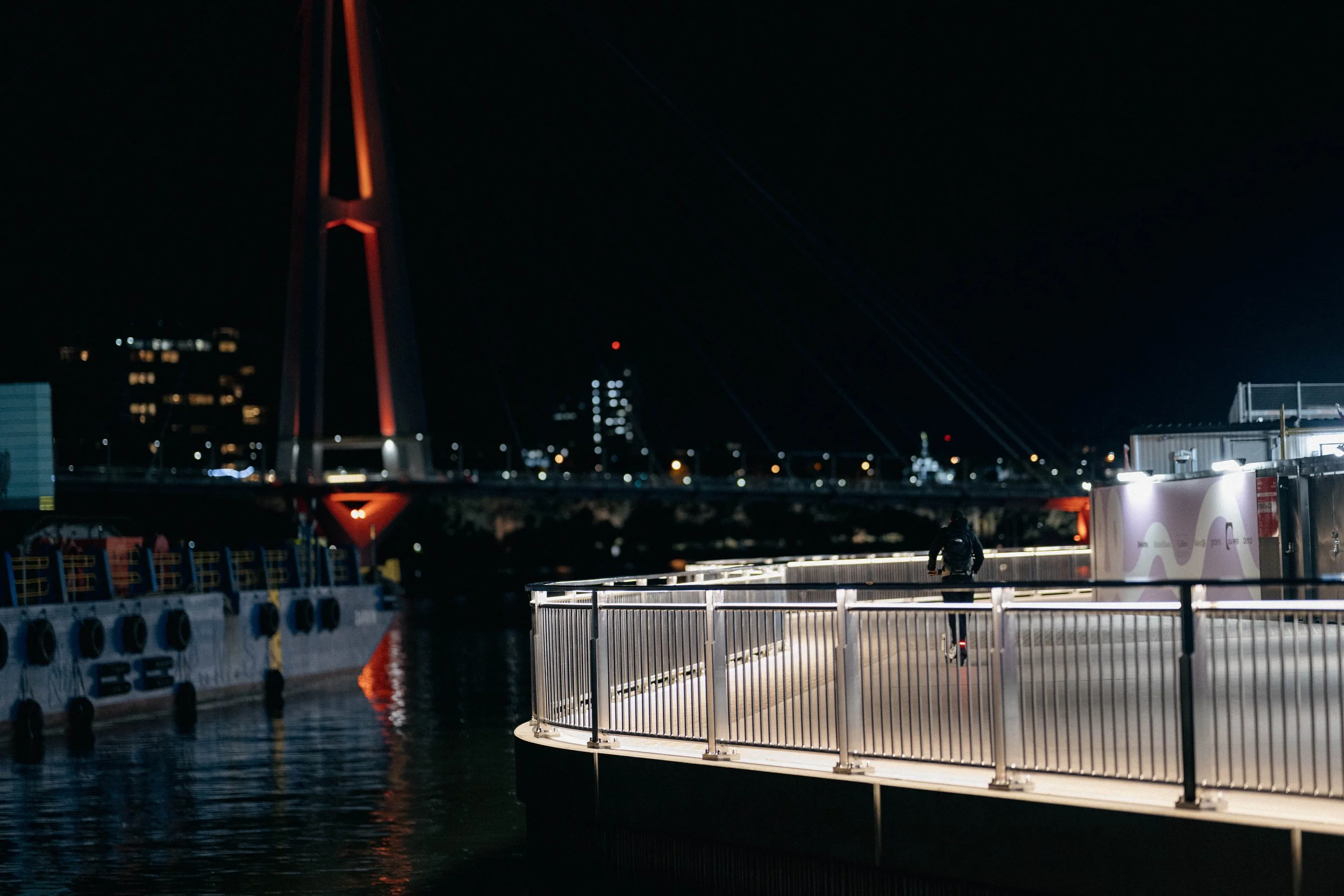
Nikon 85mm f1.2 S Z.
Though almost nothing is in focus. An 85mm isn’t so tight that you don’t know what you’re looking at compared to a 35 or 50. The compression of an 85mm means you can give foreground elements more emphasis in the frame - putting objects you otherwise wouldn’t see together next to each other. It makes the familiar feel foreign, but not too alien. It renders everyday scenes in a way that you can’t otherwise perceive.
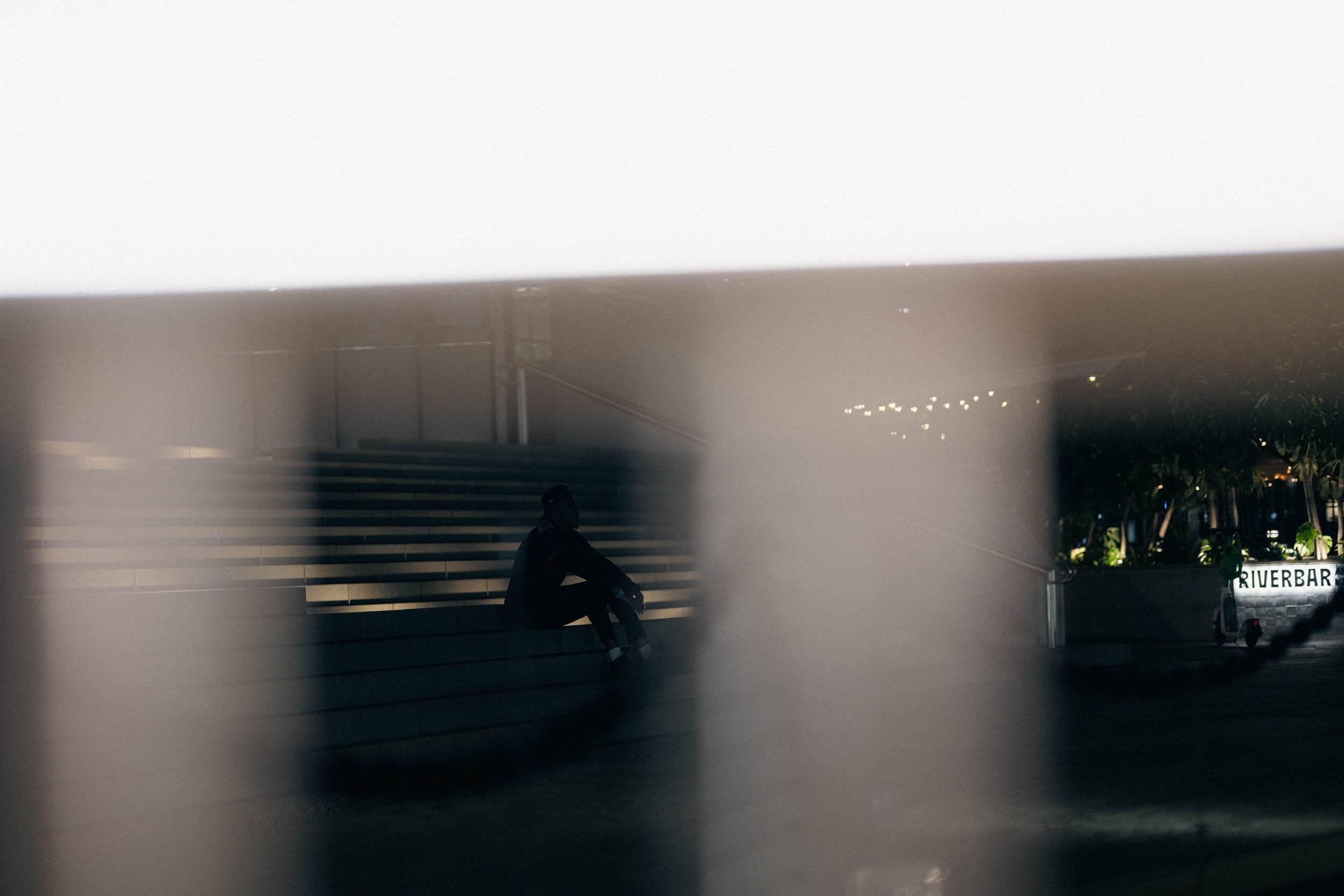
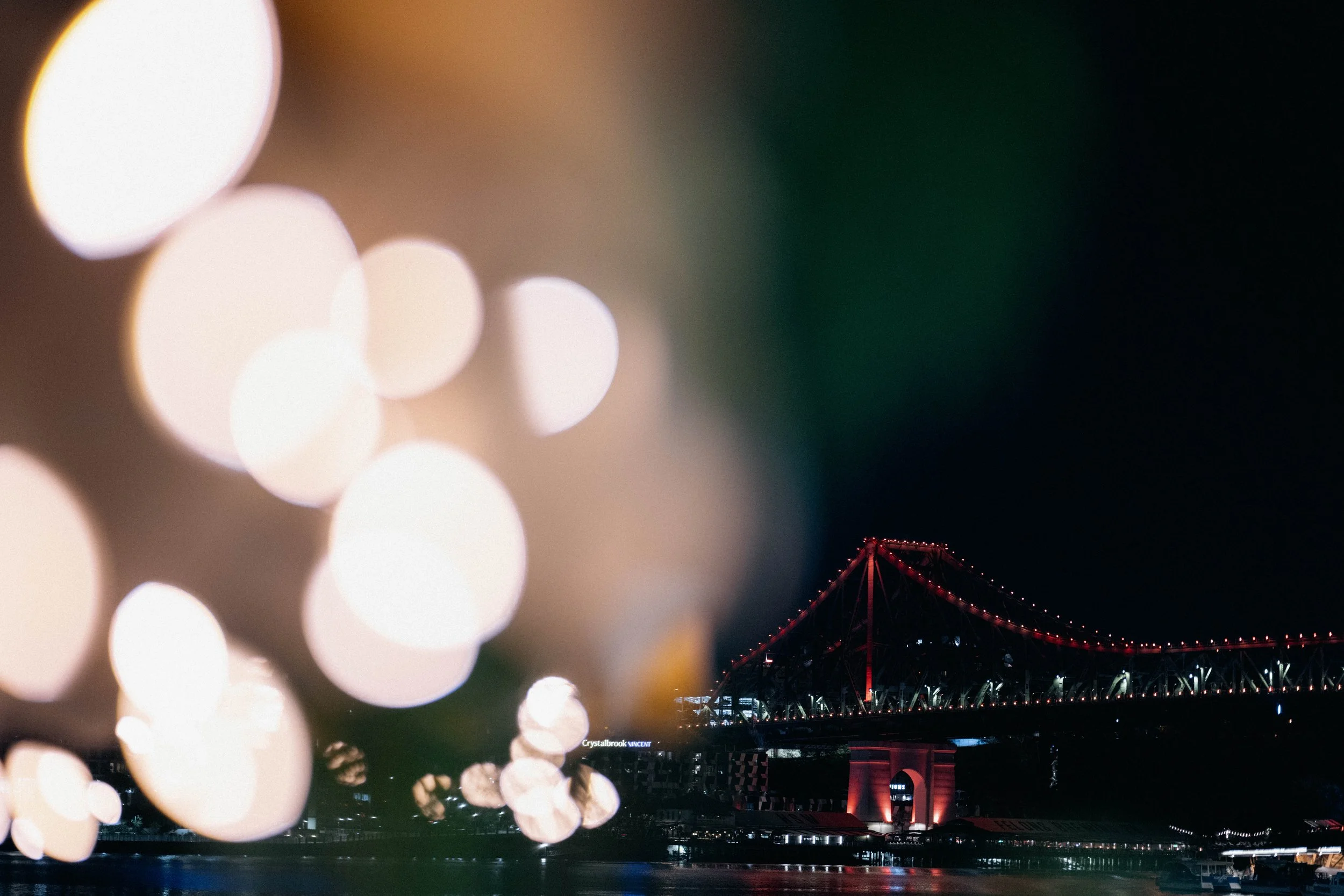
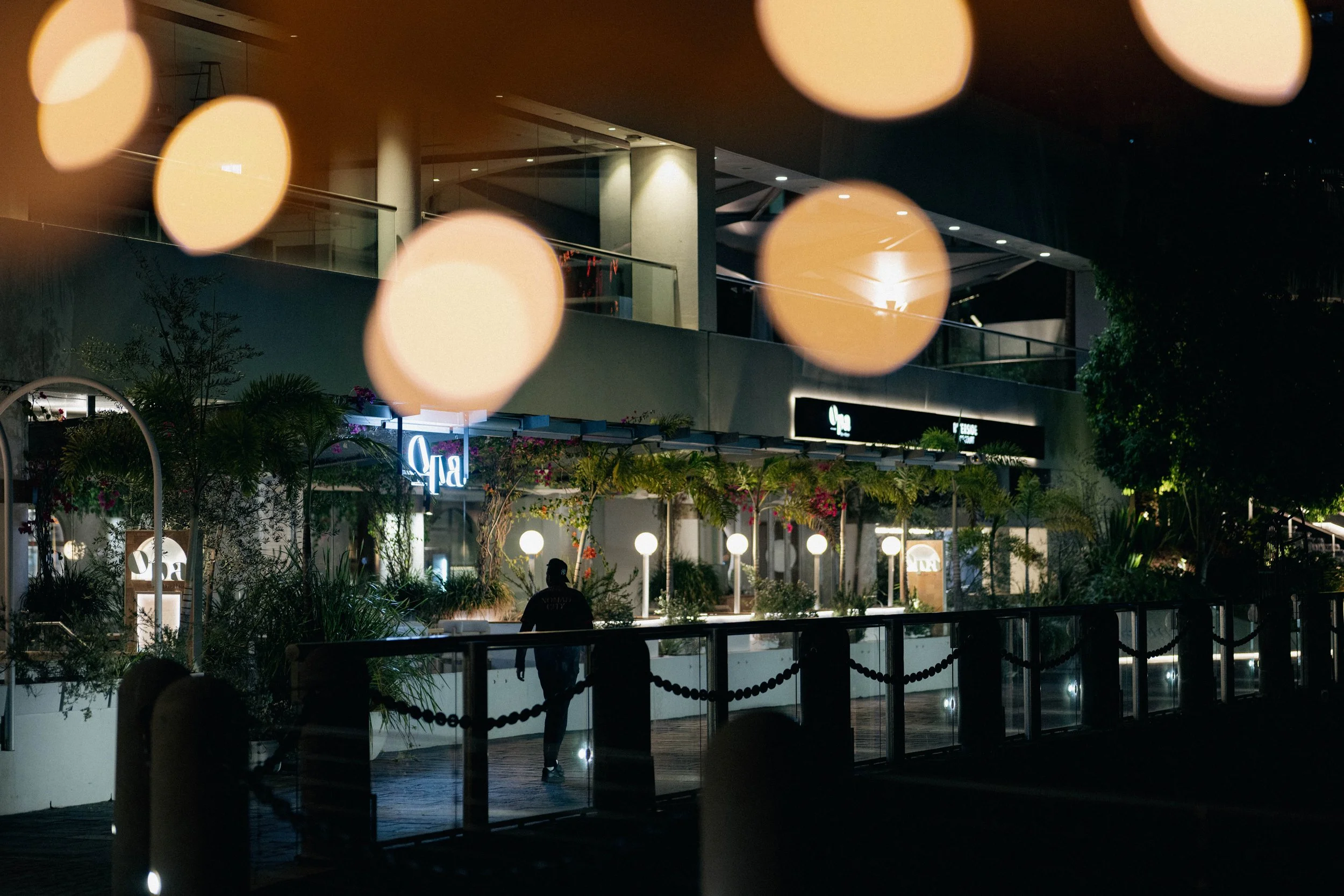
Nikon 85mm f1.2 S Z.
Coupled with the ever so slightly softer rendering compared to the 1.8S, the dreamy effect it’s the lens that changes the feeling more than any of its 1.2 siblings. As an enthusiast who’s creating just for me, the transformative potential of the 85 1.2 to turn the everyday into something more is what I’m after.
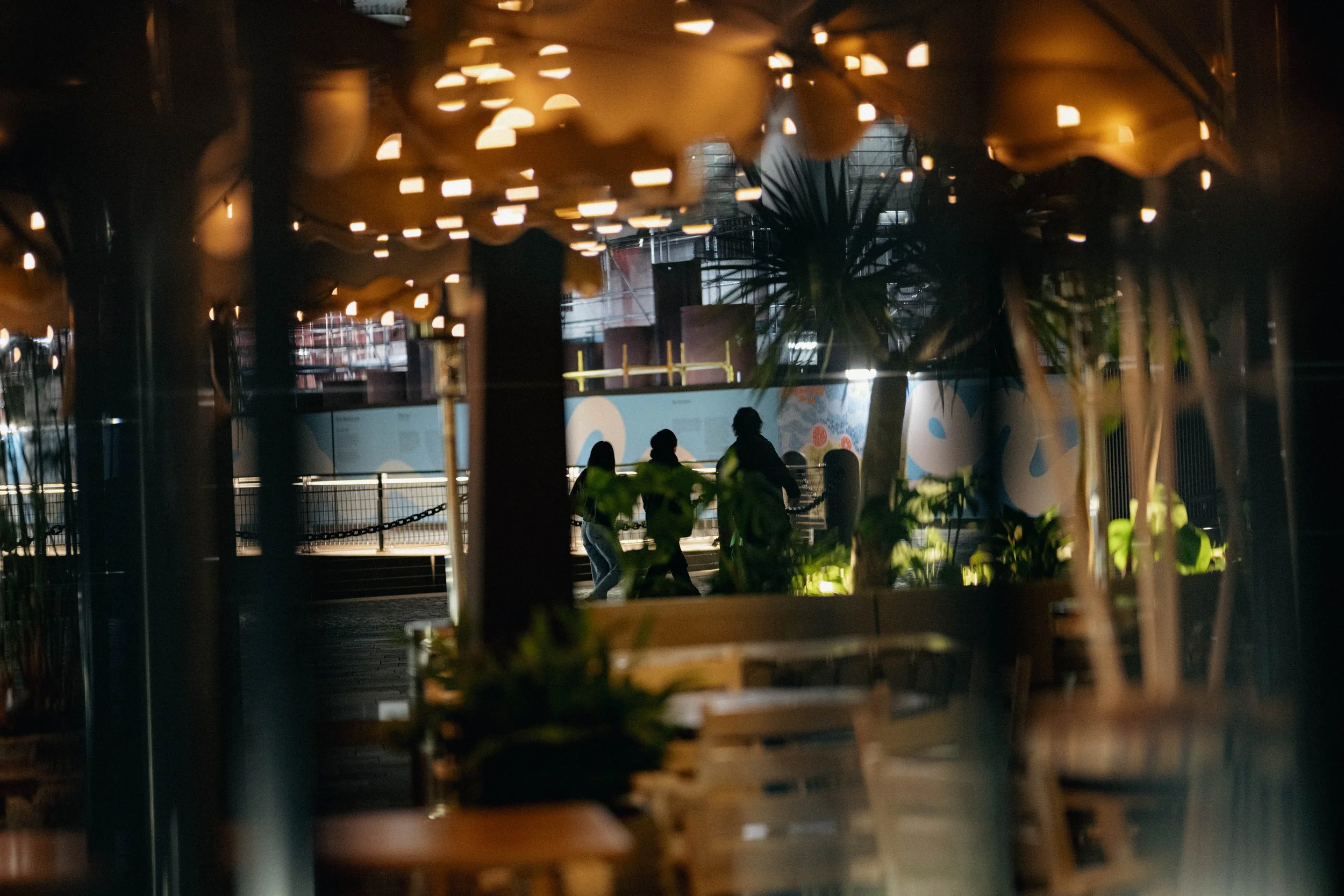
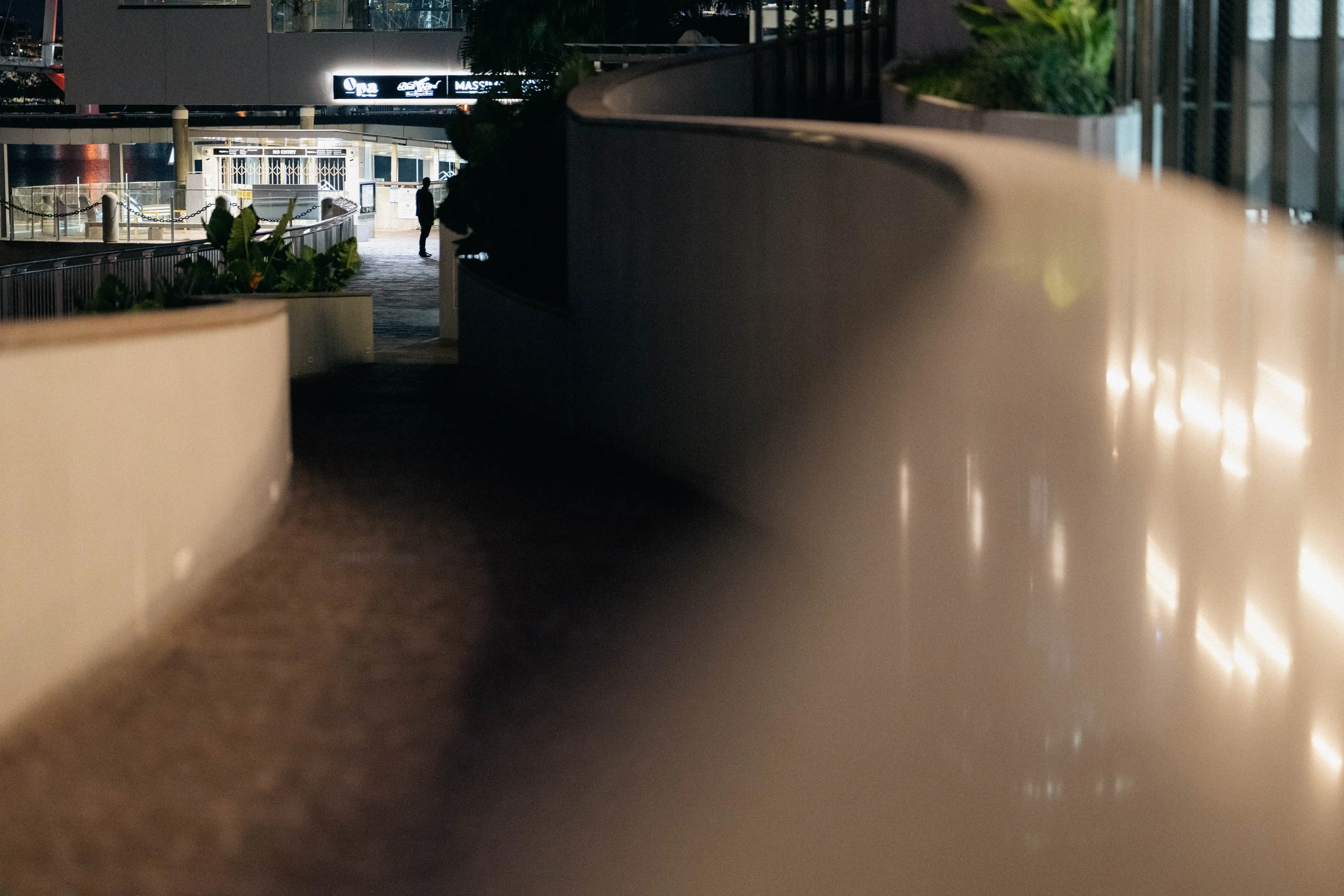
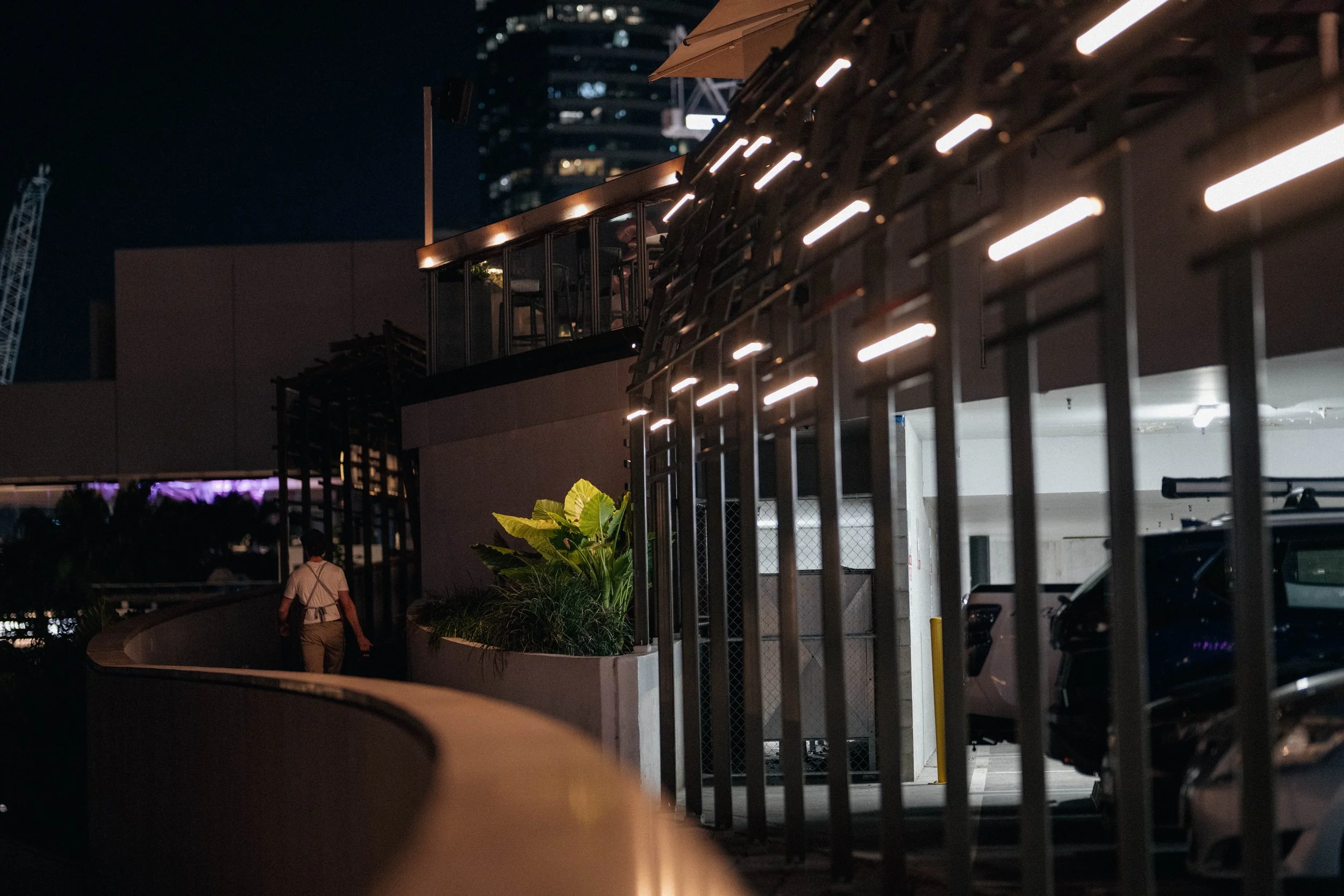
Nikon 85mm f1.2. Z.
That’s if I was happy to carry the weight for one lens - and that’s a big if - the 85mm 1.2 would be my pick.
Which would you pick?
For me I’m content with my 1.8S trilogy. Their size and weight make a lot more sense for my style of shooting. I wouldn’t say no to a 85mm f1.4 though if they can keep the size and weight down?
Talk soon,
Jack.
All my sample images in this blog post were edited from RAW files using my free Chrome emulation preset. They work with most RAW files from different cameras as long as you use “Adobe Color” as the starting base. Download it for free here.
If you’d like to support my work please consider purchasing gear through my affiliate links:
Nikon 35mm f1.2 S Z: https://geni.us/35mmf12Z
Nikon 50mm f1.2 S Z: https://geni.us/50mmf12Z
Nikon 85mm f1.2 S Z: https://geni.us/85mmf12Z
Nikon Zf: https://geni.us/YOH8bh7
Nikon ZR: https://geni.us/KH4uMvX
Wotancraft Pilot Slings: https://geni.us/eU8Lj
Wotancraft leather strap: https://geni.us/wotancraft-leather-st