Frustrated with Fujifilm? The First Nikon I’d Try.
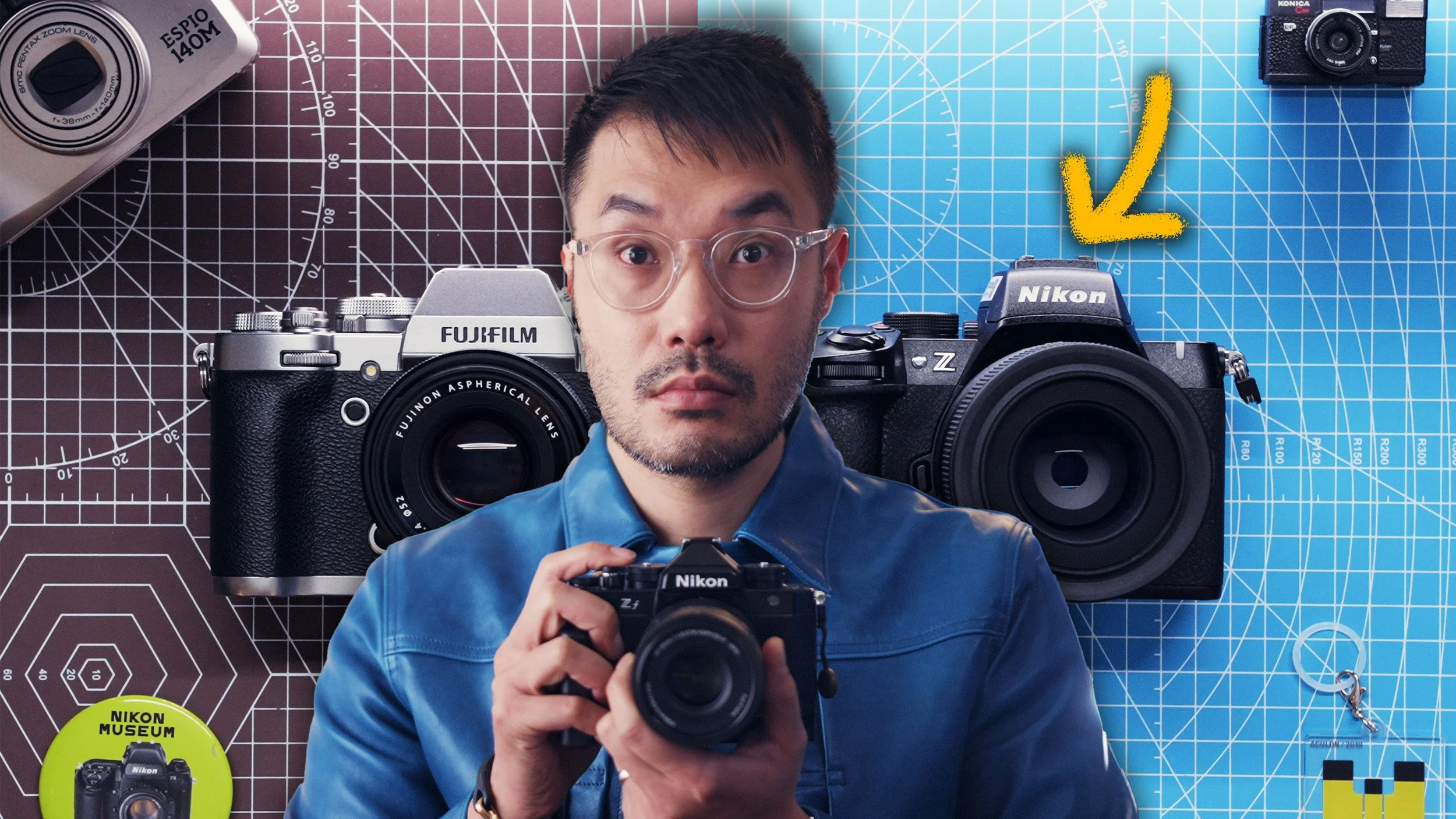
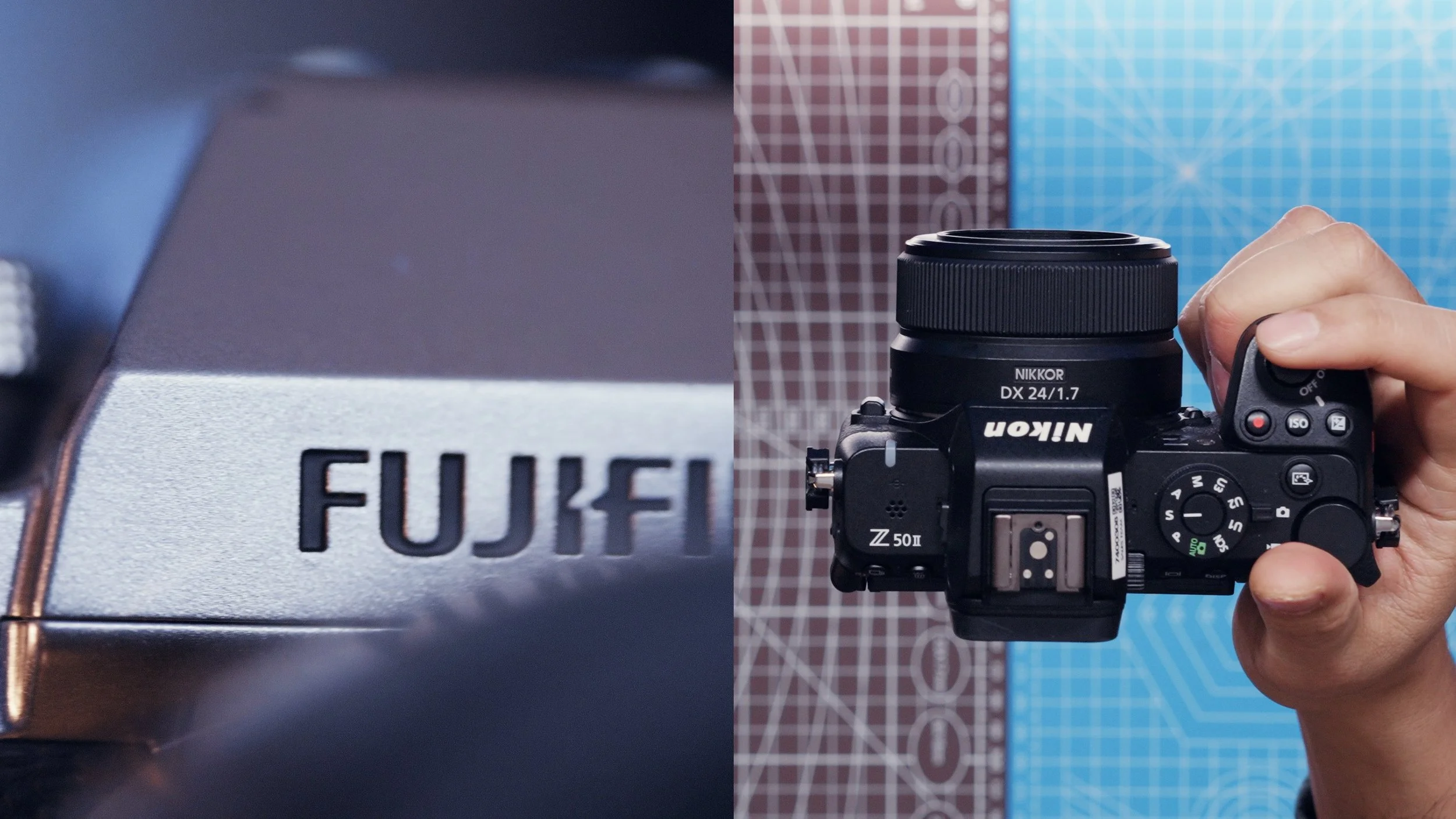
If you’re a Fuji user tempted by the Zf, you should try the Nikon Z50ii instead?
Much smaller than the Zf because it’s DX, or APS-C, likely to appeal to more Fuji users ergonomically.
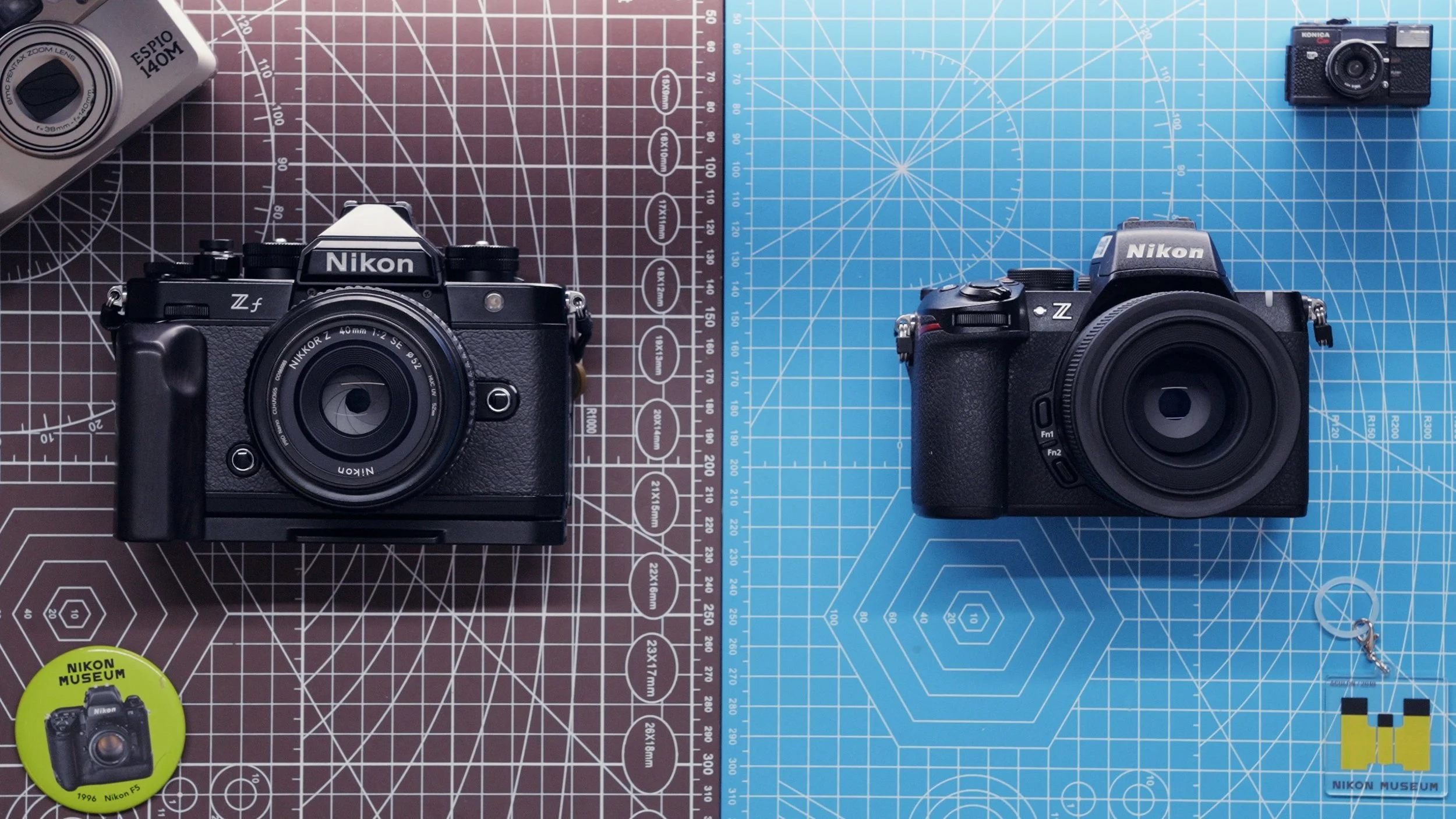
I had an XT5, every 1.4 prime, this Nikon fixes most of my complaints about Fuji. But Fuji have more crop sensor cameras than anybody, all perfectly positioned up an Apple-like price ladder.
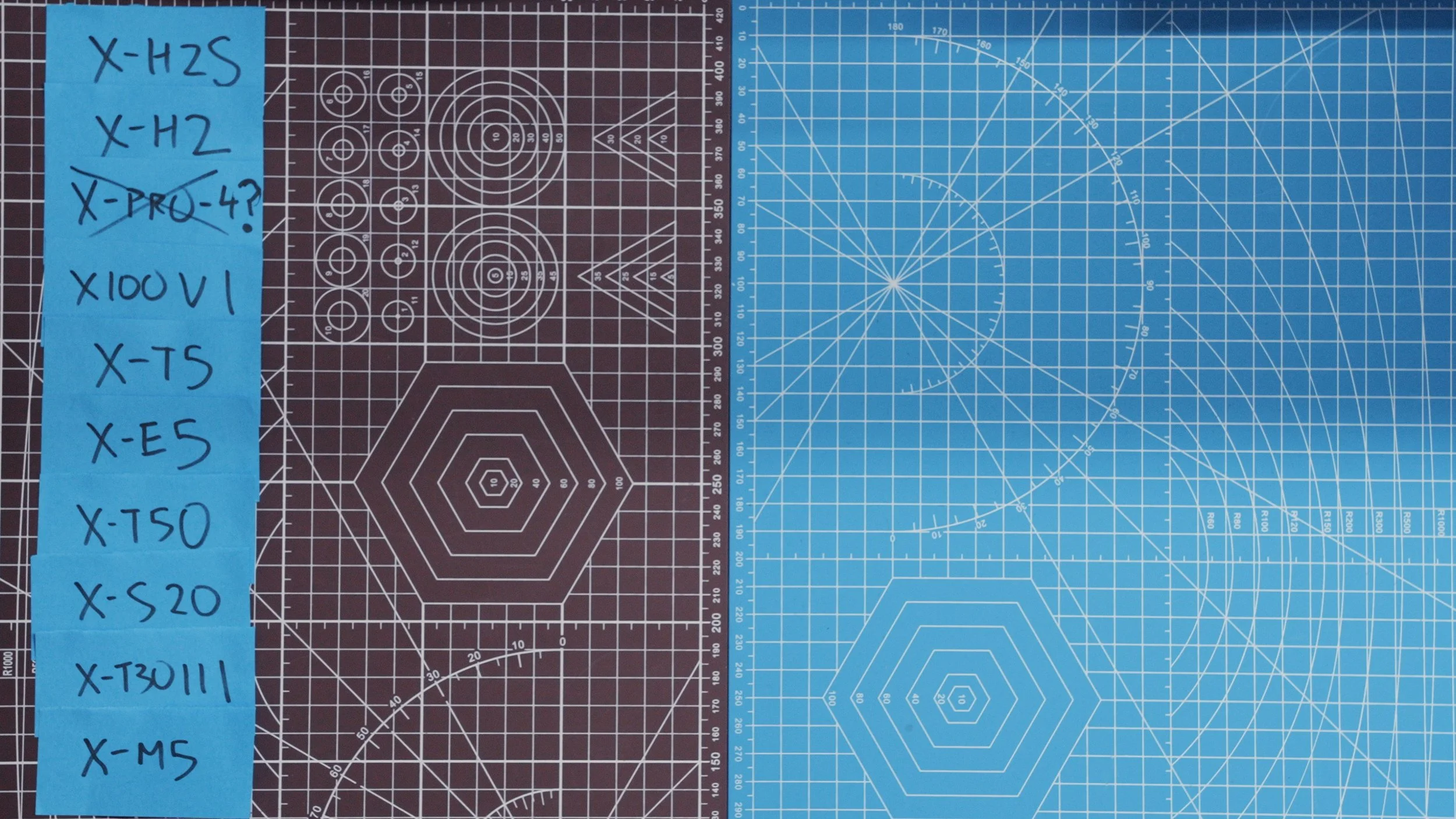
How many of these cameras does this Nikon have to beat?
Should you go full frame, or stick to Fuji?
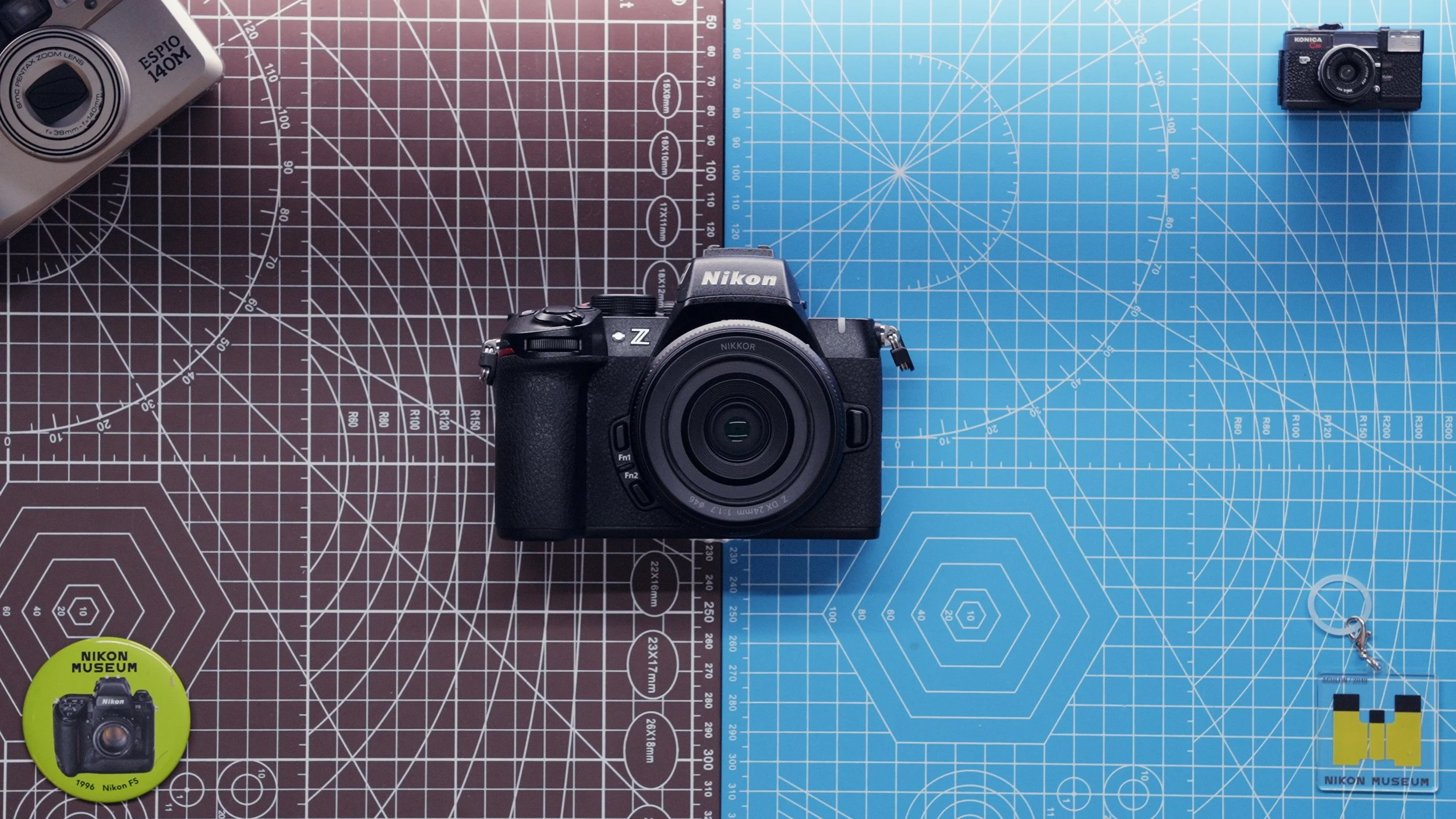
The Nikon Z50ii is on loan from Nikon Australia.
Nikon’s focus in Z-series mirrorless has been on the most competitive segment of the camera market: full frame. Meanwhile Fujifilm has been dominating in APS-C, a crazy number of models flooding the market.
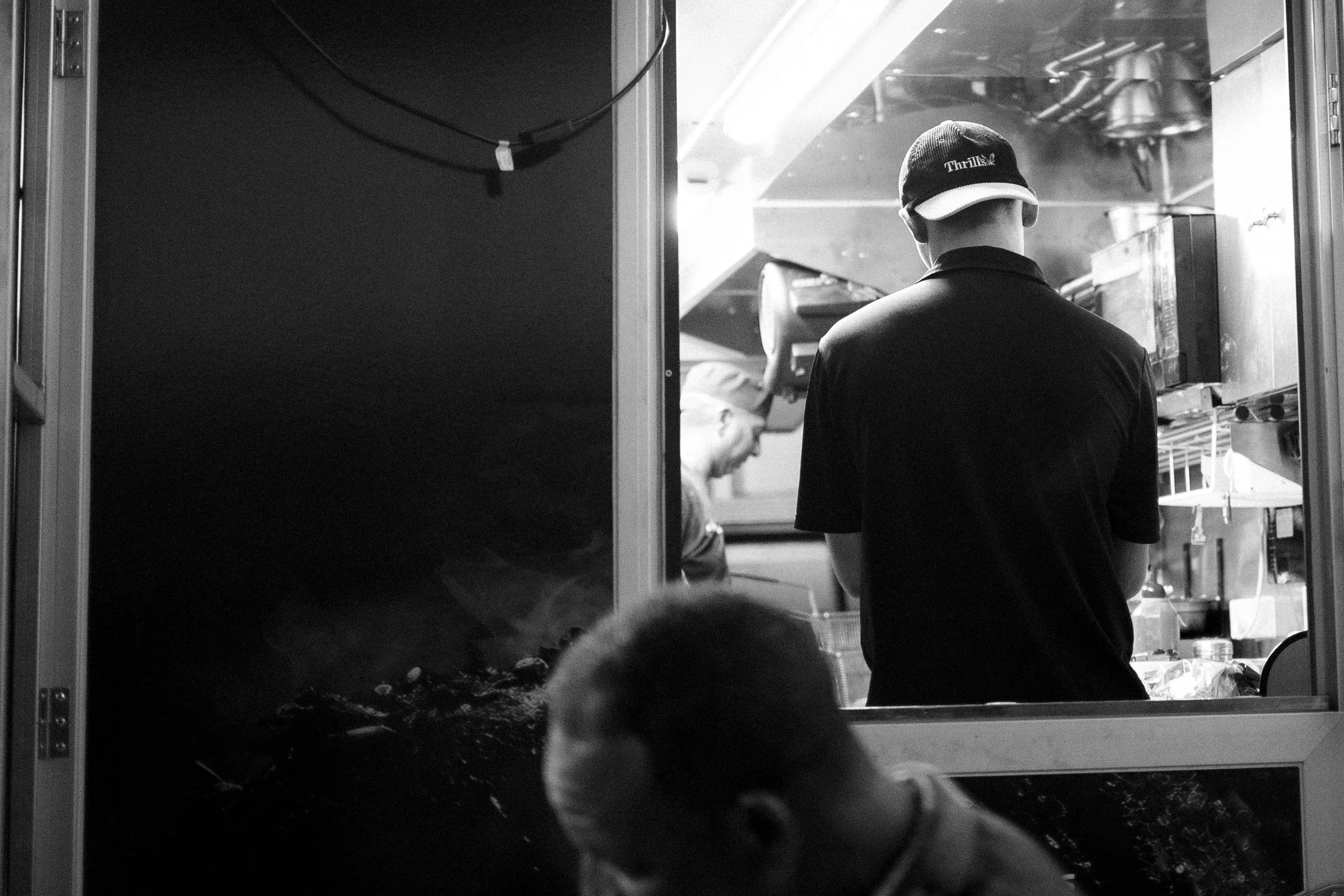
Nikon Z50ii + 35mm f1.7 Macro.
To have a chance of winning that Fujifilm user base the Z50ii needs to address the 3 most common Fuji gripes, starting with:
I.Price
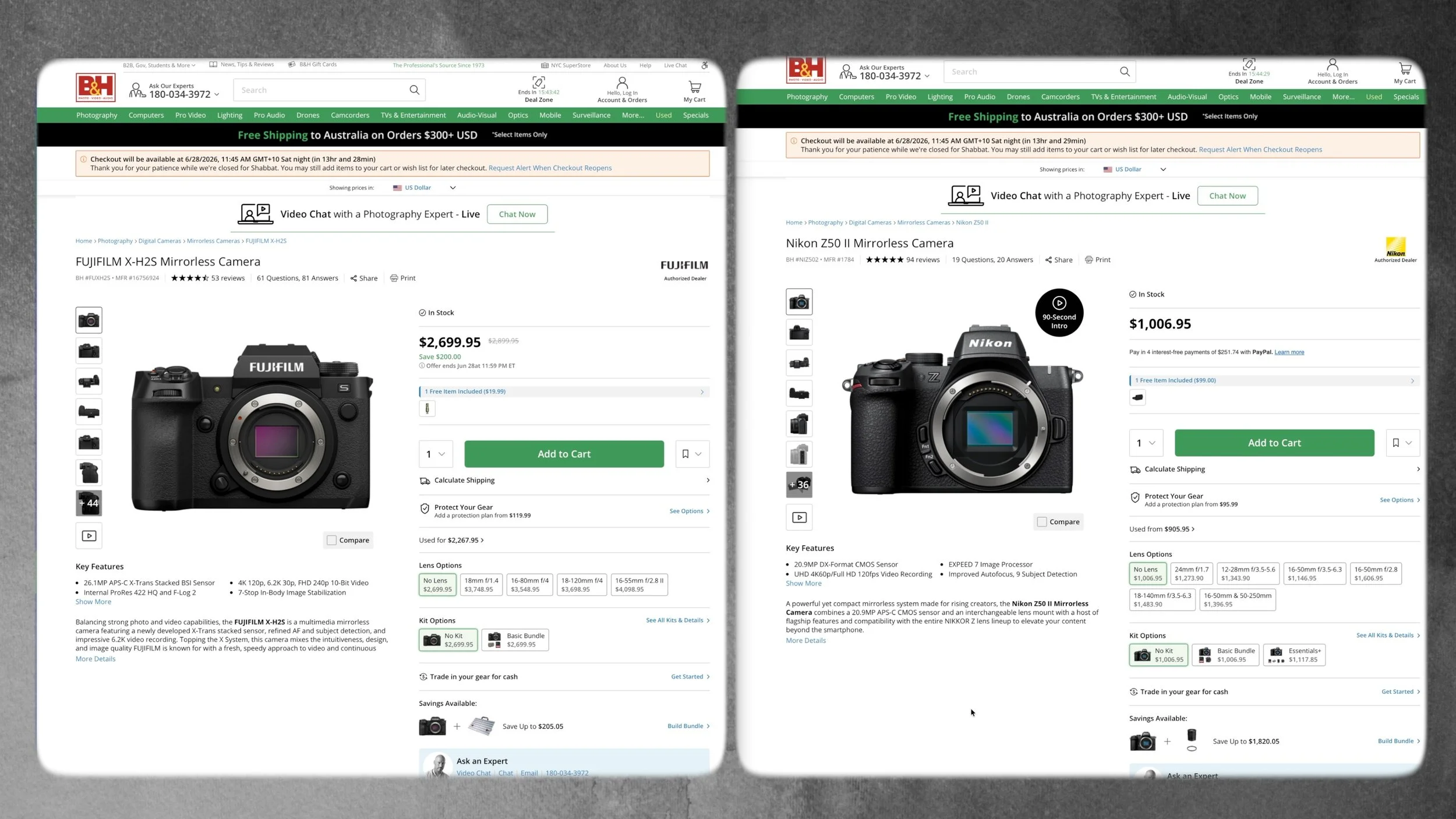
Fujifilm have 10 current gen APS-C cameras (give or take, depending on if you count the XPro3 as current gen, and/or if you count the X-half as APS-C).
What’s the point of making so many?
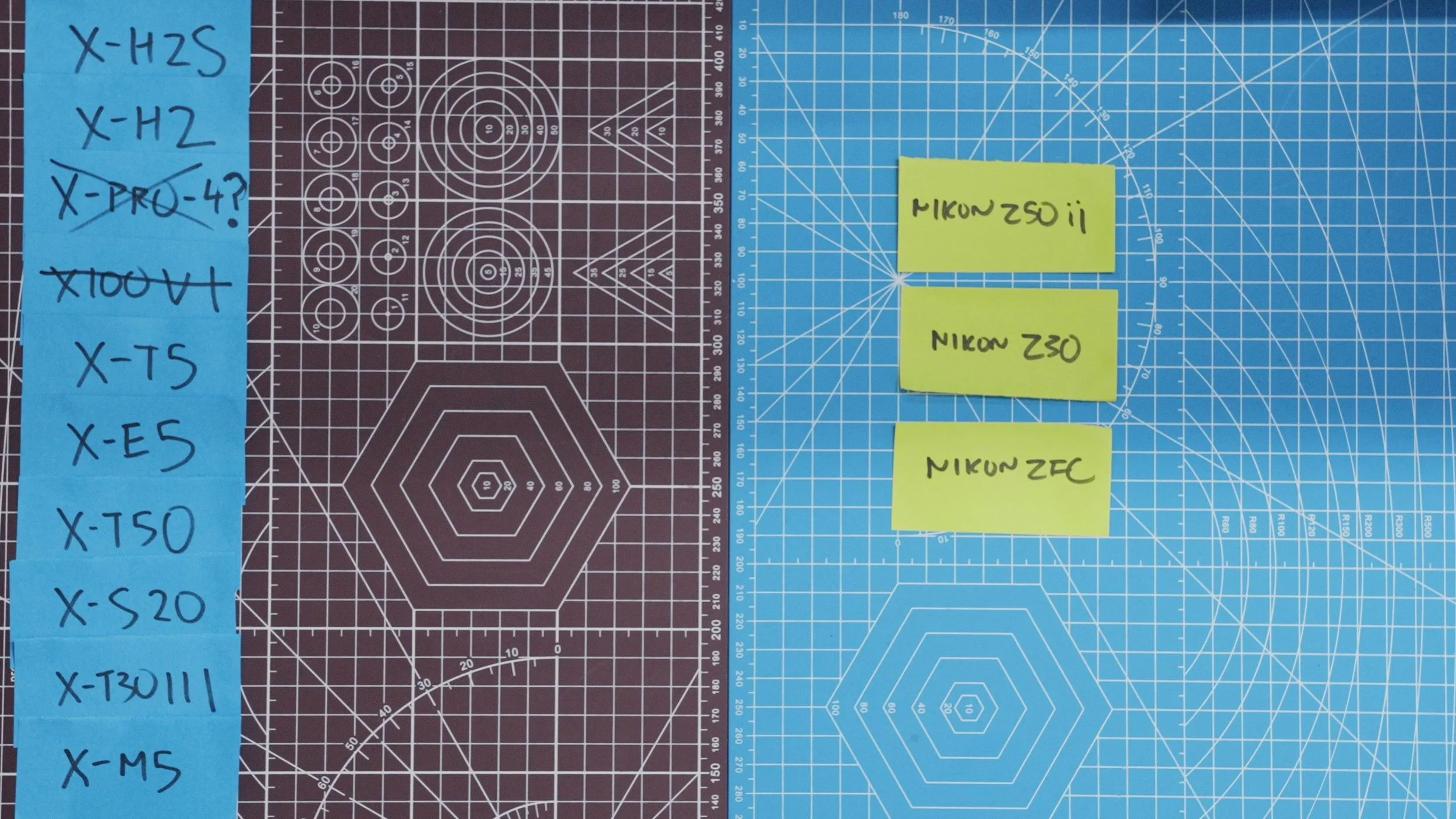
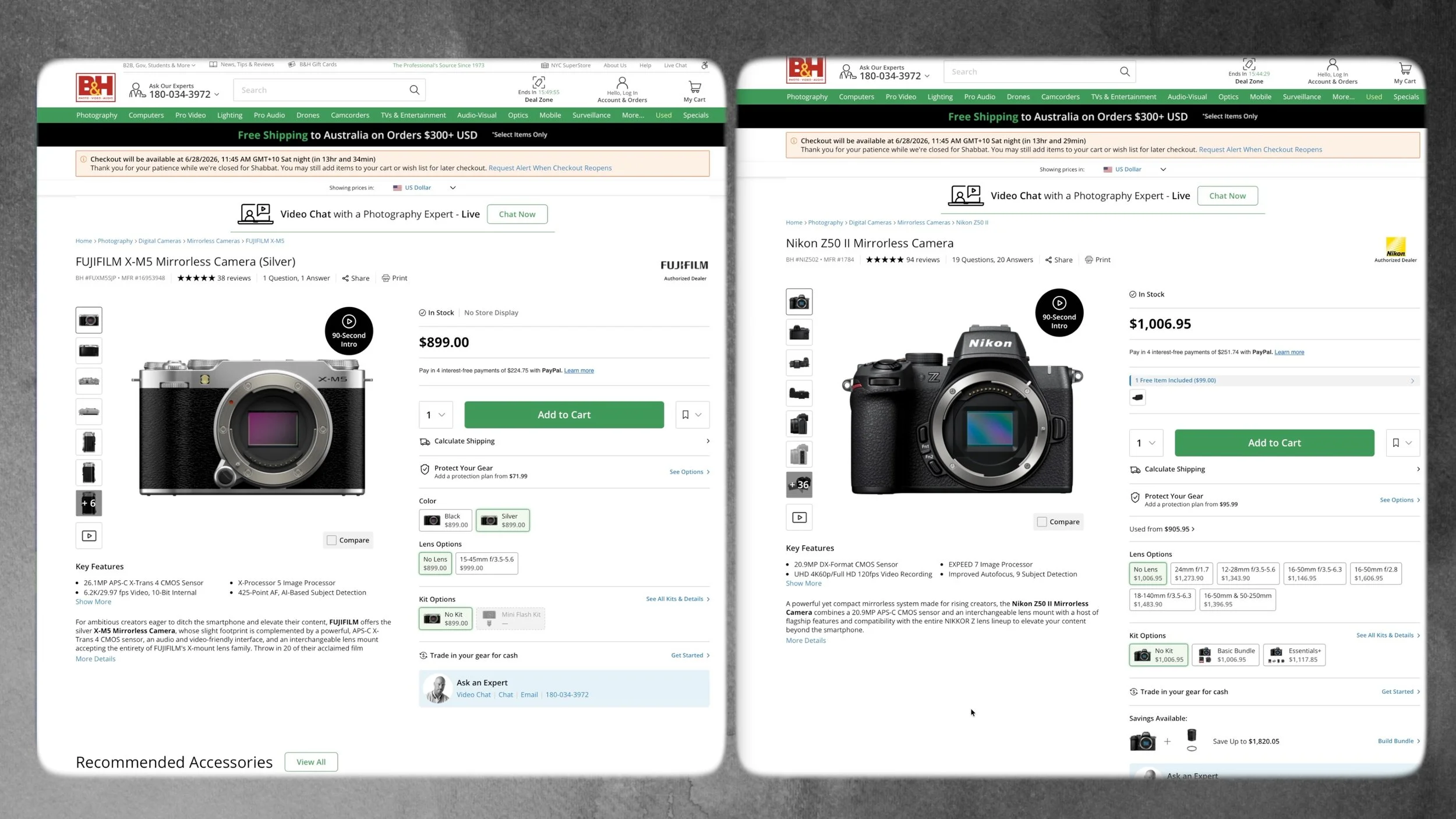
The Z50ii is one of just 3 current gen crop sensor Nikon Z models, their DX “flagship”, but it’s priced very aggressively.
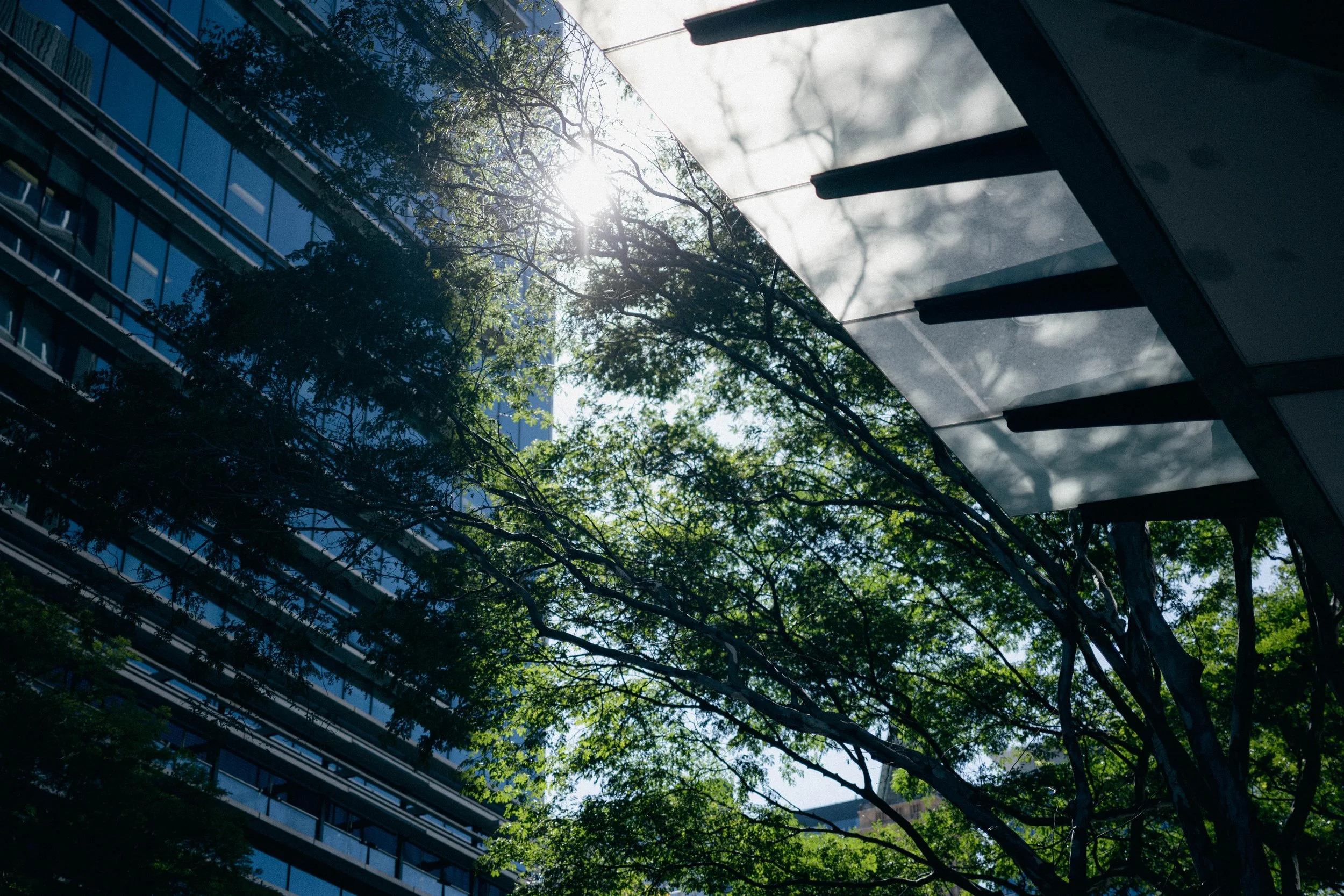
Nikon Z50ii + 35mm f1.7 Macro
Half the price of the XH2, XT5, almost a third of the XH2S, which segment of the market is Nikon targeting?
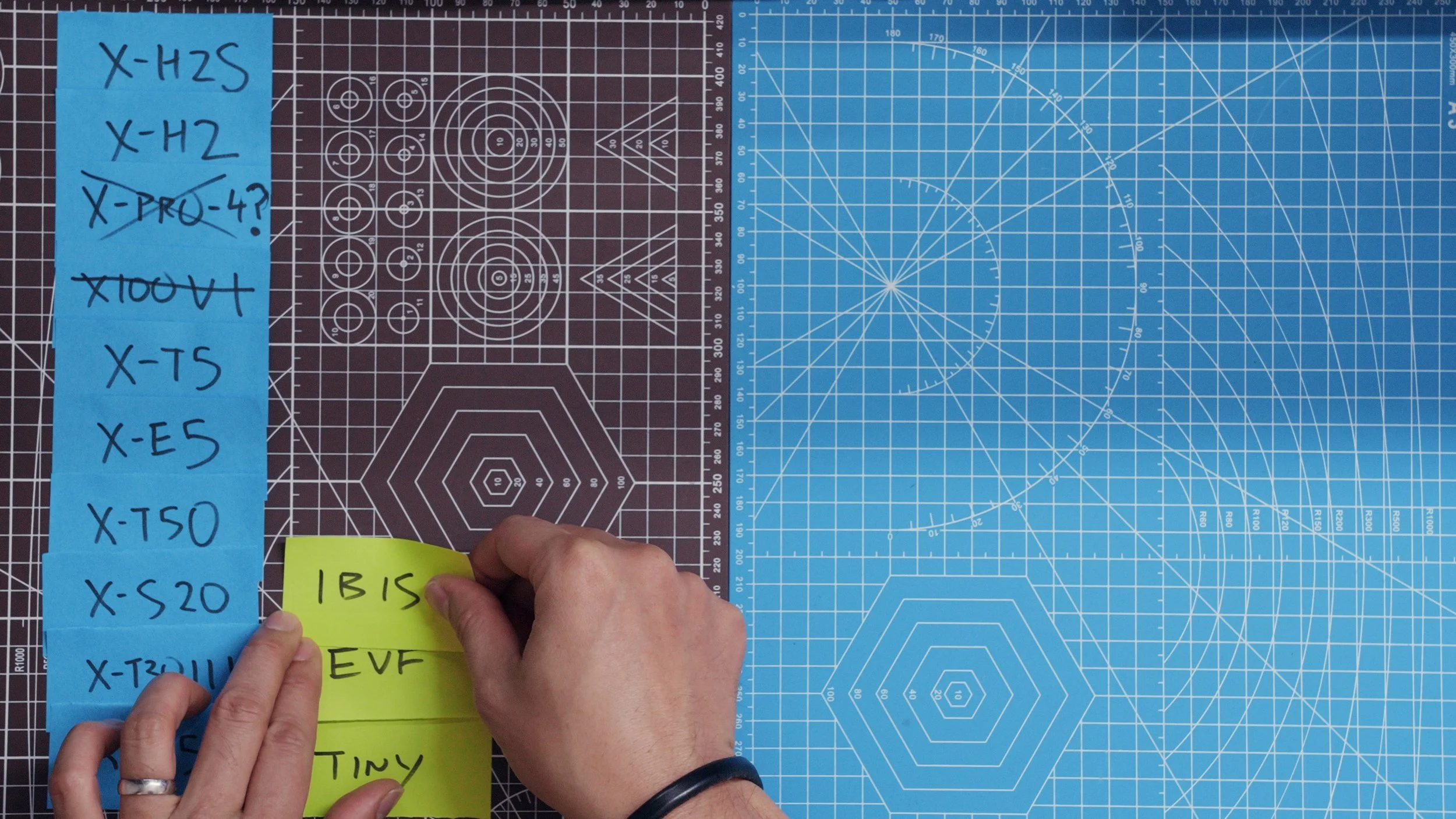
Let’s work our way through the whole Fuji price ladder, starting with the cheapest current gen Fuji:
XM5
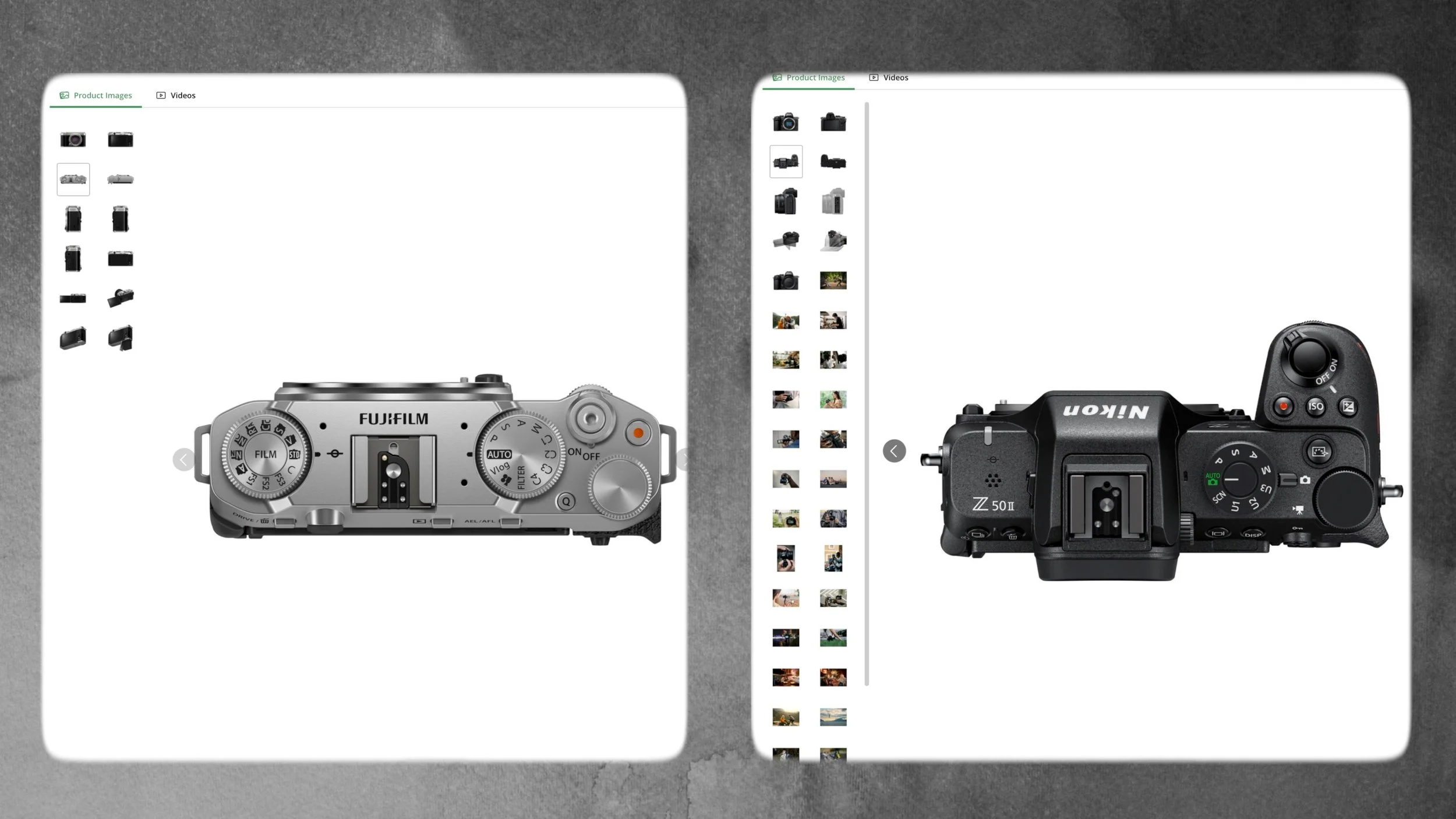
What do you miss out on at this price point? Fewer physical controls - no d-pad, two rather than 3 command dials. PASM up top, not retro shutter speed or ISO dial, but the body is tiny - I’m impressed with the form factor more than anything.
It uses an old 26 megapixel Xtrans 4 sensor, but I think this is the best sensor Fuji makes that balances autofocus speed with low light, and you save a fair chunk of change compared to the 40 megapixel sensor.
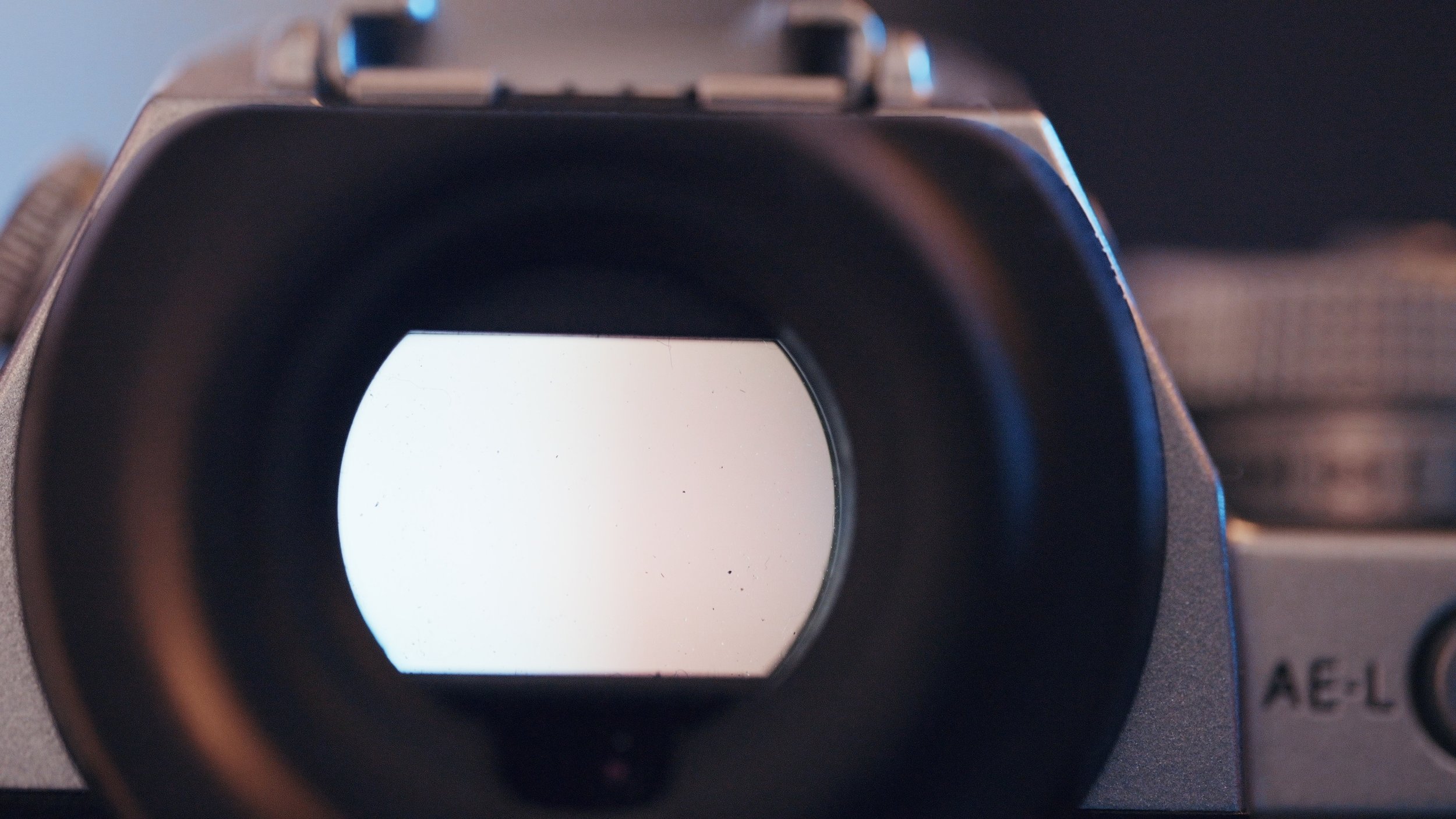
Manually dialing in your exposure on bright sunny days is hard to do however without an EVF on the XM5. This may be enough reason to switch to the Z50ii, or you can move up the Fuji price ladder to:
XT30III
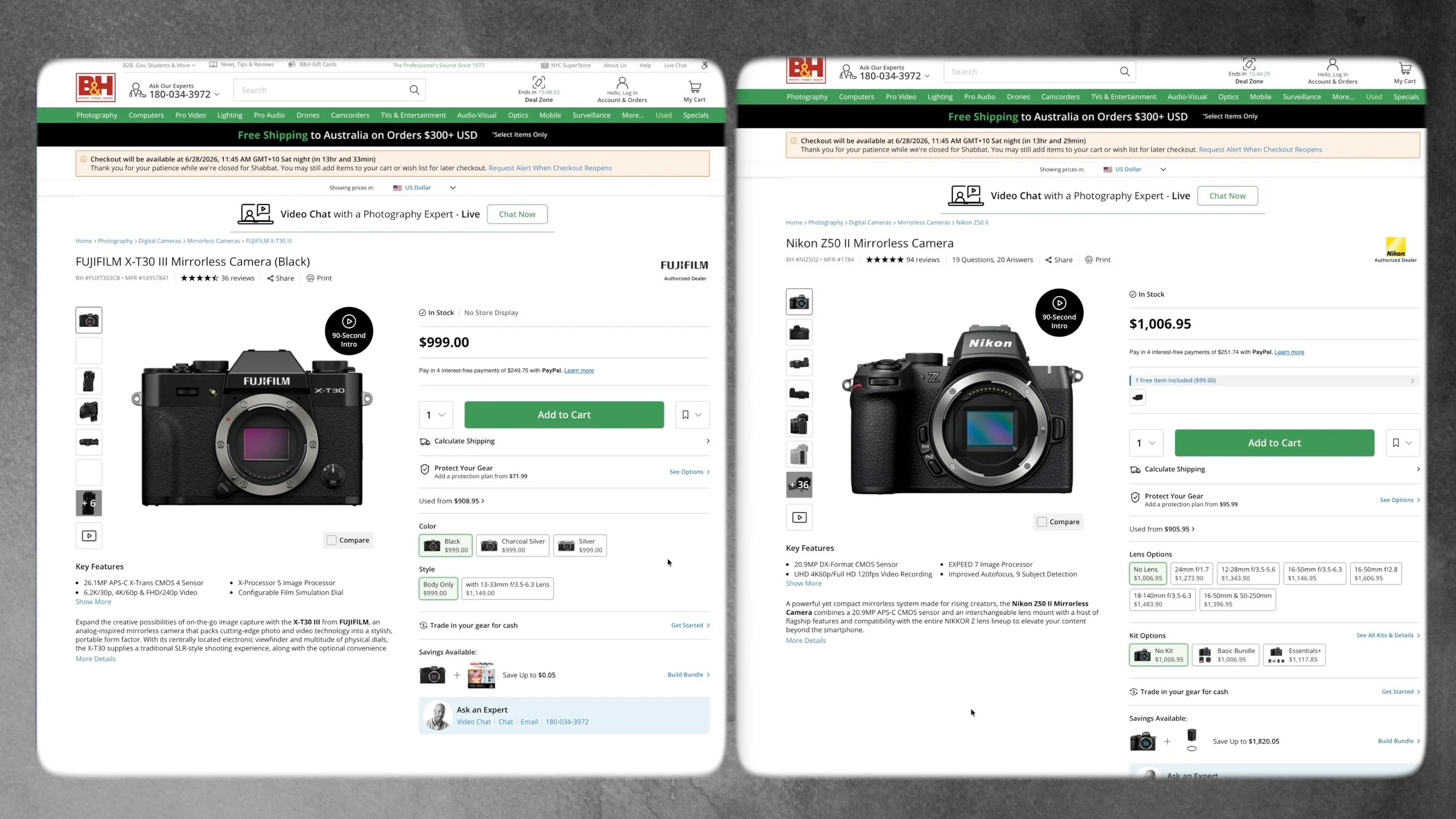
The EVF’s the main difference on the next rung of the Fuji price ladder. Compared to the XM5 you get a shutter speed dial on top rather than PASM. The screen’s tilt up rather than flip around, better for photography, AND the EVF.
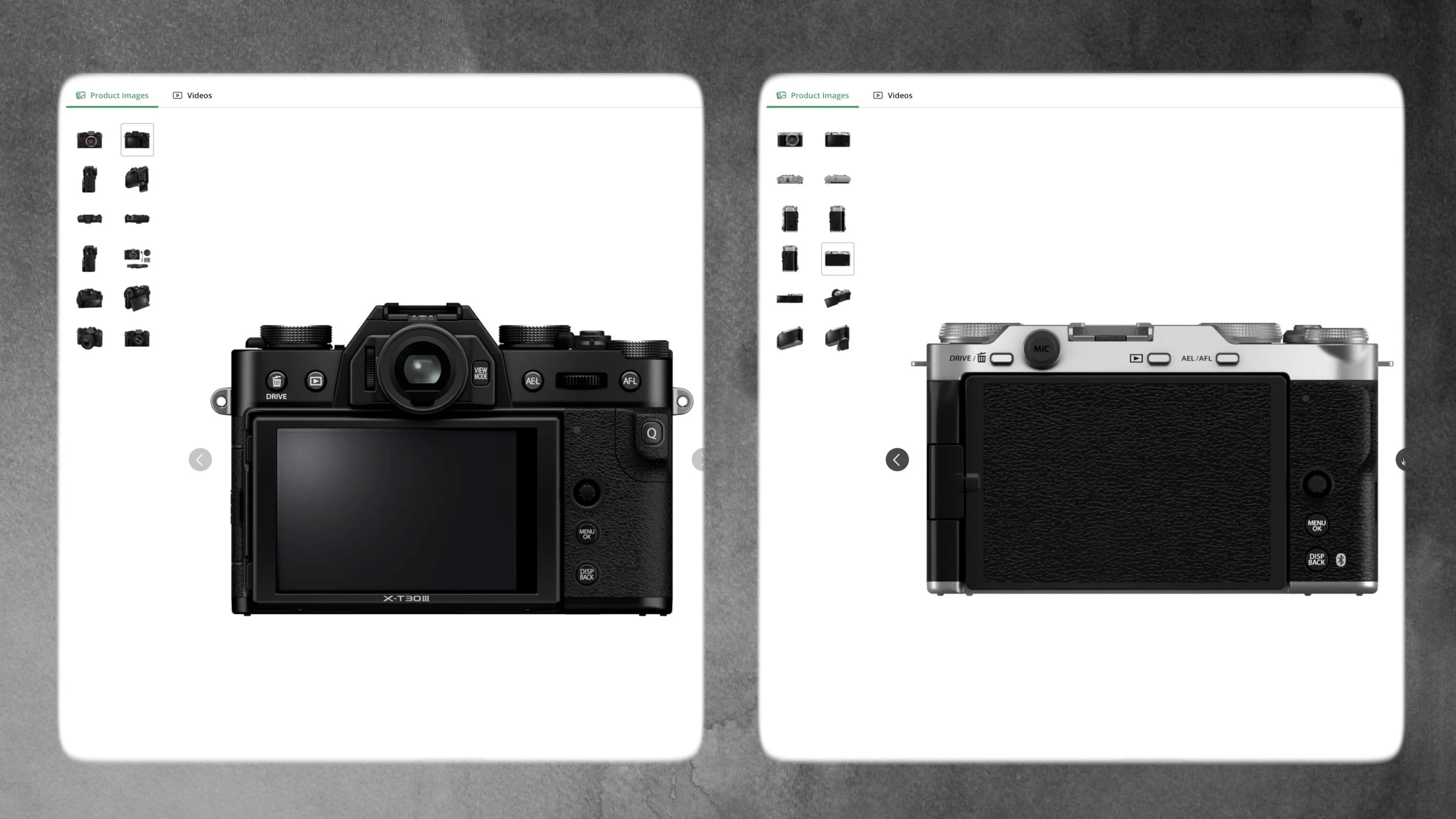
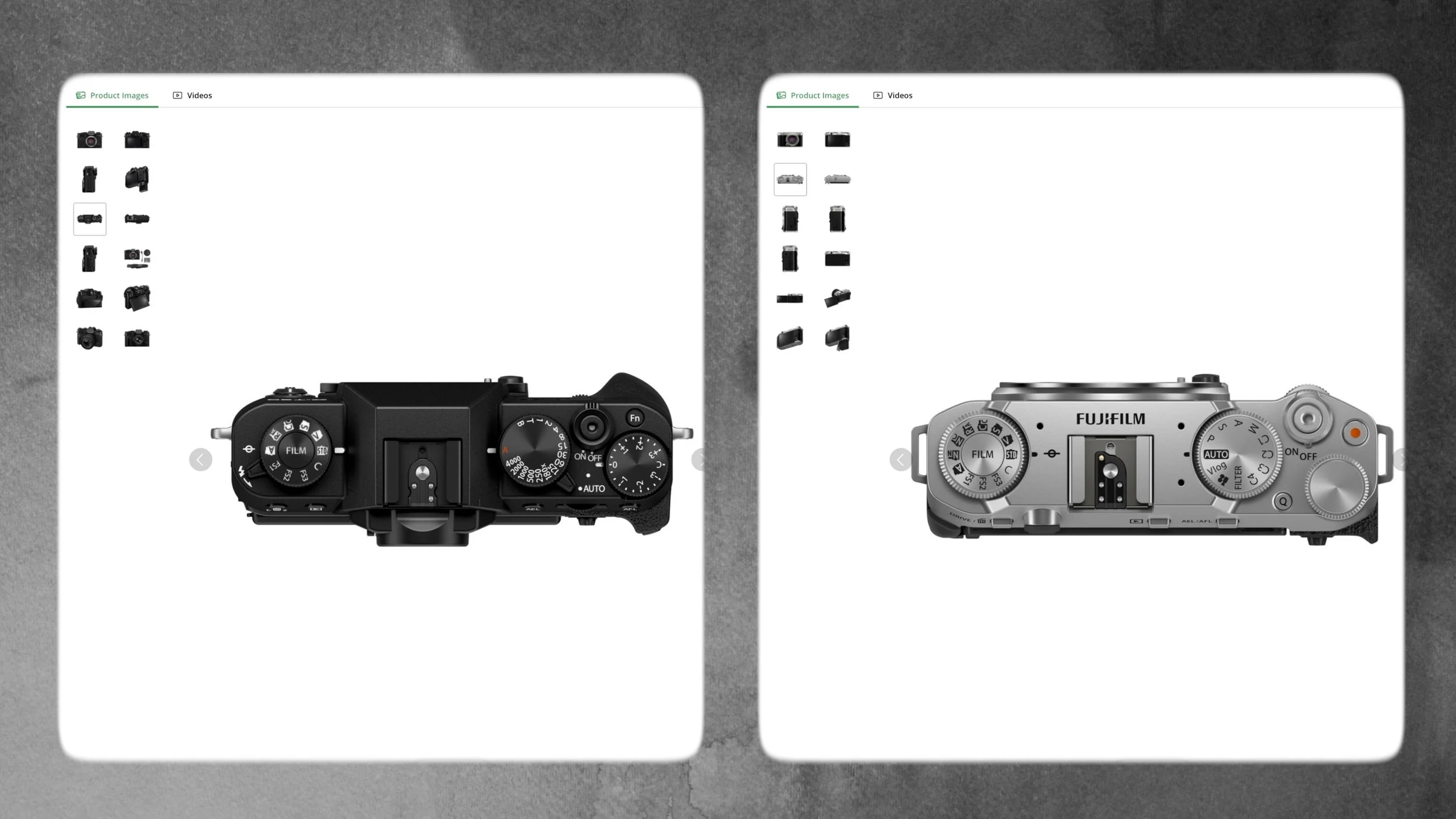
It does make the camera quite a bit bigger than an XM5, it won’t fit in your pocket or bag as easily, but an EVF makes it easier communicate with your subjects, judge if your horizon is straight, and get the right exposure in camera. This is essential if you’re shooting JPEG only and don’t want to edit your photos.
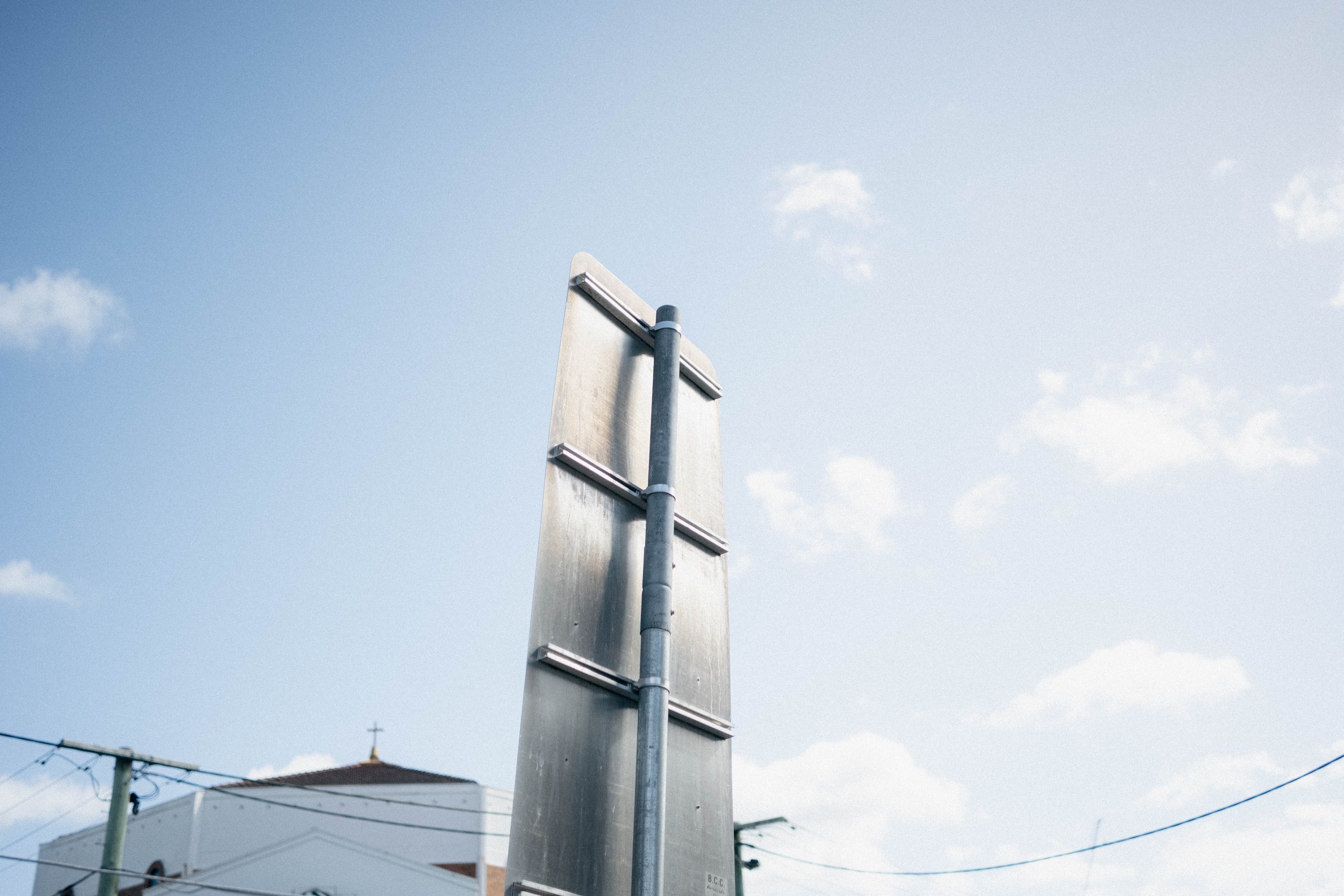
Nikon Z50ii + 24mm f1.7
The XT30III and the Z50ii are pretty much the same price - how do their viewfinders compare? About the same resolution, about the same magnification, the Z50ii is slightly bigger (0.68x vs 0.62x magnification), the XT30iii on boost mode can have smoother motion (100fps vs the Z50ii’s 60fps), but I don’t think these are obvious differences unless you use them side by side.
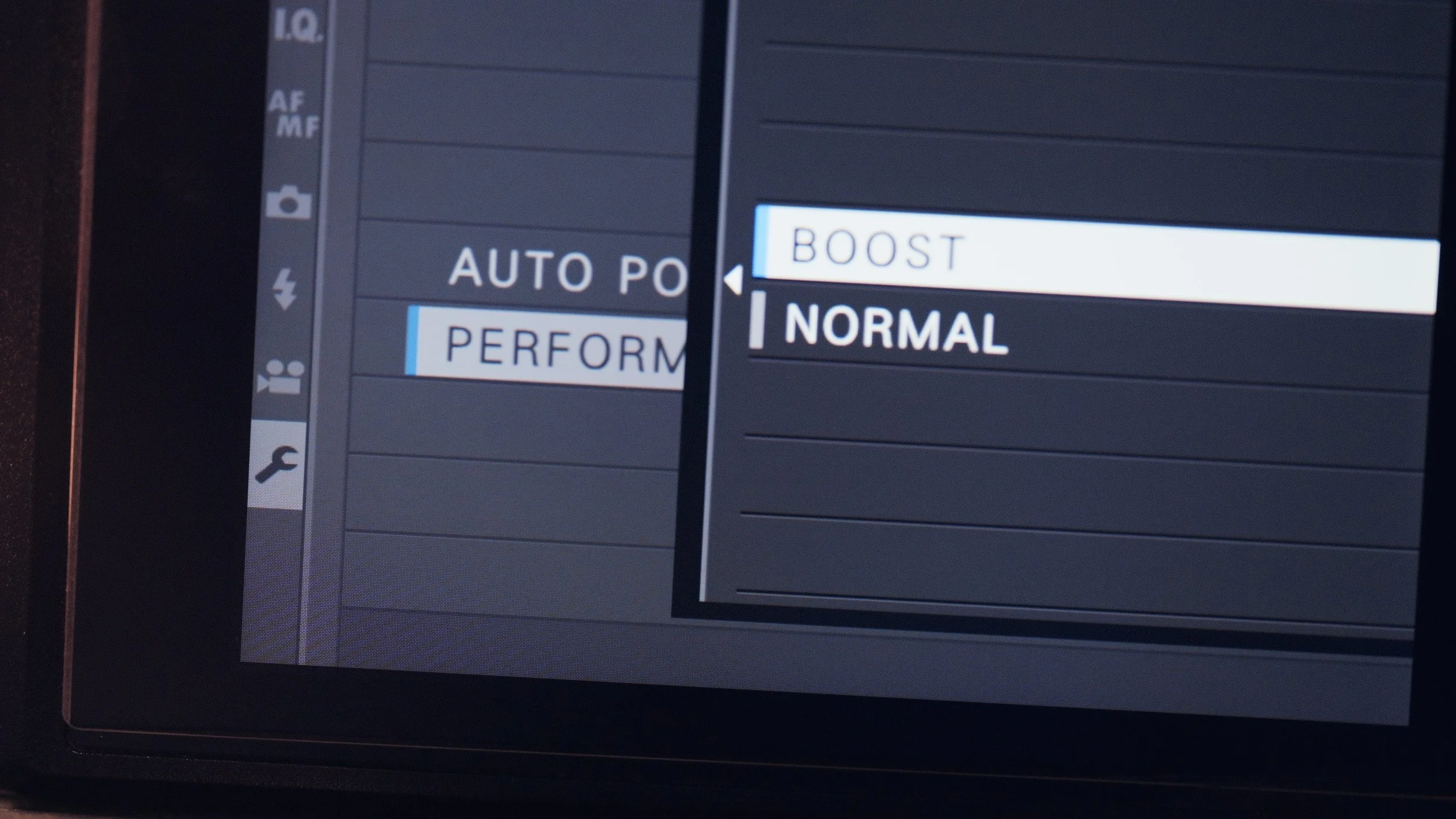
What is noticeable is the Z50ii goes up to 1000 nits, brighter than most EVFs, and viewfinder blackout when you click the shutter. Every time you take a photo on the XT30iii the camera blacks out, you lose sight of the subject. If you want blackout free shooting it needs to be electronic shutter only, but because this sensor doesn’t readout fast enough there will be warping and banding for moving subjects.
The Z50ii doesn’t have a stacked sensor either, but it has a workaround for blackout-free.
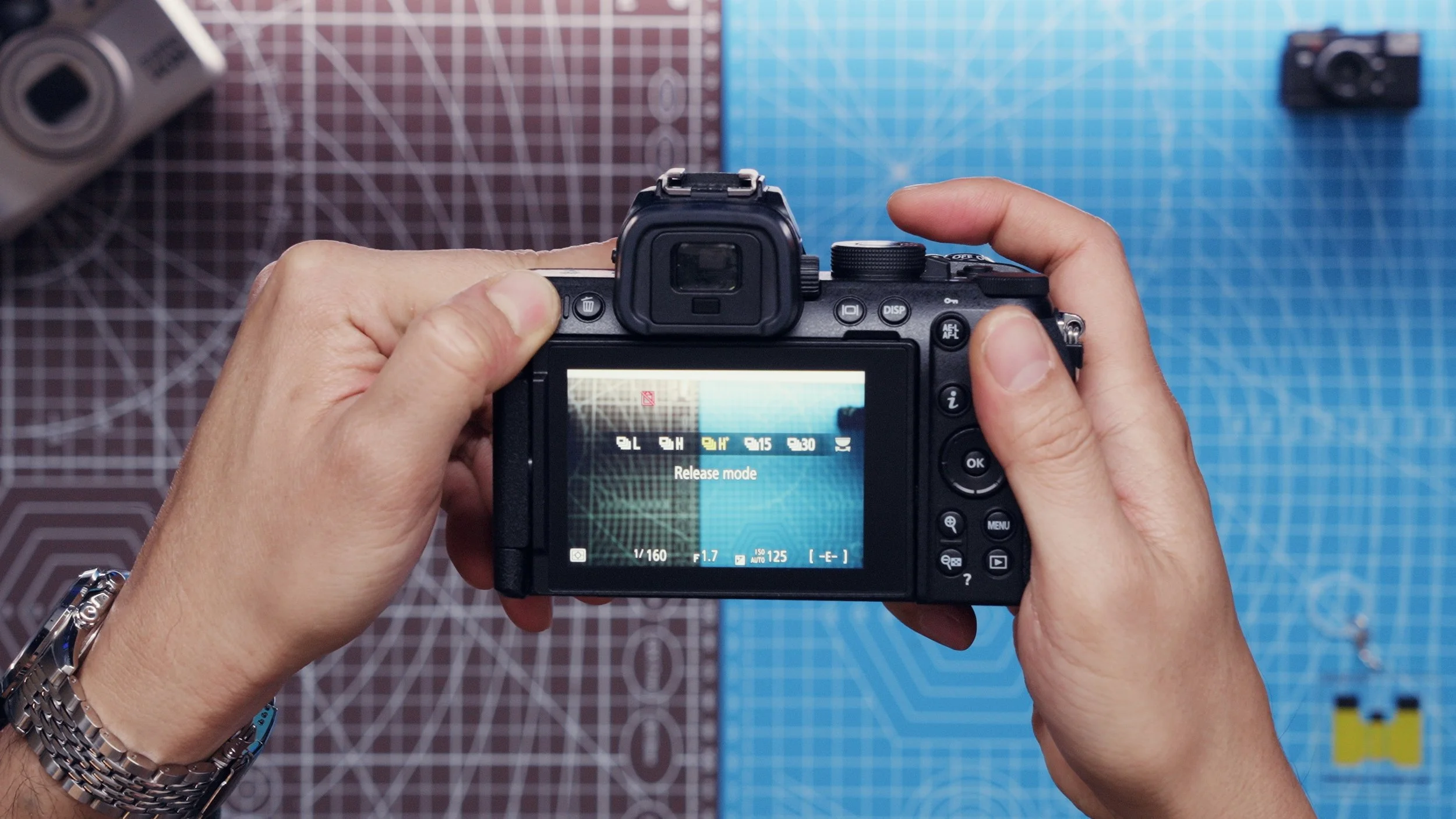
In H+ mode the Z50ii shows you a livestream of exposures at all times. There’s a slight lag but the camera is doing this at fast enough speeds it almost feels like it’s blackout free. This works with the mechanical shutter, shooting in raw, simulates an optical viewfinder, I’m yet to find a downside other than an extra hit to battery-life.
This works on the Zf, ZR, Z6III, any camera I’ve tried that uses Nikon’s Expeed7 processor. I limit the max number of burst mode frames to 1 so my SD cards don’t fill up too quickly. On Fuji as far as I know you can only get this on the flagship XH2S; Fuji’s X processors don’t seem to work as effectively as Expeed 7, that seems to be the bottleneck for AF speeds.
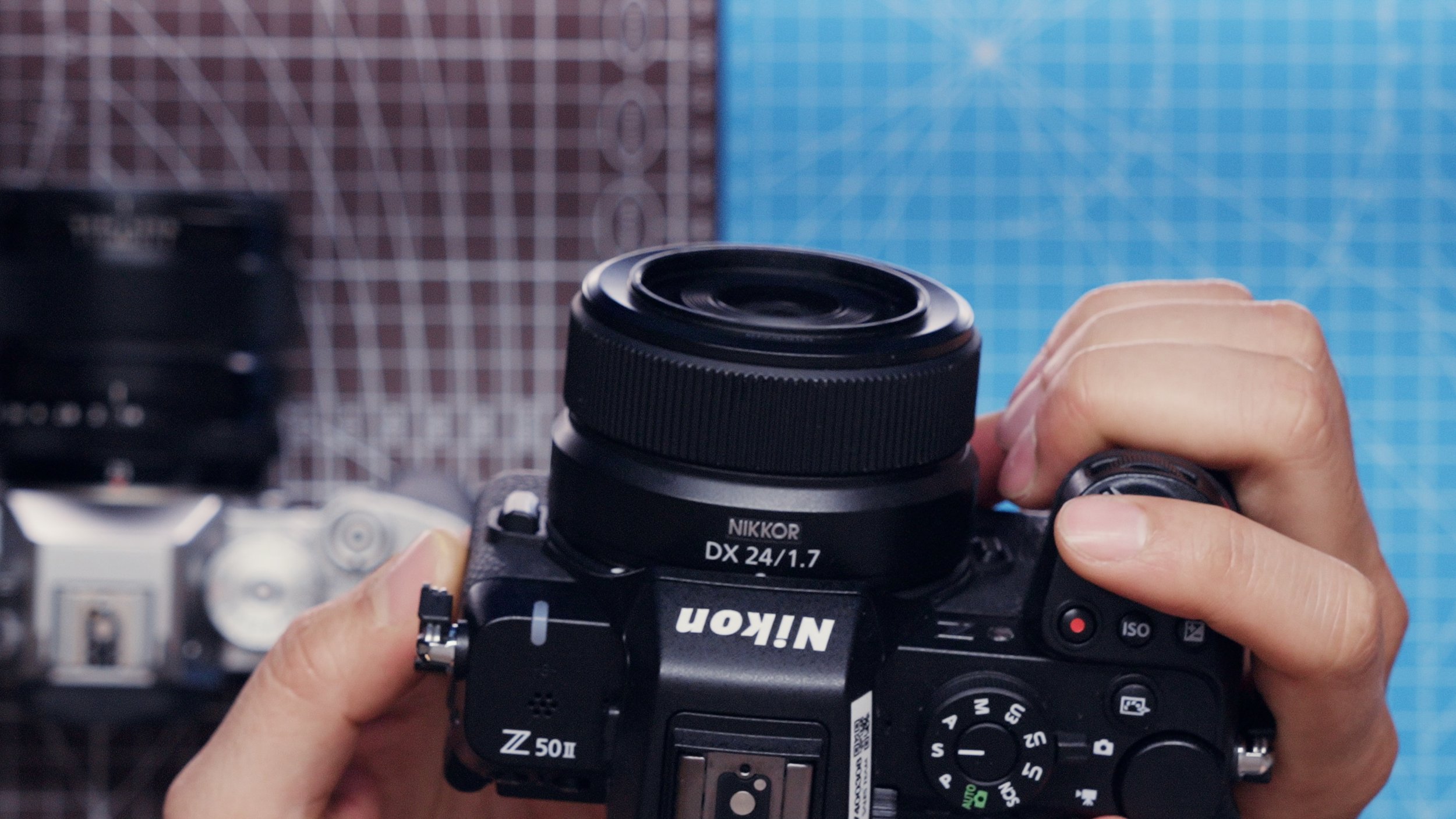
EVF blackout for a split second isn’t a big deal, especially at this price, what matters more is lens selection. Do Fujifilm have an insurmountable lead in X-mount? Lens selection has improved a lot on the DX Z series lineup of late, 24mm f1.7, 35mm f1.7 Macro, the 16-50mm f2.8 VR could be everything you need. This isn’t the excuse it once was.

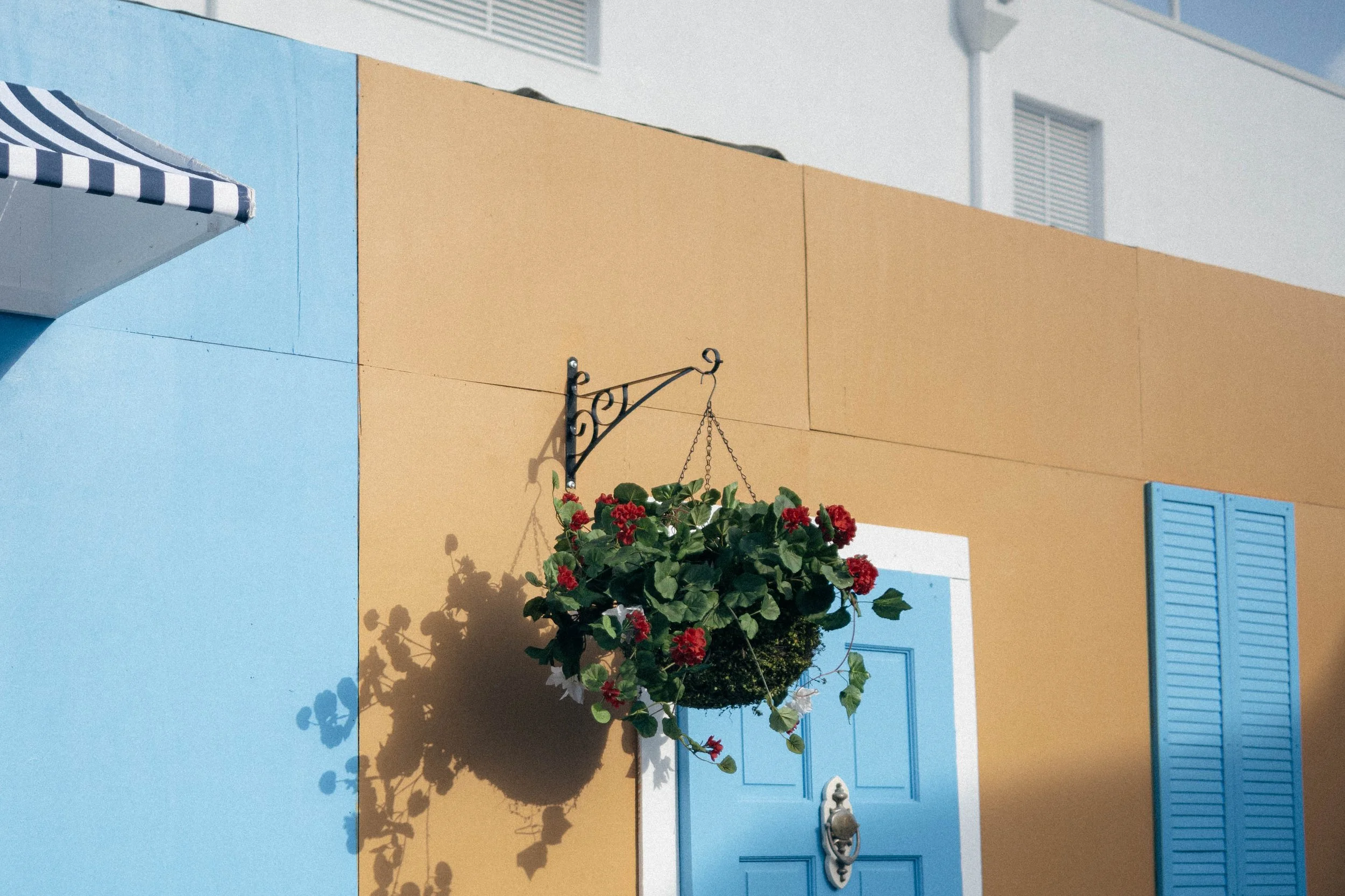
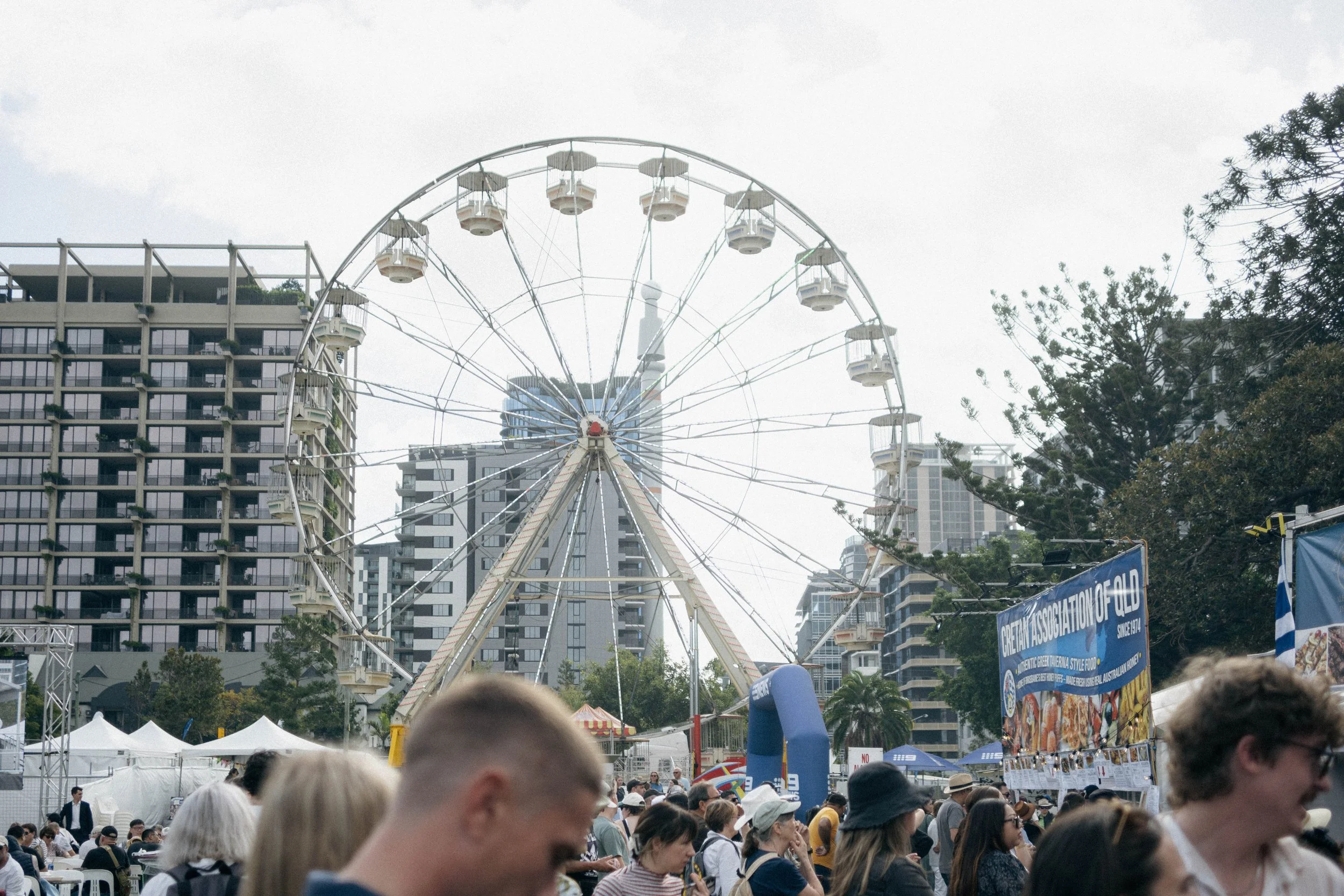
Nikon Z50ii + 24mm f1.7 DX.
But both the XT30III and the Z50ii are missing a feature that’s now standard across the industry. None of Nikon’s crop sensor cameras have this, Nikon makes you move up to full-frame to get this.
Fuji also makes you jump, a huge 500 dollar jump up the price ladder, to get this in the:
XS20
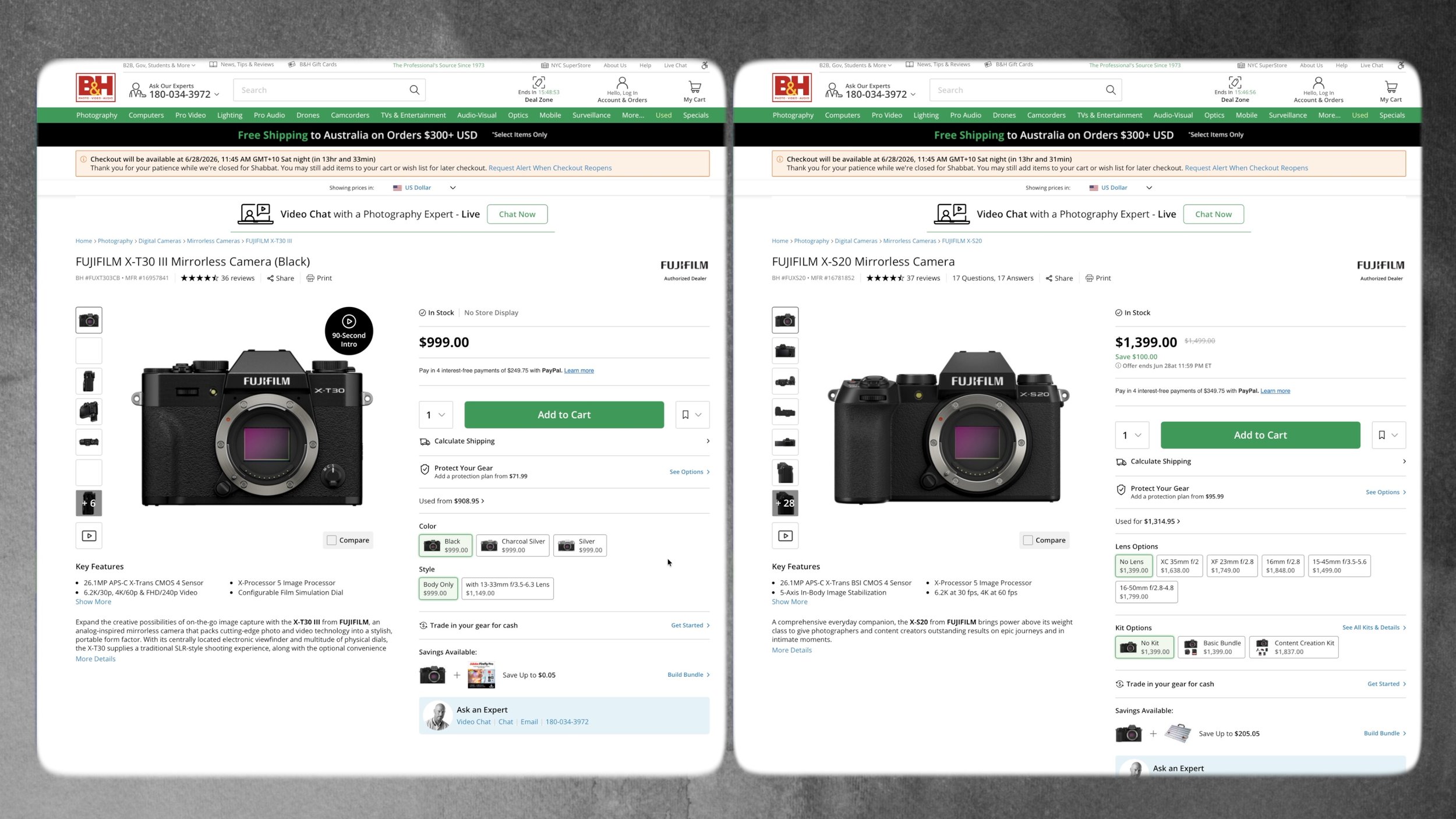
For photography other than IBIS the XS20 is almost identical to the XT30III. Most of its differences lie in the video specs (better video controls, audio input and output, open gate, video codecs), but how much are these features worth to you for photography?
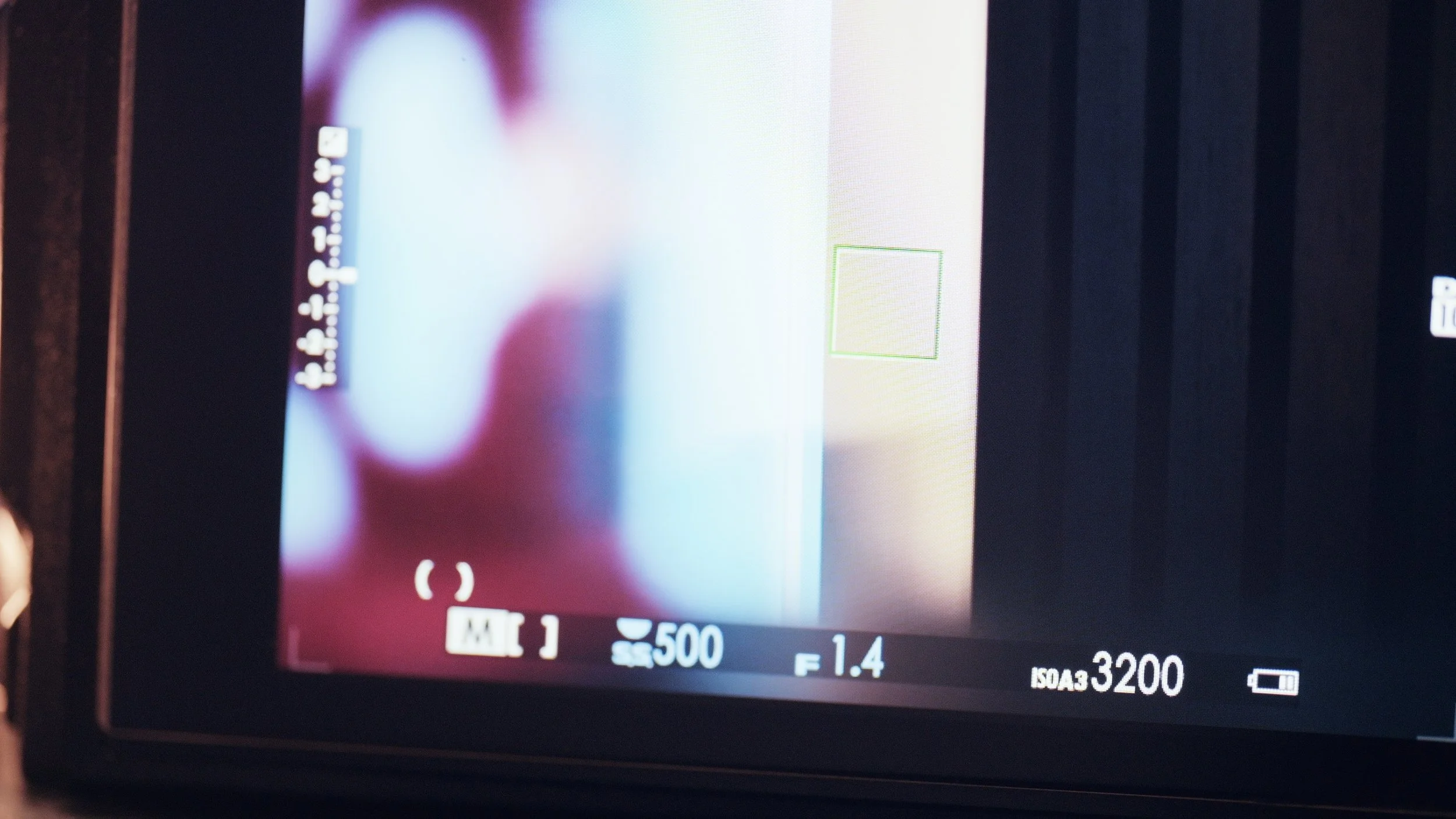
I have overly-caffeinated shaky hands at the best of times, and I stick to 1/500th of a second shutter speed under most circumstances (on any camera with or without IBIS). During the day there’s plenty of light the ISO never gets that high, it is an issue at night on Fuji?
This is a good time to talk about most people’s biggest Fuji gripe:
II. Autofocus
I don’t mind slower AF speed as long as it’s predictable, but even on the latest XT5, green boxes can make you think faces or eyes are in focus until you go back to check? 5-10% of the time for me there’s a false positive, just enough to lose a bit of trust in the camera.
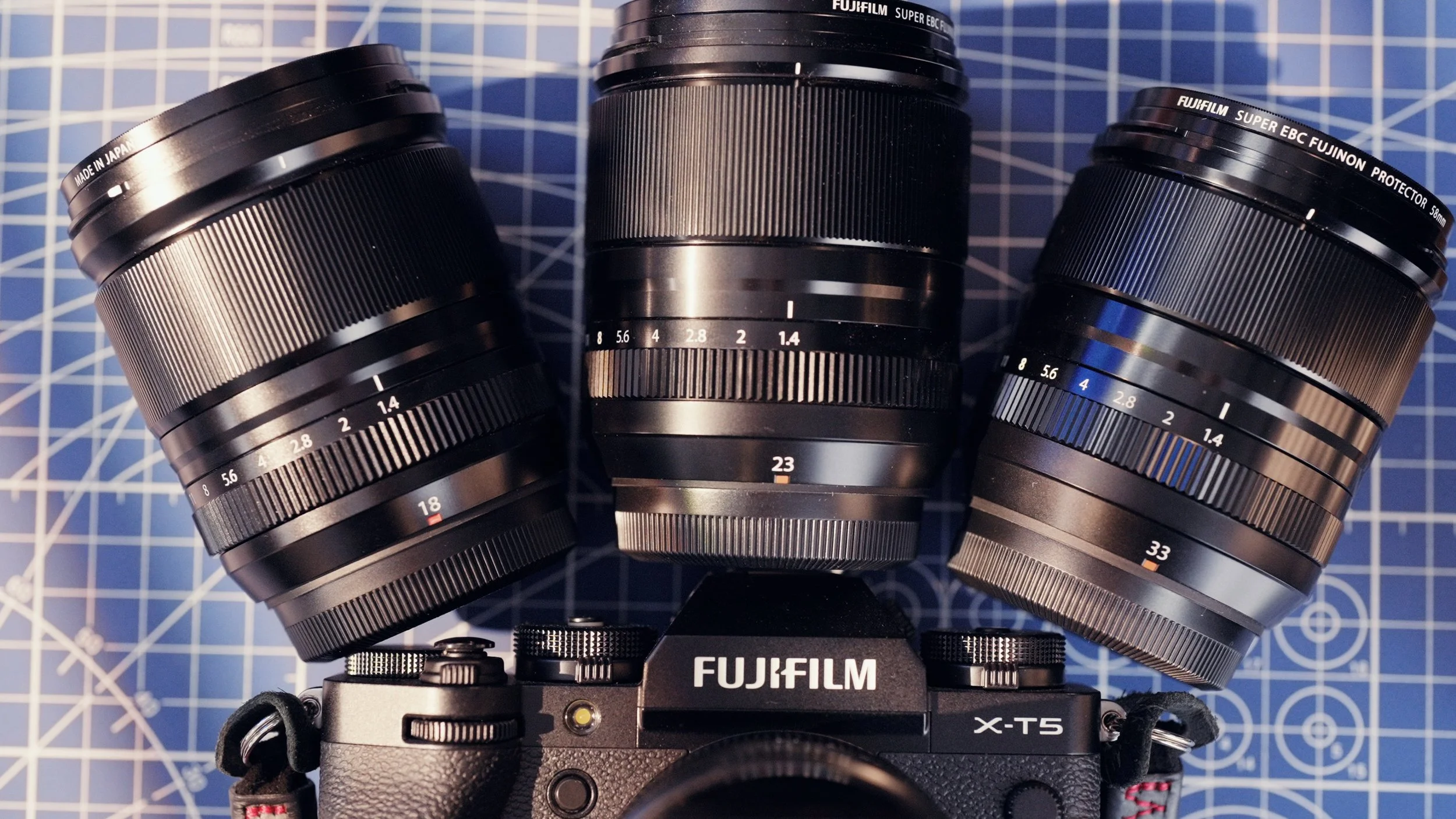
It also heavily depends on the lens you choose, linear motor lenses are mostly fine, but these older f1.4 lenses (16mm, 23mm, 35mm) are amongst the worst offenders. The workaround is I mainly used AF-S on the XT5, avoided AF-C altogether.
I don’t have that problem at all on the Z50ii, the AF is as reliable and predictable as the Zf and ZR (perhaps not quite at the level of the Z8?) I filmed a 30 minute talking head video for work on the Z50ii - the camera didn’t lose my face or eye once no matter the lens I tried. For photography I use continuous 3D spot tracking, put the focus box on an object or face, half press and the camera tracks very consistently, at faster speeds than I need. I haven’t used older Nikon Z cameras but from what I’ve seen the Expeed7 processor makes a big difference?
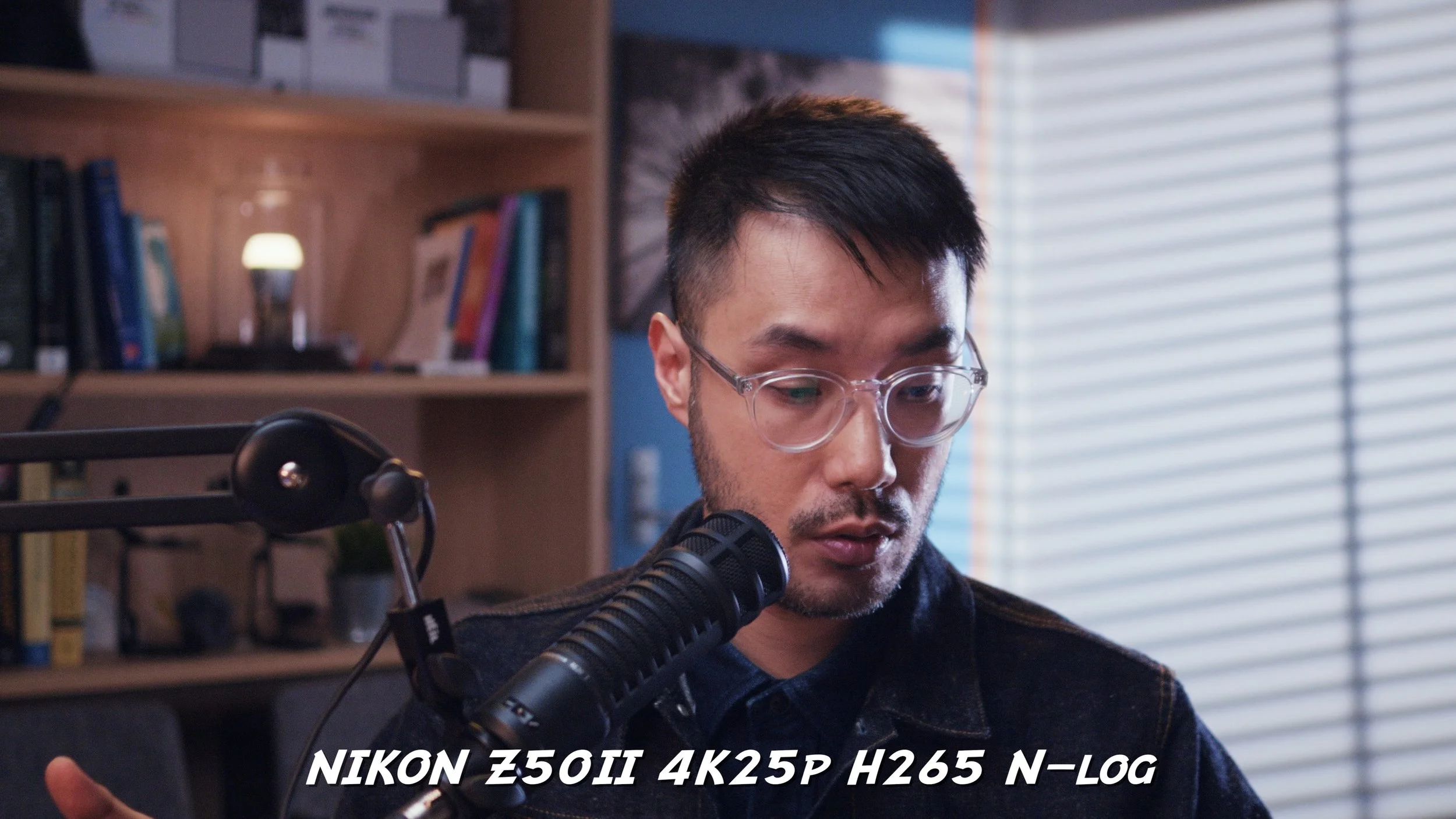
Continuous face and eye tracking work great on the Z50ii for video
By the time you see this video who knows, maybe a new Fuji firmware will fix it, but right now it’s hard to see the value in the higher end Fujis with 40 megapixel sensors. If you want IBIS the XS20’s the sweet spot, but that makes it significantly more expensive than the Z50ii. Moving up further in the Fuji price ladder can be harder to justify.
***
There are no sponsors for this post, but it is brought to you by my new YouTube channel: WorkWear Blues.
It’s on Japanese Menswear and Ameikaji style.
Episode 1 is my frenzied hunt for Red Wings on my last day in Tokyo:
***
XT50
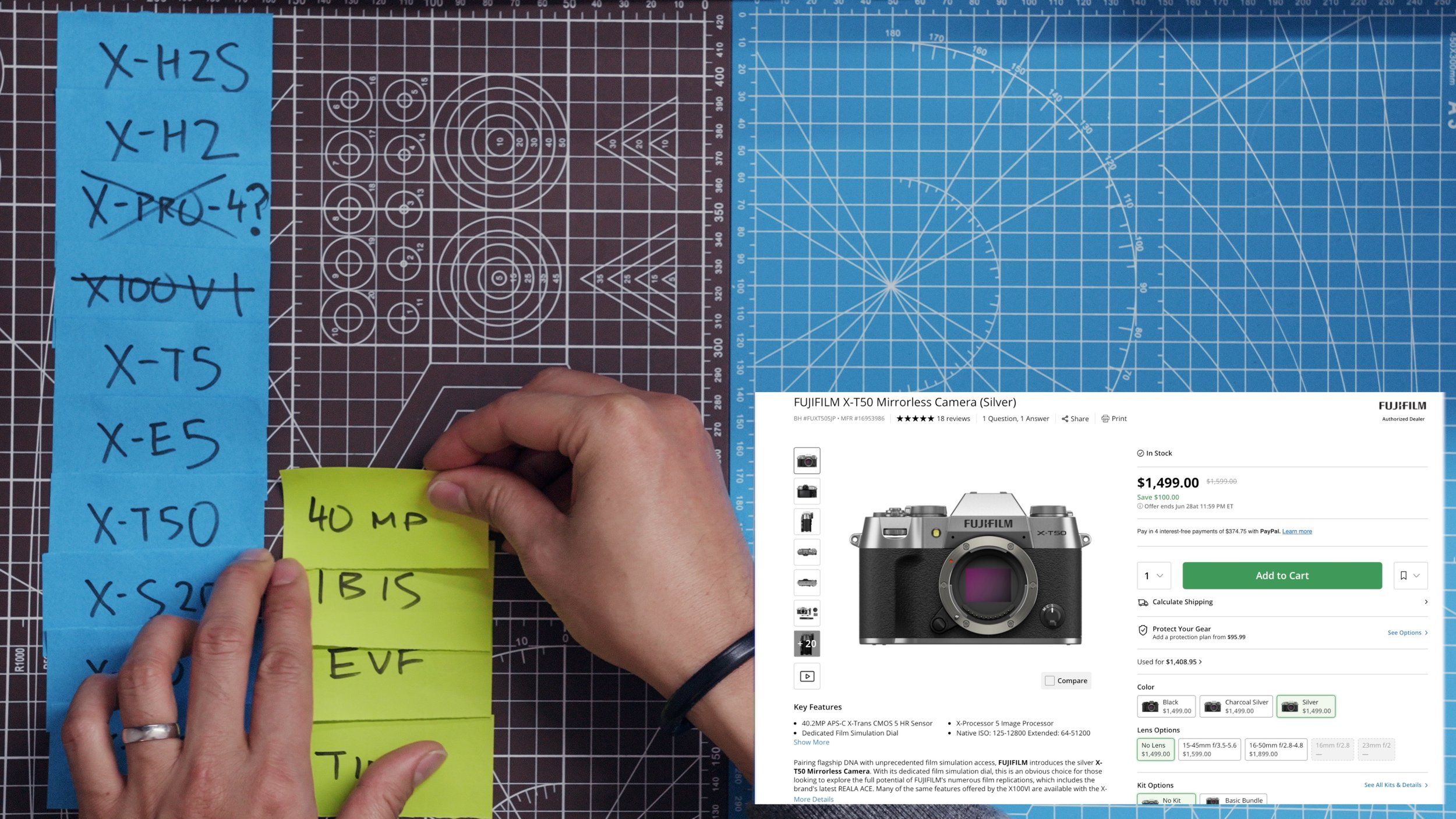
Back to the retro form factor, it has the XS20’s IBIS and the 40 megapixel sensor.
XE5
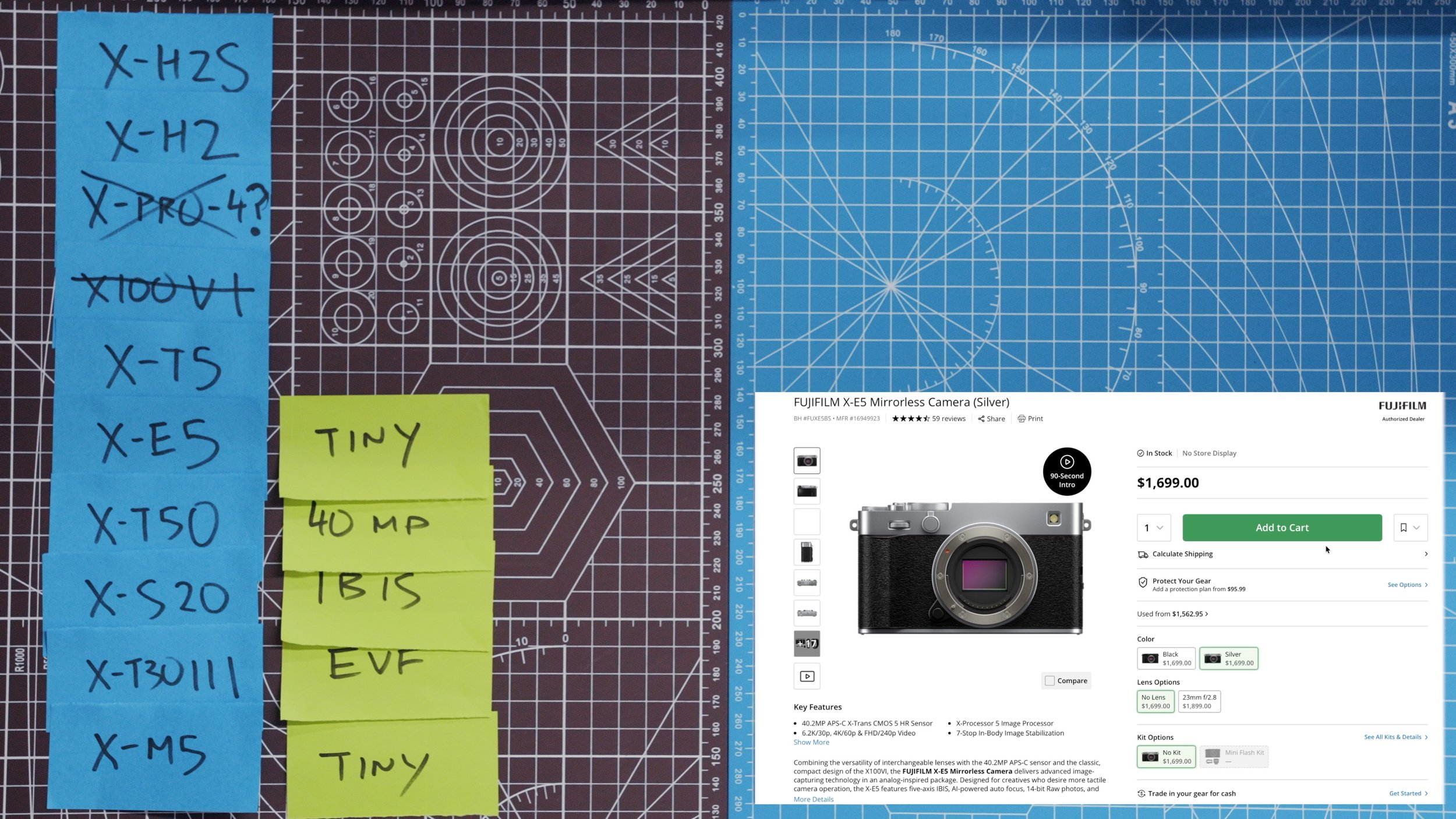
Fujifilm’s smallest current gen body equipped with an EVF. That rangefinder form factor saves a lot of space in the bag. Add in IBIS and the 40 megapixel sensor, it’s enough to justify the price for a lot of Fujiflm users I know.
XT5
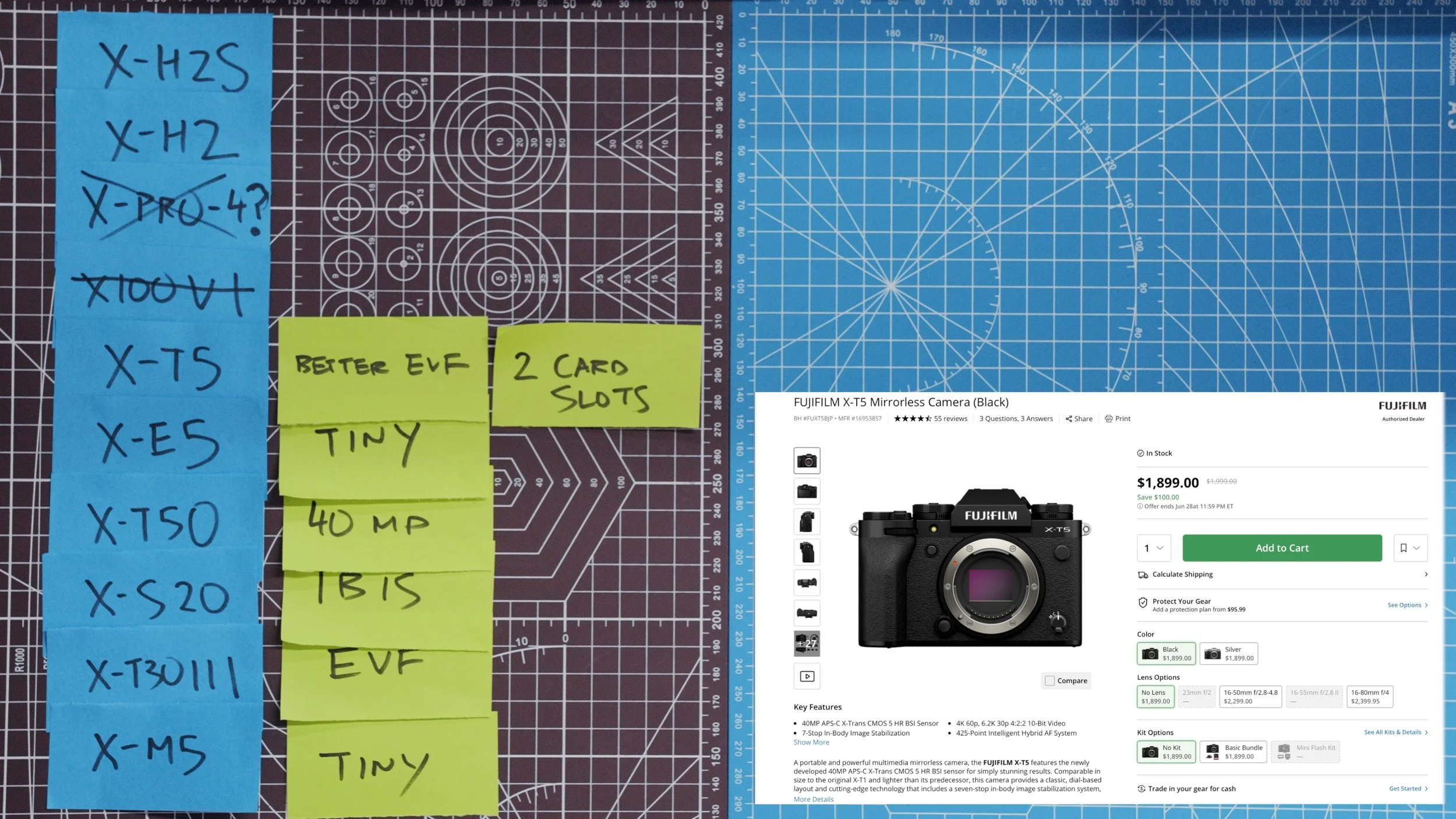
What used to be top of the line is now third place in Fujifilm’s lineup. A better EVF than the XE5, dual SD card slots, bigger battery.
XH2
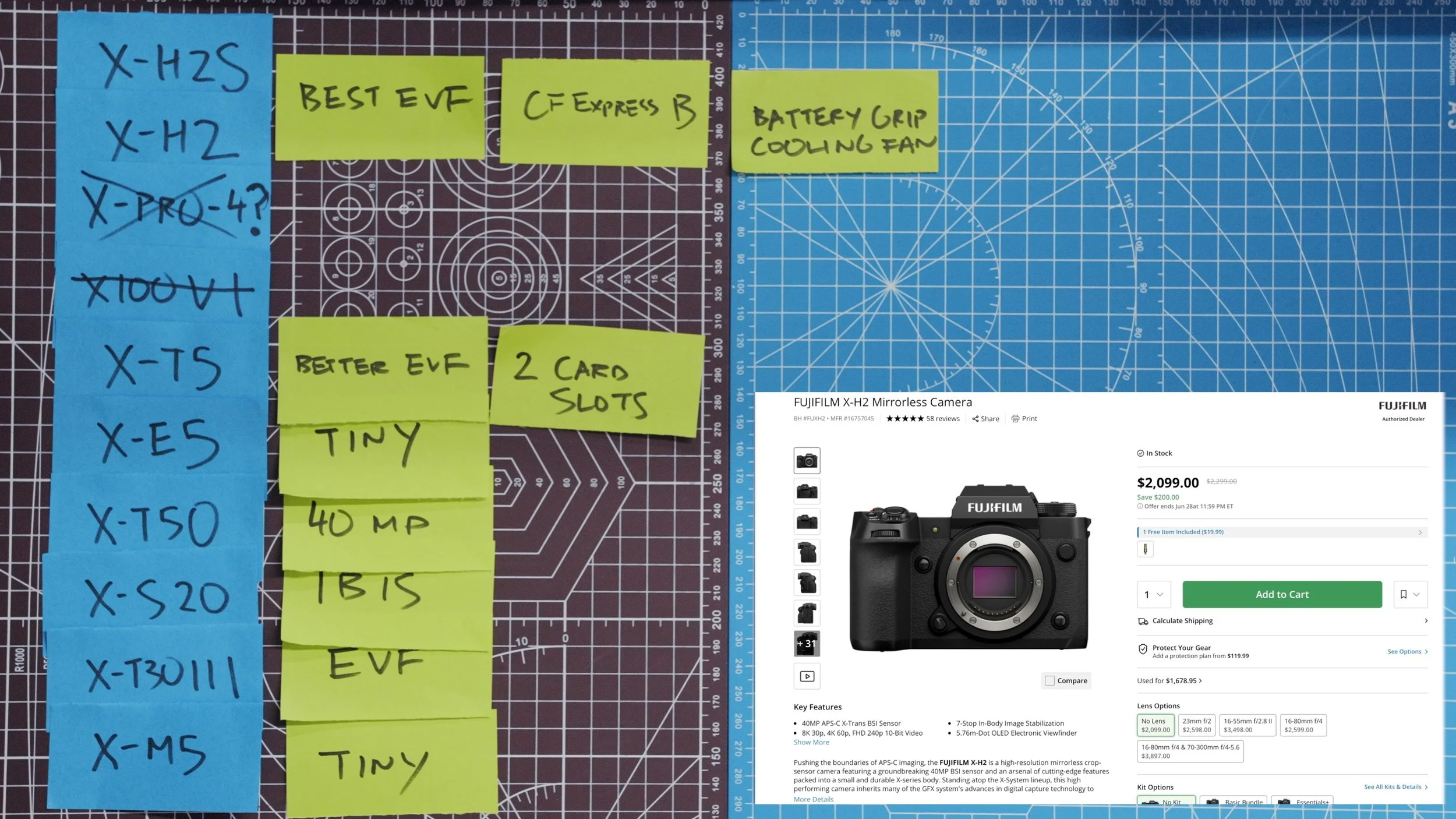
Fujifilm’s flagship EVF, beefy grip (love it or hate it), CF Express Type B + SD rather than dual SD card slots. The option of a battery grip and cooling fan if that’s your cup of tea.
XH2S
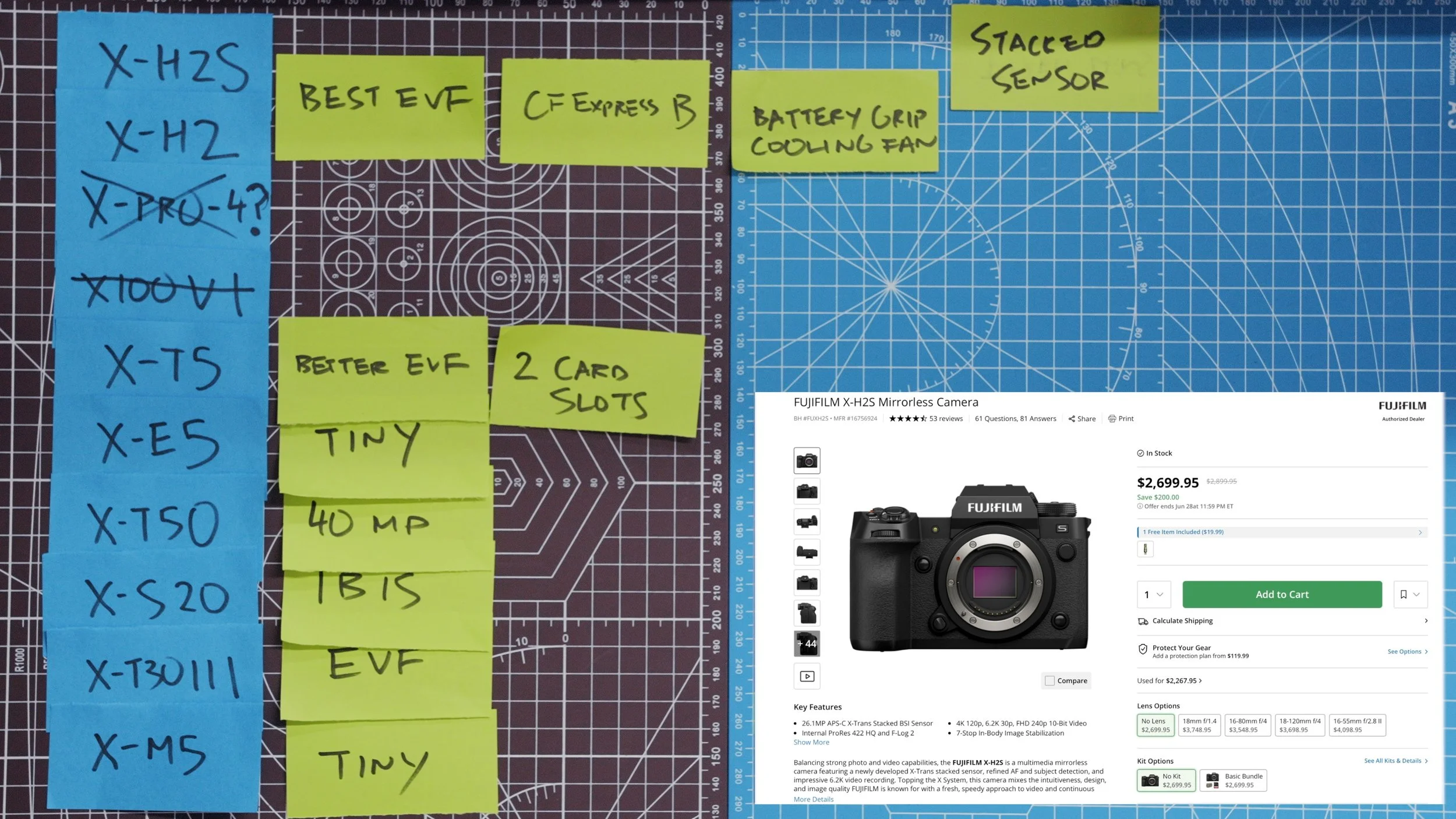
Everything in the XH2 form factor wise but swap out the 40 megapixel sensor for Fujifilm’s flagship fully stacked 26 megapixel sensor. The sensor is why this model is so expensive.
The Z50ii however is almost a third of the price of the XH2S. It’s not trying to compete against Fujifilm’s flagship. What’s an appropriate point on the Fuji price ladder to compare it against?
Cameras that have the 26 megapixel X Trans 4 sensor are fair game; close to the 20 megapixel DX Z sensor in the Z50ii, much closer in price.
But to have a chance at beating Fujifilm’s hold on this segment of the market, Nikon need to address the third Fujifilm gripe:
III. Low Light
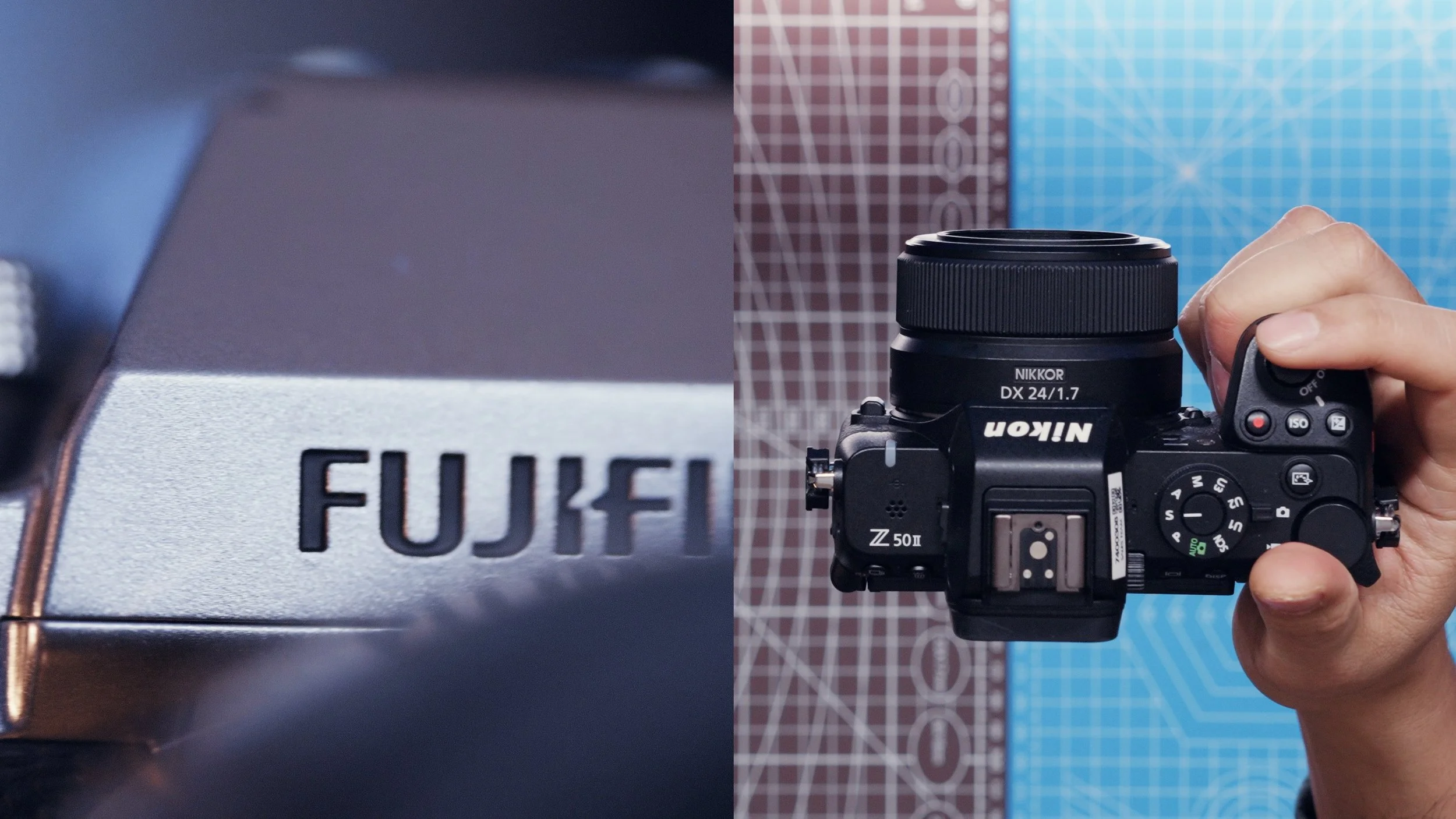
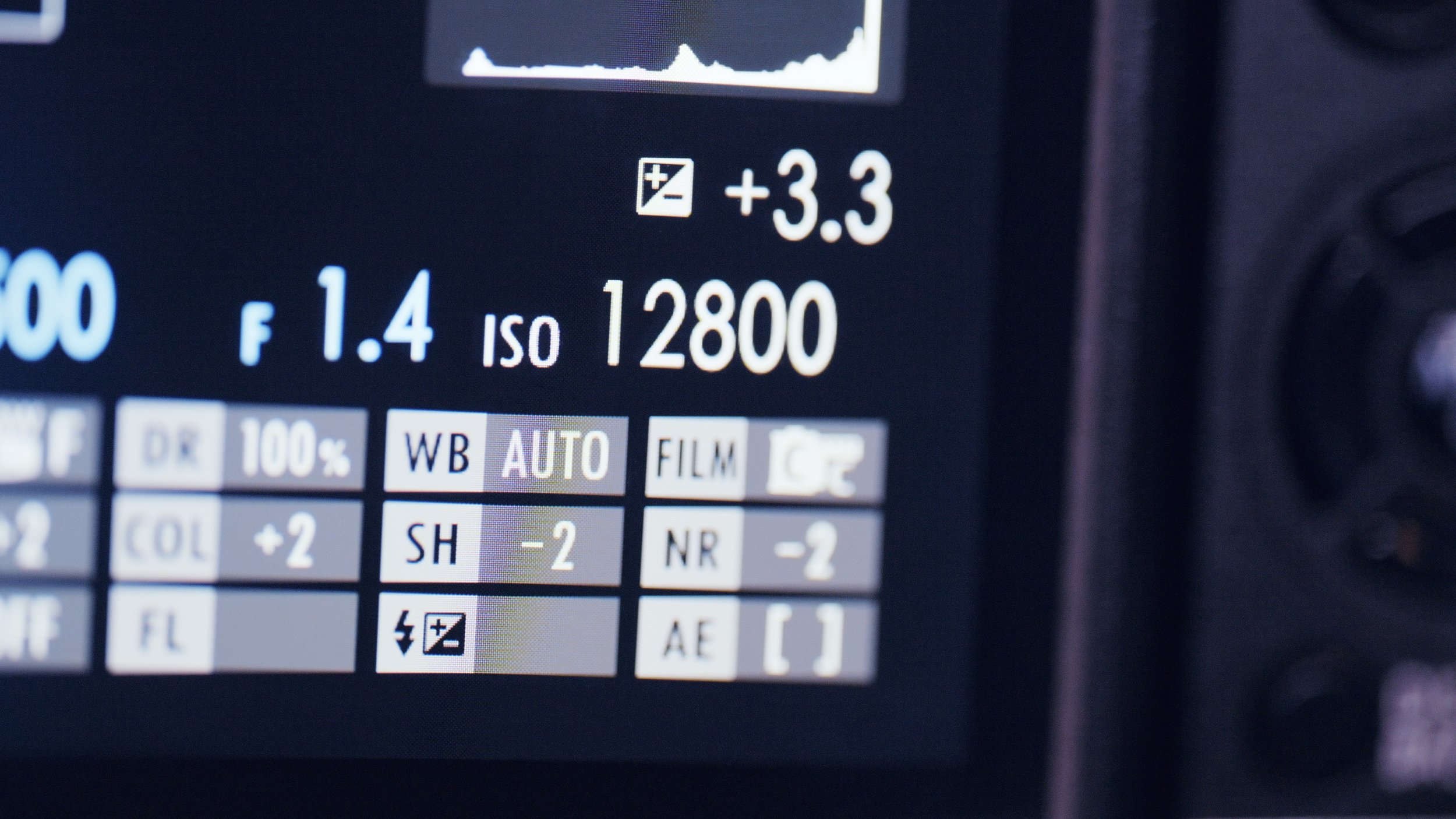
Fujifilm sensors (whether they’re 26 or 40 megapixels) max out at a native ISO of 12800. Nikon’s DX Z sensor maxes out at a native ISO of 51200 (!). Can the difference be that big in low light when they have a sensor that’s the same physical size?
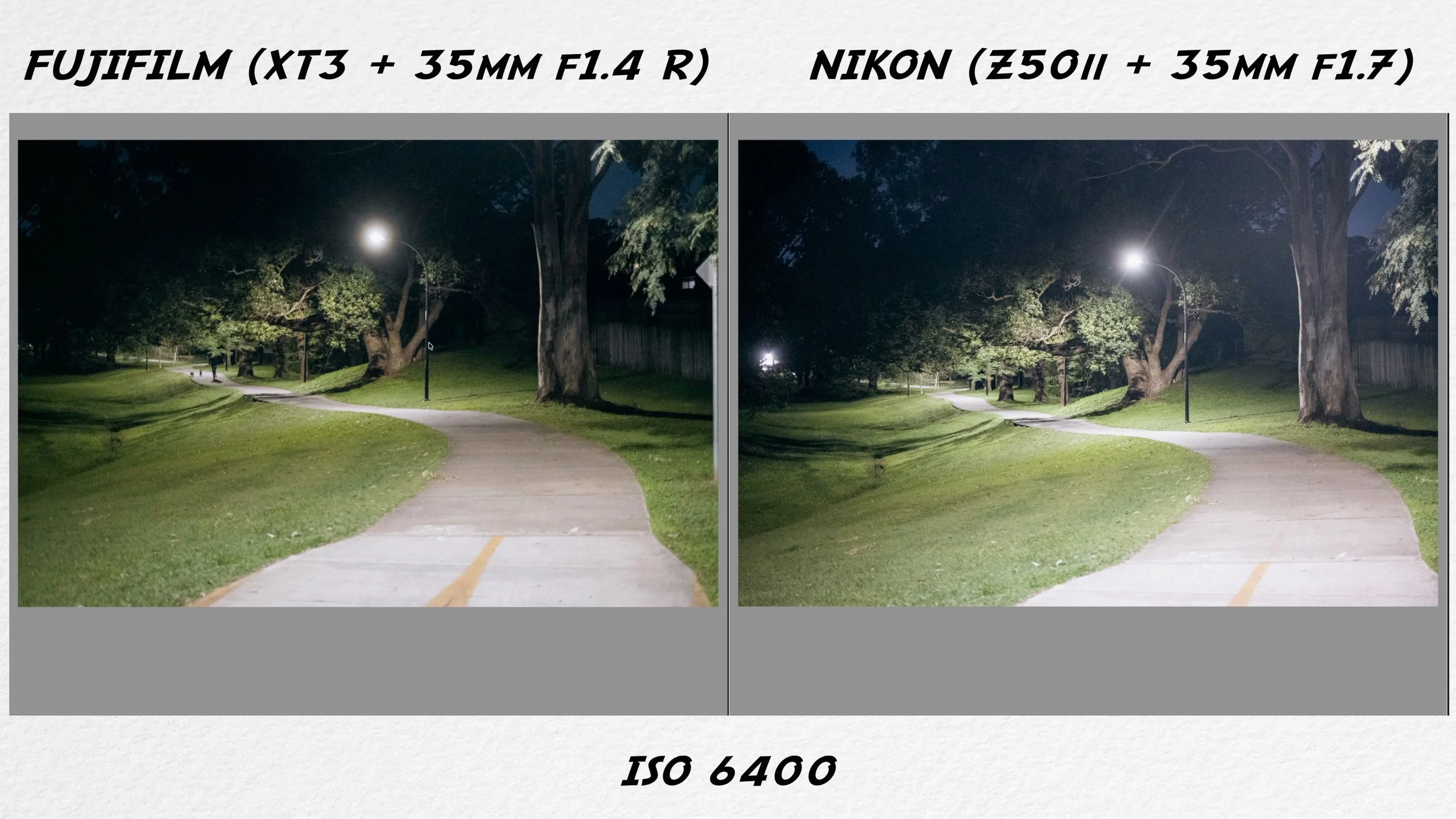
I’m starting this comparison at ISO6400, anything below that is very usable on both cameras. I shot in raw, exposure compensation of 0 on both, same Dynamic range settings, same Lightroom preset on import, no noise reduction. You can see how Fuji underexposes the shot compared to Nikon. Maybe it’s how they limit the noise you see? I had to level out the exposure on the Fuji files so the histogram looks closer across the 2 files.
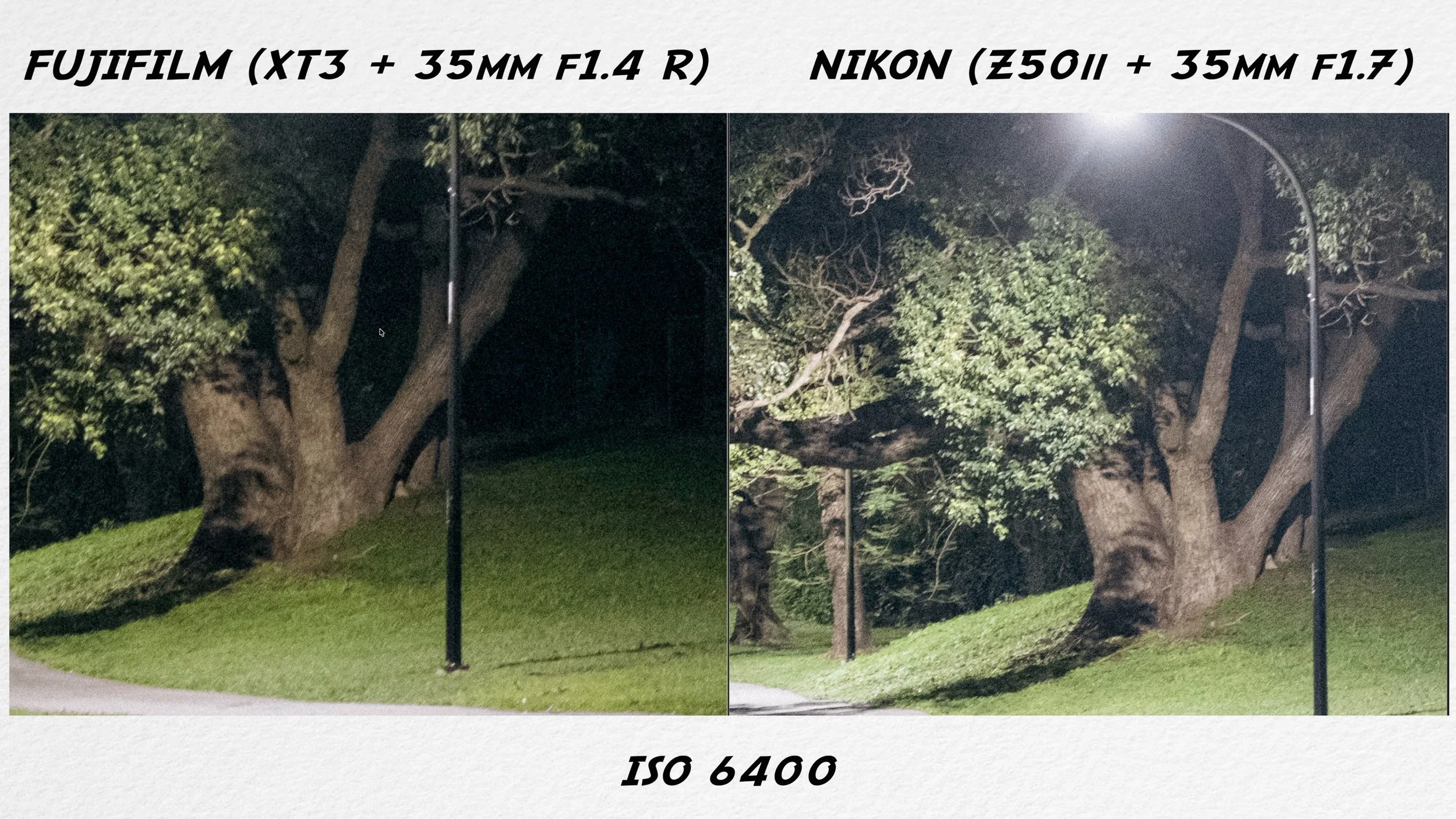
Plenty of shadow noise on both, but the noise structure looks different. The grain looks finer and smoother on Nikon - it looks coarse and less regular on Fuji. I see a similar trend at ISO12800.
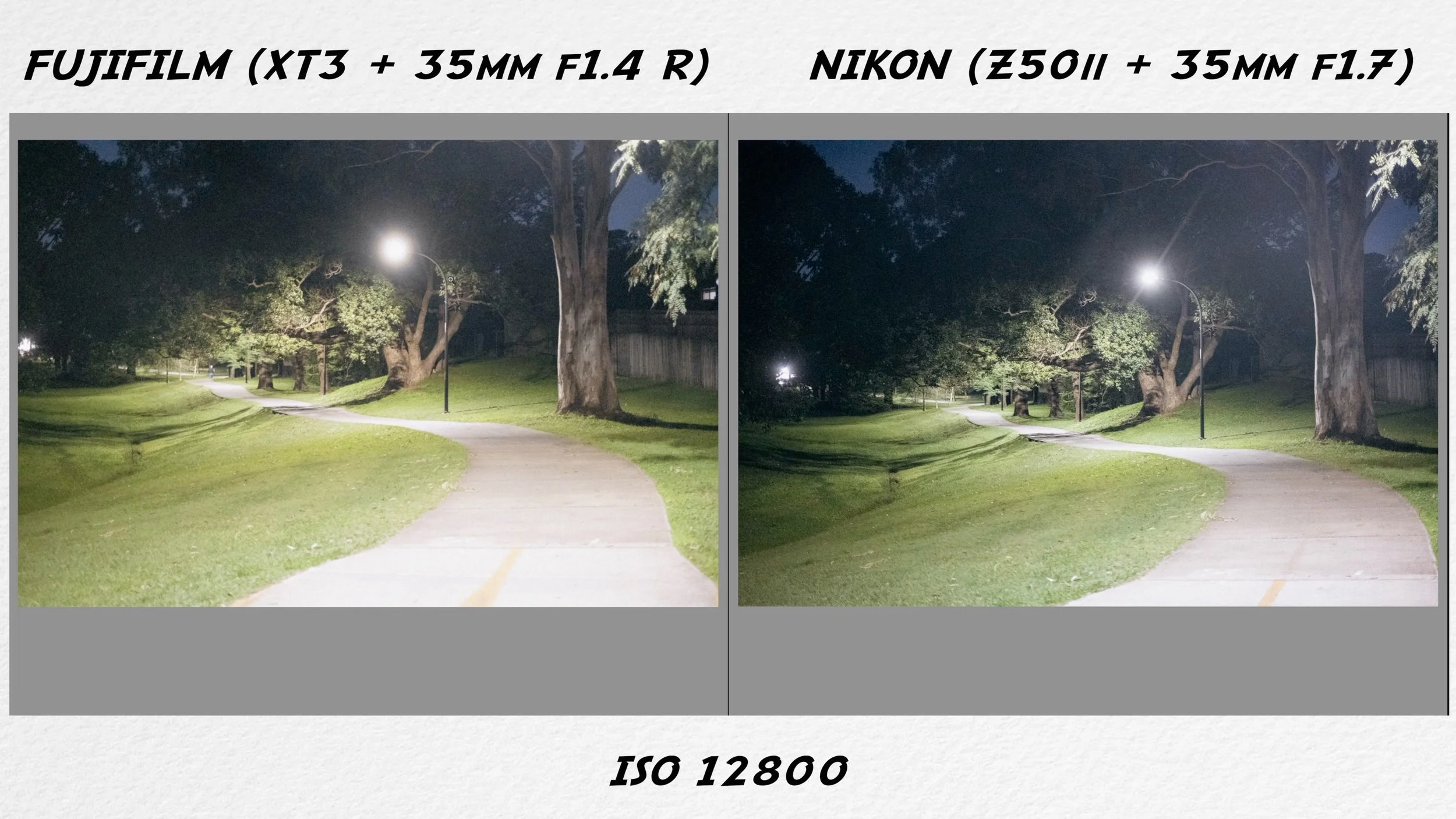
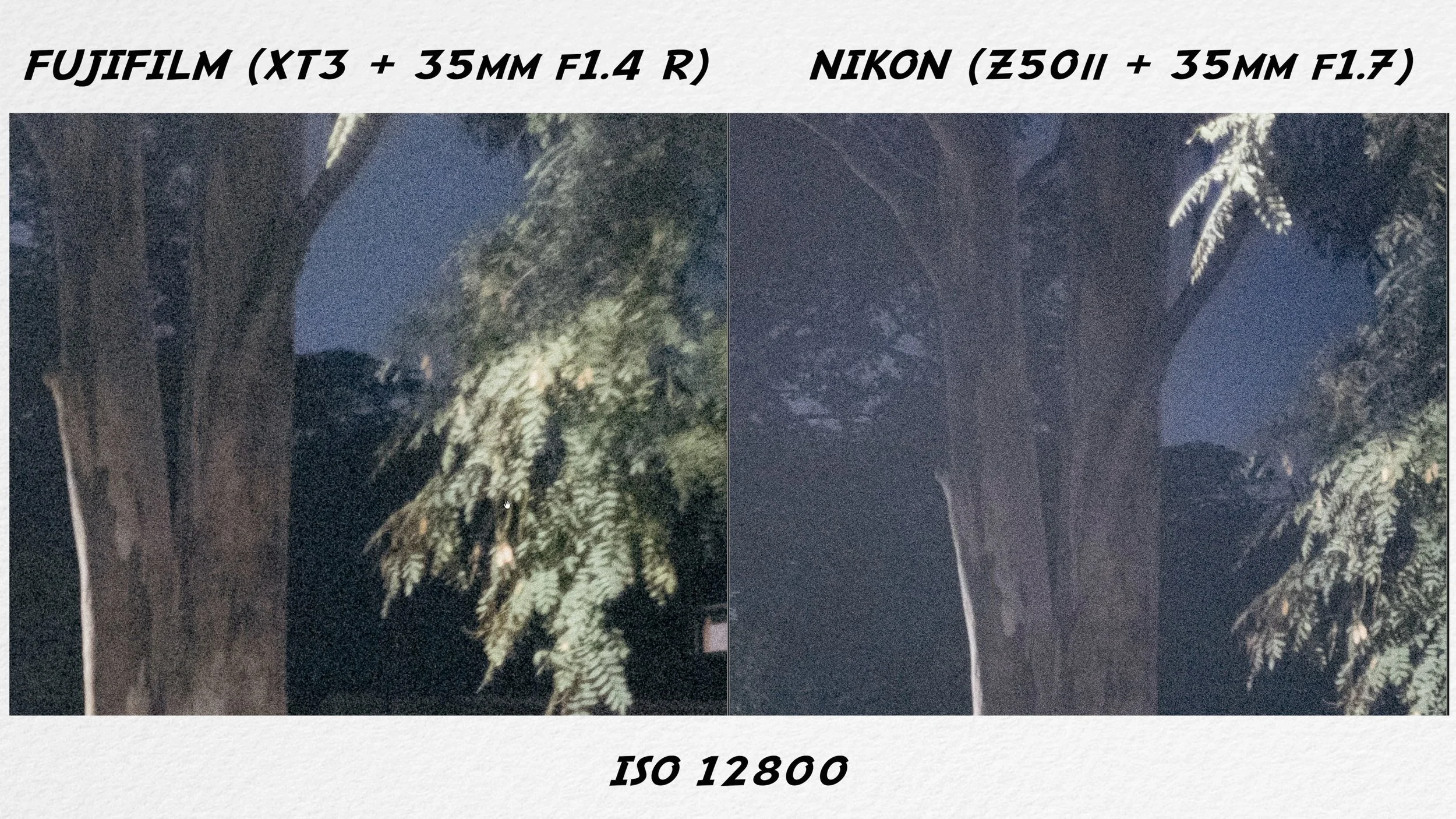
If you look past the haze on the Z50ii file (easily fixed via the dehaze slider) there’s more detail retained compared to the Fujifilm file
I’d be happy using this file on the Z50ii, enough of the fine detail in the leaves is still there. It looks like an oil painting on the Fuji. That’s as high as most people ever need to go, but for the sake of testing let’s keep going.
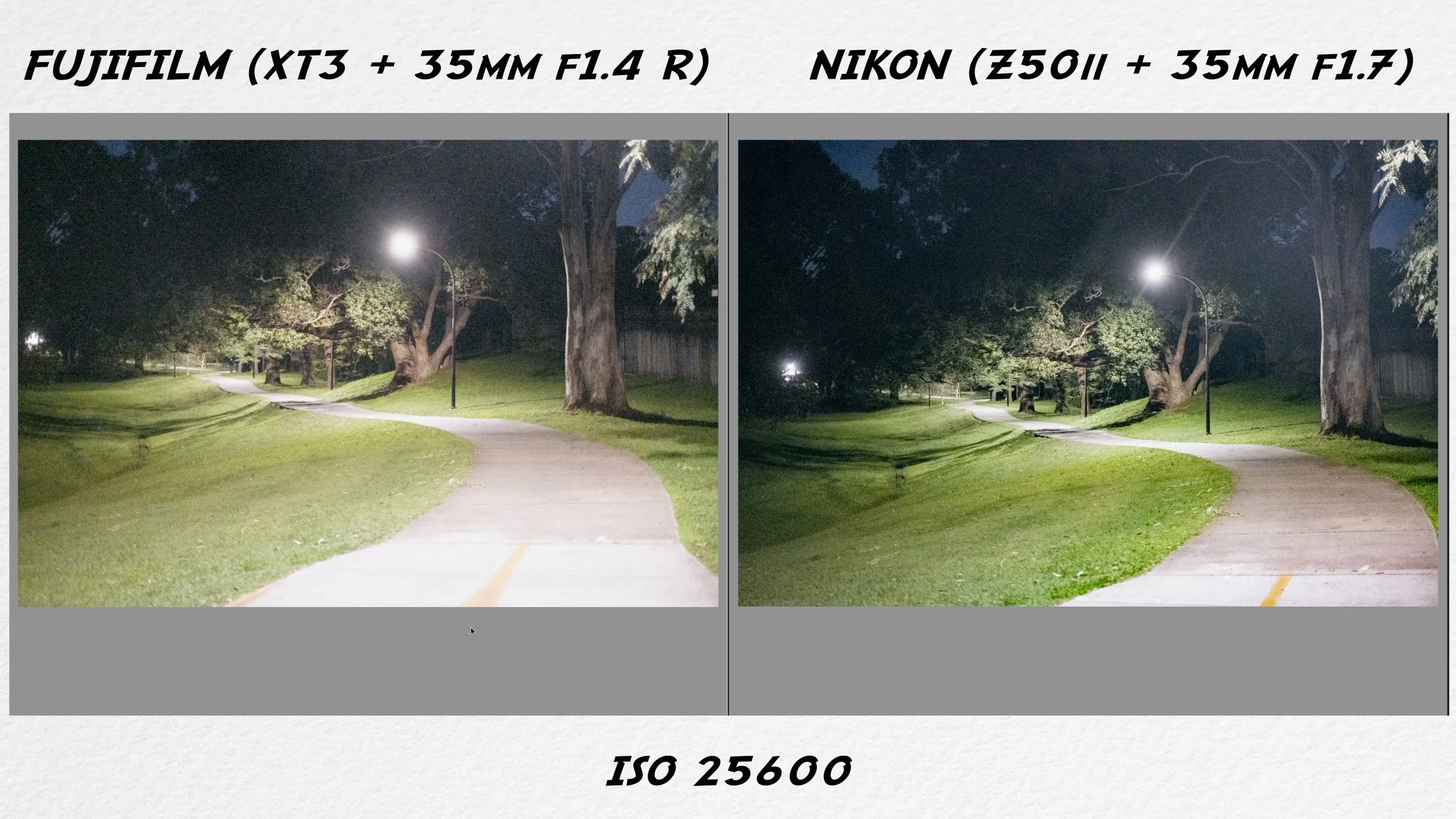
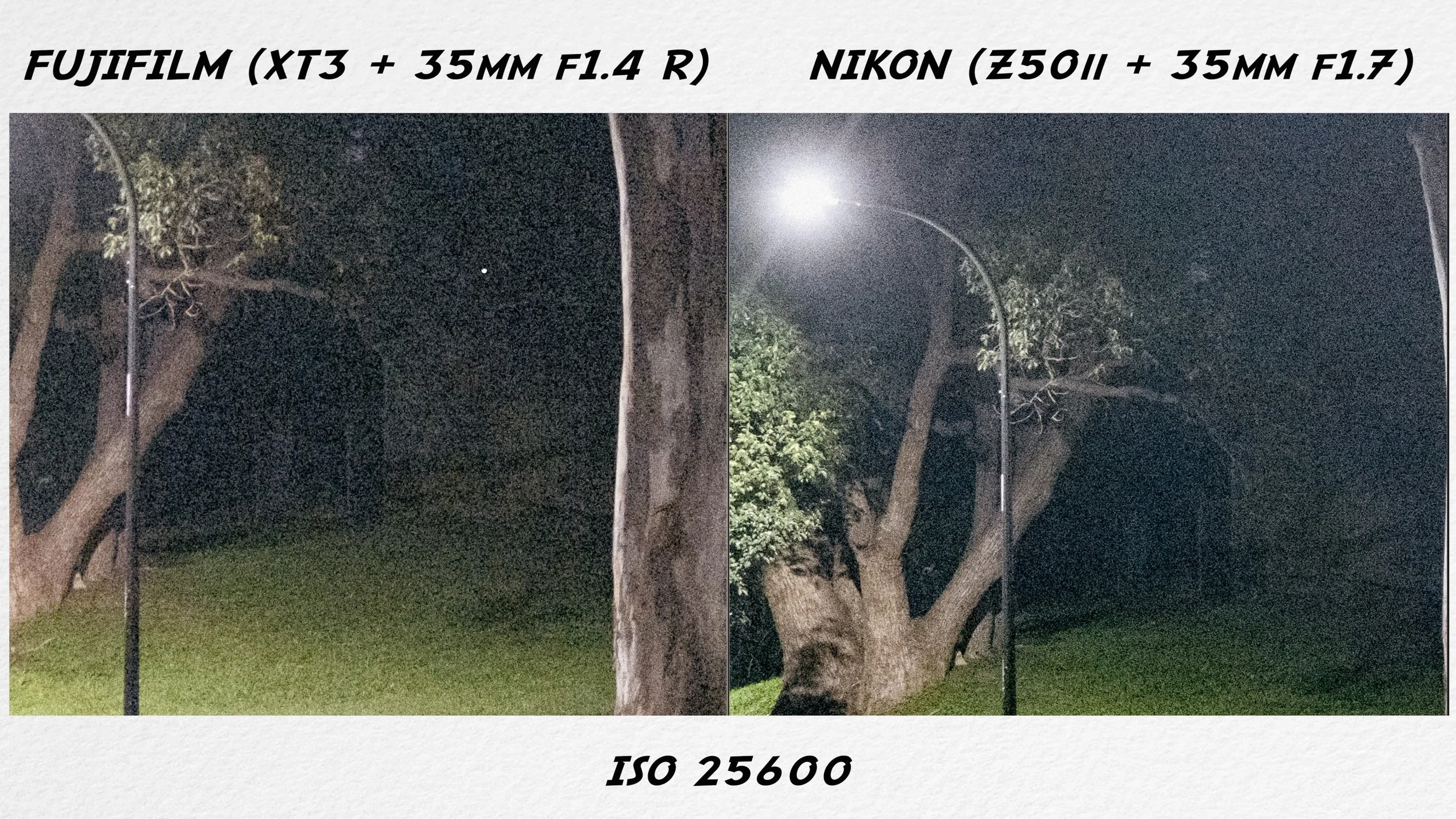
The XT3 can go up to ISO25600 in extended ISO but this is too much noise, loss of contrast and saturation on the Fuji. ISO 25600 is still within the Z50ii’s native ISO range, there’s a lot of noise but the contrast, saturation are better retained on the Z50ii.
Don’t even think about bringing up the shadows further, or trying to rescue the dynamic range or color at these ranges.
But to get a usable image this high on the Z50ii is kind of ridiculous.
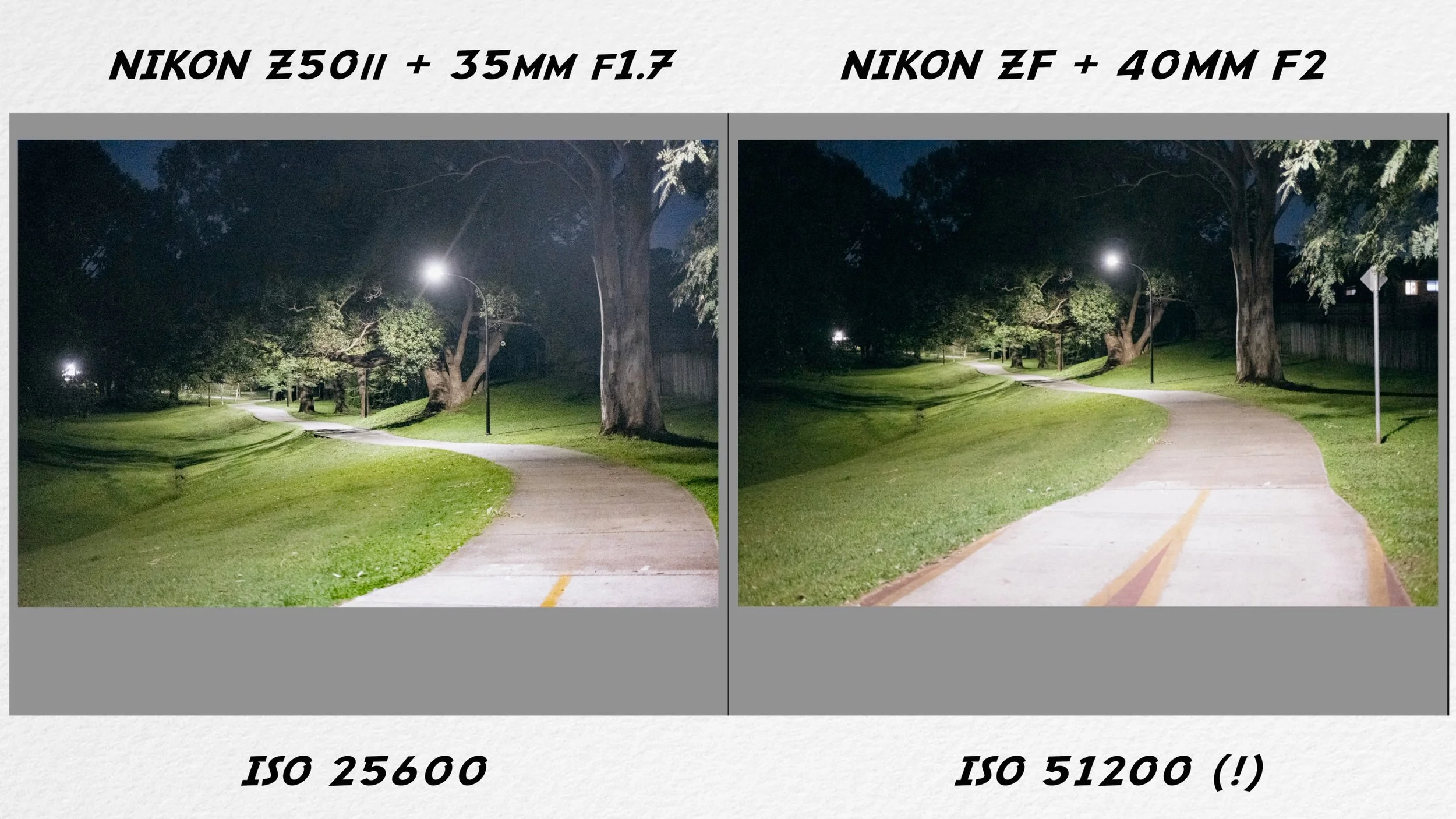
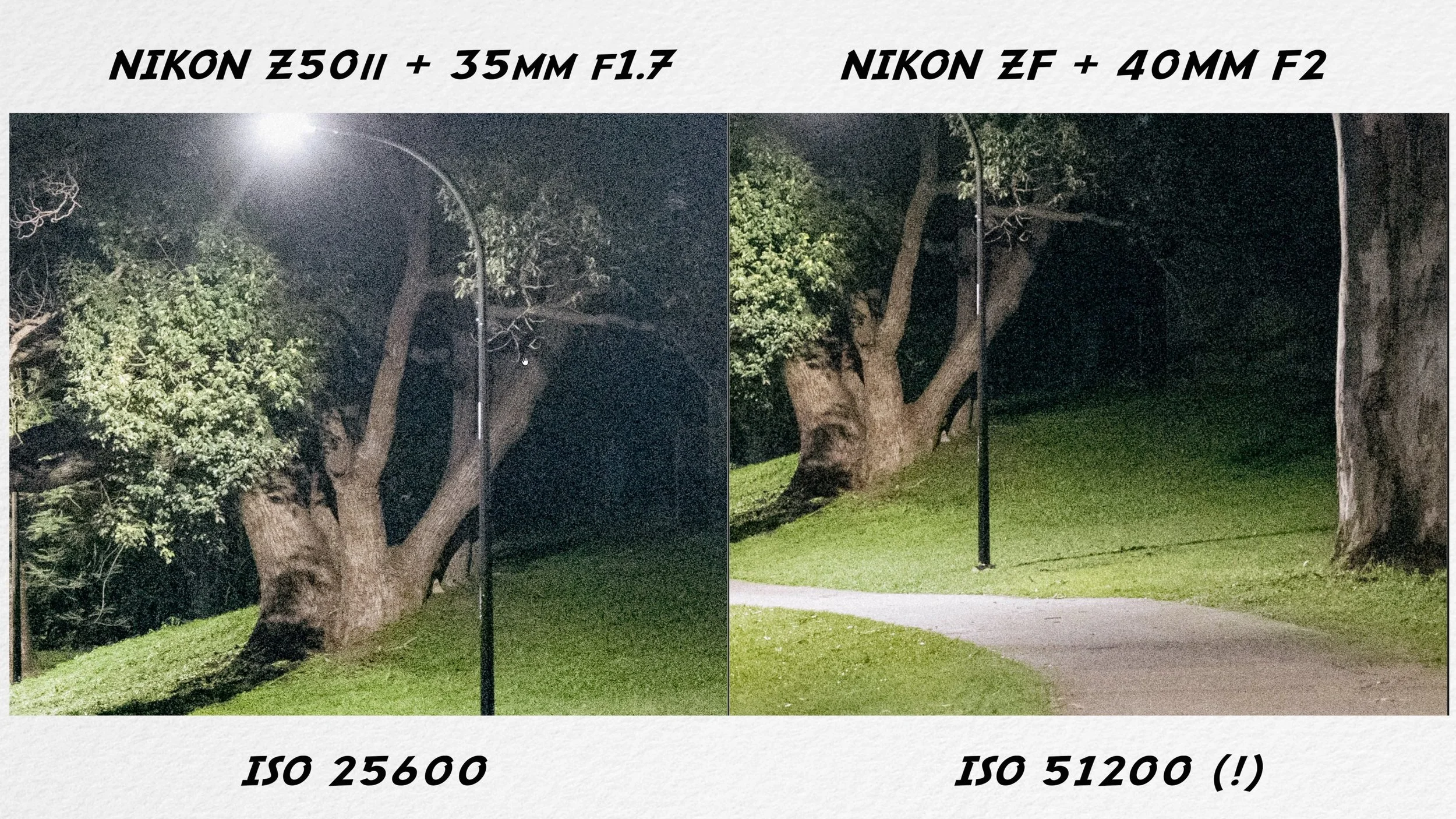
Nikon lets you keep pushing further, the Fuji’s already maxed out, so I had to compare it to the full frame Zf. The Zf at 51200 looks as clean and contrasty (cleaner?) as the Z50ii at ISO 25600.
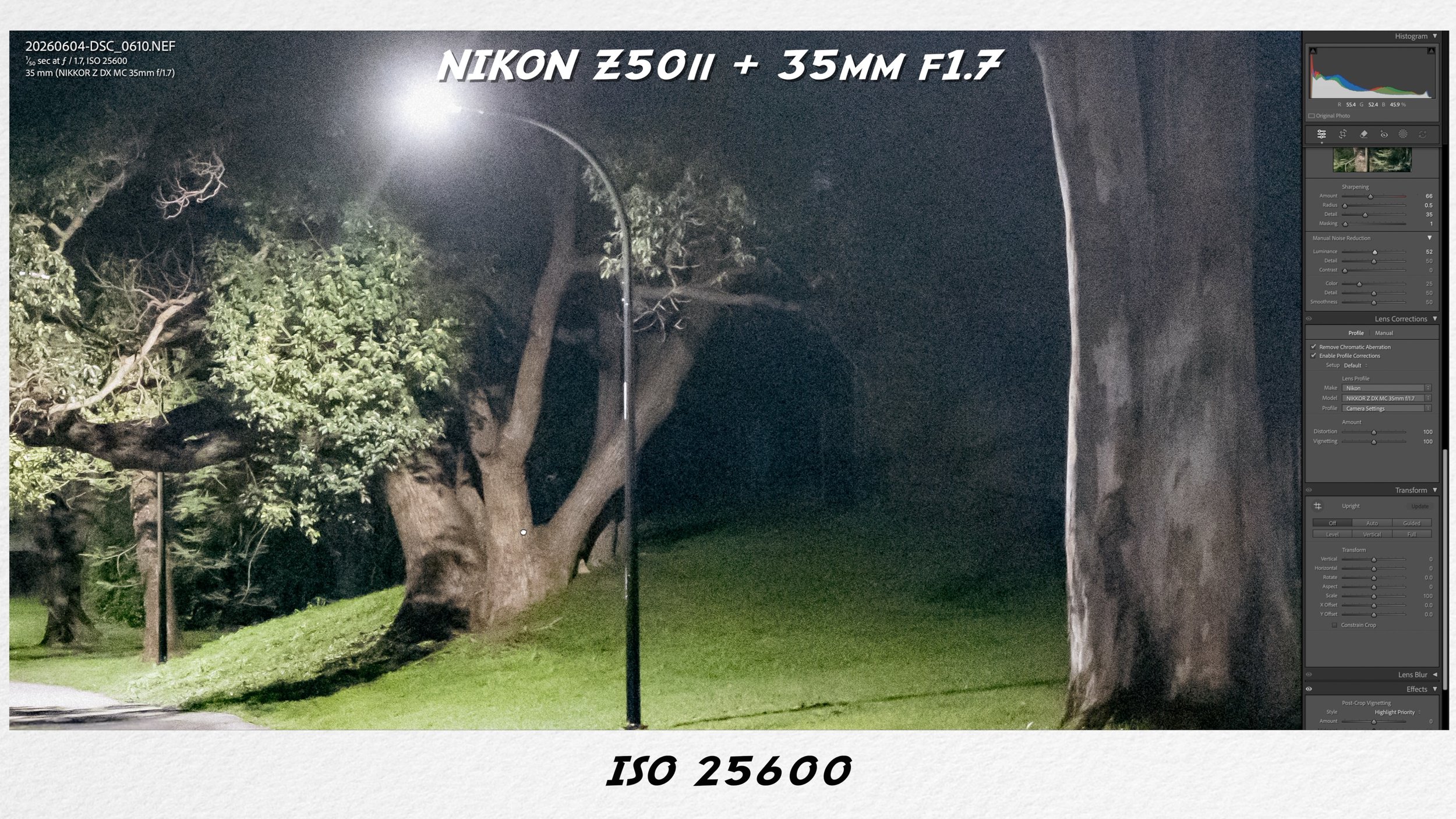
+50 Luminance Noise Reduction in Lightroom at ISO25600. Very usable results.
I’d have no hesitation pushing the Z50ii to 12800 properly exposed, 25600 at a push with noise reduction.
I’m very impressed, but there’s one final torture test.
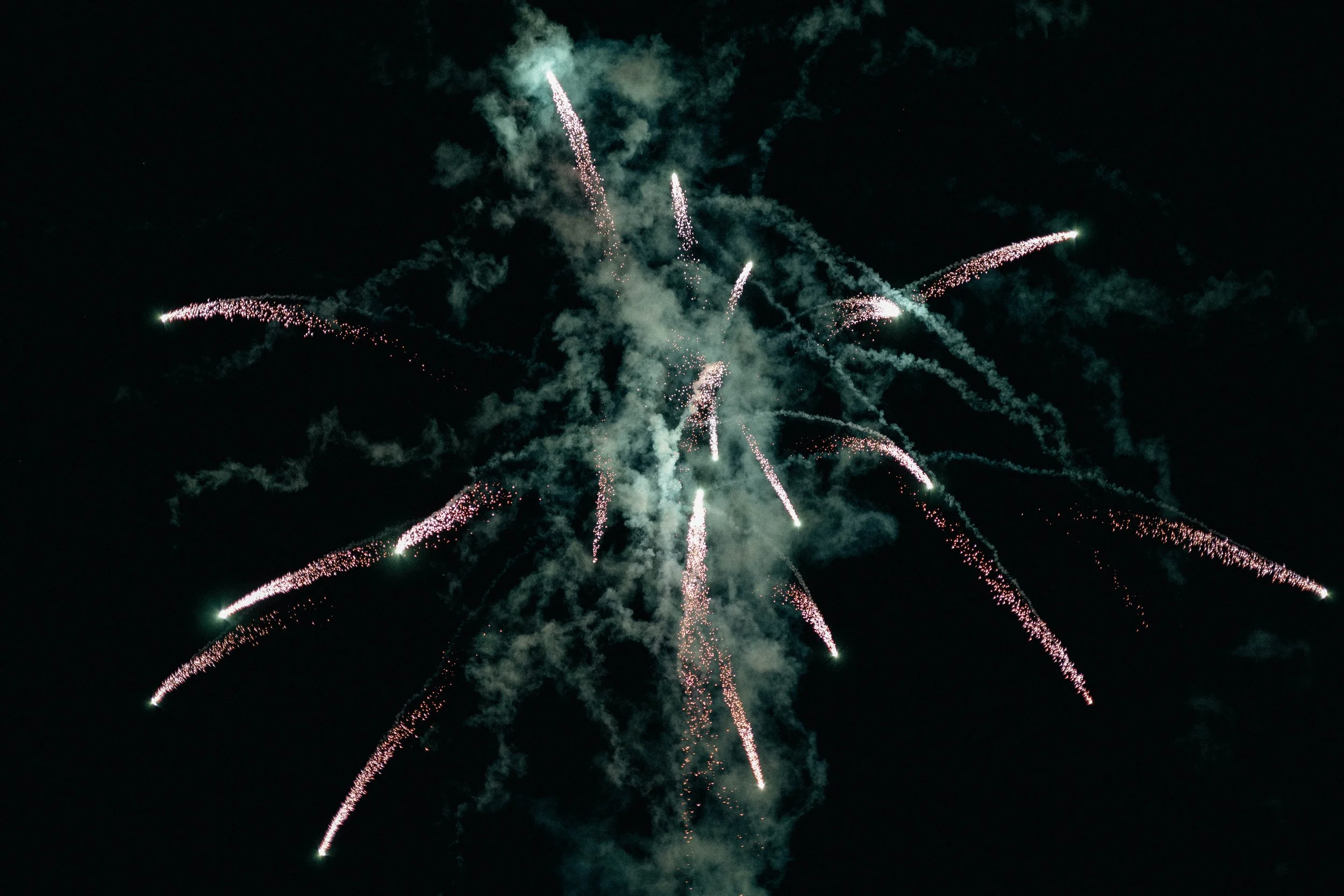

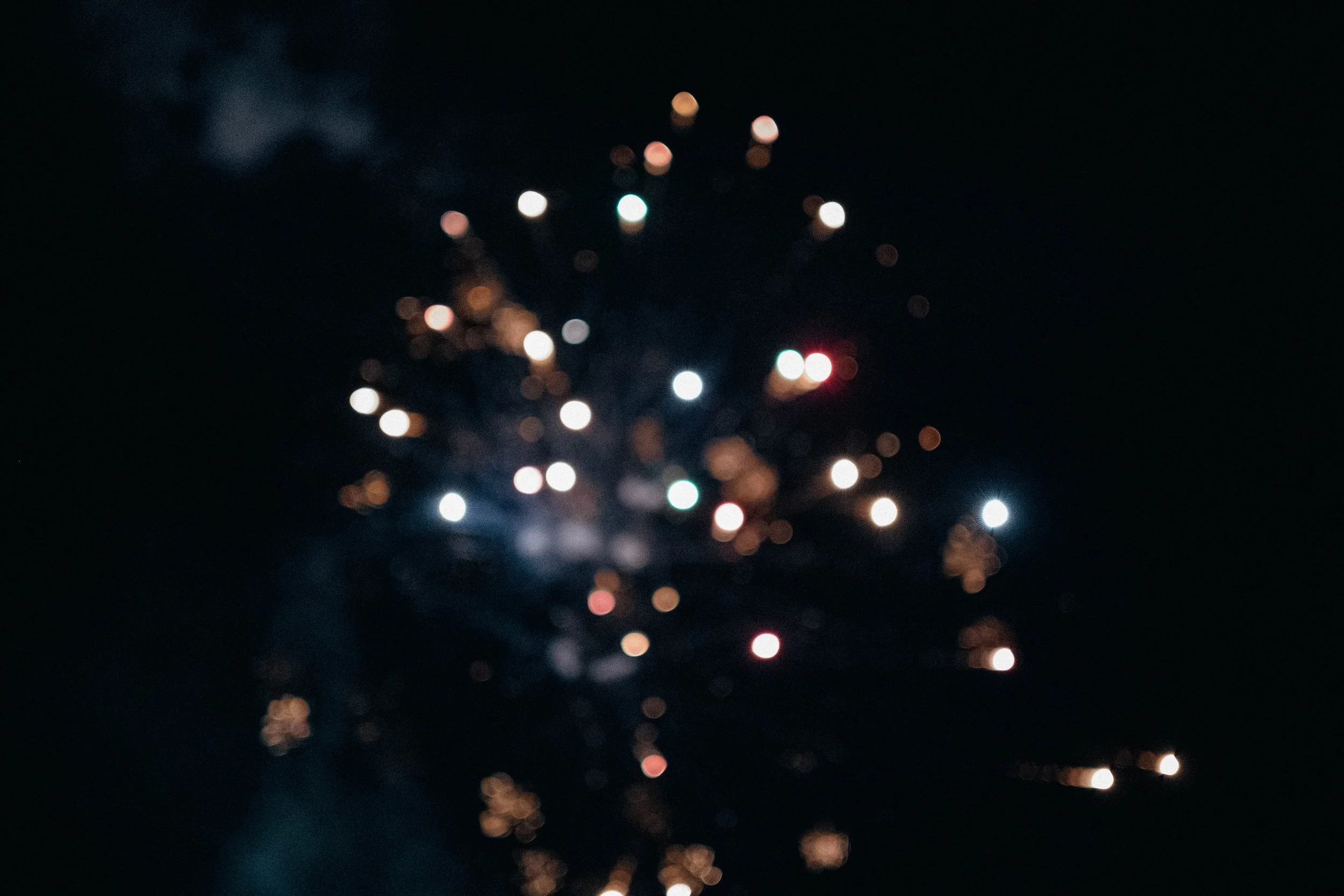
Z50ii + 35mm f1.7 Macro
Fireworks are either way too dark, or way too bright.
The AF system goes from having nothing to latch on to, to way too much to detect in an instant. ISOs fluctuate like crazy it’s all happening too quickly. I think the Z50ii handled these action firework shots really well.
I’ve seen a lot of photographers use the Z50ii for birds in flight, take advantage of that extra crop factor, I chose the 35mm 1.7 to get a tighter view of the night sky. Though it’s a macro lens the focus motors did well at infinity even in these incredibly difficult conditions.
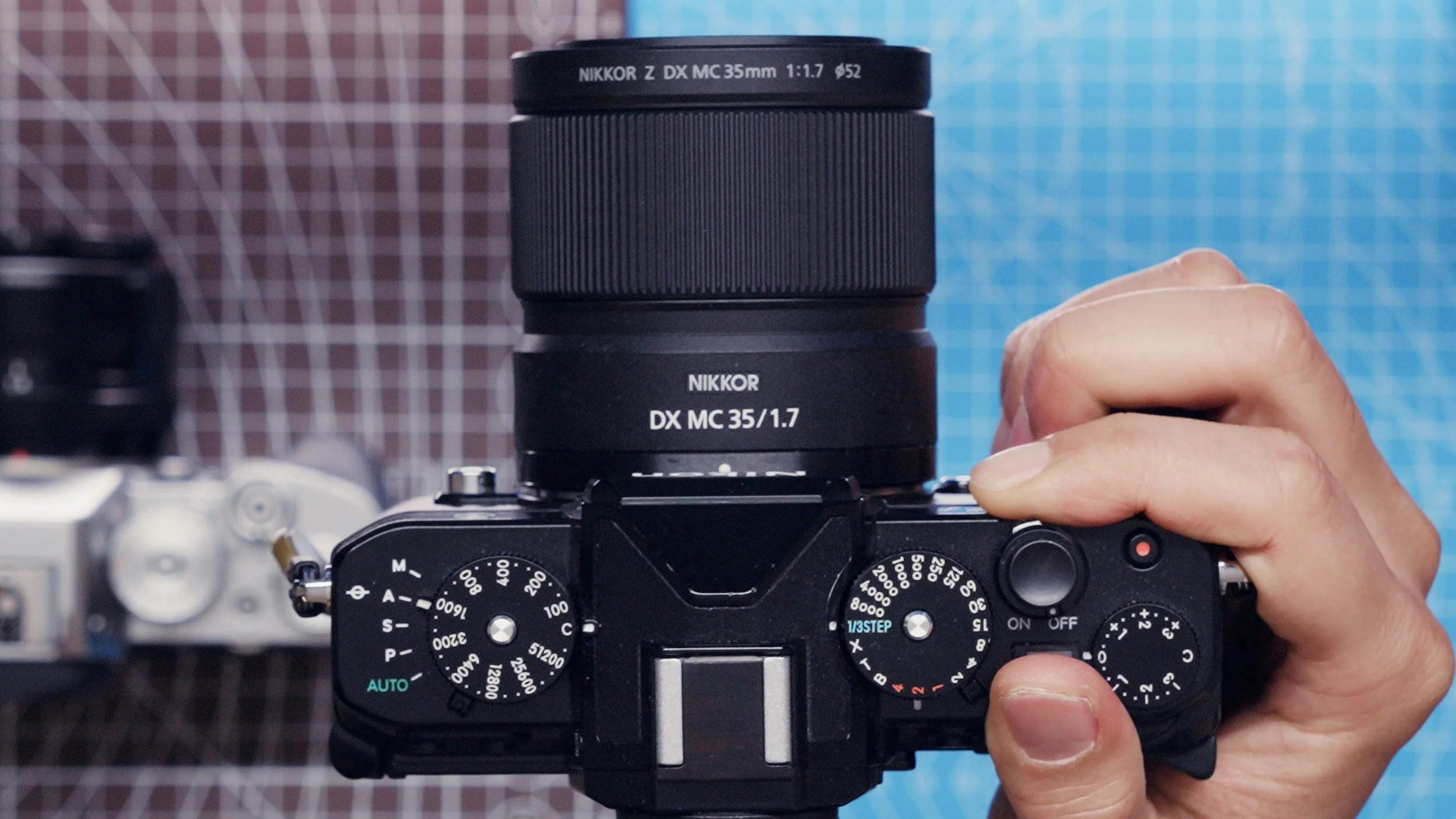
Despite the Z50ii’s better autofocus, low light performance, it isn’t ideal for pro work. Not just because of its single SD card slot, but because of the problem I encountered during the fireworks - battery life.
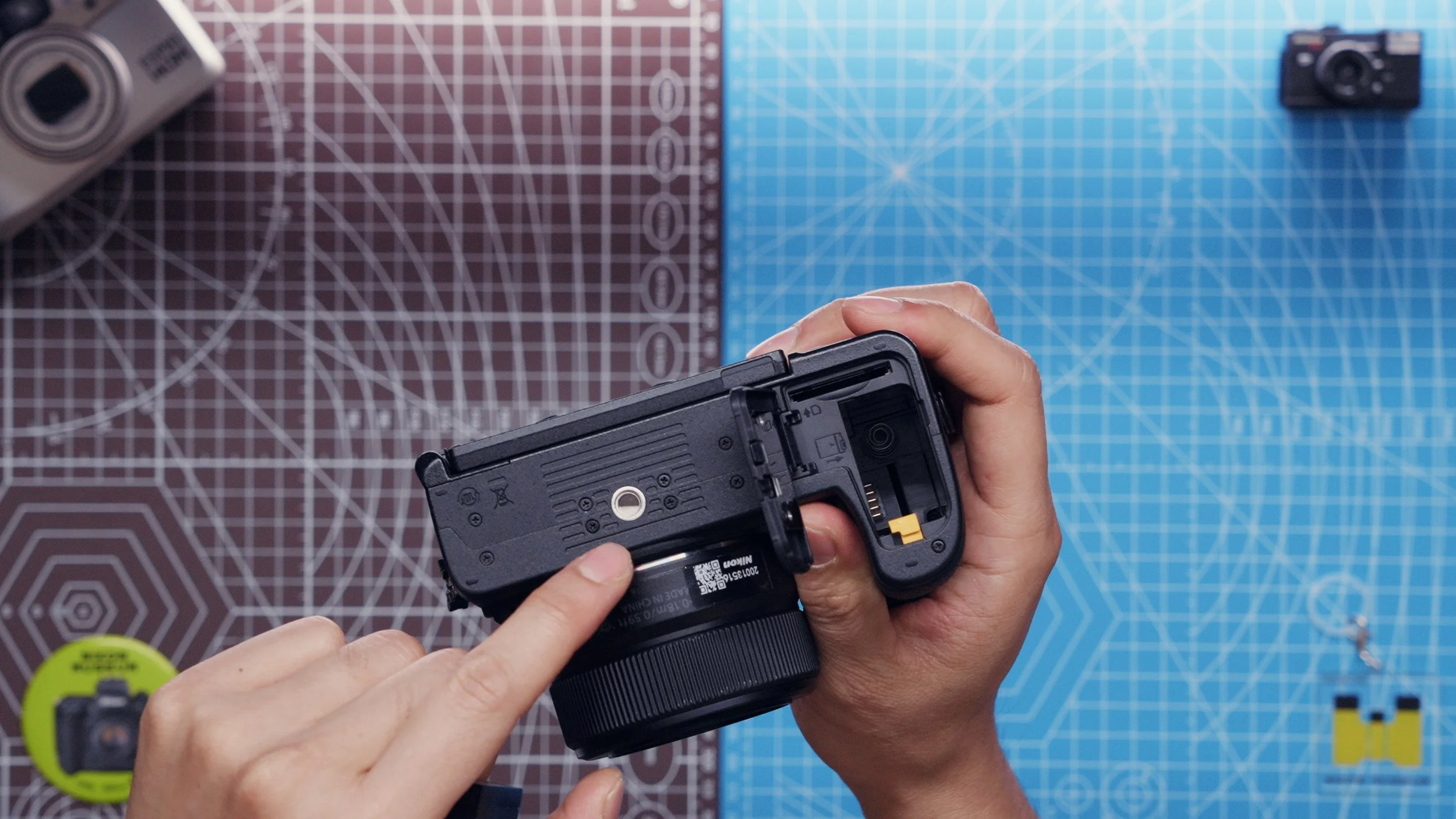
Photo only 1 battery lasted me most of the day.
But when I was switching between photo and video during the fireworks the battery started depleting a little too quickly. I’d love for Nikon to use the same battery as their full-frame offerings, it would make it much easier for Nikon shooters like me to add this as a backup body.
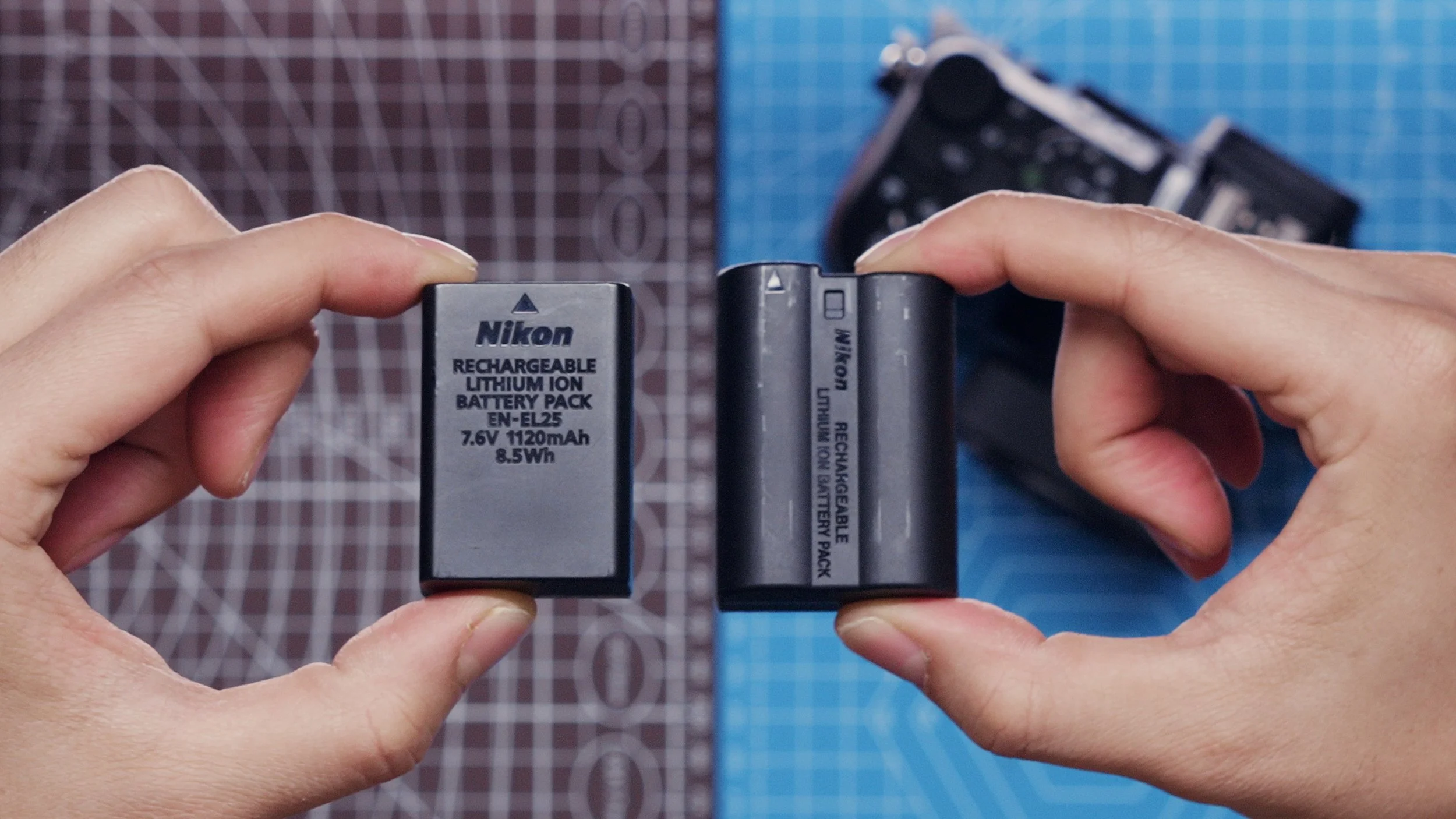
Spec for spec the Z50ii is very competitive with Fuji, it’s much more ergonomic to hold than the Zf, the lenses are smaller, the 24 and 35mm primes are very sweet.
Hopefully Nikon make a Zfc II, a crop sensor ZR, more DX lenses to round out this lineup.
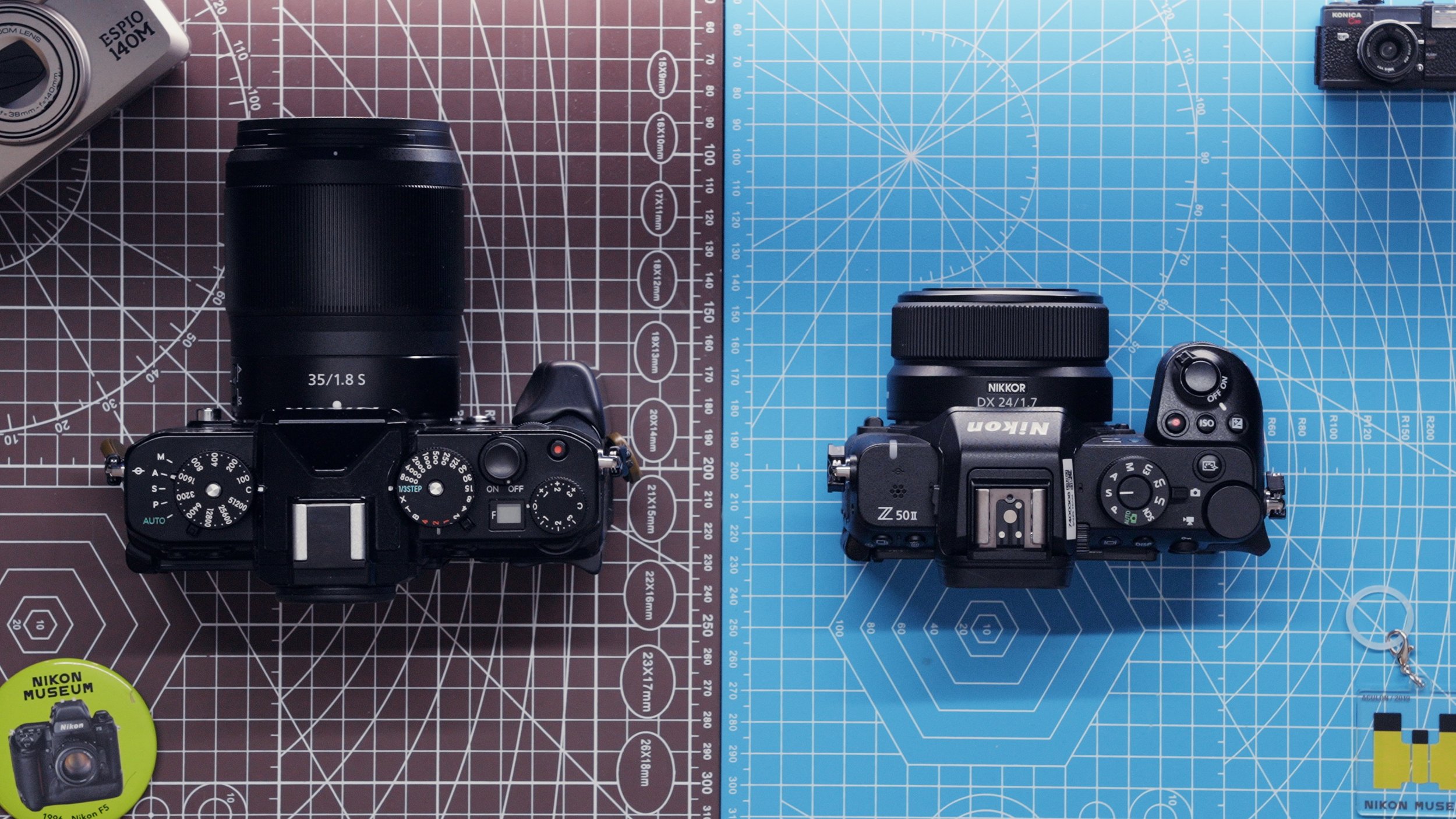
Happy creating everyone, til next week.
Jack.
All my sample images in this blog post were edited from RAW files using my free Chrome emulation preset. They work with most RAW files from different cameras as long as you use “Adobe Color” as the starting base. Download it for free here.
If you’d like to support my work please consider purchasing gear through my affiliate links:
Nikon Z50ii: https://geni.us/mh8nIWZ
Nikon 24mm f1.7: https://geni.us/NQLPiB
Nikon 35mm f1.7: https://geni.us/cHRgk
My pick for the Best Value Fuji, the XS20: https://geni.us/NlnkkM
Nikon Zf: https://geni.us/YOH8bh7
Nikon ZR: https://geni.us/KH4uMvX
Wotancraft 10L Messenger bag: https://geni.us/wotancraft-salt-pepper
Wotancraft leather strap: https://geni.us/wotancraft-leather-st