10 Years of Flagship Cameras Led To…This?
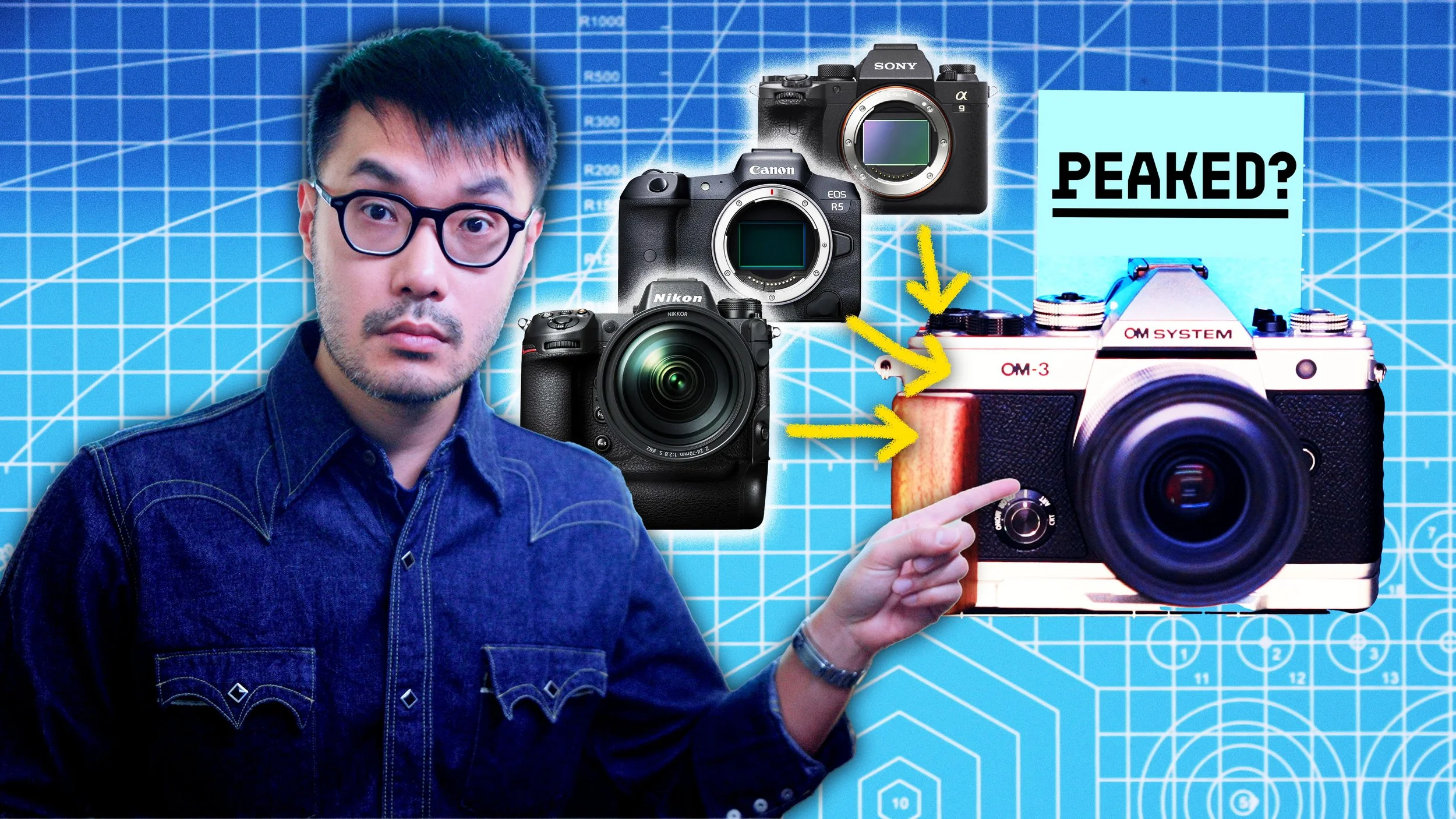
Why’s this micro four thirds camera so expensive?
Not the looks, or build quality, it’s how they squeezed 10 years of flagship tech into a tiny body.
After all the cameras I’ve tried, I’m tired of hype.
What counts as “game-changing”?
For me, the OM3 did change my photography but it wasn’t just the camera.
I was trying a new technique I learnt from my street photography sensei, and after a whirlwind tour of Tokyo.
A workshop spanning across 5 districts in 24 hours….
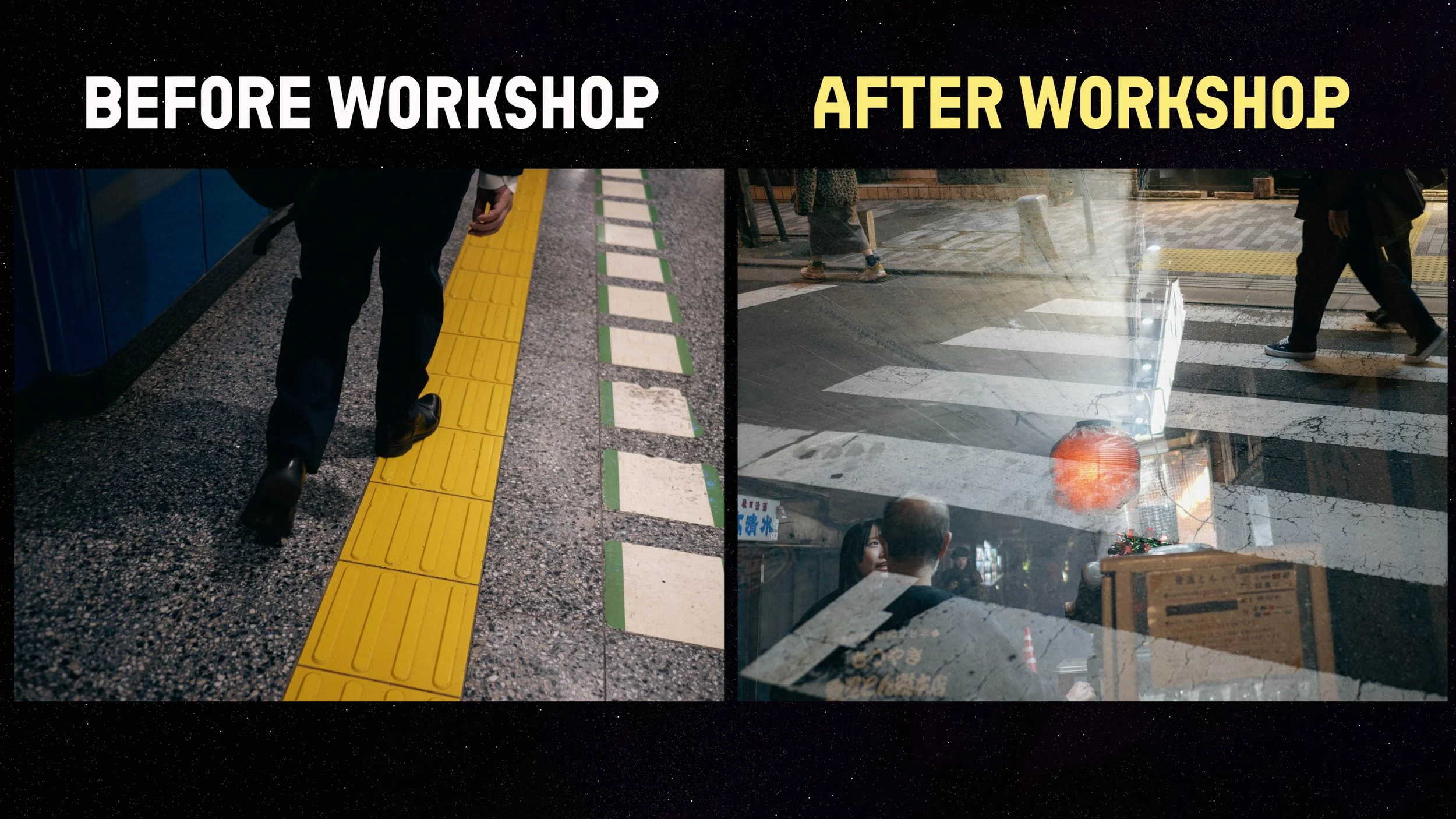
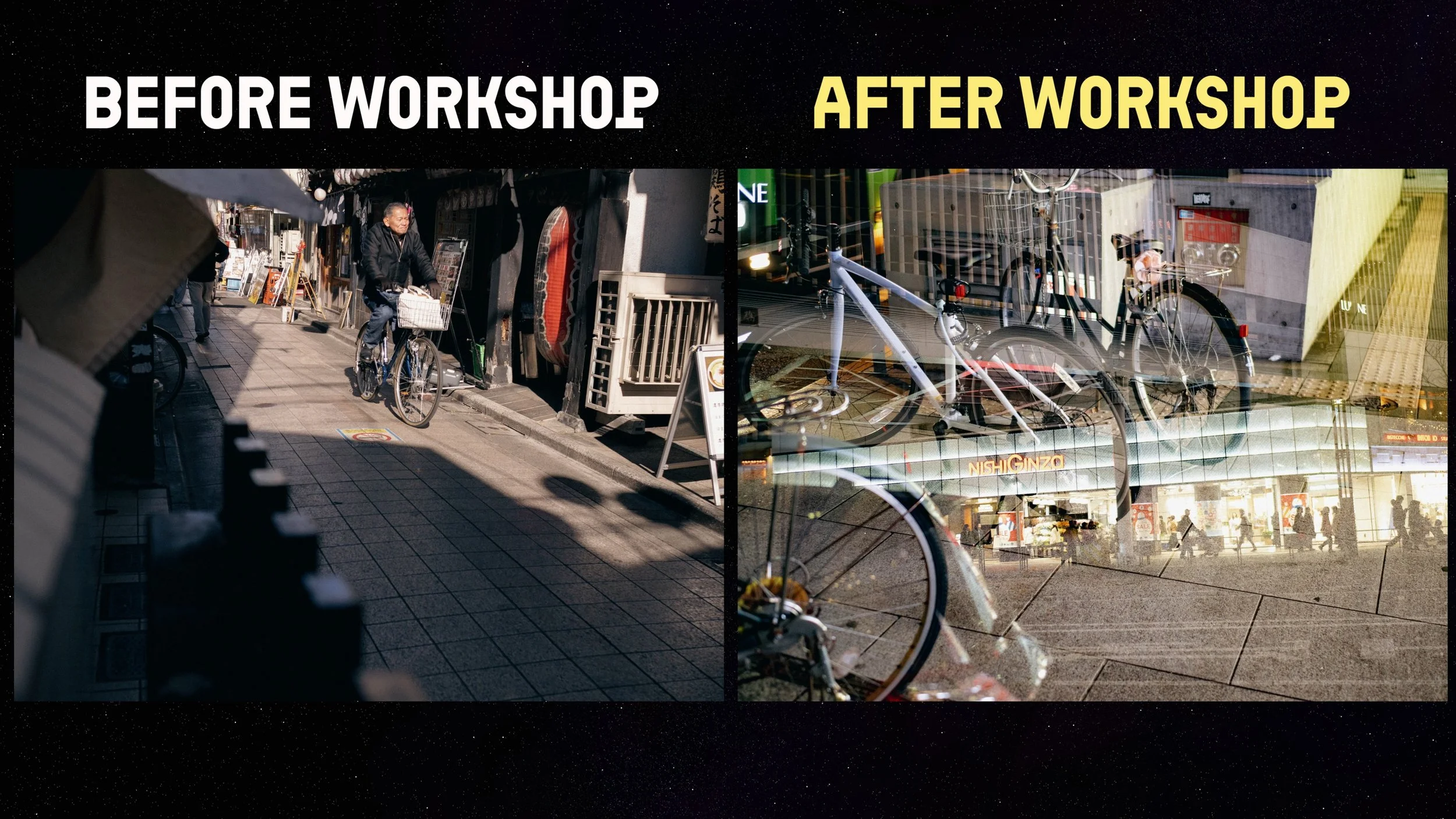
I can’t believe how different these photos look?
The Past Decade of Flagships Led to the OM3.
In 2016 its ancestor - the Olympus EM1 mark ii set the pace for speed. 18 frames per second with autofocus, it even had pre-capture? Starts recording as soon as you half-press the shutter, what everyone’s raving about now in the Sony A1ii, A7V. As far ahead as their tech was, Olympus’s marketing was just as behind.
An hour-long corporate TED talk, a confusing concept video with what seems to either be a private eye or a spy rushing to capture three horsemen galloping in a desert:
Stacked Sensors?
What made it worse for Olympus (other than their accounting woes at the time) was Sony’s flagship A9 was released months later. The first fully stacked full-frame sensor - sandwiching stacks of microchips to improve each pixel’s speed. This made it significantly more expensive but 20 frames per second, blackout free, completely silent shooting, all on a full-frame sensor is impressive, even today.
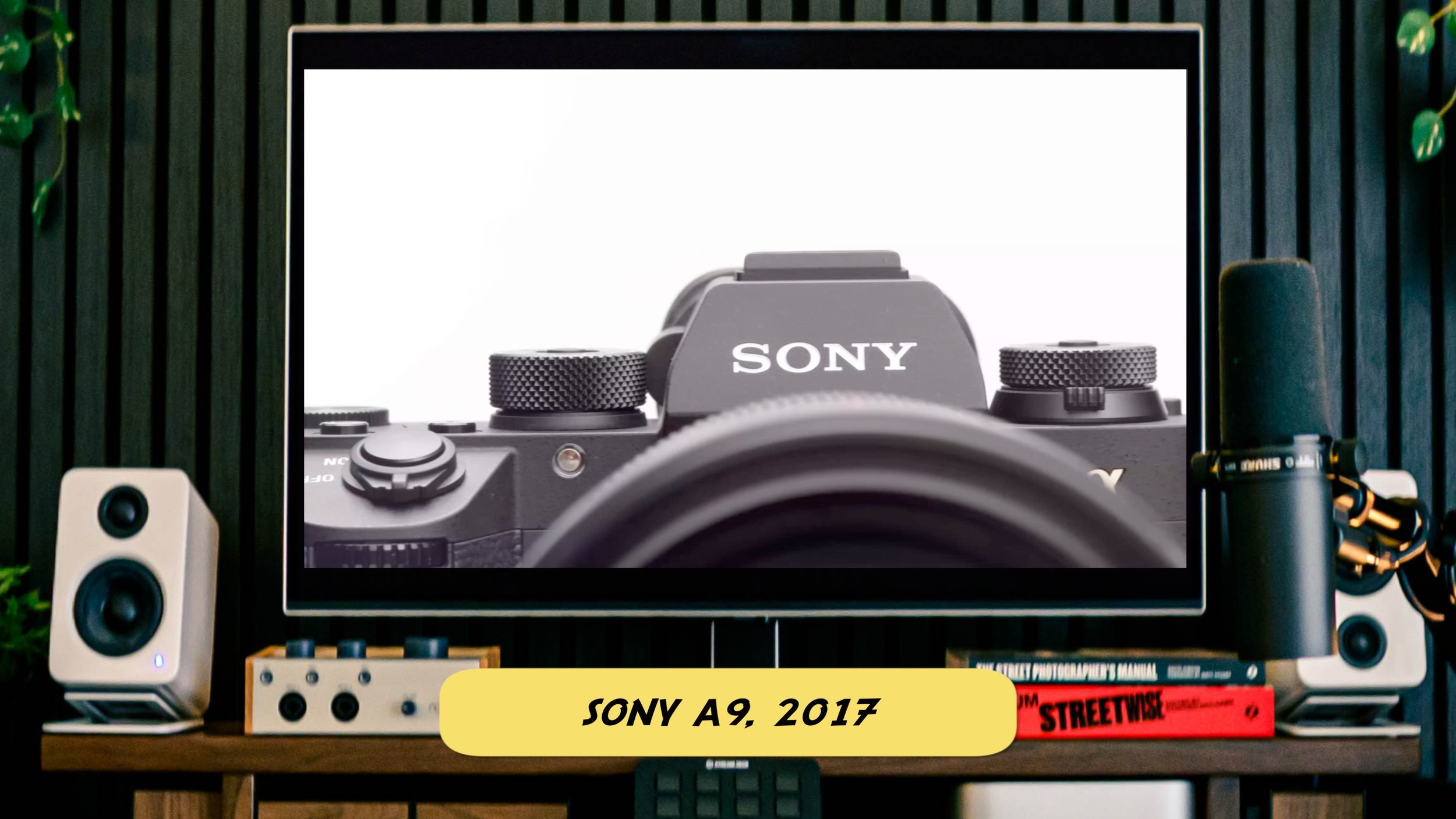
(Sony’s marketing hasn’t changed in 10 years by the way - still creepy, robotic, specs only).
How about the OM3?
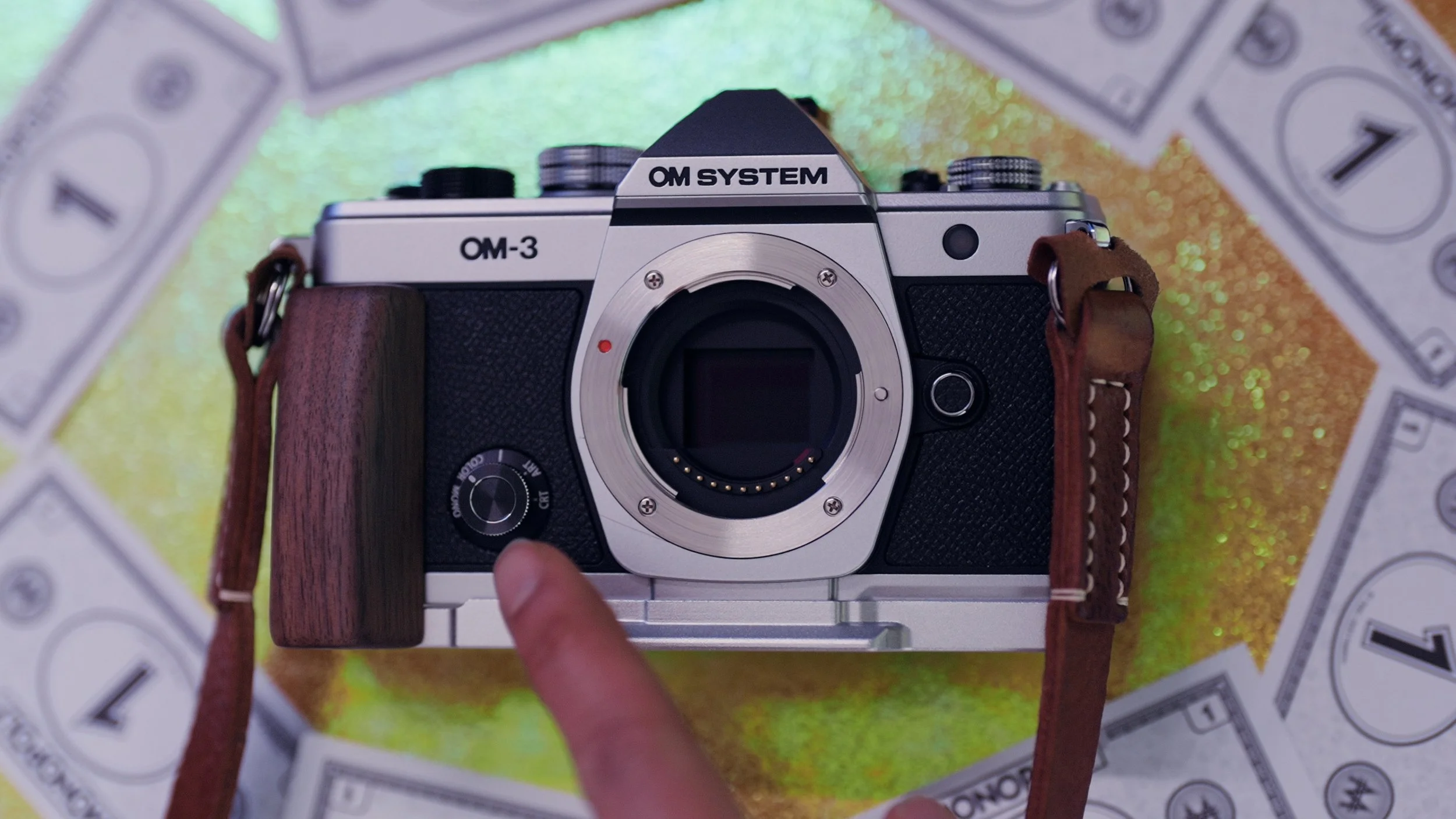
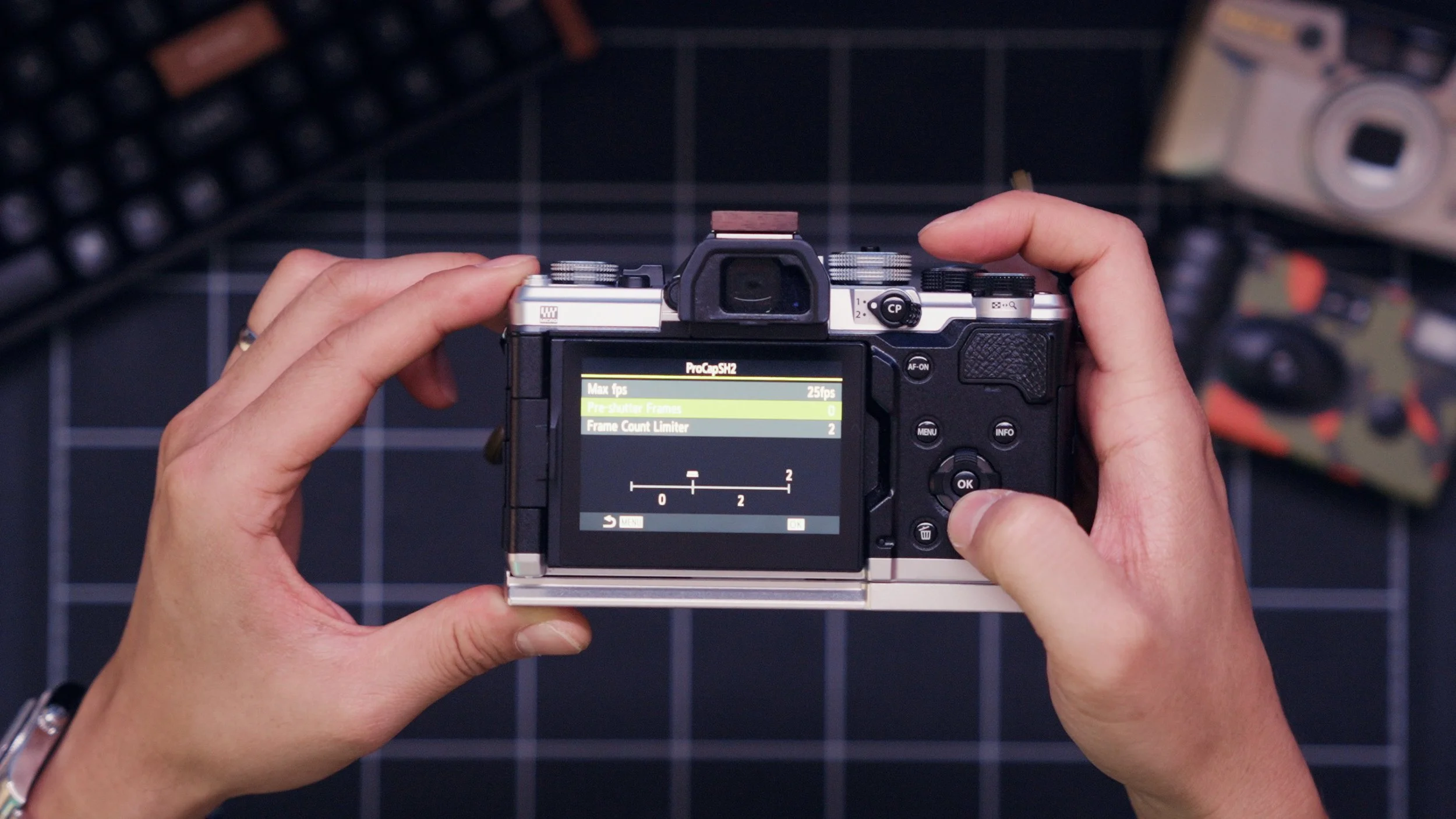
The OM3 also has a fully-stacked sensor - the one introduced in the flagship OM1 and OM1 mark ii. Straight out of the box it doesn’t scream flagship or speed, you have to tweak a few settings:
Under 7 “drive mode”, sequential shooting settings, tweak Procap SH2.
This can get as fast as 50 frames per second with the right pro lenses, otherwise 25fps - still very fast.
You can add max frame limit, and “Pre-shutter” frames so the camera records before you click the shutter.
In this mode you can get pre-capture, blackout free silent shooting with continuous autofocus enabled.
Is a fully stacked sensor game-changing for me? On my first stop in Tokyo there was so much happening.
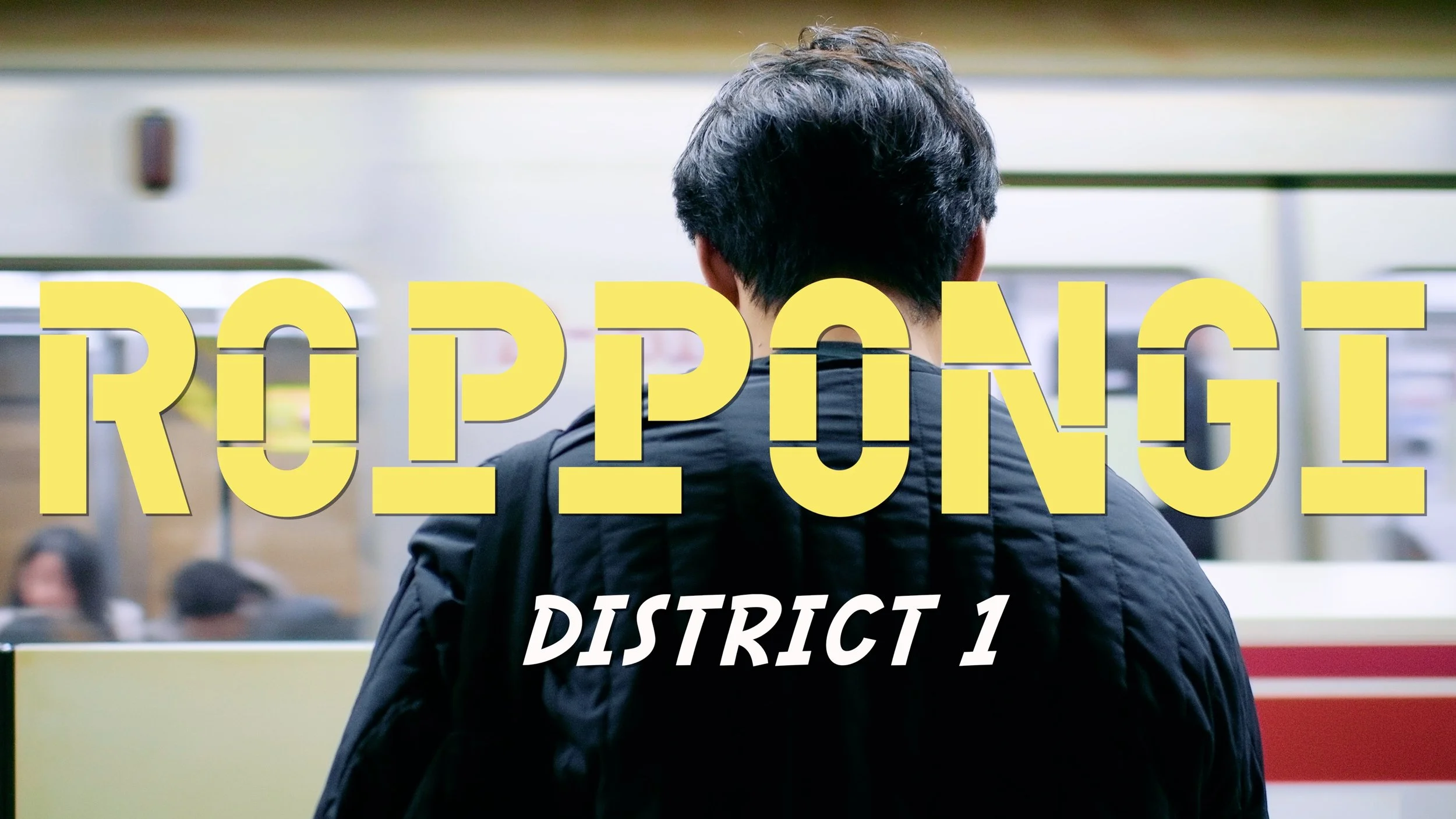
Waves of lights, people, cars, a quick responsive camera with no viewfinder blackout did help.
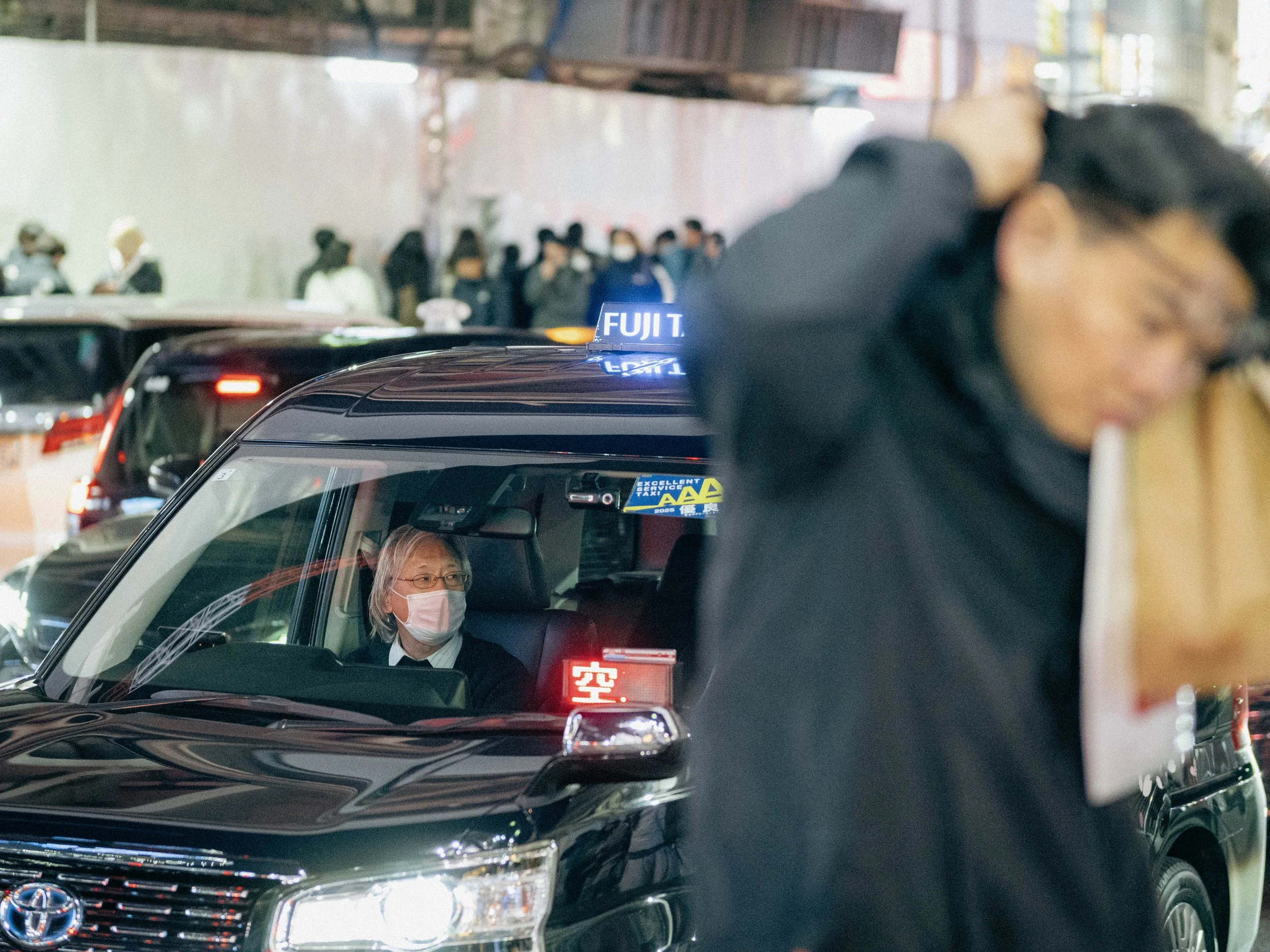
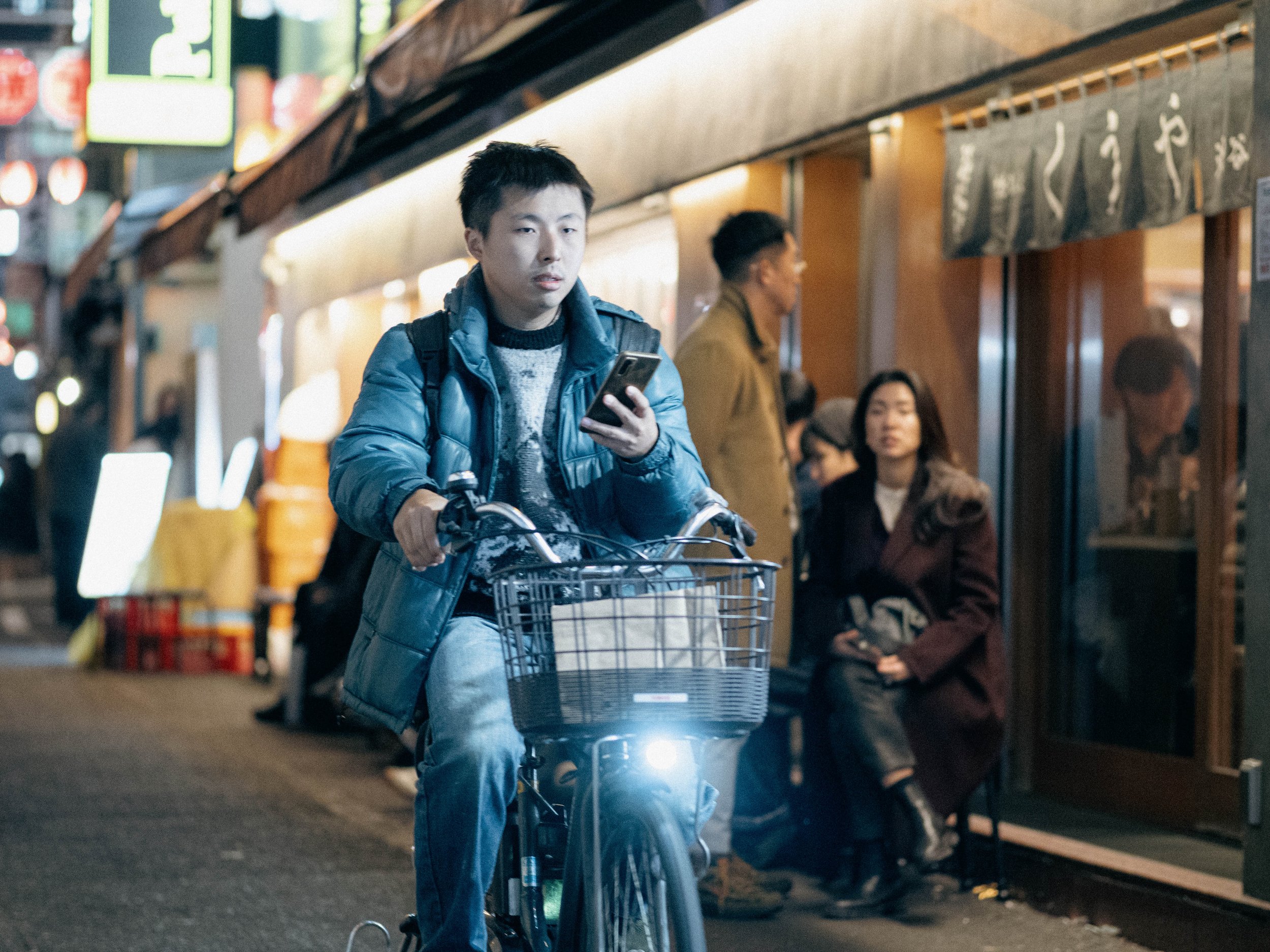
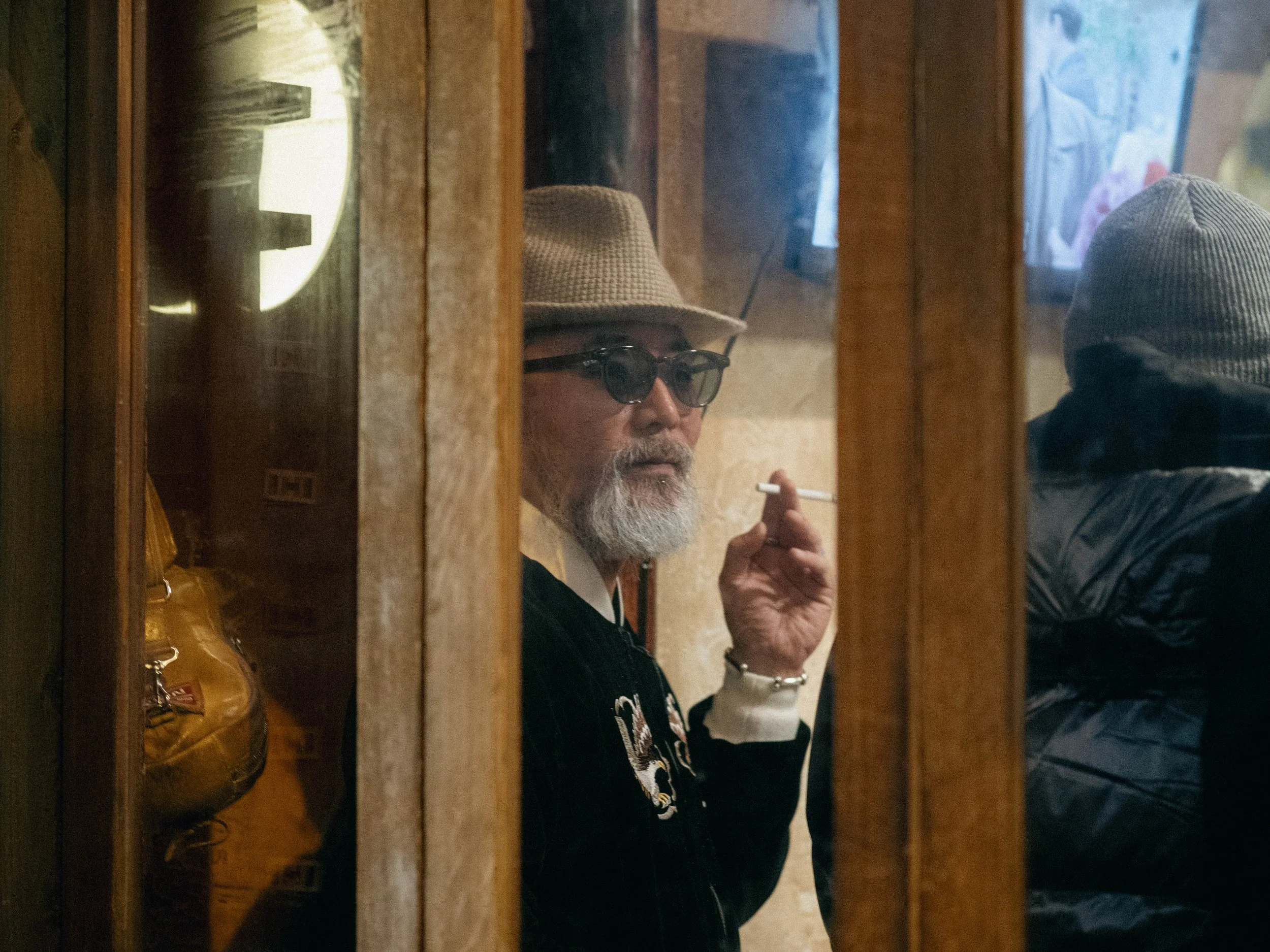
These were taken on the Sigma 56mm 1.4, I could isolate subjects very easily, and there was never a lag, the pre-capture helped too.
The speed of the camera matched the pace of the city.
But speed wouldn’t help me with this next technique:
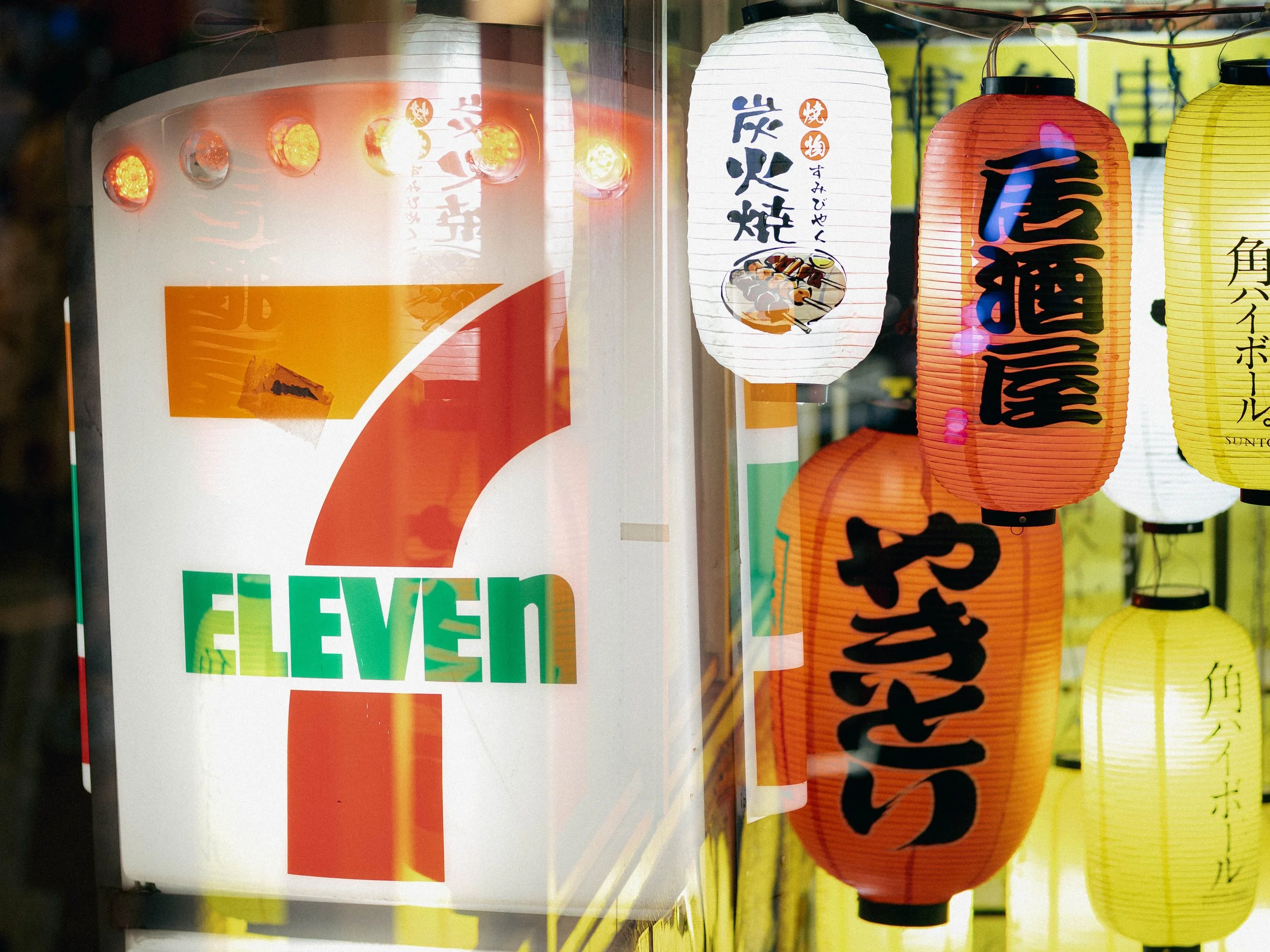
Combining two consecutive frames in camera sounds like a gimmick.
This turned out to be the hardest photography exercise I’ve ever tried?
It’s not that special, a basic feature every brand has, you can check your camera, odds are it’s in there as “Multiple exposures” or composites. Why did it take the OM3 for me to try this? Strangely, the form factor? Small,easy to carry, the 5 custom modes encourage you to experiment with different settings. The camera is so fast, it pushes you to keep shooting.
But it’s hard to stay motivated when the work doesn’t turn out the way you want it to.
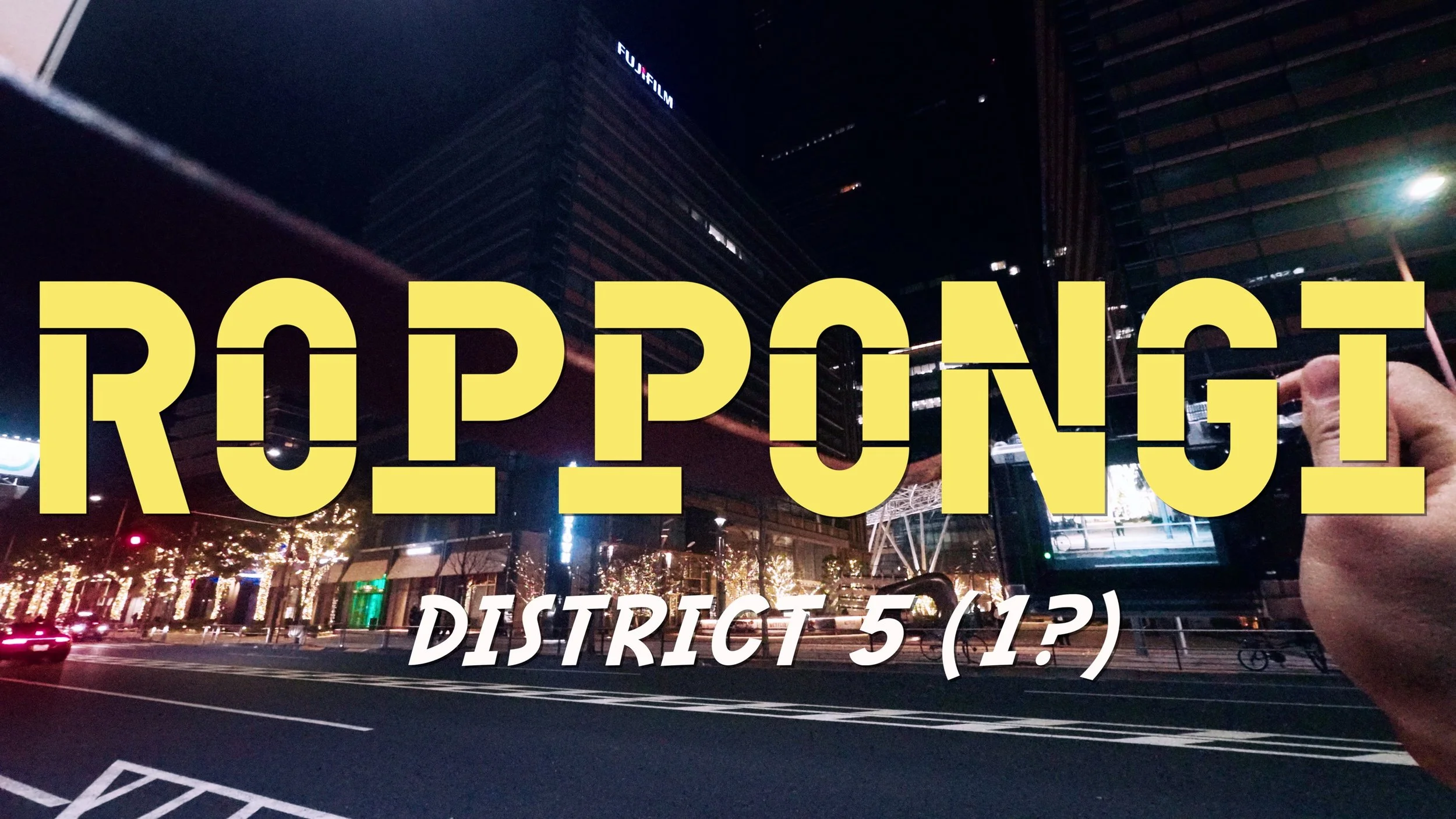
My composites taken in Roppongi were messy, chaotic, the normal street photography lessons don’t apply.
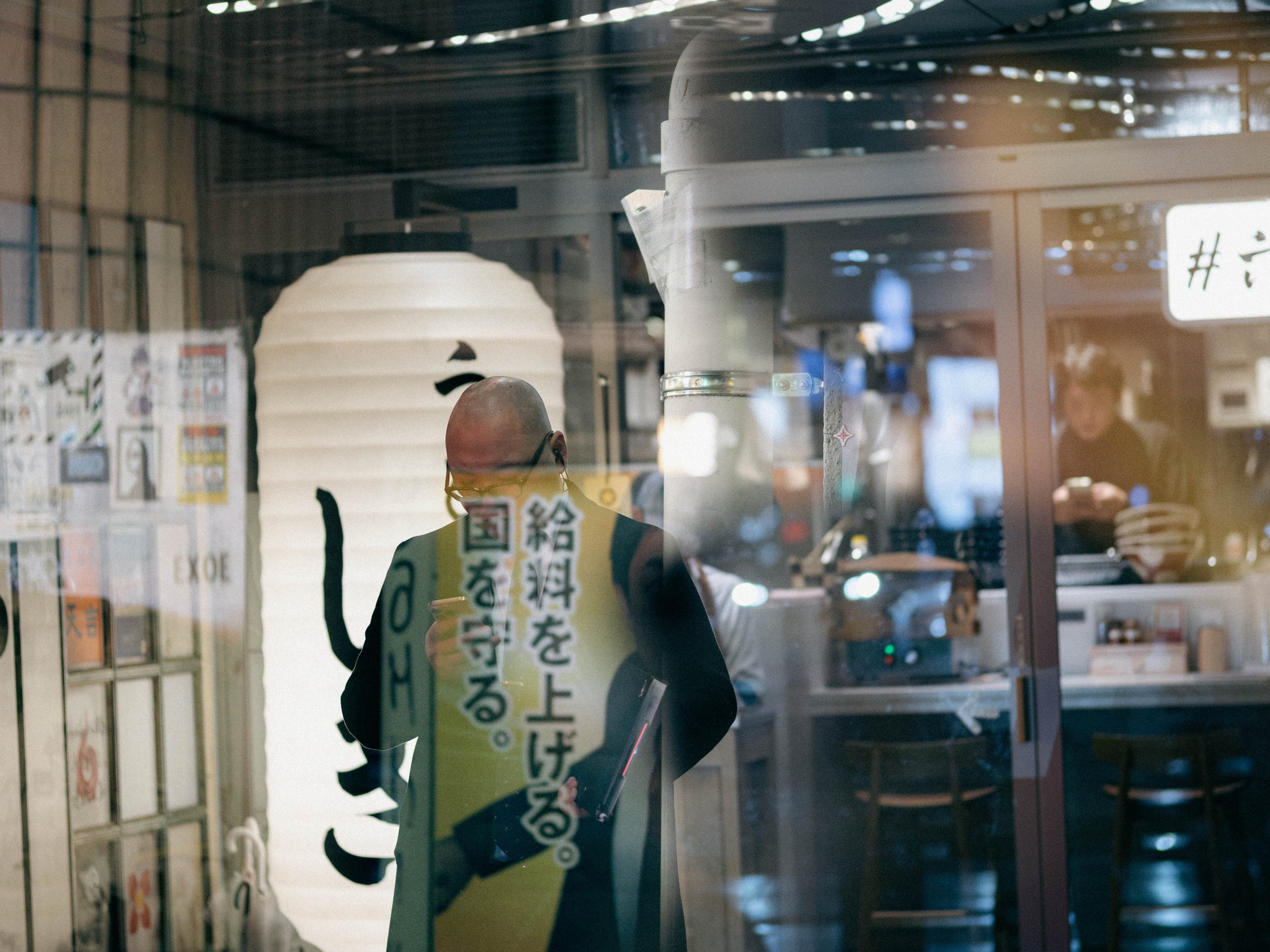
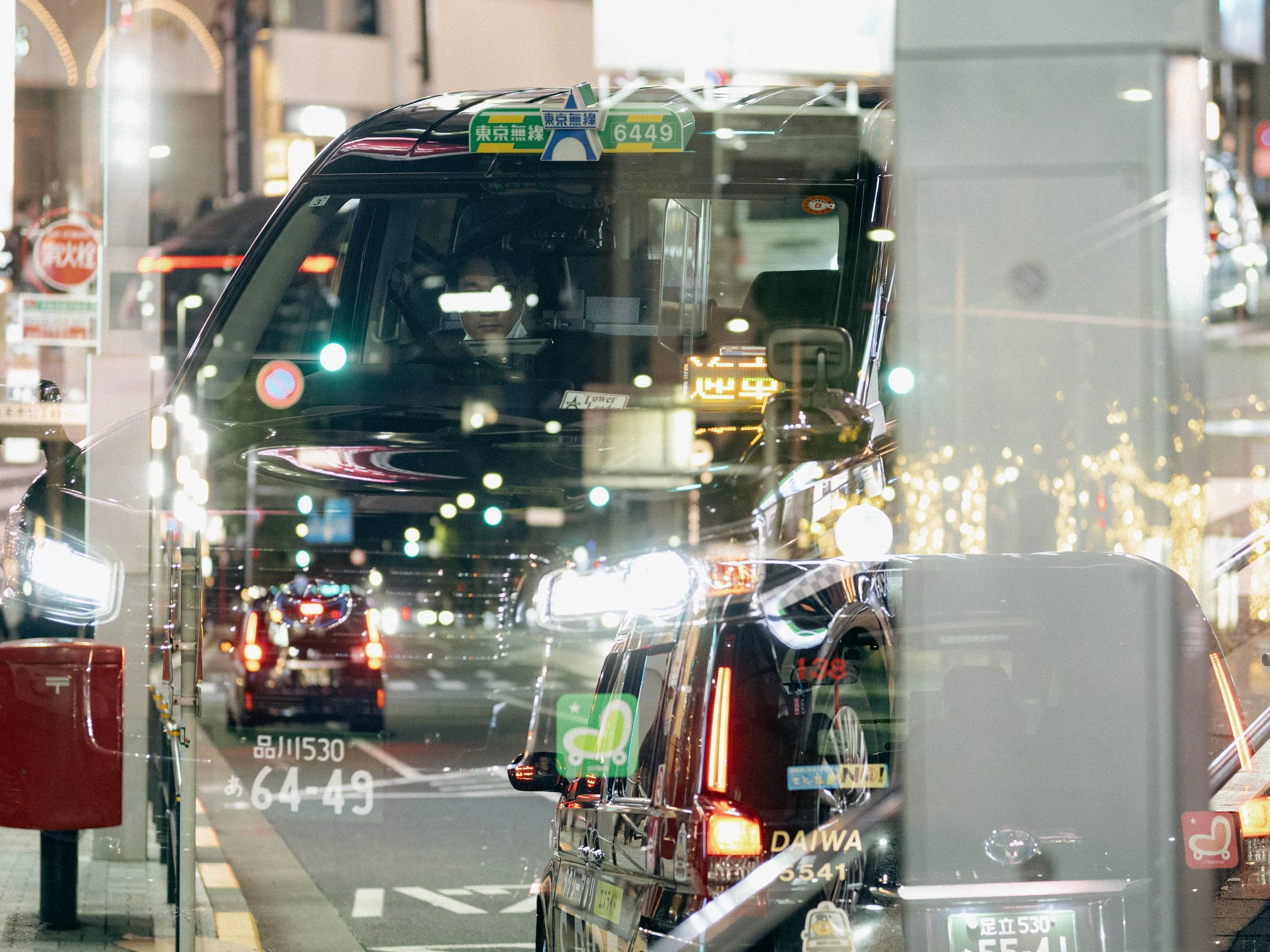
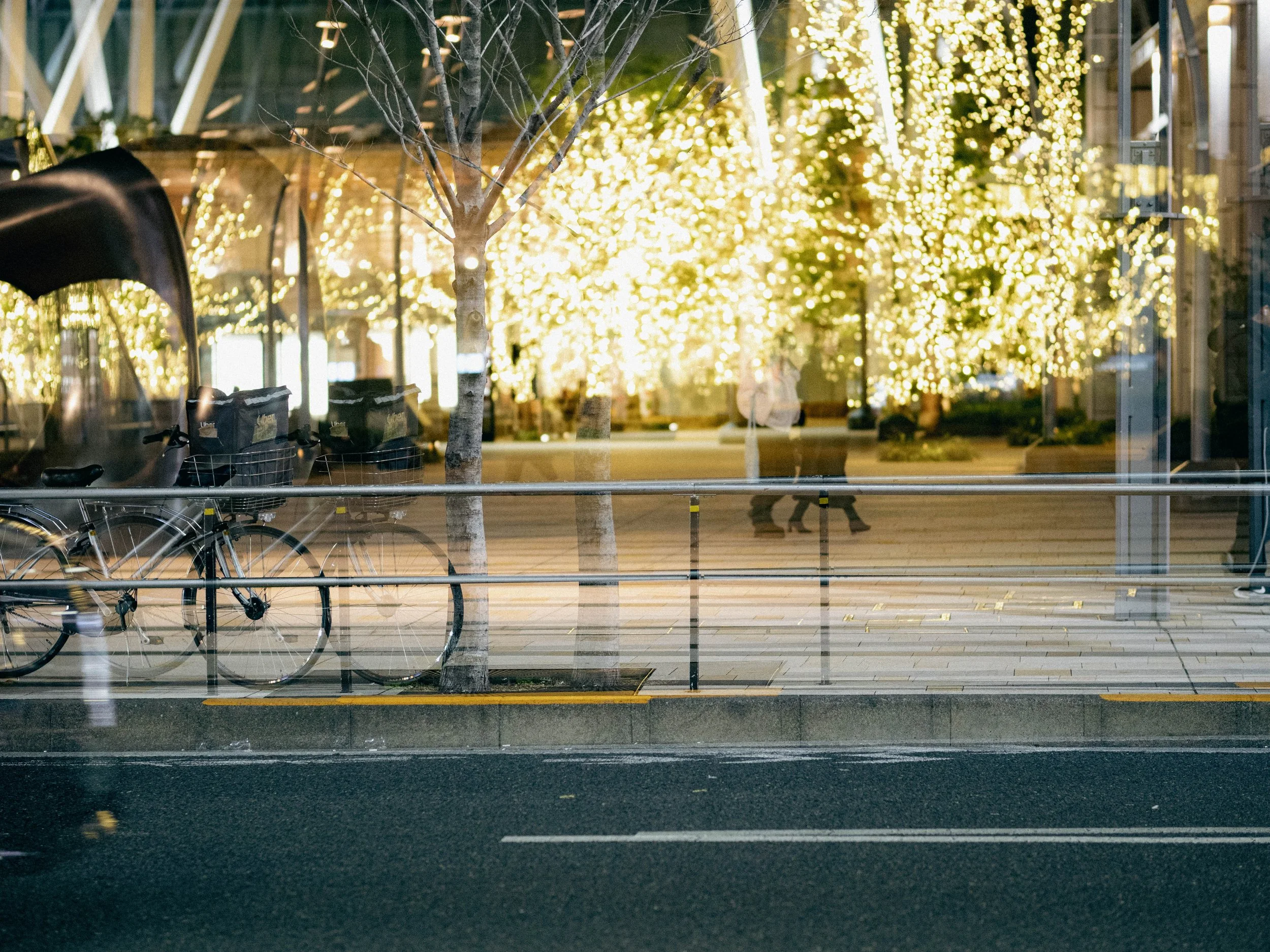
It becomes too easy to fill the frame when combining two shots, I actually needed to simplify.
I needed a reset - a fresh start the next day in the second Tokyo district:

The OM3’s build quality feels reassuring, just like its flagship feature 7.5 stops of IBIS. Not just for handheld long exposures - more than 1 second coupled with electronic live ND is a nice effect - but also for video? Handheld footage all looks super steady - I don’t need to stabilize the footage in post production most of the time.
I wanted a break from composites for the time being, took a few shots around Nakano with the OM 20mm f1.4 Pro:
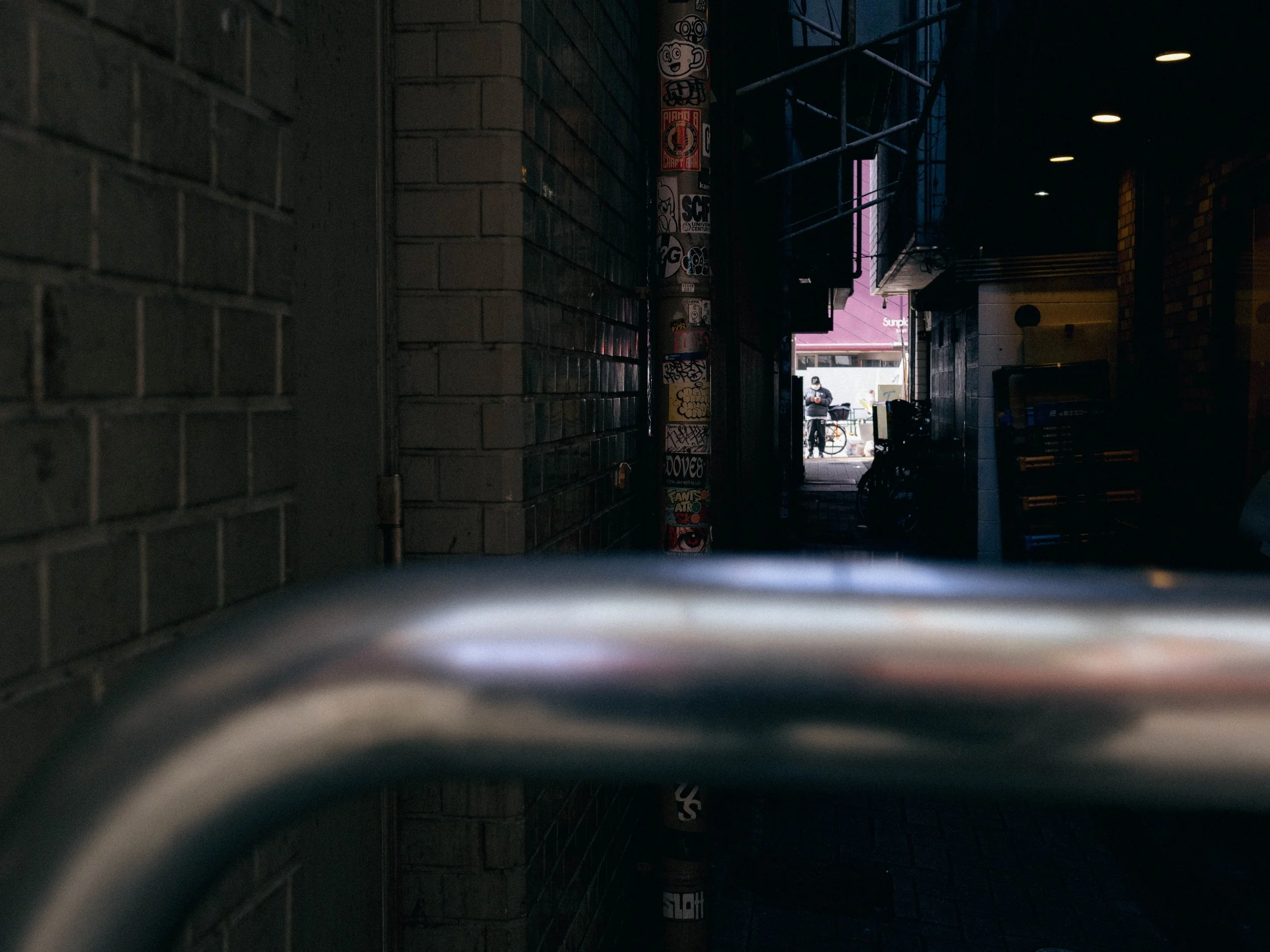
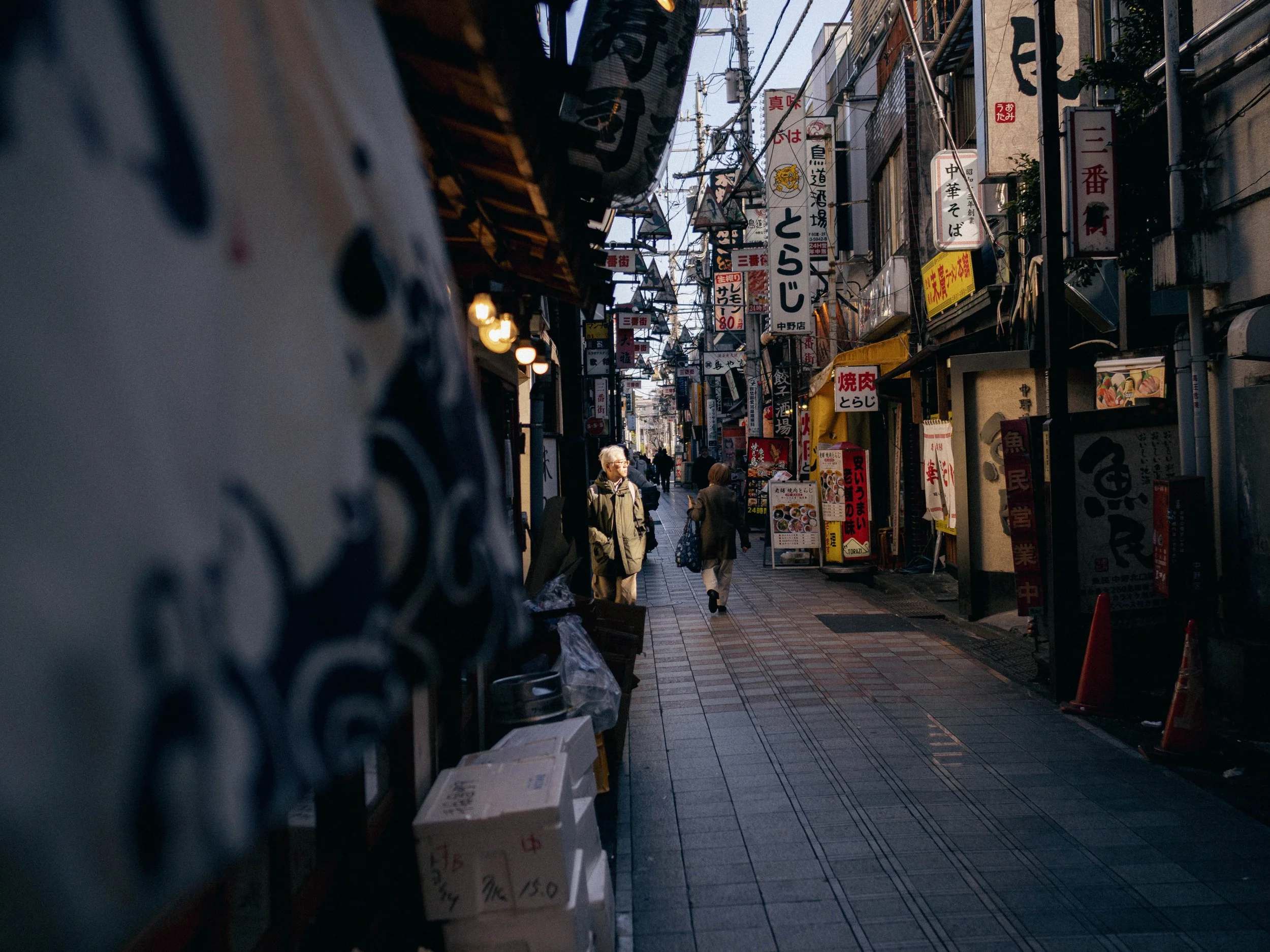
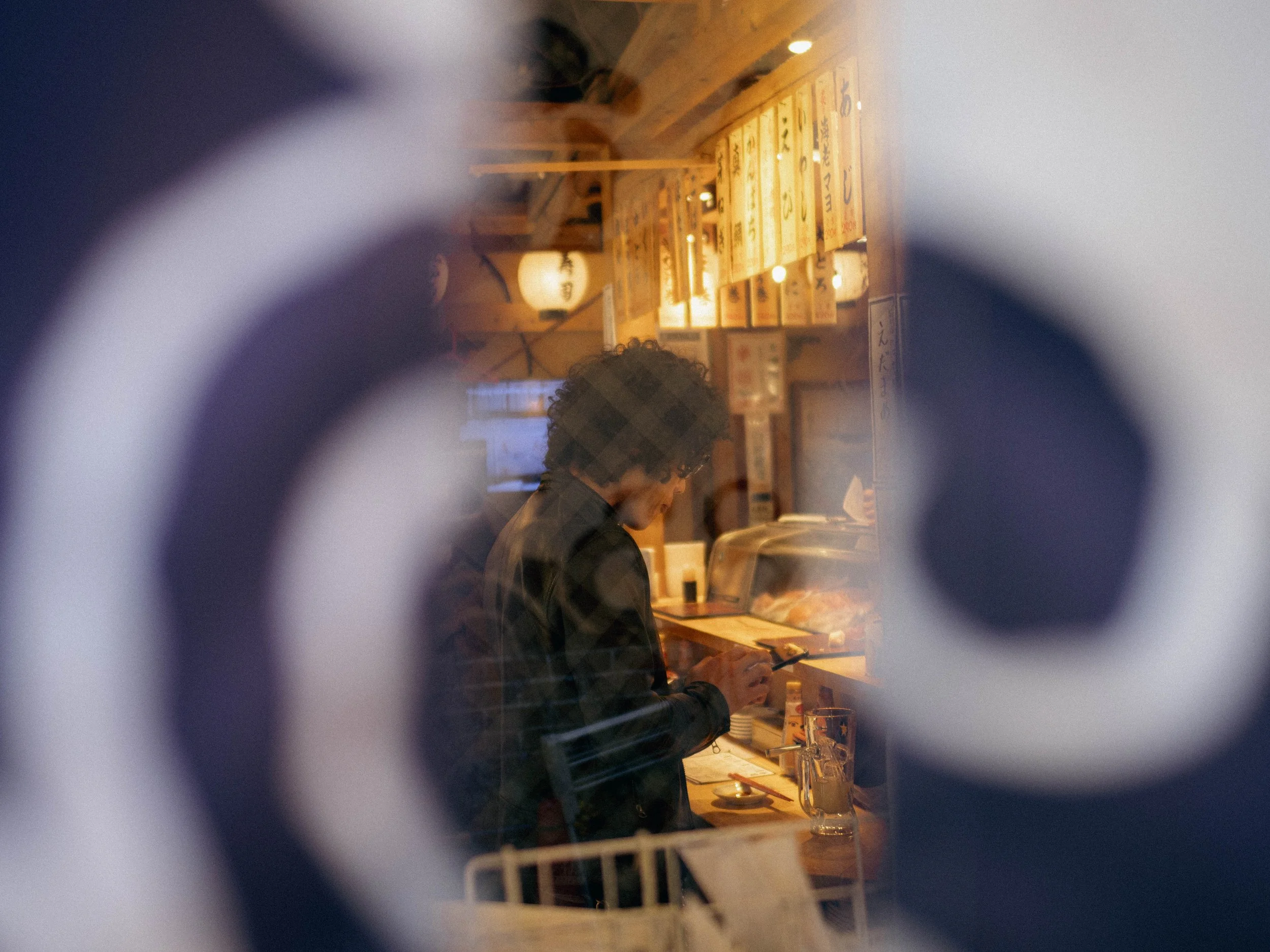
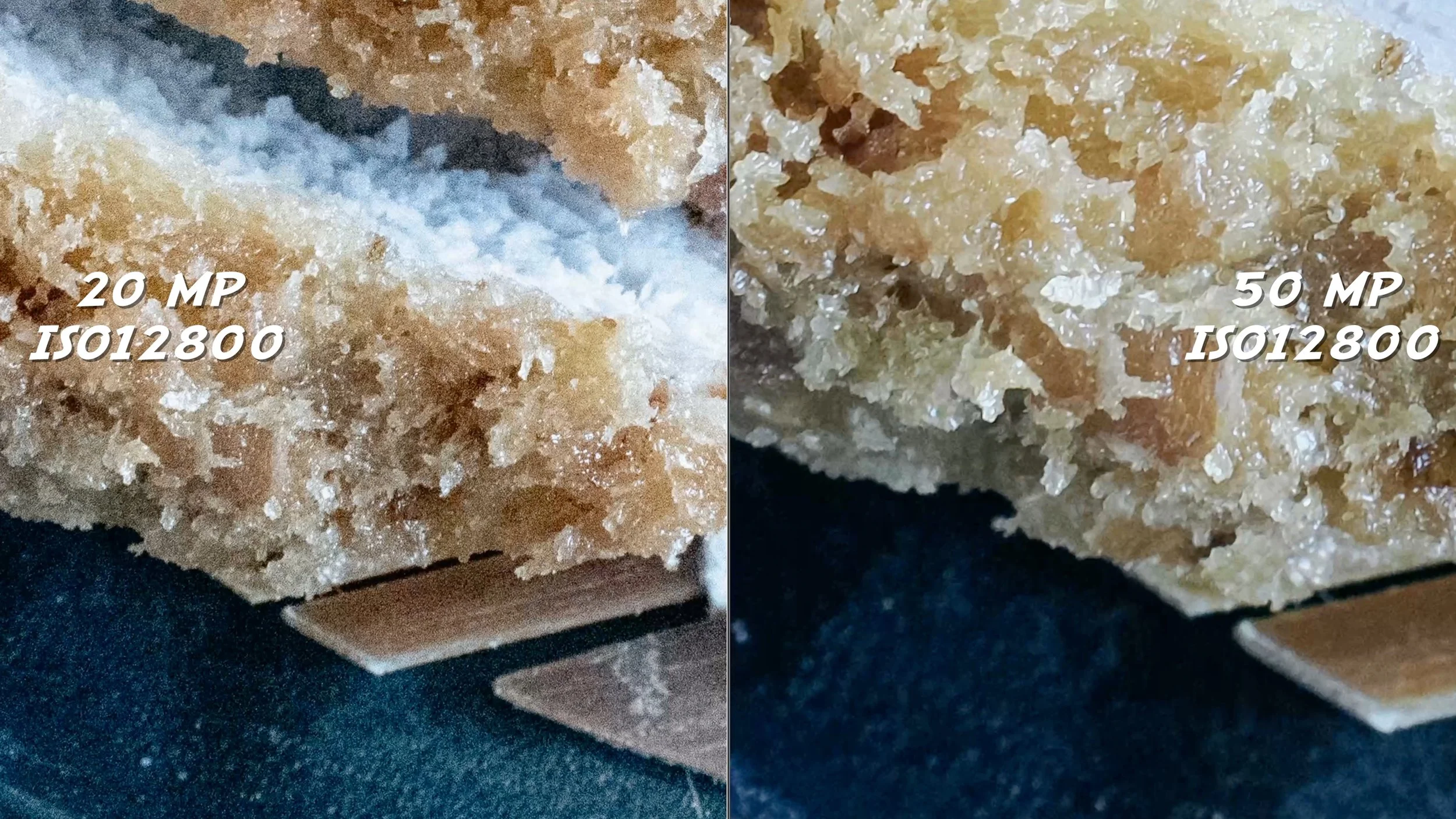
IBIS is also how the OM3 can deliver resolution. 50 megapixel hand held in high res mode, works surprisingly quickly while you’re taking the shot. The high res detail does look crisp thanks to the OM3’s IBIS - more on this later - but the improved noise performance might be more impressive. These shots side by side are both at ISO12800 - the higher res file has much less shadow noise in comparison.
7.5 stops of IBIS is the flagship standard, but the number of stops doesn’t tell the full picture.
We saw this in 2020:
Honestly I don’t know what Canon was thinking with this ad.
I assume their customer base is so big it doesn’t matter? In spite of these marketing shenanigans and early missteps, I really like the R5. A lot cheaper now, plenty of great used copies, high res, great tracking autofocus, all the jokes about overheating are mostly fixed with firmware.
It’s not a stacked sensor though - that would come later with the R5 mark ii, but what’s most impressive is the 8 stops of IBIS. They didn’t just beat the previous record, they leapt over it - so much so the IBIS is too strong in the corners.
The OM3 has a more sophisticated IBIS system - you can customise the strength not just the mode - it’s a nice flagship feature, there’s so much packed into the OM3. I’m not even scratching the surface of what it can do.
That’s why I was heading to Ginza - my third Tokyo district in 24 hours - with my street photography sensei.
***
Richard’s work is unique.
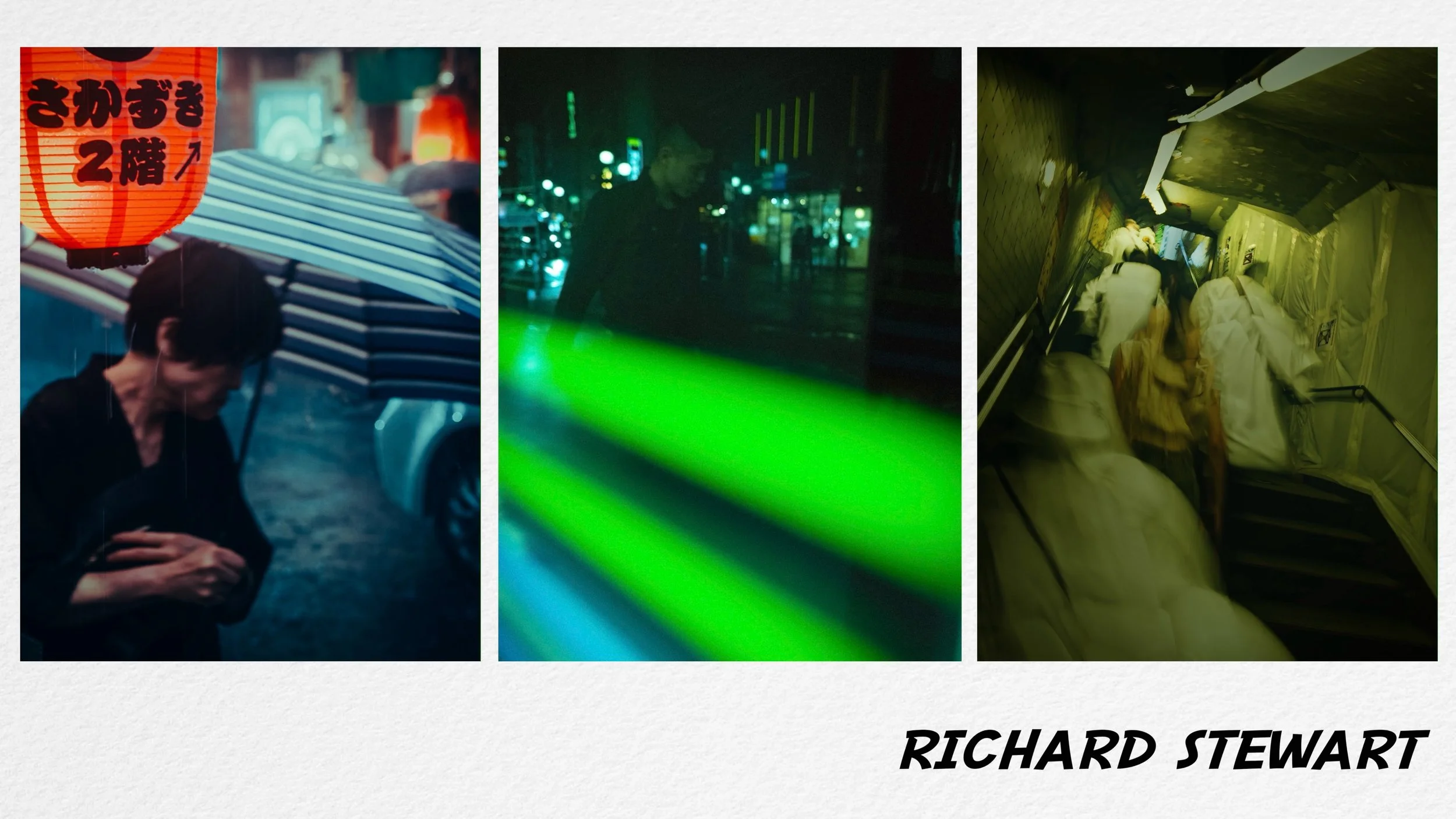
Unlike anything else I’ve seen.
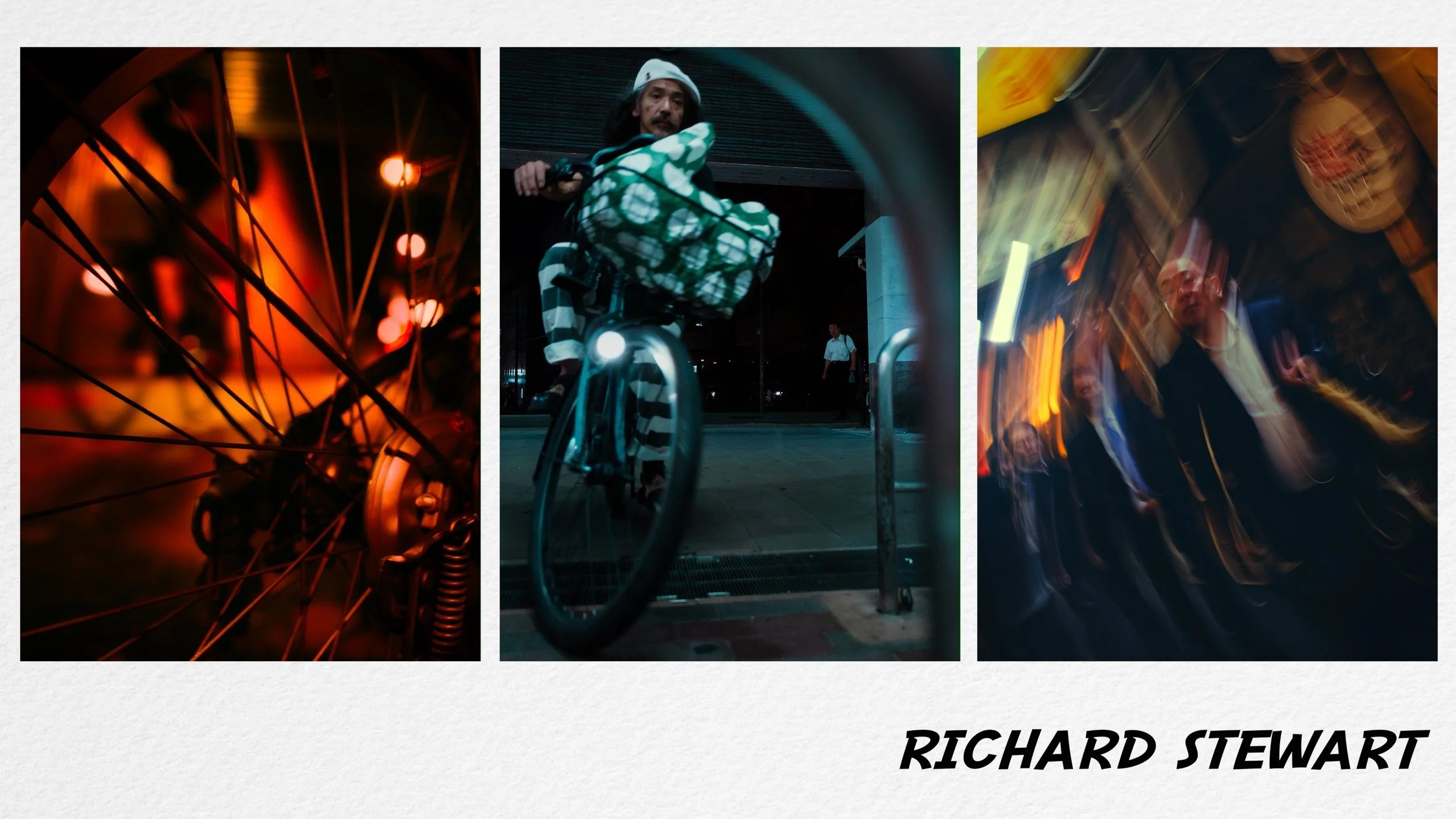
Of course just like you, my first question?
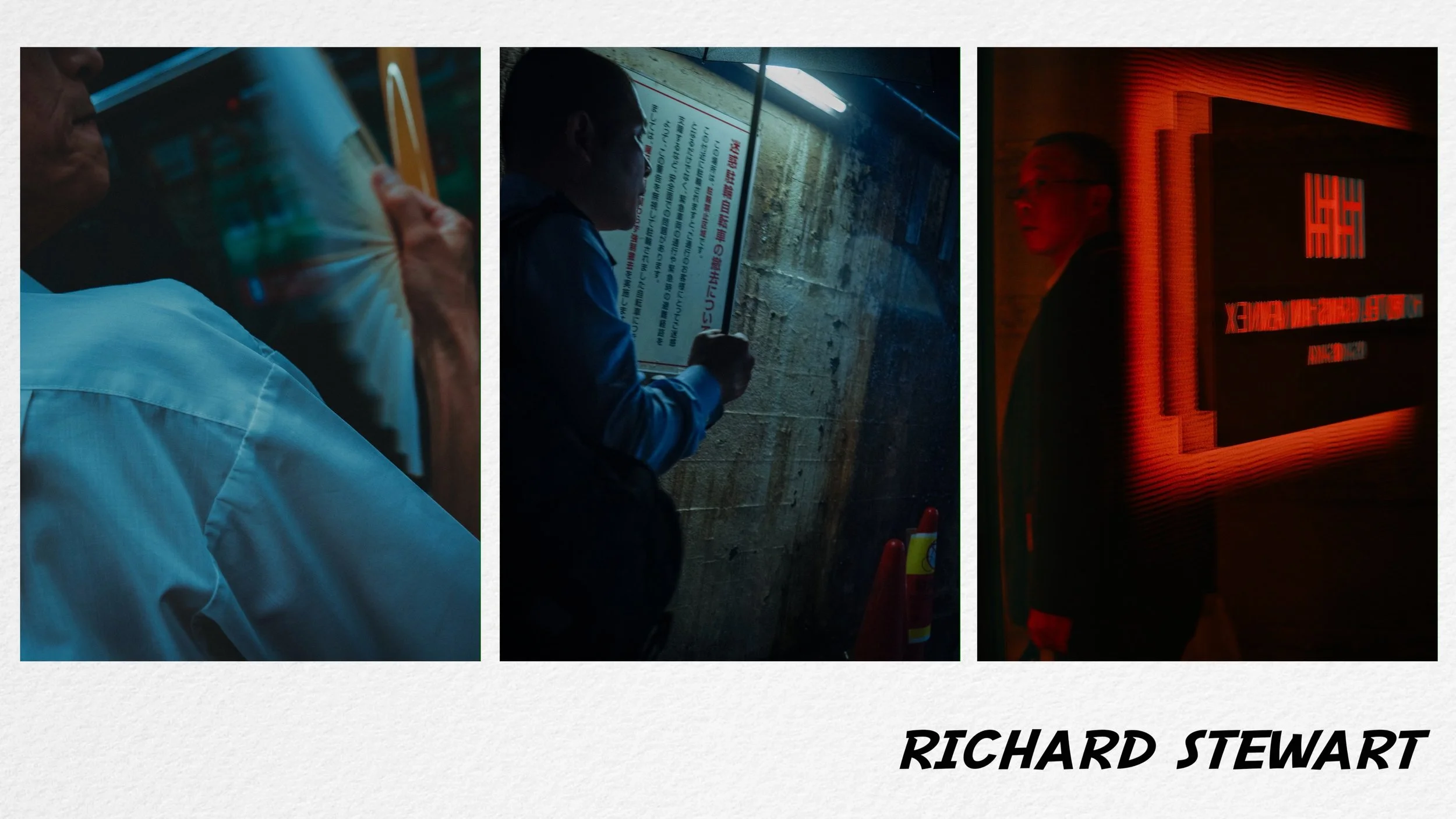
What camera he uses?
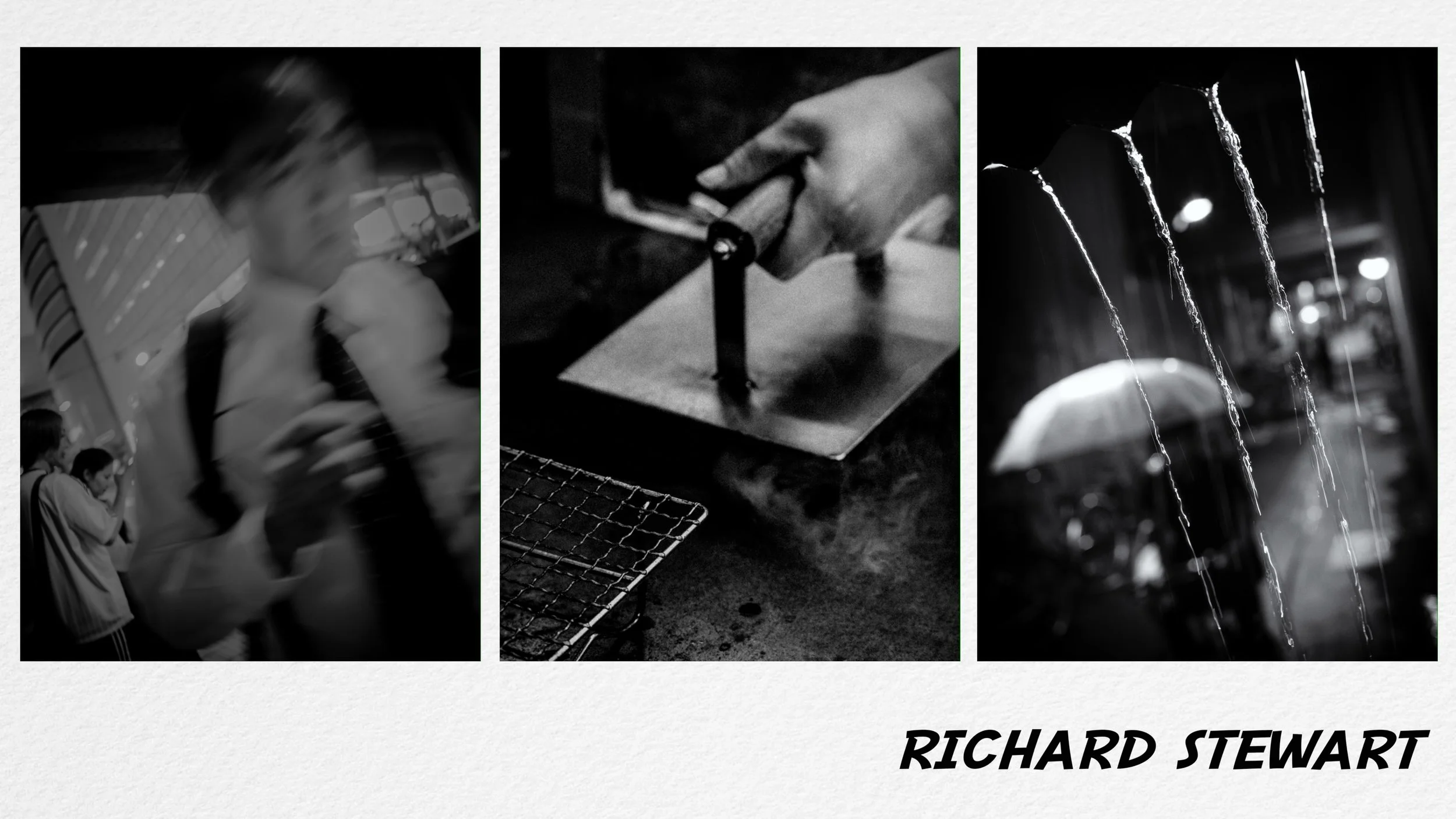
He’s adamant though the gear doesn’t matter - clients can bring any camera along to his workshops that he runs in Japan.
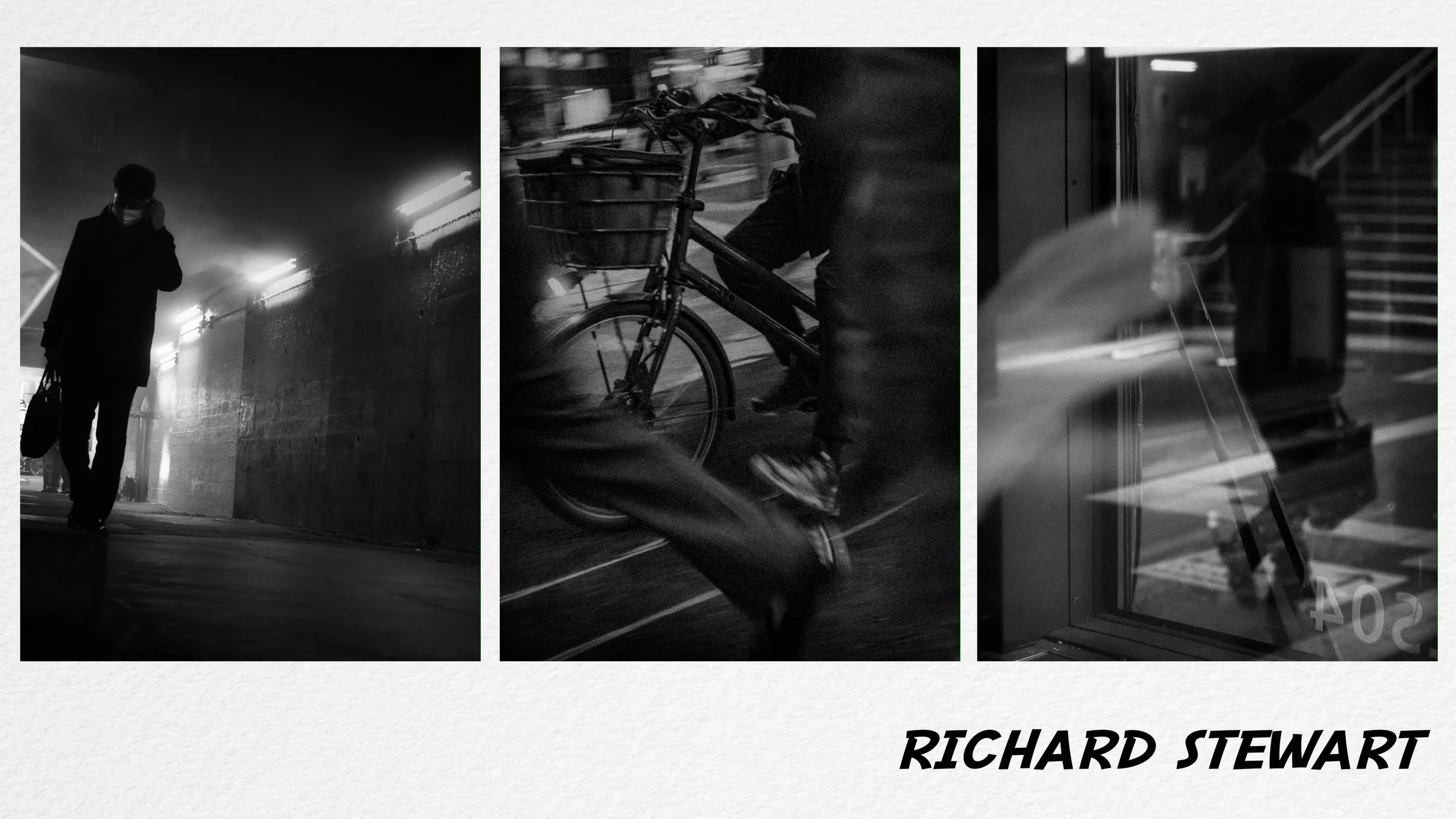
He helps them recreate his look then find their own style using two techniques.
For the first however, it helps if your camera has IBIS?
***
Slow Shutter Speed
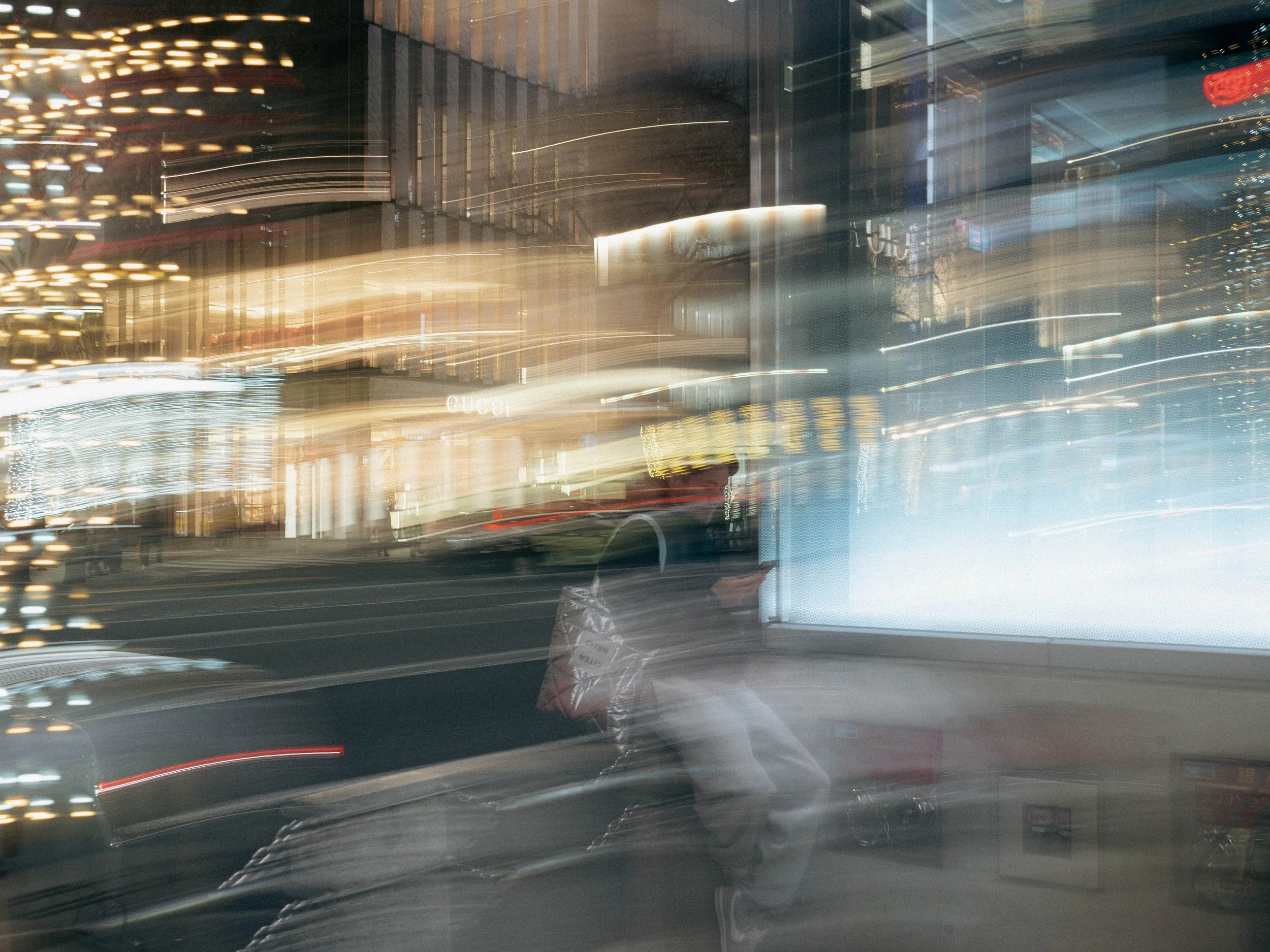
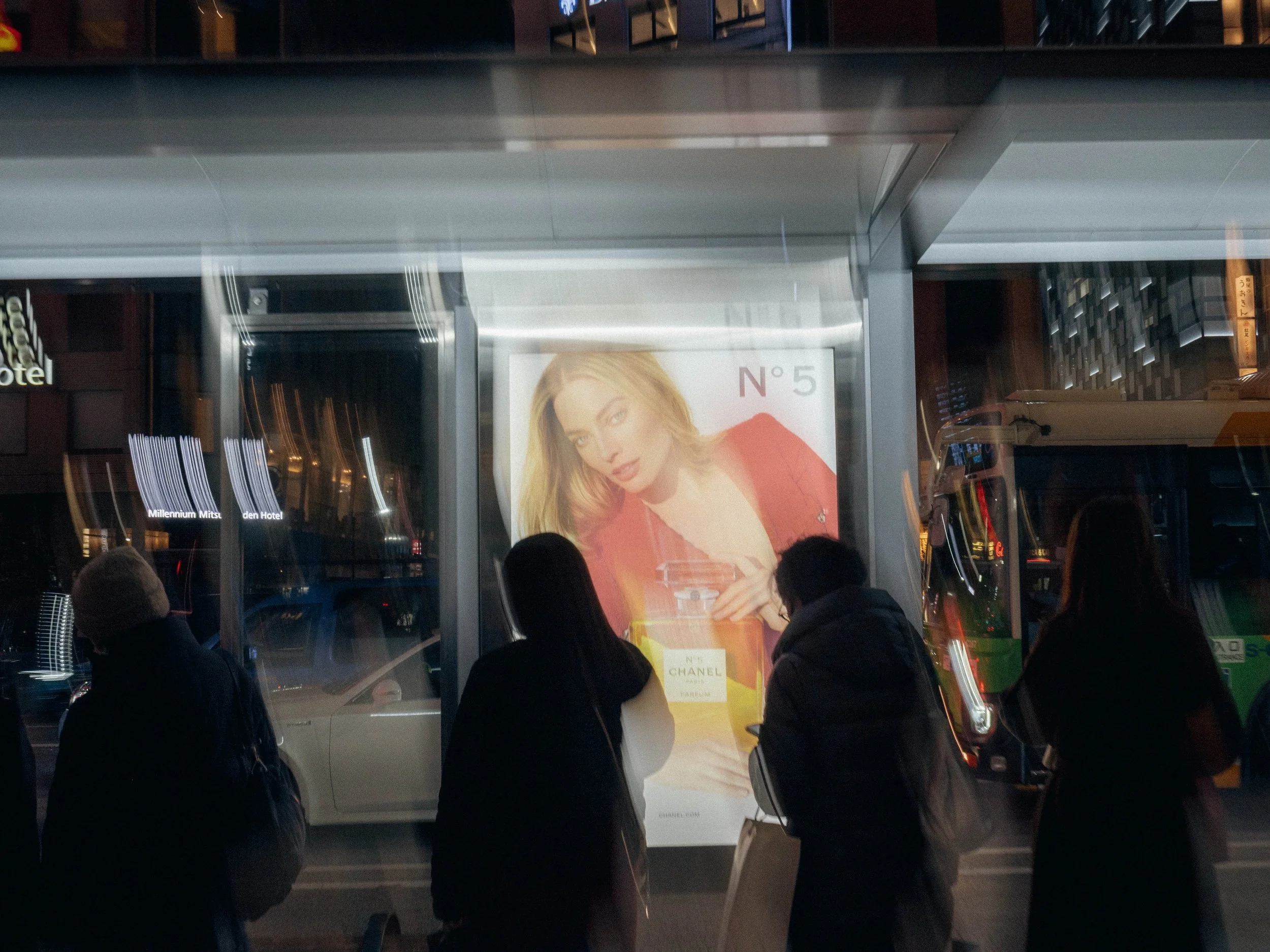
My failed attempt.
The OM3’s IBIS makes it ideal for slower shutter speeds, but my hands aren’t the steadiest?
I followed Richard’s instructions as best as I could:
Shutter priority, 1/10th of a second shutter speed, Auto-ISO
Press the shutter first
Then move the camera with a little twist or pan, forcing the IBIS mech fight your intentional camera movement
There’s a chance the subject can stay sharp while the environment blurs around them
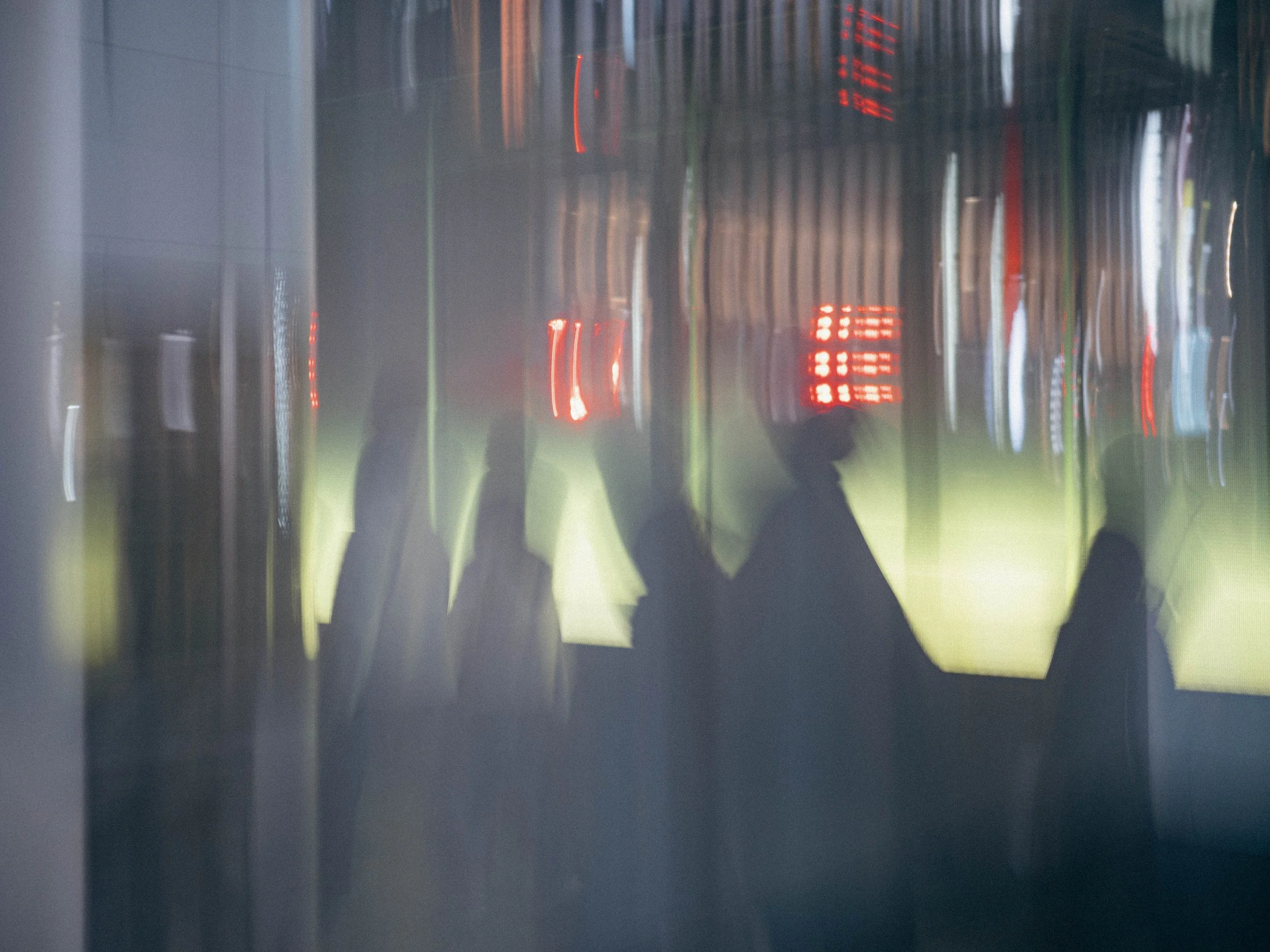
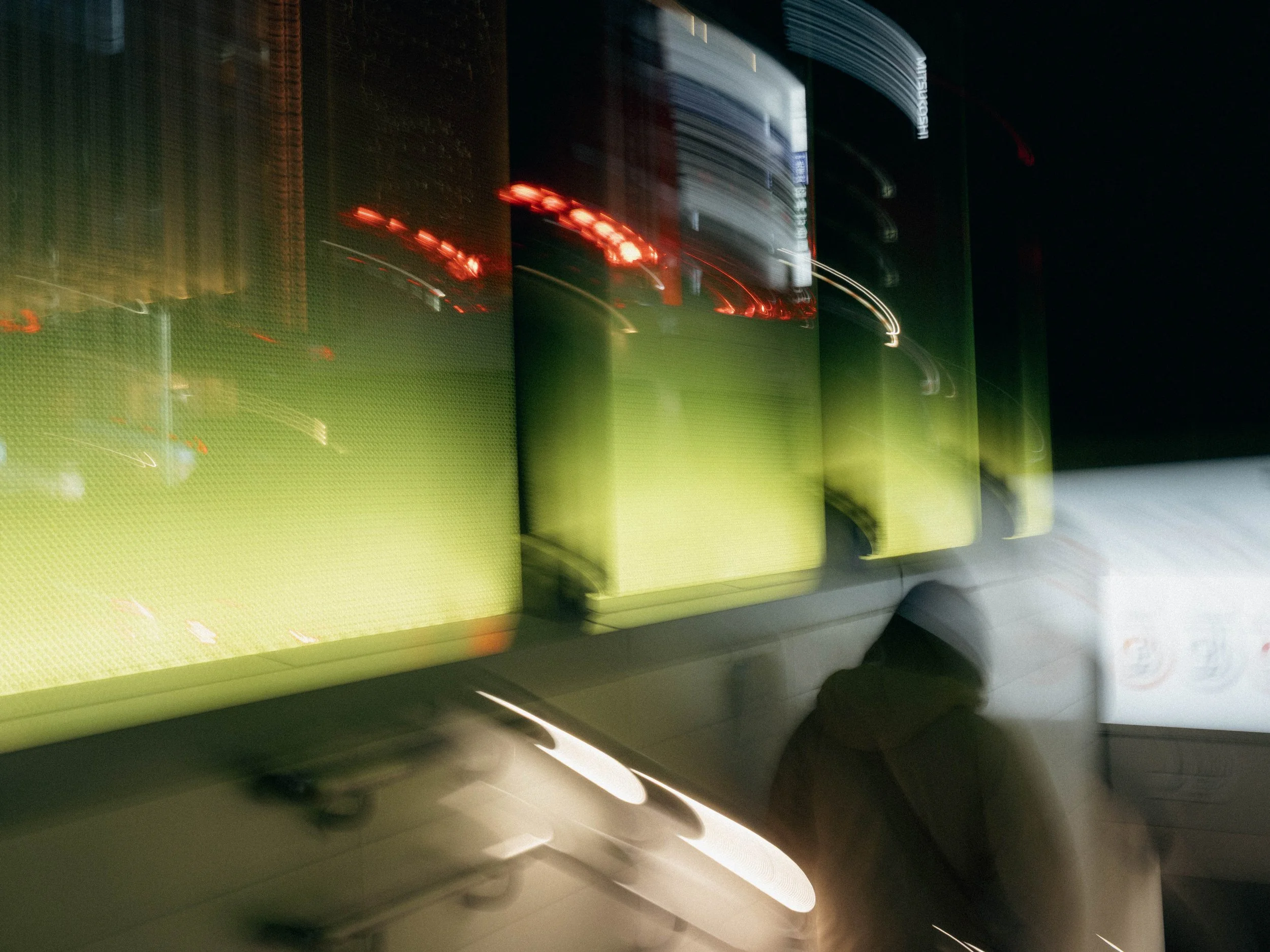
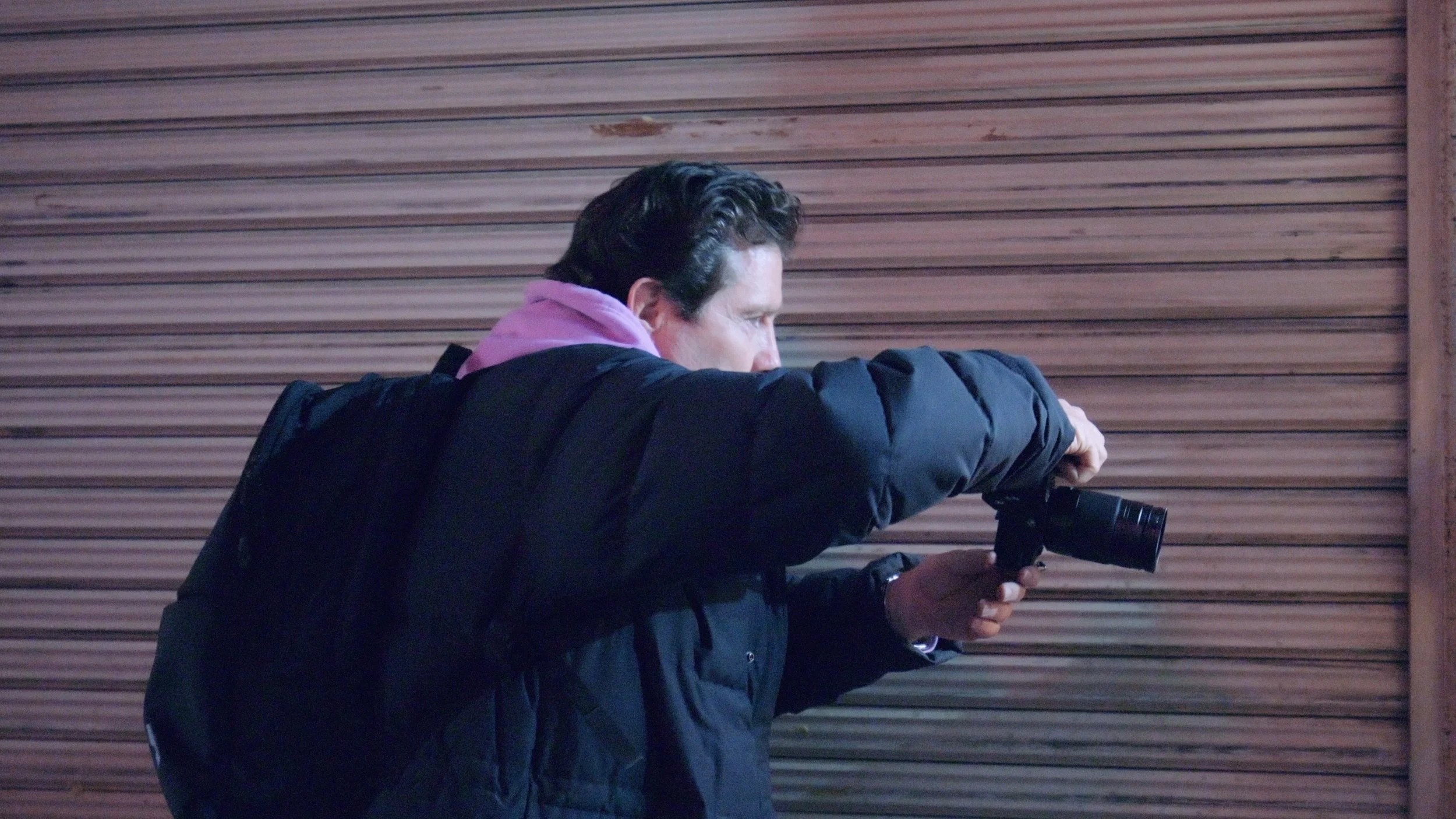
Richard in action.
Richard was working way faster than I was, trying different compositions from new angles.
Before I knew it we moved on to Composite Shooting in:

Given my earlier struggles in Roppongi I was reluctant to try composites again? Here’s the advice Richard gave me:
Pick simple frames - resist the temptation to fill them.
Focus on clean lines, simple geometry
Combine the two frames side by side, top and bottom, try different orientations
Find a thematic connection between the two frames. E.g., commuters and crosswalks.
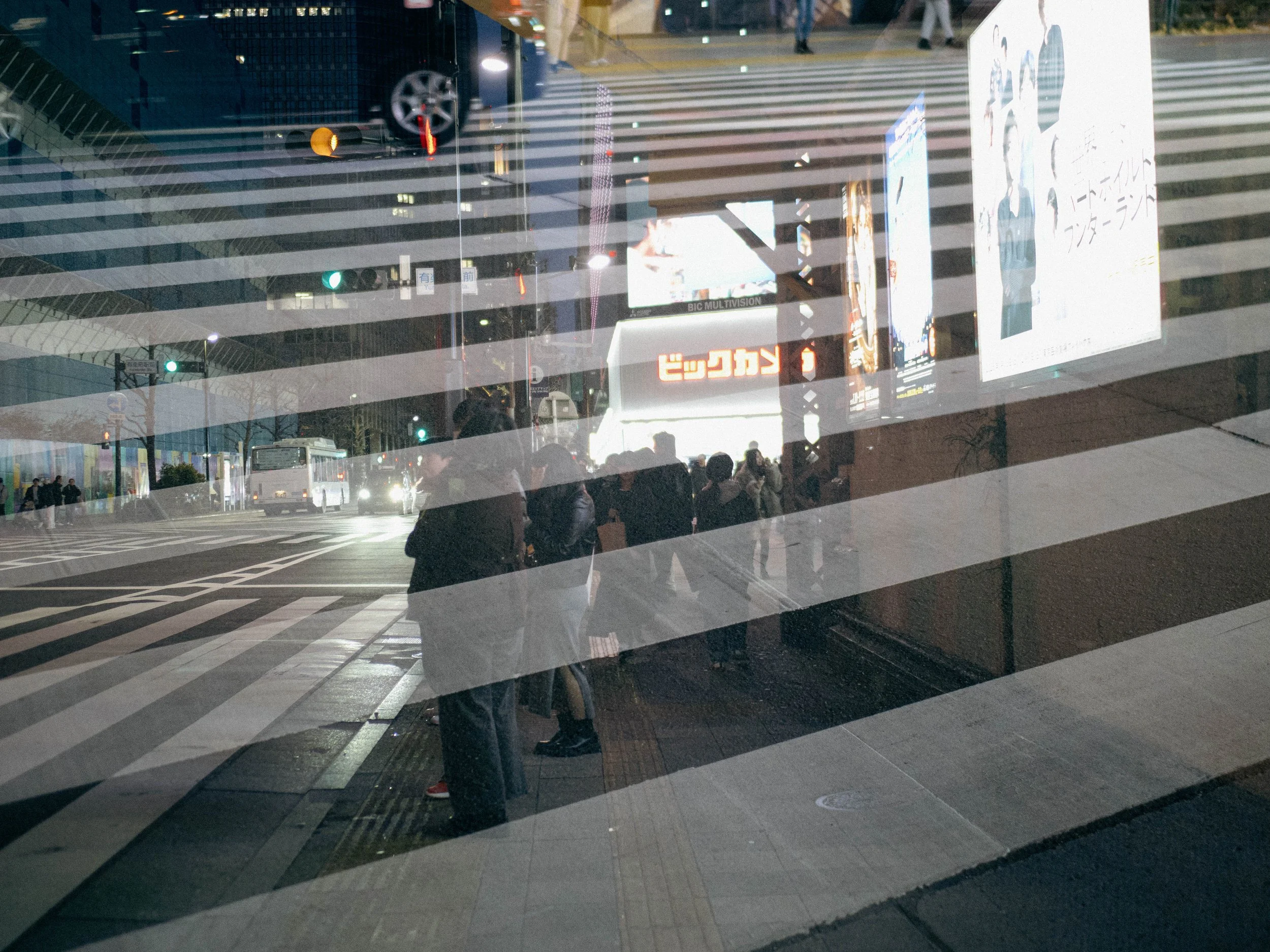
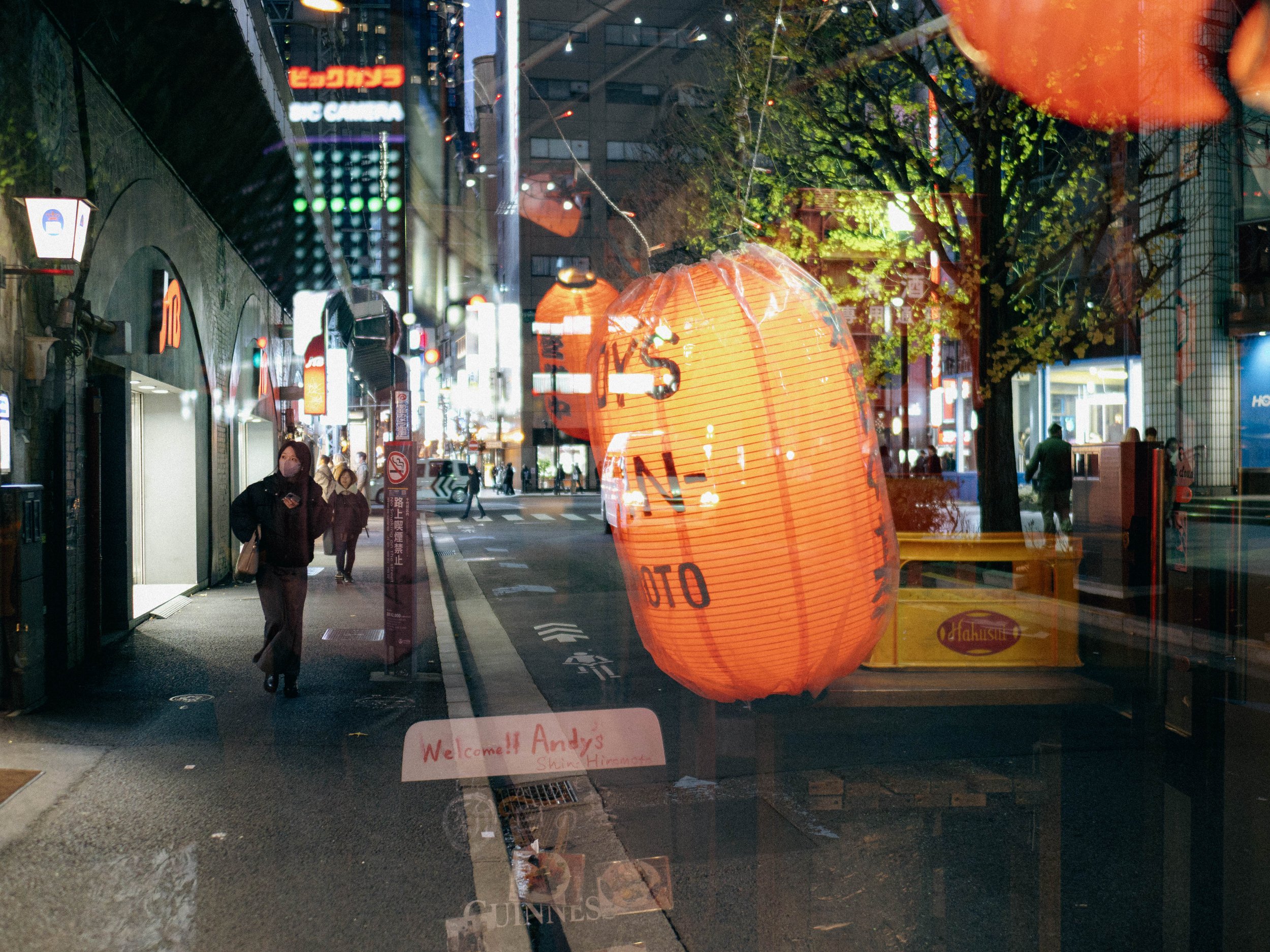
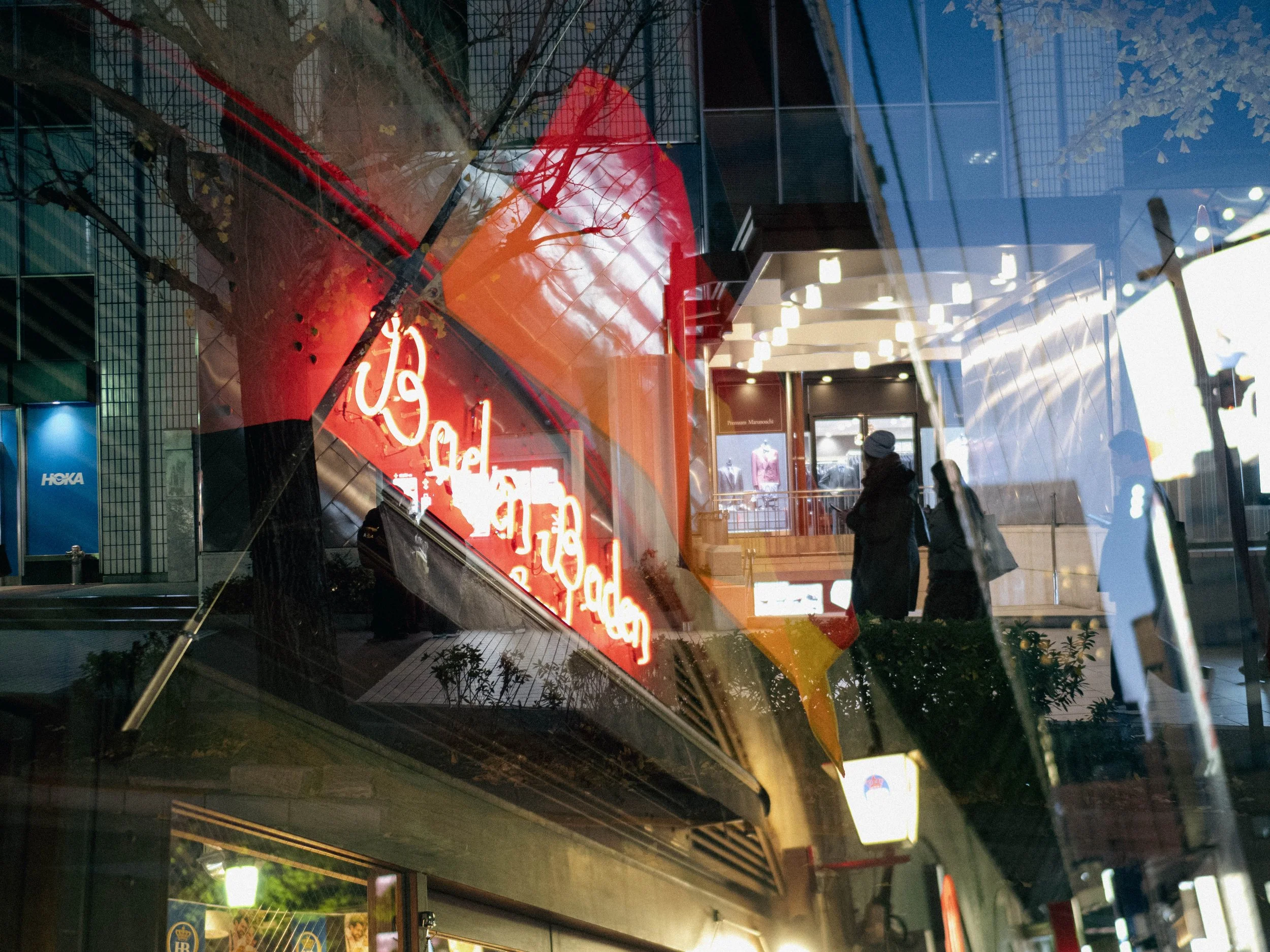
I heard what Richard was saying, but execution is another matter.
My two overlayed images all looked like a confusing chaotic mess. Even though the OM3 lets you preview the ghostly overlay of the first image while you compose the second, in Yurakcho the whole district is buzzing.
While filling one frame is easy, combining two frames felt impossible. I thought it may have been the lens. All my shots in this district were taken on the OM 20mm f1.4.
Is a 40mm too wide for this style of shooting?
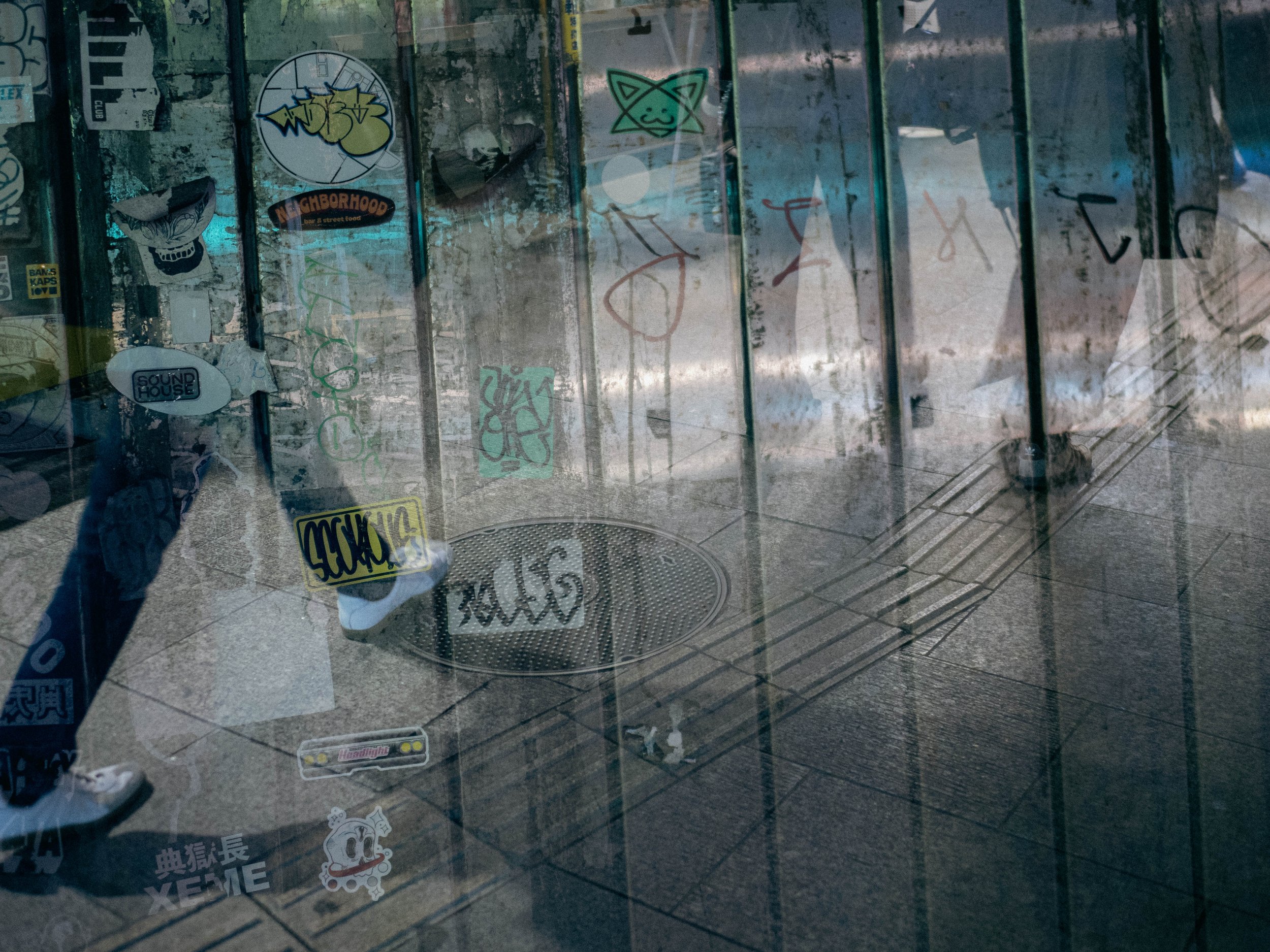
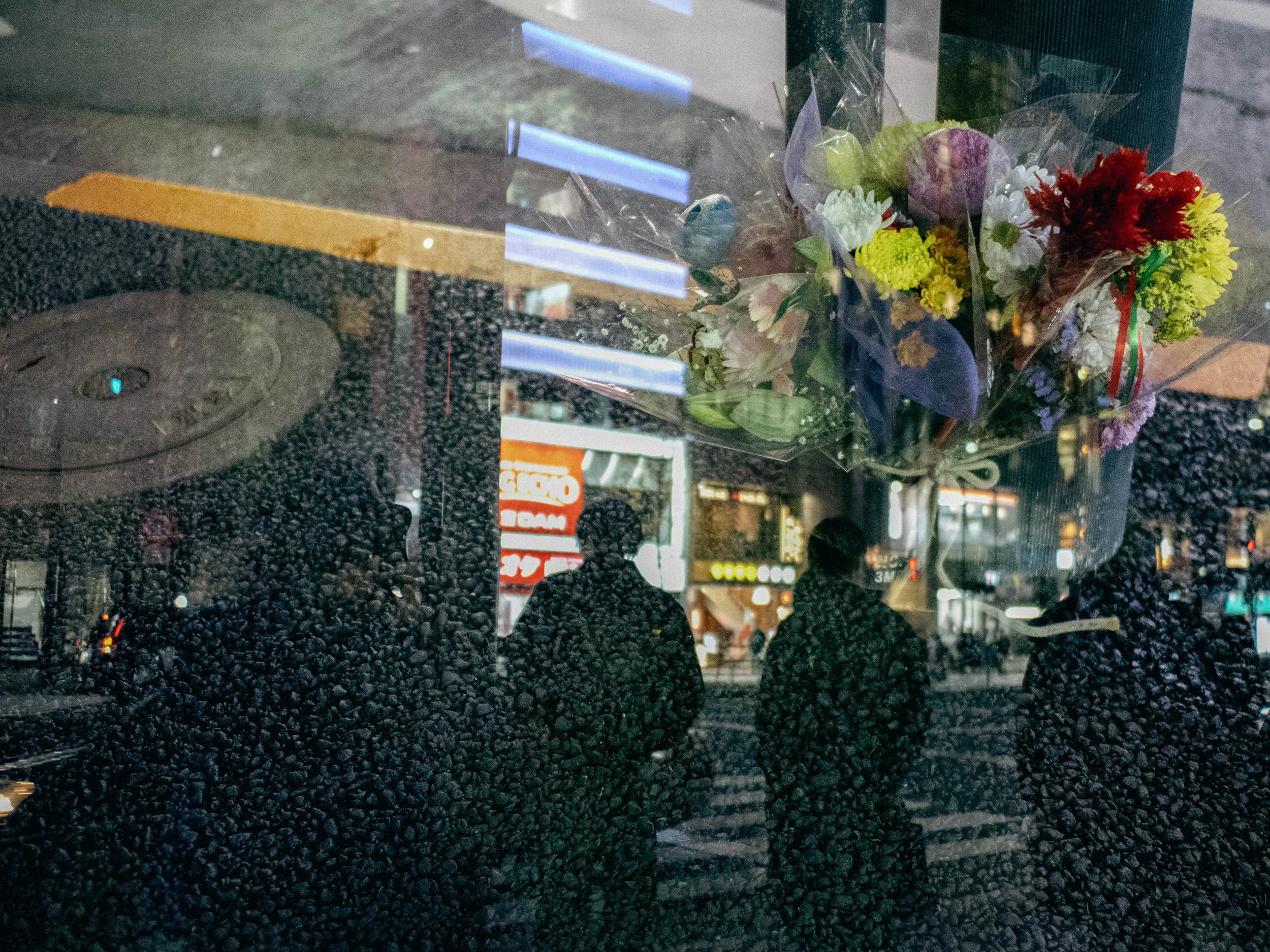
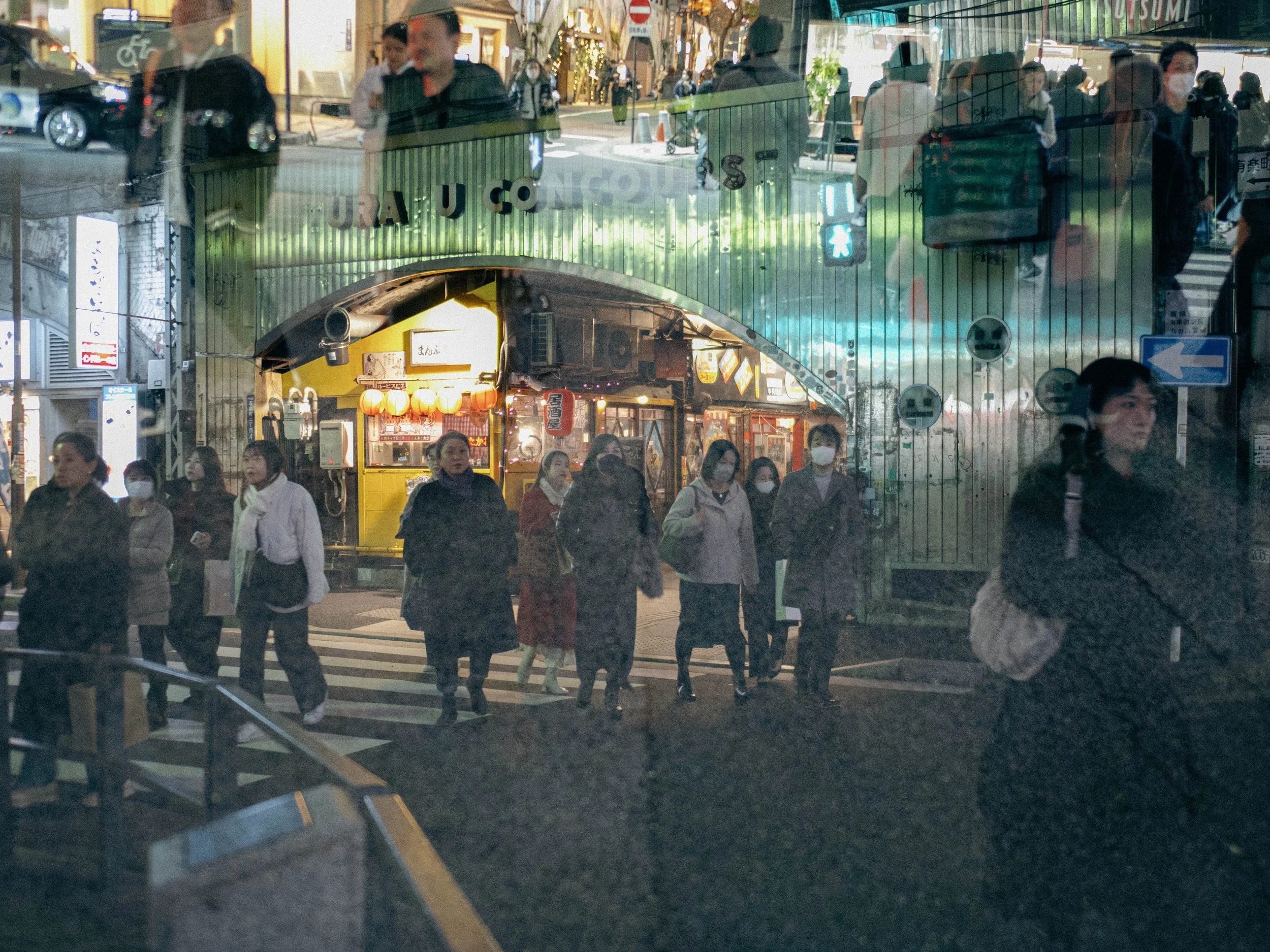
Of course I can’t blame the gear.
As you may have guessed already, Richard was using almost the exact same setup as me. The OM 20mm 1.4, not on an OM3, but on his OM1 mark ii.
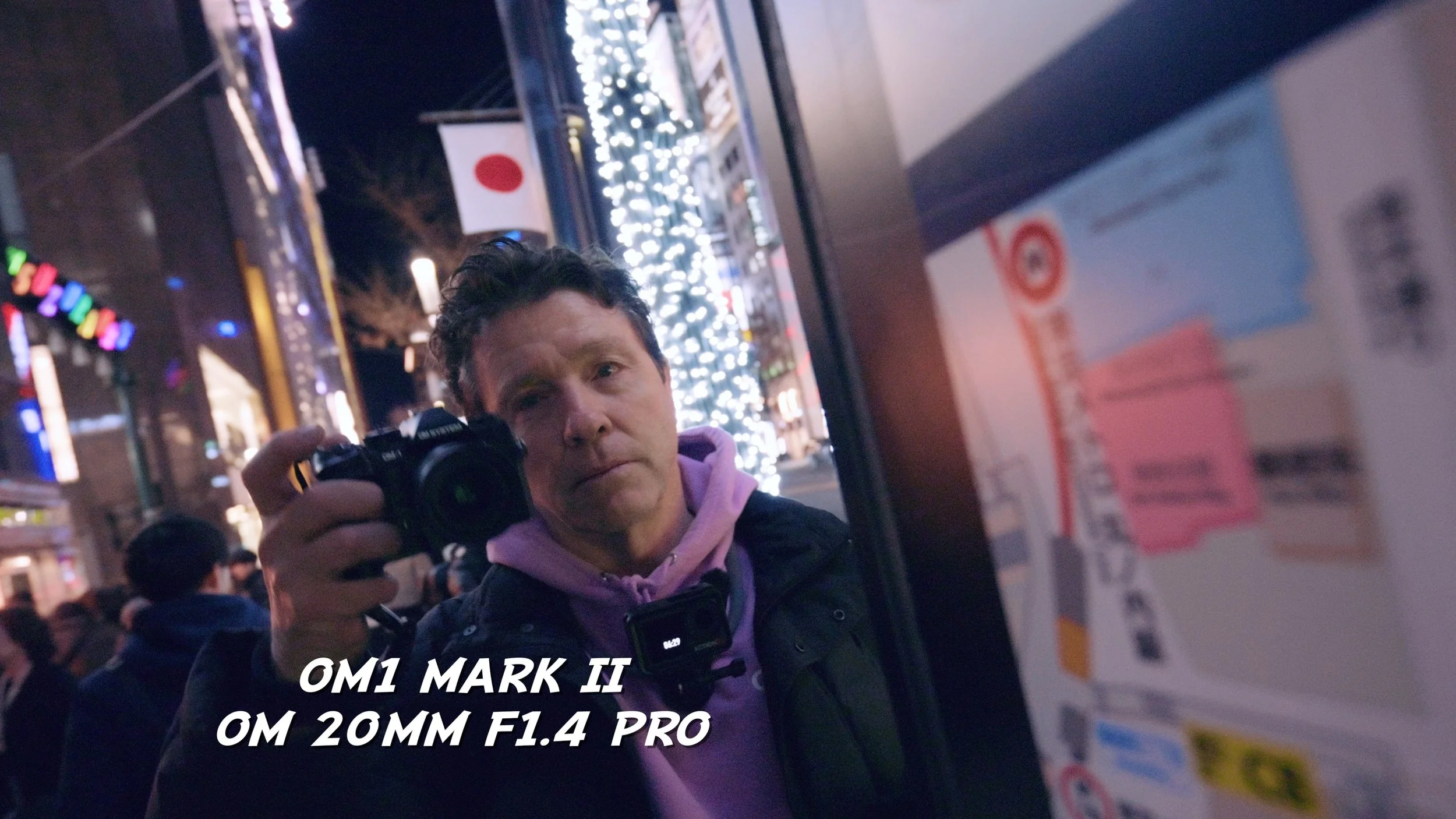
You can find out more about Richard’s work via his:
Website: https://richardstewart.pixpa.com
Workshops: https://geni.us/richardstewart
YouTube channel: https://www.youtube.com/@richART_Japan
No flagship feature could “save me” from my inability to get composites in that moment.
The only flagship feature that might help? Image quality.
Combining two frames tends to lead to overexposure - a super flexible RAW file with amazing dynamic range could help in post. Micro four thirds isn’t known for the best dynamic range, but this doesn’t seem to be the priority of flagship cameras for the past 10 years either?
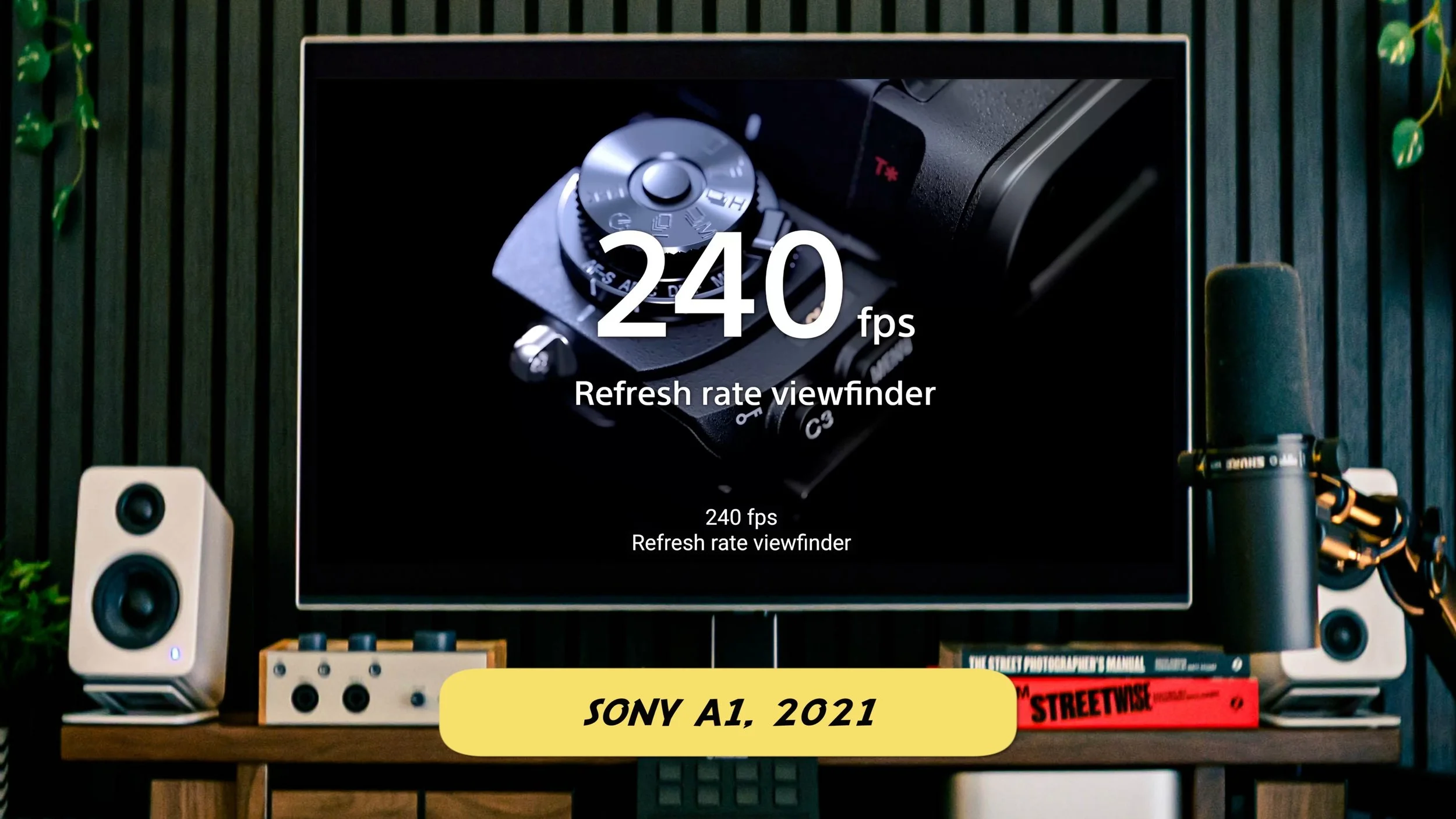
In 2021 Sony released the A1, Nikon released the Z9 - both high-res 45 to 50 megapixels, and high speed anywhere from 30 to 120 frames per second. Speed is the feature brands have decided translates across the most genres of photography.
The catch? A hit to dynamic range by going with the fully stacked sensor design.
A trend that worsens when the sensor speed increases.
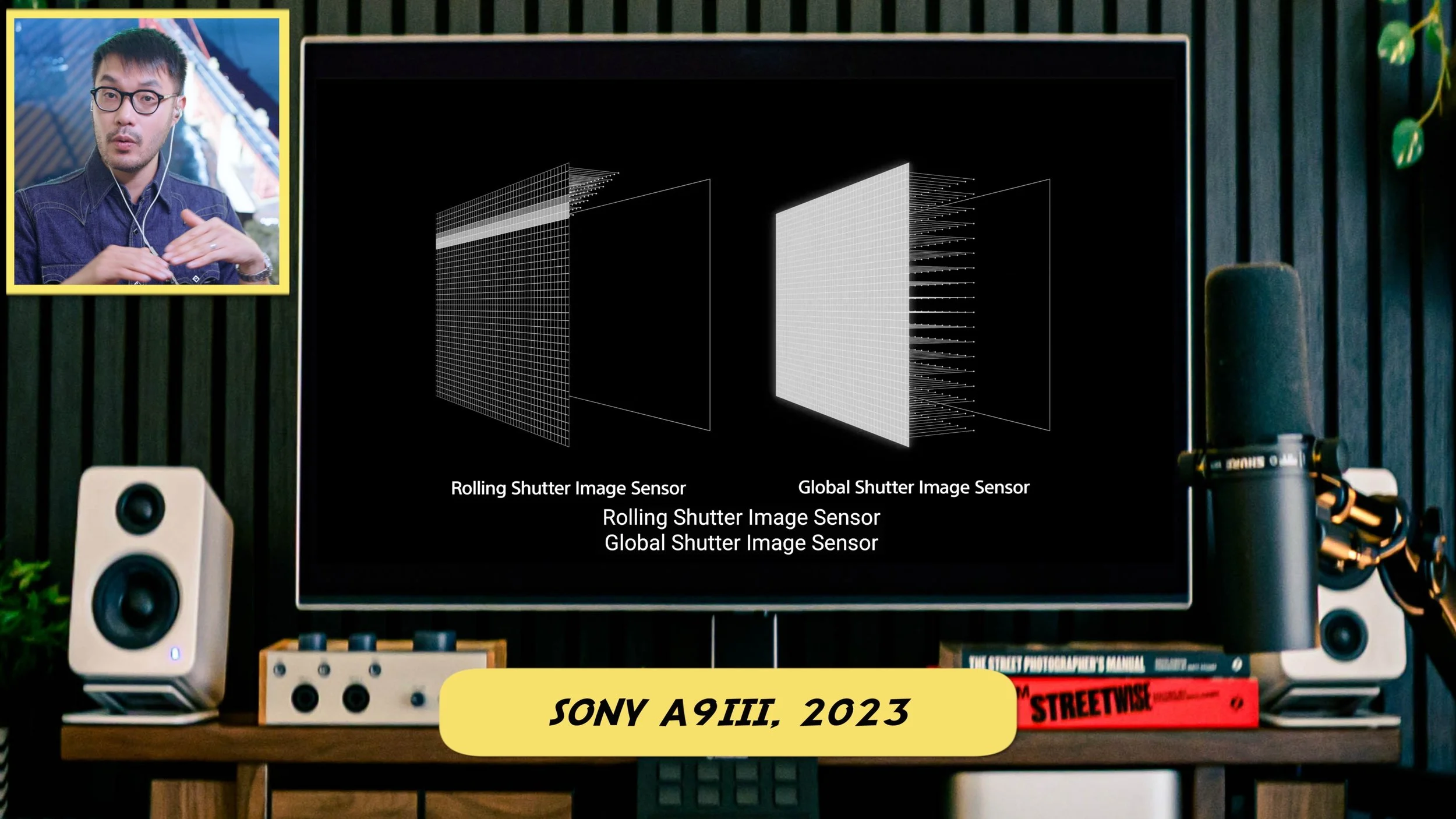
We see this with the global shutter sensor in the A9III, released in 2023, amazing tech, no lag whatsoever in pixel readout speed, but a significant compromise in dynamic range.
If we could go back in time, tell all the brands R&D to focus on image quality over speed.
I wonder where today’s flagships would be?
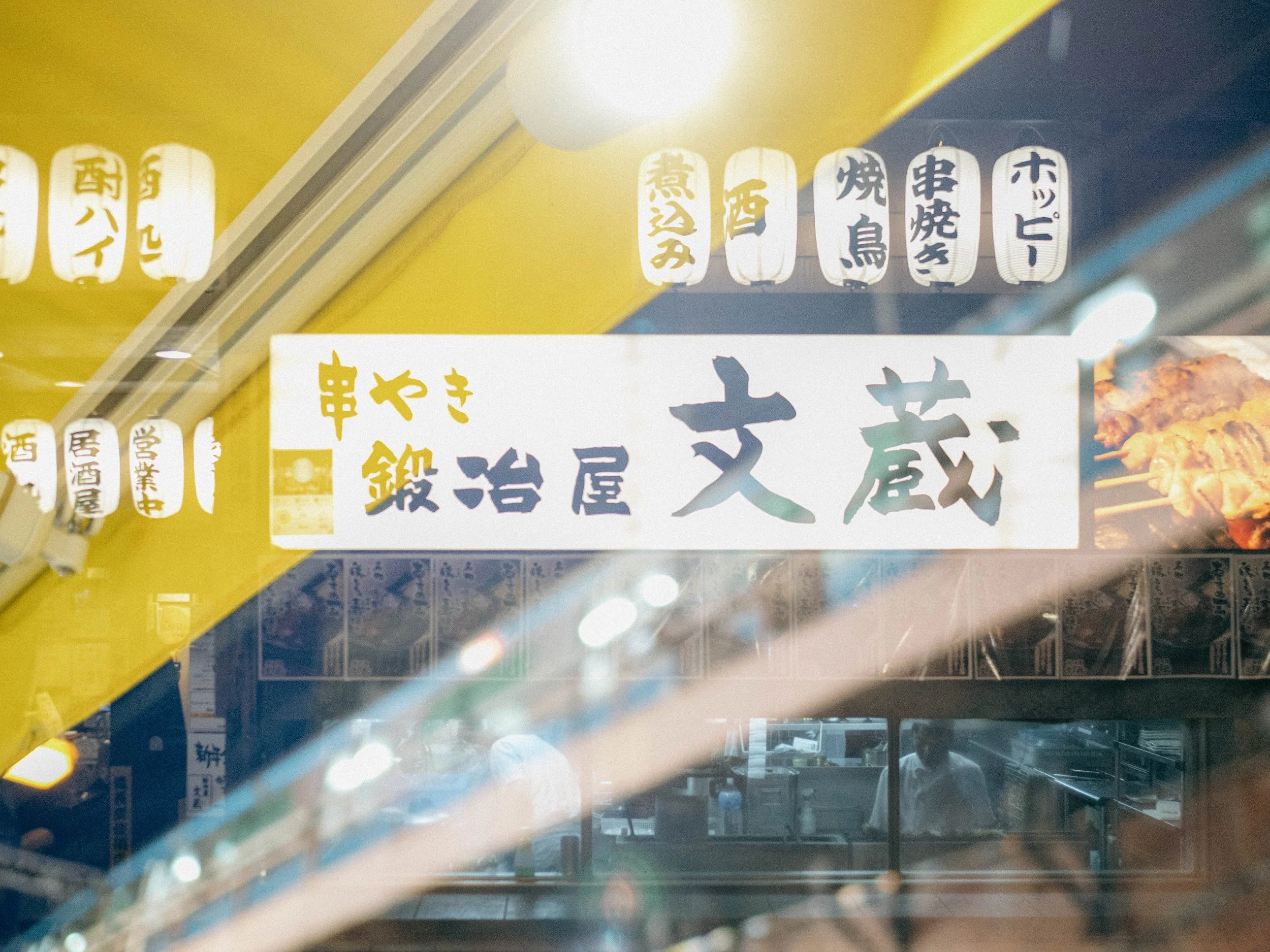
Back to me in Yurakcho, struggling with composites - until finally I found a composite style that works for me.
This is a surrealist look, a bit like time travel, I picked a subject then overlayed two images of them walking through a scene. If the subject moves but the scene doesn’t change it looks a bit like they teleported across the frame. This works well on the OM 20mm f1.4 Pro, the scene is wide enough to follow a subject moving through it across 2 separate frames.
I plan to use this technique at home, to make old streets look a little more interesting.
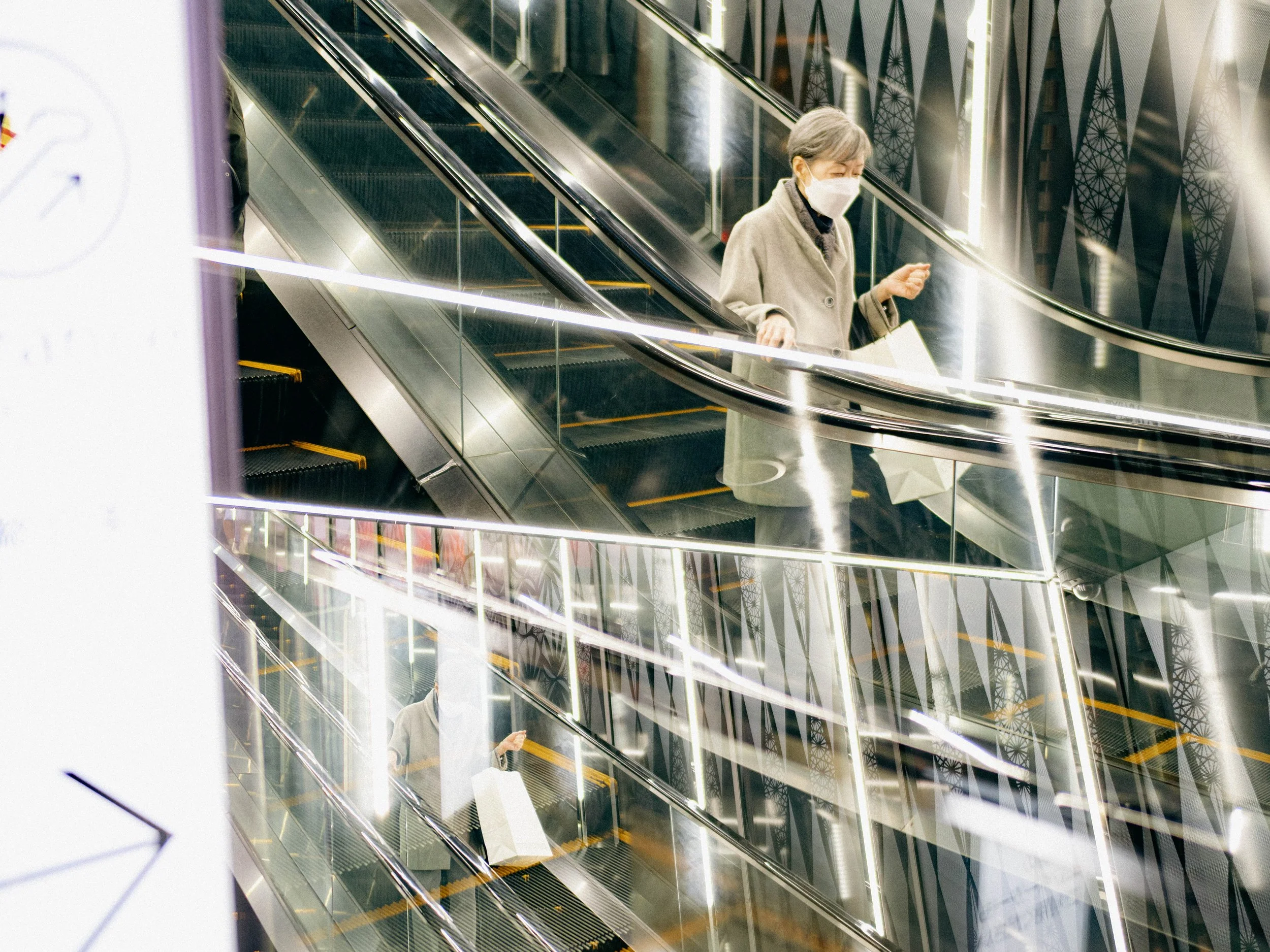
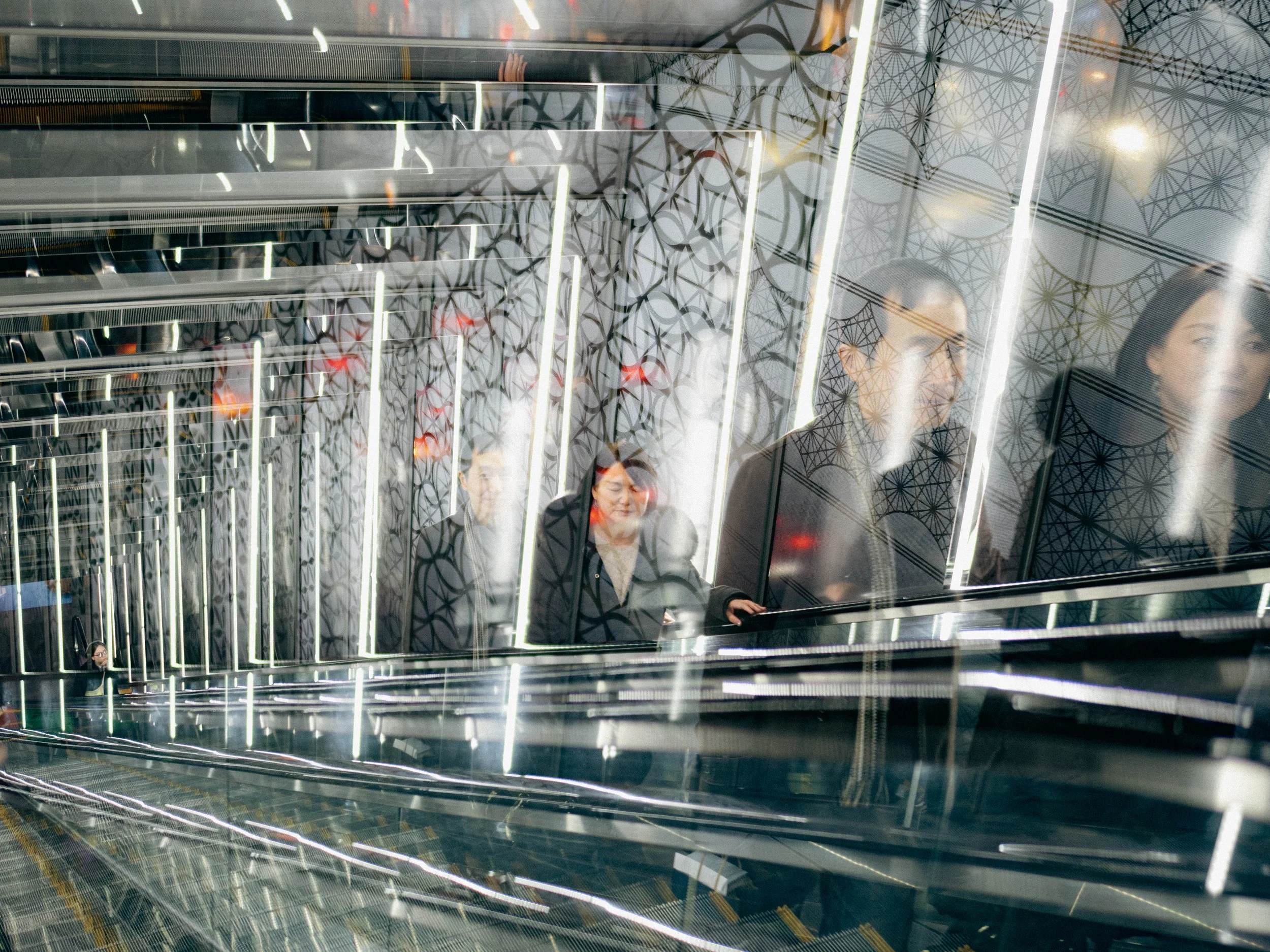
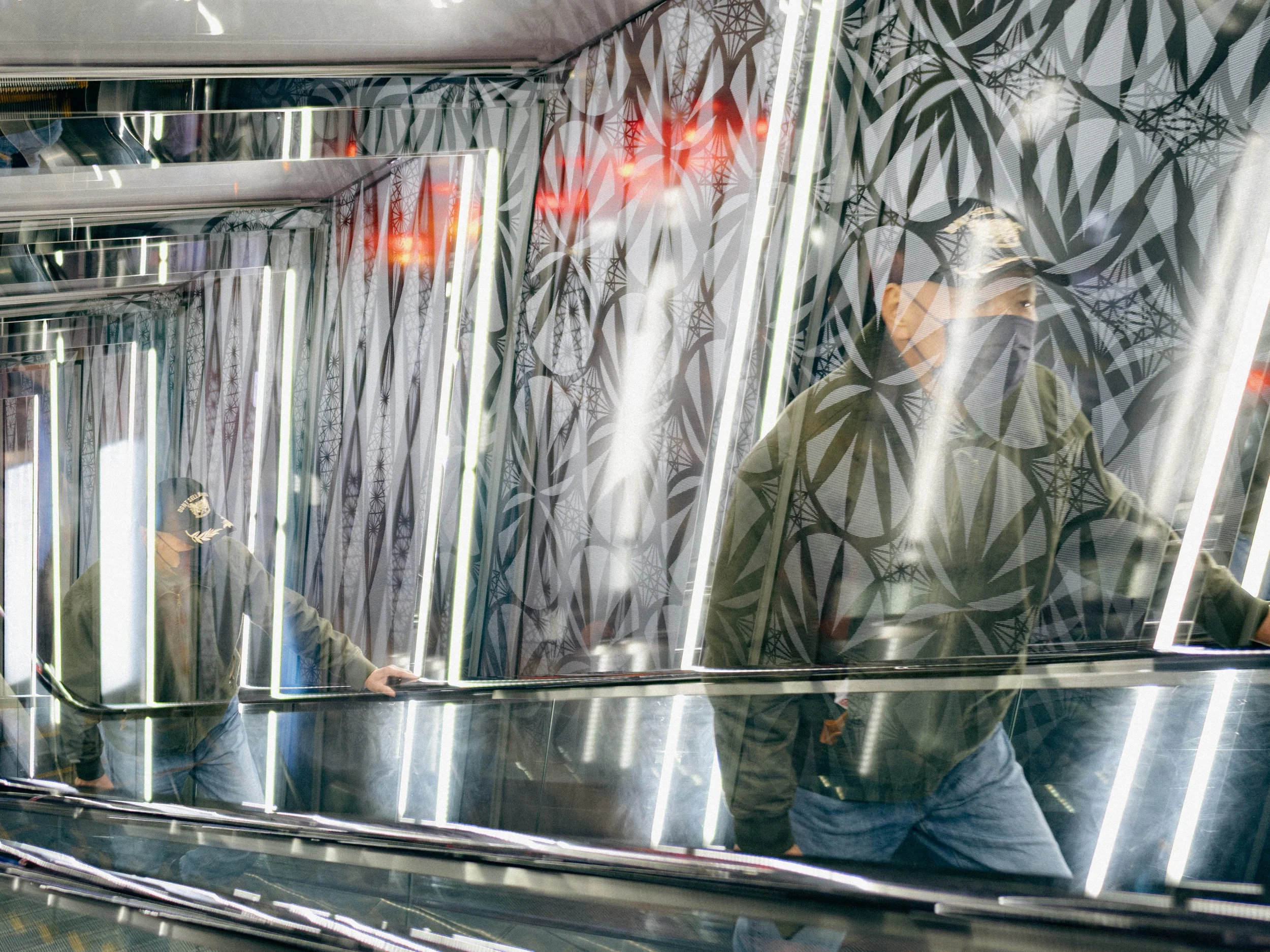
By this point I was tired, creatively spent.
I said bye to Richard, was ready to head to bed.
At the last minute though I decided to give composites one more crack, and head to one last Tokyo district (again):
Again I tried to use a tighter focal length - the Sigma 56mm f1.4 can only get a couple elements in frame.
I tried to simplify the scene as Richard told me. Turning Auto-gain ON, the OM3 levels out the exposures when combining both frames (the “dehaze” tool in Lightroom works well for this too).
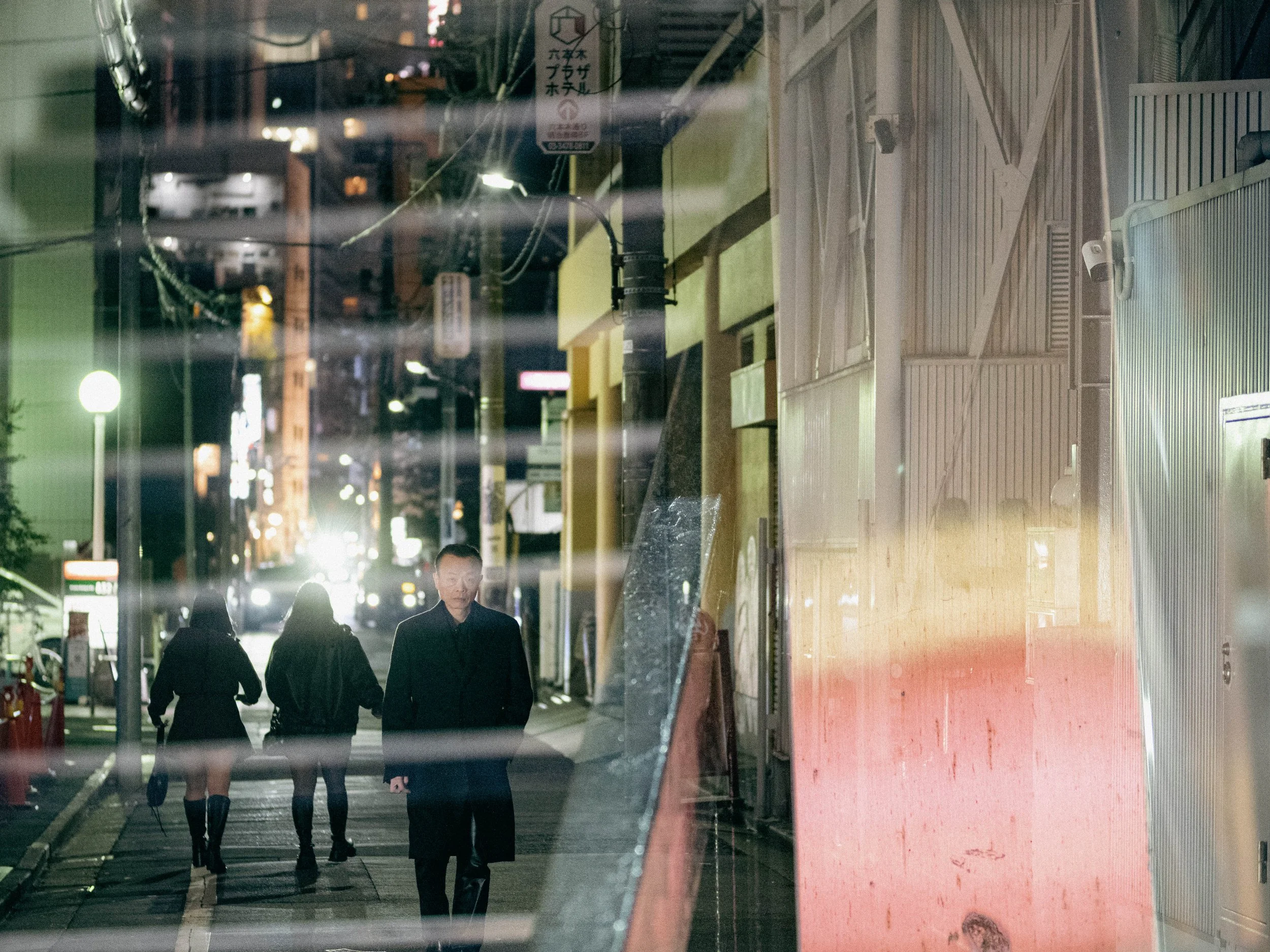
I like this man staring at me juxtaposed against these lights.
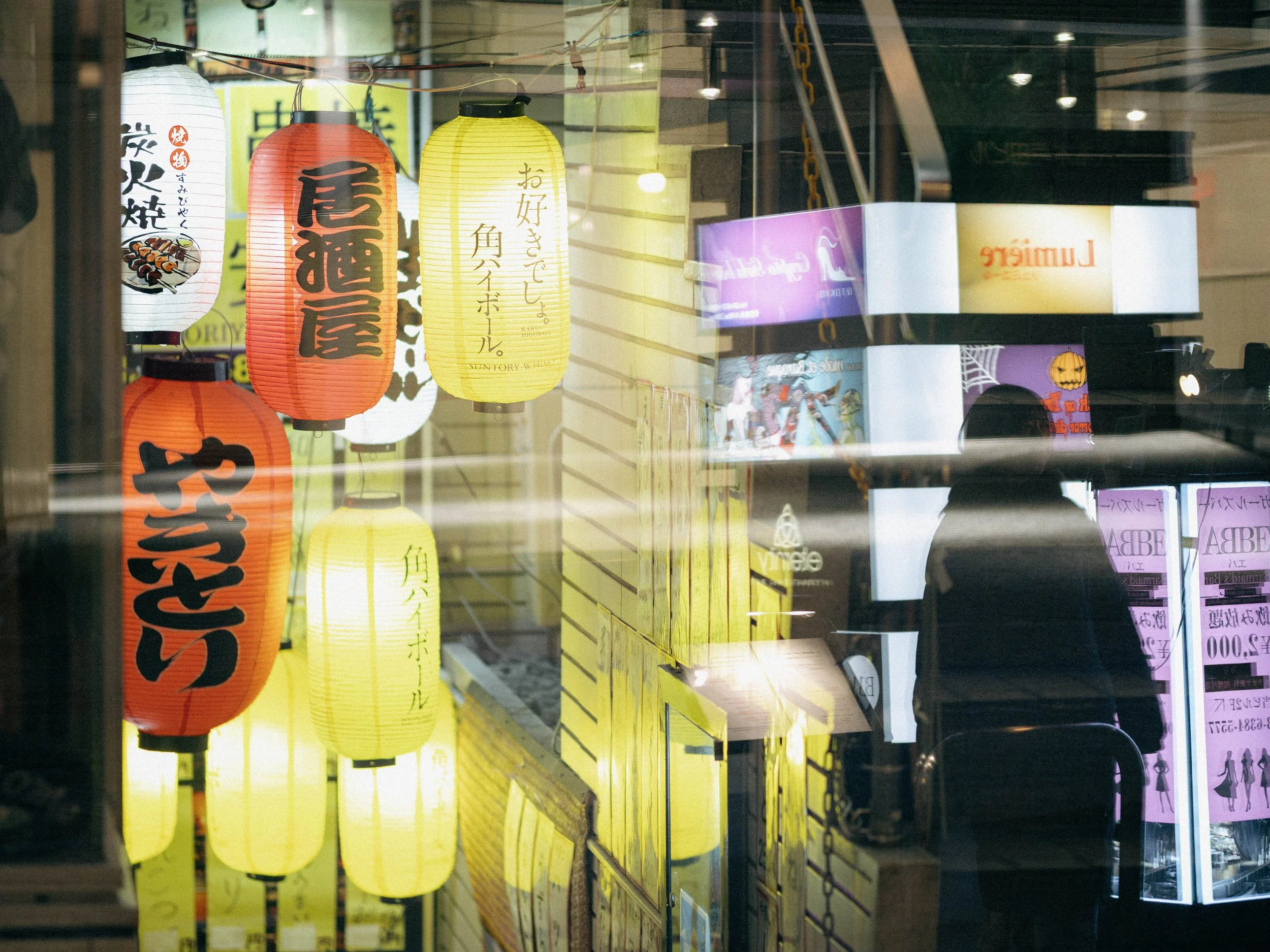
I like these lanterns next to this store-front assistant
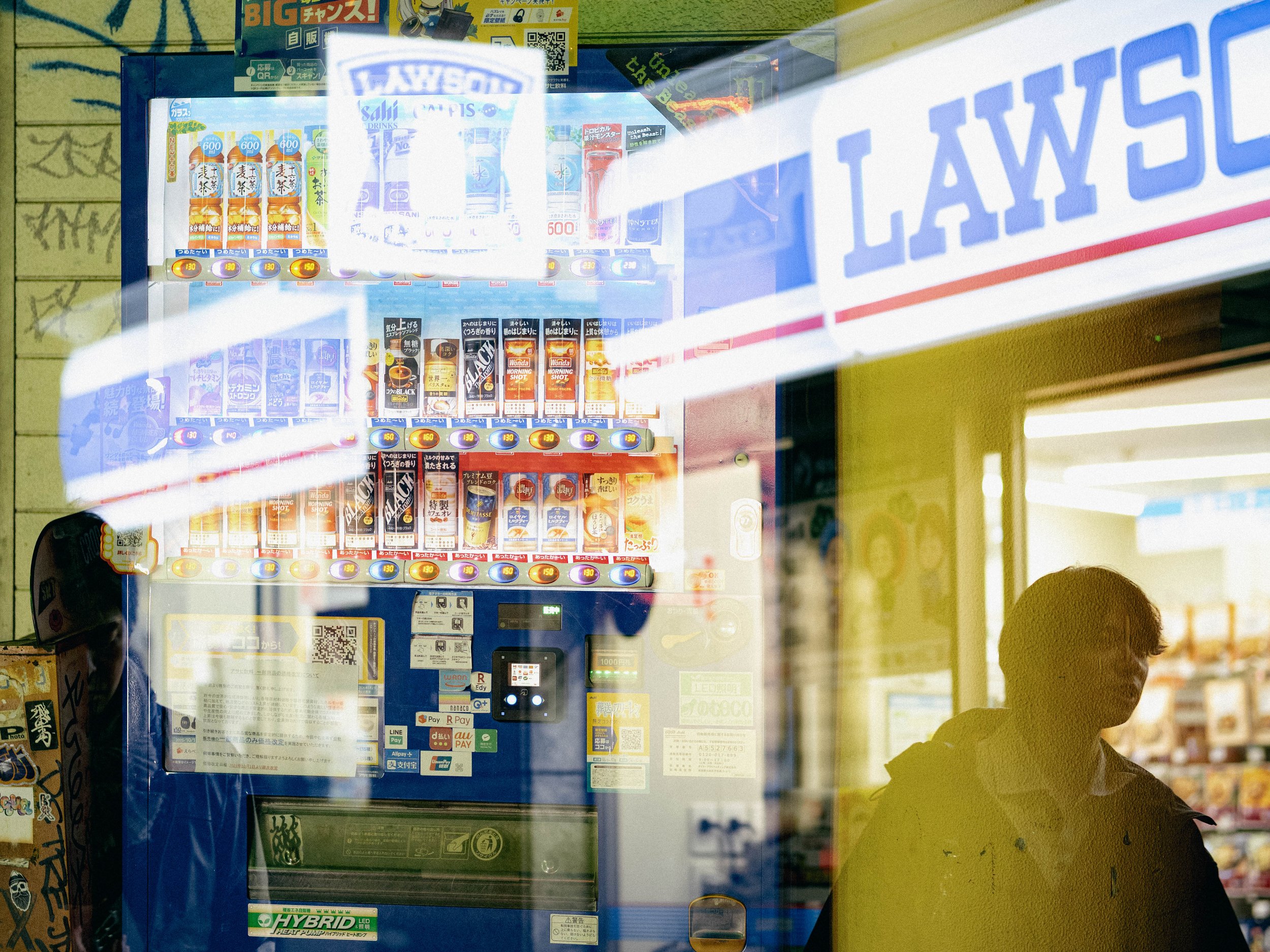
I didn’t mind the Lawson sign overlayed with a commuter walking beneath.
Thematically the images are connected.
I still need more practice.
***
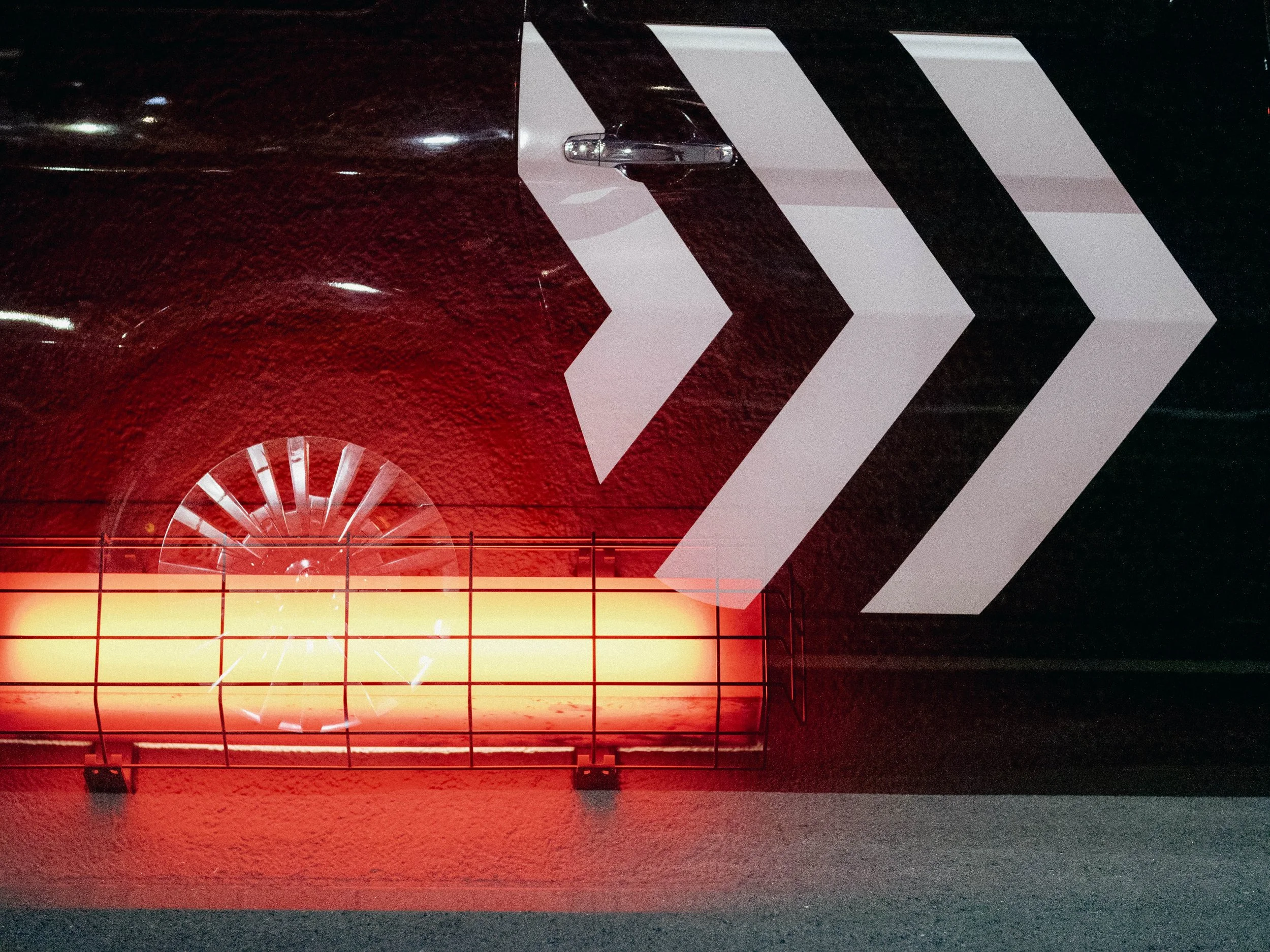
I’m impressed with how much tech is packed into the OM3.
How friendly it looks, my wife likes using it as a family cam too, but composites - the feature that changed my work the most is in any other camera?
Camera tech has peaked.
Rather than fully stacked sensors, since 2024 we’ve been getting partially stacked sensors - Z6III, S1II, A7V. Not as fast, but the dynamic range hit seems to be improved when using the mechanical shutter, at least on the S1II and A7V so far.
When innovation slows, the industry will try other things - retro form factors, massive LCD, hopefully the trend towards smaller bodies sticks. But knowing what’s at the peak makes your next decision easy.
Book a trip overseas, sign up for a workshop, try out a new camera setting.
Rather than flagship features that’s what’ll change your photography.
Happy shooting everyone, talk soon.
Jack.
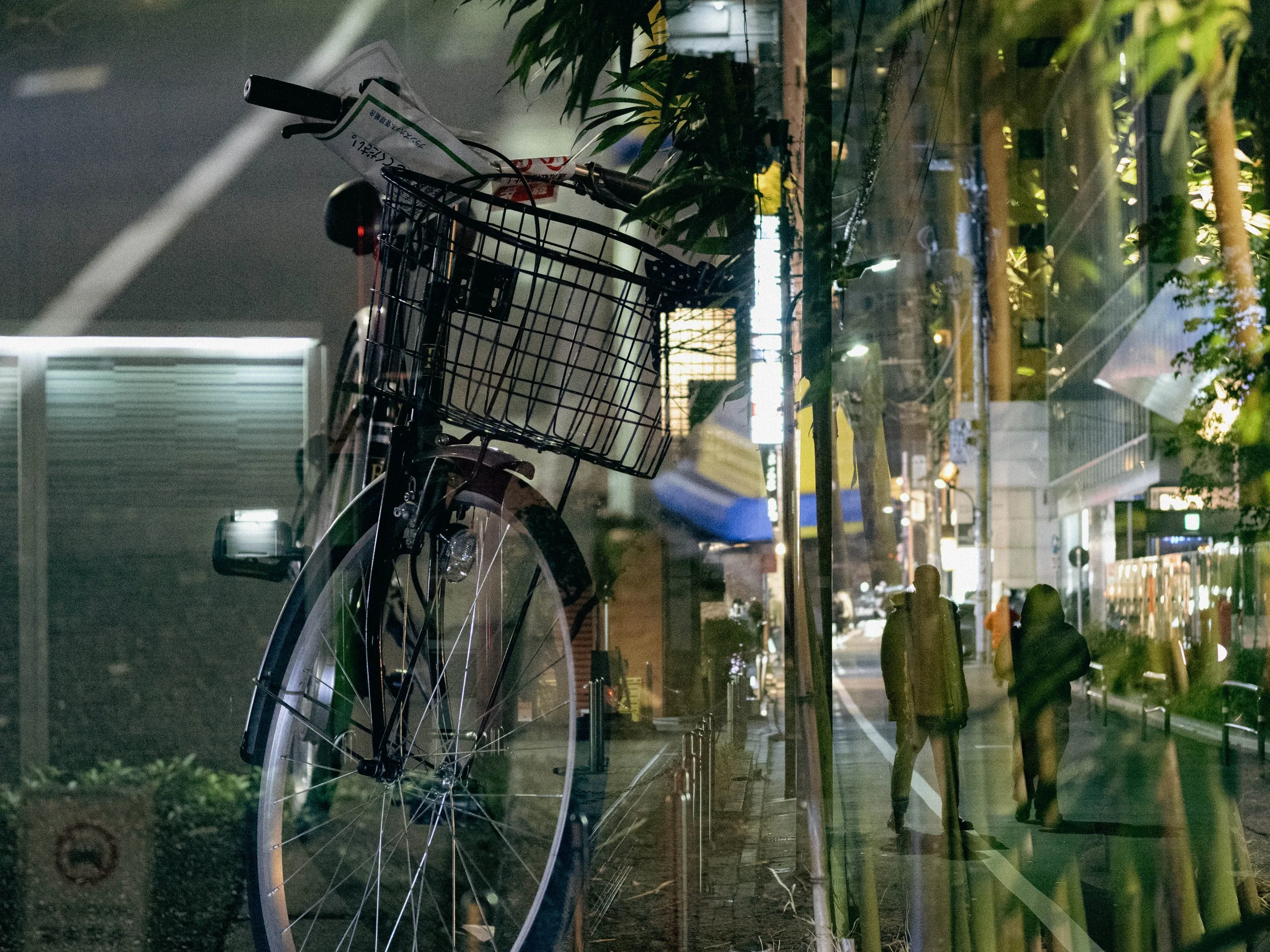
All my sample images (not the ones taken by Richard) in this blog post were edited from RAW files using my free Chrome emulation preset. They work with most RAW files from different cameras as long as you use “Adobe Color” as the starting base. Download it for free here.
If you’d like to support my work please consider purchasing gear through my affiliate links:
OM 20mm f1.4 Pro: https://geni.us/Tn8DD
Sigma 56mm f1.4: https://geni.us/DxBWLA
Nikon ZR: https://geni.us/KH4uMvX
Wotancraft leather pilot slings: https://geni.us/m210n
Wotancraft leather pouches: https://geni.us/vzyZHq
Peak design leash: https://geni.us/TgJKVnu
You can find out more about Richard’s work via his:
Website: https://richardstewart.pixpa.com
Workshops: https://geni.us/richardstewart
YouTube channel: https://www.youtube.com/@richART_Japan