Nikon ZR + 28mm: 10,000 Travel Photos Later.
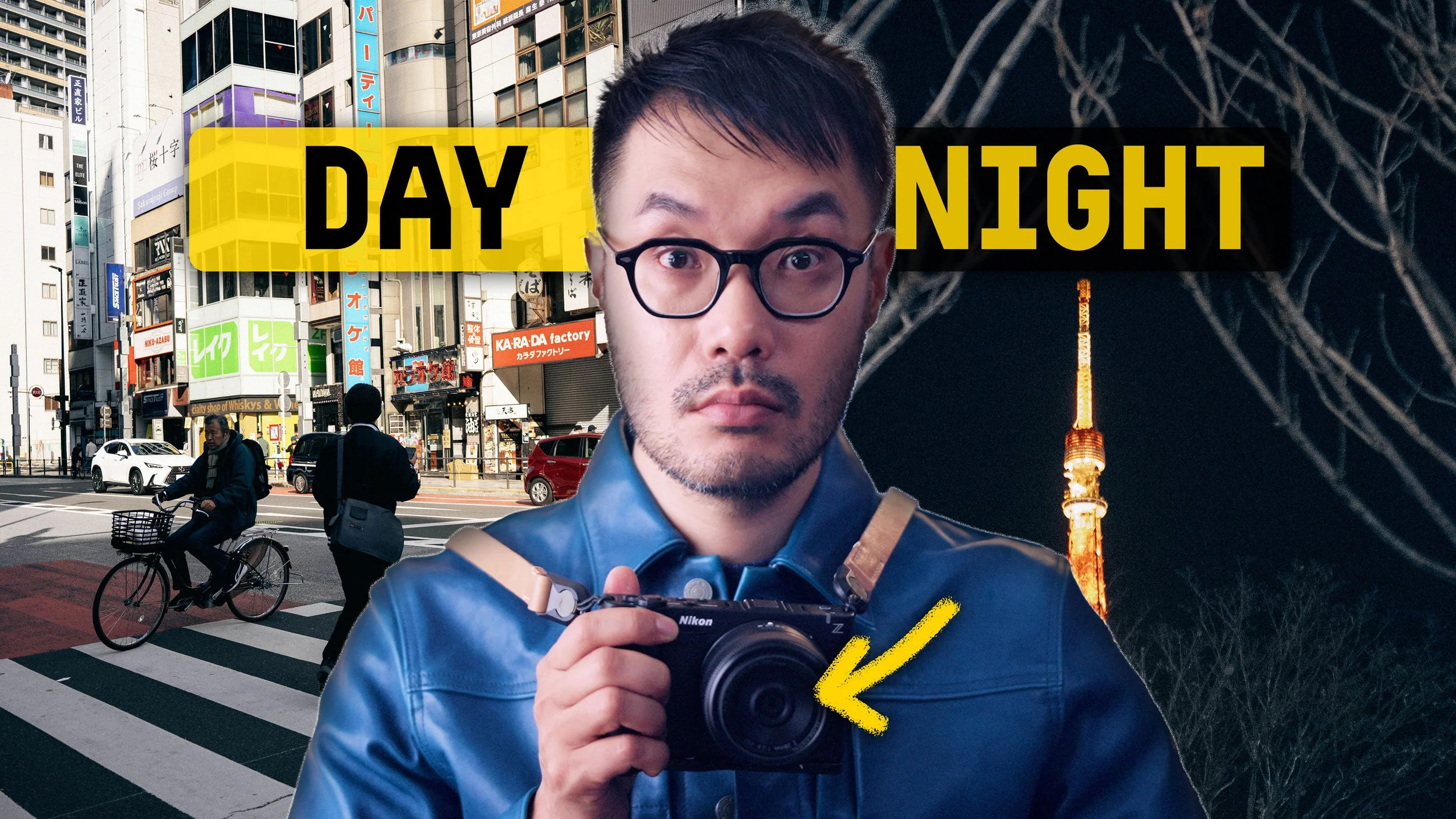
The ZR’s screen, shape, and speed kept me going.
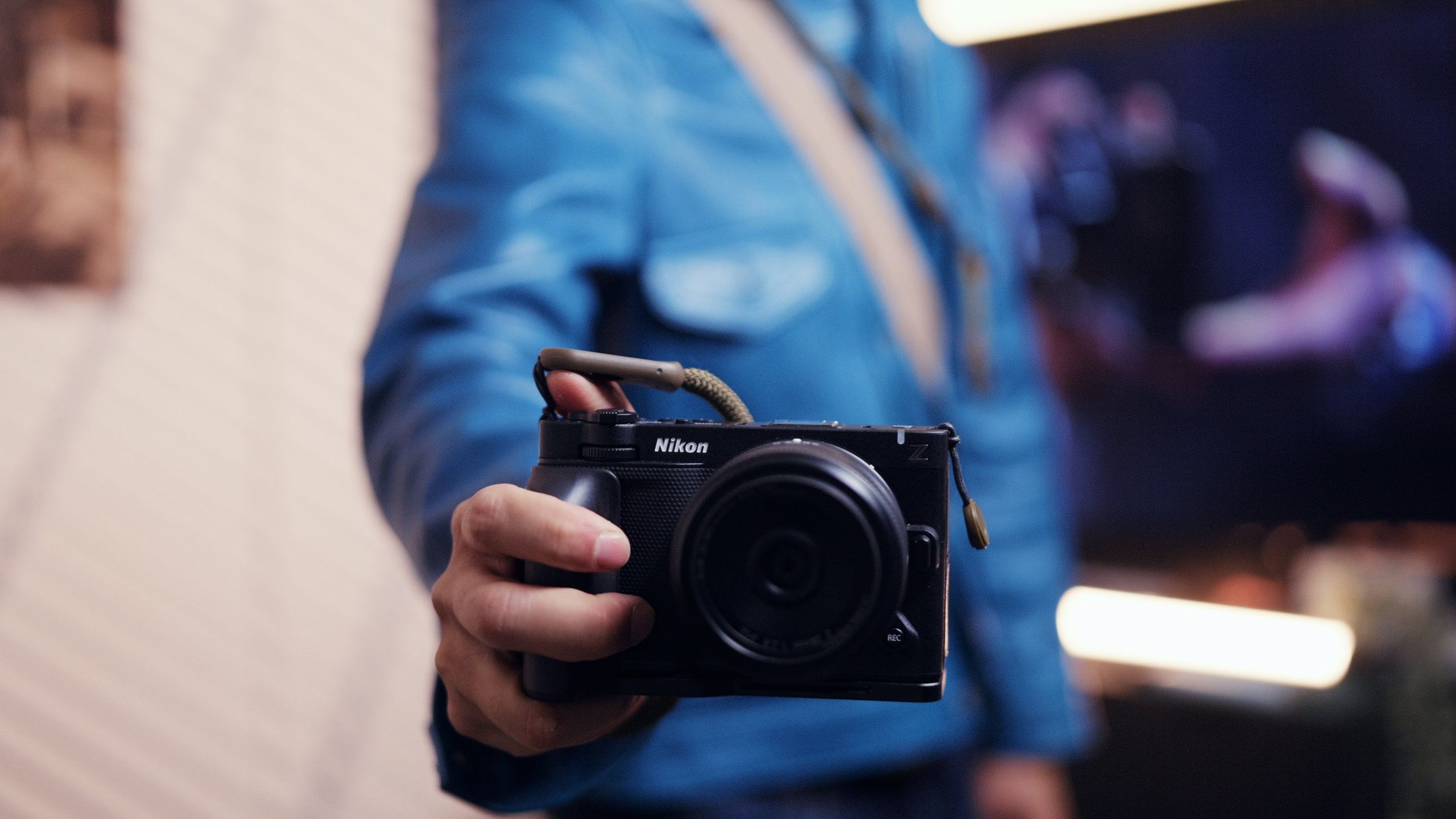
10,000 travel photos later I think 28mm matches this camera perfectly?
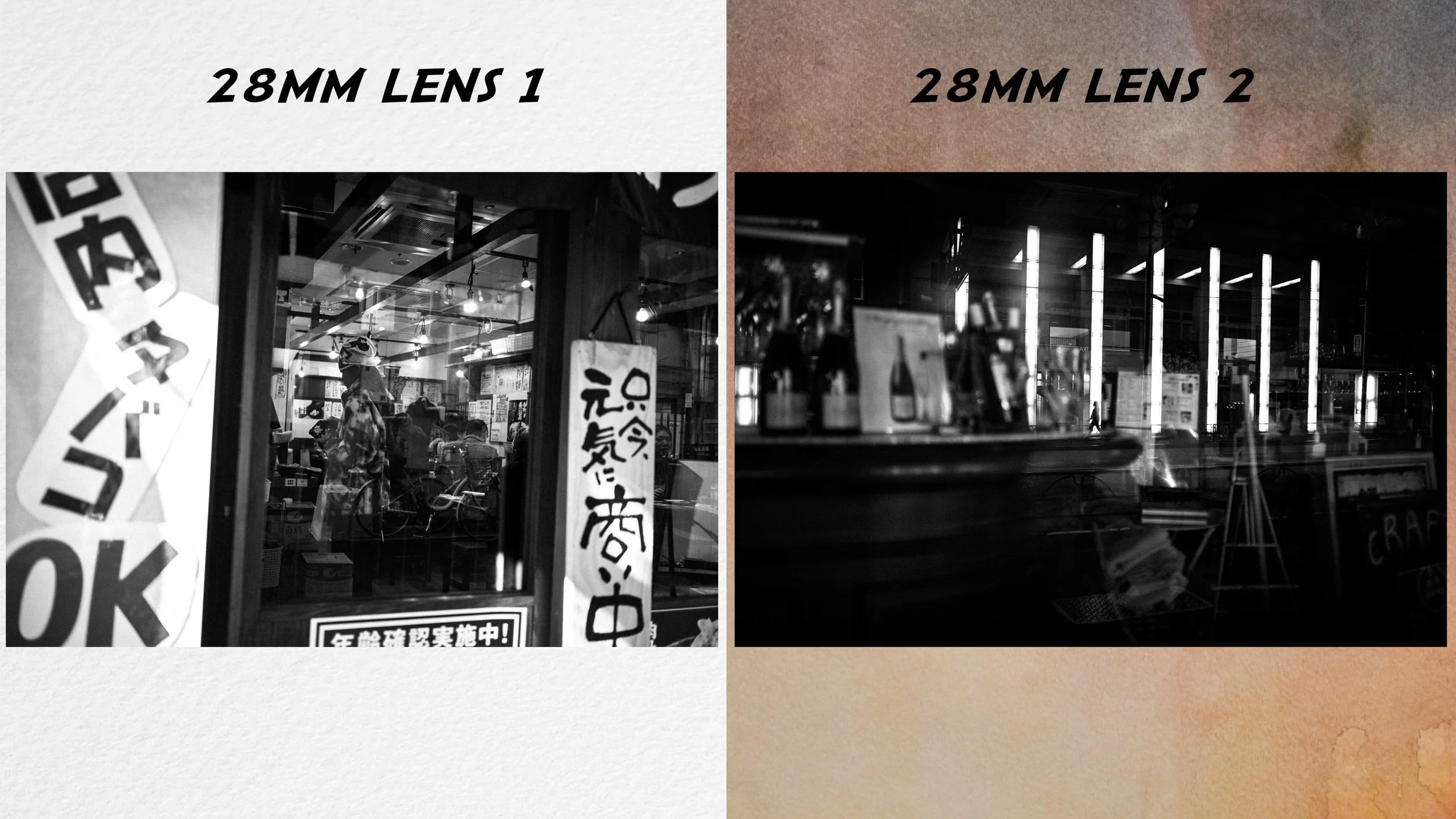
So much so on last my Japan trip I brought 2 - but how did the same focal length produce such different photos?
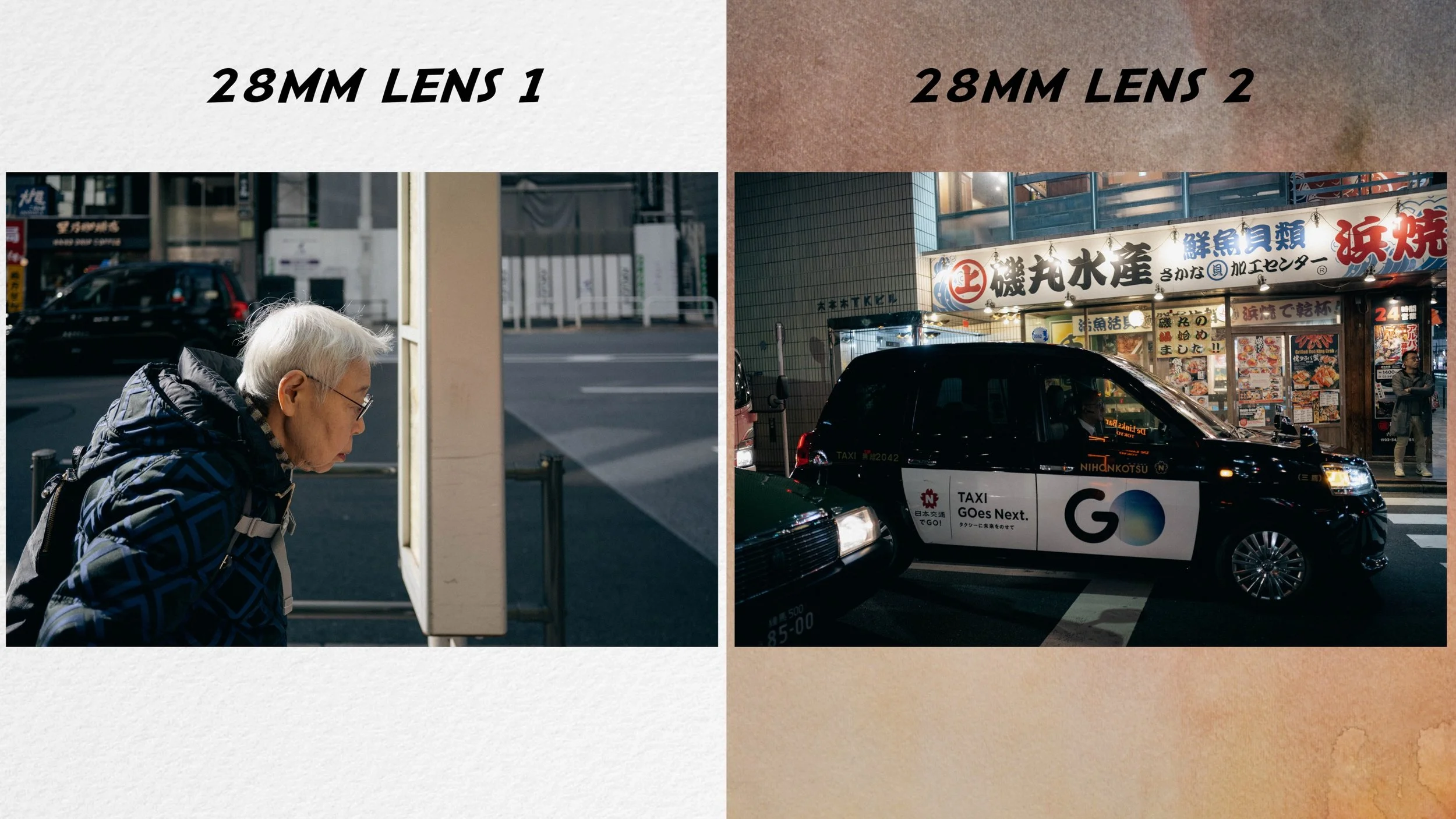
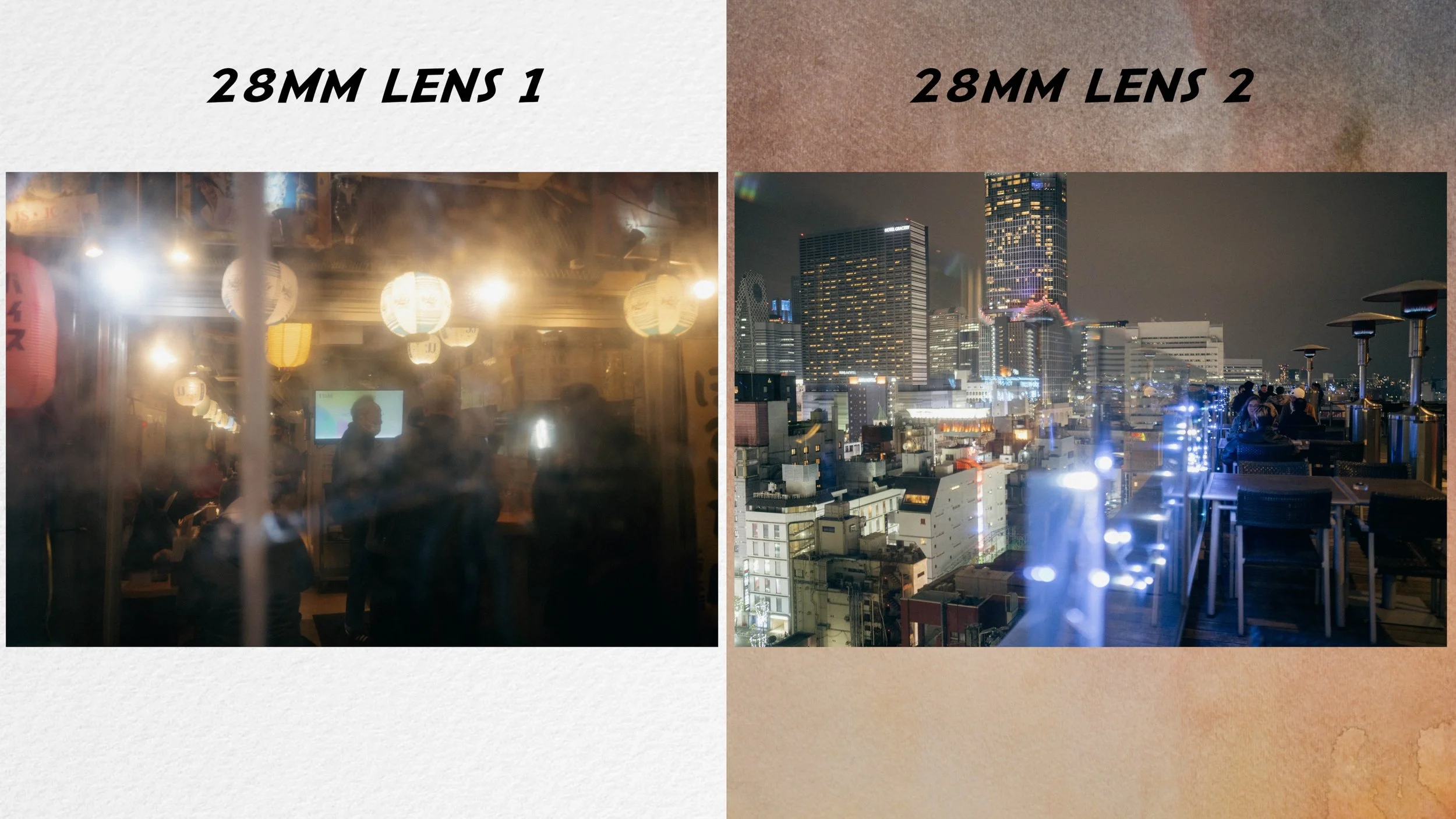
28 mm is unpredictable, just like the ZR.
Rather than waiting to feel inspired?
They force you to try something new.

The Nikon ZR’s design is new.
Massive screen, minimal buttons, the smallest full-frame Z.
Though it’s a video camera at heart Nikon should be commended for trying something new, and it did change the way I composed.
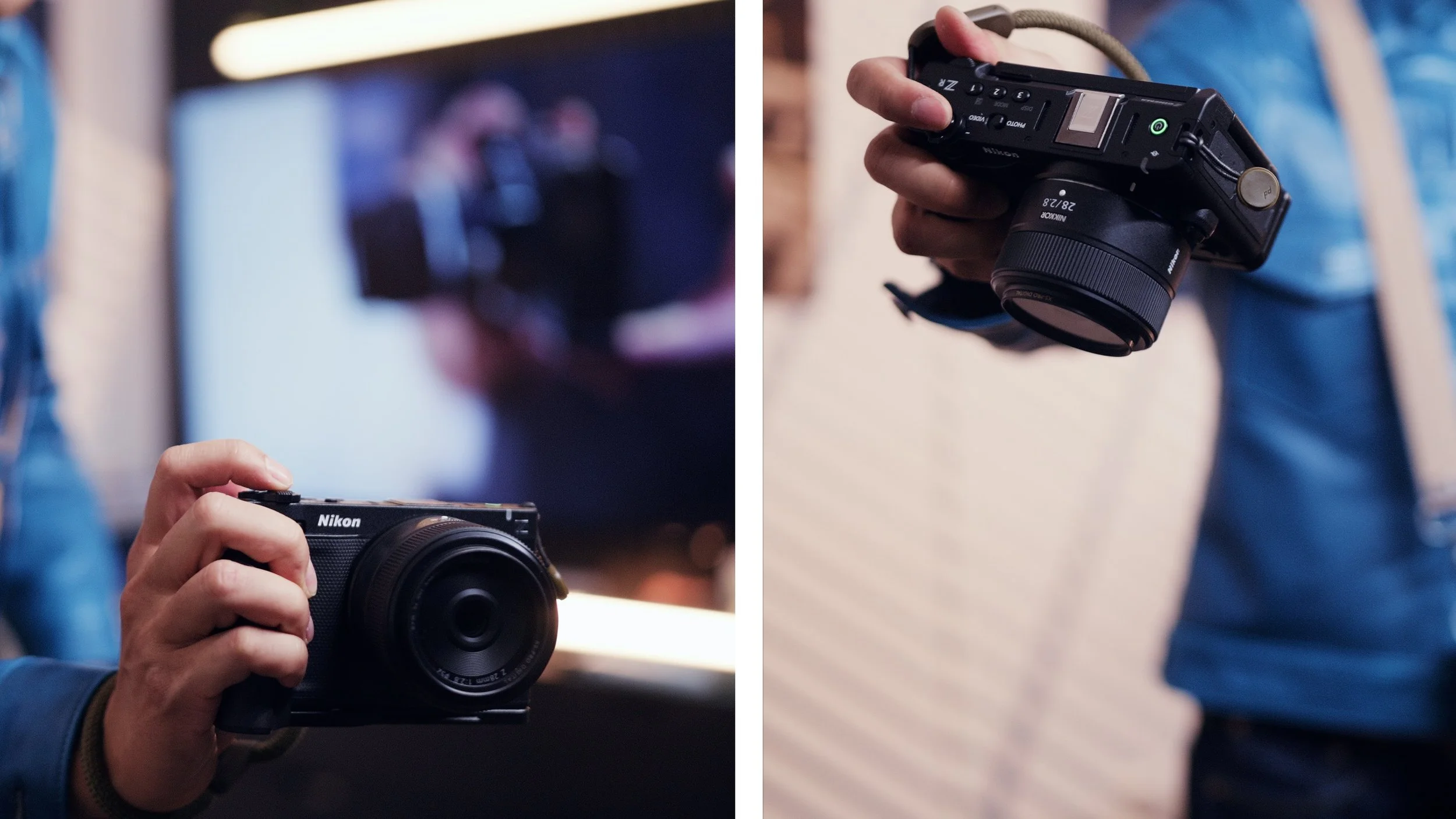
It can’t be my main photography camera though (I have 2 minor nitpicks) but for travel paired with 28 mm?
Almost perfect as I’ll show you in this “Day in the life in Tokyo”.
This isn’t an “instagram-worthy” 24 hours. No must-see sights, or “hidden gems”, just an in-between travel day.
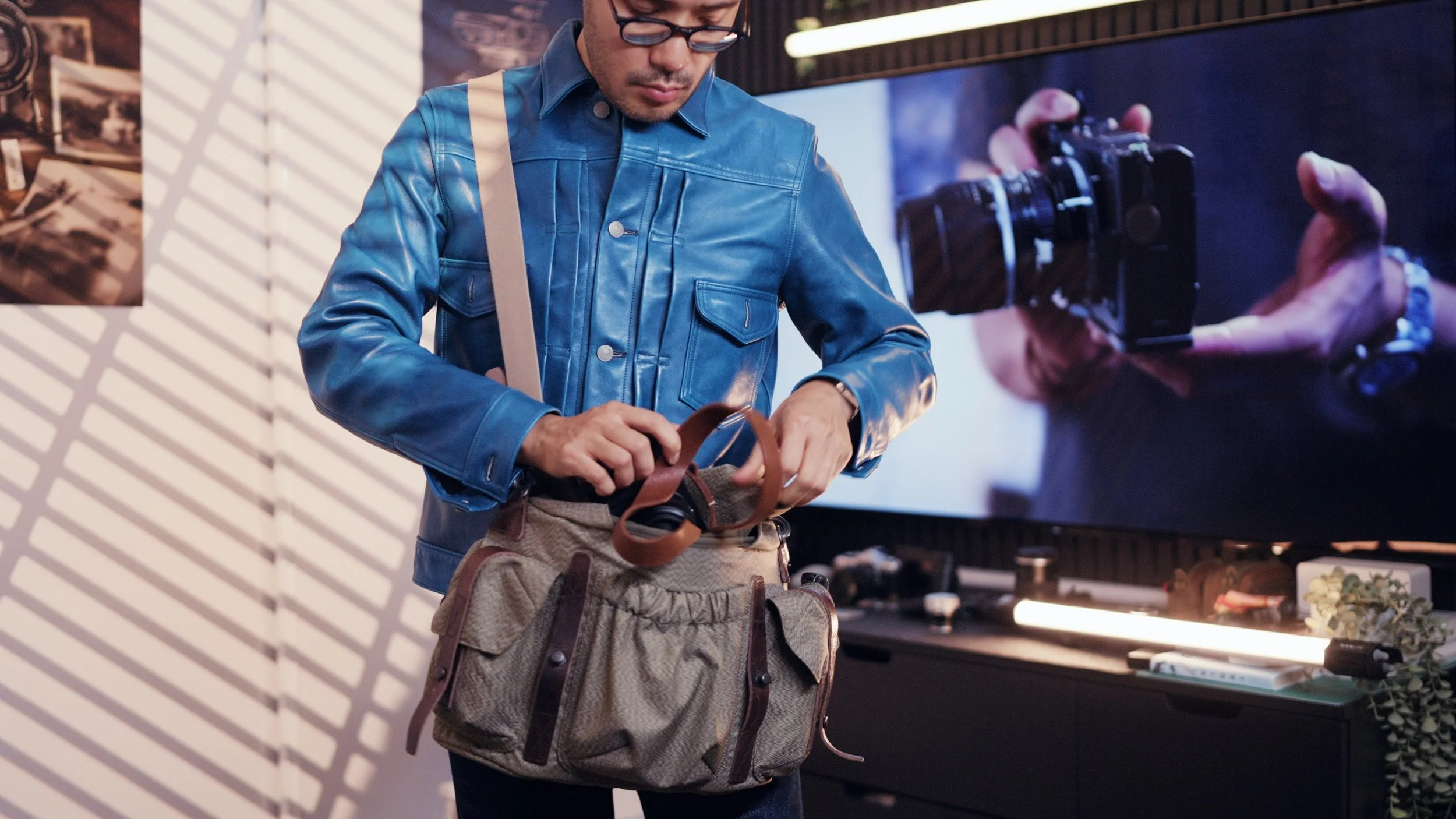
That’s no reason to put your camera away.
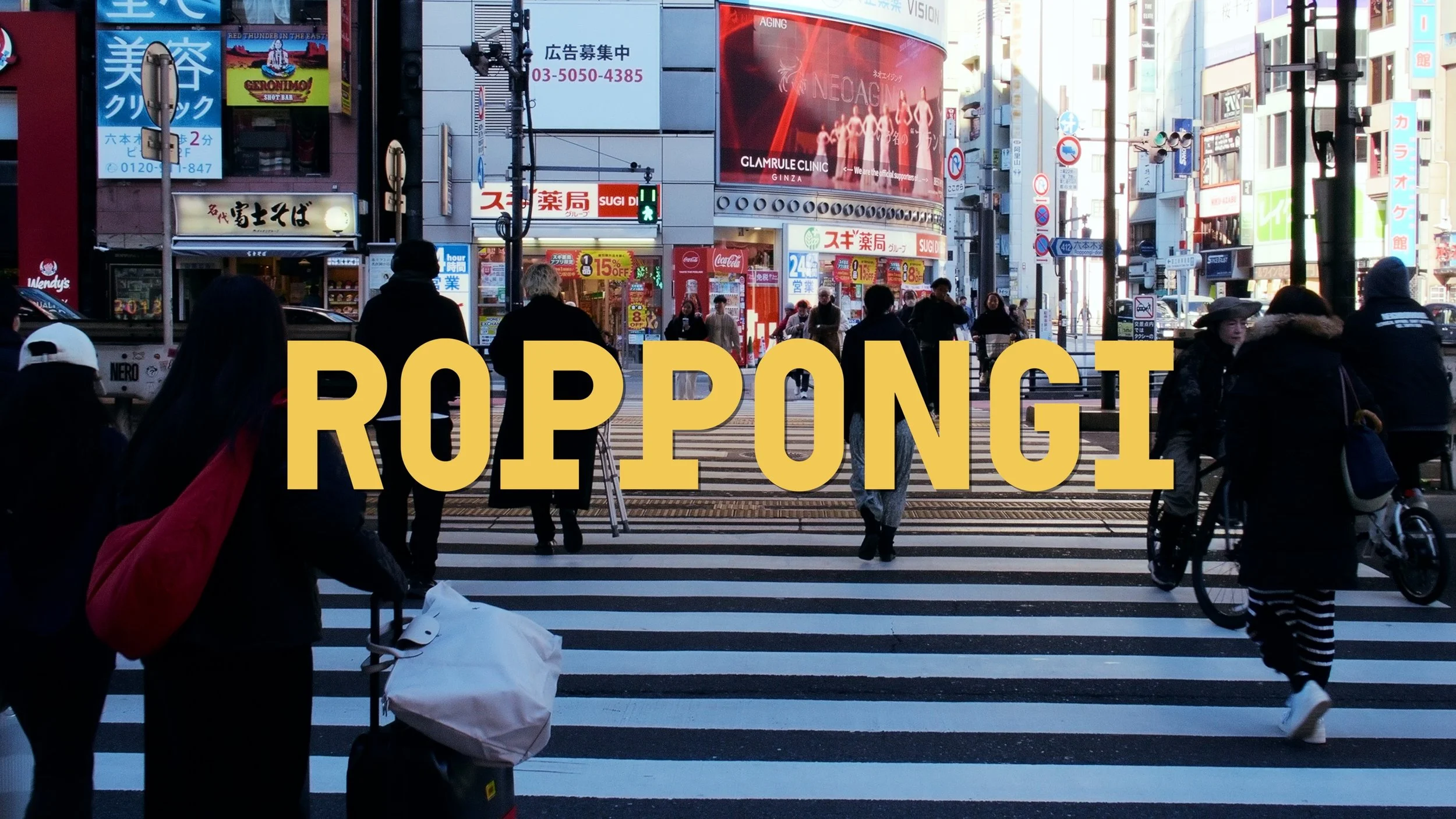
It started out at our hotel In Roppongi.
Packing up then posting our luggage (something I only trust the Japanese to do), picking up train tickets. It’s hard to feel inspired creatively. There’s nothing photo-worthy? Roppongi isn’t the most picturesque, it was overcast, rainy, very tempting to pack my camera away.
But making something out of nothing is where 28mm shines.
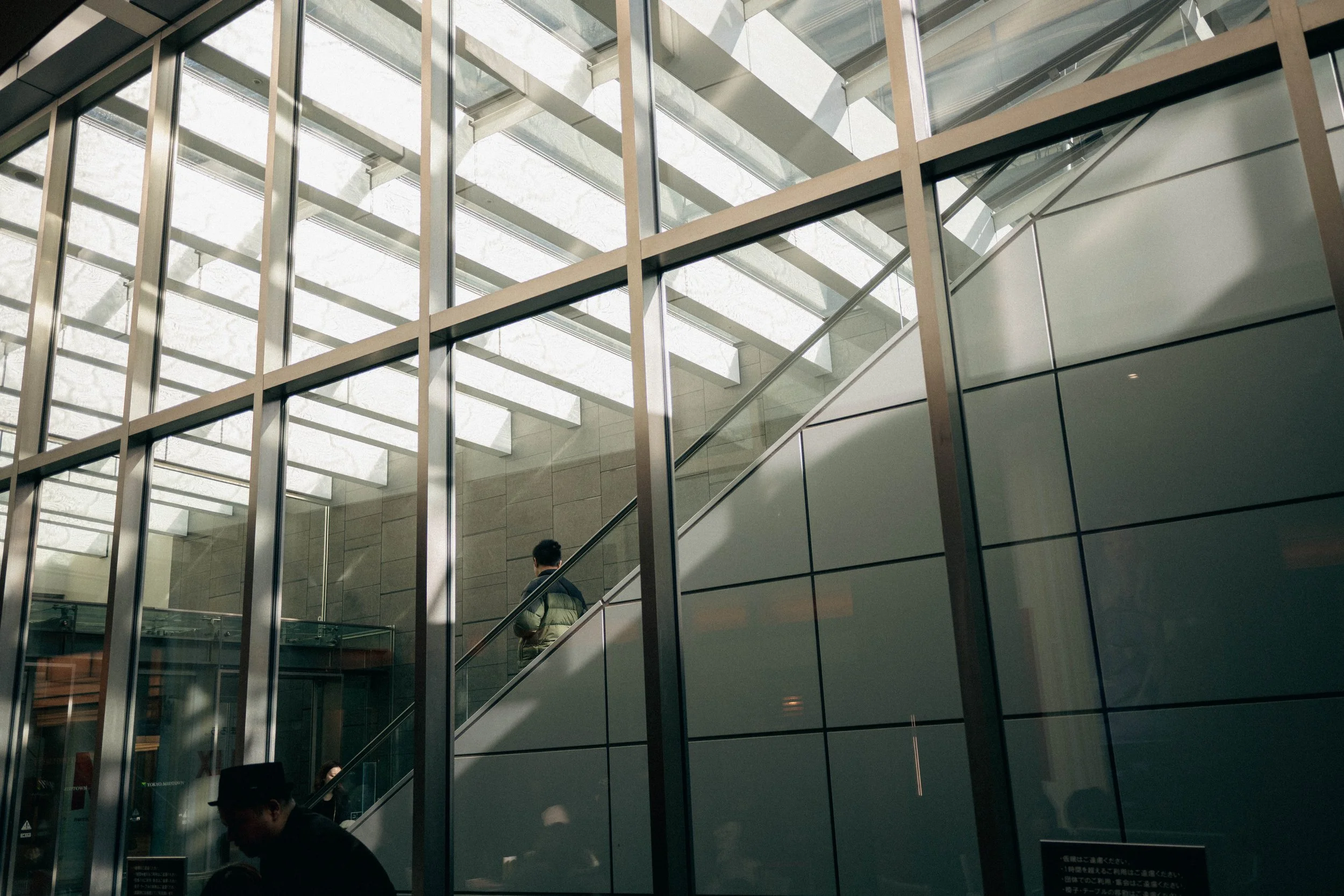
Leading lines? Easily exaggerated with a tilt of the camera.
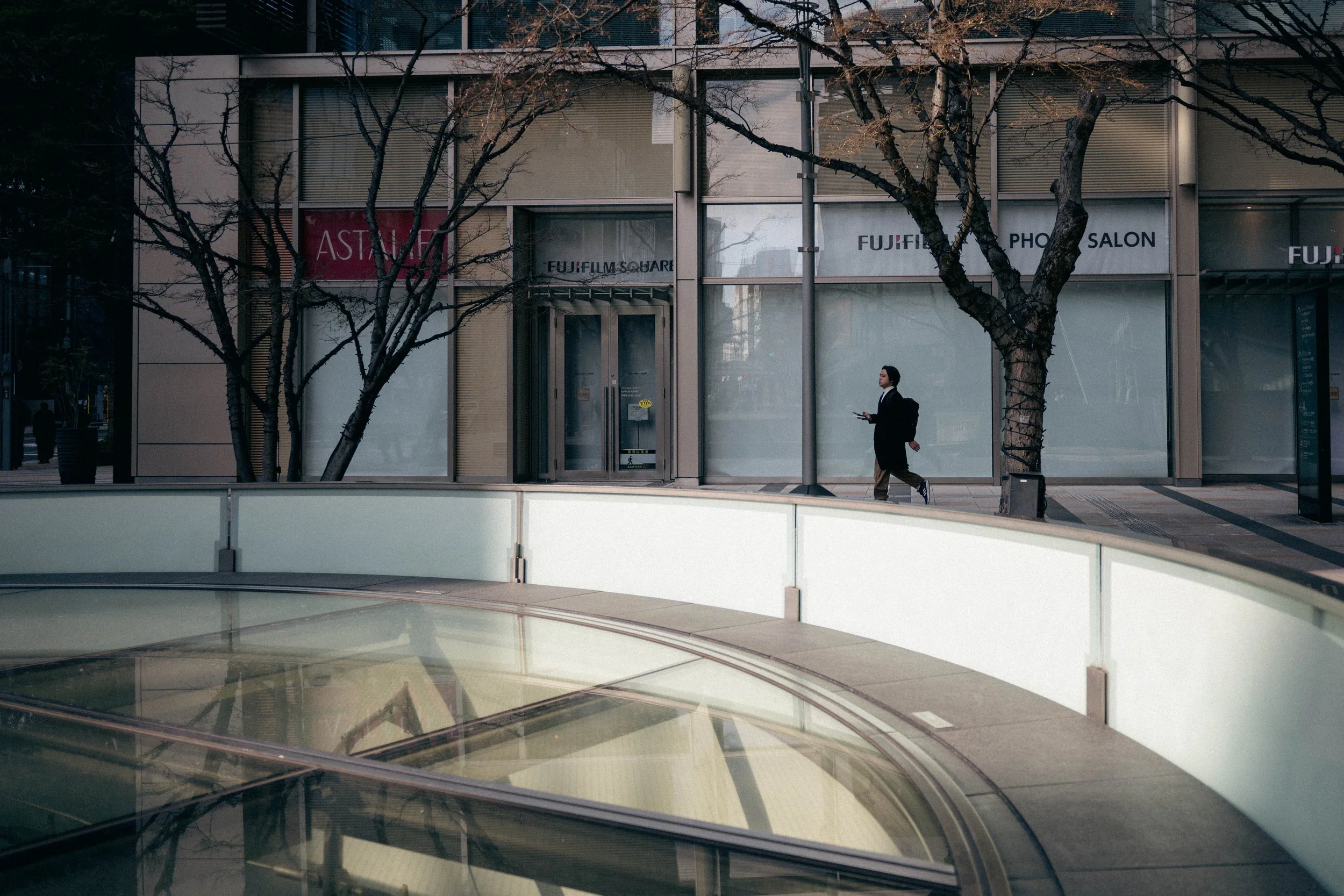
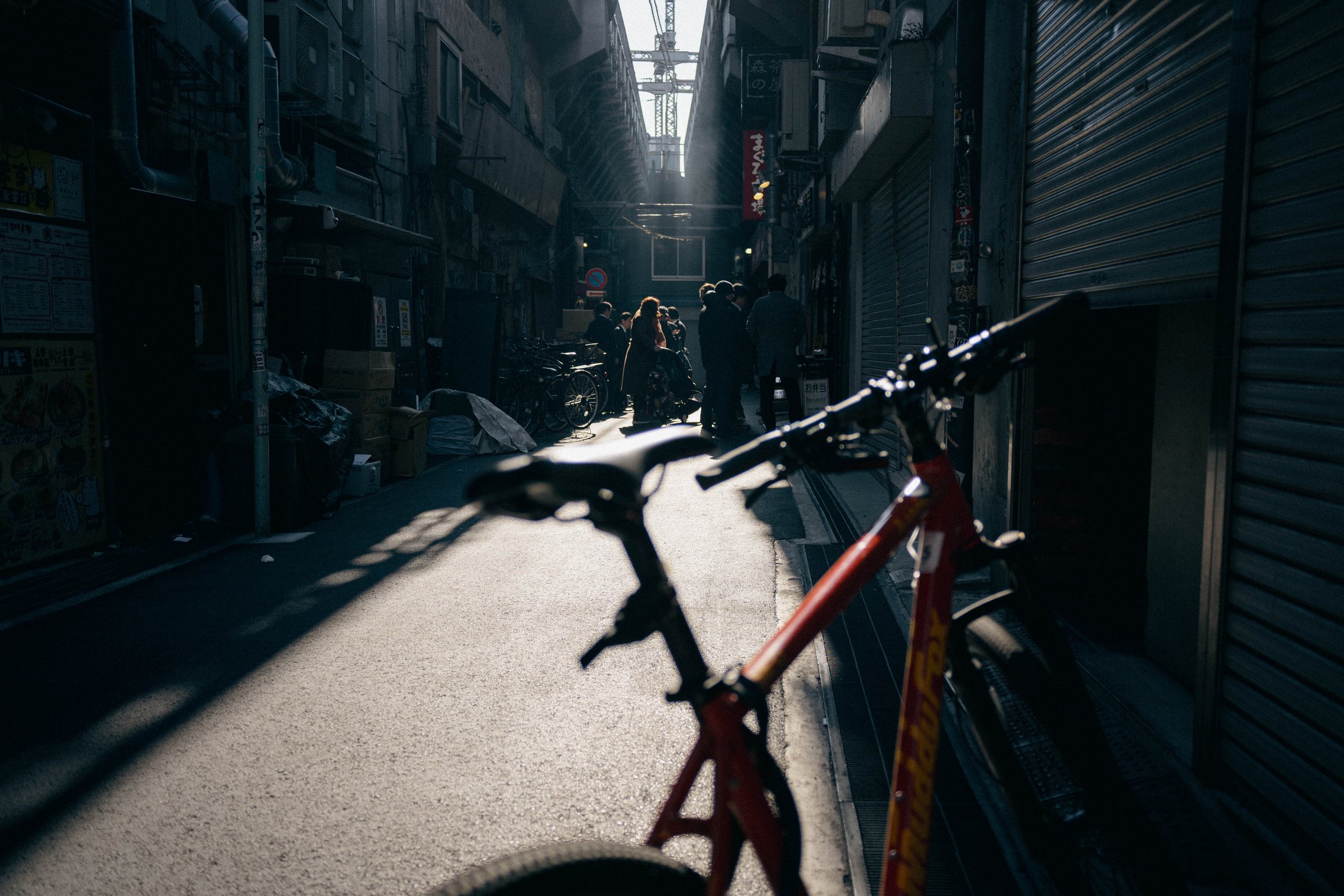
Shadows? 28mm makes them more dramatic.
There’s enough room on a 28mm to layer elements left and right, if there’s any geometry it looks more striking too.
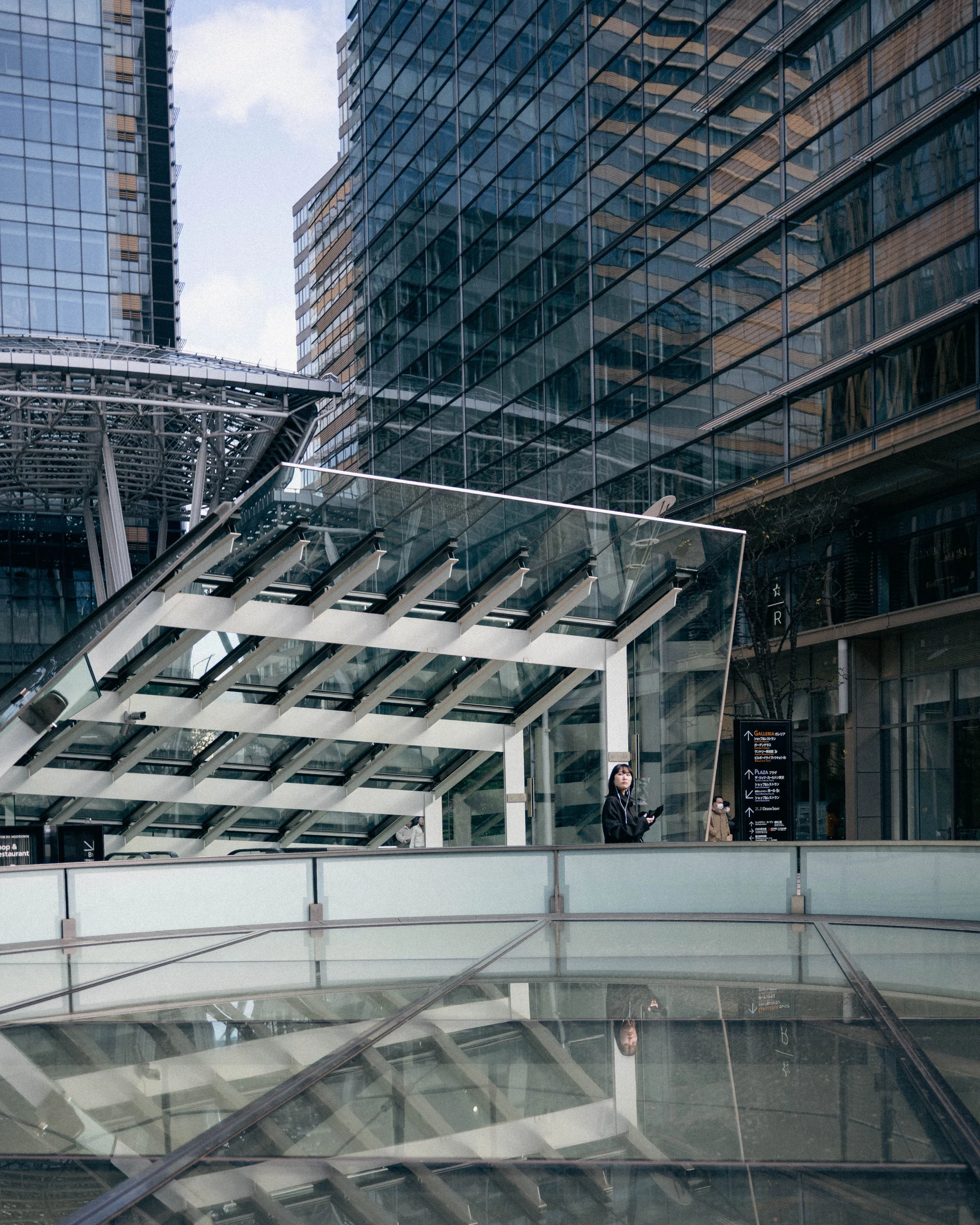
I’ve tested more 28mms than any other focal length. Just when I think I’ve figured it out, 28mm forces me to try something new.
For this trip I was bouncing between 2.
The first? The humble Nikkor 28mm 2.8 Z. I bought and sold this lens a couple of times - I didn’t think f2.8 was fast enough, but it makes sense with the ZR.
Great autofocus, a bit of subject separation up close, but the main perk?
I. Form Factor.
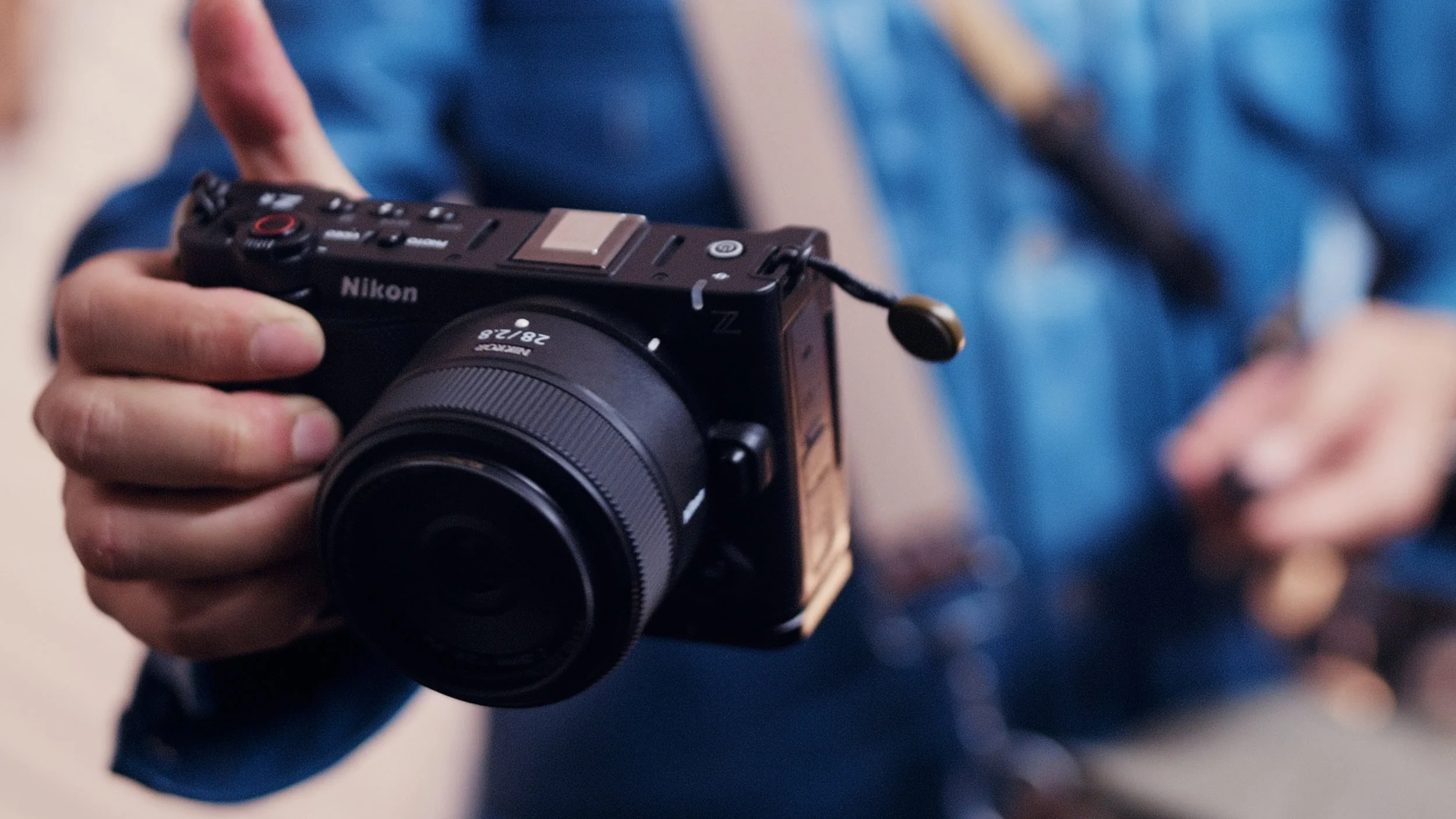
Small and sharp, unlocking the ZR’s compact boxy form factor. It’s not just for looks, there’s function too - the more symmetrical the camera the easier it slips in and out of bags, the closer it stays to your body, it doesn’t catch on sleeves or straps.
This lens combo isn’t front heavy, the lack of an EVF hump makes it more streamlined all around.
Do I miss the EVF? Surprisingly no.
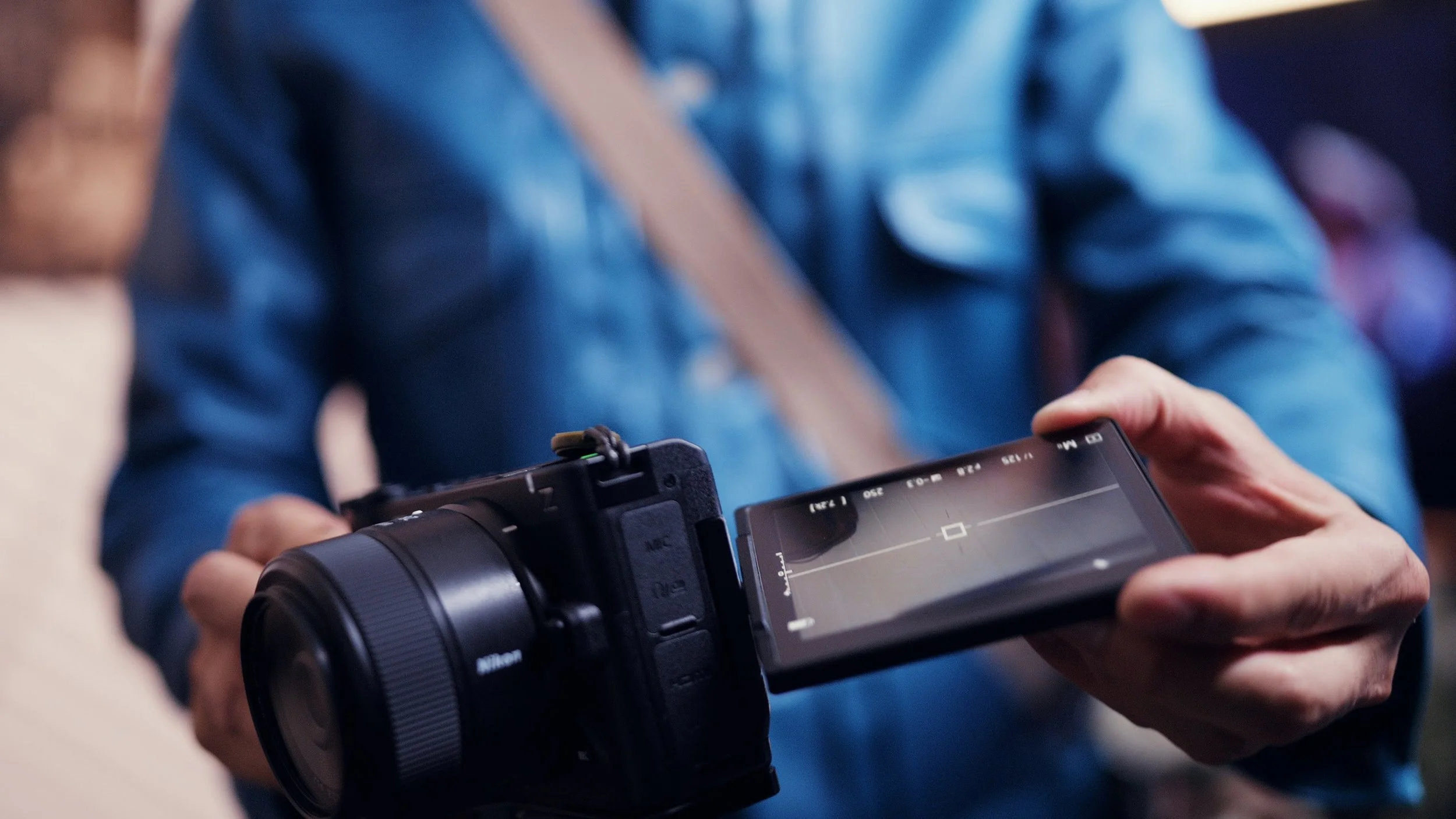
It’s not one of my 2 minor nitpicks, because for casual from the hip shooting while travelling I prefer the screen? AND this screen size is so new for the industry, yet lives up to the hype - both size and brightness.
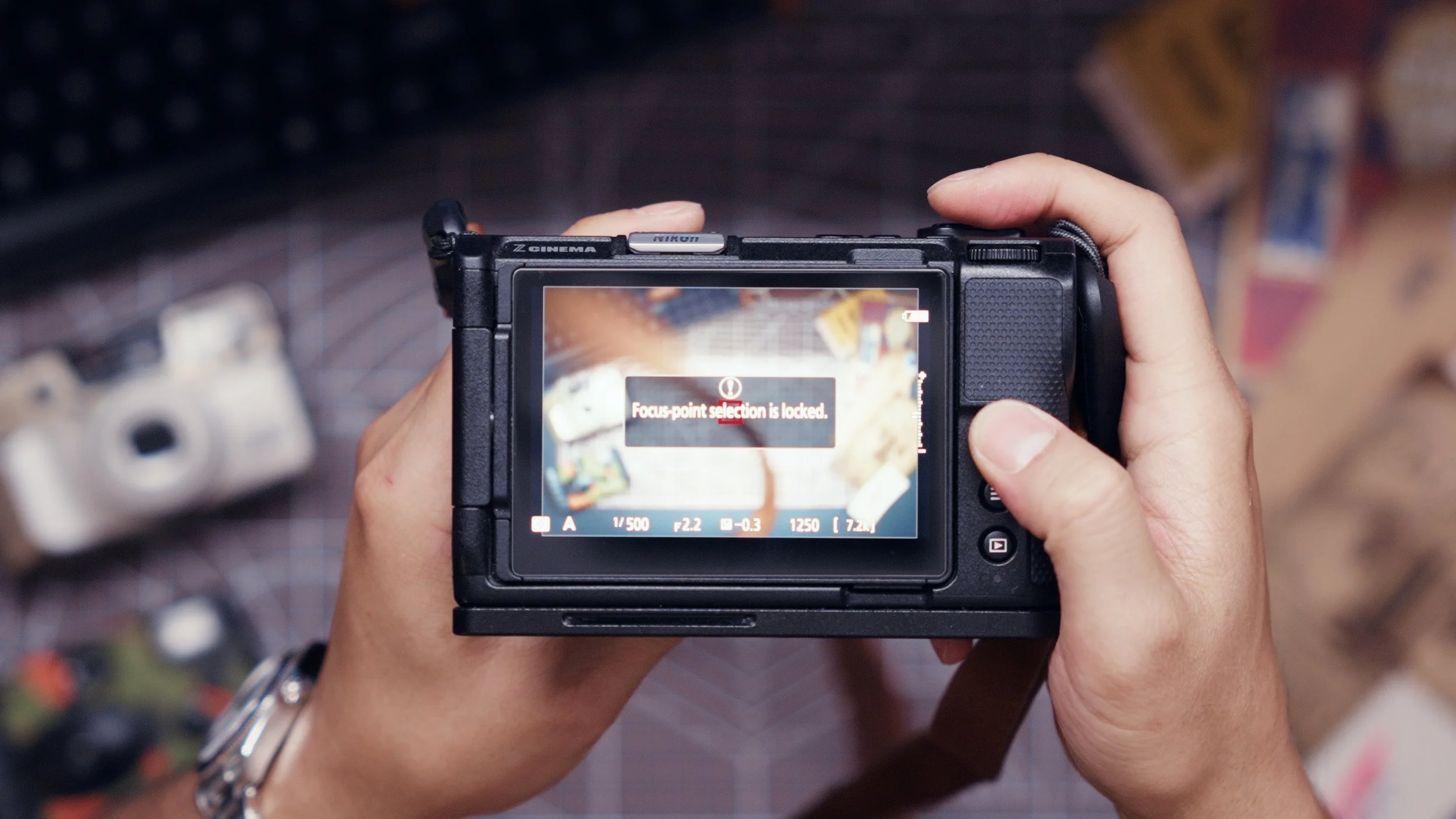
Though I have to change a few settings:
Touchscreen function off , at least in photo mode - to stop random setting changes as the camera slides around.
I turn the joystick off too. the focus point dead centre to start with, I can move it with 3D tracking, for the same experience every time.
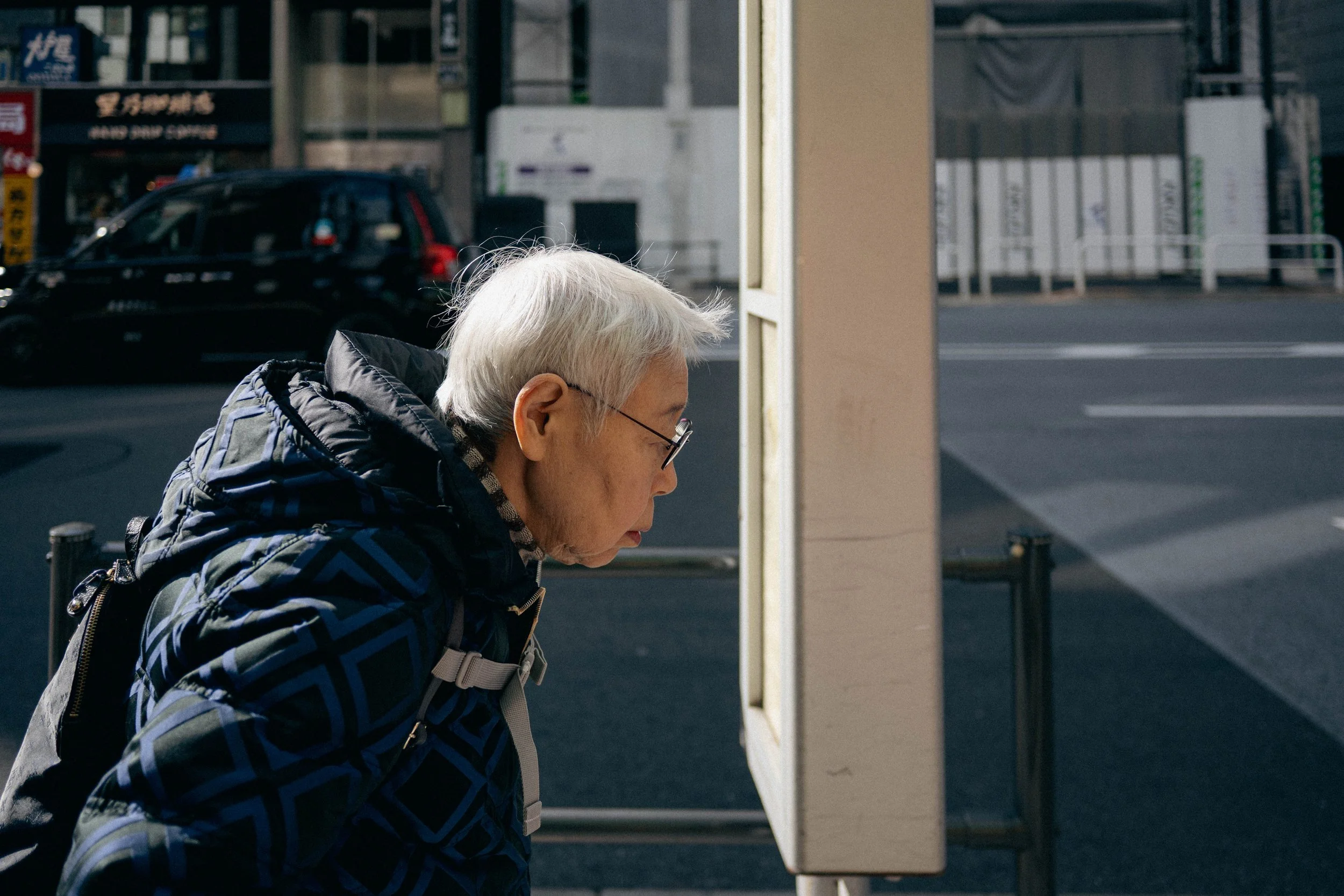
Consistency is so hard to achieve on a 28mm (for me).
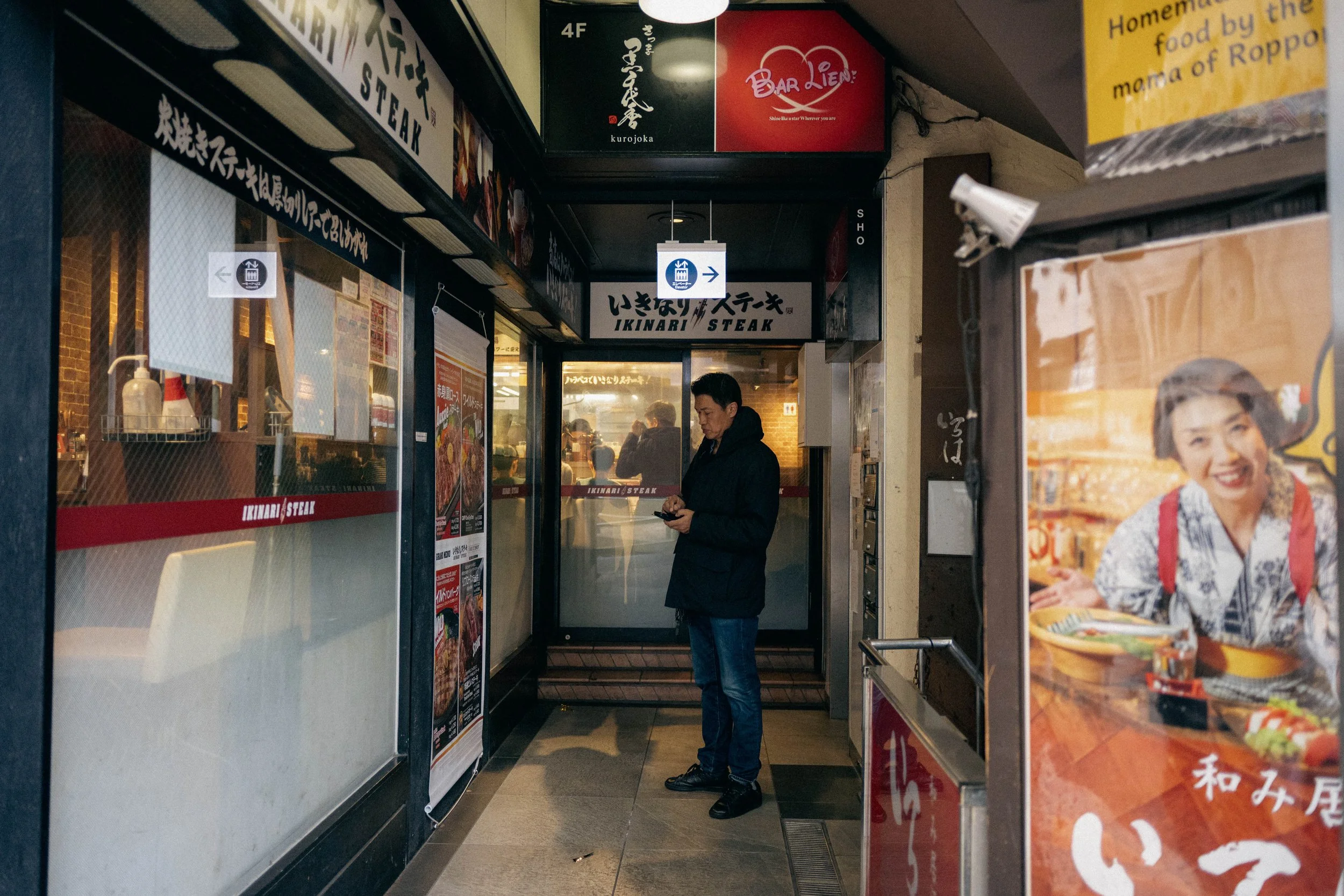
When I’m in the flow, every shot looks interesting.
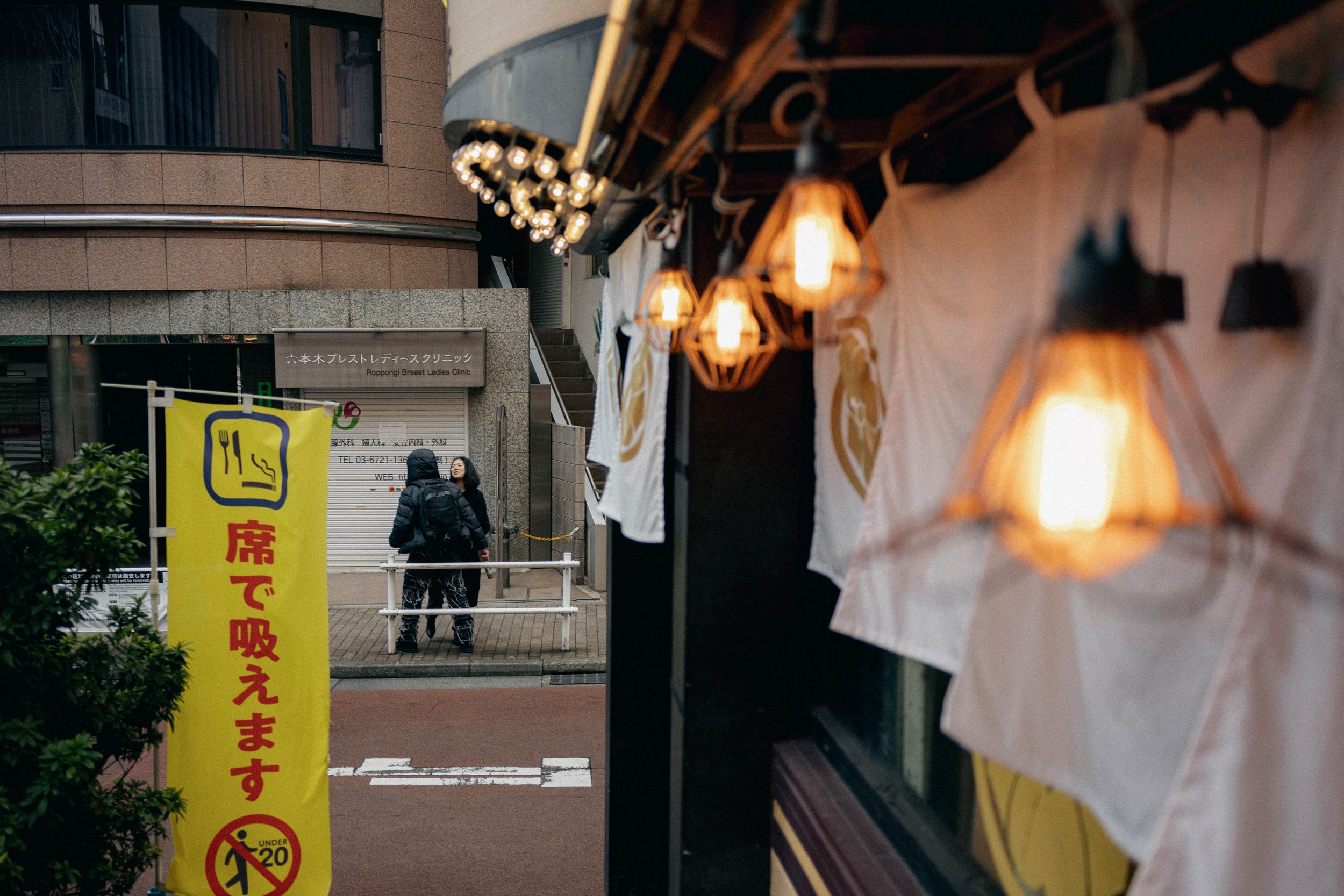
When I’m feeling tired? 28 mm is unforgiving.
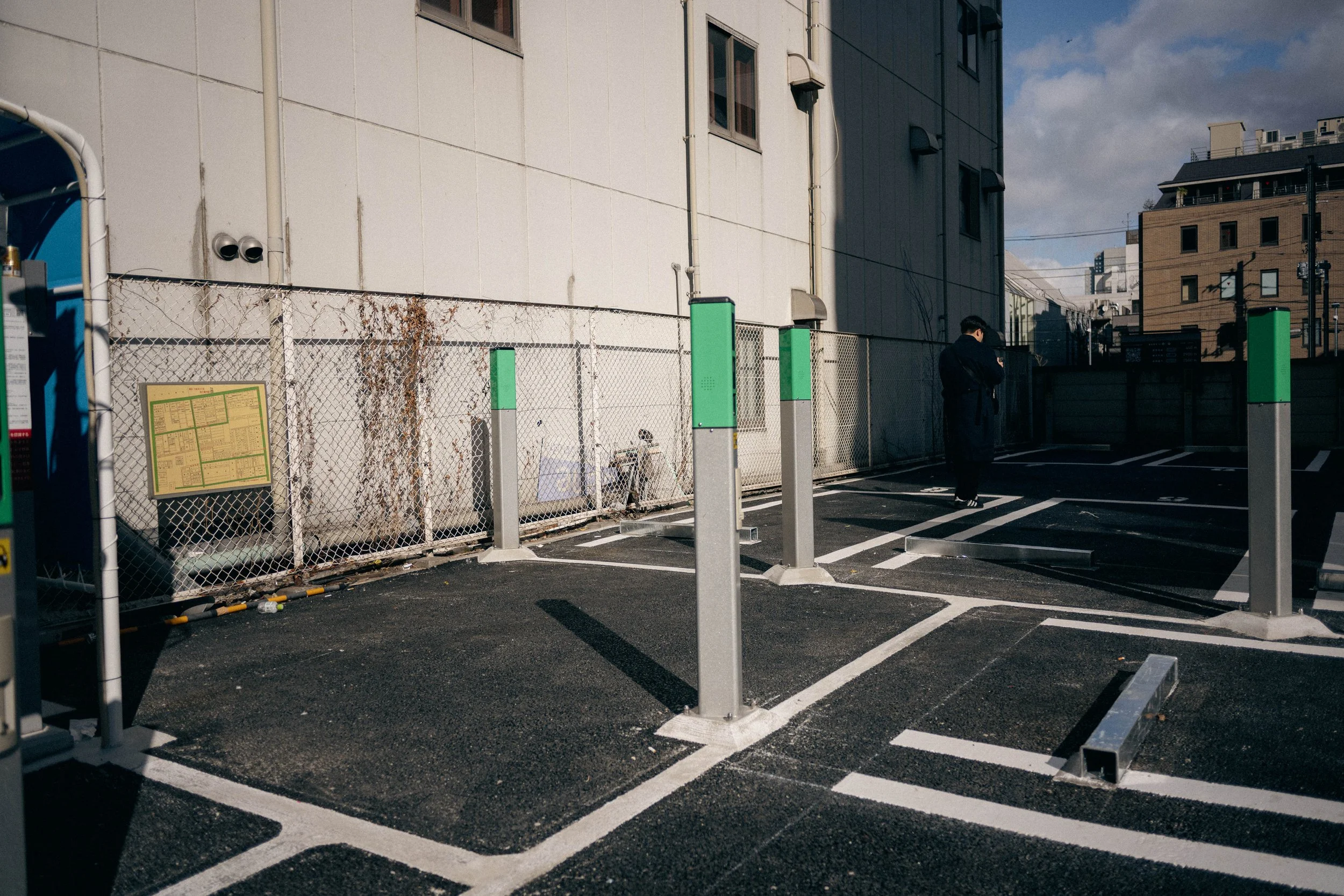
Maybe it’s the lack of separation, always on the brink of distortion?
While I’m happy with these early shots I knew this “inspiration”?
It’s just temporary.
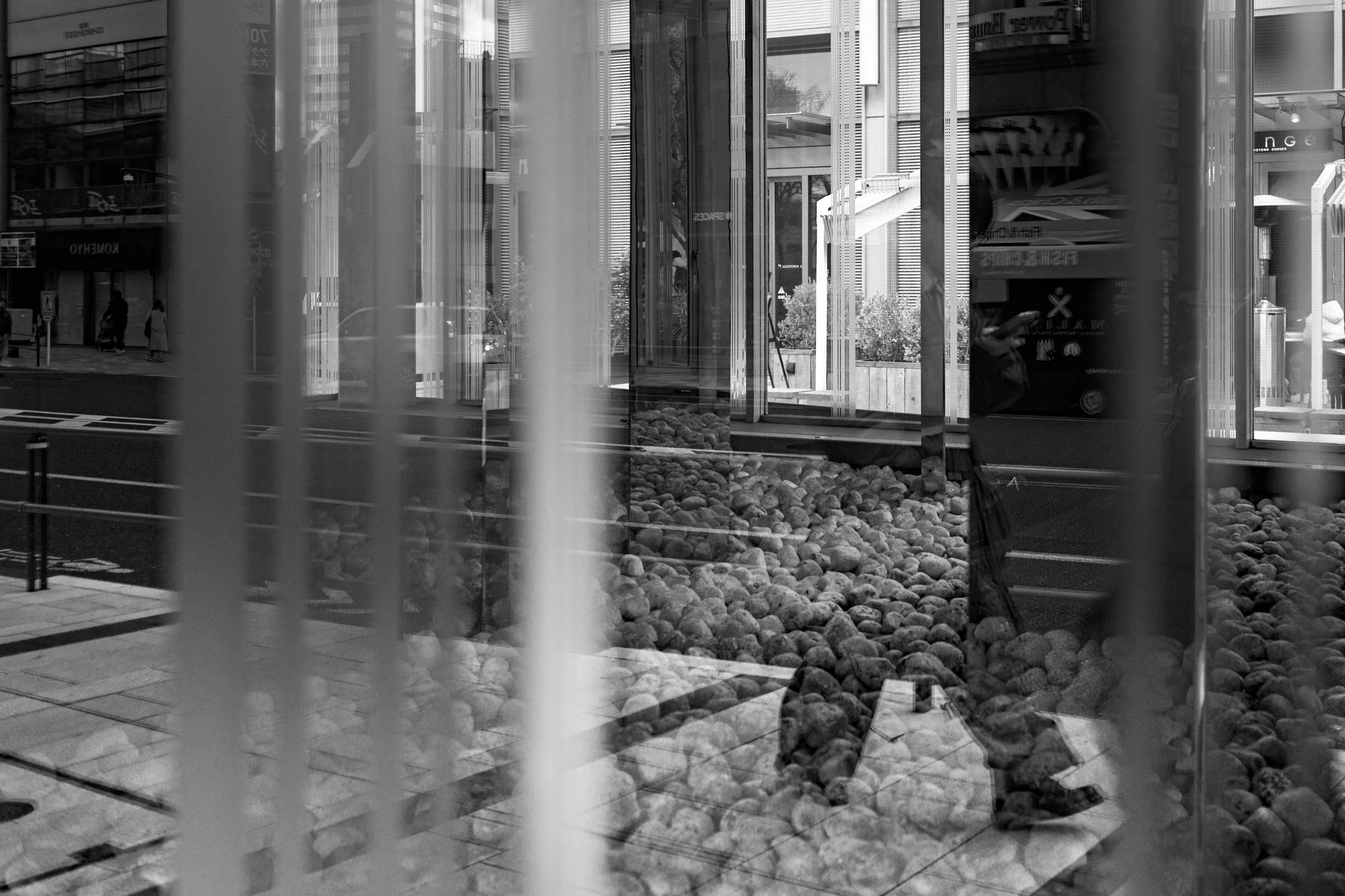
I don’t know anyone whose ideal Japan trip is the same as mine?
Everything here is worth someone’s time. You need some time to figure out what inspires you, don’t jam pack your itinerary with instagram recommendations.
These in-between travel days are my favourite, over the years it tends to be when I take the most memorable photos.
The next stop for me?
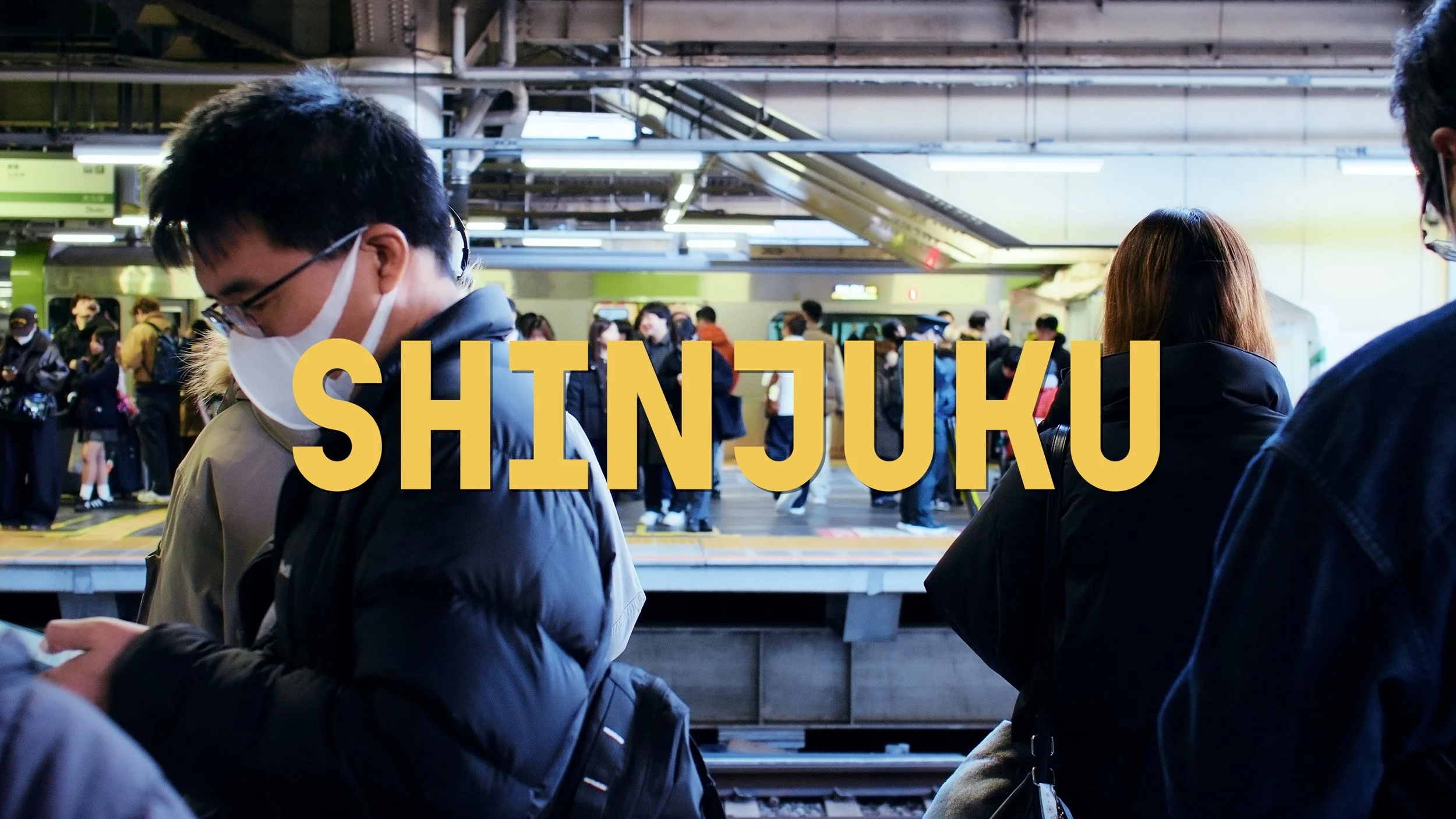
The busiest train station in the world.
Overwhelming at the best of times but we’re here to do a job. Buying bullet train tickets for the next day. I’m normally not that organised, but figuring where to go amidst all these platforms ahead of time is necessary for survival.
There are a lot of camera stores in this area, Yodobashi, Bic, Map, Kitamura - but on that day - my hands were full.
So many people! Plenty of doors and corners to accidentally bump into - thankfully the ZR is built like a tank.
II. Build Quality
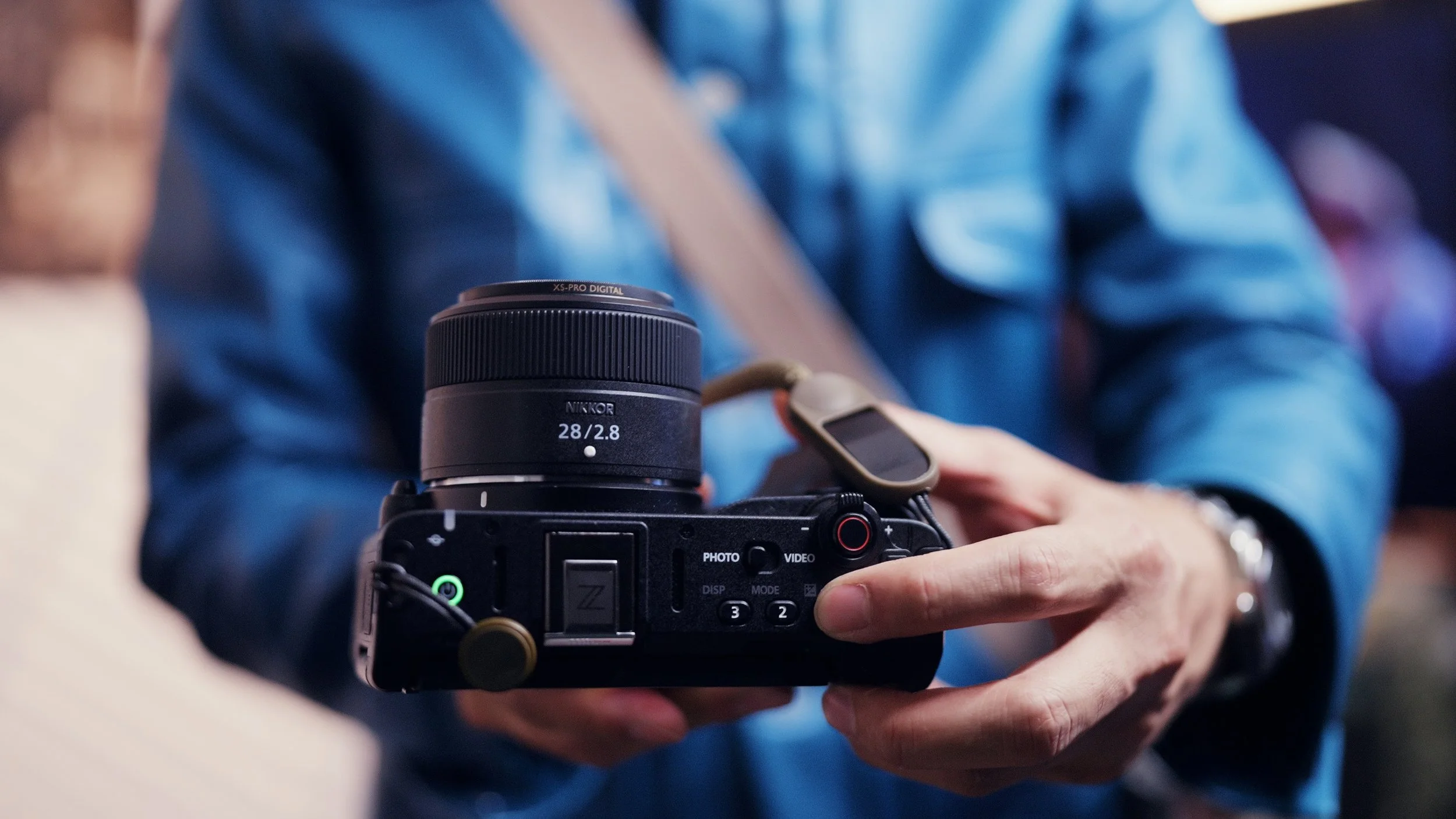
You notice it as soon as you pick it up - a dense chunky brick, the buttons have nice travel, rubber flaps tightly sealed.
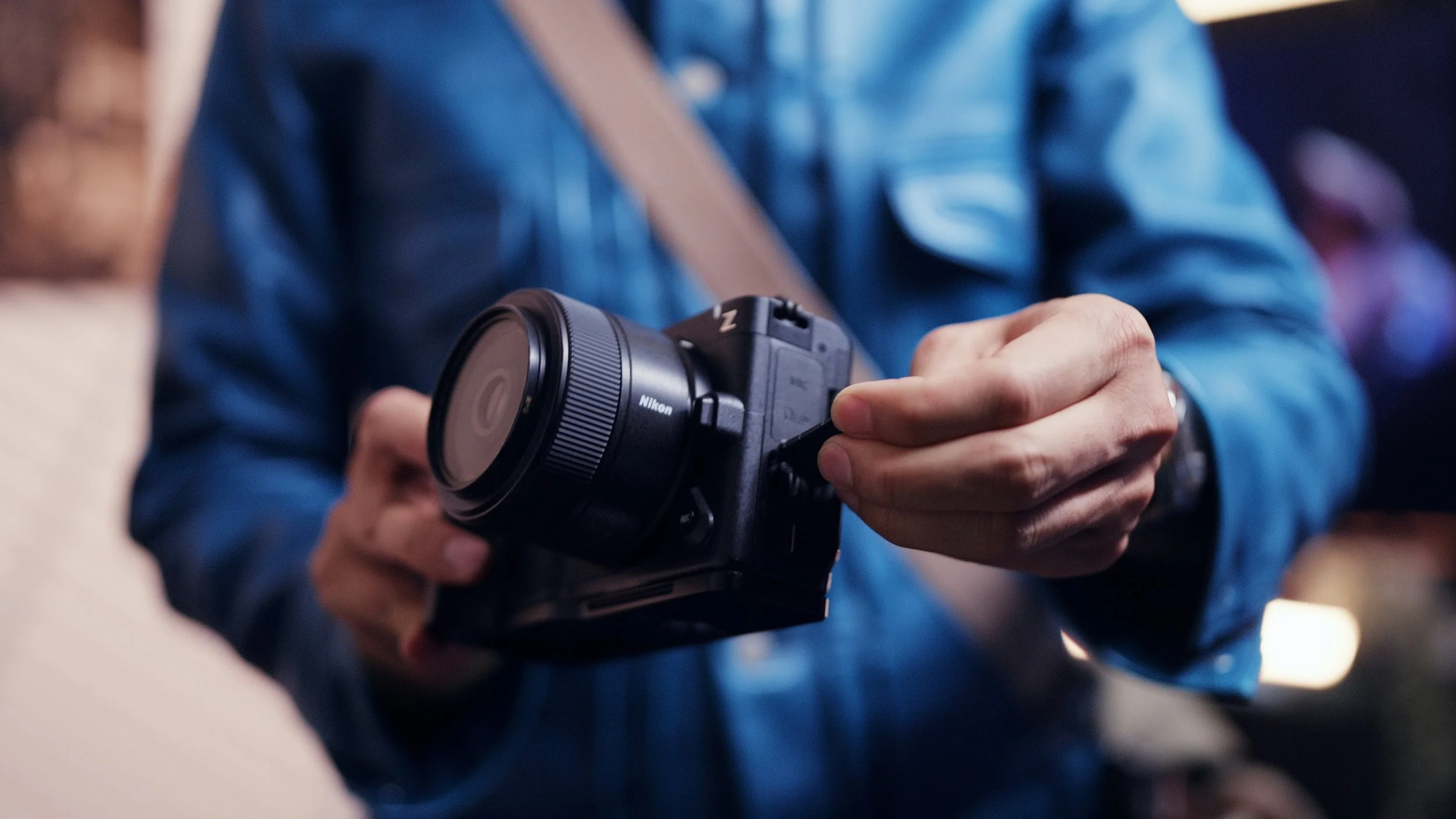
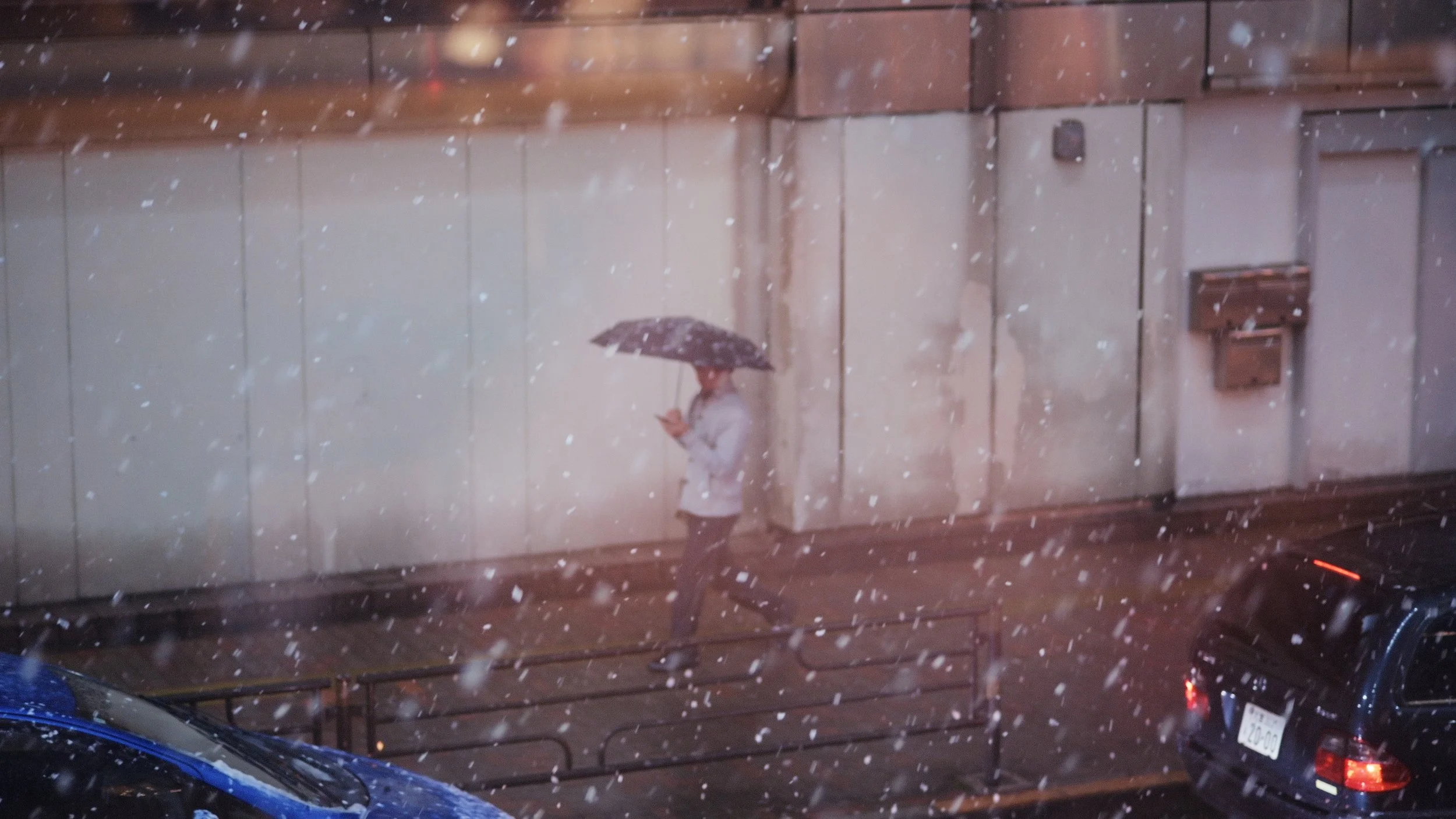
Later on in this trip the ZR got completely soaked - it survived a snowstorm, I can attest to the weather sealing, it kept working without a problem.
The screen hinge mechanism is tight, integrated strap lugs for peak design anchors.
I wore mine on three different straps on the trip. My Wotancraft leather strap - double sided leather, smooth enough to never get caught on buttons and zippers.
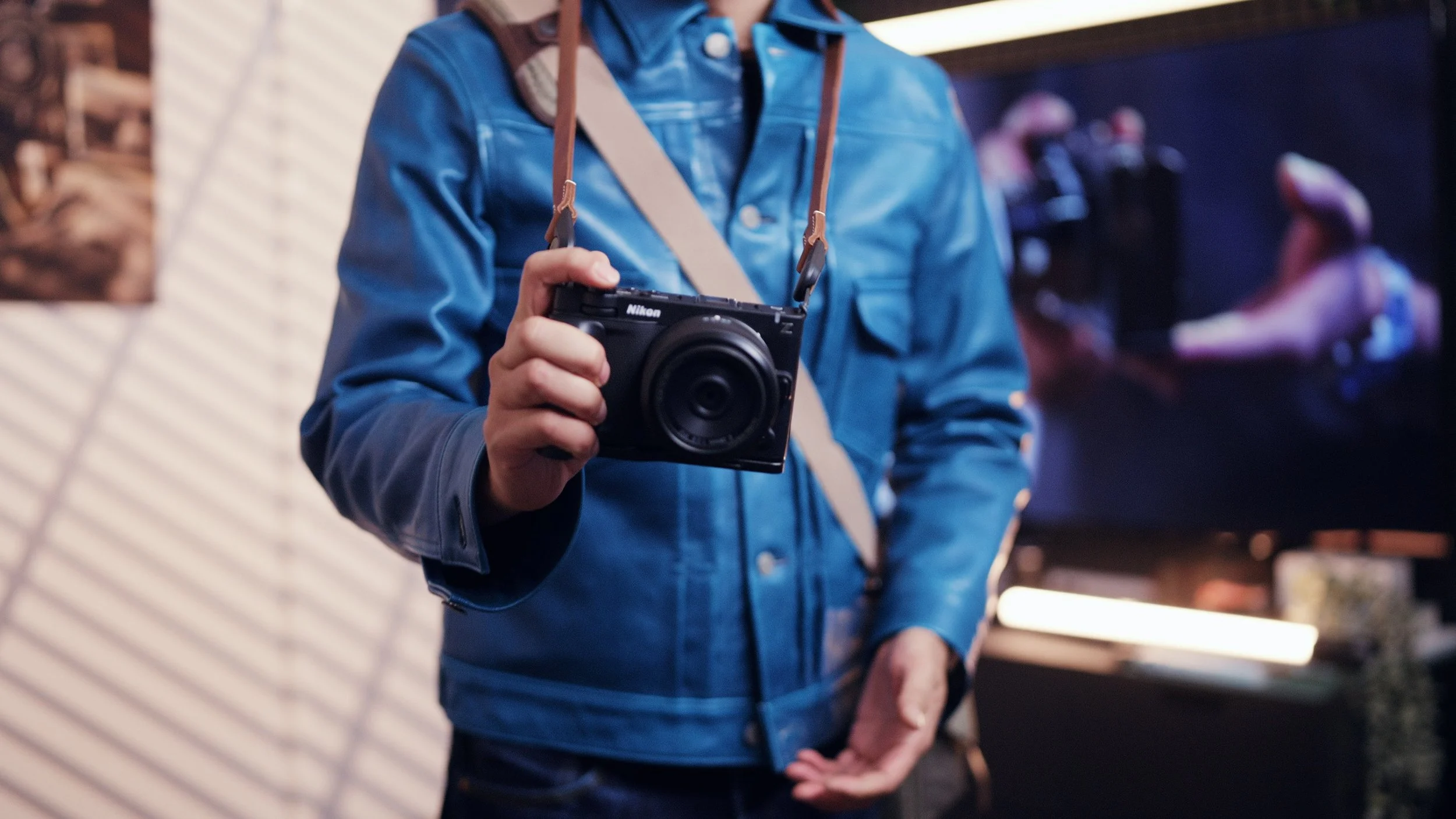
I also used peak design’s leash with a hack - an anchor around this metal tab.
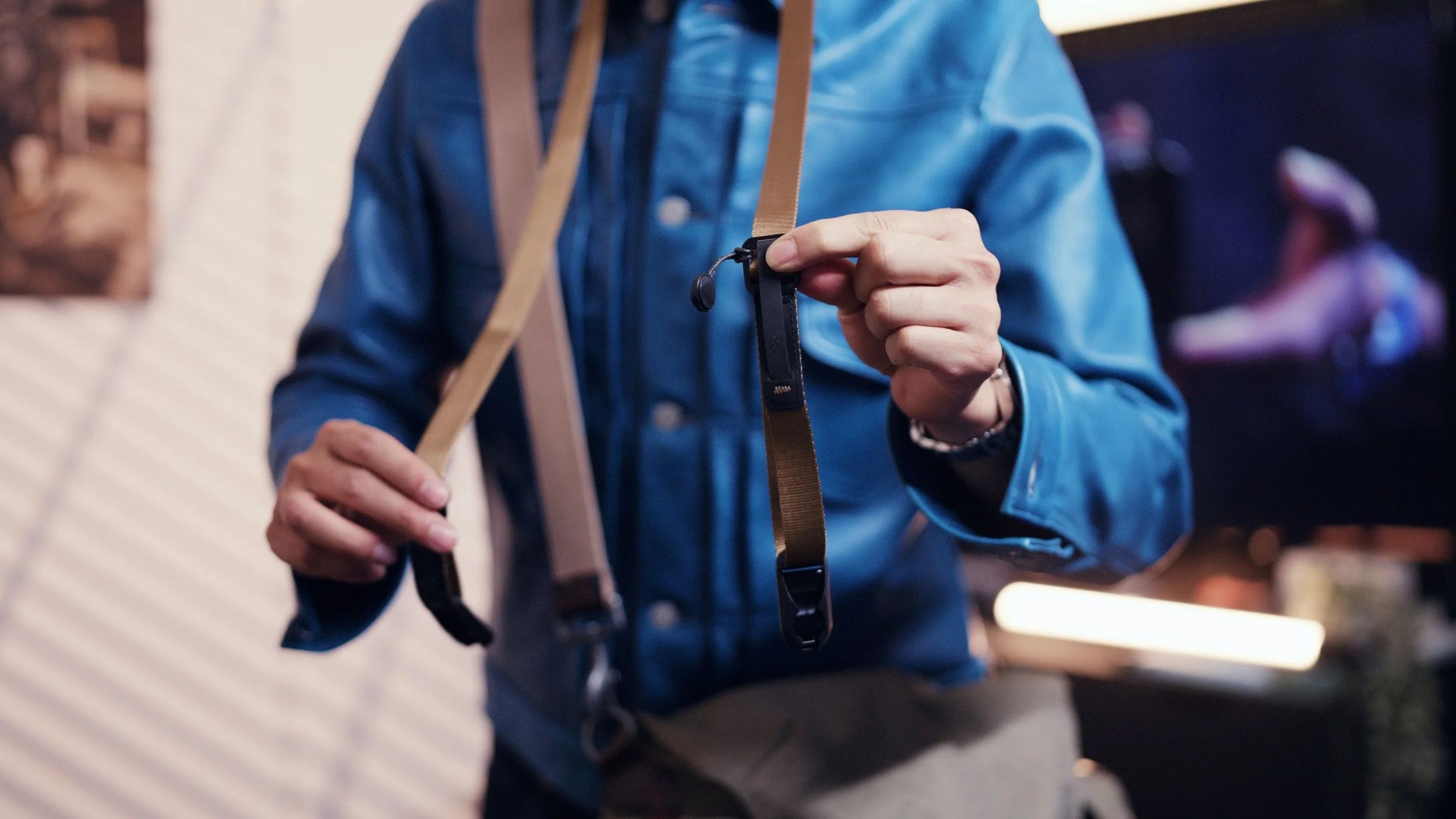
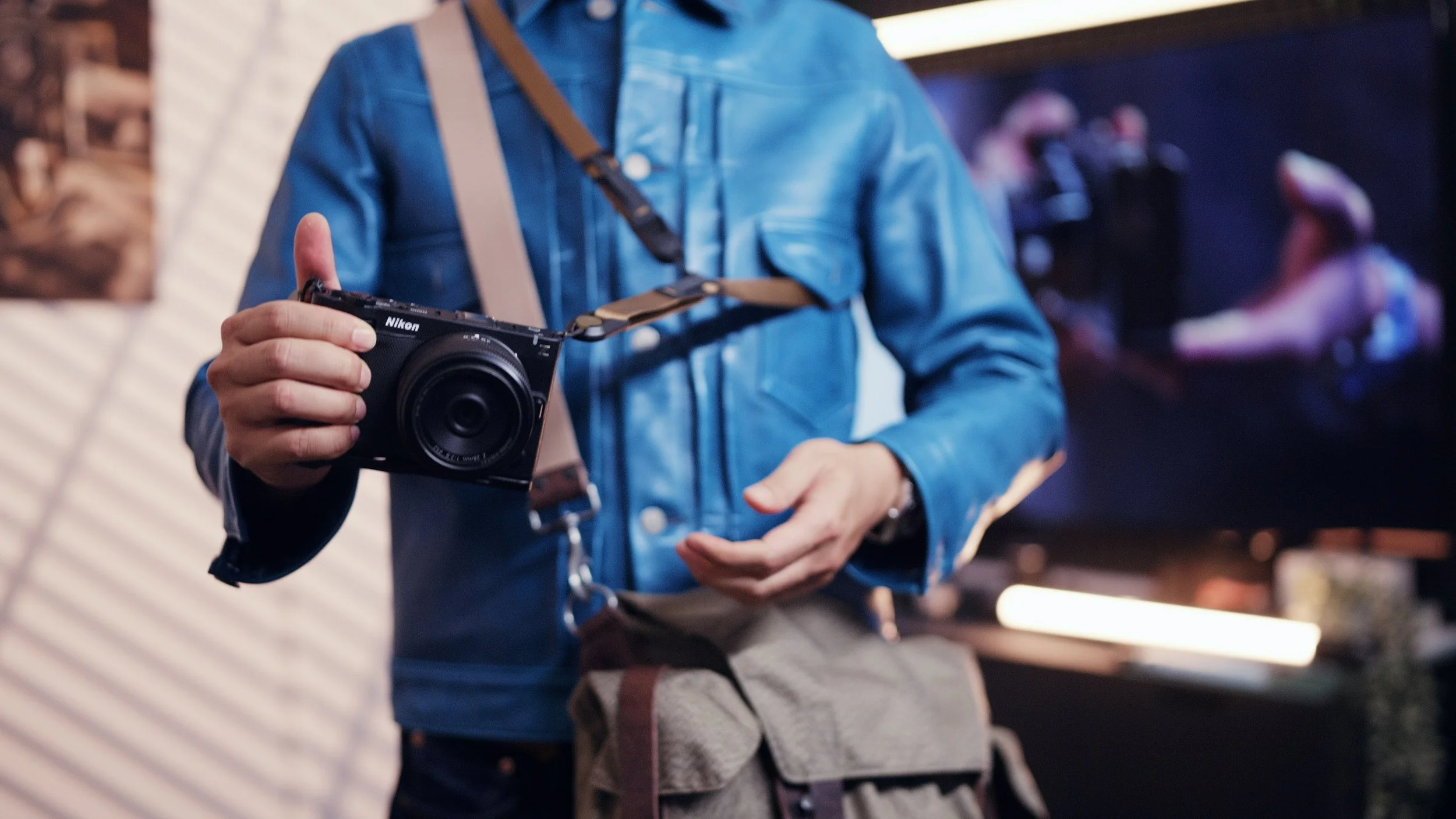
This lets me wear the strap on my body without a camera attached, OR just attach the ZR via one anchor. It’s pretty stable, the strap doesn’t block any controls, though this is a hack. I don’t think the leash is supposed to be used like this, their form rope strap is.

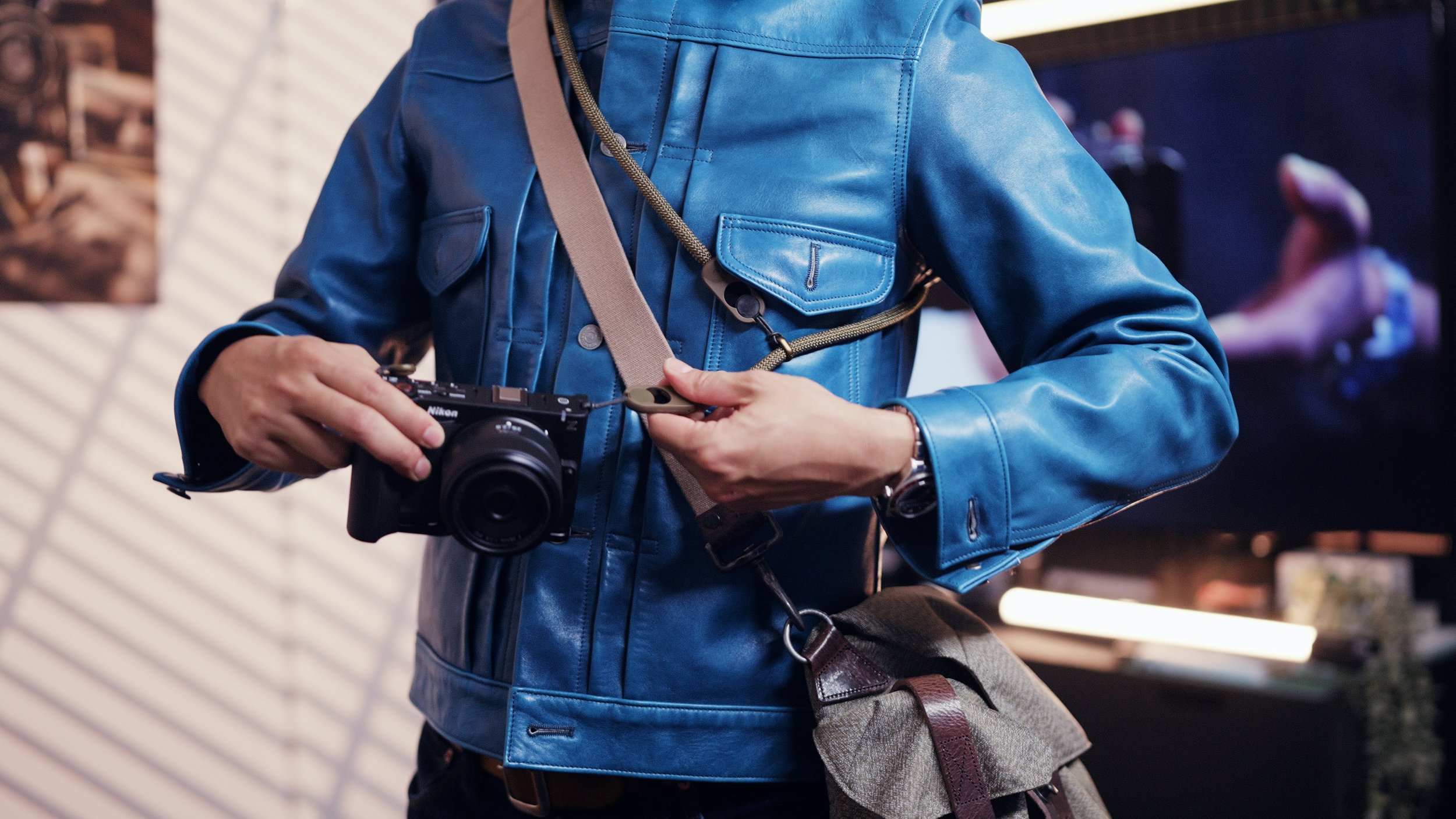
A dedicated spot for an extra anchor, this should’ve been my most used strap on the trip, but 28mm and this form factor cries out for a wrist strap.
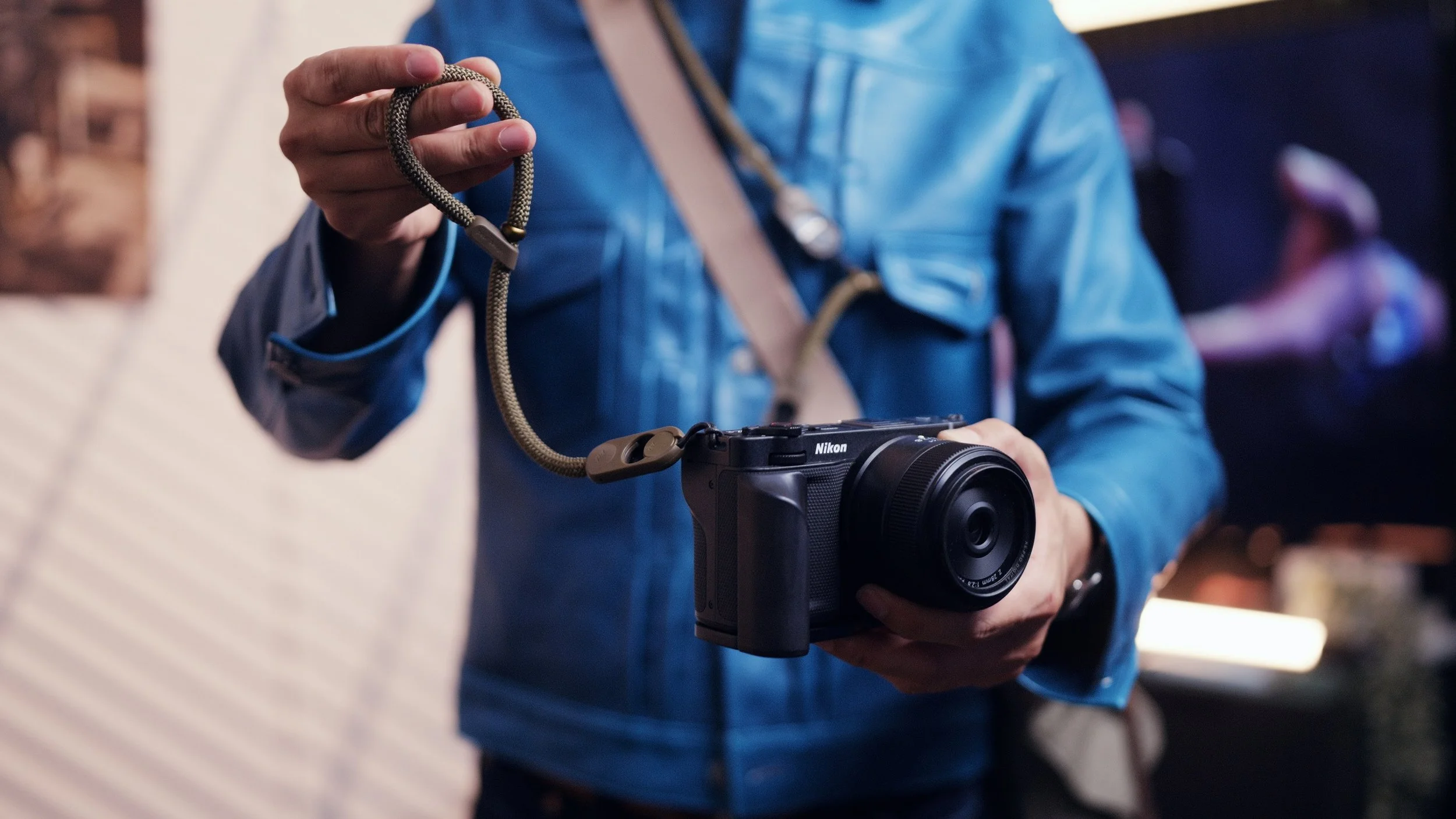
Easier to change angles, more fun and casual, still stable enough for me to shoot handheld long exposures using the ZR’s IBIS.
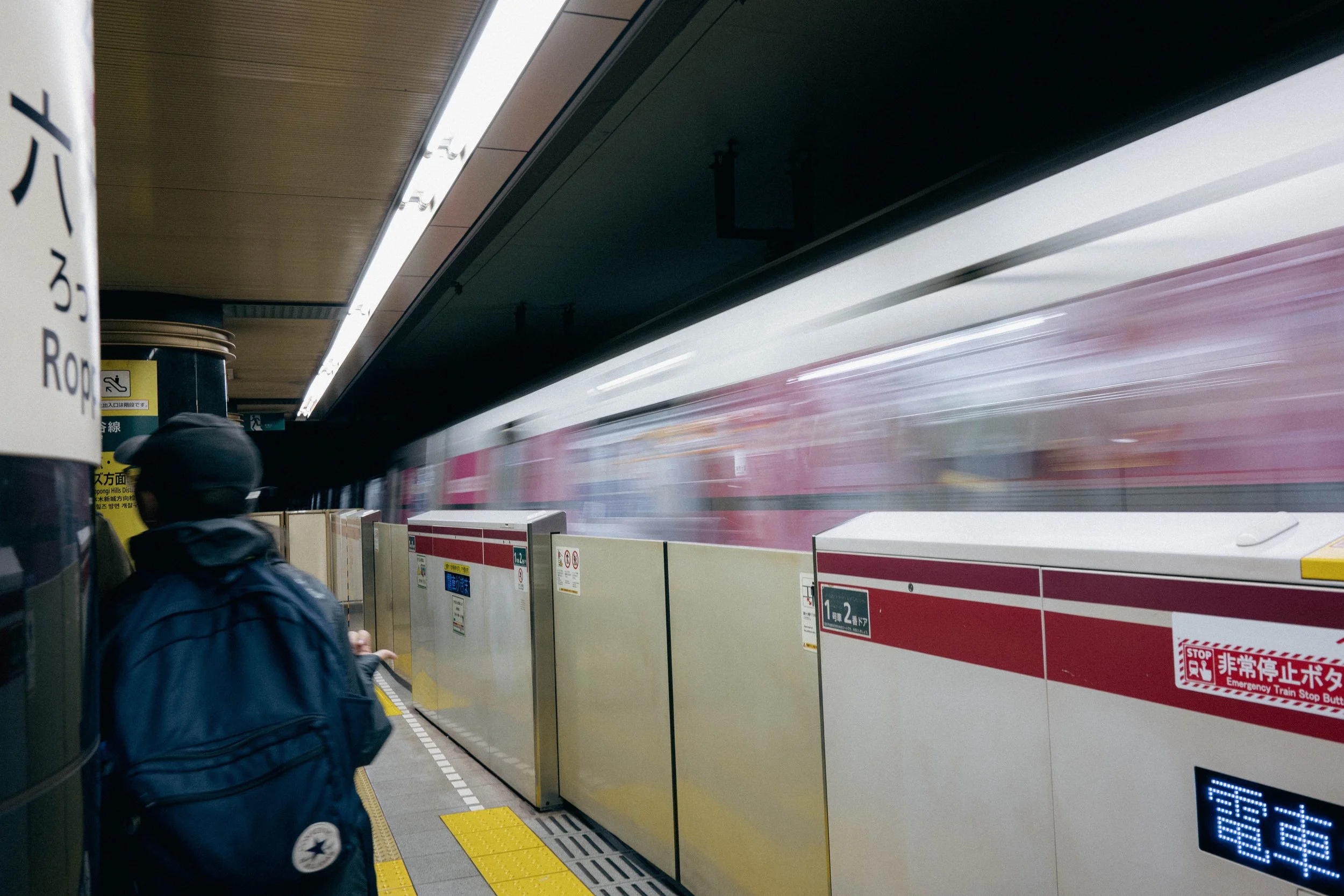
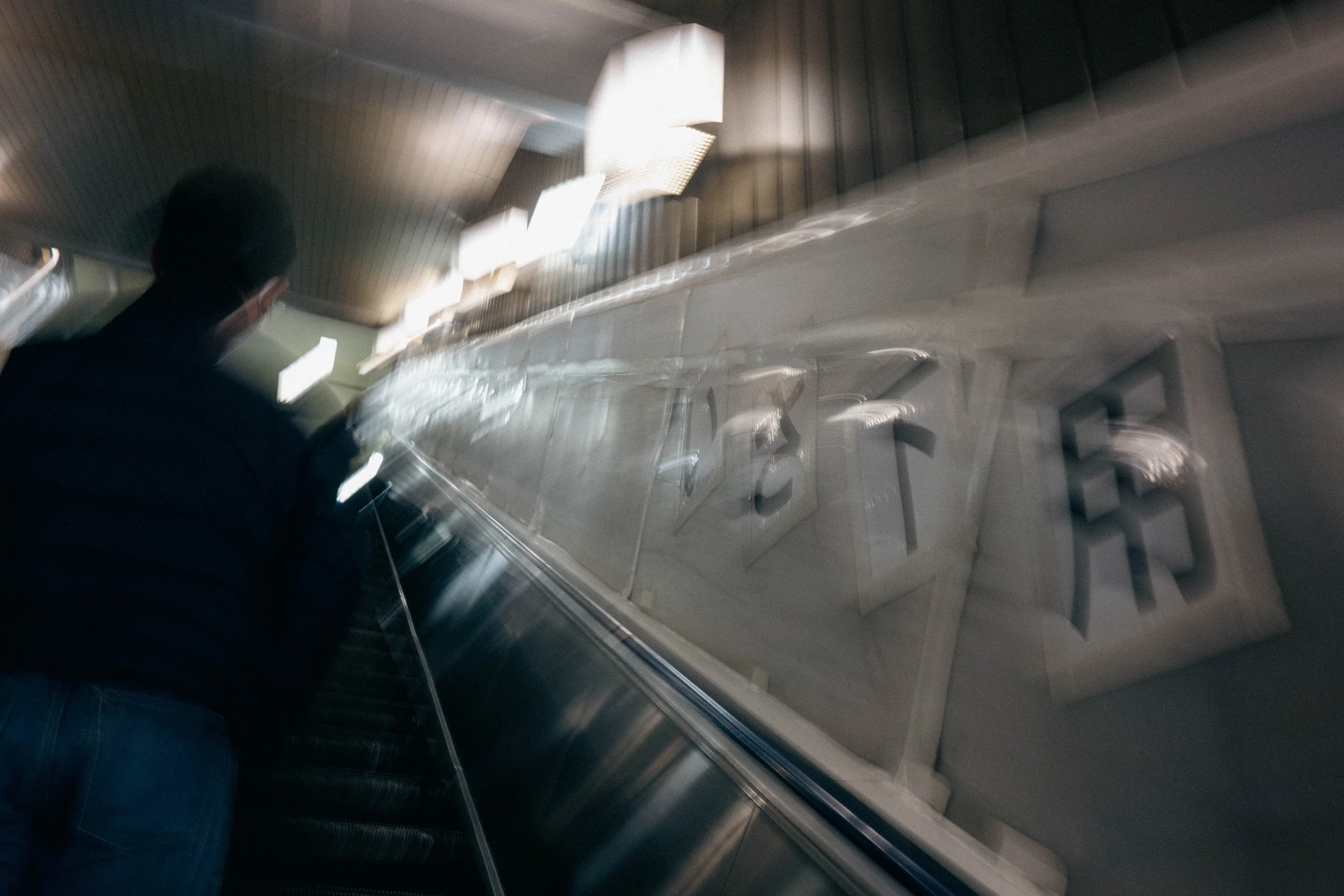
I find the IBIS works better for photo than video - it can a bit wobbly and jerky for run and gun filming. But for intentional camera movement photos? It works well, especially on 28mm.
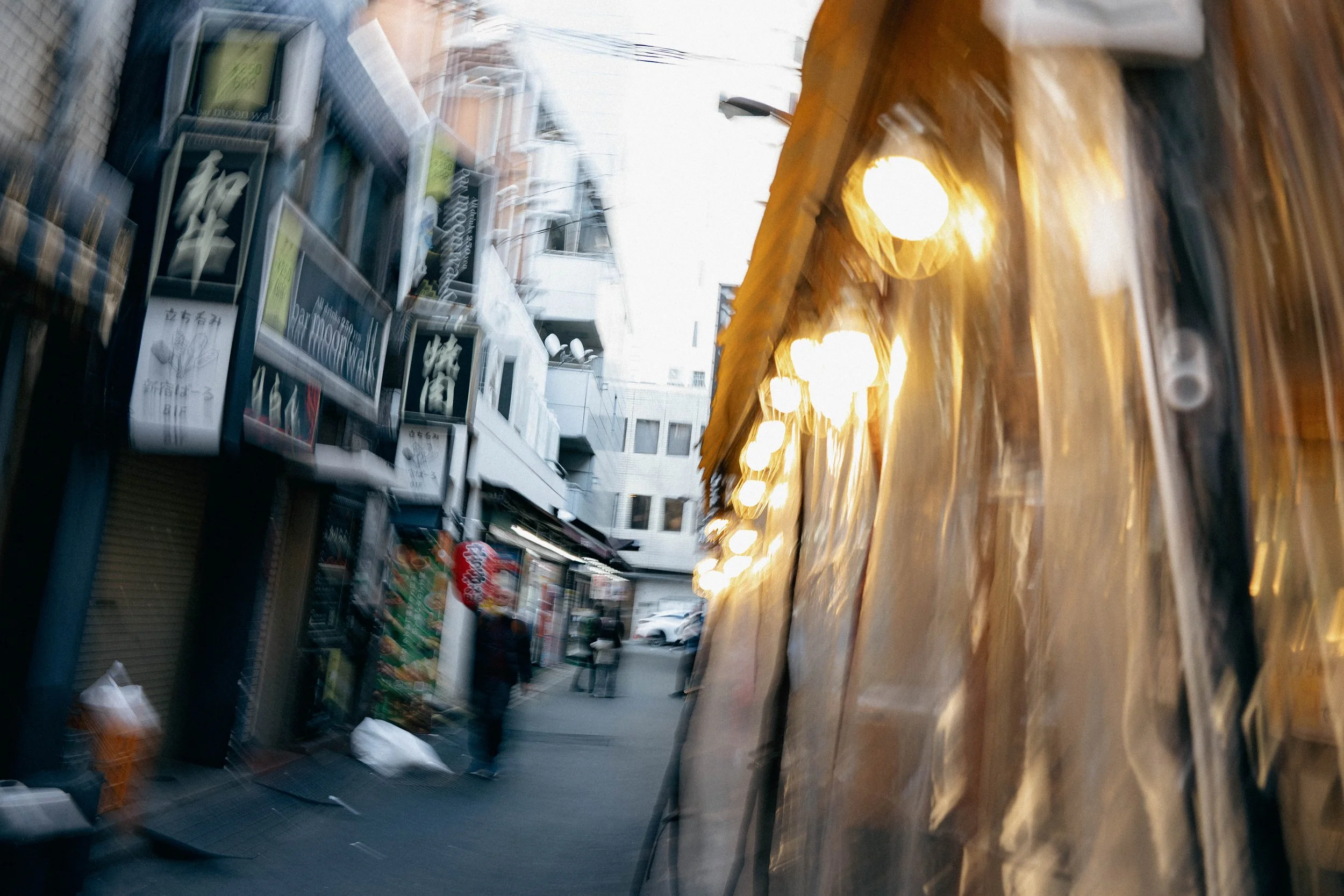
Wider focal lengths hide the camera movement better, you can still make out the objects in frame even with all that blur. One of the new techniques I’m trying even to break out of a rut, when 28mm doesn’t feel quite right.
What feels great though?
III. Speed.
Not only in its partially stacked sensor - blackout free shooting in H+ mode, but the real star I think is the camera’s processor paired with this sensor. Powers on so quickly, menus, image punch in and playback, all feels lightning quick.
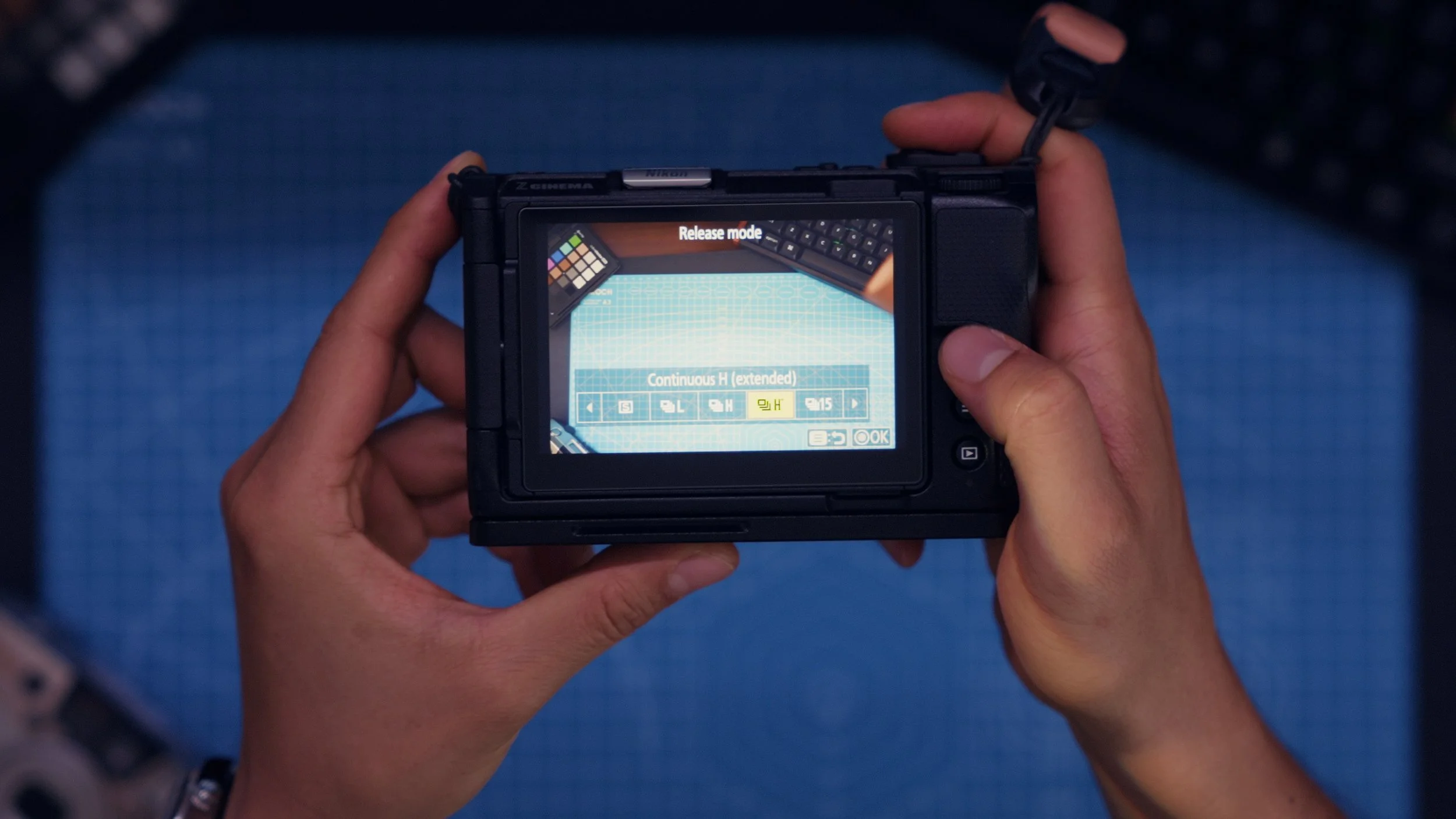
The minimal layout of the camera also feeds the speed. Not many function buttons within reach, you have to loosen your grip on the camera to use any of them, which discourages you from fussing or chimping. The camera is setup to never stop shooting, other than aperture priority during the day, manual mode at night, all I do is tweak the exposure and keep pressing the shutter. The streamlined interface lets you keep on shooting what travel photography’s supposed to be.
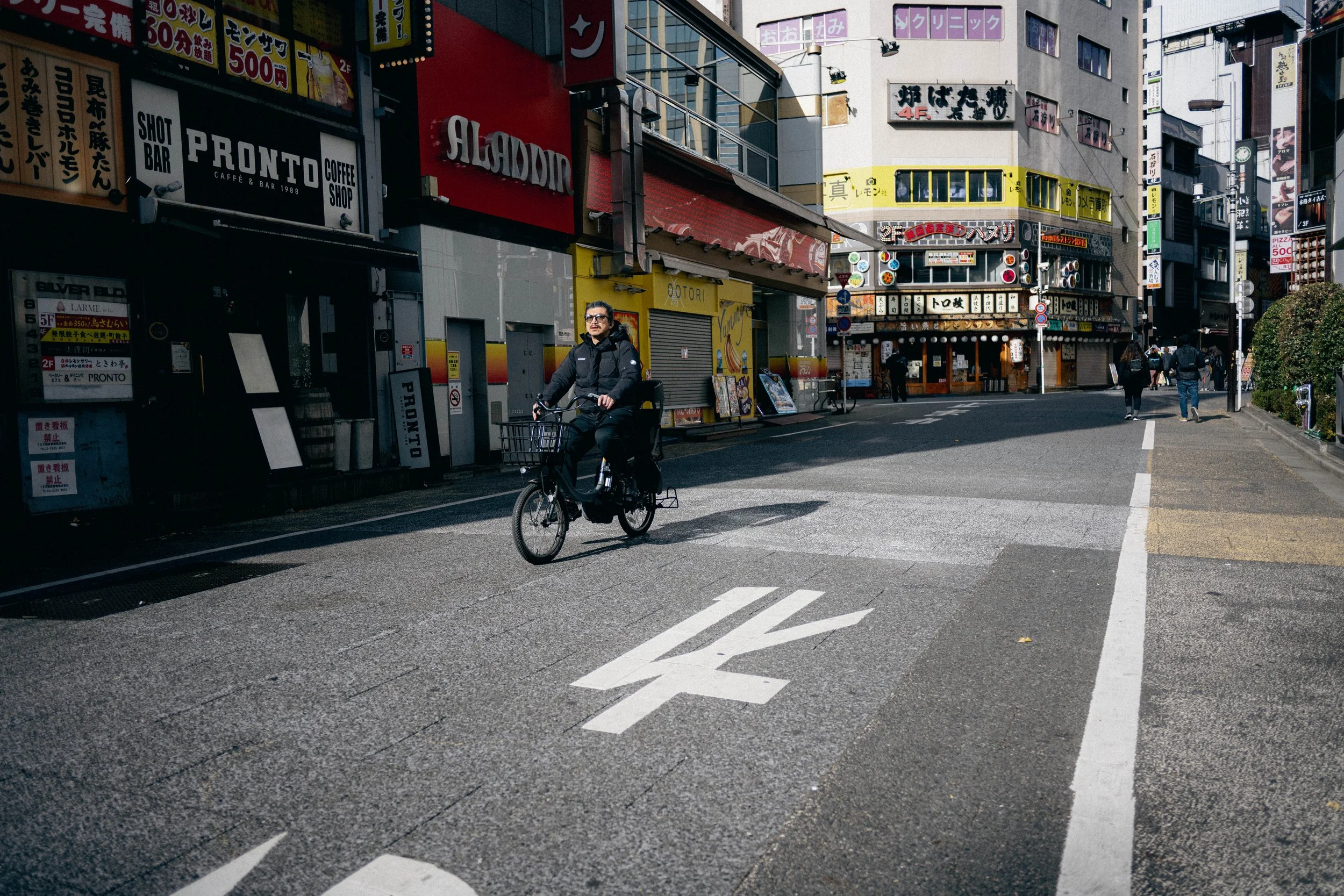
Just when I think I’ve figured 28mm out?
I stopped at a coffee shop, checked my camera roll... flat compositions, I’m not close enough to subjects, common mistakes that look worse on a 28mm.
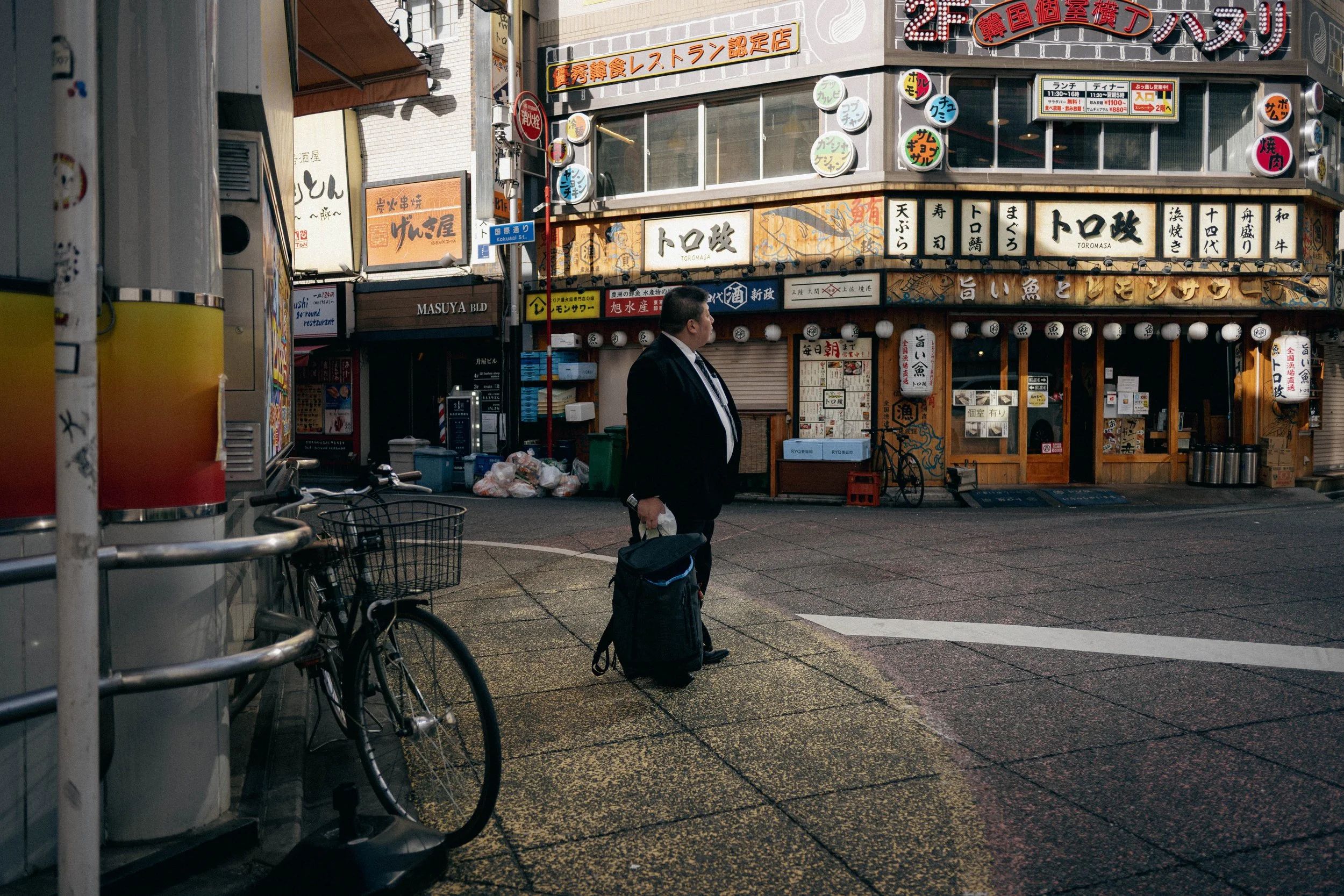
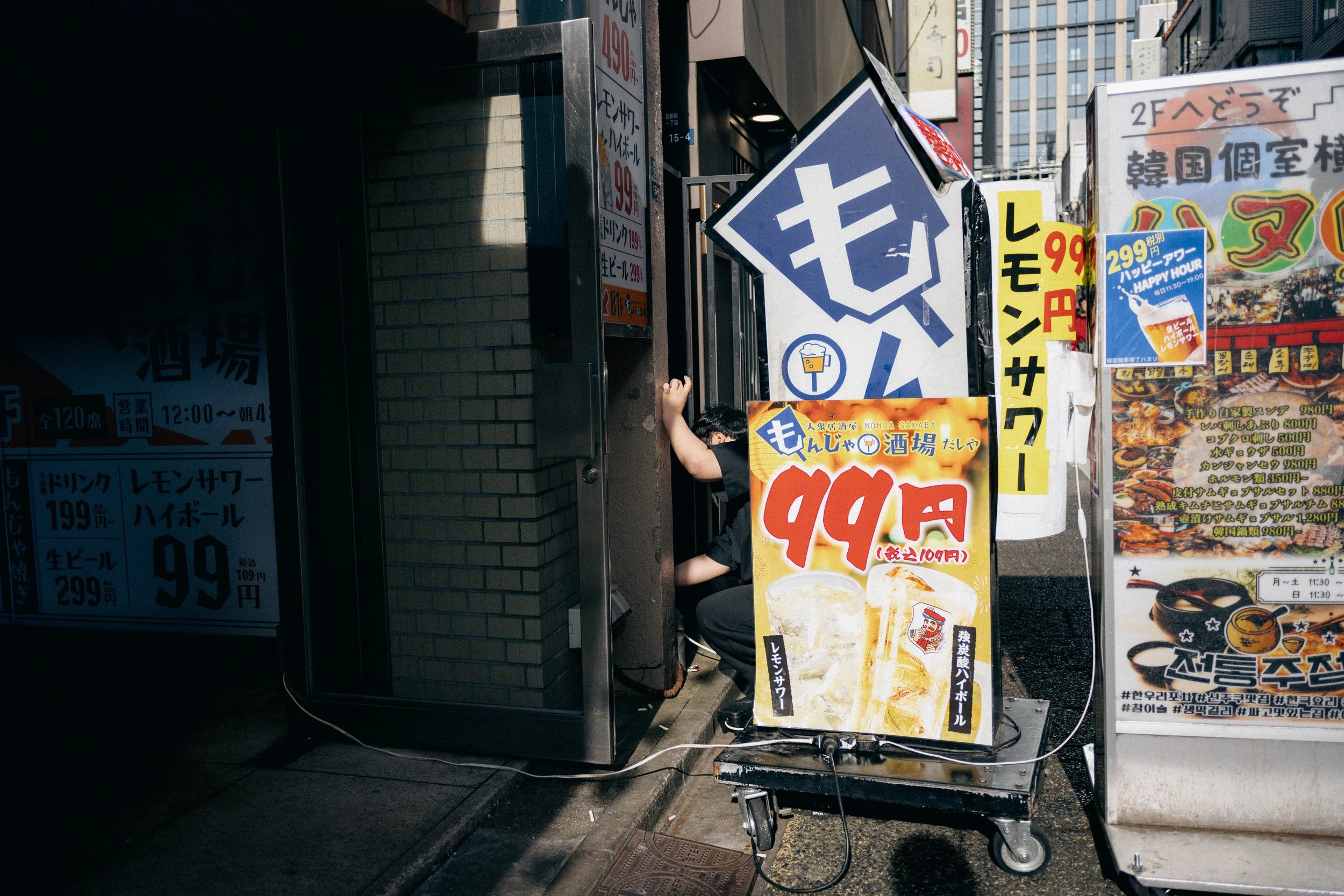
Is it the focal length, or just my flawed approach for the day? It was time for my other 28mm.
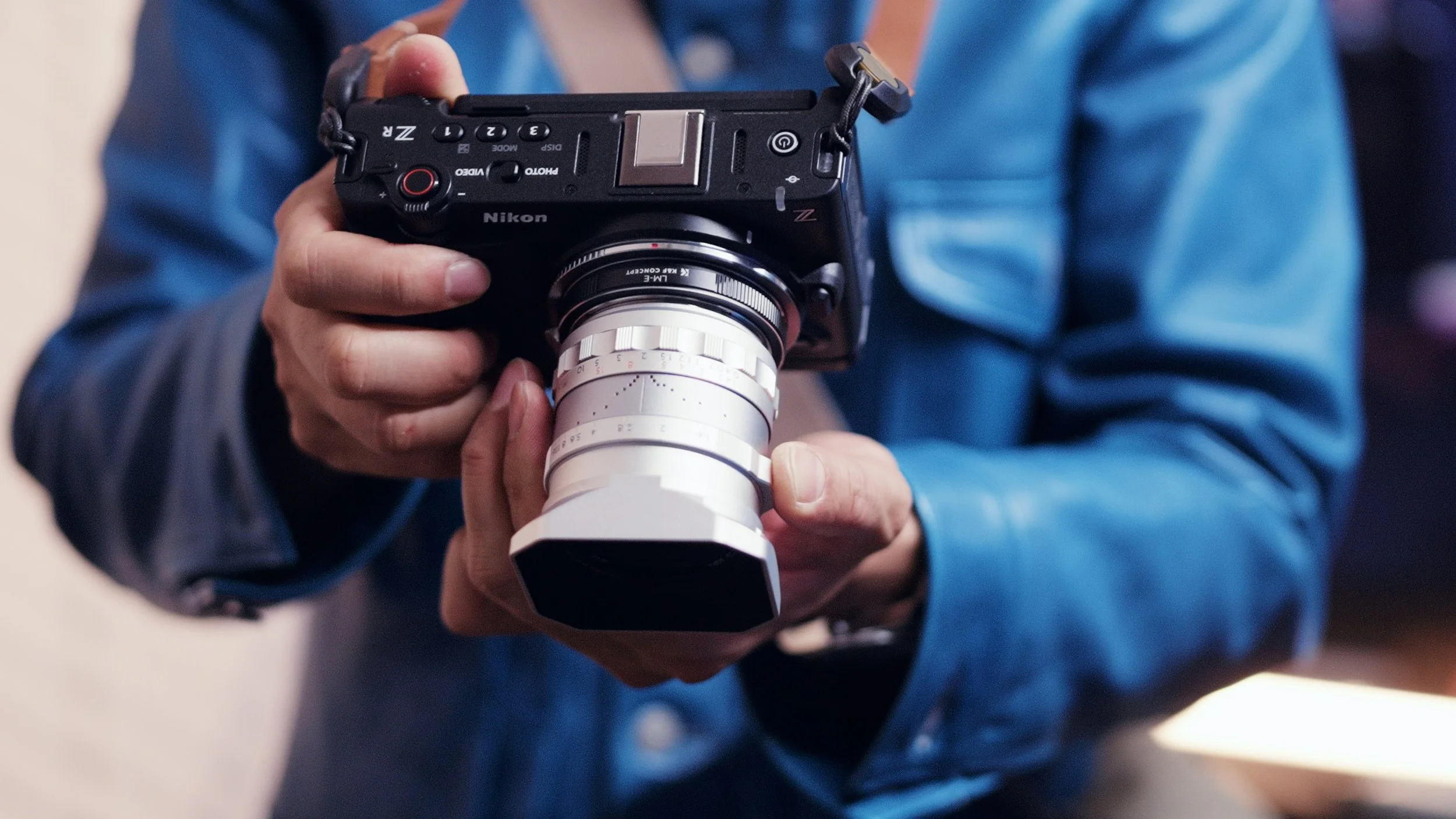
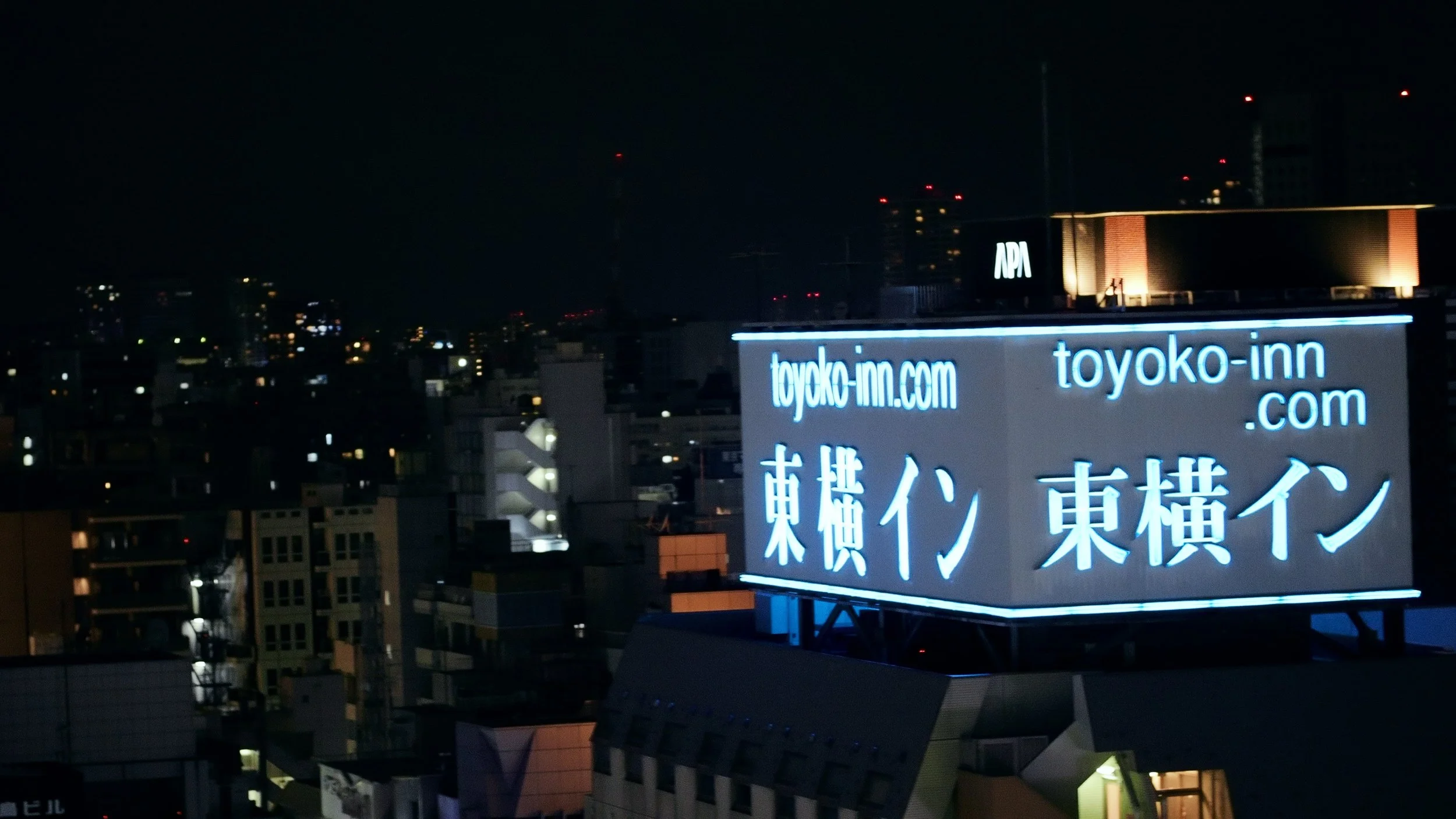
The Thypoch 28mm 1.4 simera, faster, manual focus only, we had an hour left in Shinjuku, time to try something new, which the ZR’s screen encourages you to do.
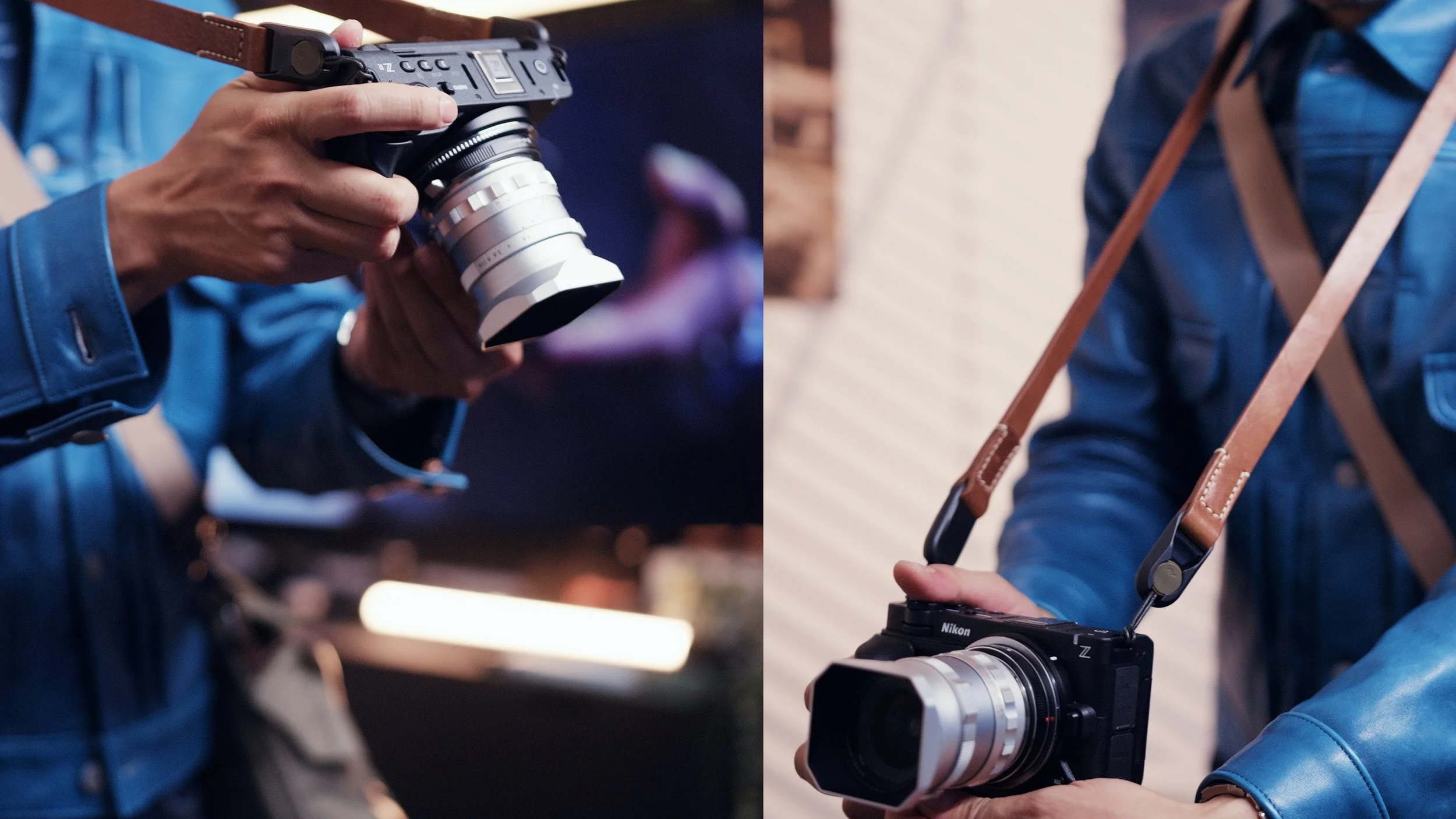
Try to shoot from high and low angles - even without flipping you can see most of the frame - great for new compositions at new locations.
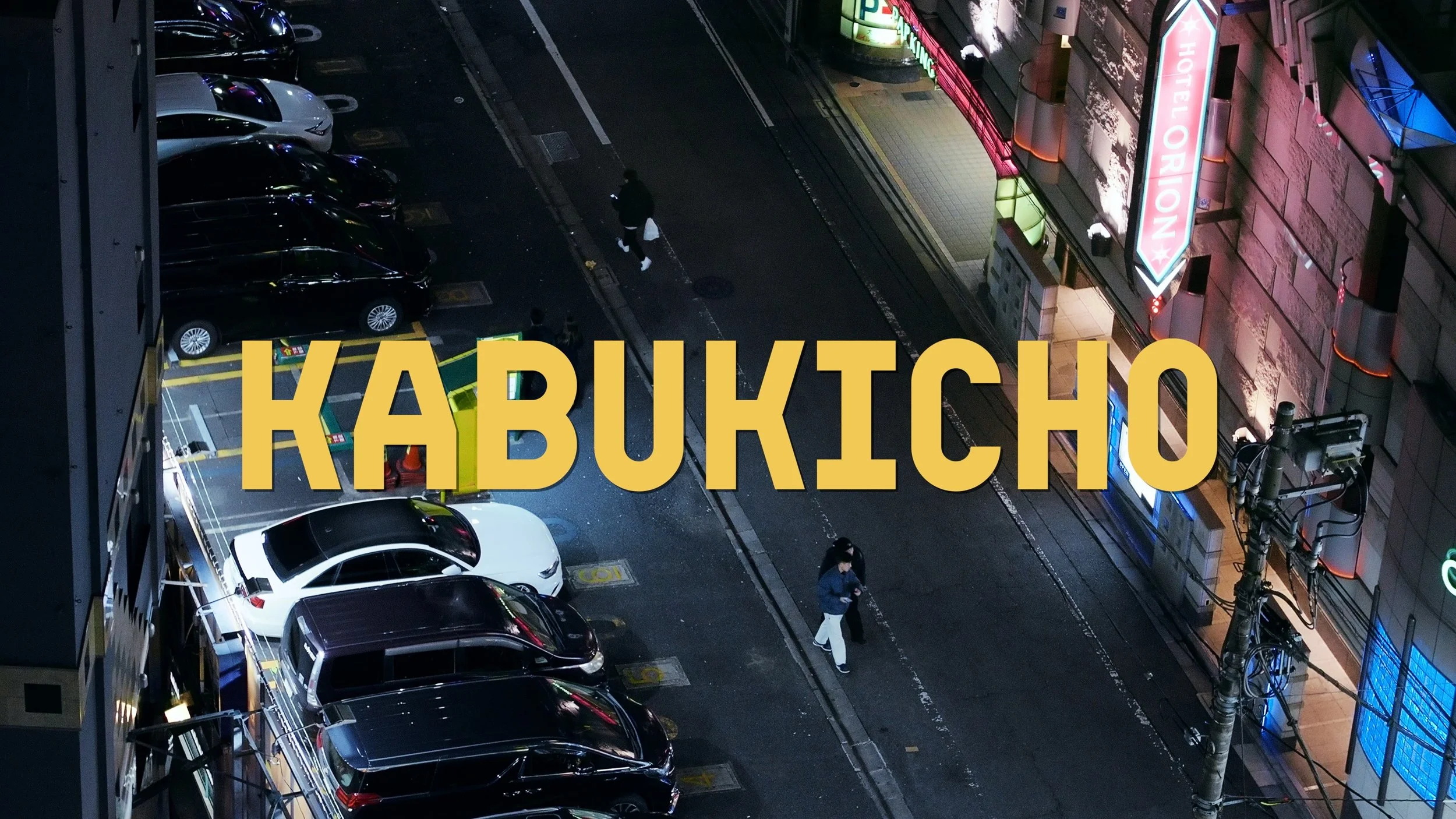
A rooftop hotel bar I’d never been to, with a view of the city, Kodomo tower, pedestrians and cars moving in and around Kabukicho, Shinjuku’s red light district, a basic trick to try when I’m not feeling in it.
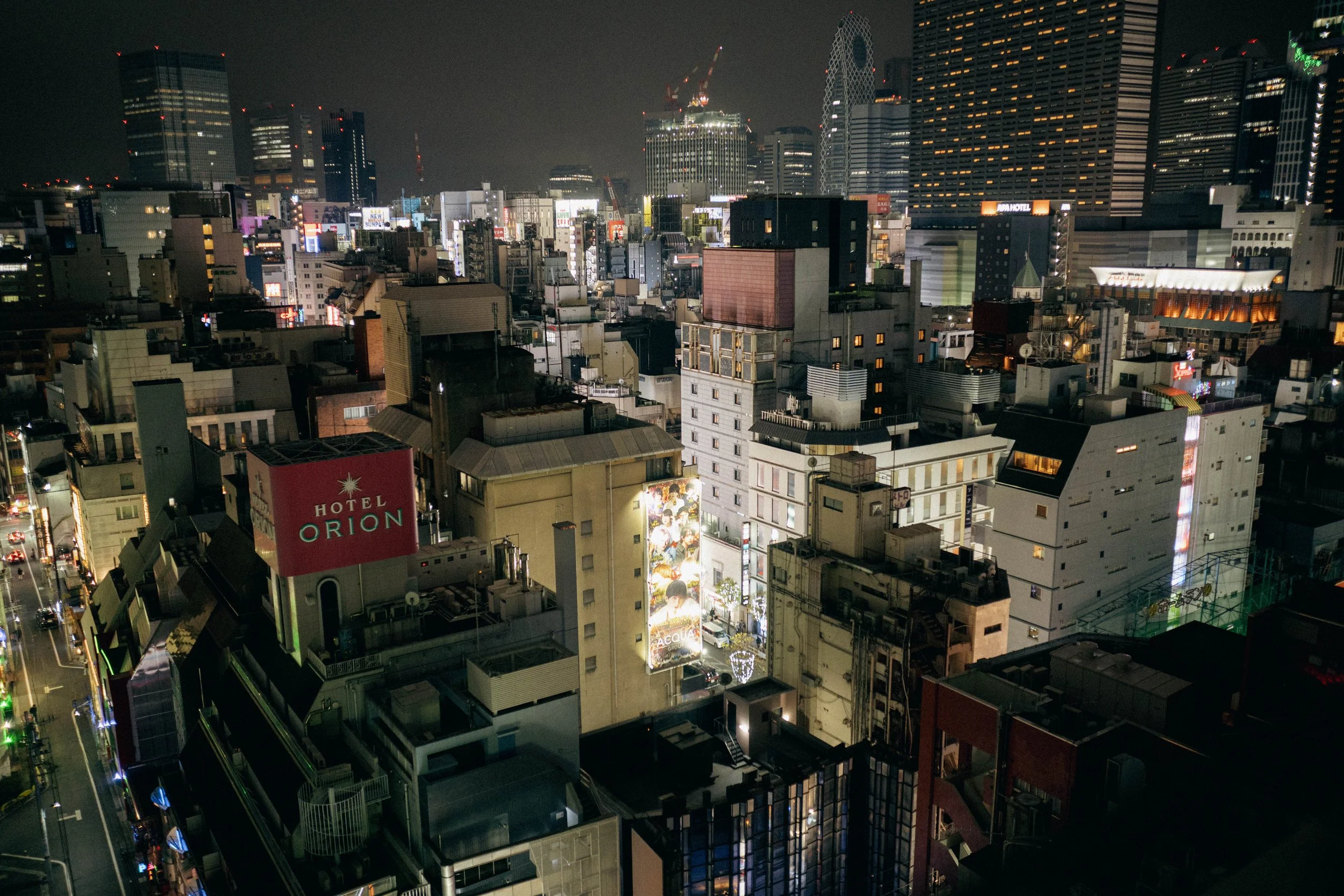
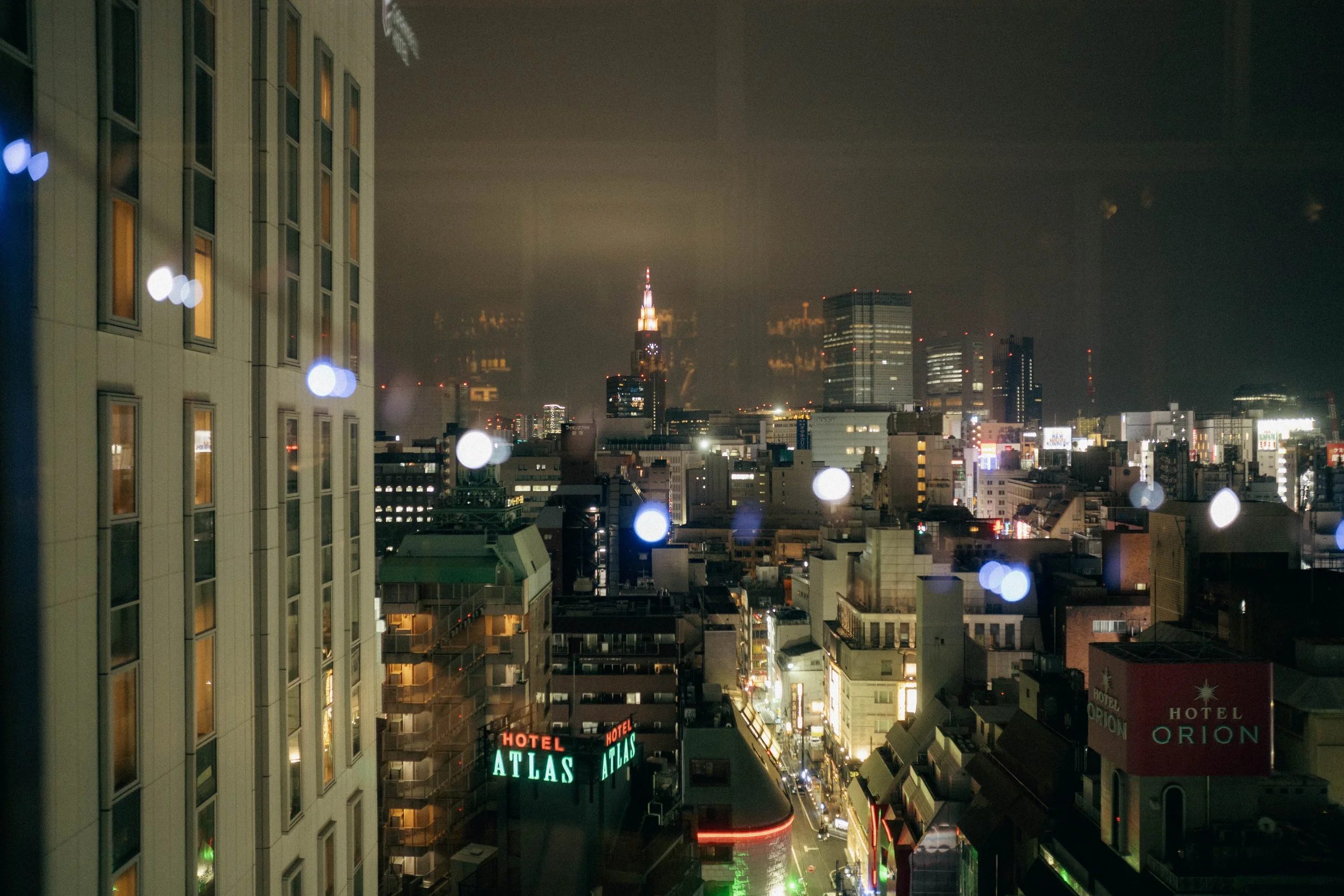
This is also a good chance to test the ZR’s…
IV. Low Light Performance
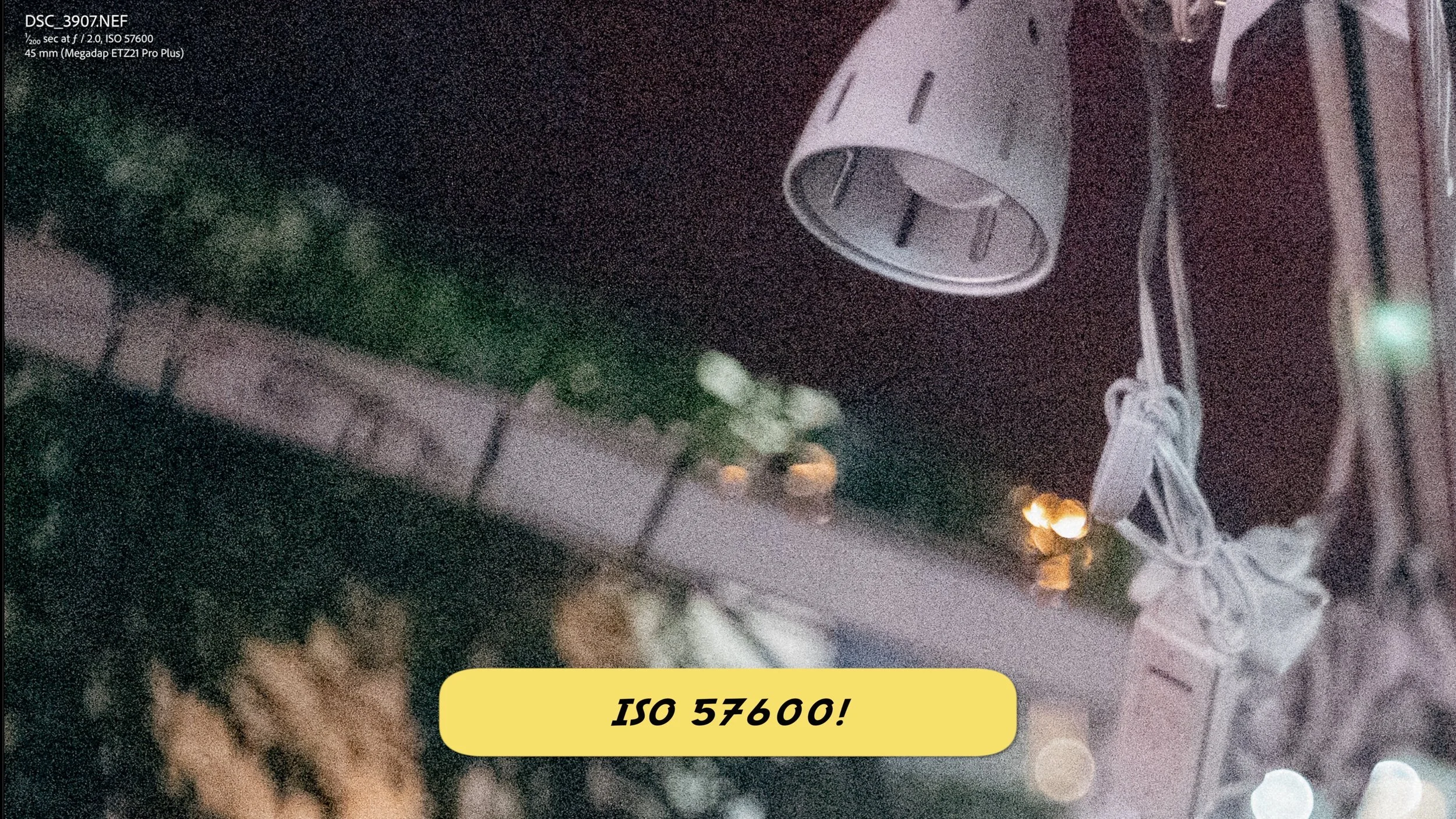
Nothing new for Nikon, which is to say amazing. Keeping the ISO low used to be my number one exposure priority, but now I don’t even think about it anymore? Noise reduction works well, the colors don’t break apart. Very well controlled, even at ISO 57600!
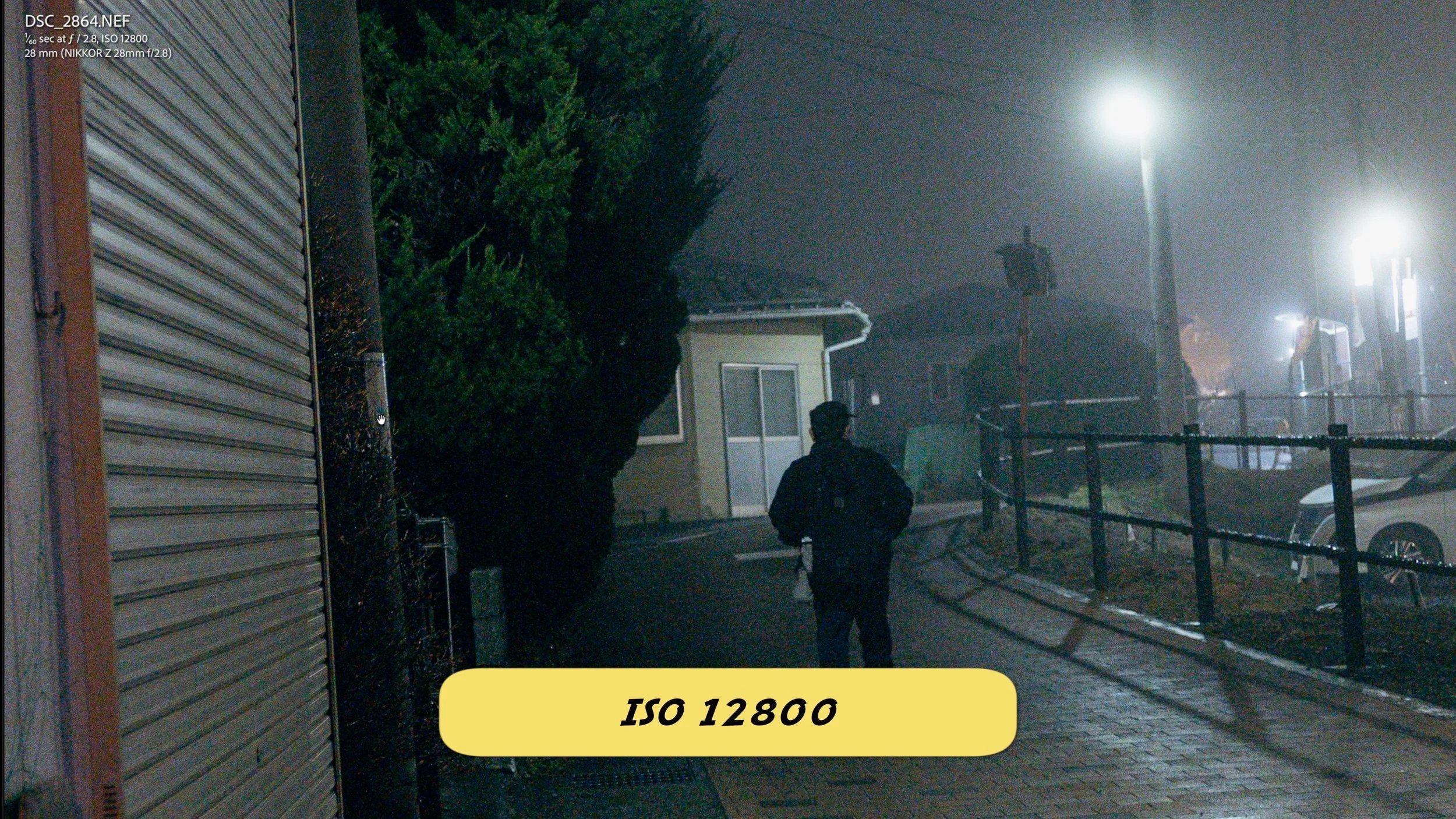
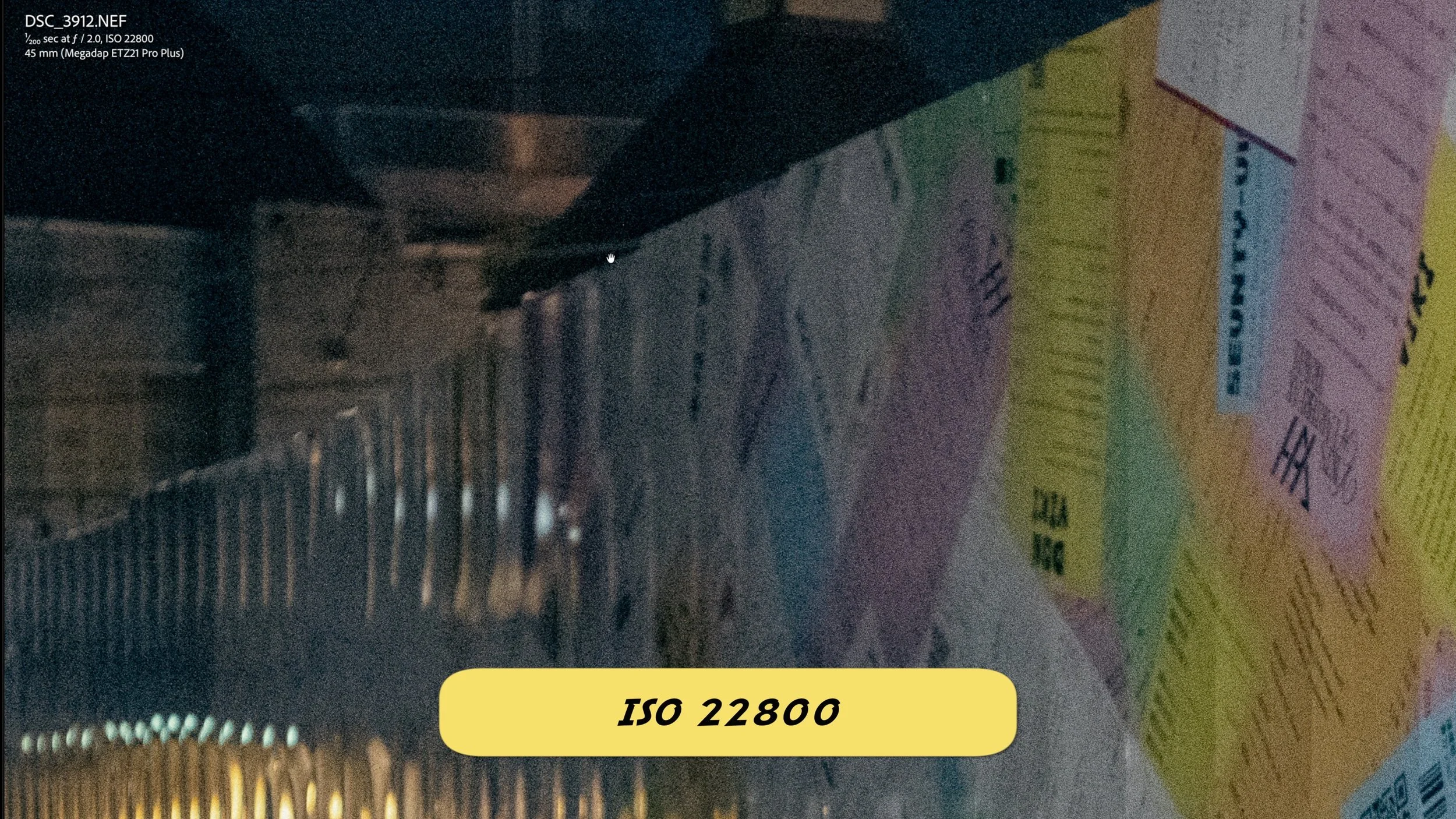
If it’s properly exposed I can get a usable image. Performs similarly to my Zf, Z6iii, I keep auto ISO to 32000 just to play it safe, but Nikon’s low light performance is fantastic even before you use tools like DXO’s pure raw, or adobe AI denoise.
I’m slowly compiling a focal length guide for travel photography - 28mm will be one of the entries. I’m covering other focal lengths too, let me know in the comments below what focal lengths you’d like to see?
Tokyo’s a well-lit city - f2.8 is more than enough the vast majority of the time.
If you’re at street level there are so many signs - I rarely go above ISO1600. In the nooks and alleys that I like to shoot the Thypoch’s f1.4 aperture is nice .
I’m using it on a M to E dummy adapter, paired with Megadap’s ETZ21 Pro + adapter. IBIS works well if you use the lens rotation F10 setting to remap the focal length, the green boxes for focus confirmation all come on, but even without these tools the ZR’s great for manual focus.
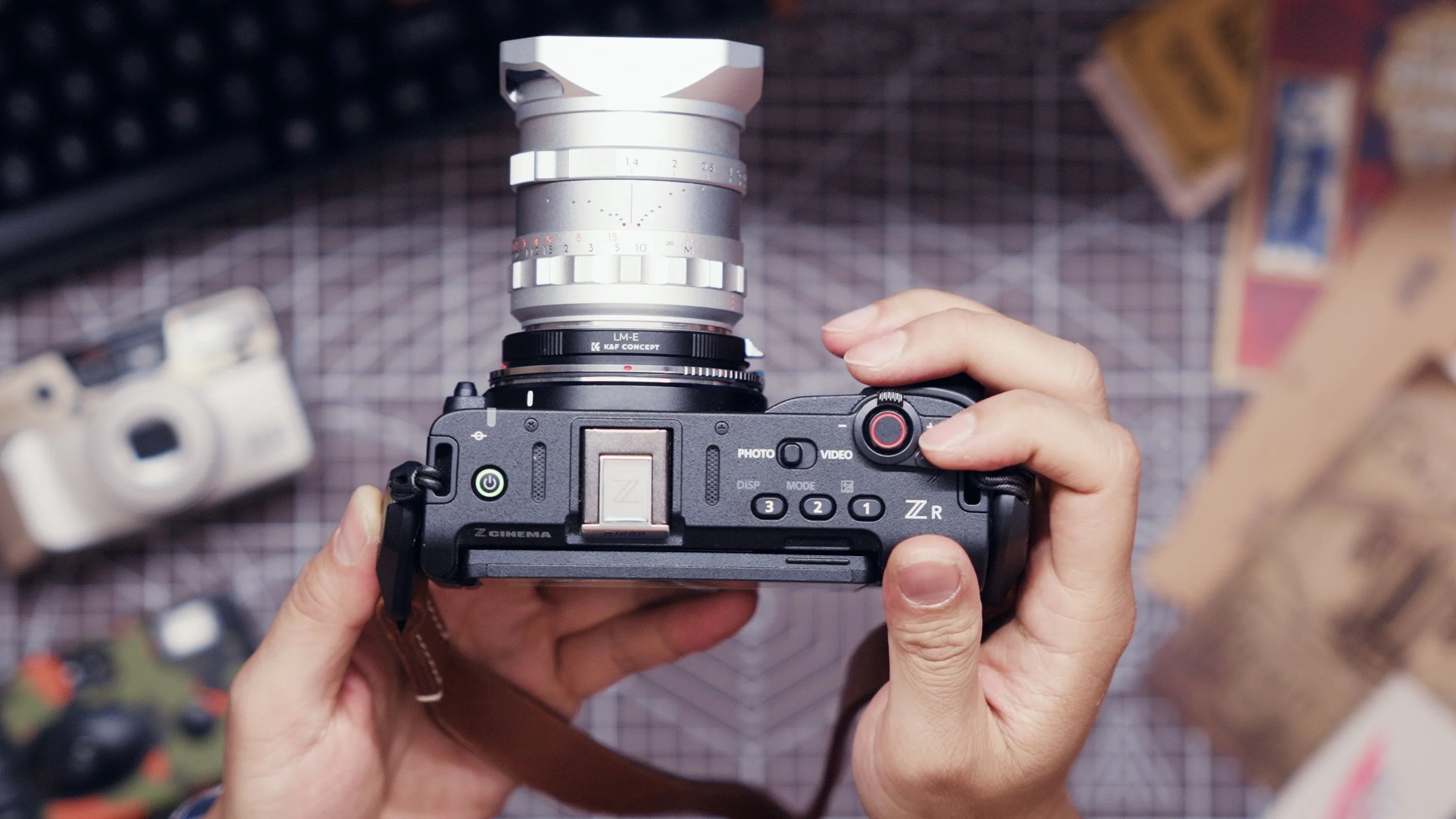
Nikon’s focus peaking has always been tuned a little awkwardly - but that Zoom rocker for punching in? Very natural, right next to the shutter.
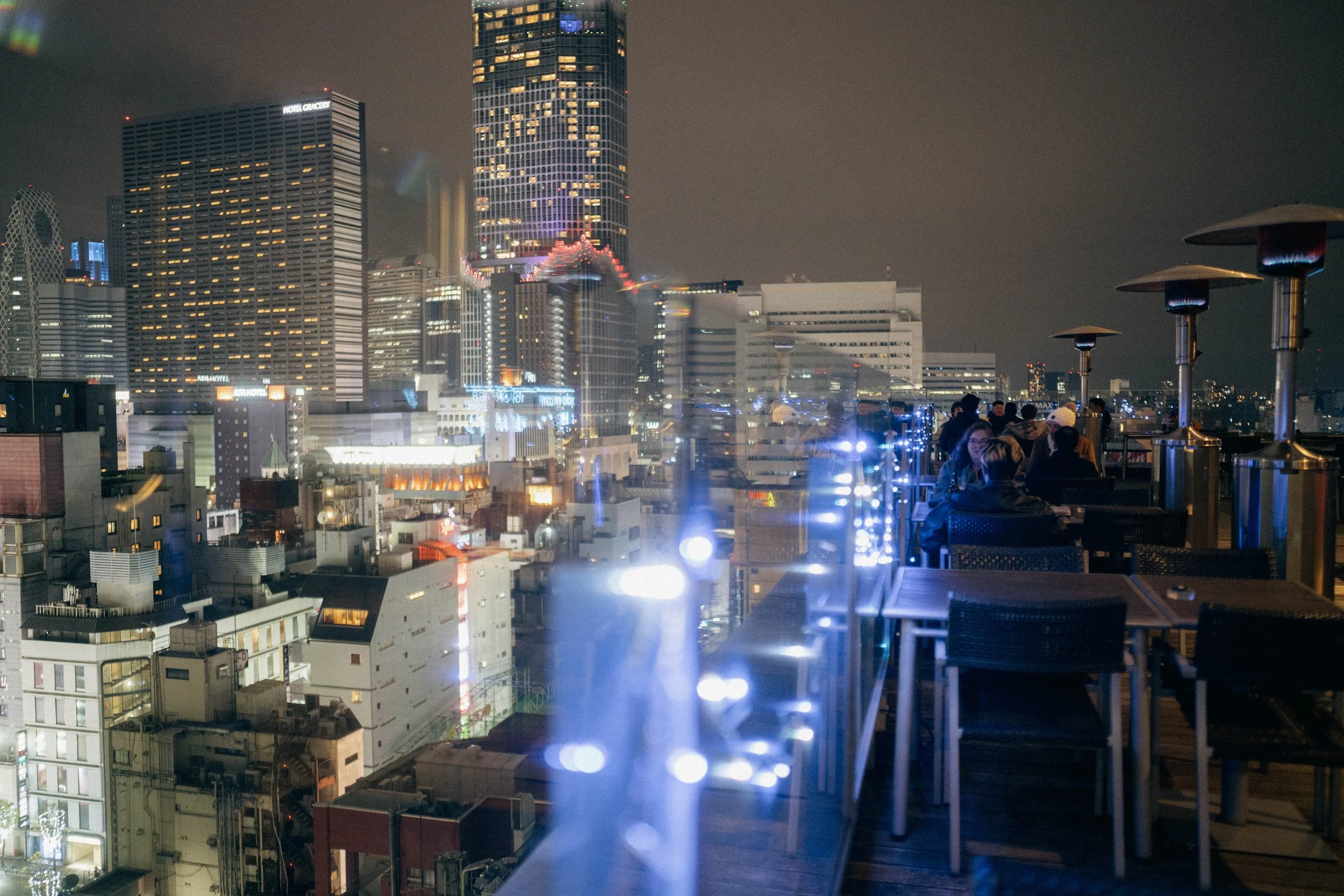
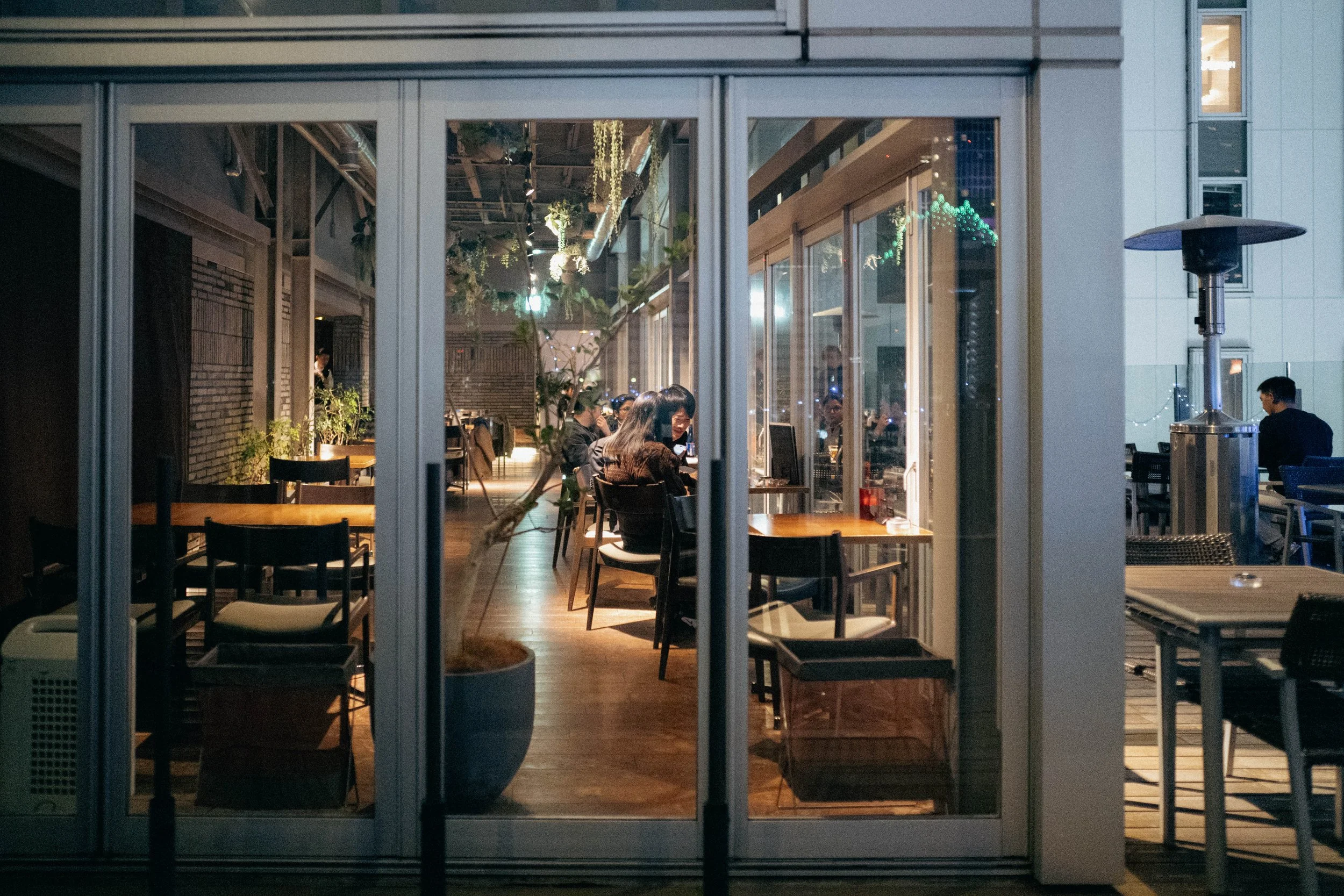
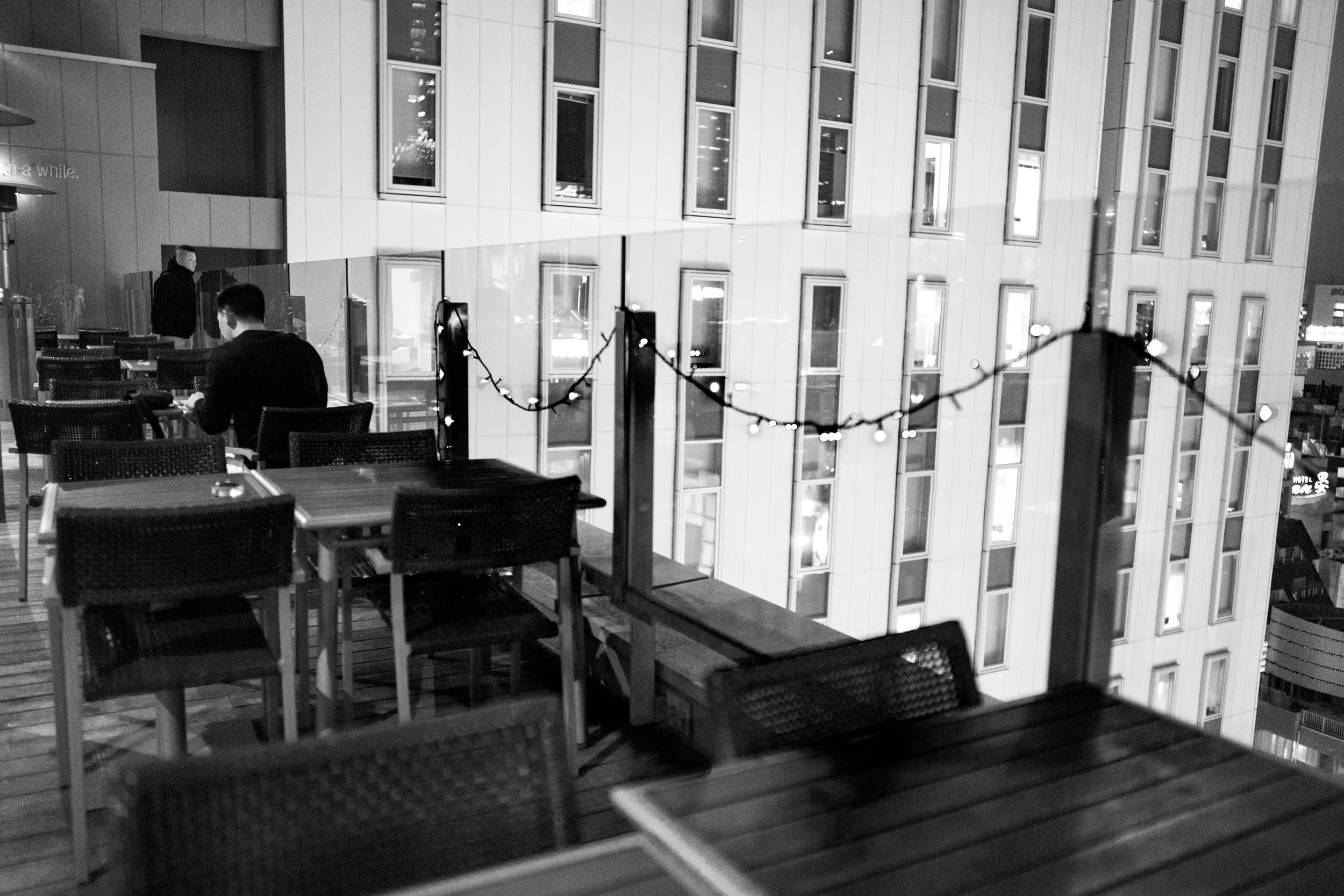
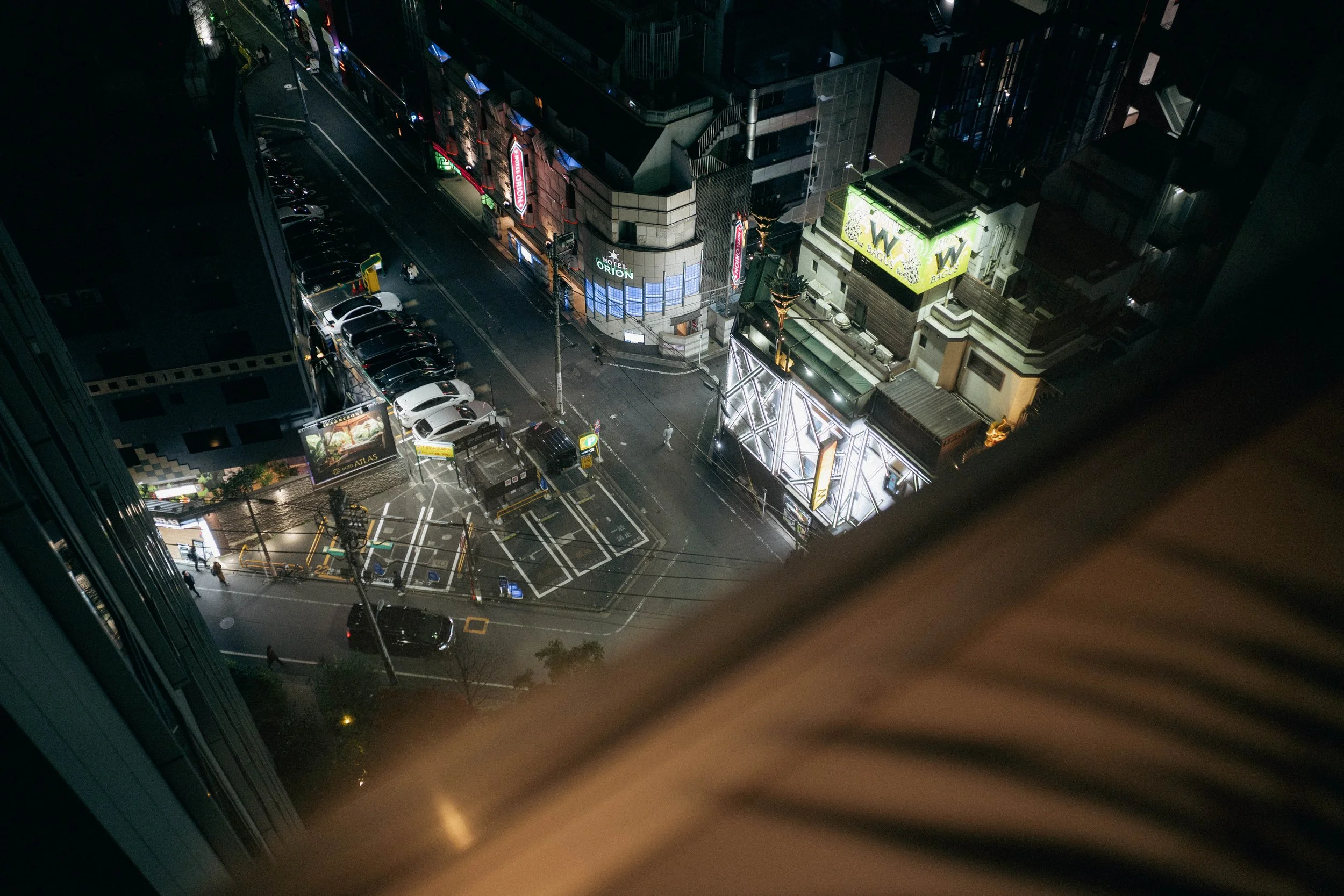
Massive screen again helps, this time with nailing focus. 28mm is wide enough to get most of the skyline view, but the people on their one last drink is more my speed.
Then I ran out of time - back to Roppongi for the night.
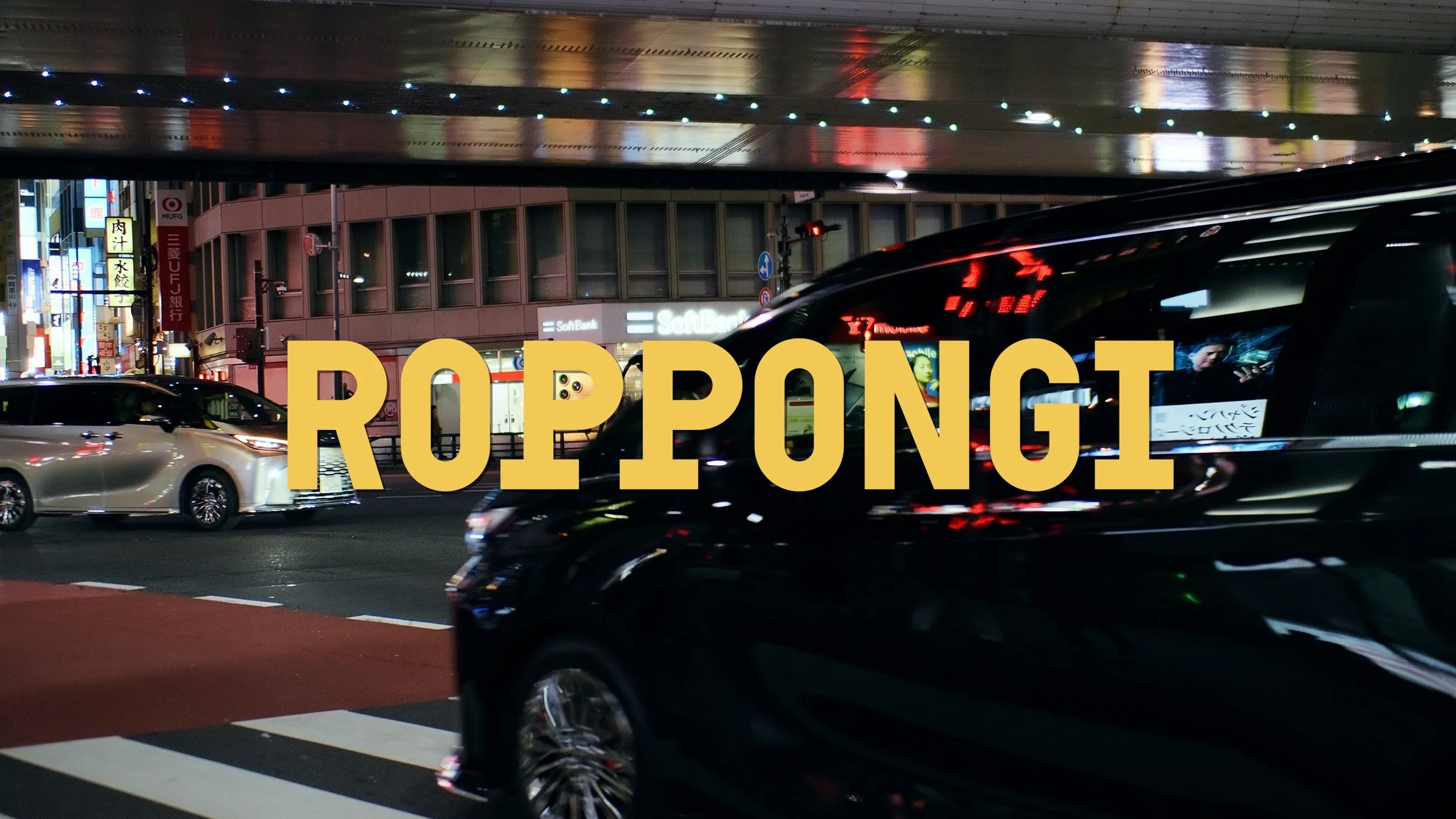
At this point it was 10pm, I started shooting at 10am, a full 12-hour day of photo and video how’s the ZR’s…
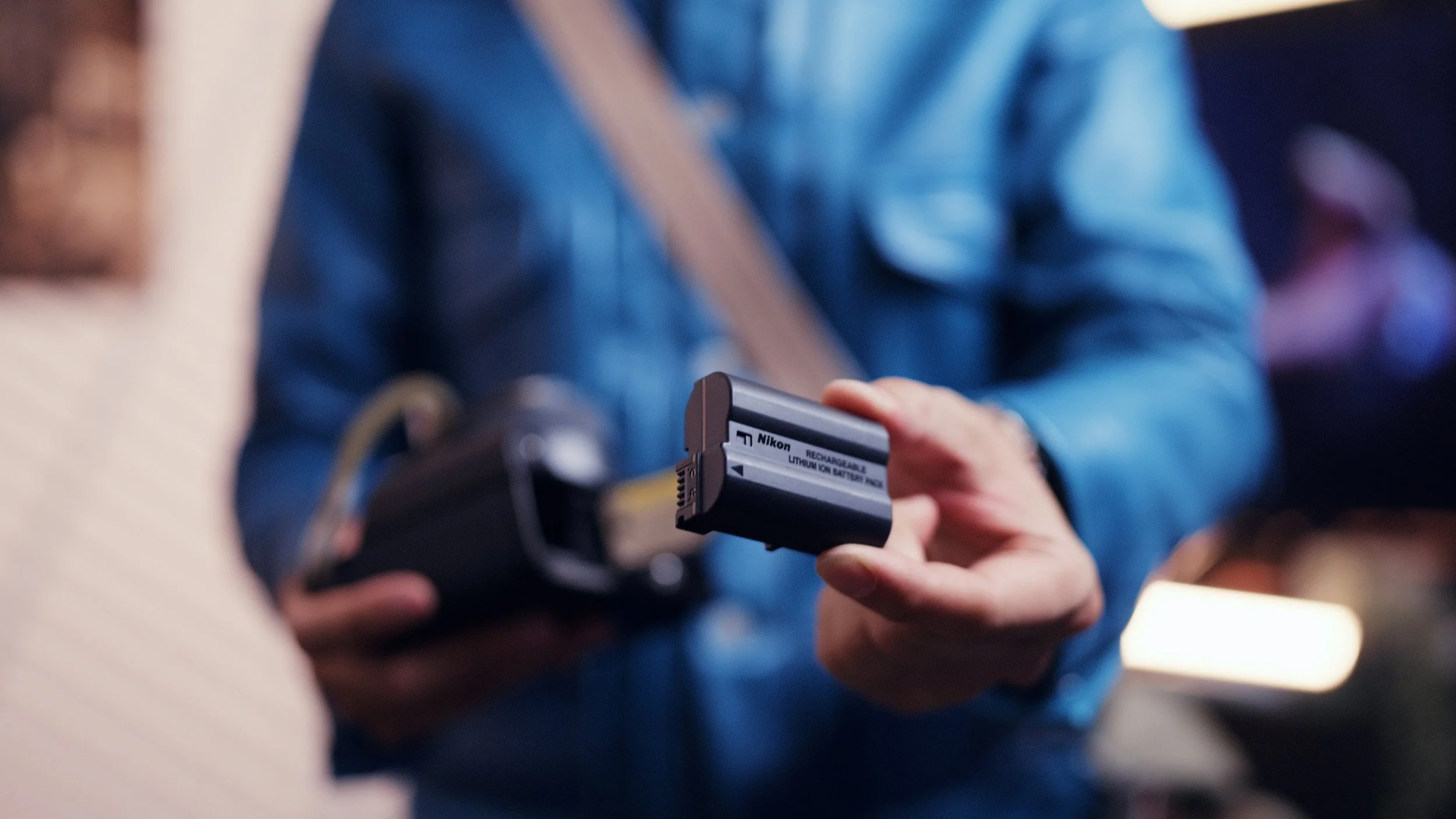
V. Battery Life
2 out of 5 bars left. I probably should have gone to bed, tomorrow’s a big day, but I was starting to get back into that 28 mm flow.
While everyone else was asleep? I headed back out. Compared to other Tokyo districts? Roppongi’s not the most exciting, but that’s not the point of street photography. I don’t need to feel inspired, give me empty lanes or crowded alleys, I knew if I get enough reps something might hit.
2 bars left on the ZR’s battery ended up lasting me rest of the night, another 2 hour long photowalk. This isn’t an outlier, the battery life is pretty consistent, my screen’s set to Hi 2 - the brightest setting, I shoot mostly photo, a bit of h265 n-log video on the ZR. Rock solid battery life.
No need to pack many batteries for travel. I only brought the one in camera. I didn’t run out on any day of the trip, I had a small USB powerbank as a security blanket, but I never needed it.
That does bring me to my first of 2 nitpicks with the ZR for photography:
VI. That Power Button.
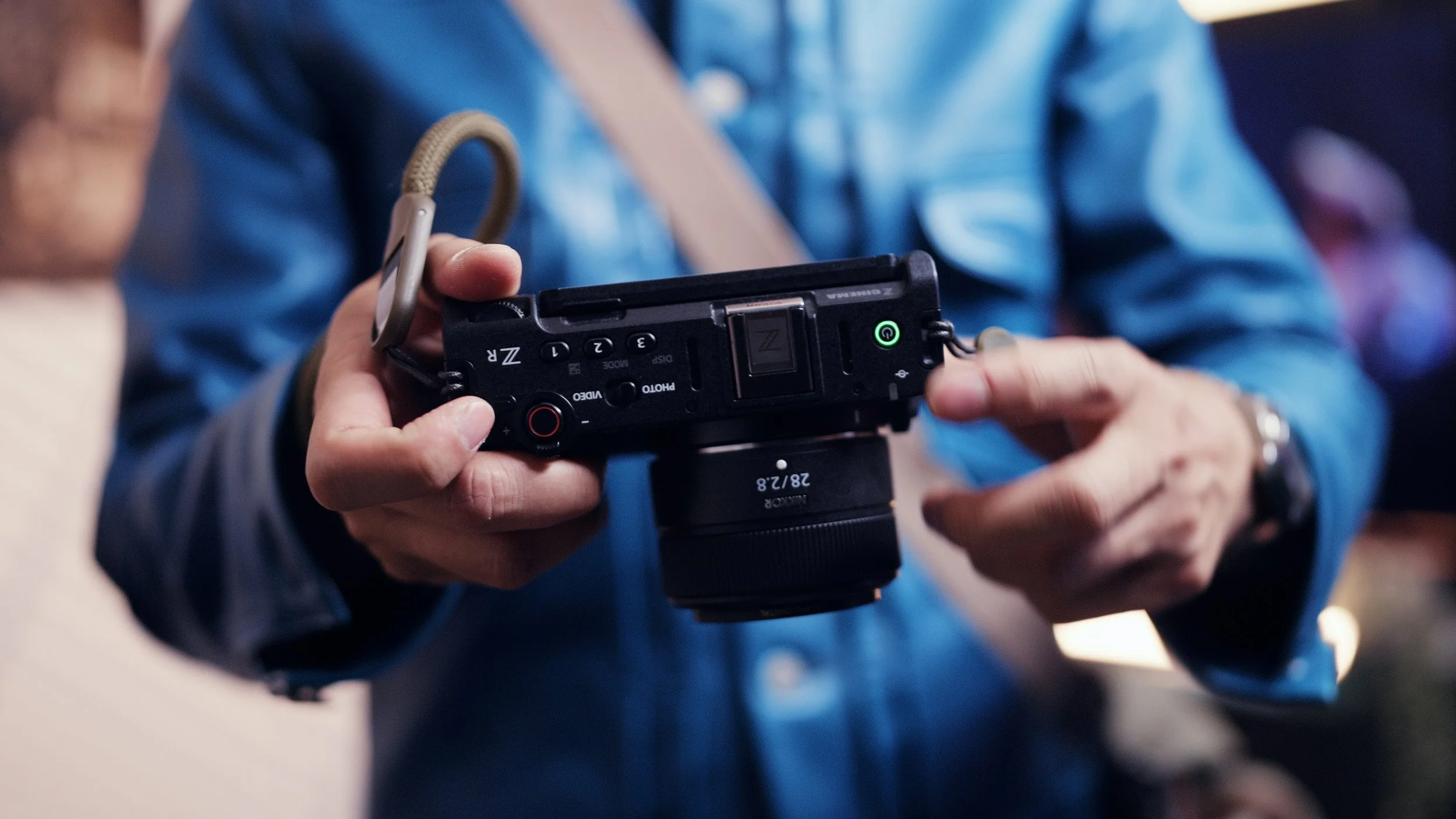
Not accidentally bumping it - you have to hold it down quite a while to turn on, so what’s the issue? Two handed operation. For travel you want to swing the camera up, immediately start shooting a bird, train, or car, but having to activate the power with a different hand slows you down.
My normal workaround? Leave the camera on, set the standby timer to “1 minute”, the camera sleeps to save power, then a quick half-press of the shutter wakes it up. But on the ZR?
After standby the power button flashes for another minute - I haven’t found a way to extend this - half-press to wake no longer works. ZR users let me know if you have a power button workaround.
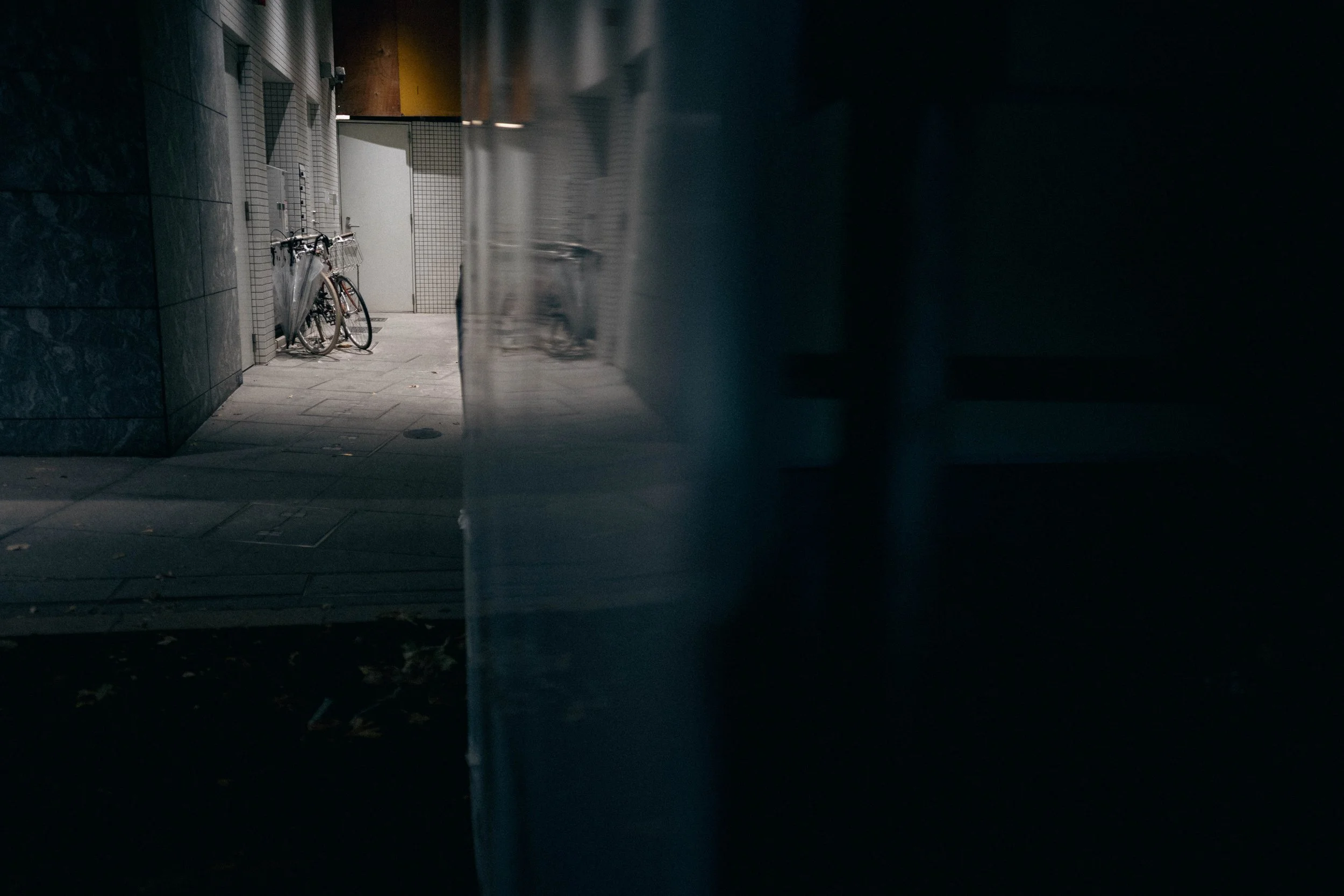
If tomorrow’s meant to be much more exciting, (we’re heading to a famous landmark), why did I keep shooting at night around these boring neighborhoods?
I could see Tokyo tower looming in the distance. The width of 28mm helped me frame this shot flanked by trees on either side.
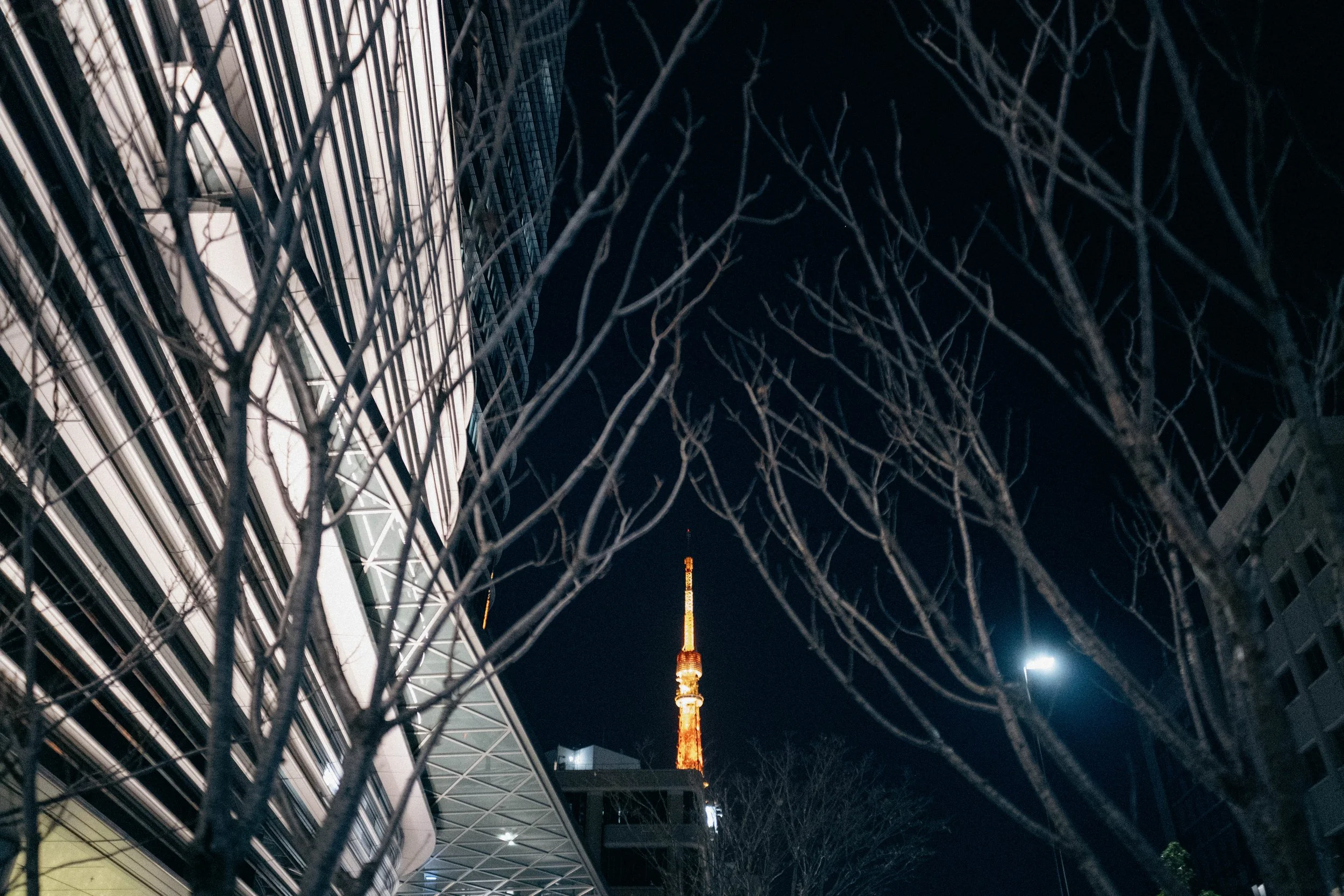
I started seeing more leading lines.
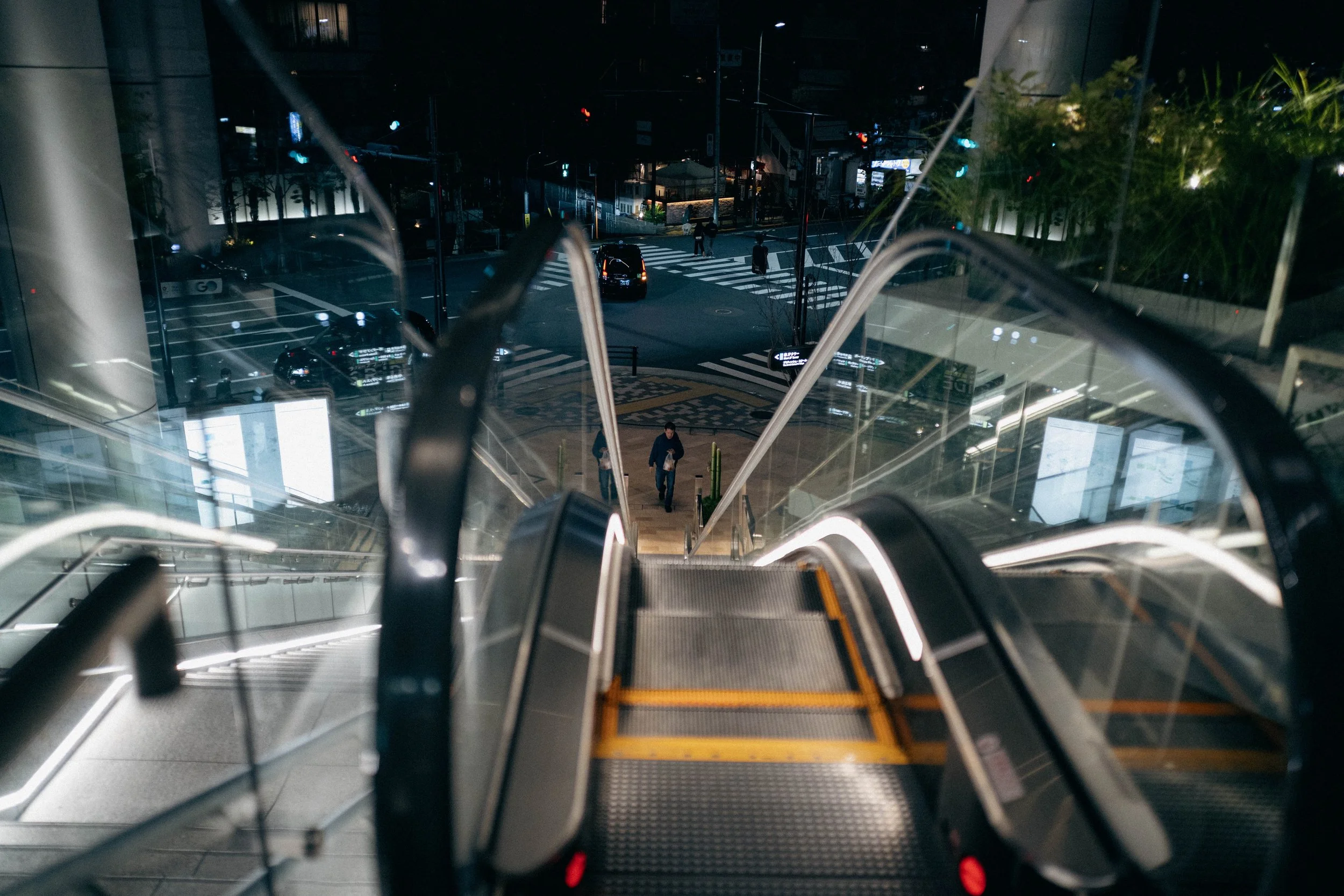
The 28mm frame isn’t just wider, it’s taller as well.
You can layer top to bottom as well as left to right.
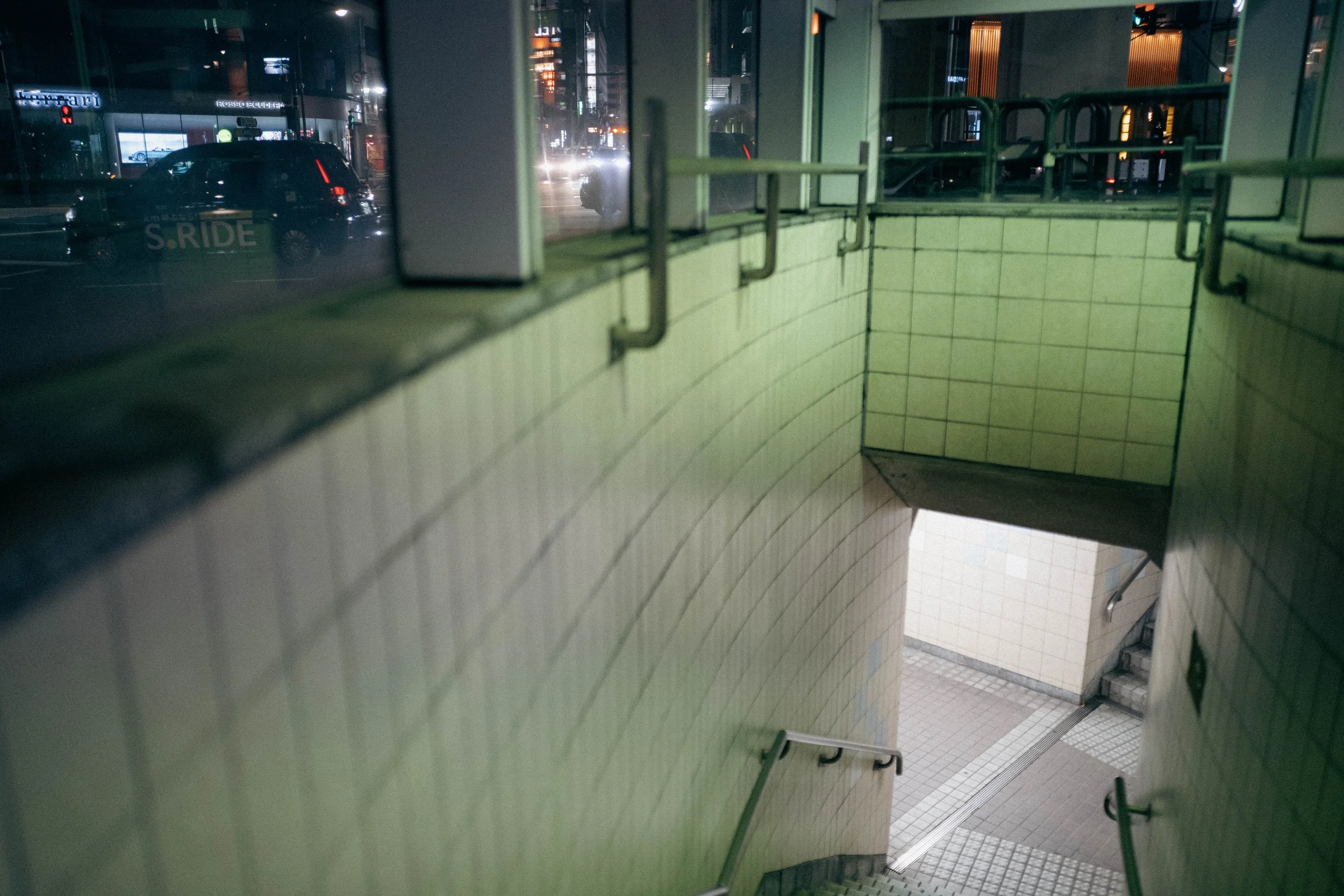
It may have been the slower manual focus process, or the faster 1.4 aperture, these shots felt very different to what I was getting on the Nikon 28 Z.
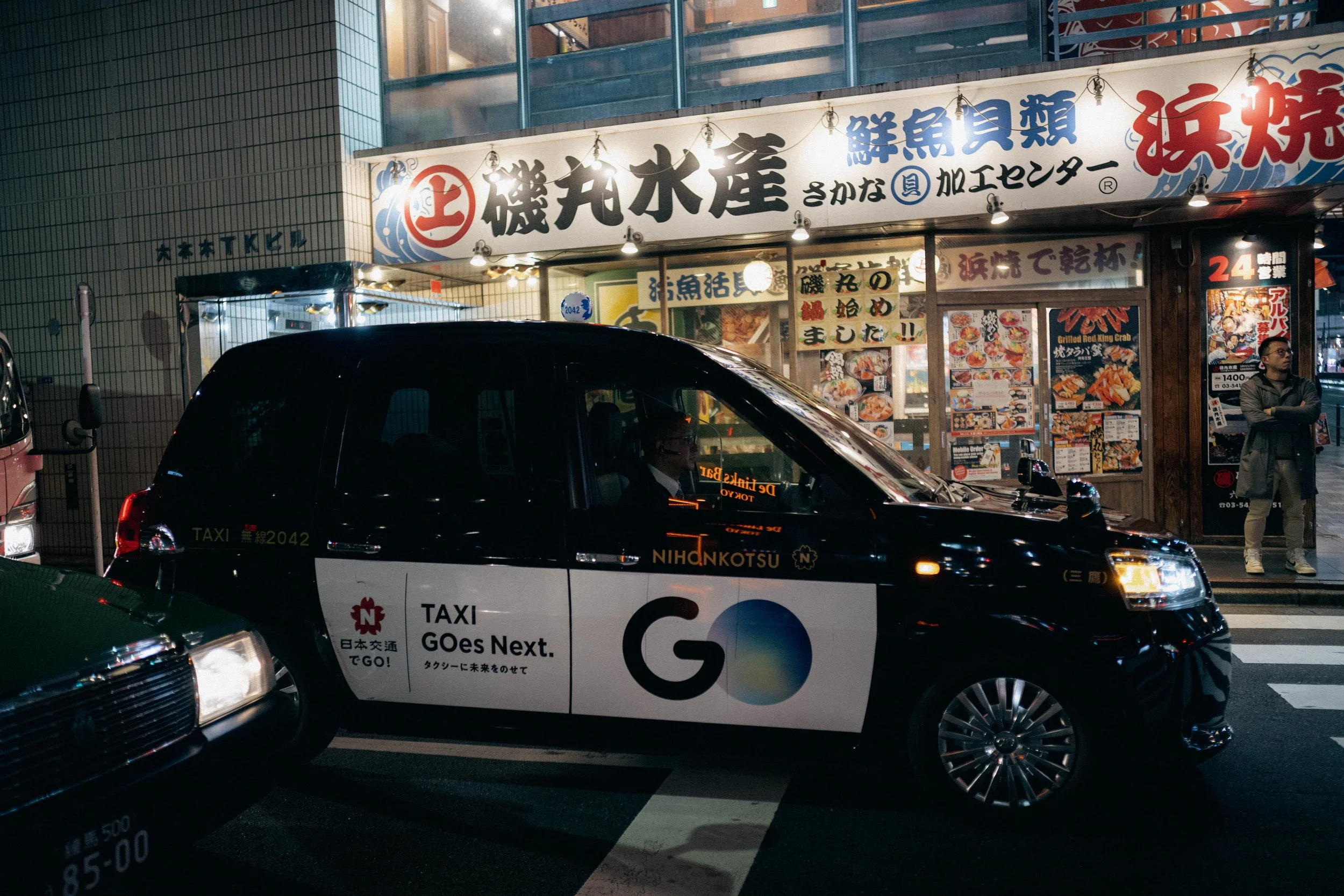
Maybe because the thypoch doesn’t focus as close as Nikon, there’s no autofocus either, I wasn’t including random elements in the frame as often.
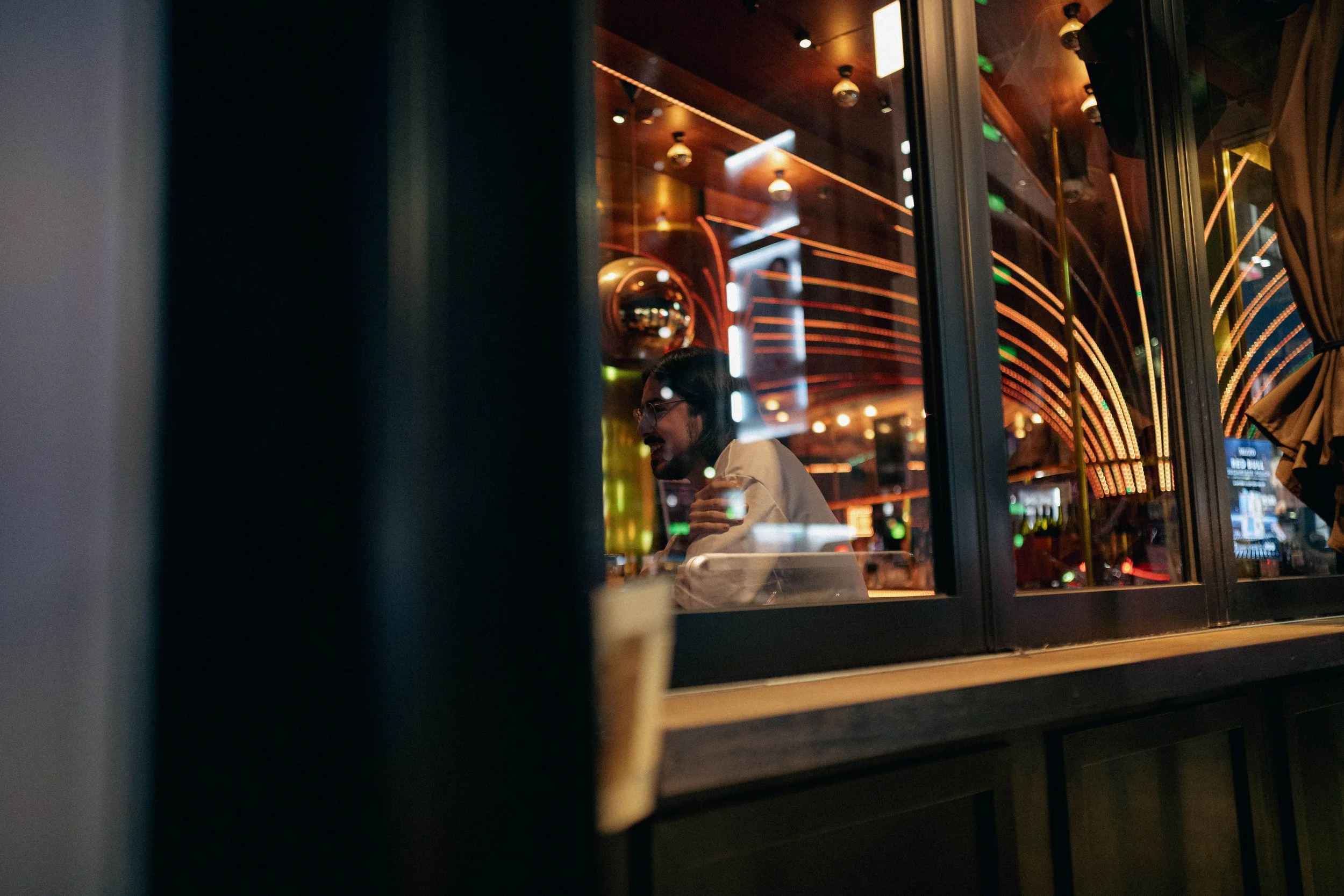
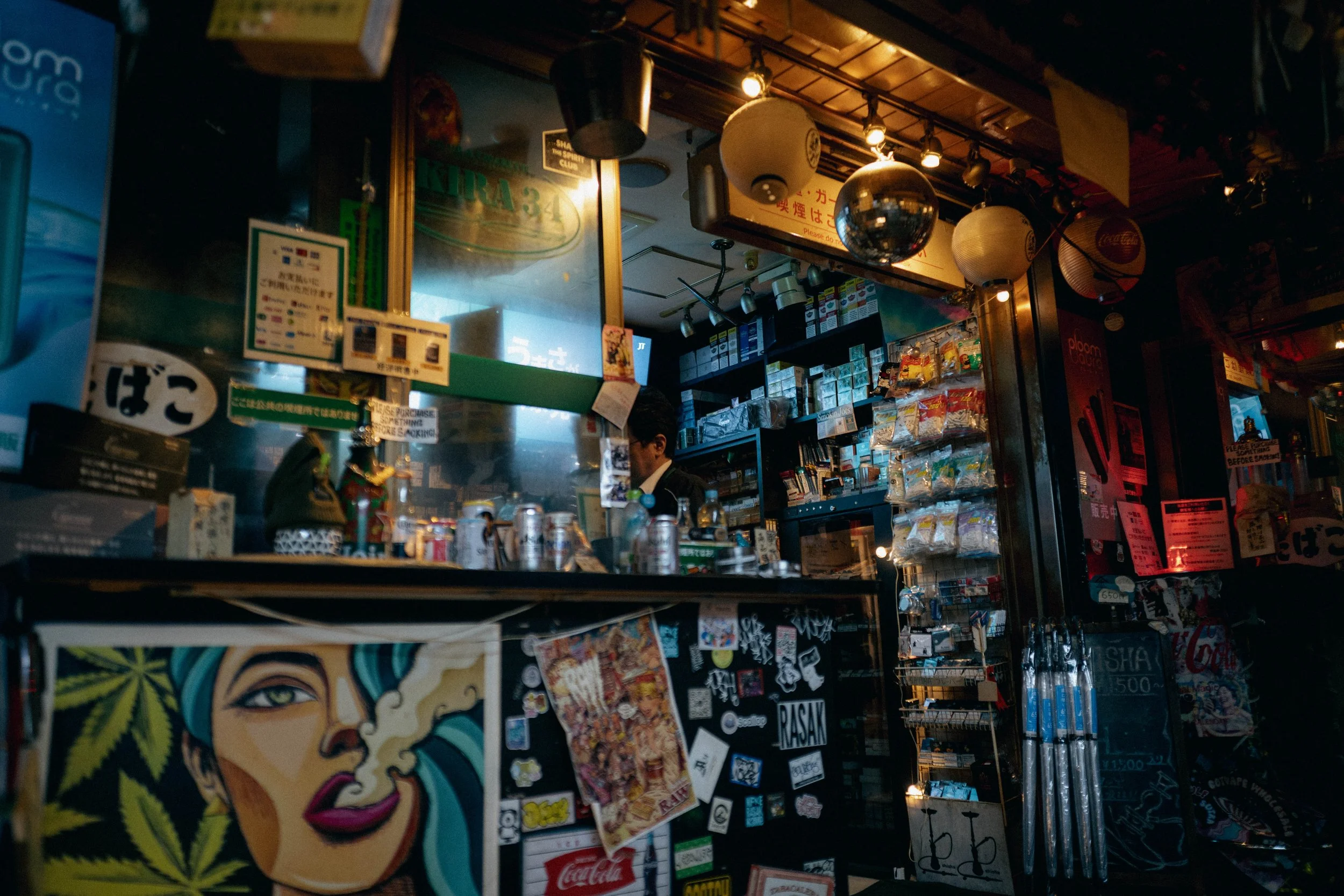
It felt good to get back into the flow of 28 mm, but I don’t know how to feel about the ZR’s:
VII. Memory Card Setup.
The combo of CFexpress Type B and microSD isn’t the best for travel. Luckily the RAW file sizes are less than 20 megabytes on the ZR. I had a 325GB CFexpress type B card from prograde - a 512GB microSD card for backup, more than enough for my 10,000 travel photos.
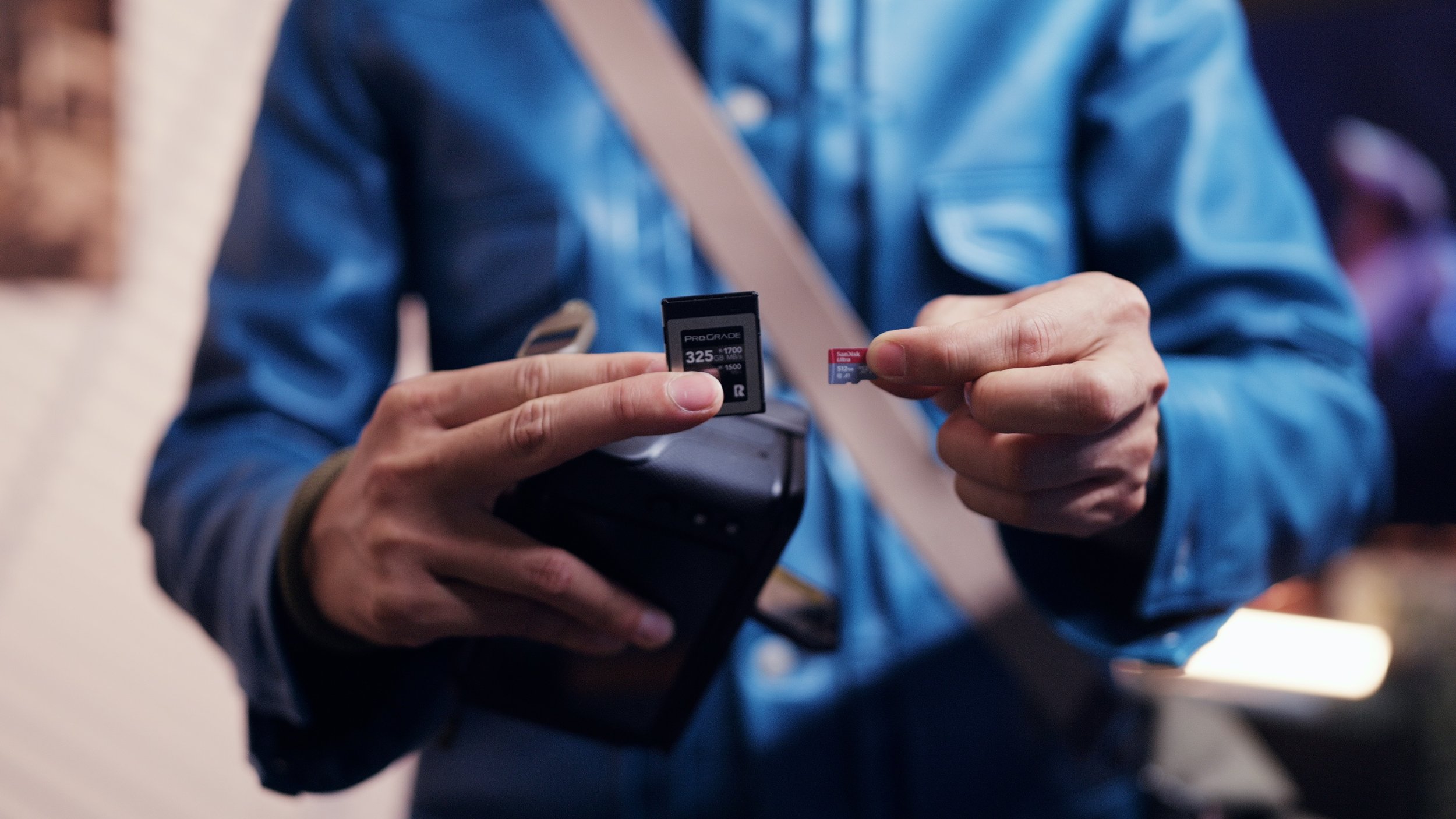
The downside is I don’t know of a small portable card reader that reads both types of media? Let me know if you’ve found one in the comments below, I ended up plugging my camera into my iPad via USB-C to do all the data transfer. I used to appreciate a higher res file to crop in post, but now I much prefer 20-24 megapixels. When you’re moving so fast, shooting so much from location to location, I feel safer with extra storage.
Night time photography however isn’t that safe - back at home I’d think twice before wandering down this dimly lit tunnel. No noise-cancelling headphones, or loud music, camera physically attached to my body. That risk vs reward ratio works in your favour in Japan. Much safer and there’s always little details worth noticing. This throwaway dingy walkway lit by flickering LEDs is filled with so many drawings of Tokyo tower from the surrounding local schools.
A childhood art gallery tucked away in an unassuming underground tunnel.
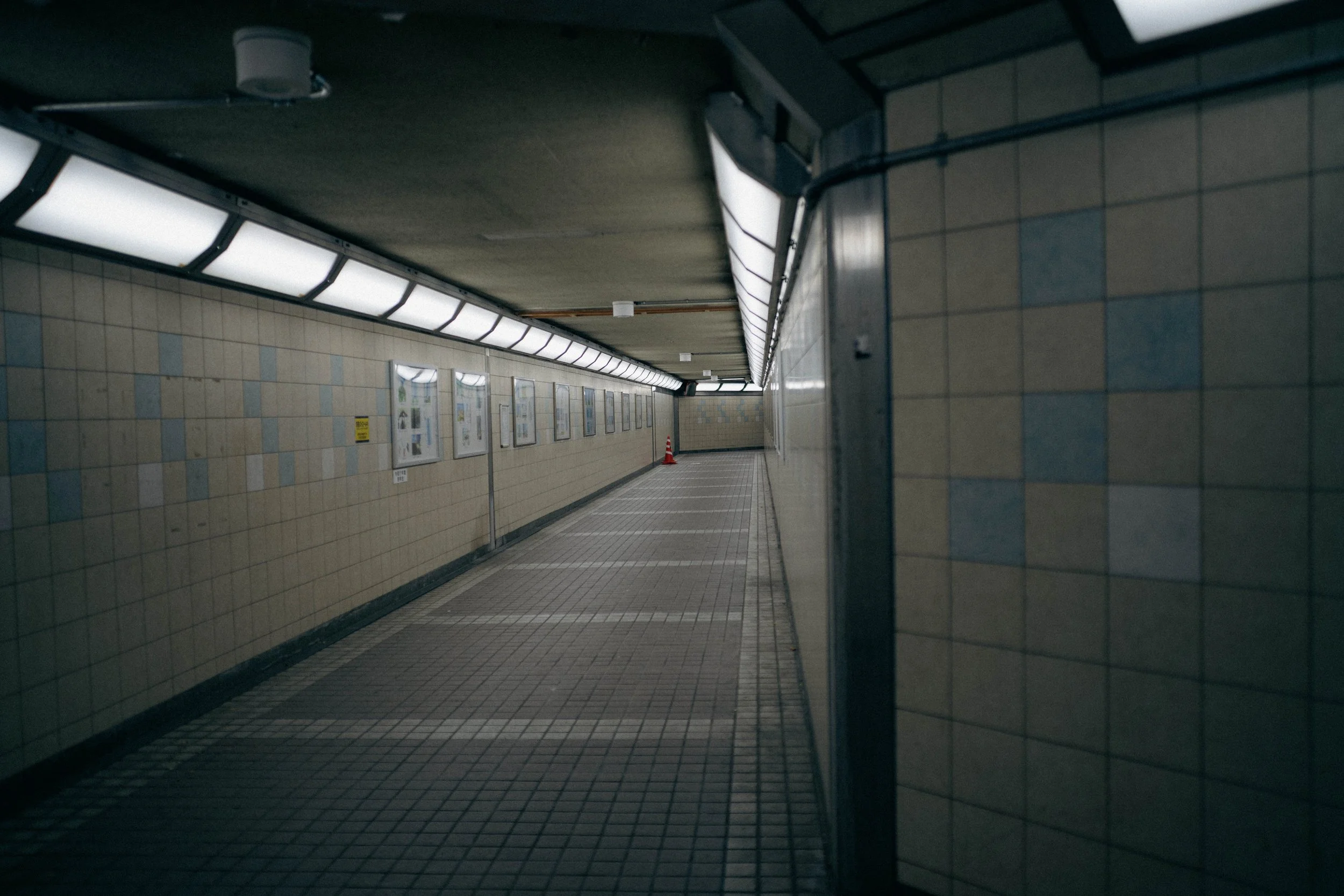
If I only took my camera out when I felt inspired - I never would have come across this location.
This LED-filled tunnel reminds me of my second minor ZR nitpick for photography:
VIII. Banding.
There’s no mechanical shutter in this camera, the electronic shutter on this partially stacked sensor gets rid of banding 90% of the time.

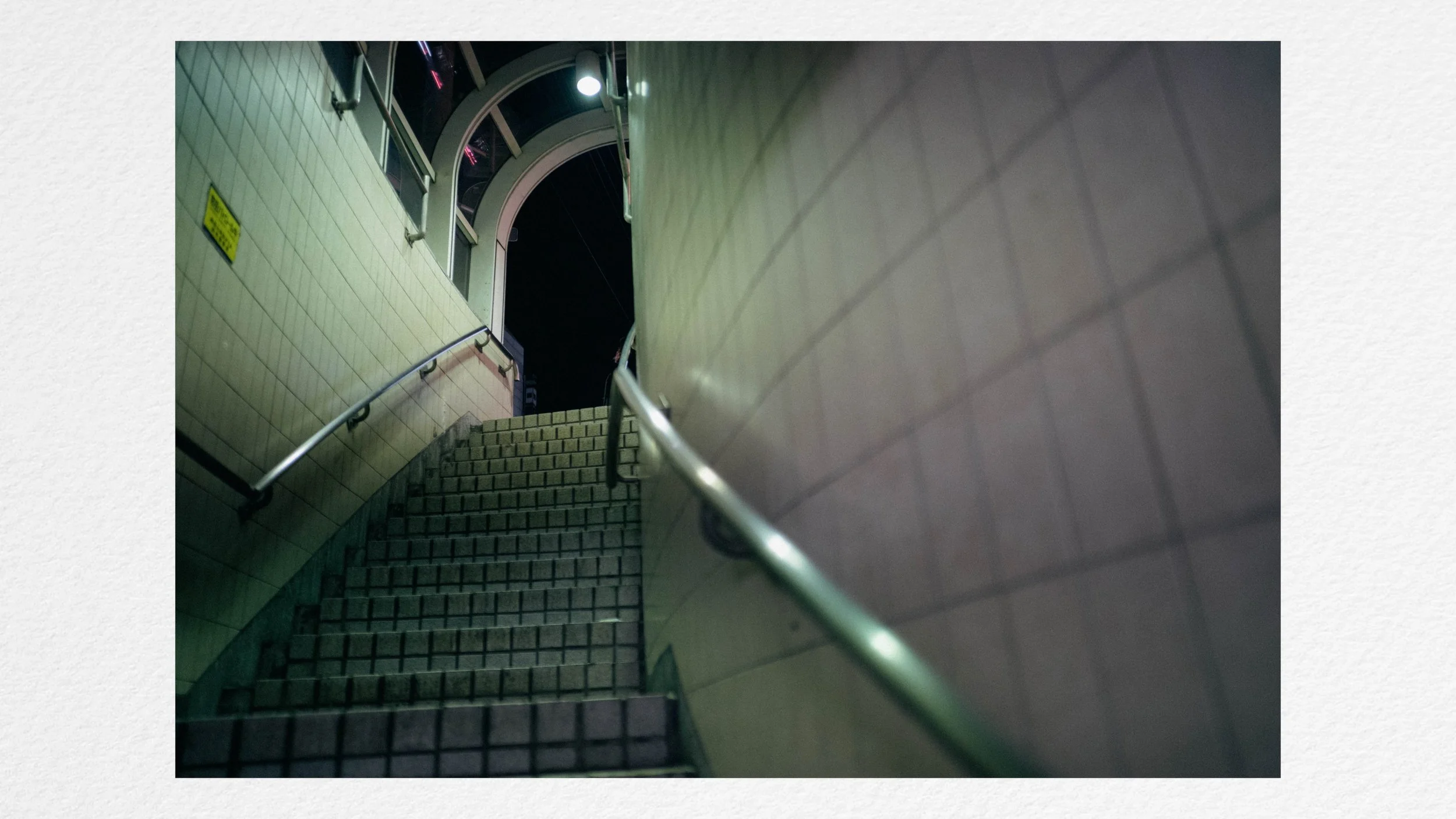
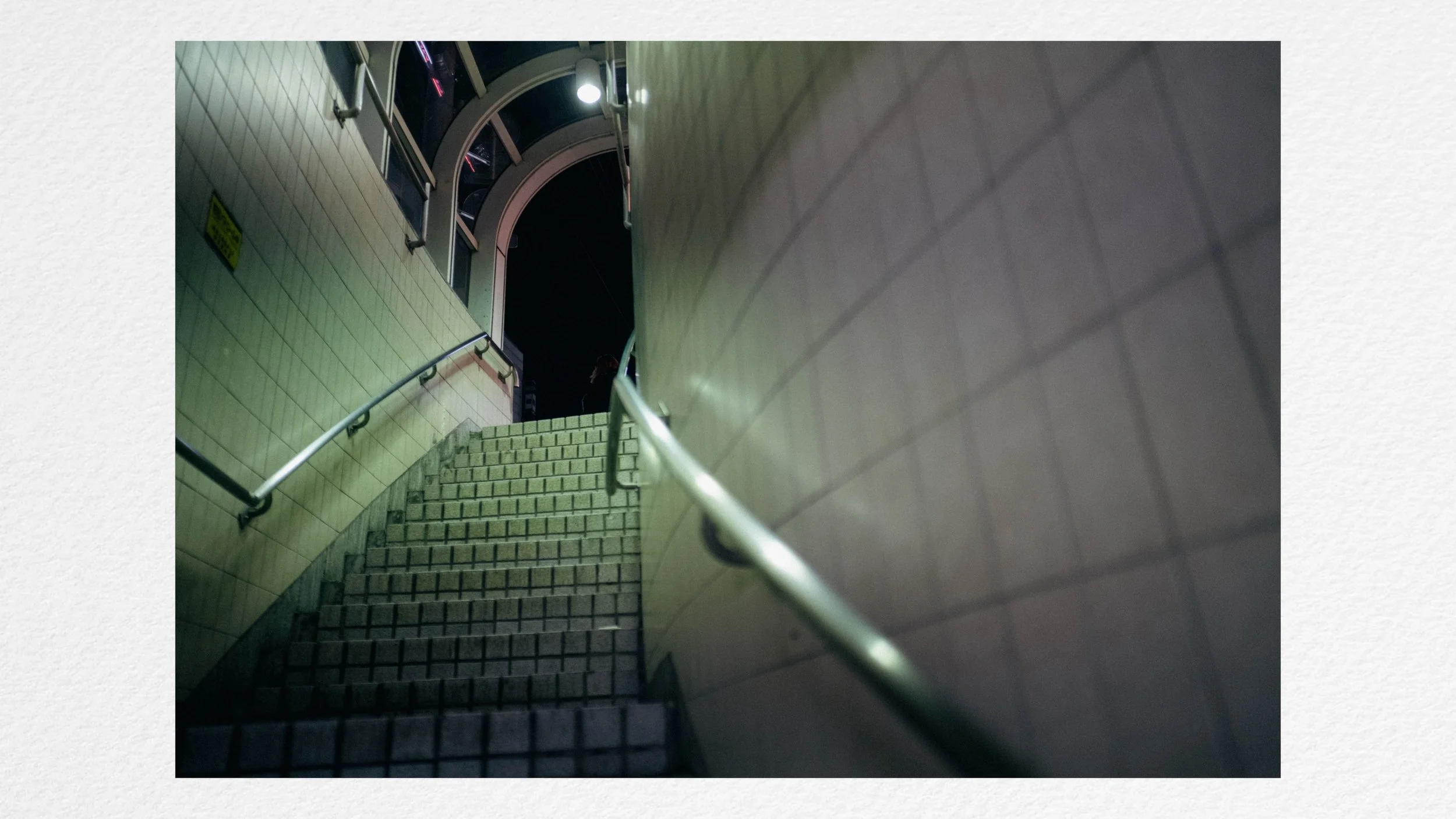
Totally fine, very acceptable, but it is a nitpick. Luckily the bands are quite thick - you’ll notice a few horizontal parts of the image look a little darker than the others, so if you take a few consecutive shots - odds are one of them will be usable. If you can deal with a bit of motion blur, lower the shutter speed to sync with the light frequency - in Tokyo this was 1/100th of a second, the banding is all but gone, and that’s how I got these shots around these giant columns of light.
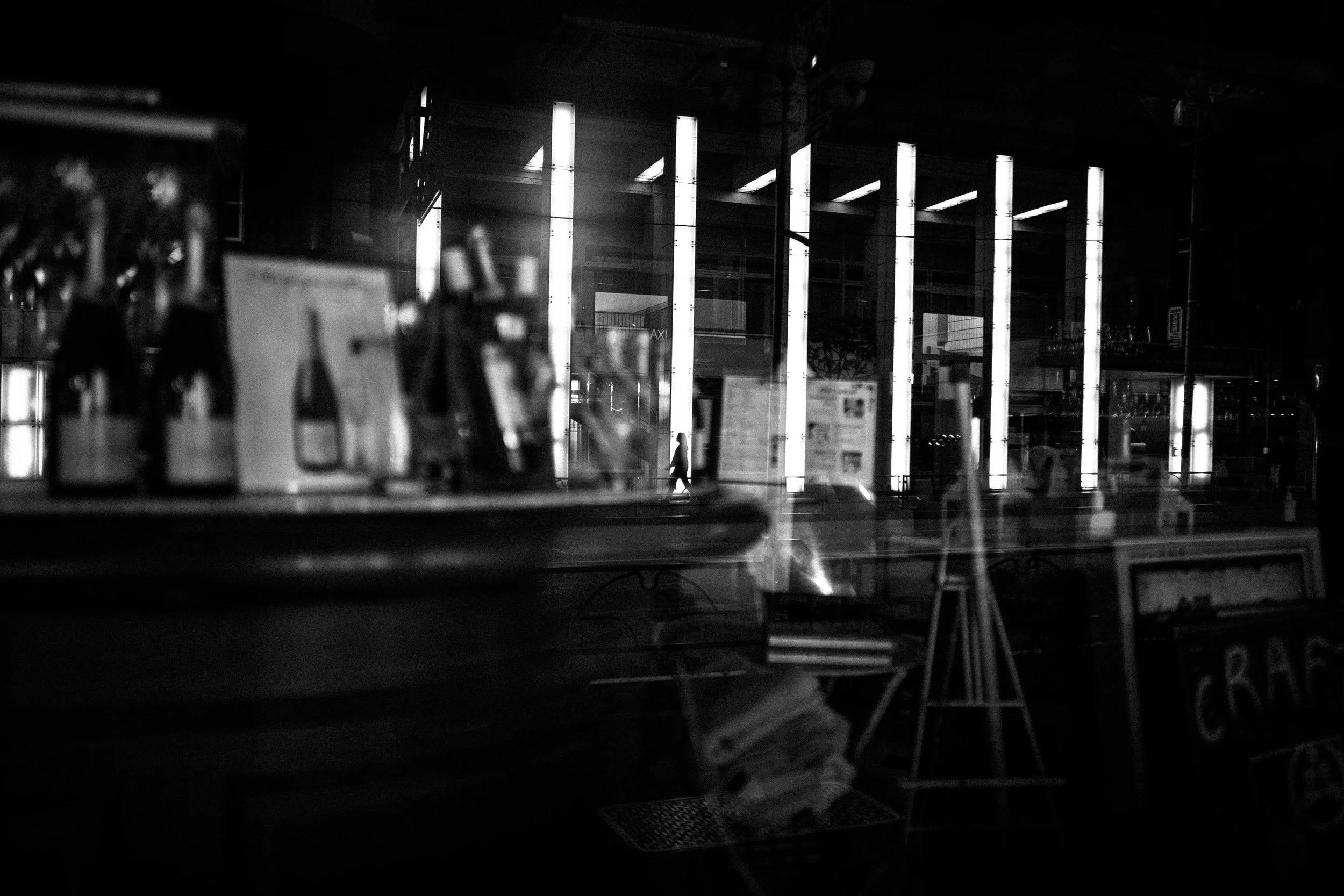

Reflections, silhouettes, and shadows, to go along with the geometry afforded to me by the width of 28mm.
This was more than I’d thought I’d get from a throw-away day.
Time to rest up for a big day tomorrow.
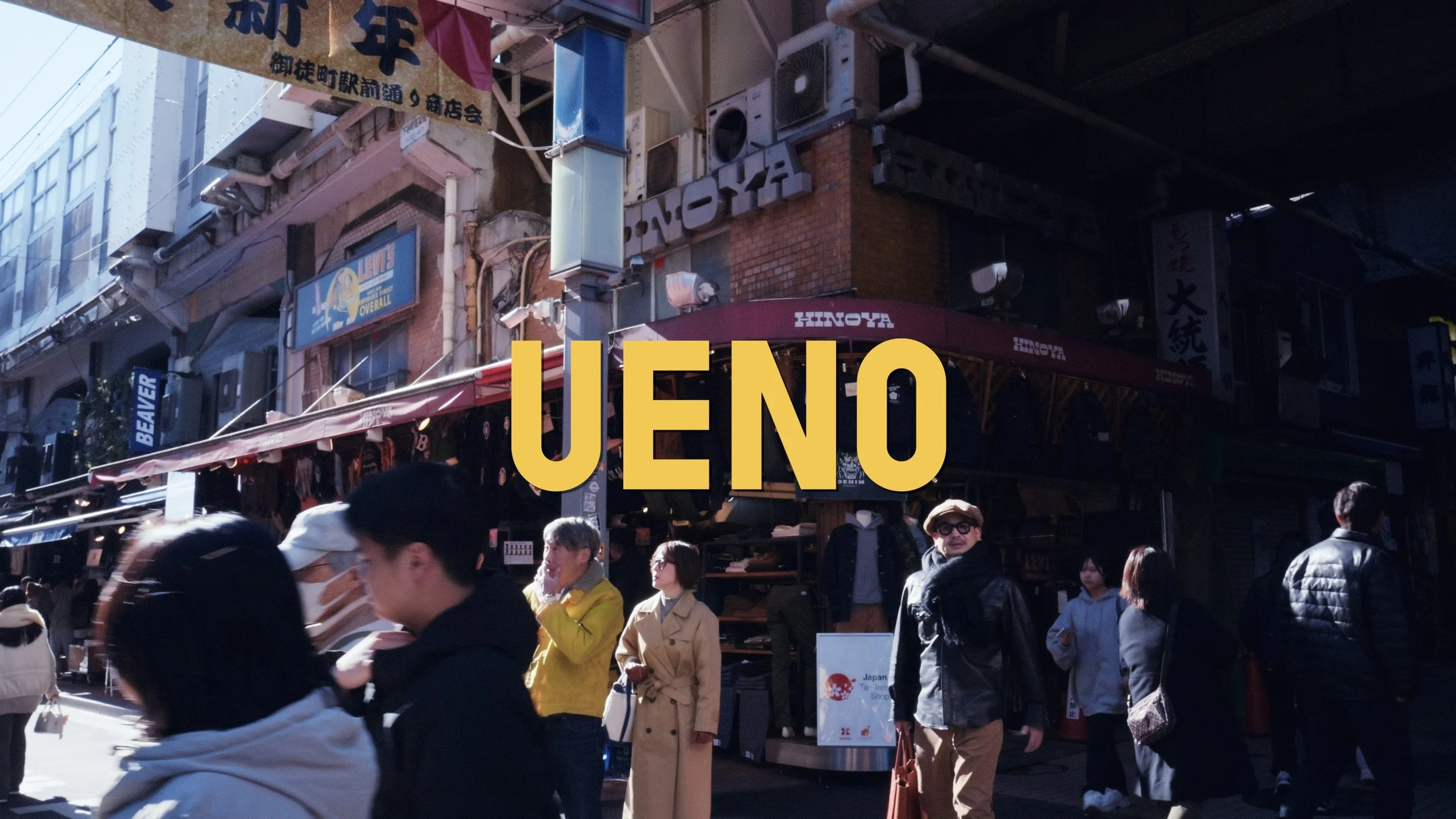
Before our train left the next morning - I had one more stop.
I went to pick up some new Japanese denim from Ueno for a video on my second channel (hopefully launching soon). The timing was tight, but I couldn’t help but pick up the ZR and 28mm 2.8 Z again to document this neighborhood.
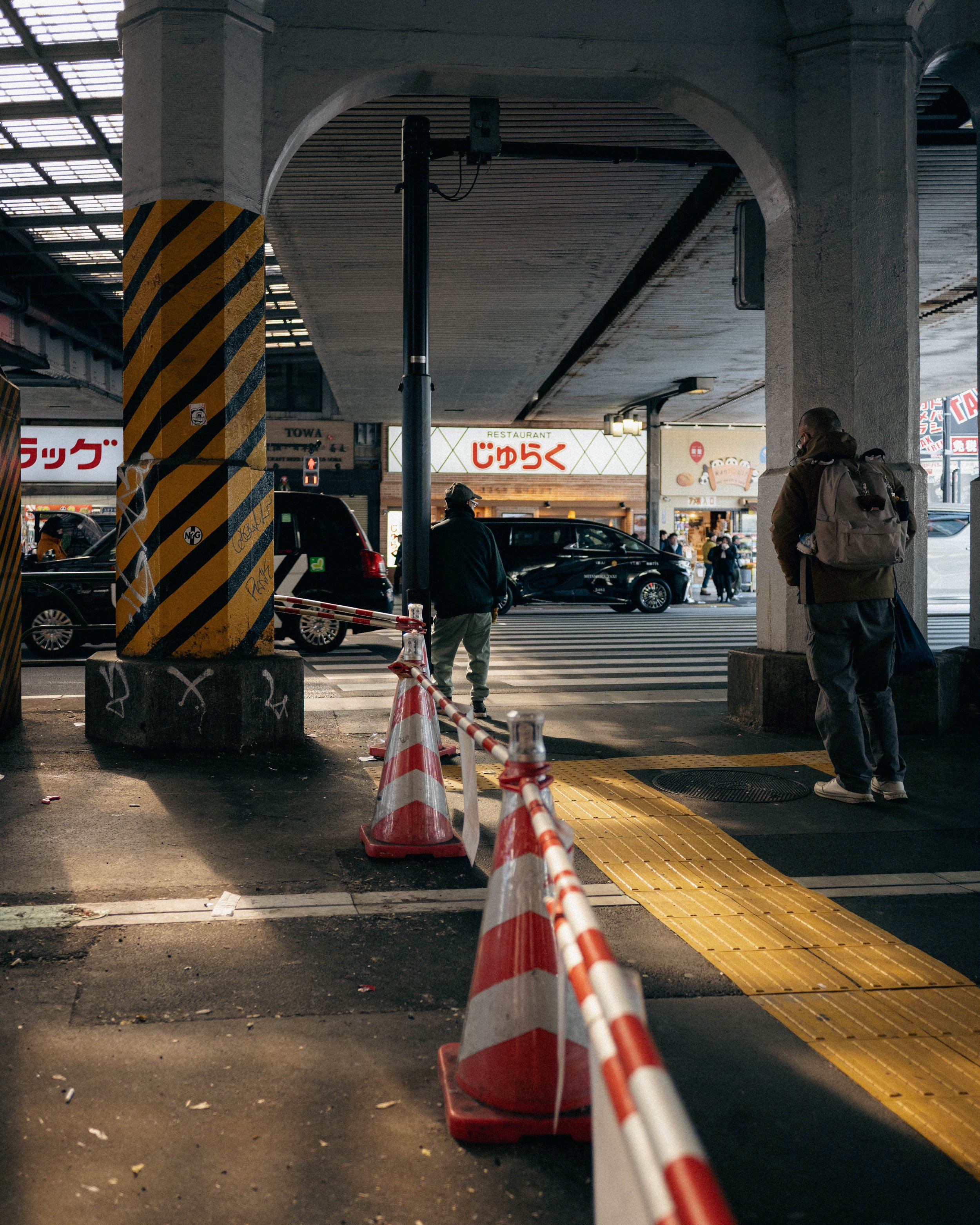
This speaks to something that is hard to explain, sounds a little dumb:
IX. “Pick-up-ability”
How fun a camera is to use, how much you want to keep on using it.
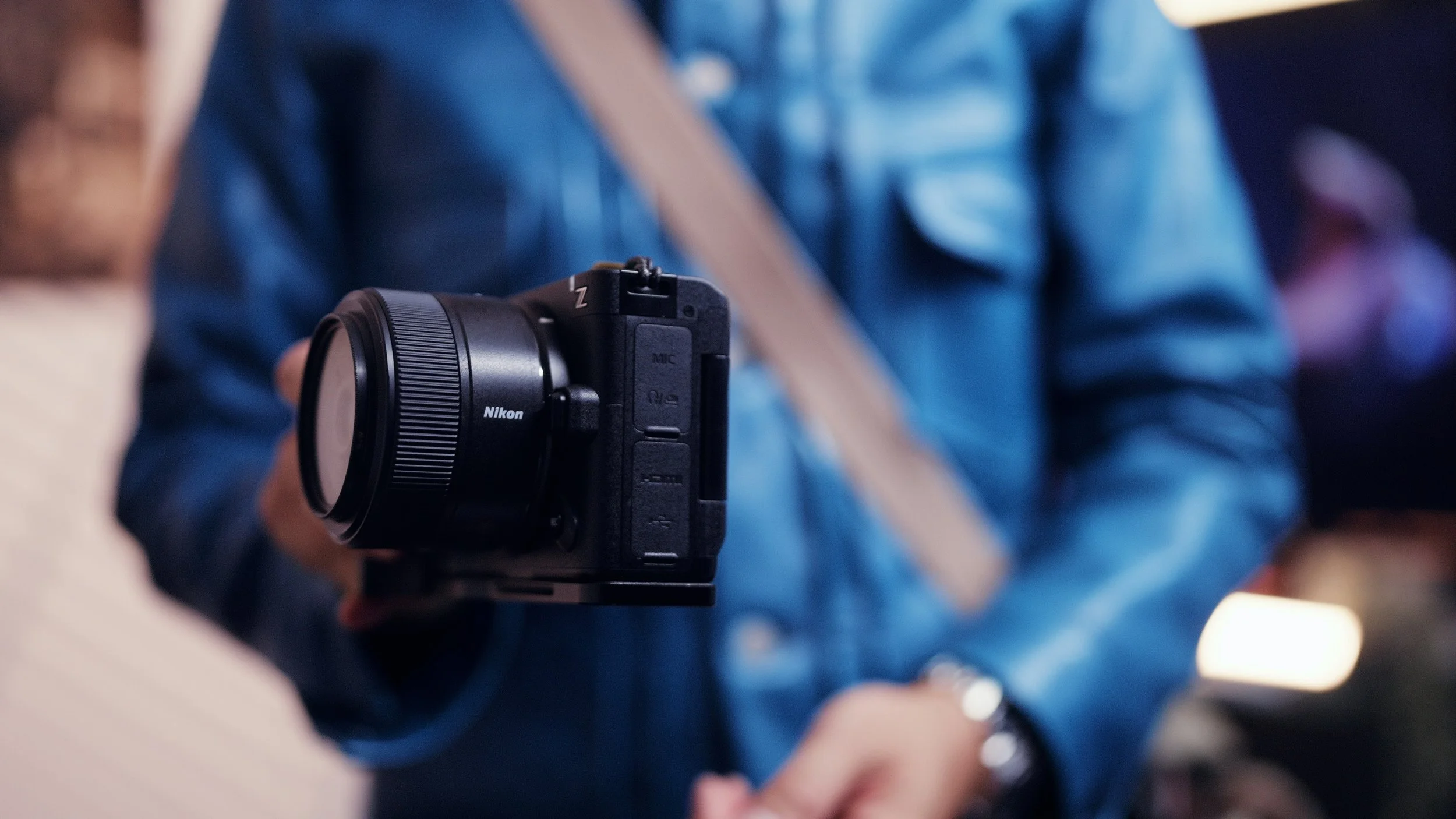
Nikon created a camera more than the sum of its video-centric parts - it’s very fun to use for photo.
There’s been a few cameras like this recently - Fujifilm XM5, the Panasonic S9, all the Ricoh GRs. Panned for their stripped-back specs, minimal controls, but all the owners of these EVF-less stripped back cameras have told me they can’t stop using them - for lack of a better word these cameras are “morish”. The Zf’s still my main photo body with a mechanical shutter and EVF, I wouldn’t say no though to the rumors of a photo-centric ZR body, later this year?
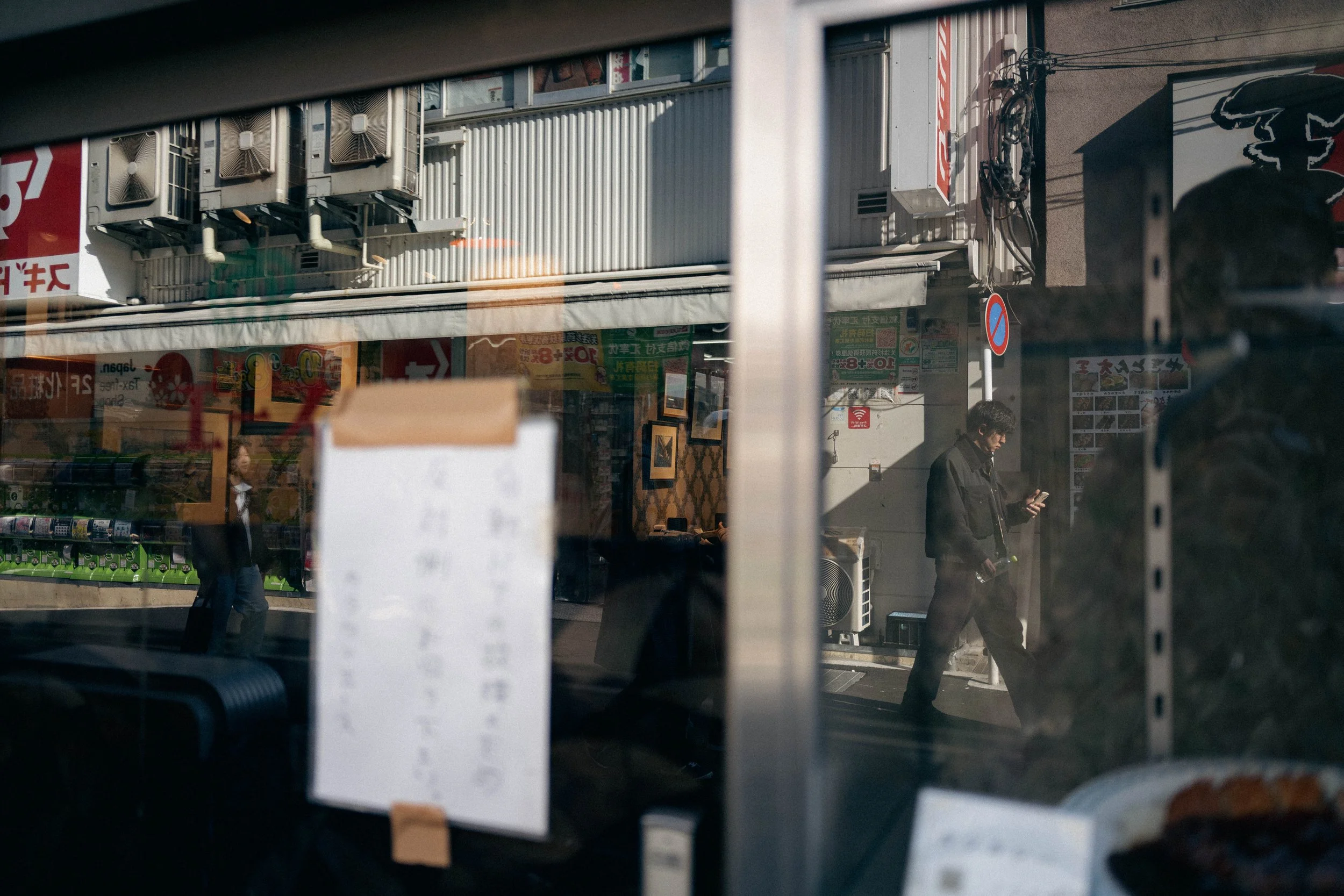

Back on the 28mm 2.8Z, reacting with autofocus, though I’d learnt to slow down a bit to use the width of 28mm to my advantage.
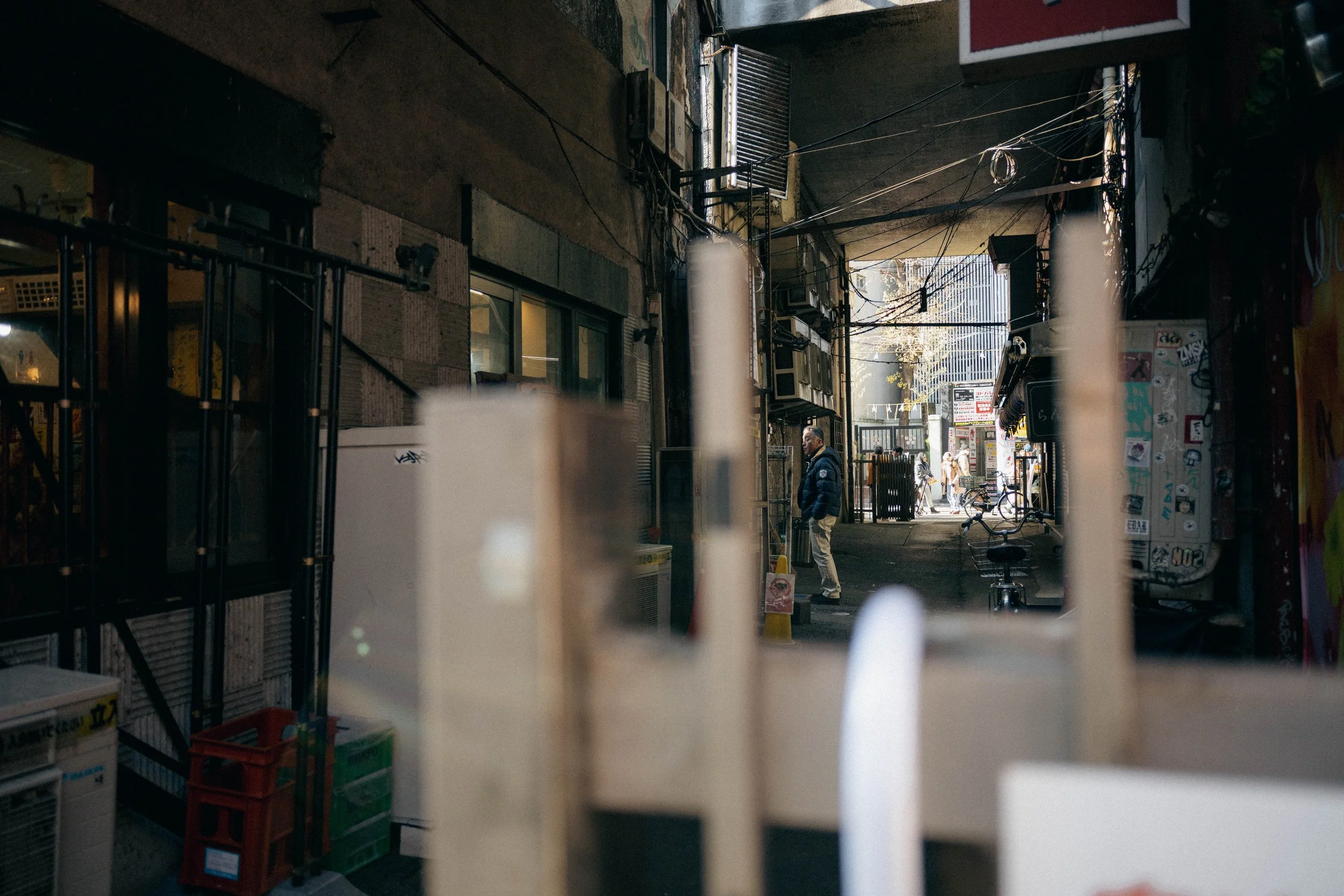
Getting more of the environment as well as closeups of people.
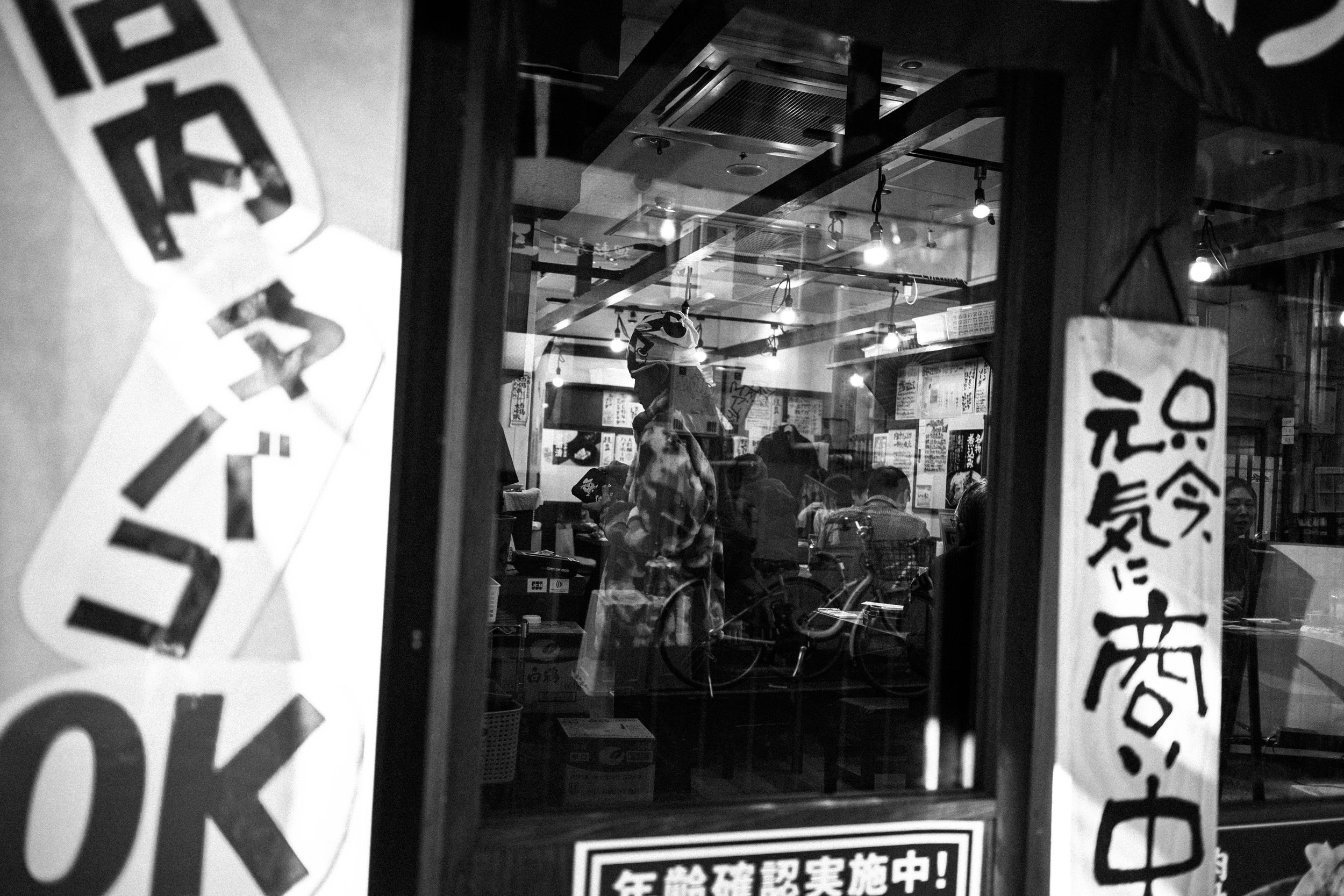
It helps that Ameyokocho is one of the most photogenic places in Tokyo, people, food, fashion.
I was finally feeling “inspired” but only because I’d already put in the work.
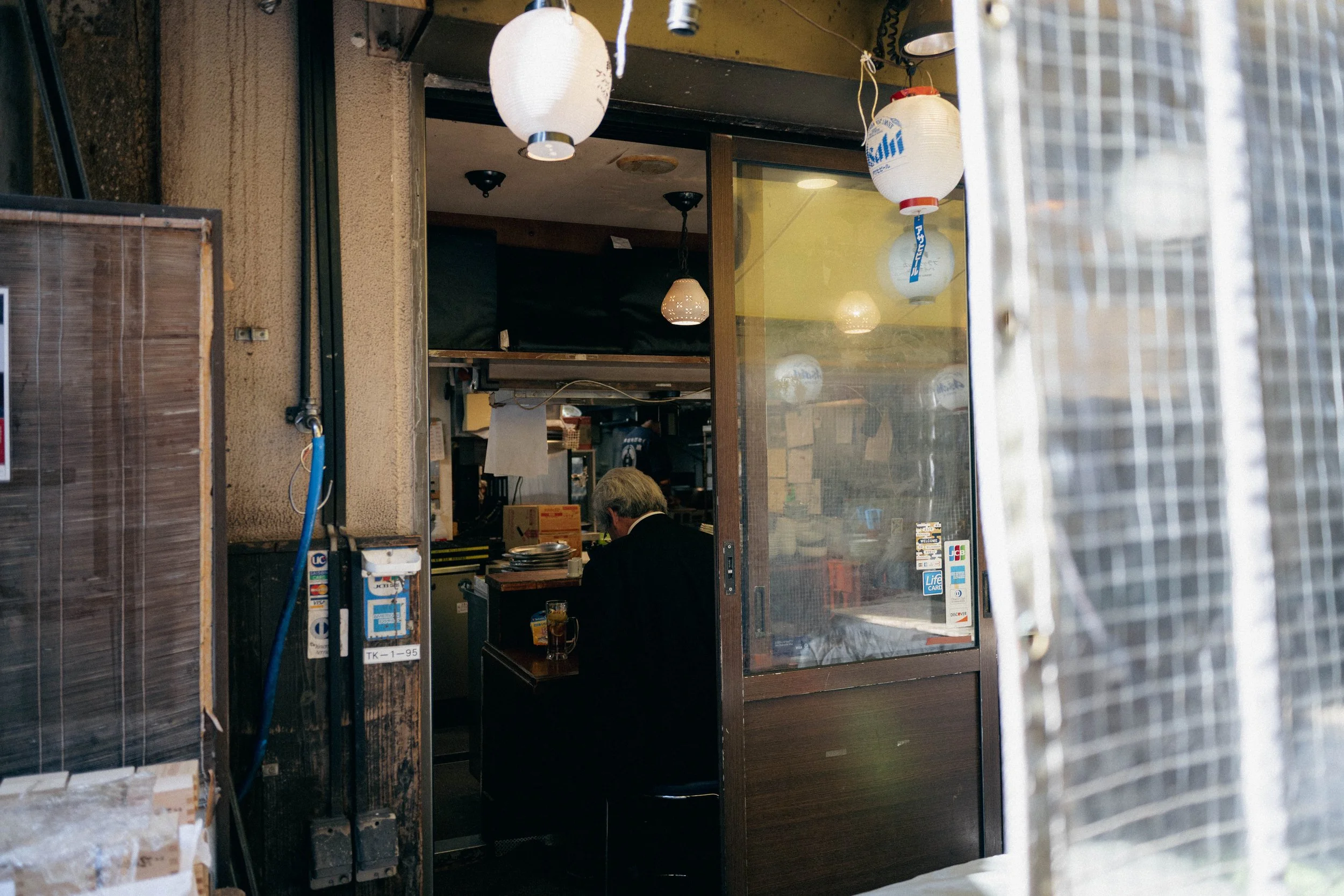
How do you know your trip is special?
For me it’s not the number of famous landmarks to cross off my bucket list.
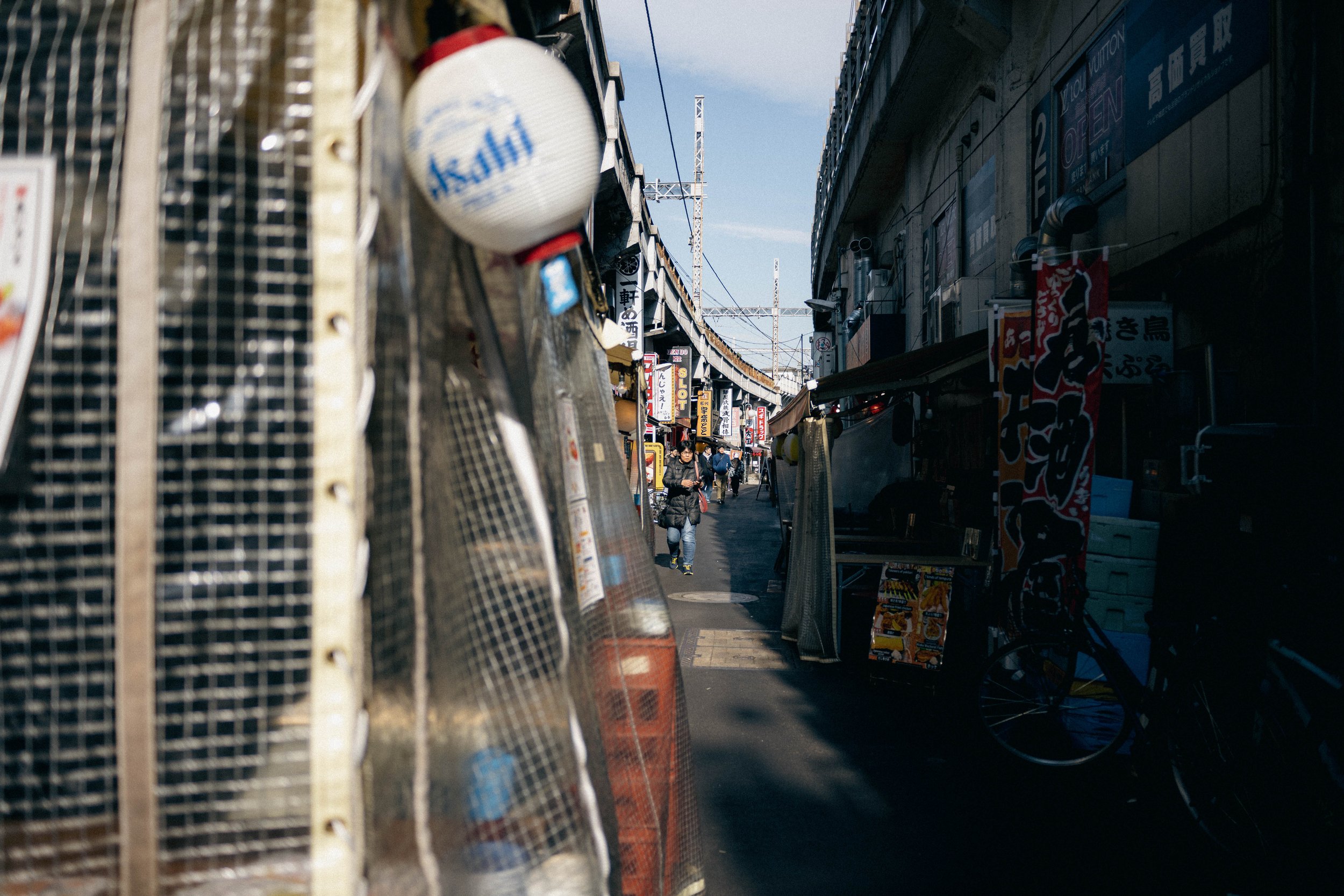
These past 24 hours were supposed to be nothing more than a pitstop.
An in-between, throwaway day.
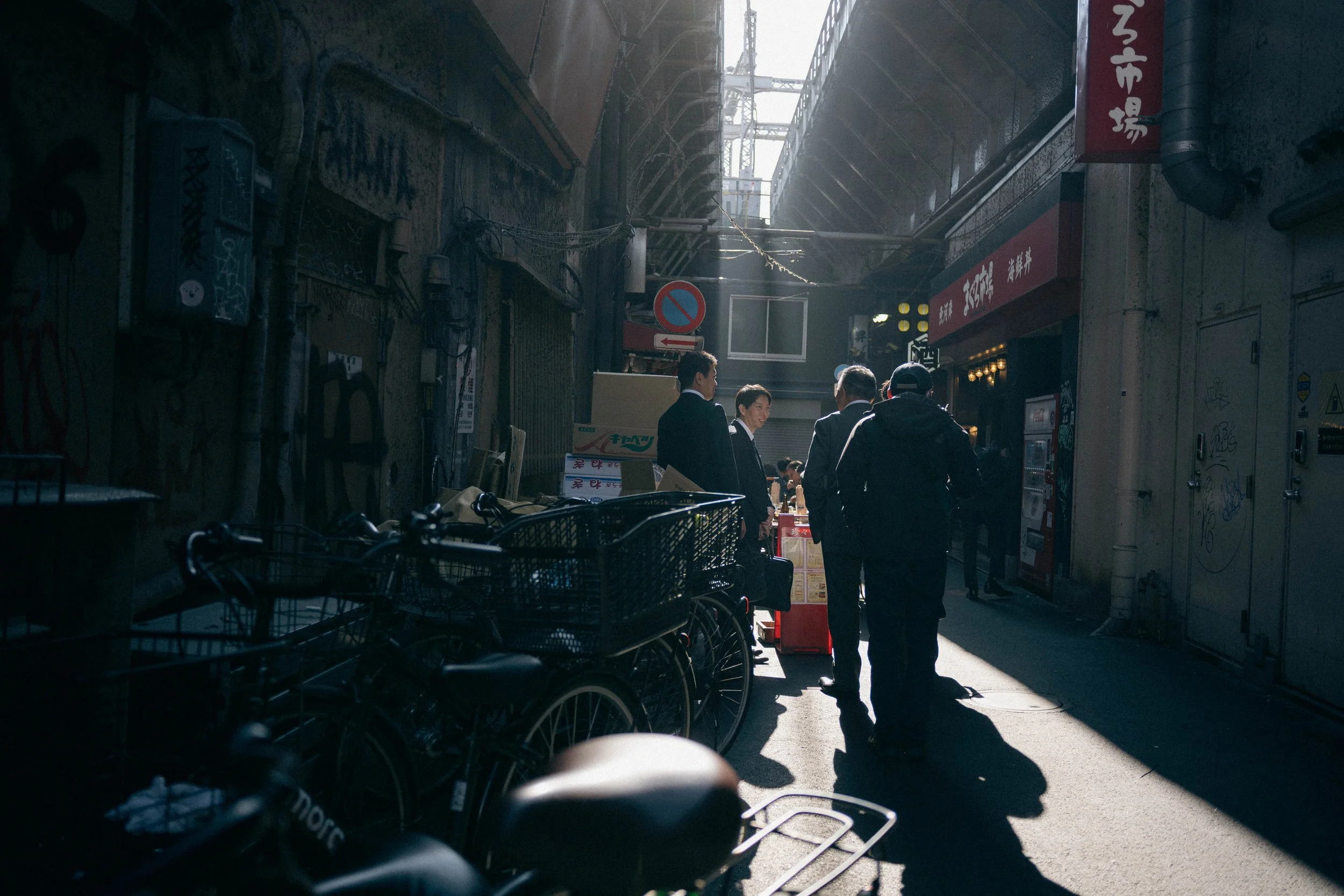
But these photos of strangers, shadows, streets
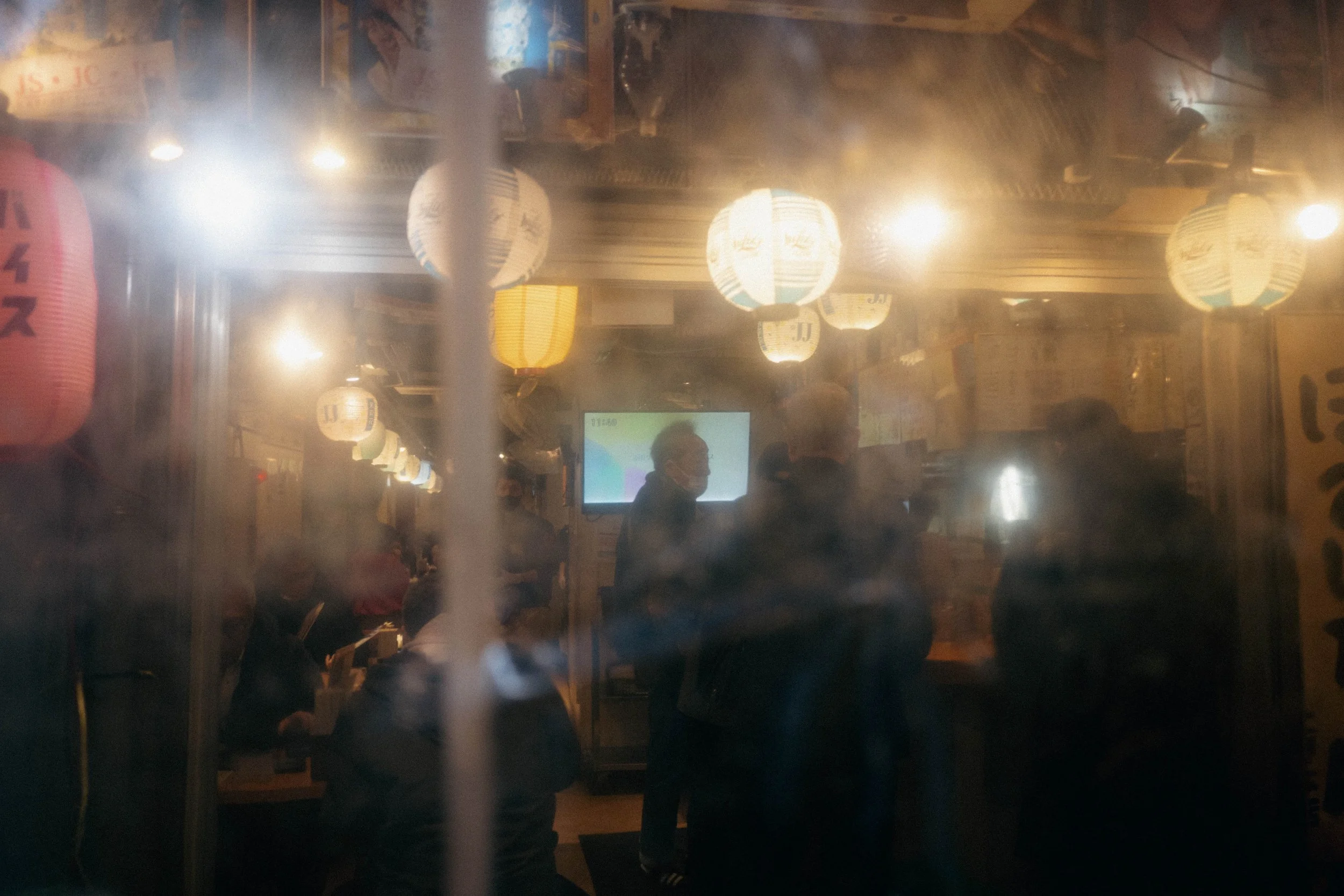
Are what I’ll hold on to.
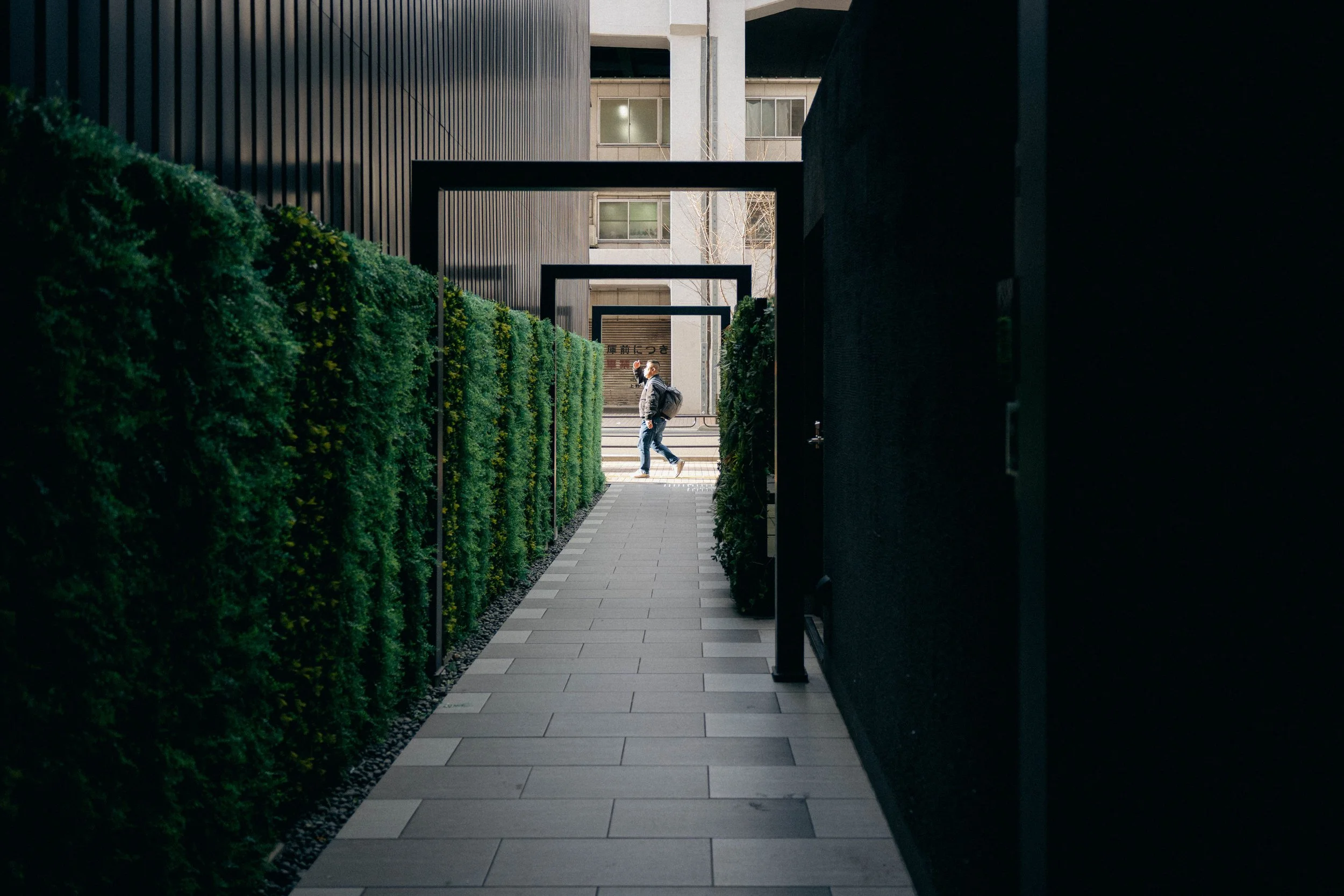
Happy shooting everyone, talk soon.
Jack.
All my sample images in this blog post were edited from RAW files using my free Chrome emulation preset. They work with most RAW files from different cameras as long as you use “Adobe Color” as the starting base. Download it for free here.
If you’d like to support my work please consider purchasing gear through my affiliate links:
Nikon ZR: https://geni.us/KH4uMvX
ZR wooden grip: https://geni.us/ZR-wood-grip
Nikon 28mm f2.8: https://geni.us/tyZX2A
Thypoch 28mm f1.4: https://geni.us/zjPaLdn
Wotancraft 10L Messenger bag: https://geni.us/wotancraft-salt-pepper
Wotancraft leather strap: https://geni.us/wotancraft-leather-st
Peak design leash: https://geni.us/TgJKVnu
Peak design form rope strap: https://geni.us/JWRL
Peak Design Rope Cuff: https://geni.us/peakdesignropecuff