I Obsessed Over The Best Travel Lens Combos?
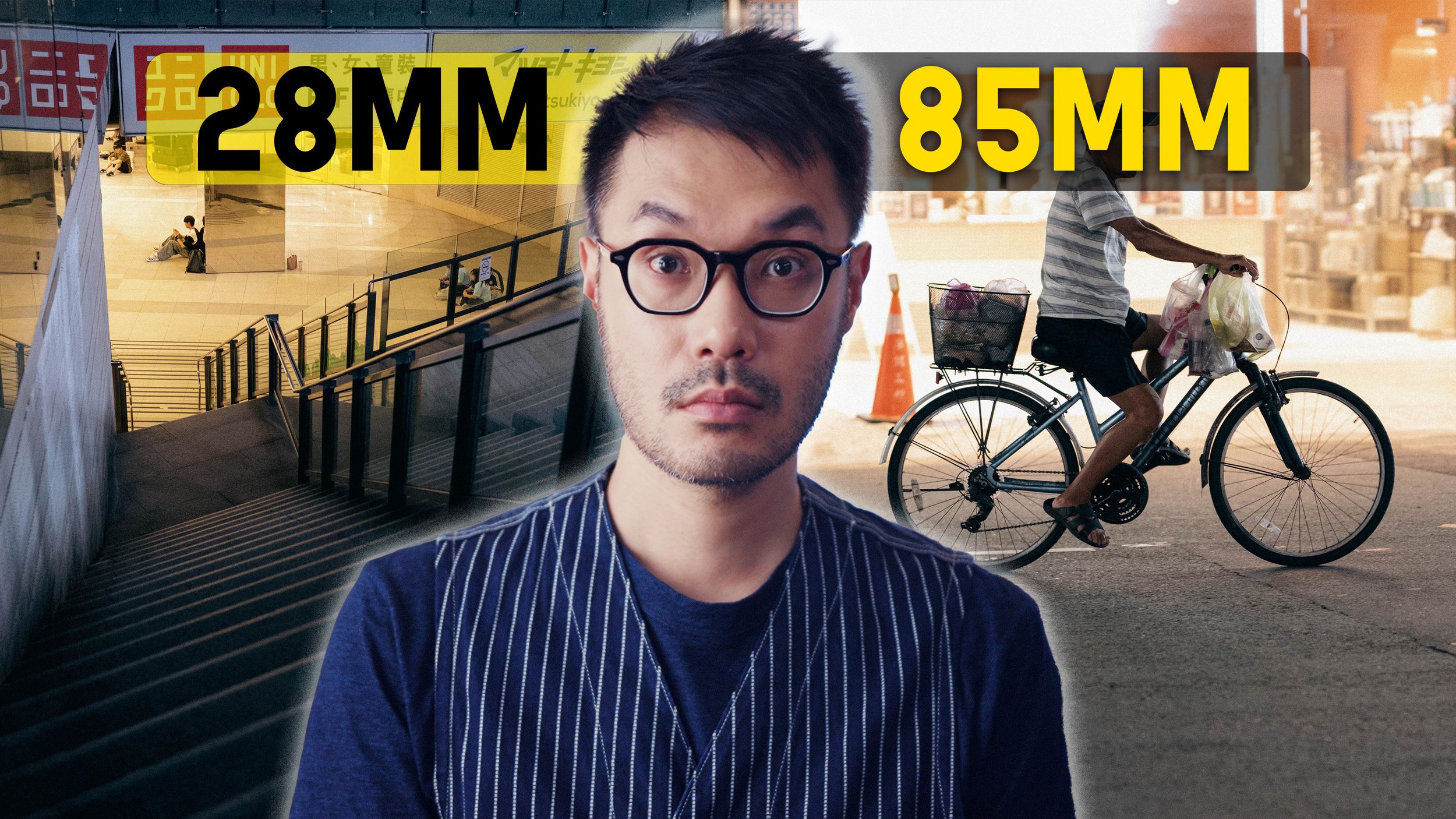
Before leaving for Japan tomorrow, I went through 5000 photos?
My 8 favorite frames from my last trip home to Taiwan were taken on 4 different lens combos. A series of primes (two at a time) lets me cover both spaces and faces.
Can the pair of primes that worked best for me, work for you?
This post is the last for 2025, and my YouTube channel’s just turned 2 years old. I’ve tried a lot of different lenses across 150 videos, and it’s all led me to 28mm. It’s the field of view that continues to surprise me, it can make the old feel new, so much so that for this trip I’m bringing two? One with autofocus for quick reactive framing in tight spaces, the other manual for slower environmental scenes, and/or zone focusing.
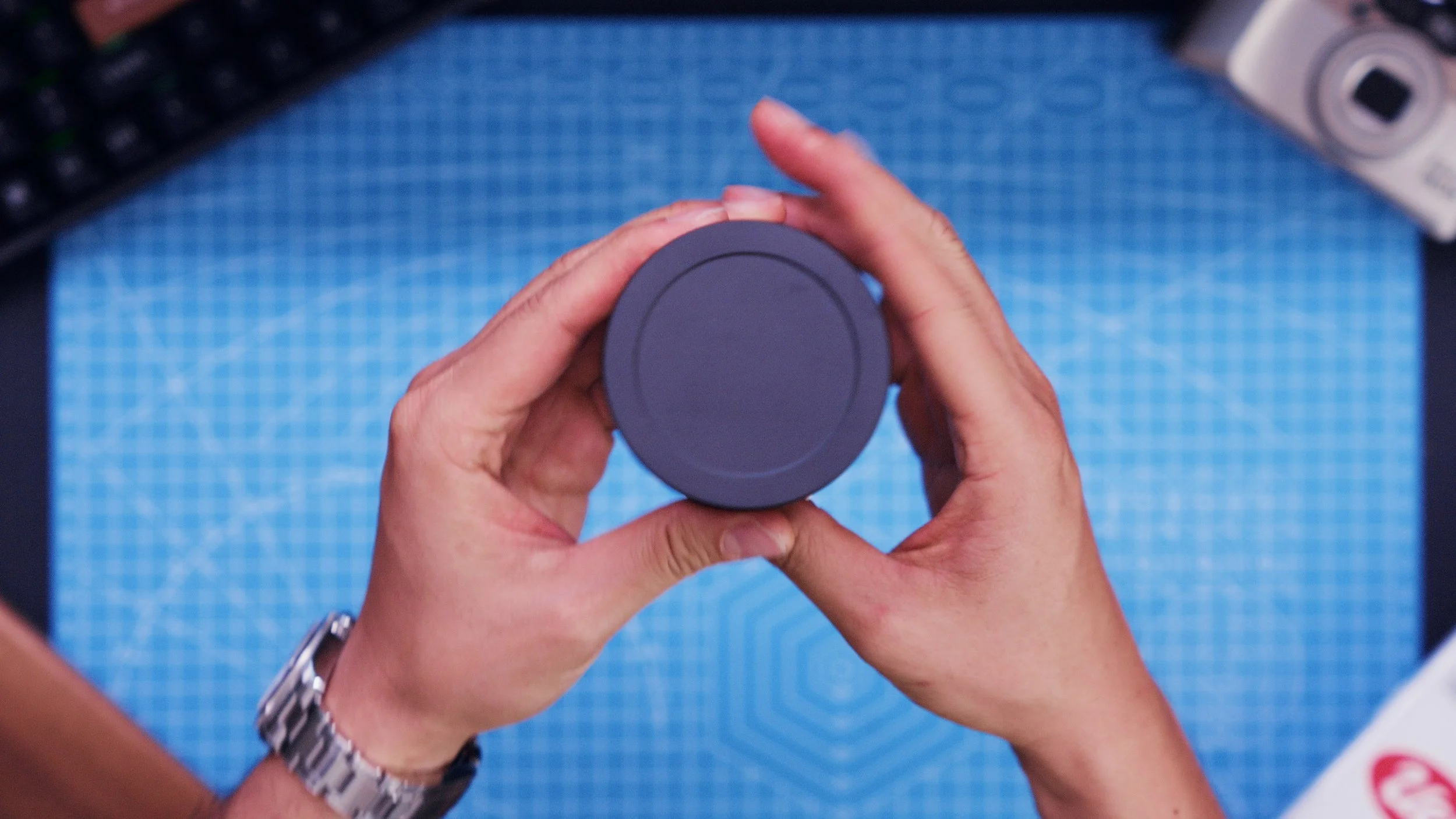
The autofocus 28mm I’m bringing this trip.
Why not just a zoom?
I have more fun with primes, and my hit rate with a restricted field of view is higher. But it can be hard to compose. There is a risk I could come home with no usable photos, and I still have space for up to…
2 more lenses, and 2 (maybe 3) cameras?
1. Camera Bag
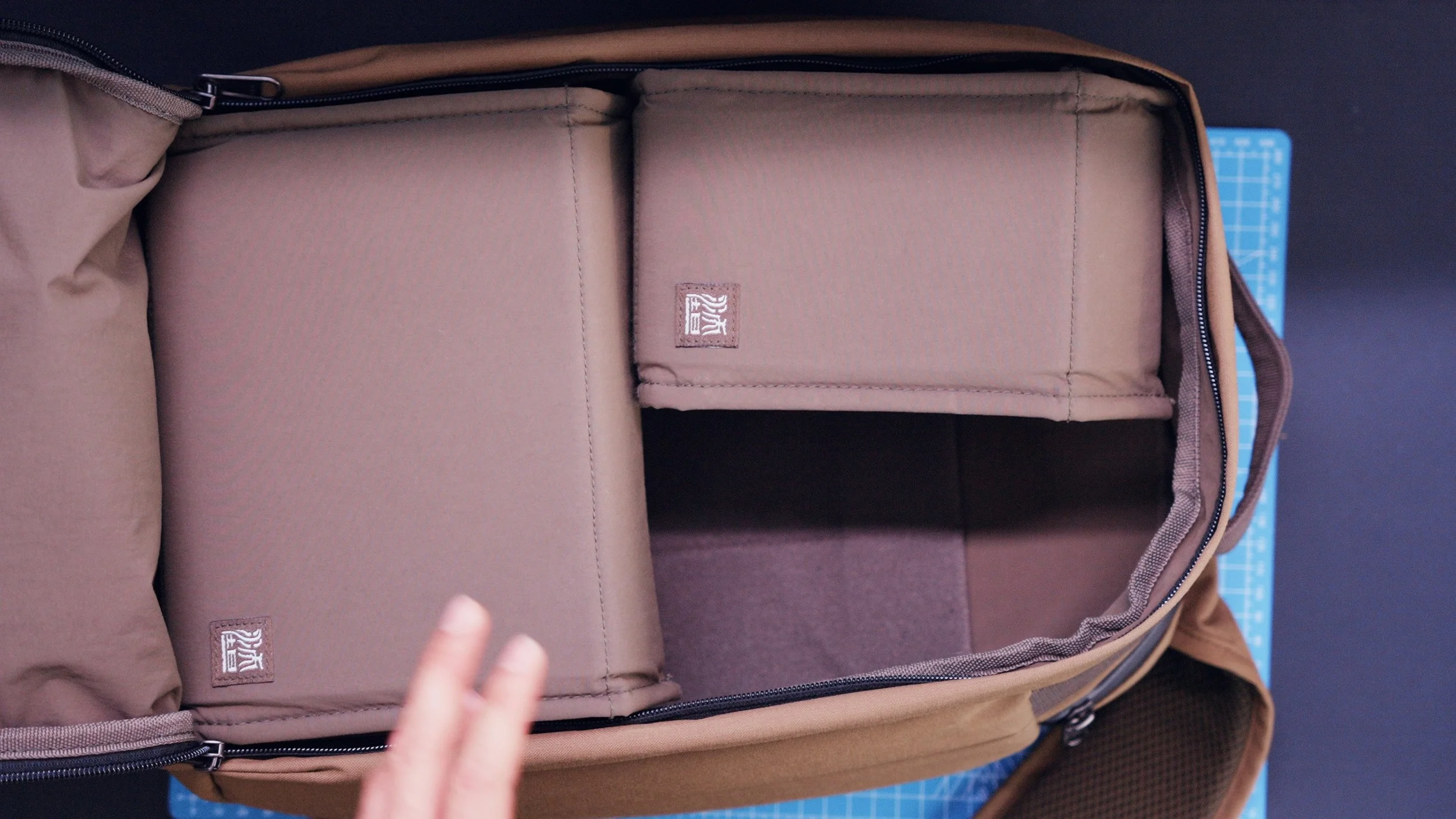
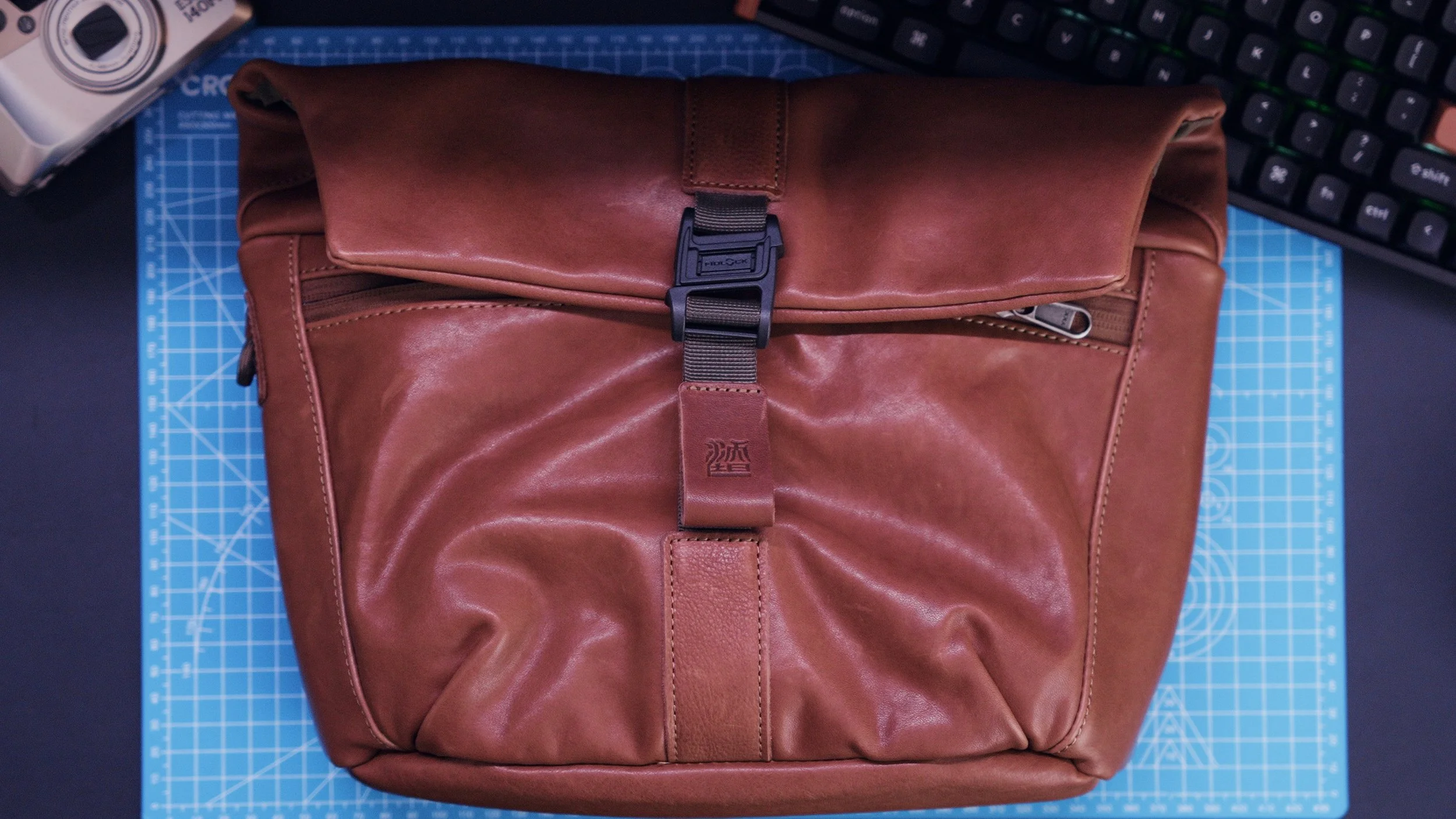
First the camera bags: same ones I’ve used for the past few years. A Wotancraft Easypack backpack - large insert, small insert, Tenba camera wraps, lets me store up to 3 camera bodies (but I’m just packing 2, right?) with lenses attached. I’ll also bring a 7L Pilot sling. When I land it comes out of the suitcase while the backpack stays at the hotel. I’ve been using a version of this 7L Wotancraft sling for years, every zip, buckle, and compartment is second nature. The brown leather version makes the older design feel brand new, just like 28mm for travel.
It rides that razor thin edge of being too wide - at any time too much can be in frame, look unrealistic or distorted. But when you get it right the look is something else. A constant reminder to look for different angles.
A 28mm keeps me on my toes.
2. Thypoch vs Voigtlander
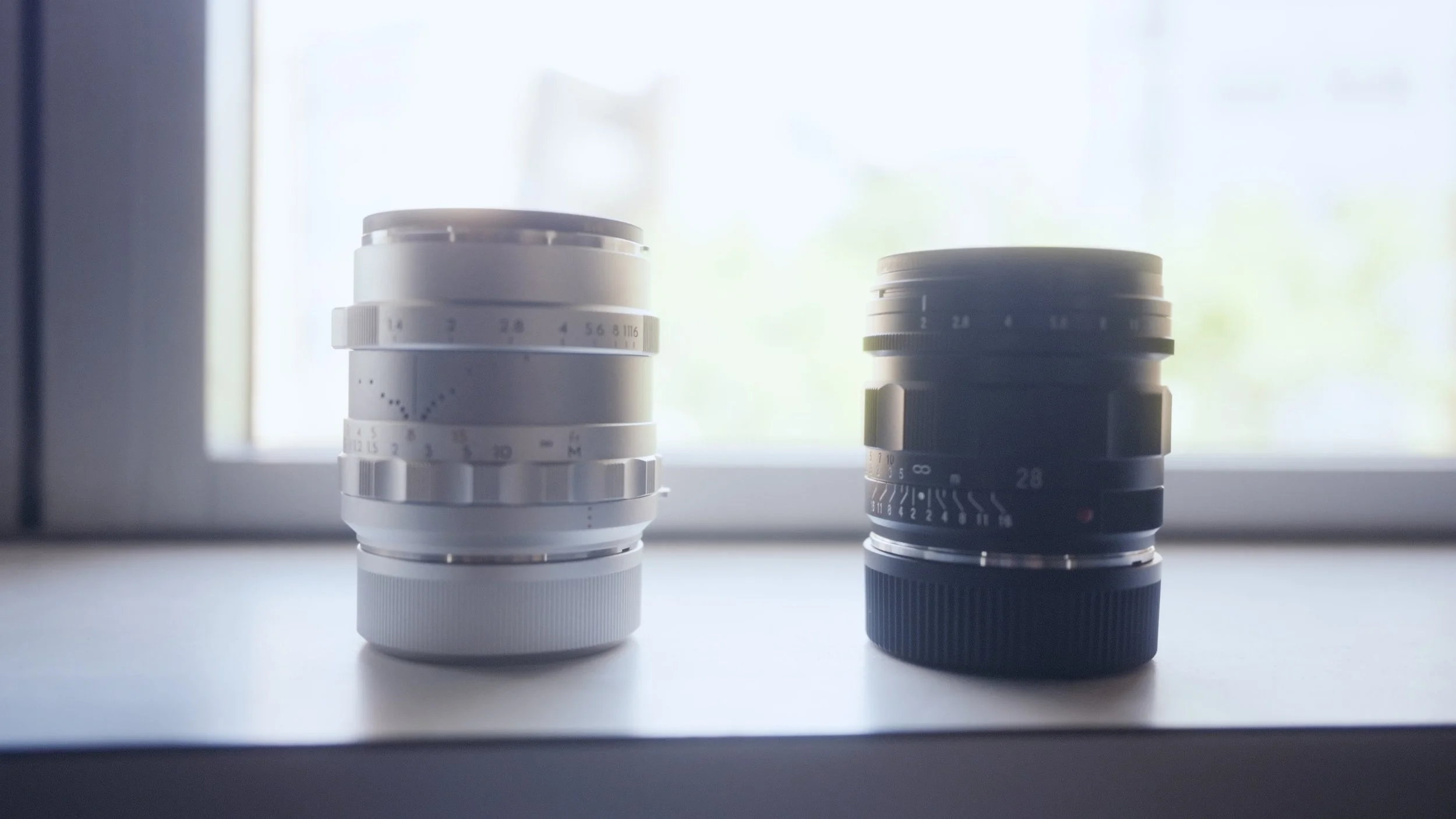
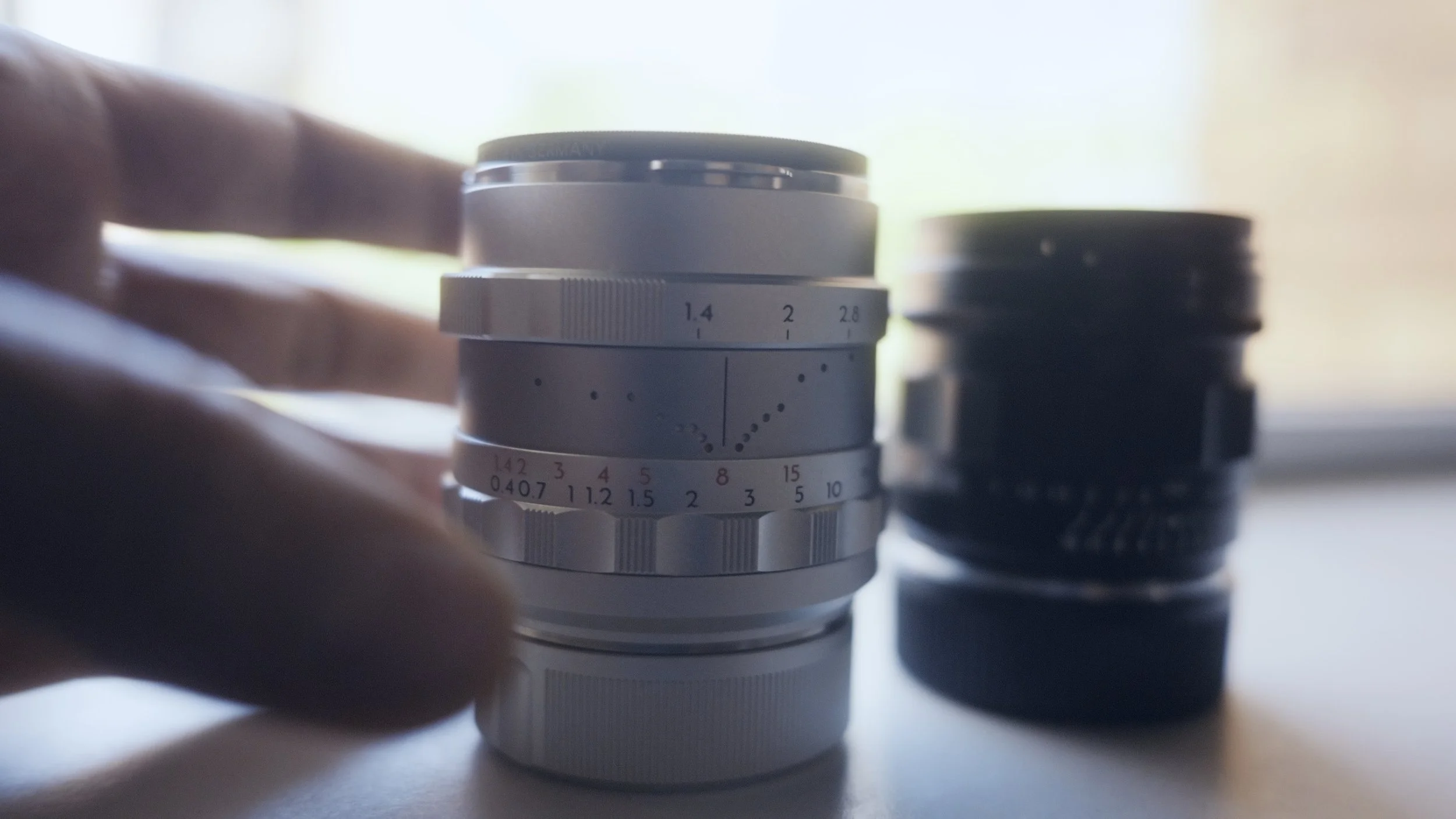
The exact brand of cameras and lenses don’t matter for this exercise, any camera or lens will do as long as you can work with the fields of view. I will talk a little about my gear choices, starting with the manual focus 28mm.
It’s a choice between two?
Voigtlander 28mm f2 APO (on loan from Mainline Photo), and one I already own: the Thypoch 28mm 1.4 Simera. Is that APO image quality enough to make me switch to the Voigtlander? The Voigtlander is more expensive than the Thypoch though, and you see why in the image quality.
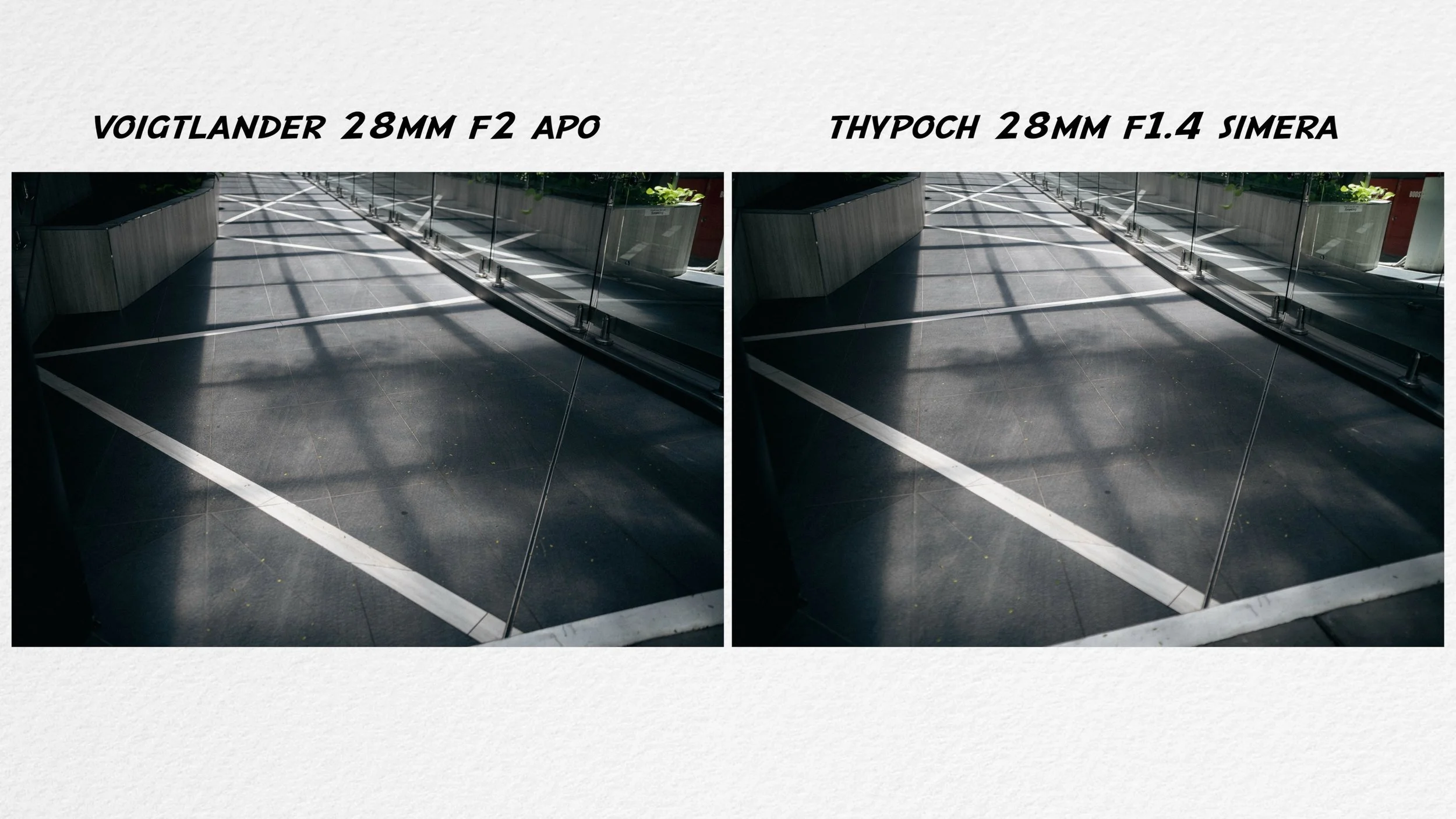
Distortion is minimal on both, geometry and leading lines look straight, but the Voigtlander is significantly sharper, contrastier than the Thypoch at mid distances and infinity.
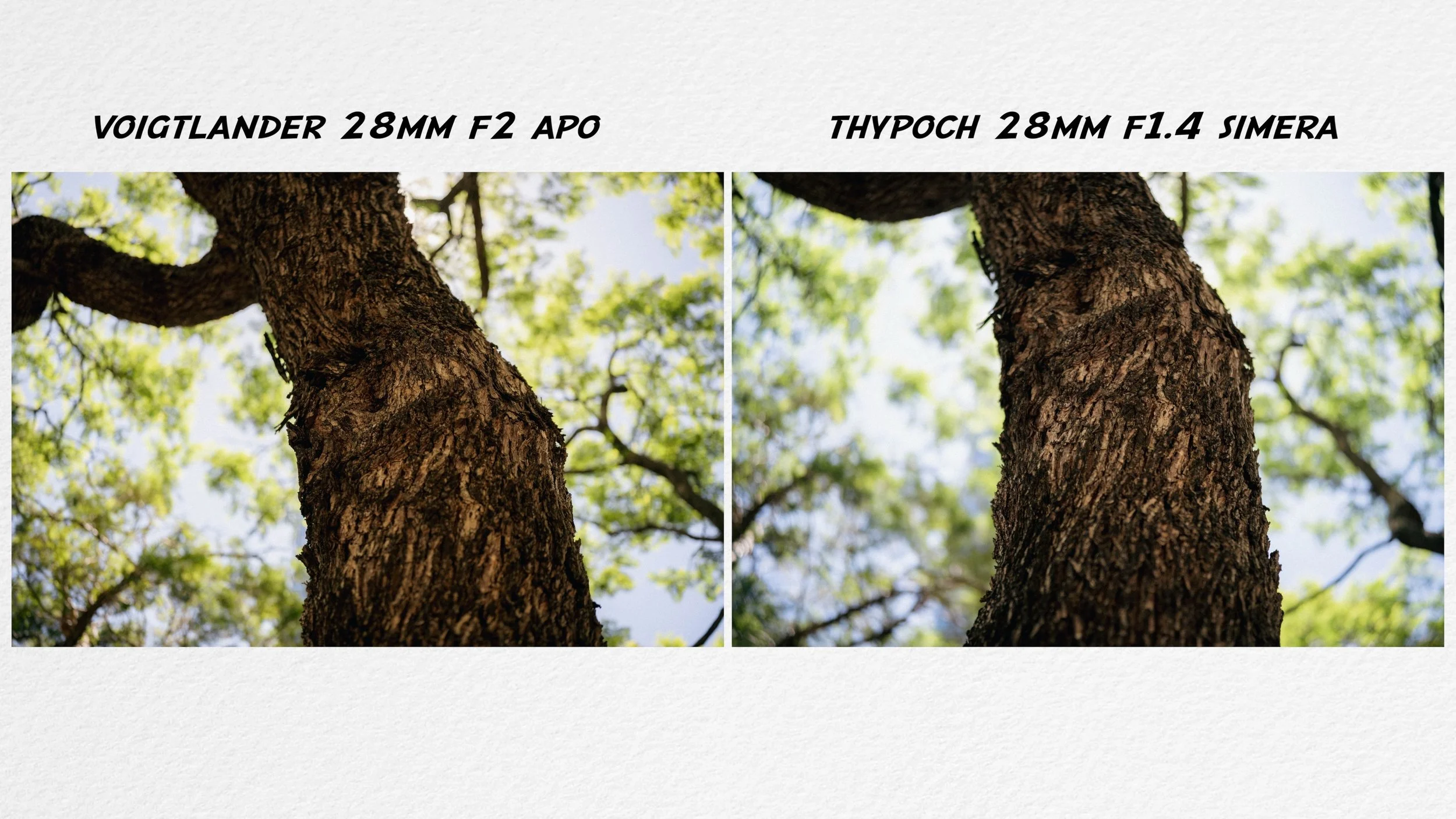
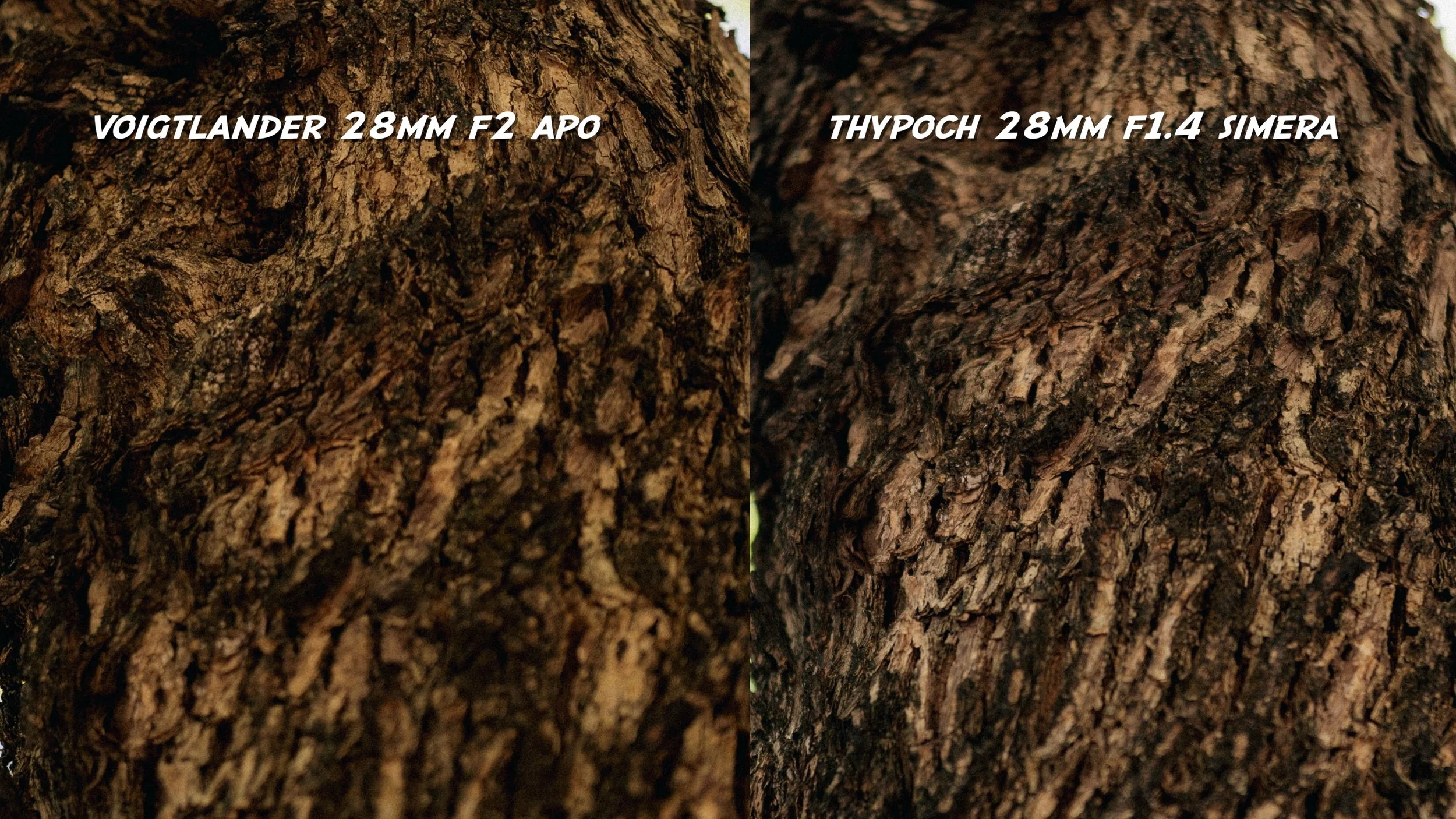
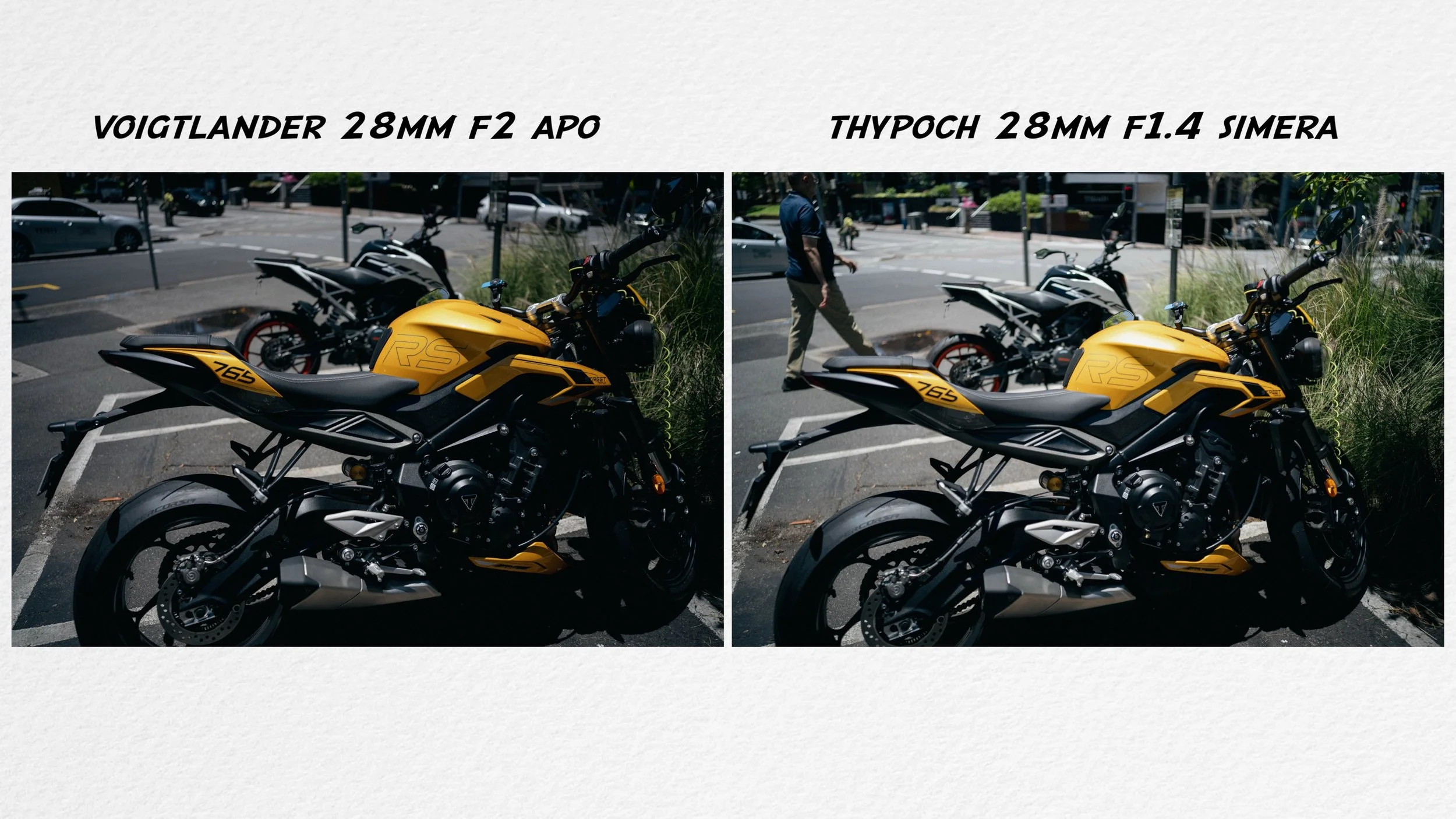
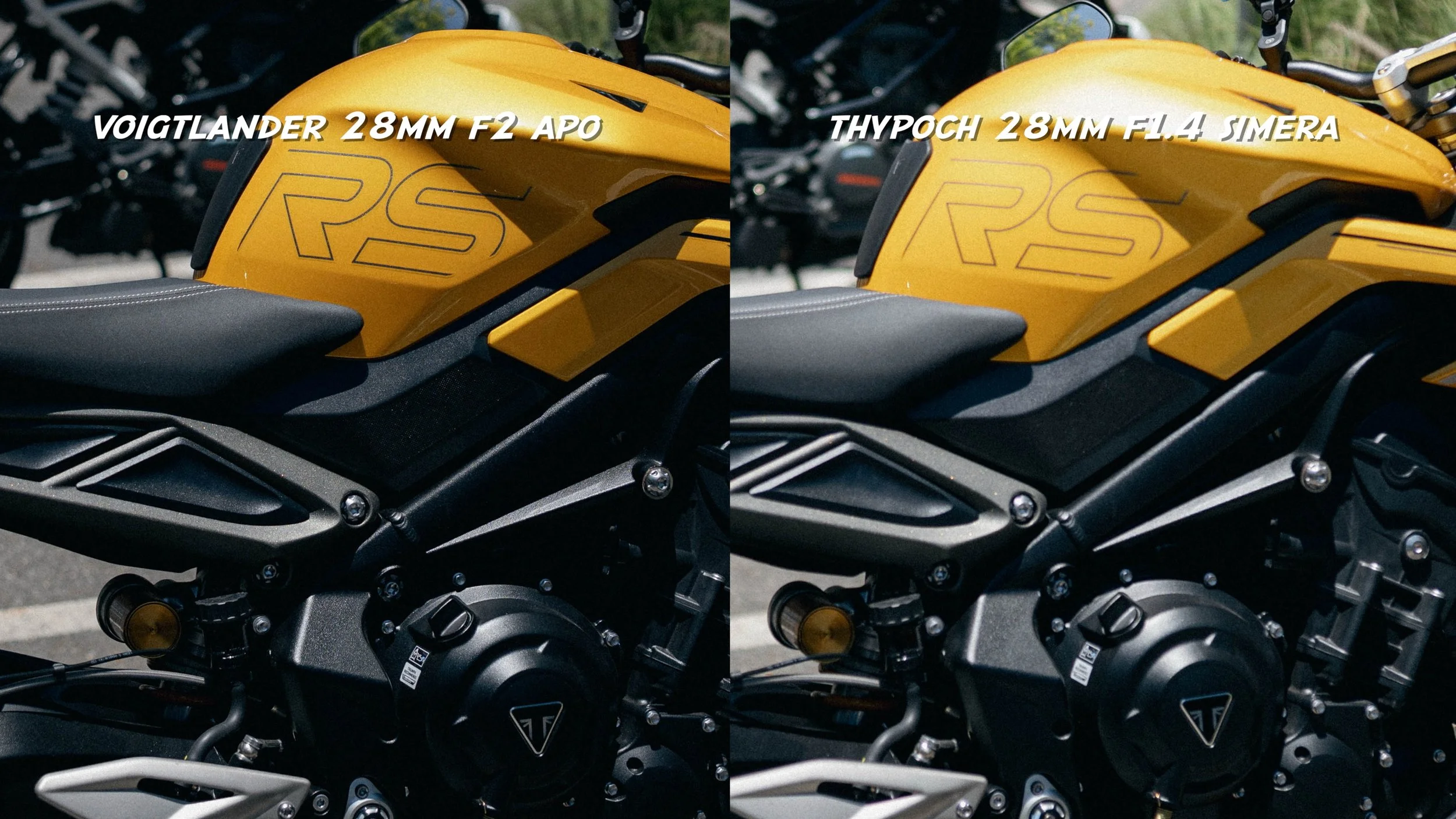
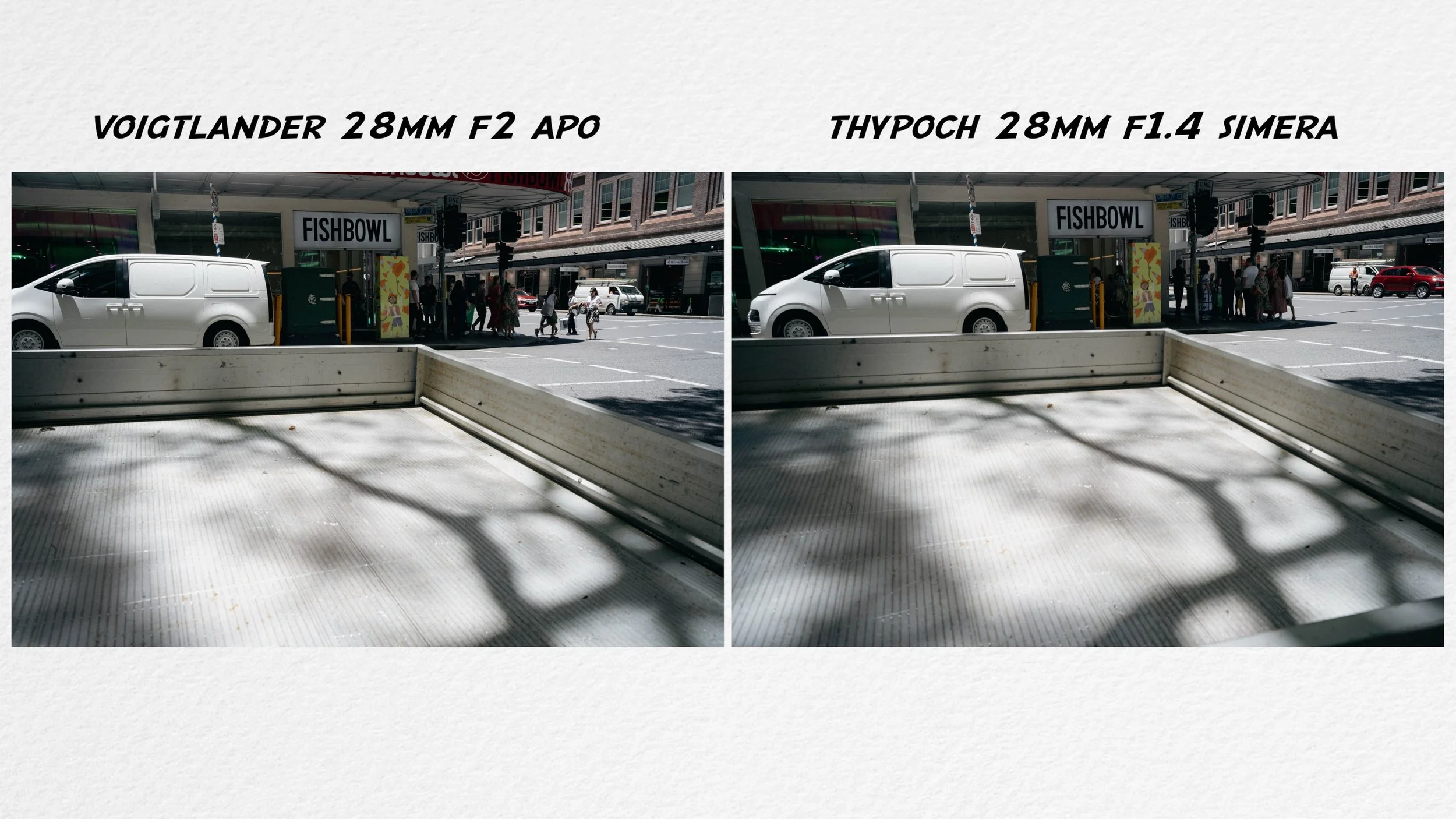
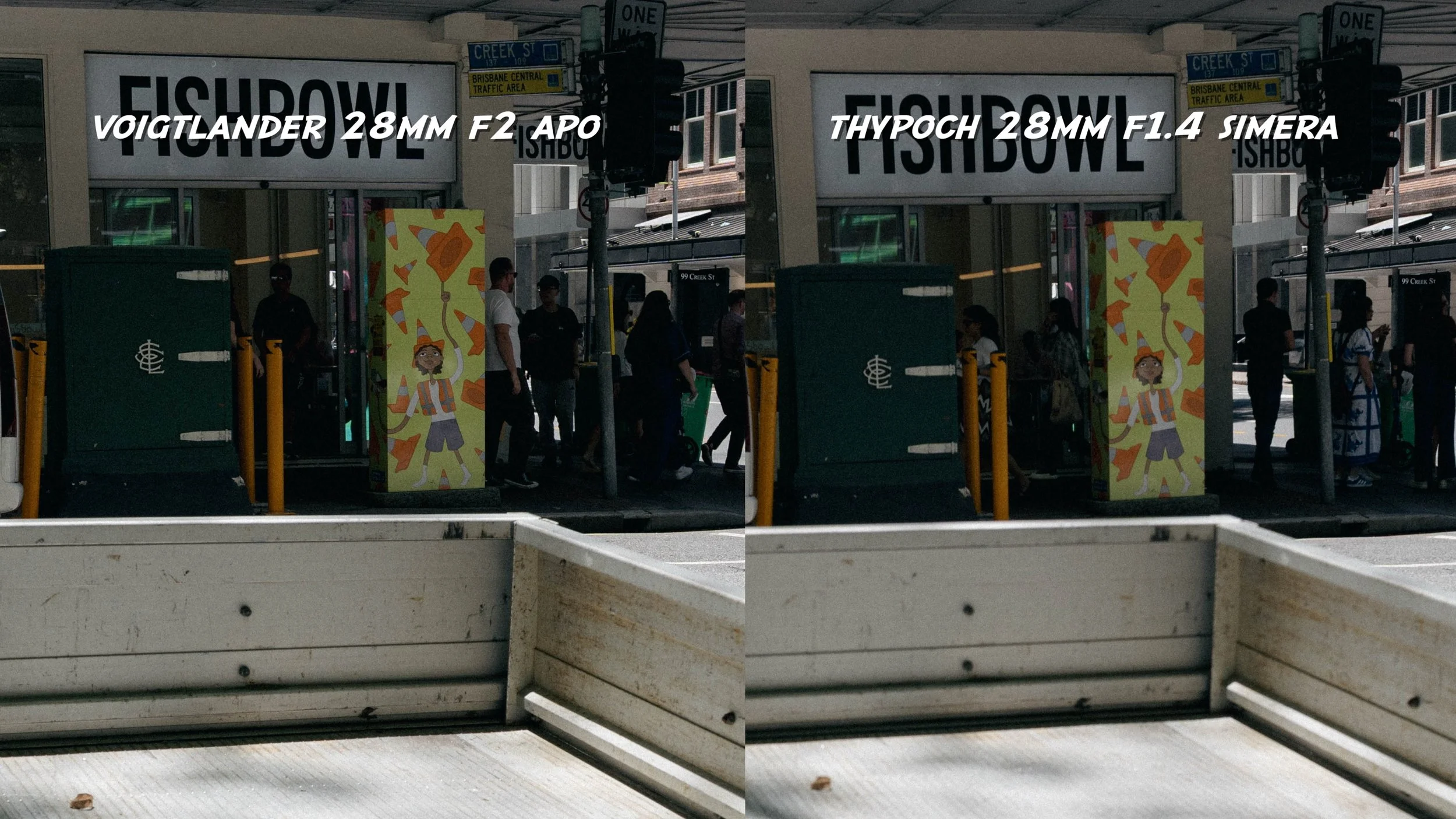
Closeup the Thypoch is no slouch, it can focus closer to 0.4 metres as opposed to 0.5 metres of the M-mount Voigtlander, and the closeup sharpness is about the same.
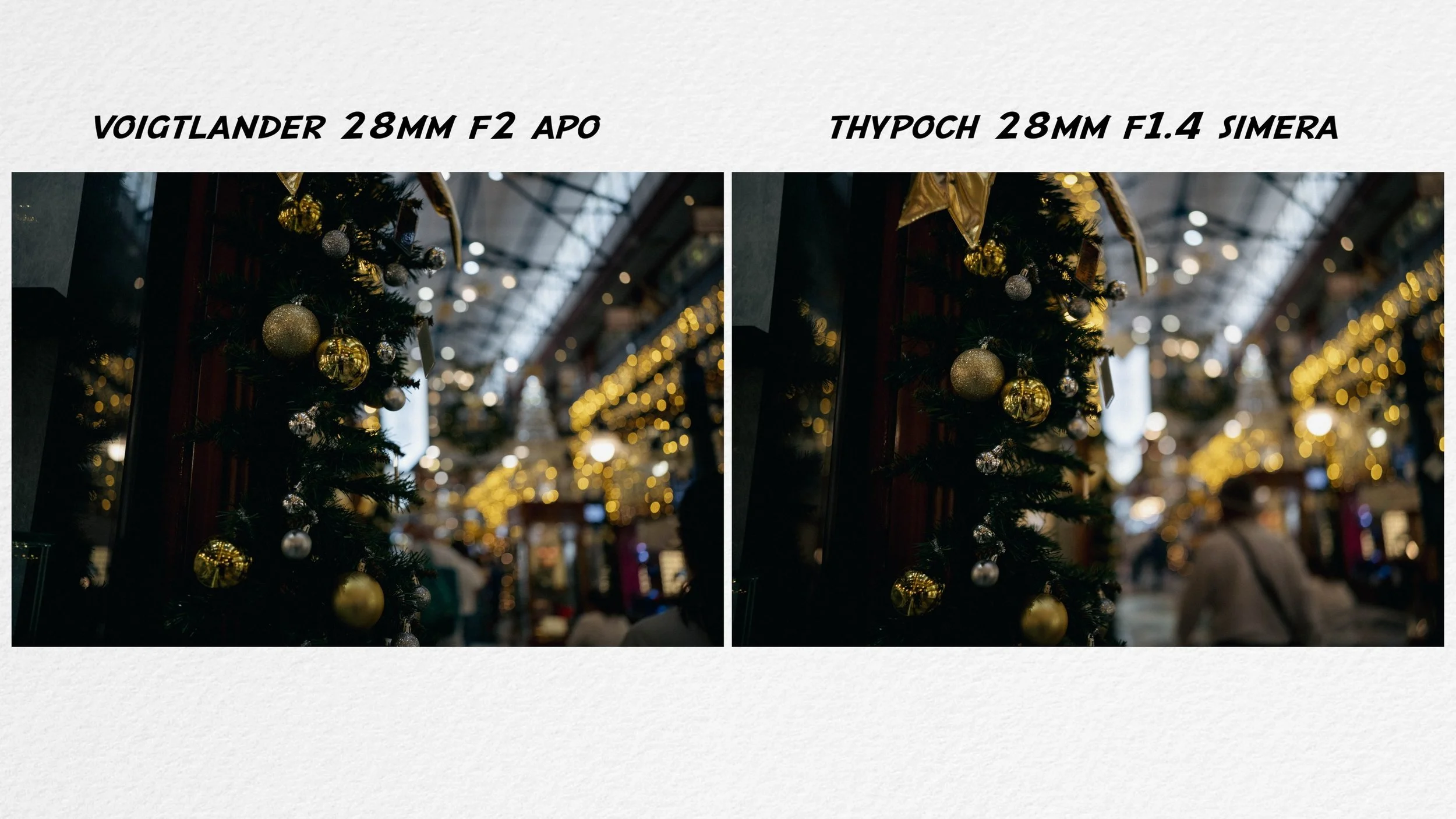
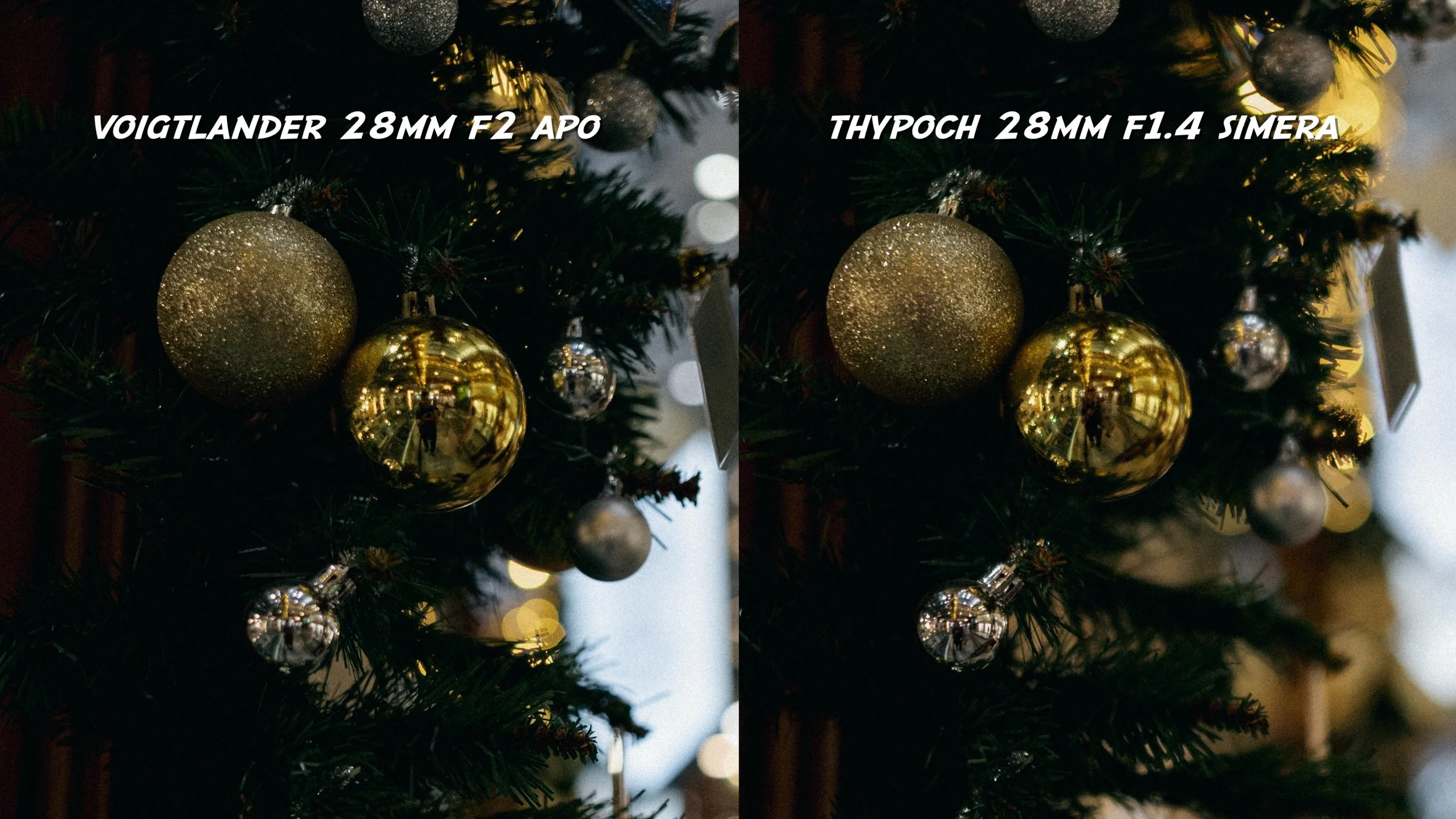
Flare and aberrations are better controlled on the Voigtlander, it is as well on the Thypoch just the whole look is flatter and more nostalgic.
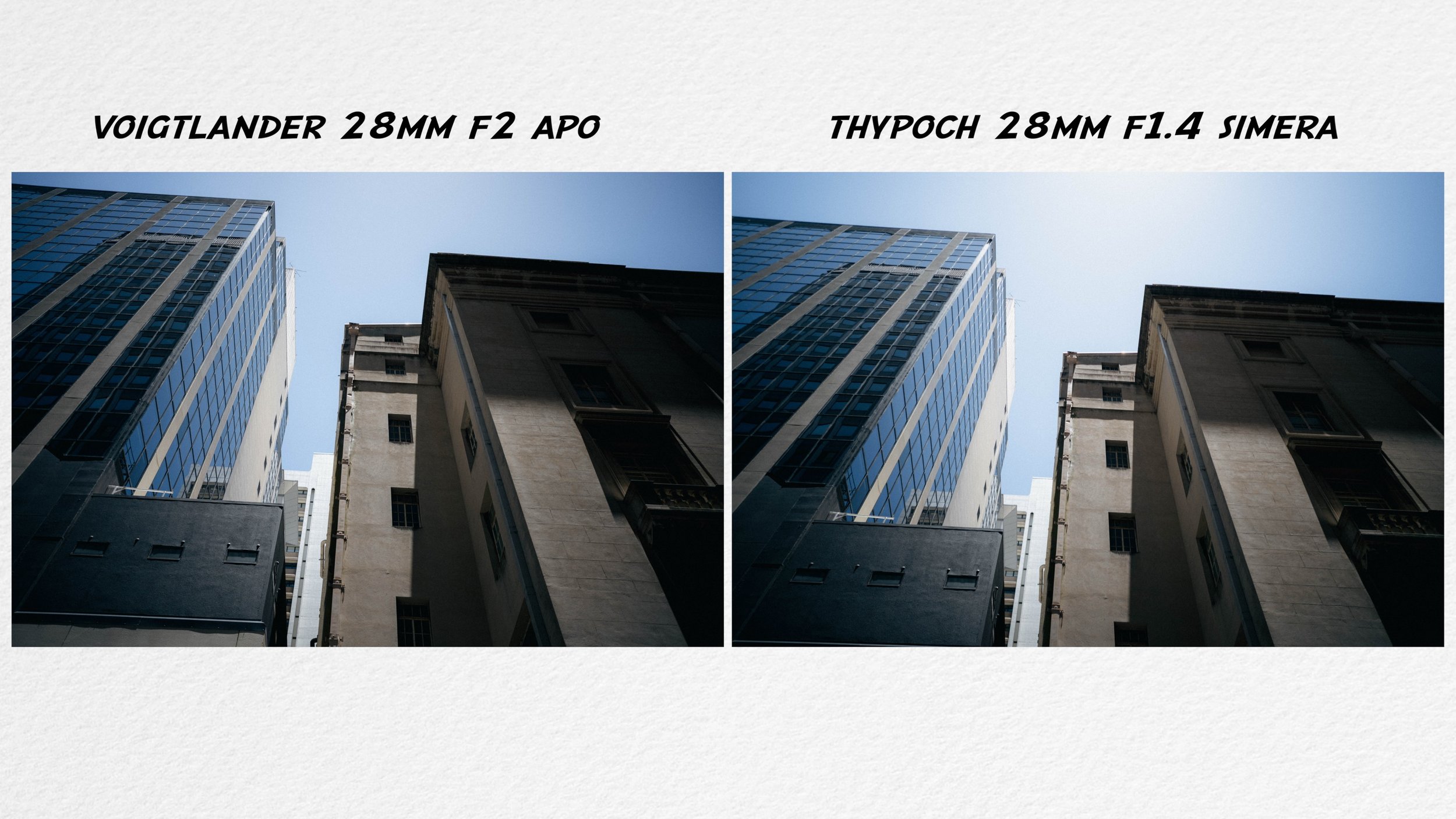
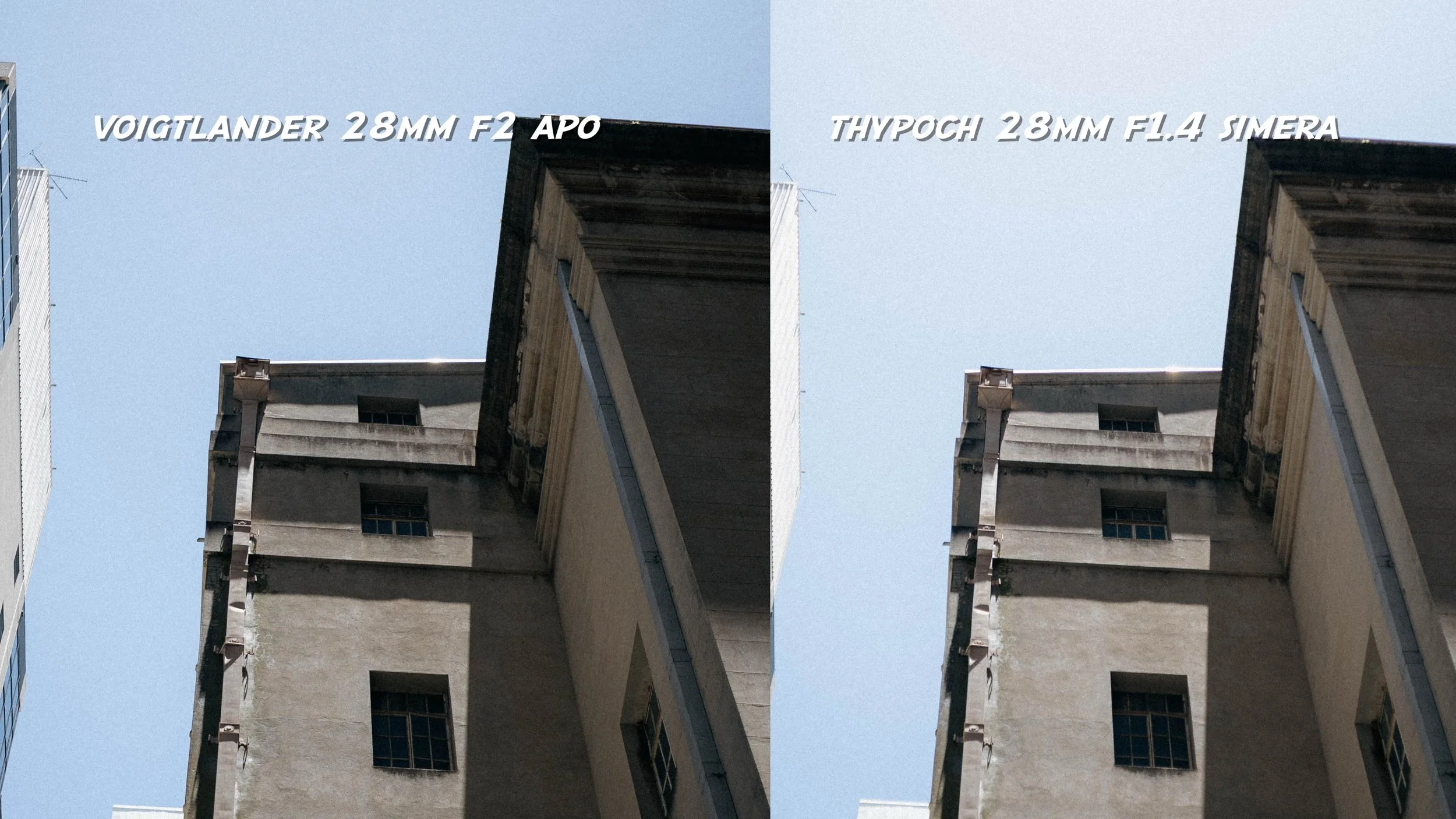
Amazing how good this Voigtlander 28 APO is given the size, the upcoming Z mount version should be fantastic, but for this trip I’ll stick to my tried and true Thypoch.
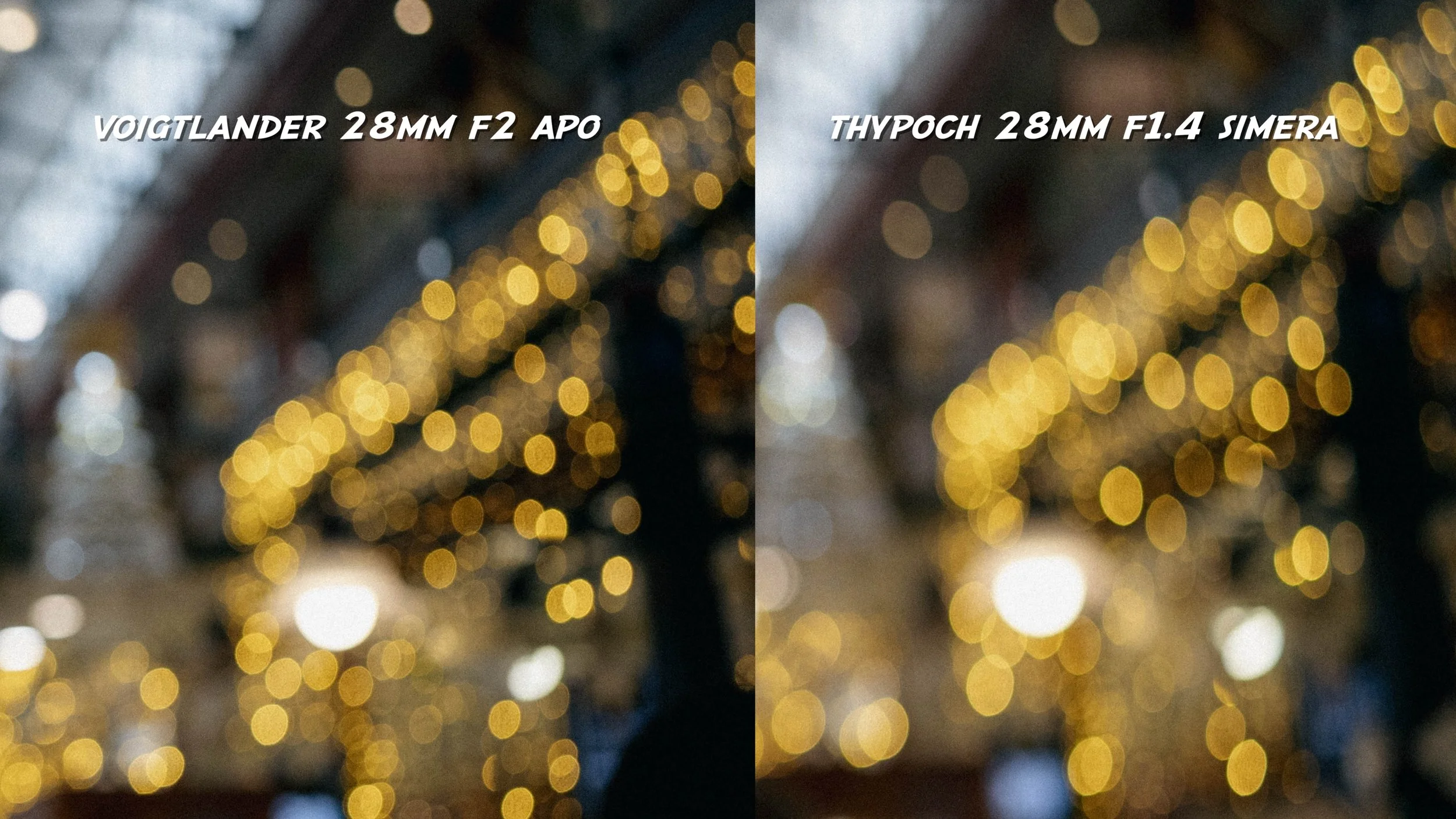
I’ve become used to the haptics - even that fussy infinity lock, and there’s more separation at 1.4 even though the bokeh on the voigtlander looks smoother and cleaner. I like that vintage swirl towards the corners on the Thypoch, an old look that can still feel new.
***
My last overseas trip this year was back to Taiwan.
I was just a kid when I left, 15 years ago.
Familiar but distant sounds on the street
A muffled song on repeat.
What do you do when where you’re from doesn’t feel like home?
Me? Go out non stop to take photos.
But a 28mm alone for travel is a gamble?
***
I could come home with almost no usable photos, especially on a 28mm when composing can be difficult. This is why on the last trip, and on most trips I pack:
35mm + 50mm
I never use them at the same time, it’s one or the other, a good visual exercise that doesn’t exaggerate or accentuate much around you. For this trip I may bring neither, unless one pairs well with a 28mm? Other than a bit more separation with a nifty fifty versus a fast 35mm, it just comes down to perspective. 50mm is maybe 2-3 steps closer than 35mm? That extra width does make 35mm more useful for layering as you can see on:
Frame 1:
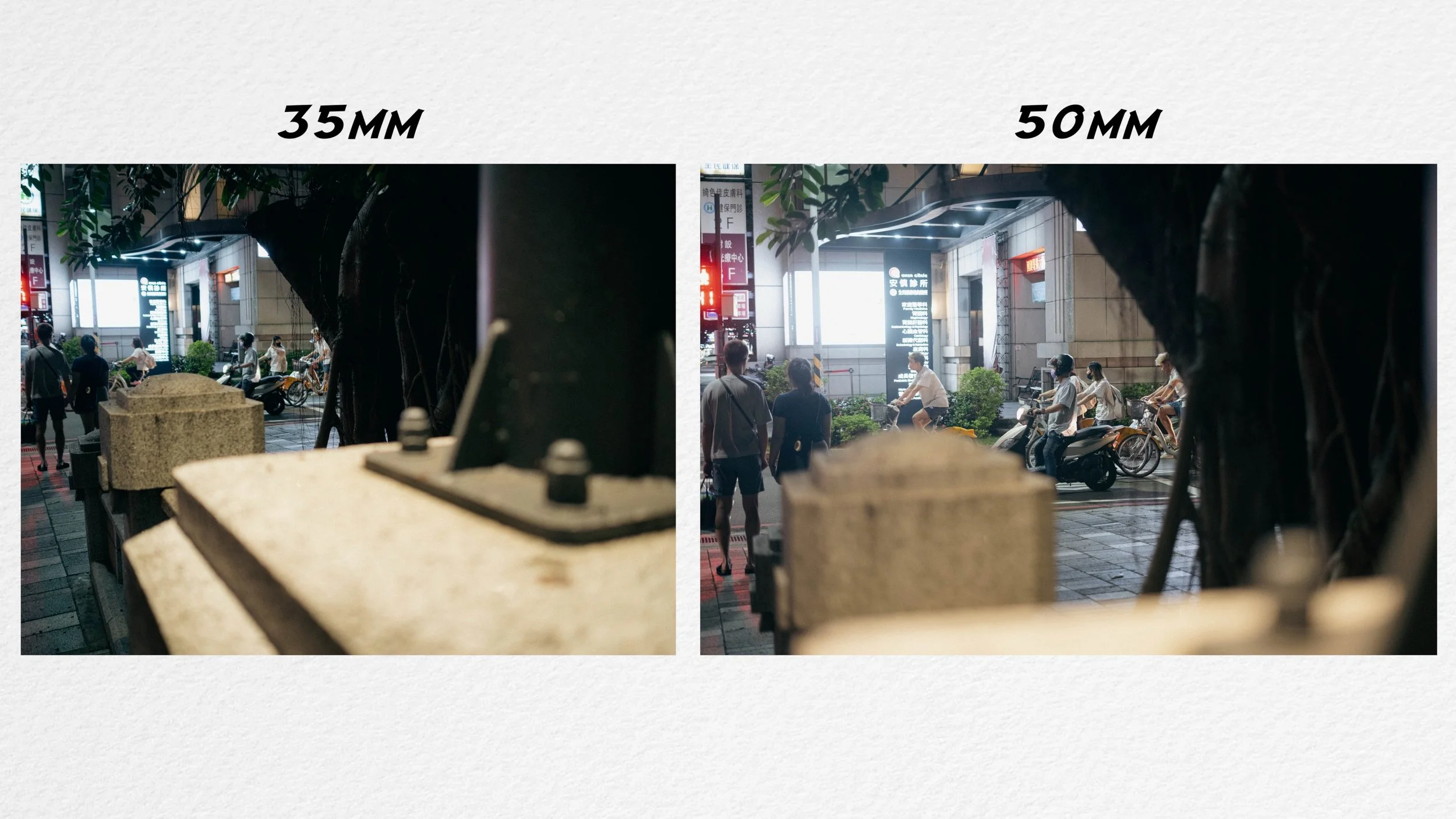
Intersection, bollard in the foreground, motorbike-riding commuters in the background, backlit by an overexposed billboard. There’s much more texture to the layers on the 35mm frame - the metal bolts, casual leading line guiding the gaze towards the helmet wearing rider. The 50 has less of that line visible in the bottom of the frame, there’s not much in it, but tree in the midground of the 35 mil shot now becomes the foreground. A more compressed look that doesn’t use geometry in the same way, a 35 is better for layering, but a 50 does something better than 35 in…
Frame 2:
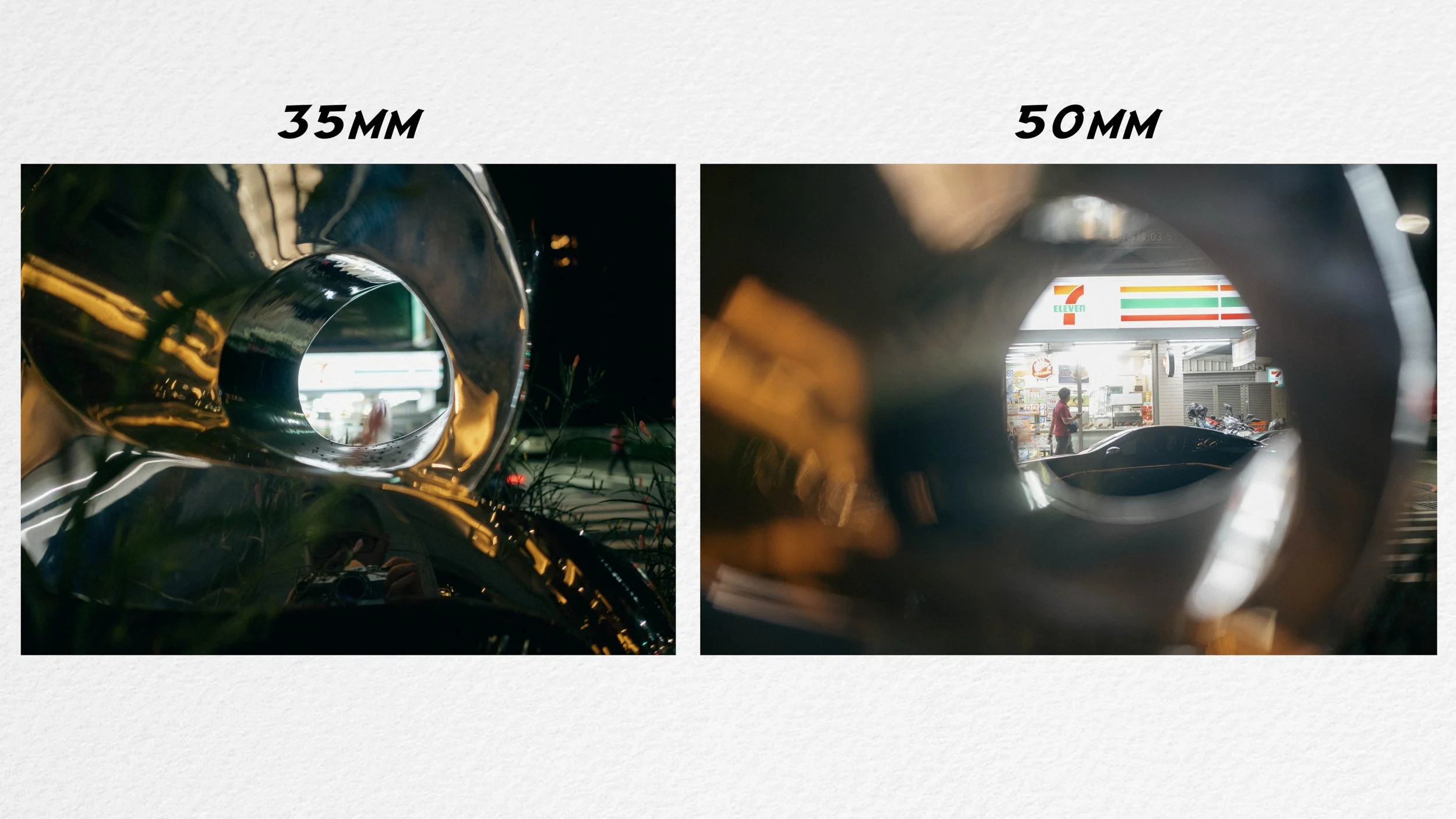
I was trying to use the hole in this metal sculpture to create a subframe for the pedestrian lit by that 7 eleven sign, and the 50mm creates the subframe more easily. It blurs out the foreground of the metal sculpture, reflects the light, and the subtle compression works in my favor to emphasise this commuter. I know I missed focus on the 35 mil shot - the wider field of view meant there was more things to focus on, and at minimum focus distance it locked on to the sculpture in the foreground. You can still see that it wouldn’t have worked quite as well - there are these extra plants and lights to the right that distracted from the subframe - you can even see me holding the camera in the reflection.
Frame 3:
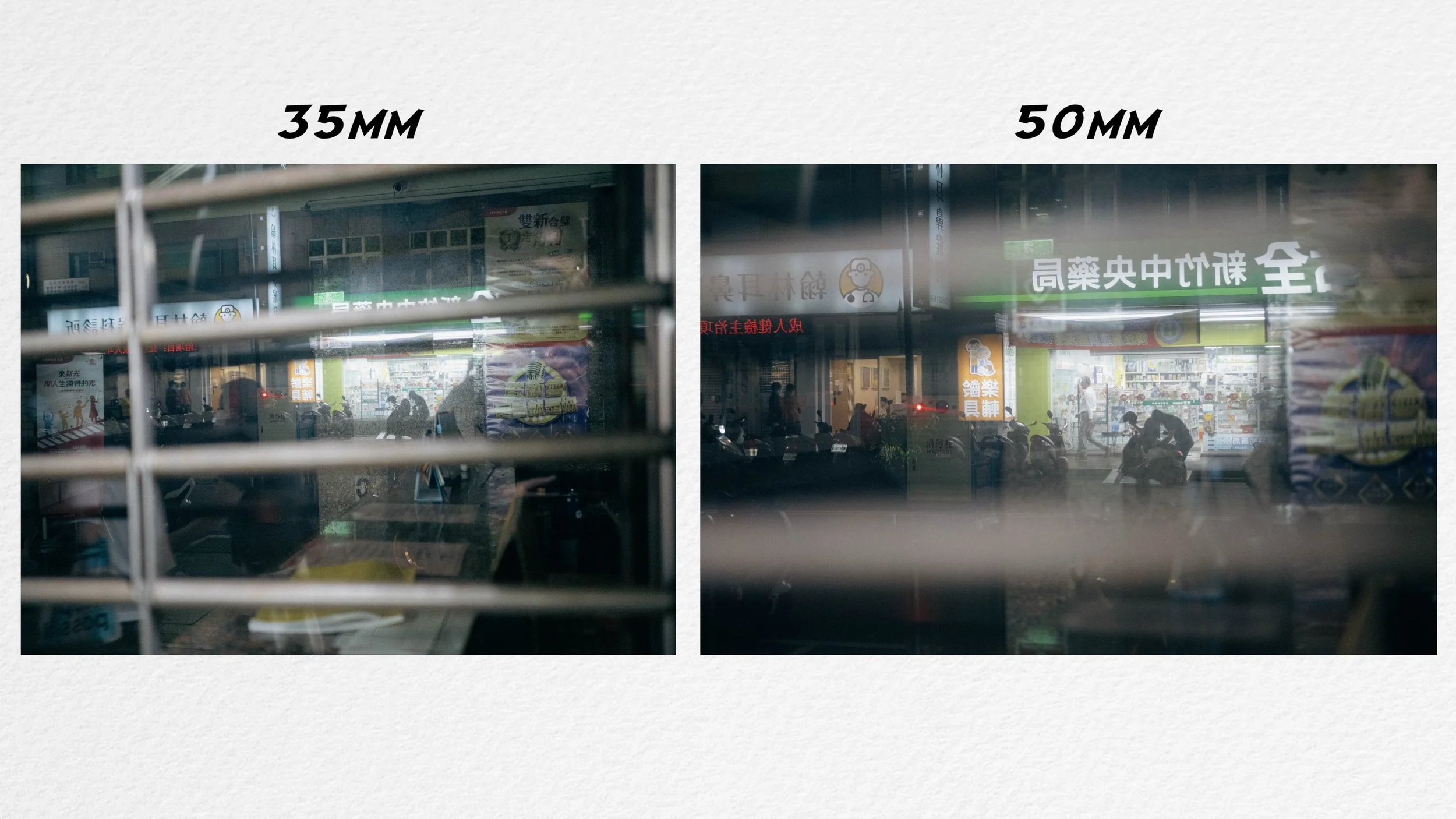
Reflections are another strength of the 50mm over the 35mm. I love these across the street reflections to add a bit of curiosity to an otherwise plain scene. It makes the figures a little blurry, and depending on how clean the glass is it can look like a promist filter effect, but because the figures are across the road the reflections look cleaner on a 50mm. A 35mm includes more than I need for this style of shooting - by standing close to the glass I’m inevitably in the reflection too, a 50mm gives a cleaner composition for reflection photography.
Which 50mm, if any?
This 50mm equivalent is the Fujifilm 33mm f1.4. I really love how it renders, sharp without losing that highlight rolloff, a bit more character, but I won’t be bringing this lens on the trip. If it’s cleaner composition I’m after, to pair with a 28mm, I can go even tighter than 50mm? Before I talk about 85mm, let’s talk about:
Camera 1
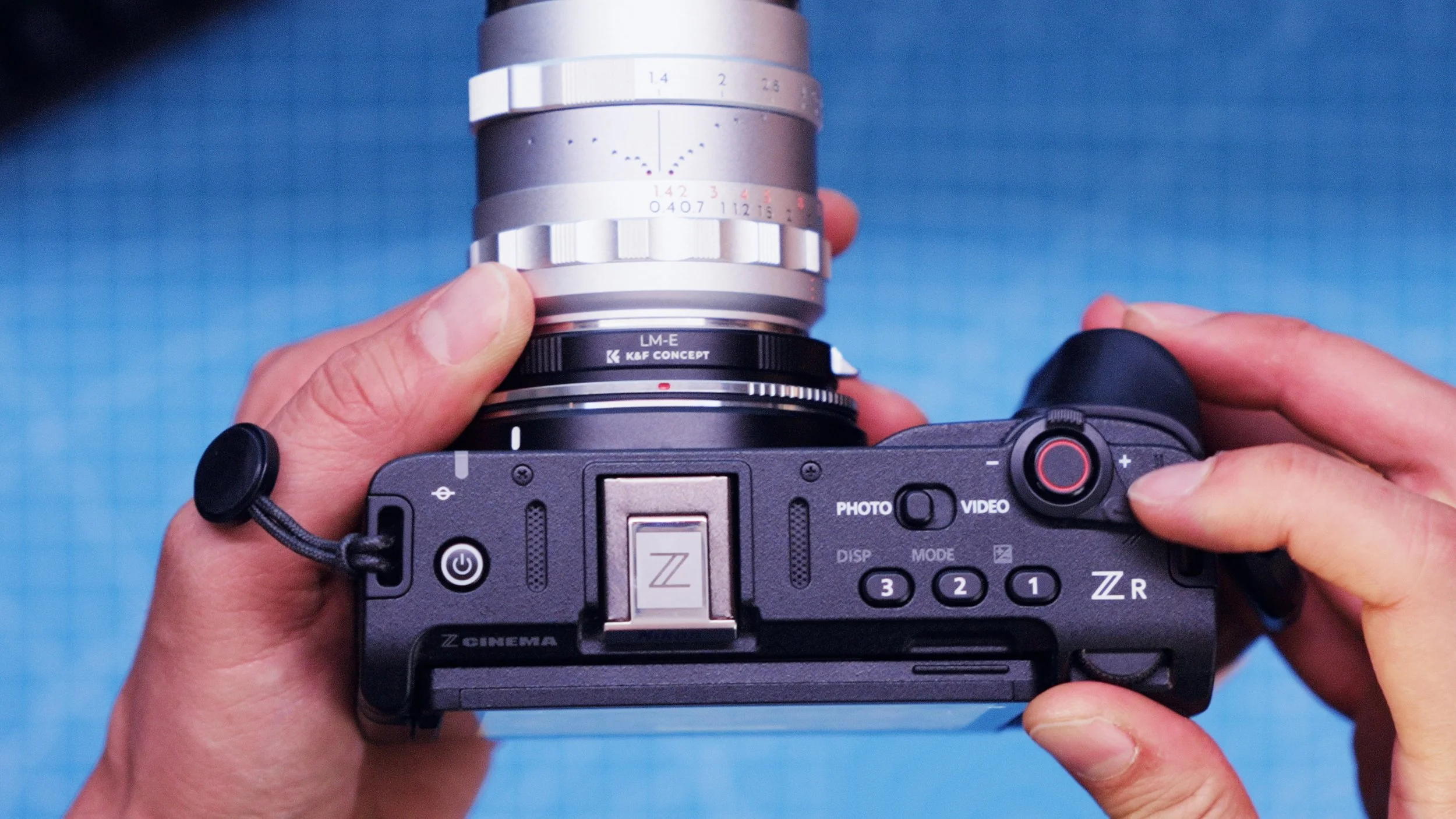
The first camera I’m bringing on this trip is the Nikon ZR. It’s a newer camera, I’ve been using it for a couple of months, but I want to put it through its paces on travel. Coming from the Zf, Z6III, Z8, I’m very familiar with its user interface. The huge screen is very easy for composing, the Zoom rocker perfect for punching in with the Thypoch 28mm manually. The focus assist tools work too - in particular the green box for focus confirmation, bottom arrows and dots, I use an M to E, then Megadap E to Z Pro+21 adapters. On the latest Megadap firmware you can change the focus ring rotation (f10) to different degrees, while this doesn’t change the EXIF data it’s a workaround to allow the IBIS mech to work properly. Important for wide lenses, or telephoto lenses, like in:
35mm + 85mm
If a 50 cleans up clutter around the edges, an 85mm Hoovers it all up. You can see this in:
Frame 4
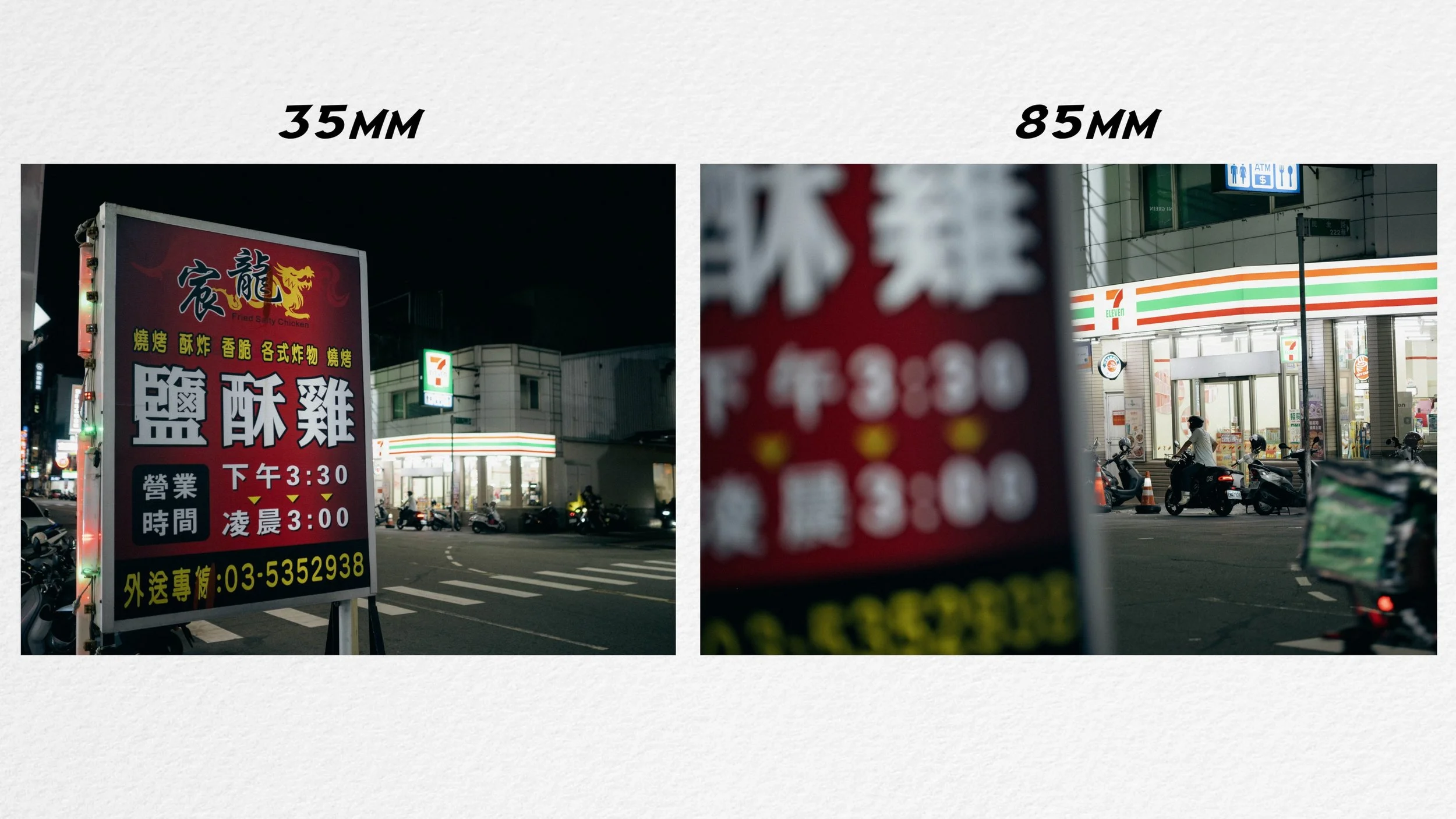
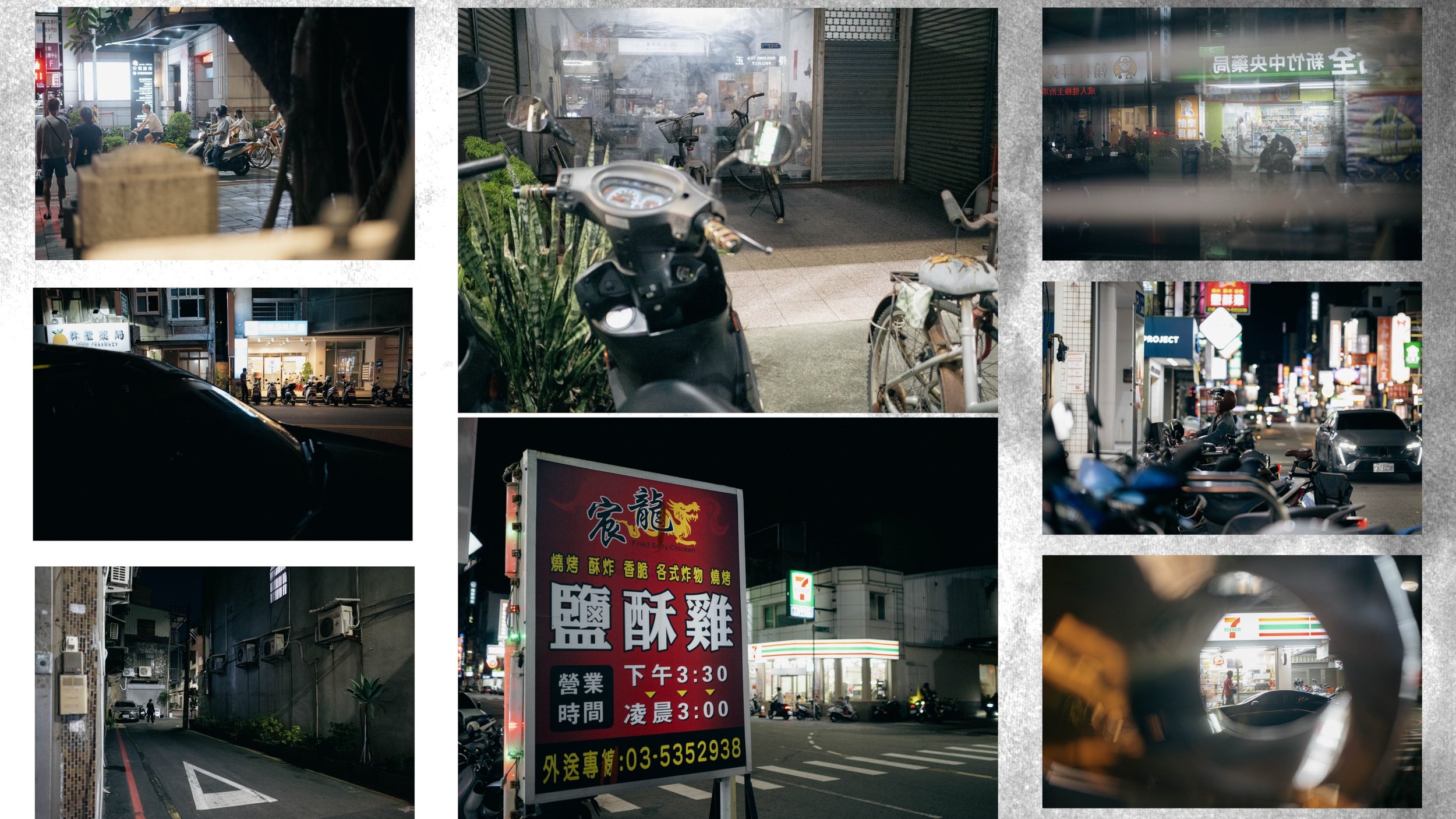
On a 35mm you can see the edges of the frame - the red and yellow sign - it’s selling all night fried chicken, 3:30 to 3am by the way, classic Taiwan. The crossing and 7-11 help setup the lines and layers in this frame. At 85mm that same sign becomes less of an element, and more abstraction. Because I was shooting wide open at night the words on this sign are blurred out, but when it’s this close to the motorbike rider it becomes more juxtaposition. The emphasis could be on the fact that the chicken shop opens from 3:30pm and closes at 3am. When you see the motorbike rider next to it it signifies the vibrancy of the Taiwanese nightlife, and/or how addictive late night snacking can be. Two very different stories told with these two focal lengths. You can also see this in:
Frame 5:
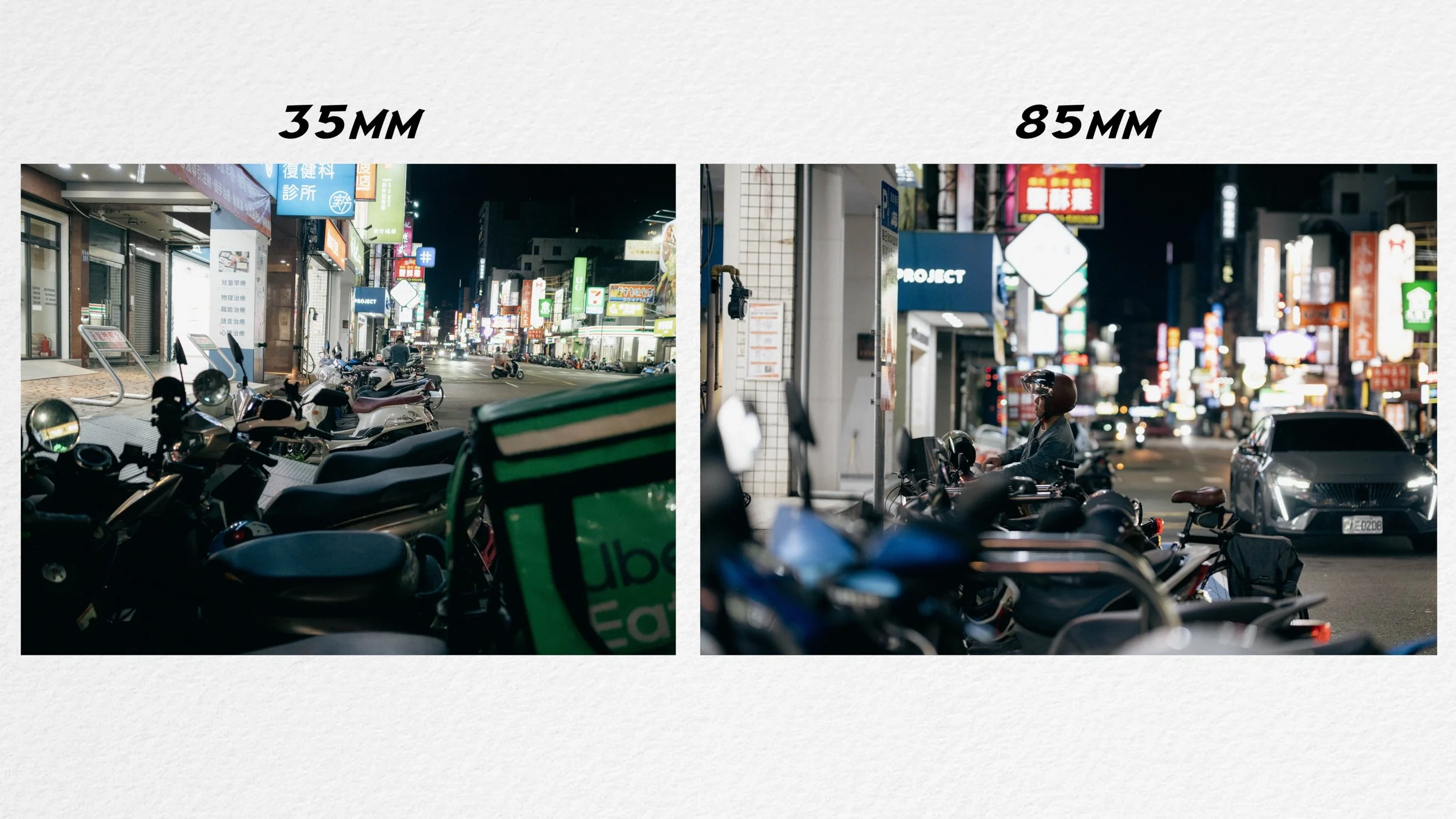
A sea of motorbikes parked on the street, with two different focal points based on the focal length. On the 35mm frame the focus is on spaces - how many motorbikes parked on top of each other with more arriving every second. The 85mm isolates a single bike rider, uses all those bikes as foreground layers, the focus is on faces - is he about to head to work, an all-night late shift? Or delaying the inevitable trip home a little bit longer? There’s a reason 35mm and 85mm are an event photographer’s bread and butter, it tells the same story from two different perspectives.
Frame 6:
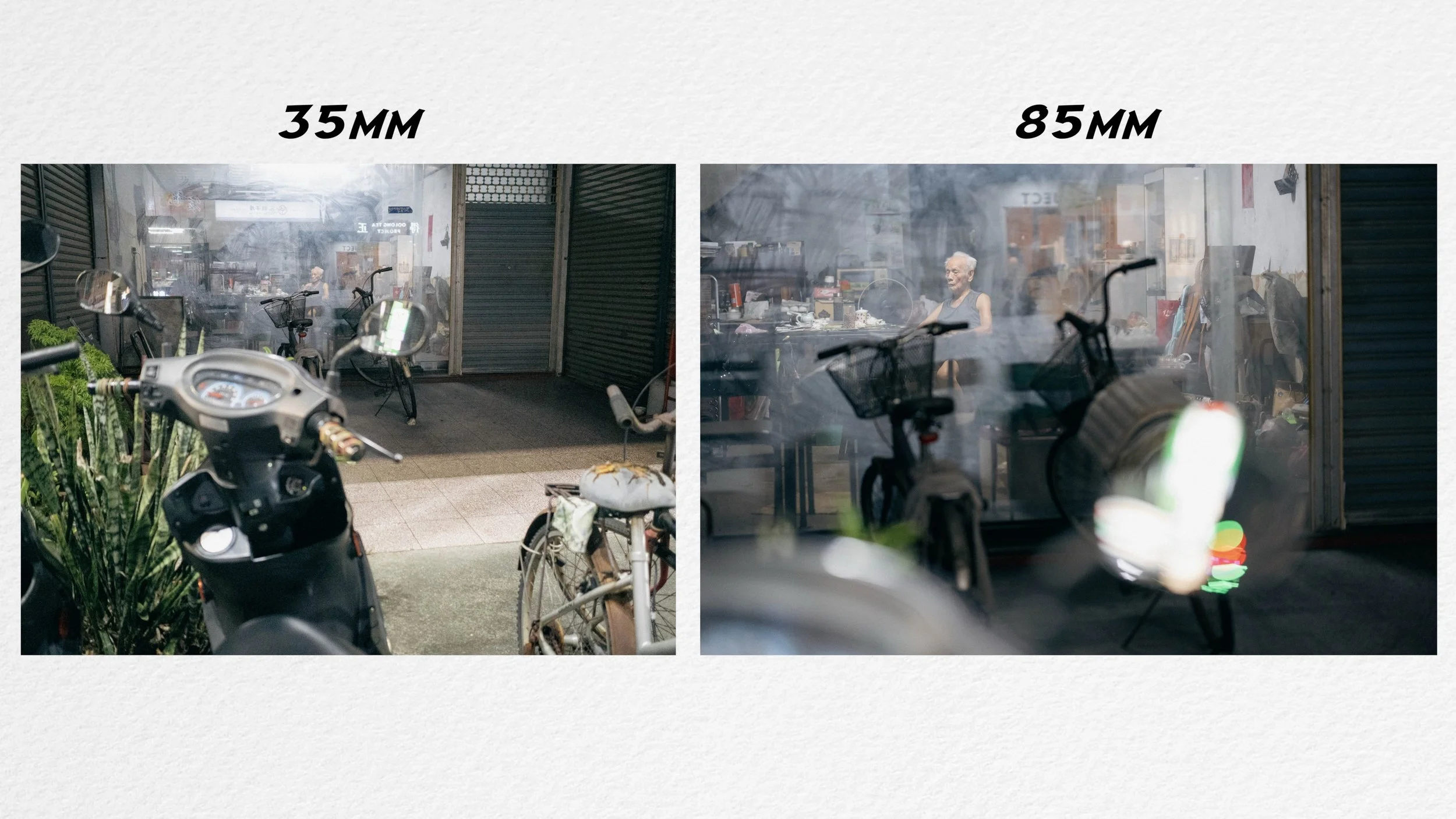
One of my favorites from that last Taiwan trip. I first noticed this abandoned looking garage, a bunch of bicycles and motorbikes strewn across the front, the ambient lighting felt a bit spooky, random collection of forgotten vehicles is what I thought was interesting at 35mm. But it wasn’t until I used 85mm through the EVF that I saw the man who’s in charge - maybe for generations? Sitting quietly, staring into the distance, with no-one else around. The slight fogginess in the pane of glass adds to the feeling, as does the reflection of lights off the mirror on a bike in the foreground - there’s more feeling in the 85 mm frame - faces rather than spaces.
It made the old feel new.
I was closer to home.
The gap between 35mm and 85mm is why I started using a 2 camera street setup. Such distinctive results between the two, it’s quicker to switch cameras than changing lenses, for me even zooming and recomposing takes longer depending on the lens. It’s a privilege to have 1, let alone 2 cameras, this workflow is not for everyone, but it does let me make these comparisons so you can figure out the best prime - whether it’s one, or two - for you.
As big of a gap there is between 35mm and 85mm, there’s an even bigger gap between 28 mm and 85mm. There needs to be something in the middle to tell those stories and close the gap. The 35 mm equivalent lens I used on the last trip is the OM 17mm 1.8 mark ii for micro four thirds, which brings me to:
Camera 2
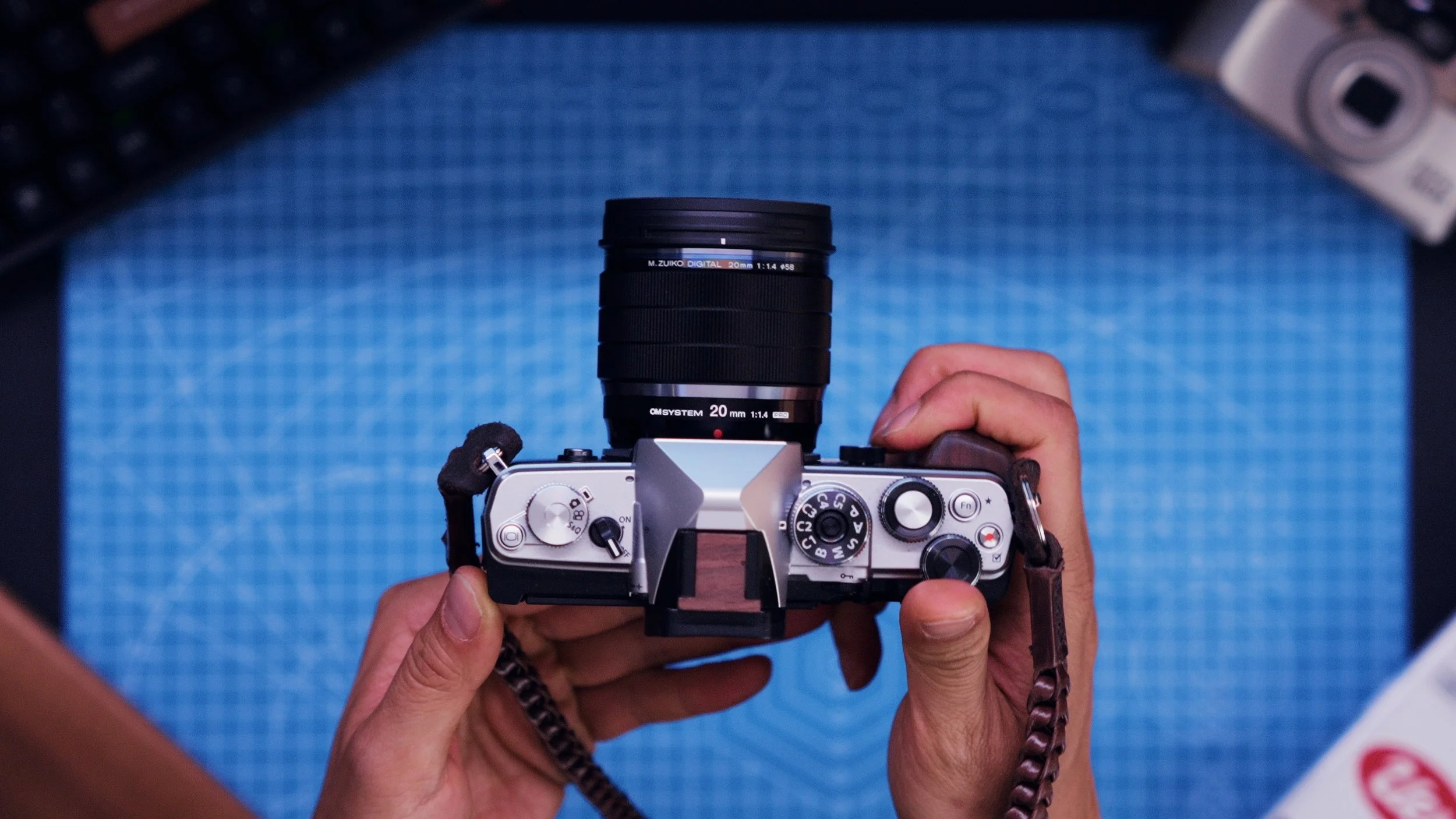
The OM3, a weathersealed, compact crop sensor camera with smaller lenses to pair with a fullframe ZR. After 6 months it’s handled every situation I’ve thrown at it, photo, video, bad weather, it helps that the power button’s on the left just like on the ZR. The handling is like second nature, I can use both it and the ZR side by side sightseeing temples, or urban nights out across Tokyo. 2 cameras is enough, but should I pack 3, and which which focal length should I pair with 28mm?
It won’t be the OM 17mm, I’m not bringing a 35mm equivalent alongside a 28mm -they’re just too close. This trip will be the first one in as long as I can remember without a 35mm in my bag - I won’t be packing an 85mm either, although the 85mm equivalent I used on my last trip is great - the Fujifilm 56mm 1.2 R WR.
While the results are great after a 10 lens round robin prime test across Nikon and Fuji I liked the Nikon results better. Really not much in it, it came down to how the Nikon coatings handled flare better than Fuji. I’ve sold almost all of the Fuji lenses in my kit along with the XT5, so obviously they can’t come on this Japan trip. I can pack Nikon’s 85mm f1.8 S, it’s a tried and true setup, but I’m not bringing an 85mm along this time. Doesn’t mean I won’t pack a telephoto - but first let’s cover what’s in the middle.
28mm + 40mm
40mm is the natural companion to 28mm, and both are designed to provide more context than the classic 35 and 50 mil combo. The frame can’t look as clean, I have to work harder to avoid clutter, and these fields of view encourage you to incorporate more mess into the shot. Like in:
Frame 7:
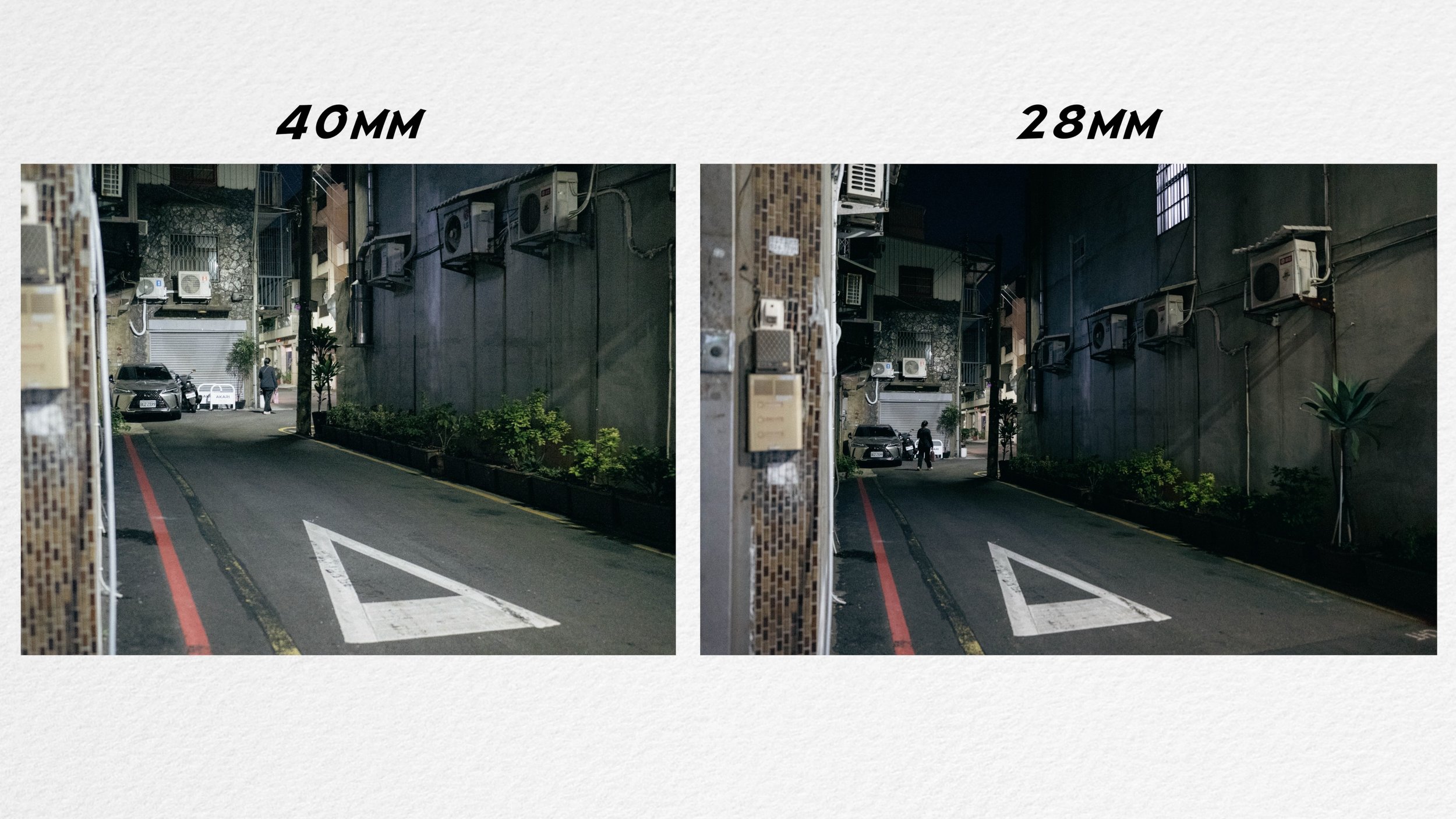
I thought the focal point was this commuter walking into the alley - that’s how I framed it initially using this 40mil equivalent, and while there was some signage and cement textures around the edges of the frame, I can’t see the woman’s face or expression. This frame is actually about the place - the line of air conditioning units bolted onto the side of this concrete building - working overtime in stifling humidity, streak of light and shadow there, hotwired doorbells and buzzers on neighbouring walls, even more air con units, the 28mm frame matched what I wanted to capture better, but the 40 had a chance if I caught the commuter in time to see pouring sweat or carrying a bunch of icepacks. The same situation applies in:
Frame 8:
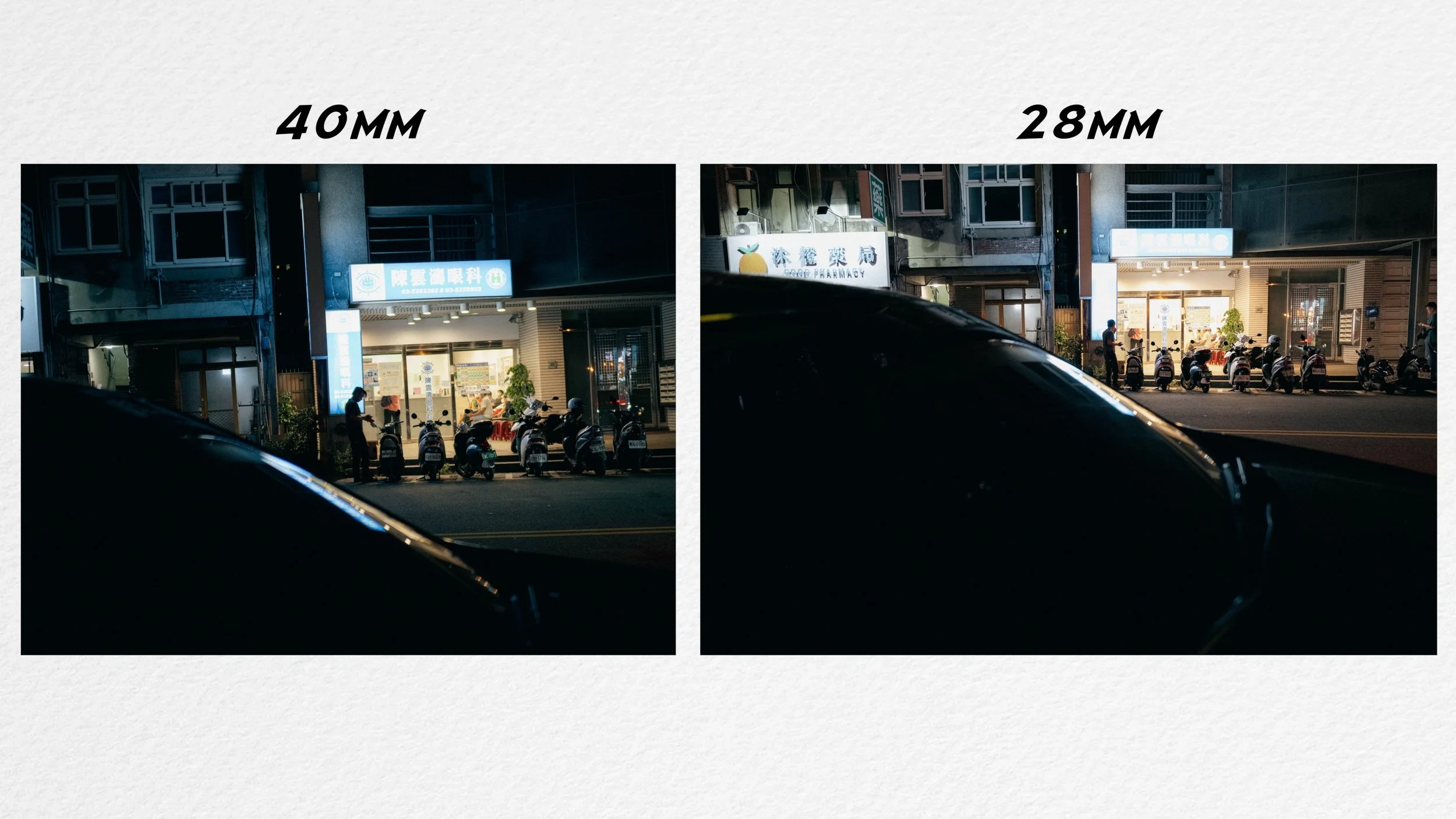
Either the 28mm or 40mm has a chance to get what I want. I like using the front of a car windscreen on my side of the road as a foreground element - it reflects the light off any buildings or signage to act as a kicker, illuminating whatever’s moving along the other side of the street. The line of motorbikes, the overhead signage, single silhouette - I think works either on 28 or 40, if the silhouette was closer to the car side it may have worked better on the 28, but across the road it works better on the 40? How these focal lengths encourage you to move, in and out amongst faces and spaces, it made me feel at home. The old feels not only more familiar, also new.
The 40mm I’m bringing on this trip is the 20mm f1.4 Pro paired with my OM3. Weather sealed, 1.4 on micro four thirds enough to give some bokeh, but bokeh is not my priority on 28mm. The 28mm I was using in this Taiwan photowalk is the Fujifilm 18mm f1.4 for a 28 equivalent perspective, but how little the depth and bokeh mattered to me on these frames told me I could bring a slower lens along.
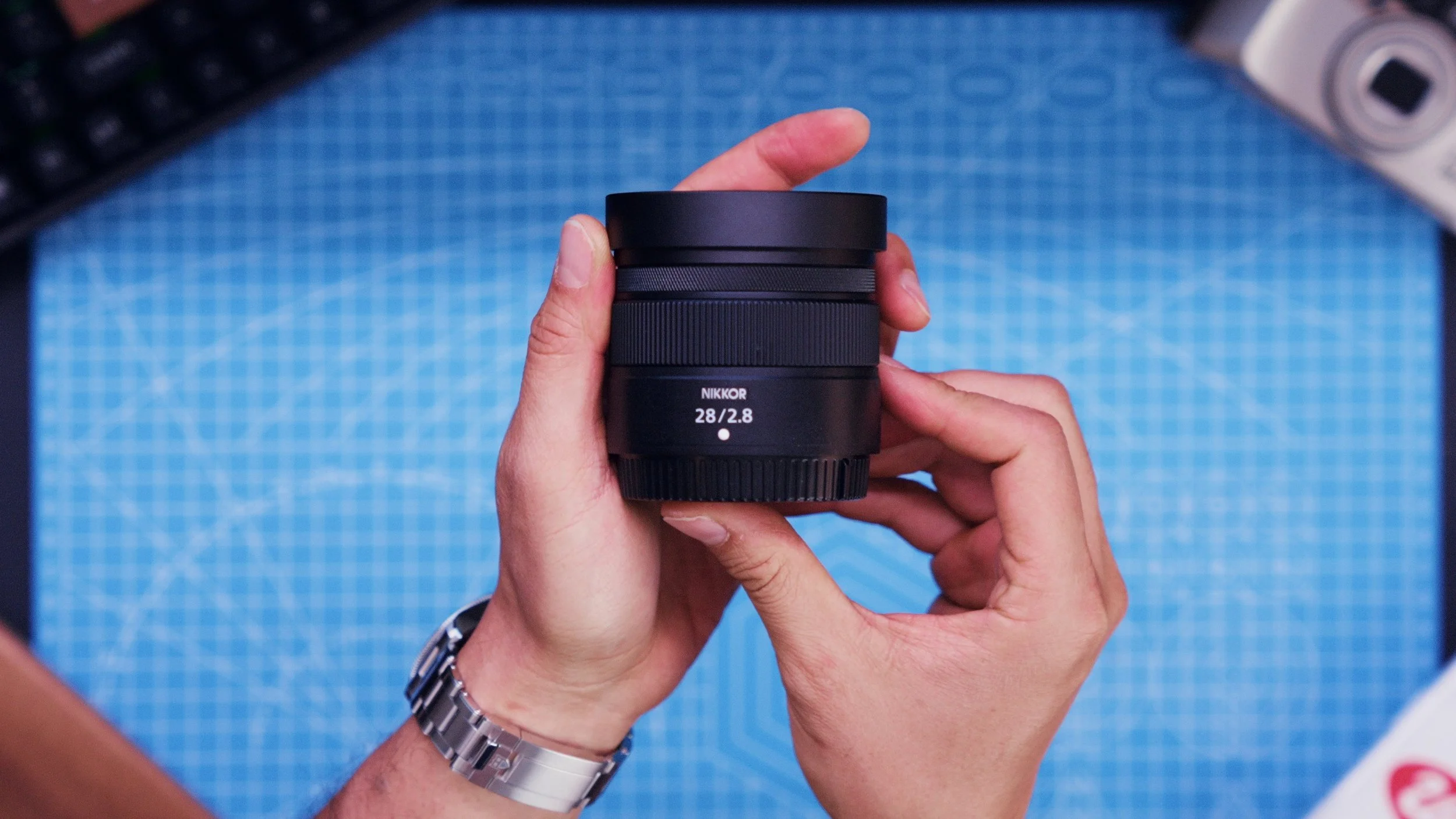
This is why the second 28mm I’m bringing along is the tried and true 28mm 2.8 Z for the ZR. It’s an old lens, nothing special, but because I’ve used it enough to know its quirks, how to edit its flaws and textures, I’m confident it can capture something new. Its AF speed is fast, I can capture quick moving frames during the day, even at night, if I really need more speed or separation there’s the Thypoch 28mm Simera.
The ZR with 28 2.8, thypoch 28 1.4, an OM3 with a 20mm 1.4 for a 40mm perspective, but what about the telephoto? And there’s still space in the bag, do I want to take a 3rd camera? But first:
The Telephoto
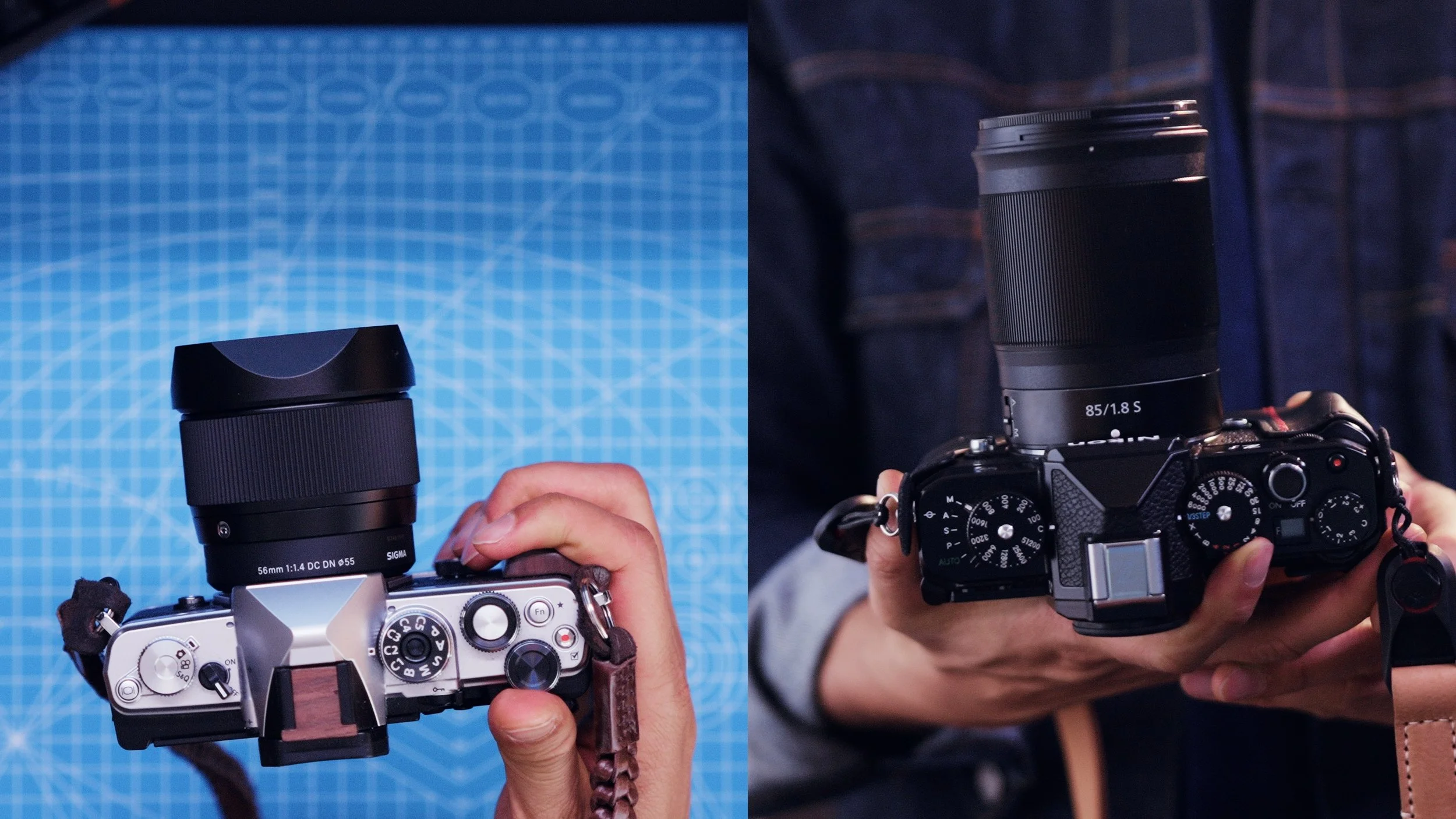
This lens is brand new (to me) - the only piece of gear I’m bringing along I haven’t used extensively. It’s always a risk traveling with a camera or lens I’ve never used, but I’m optimistic I’ll get along with it fine. It leverages the extra reach of the micro four thirds sensor format - 2 times crop factor, a bright f1.4 aperture for telephoto blur, and though it’s a third party lens designed for bigger sensor formats it is still the smallest telephoto prime for the OM3 that is weathersealed.
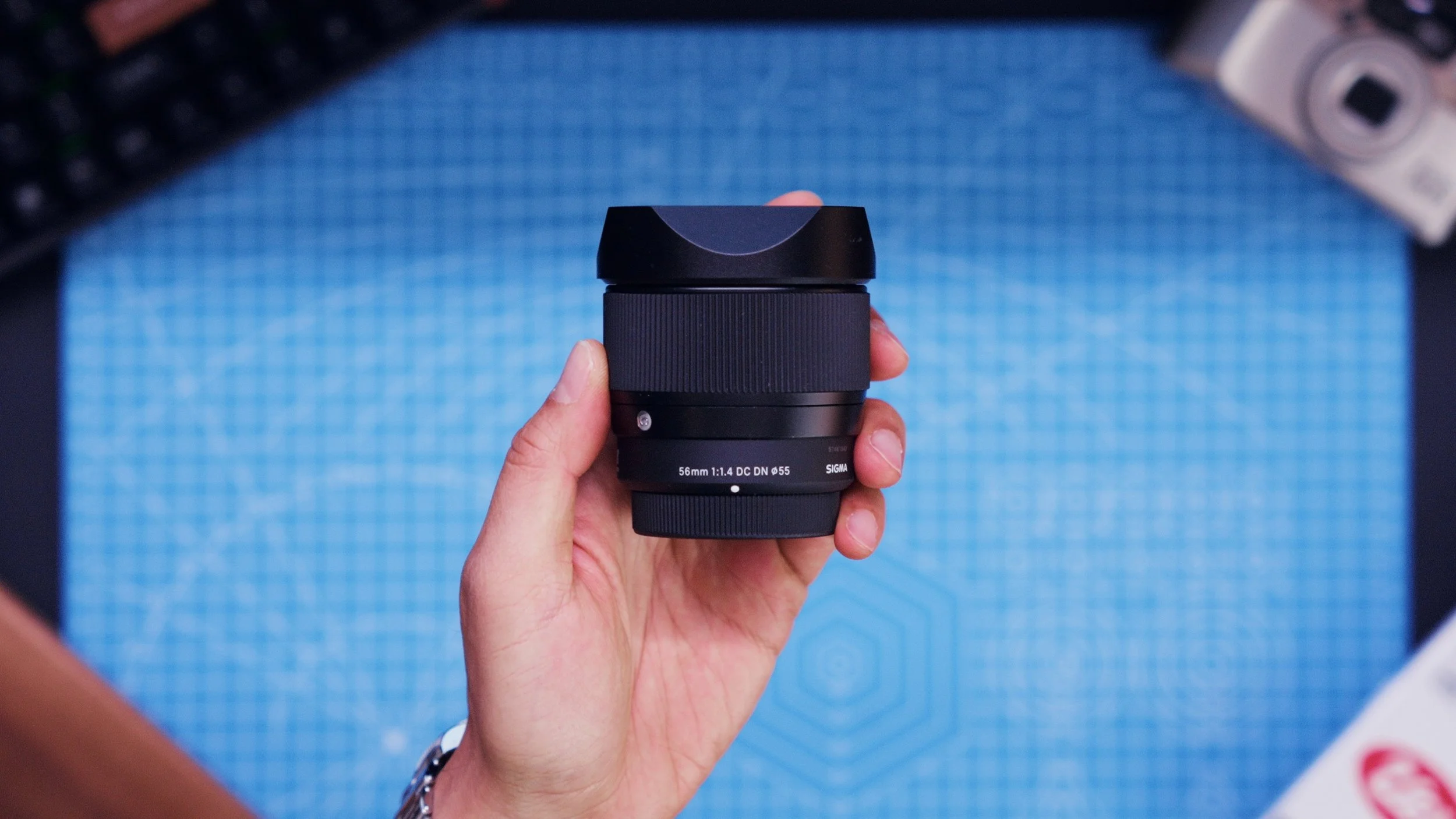
The Sigma 56mm f1.4 is made for APS-C sensors but because it’s a 50 the size can be small, and the extra reach it provides makes it a 112 mm equivalent. Corner performance doesn’t matter as much because the APS-C sensor size it’s designed for will be cropped down to micro four thirds. Tighter than the 85 I’m used to, a much smaller form factor than my Nikon 85mm 1.8S, perfect for travel.
***
28mm, 40mm, 112mm
A combo of focal lengths I’ve used
But never travelled with together?
I’m keen to test them all out on the streets of Tokyo.
It’s become a familiar home away from home.
But no matter if it’s Japan, Taiwan, or all across Australia.
I can’t stop taking photos no matter where I go.
Through a lens, everything old can feel brand new.
***
And all that’s left - before revealing whether I’ll take a third camera to Japan, and if I do what camera I’ll choose, - is to thank you. Two years, 150 videos, 20 thousand subs, 2 million views - this channel’s been my respite from flooding, a full studio rebuild and a few family emergencies.
Writing, filming and editing every week has become my normal rhythm, but the familiar isn’t stale, it still feels brand new. Making videos is a privilege I don’t take lightly - just like:
Camera 3.
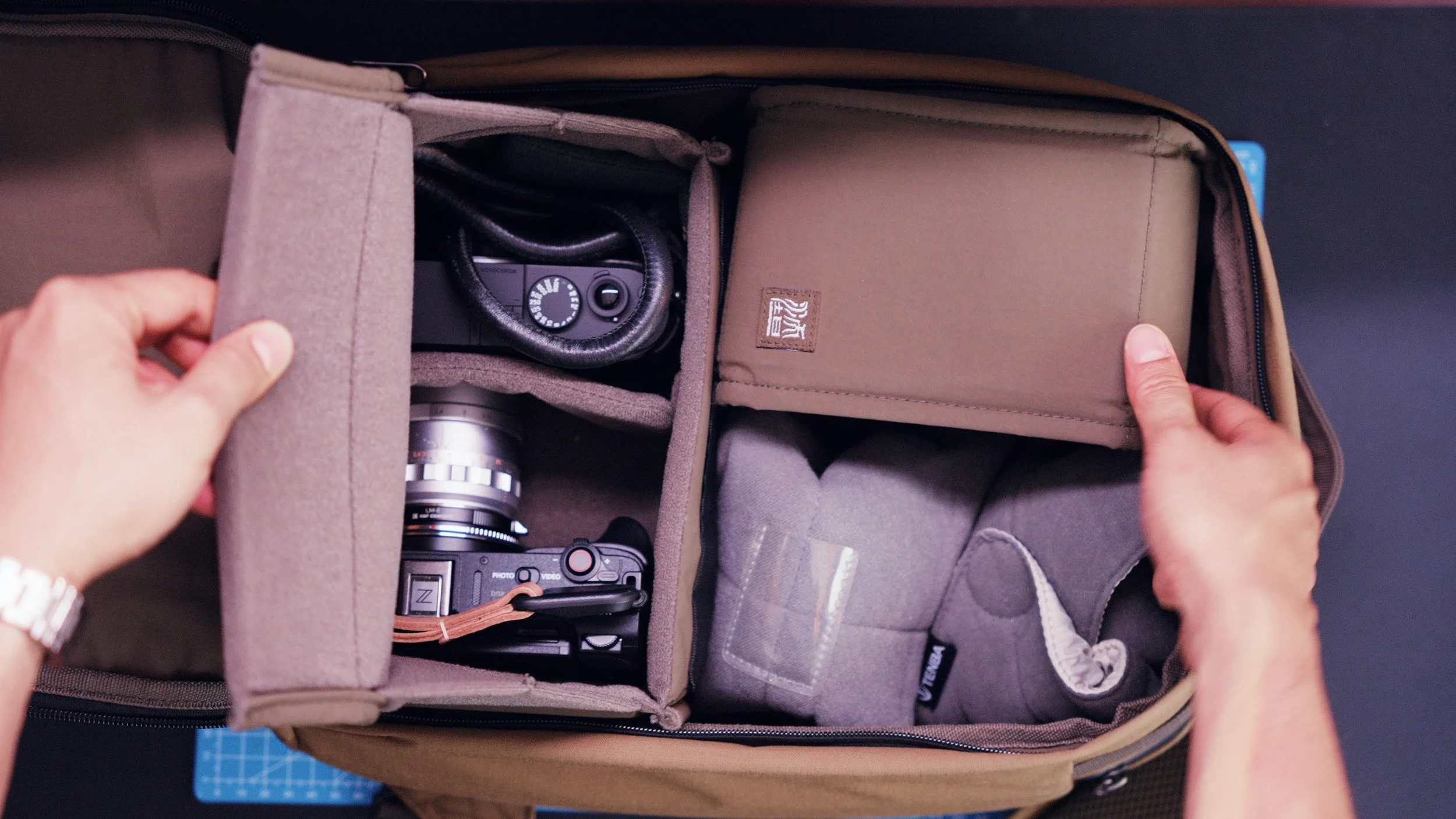
I’ve fallen down a rabbit hole of screw mount rangefinder lenses made by Canon and Nikon in the 50s, which can be adapted to Leica M mount with a very thin adapter. I’m making a video comparing their performance on Z mount vs M mount, which means the last camera I’ll bring is the Leica M11 monochrome.
I want to see how older LTM lenses render on Leica’s monochrome sensor, and compare it to the ZF and ZR’s black and white output?
Happy shooting everyone, talk soon.
Jack.
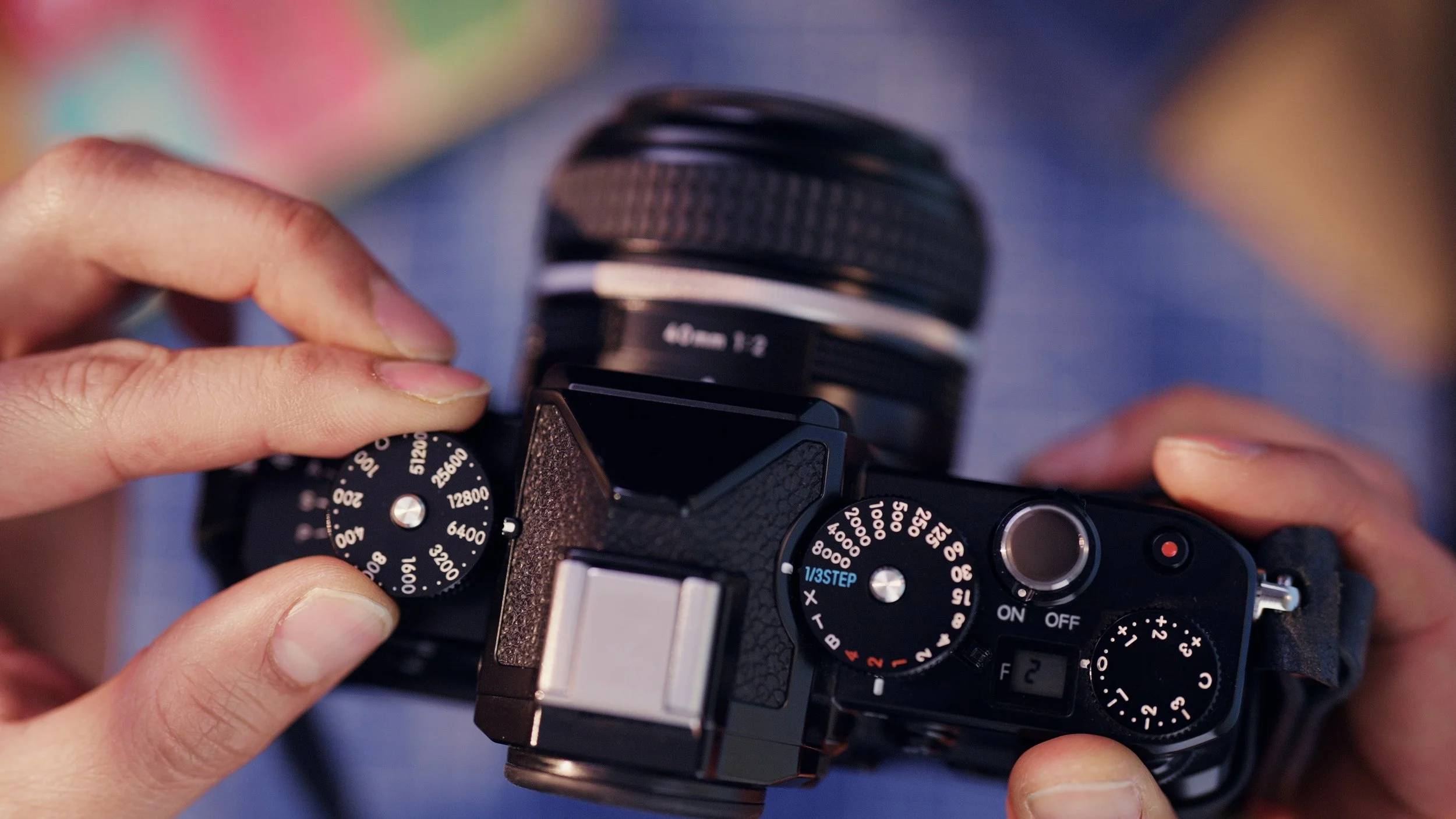
All the sample images in this blog post were edited from RAW files using my free Chrome emulation preset. They work with most RAW files from different cameras as long as you use “Adobe Color” as the starting base.
Download it for free here.
If you’d like to support my work please consider purchasing gear through my affiliate links:
Nikon ZR: https://geni.us/KH4uMvX
Nikon 28mm f2.8: https://geni.us/tyZX2A
Thypoch 28mm f1.4: https://geni.us/zjPaLdn
Wotancraft leather pilot slings: https://geni.us/m210n
Wotancraft leather pouches: https://geni.us/vzyZHq