The Smartest Way to Adapt Vintage Lenses?
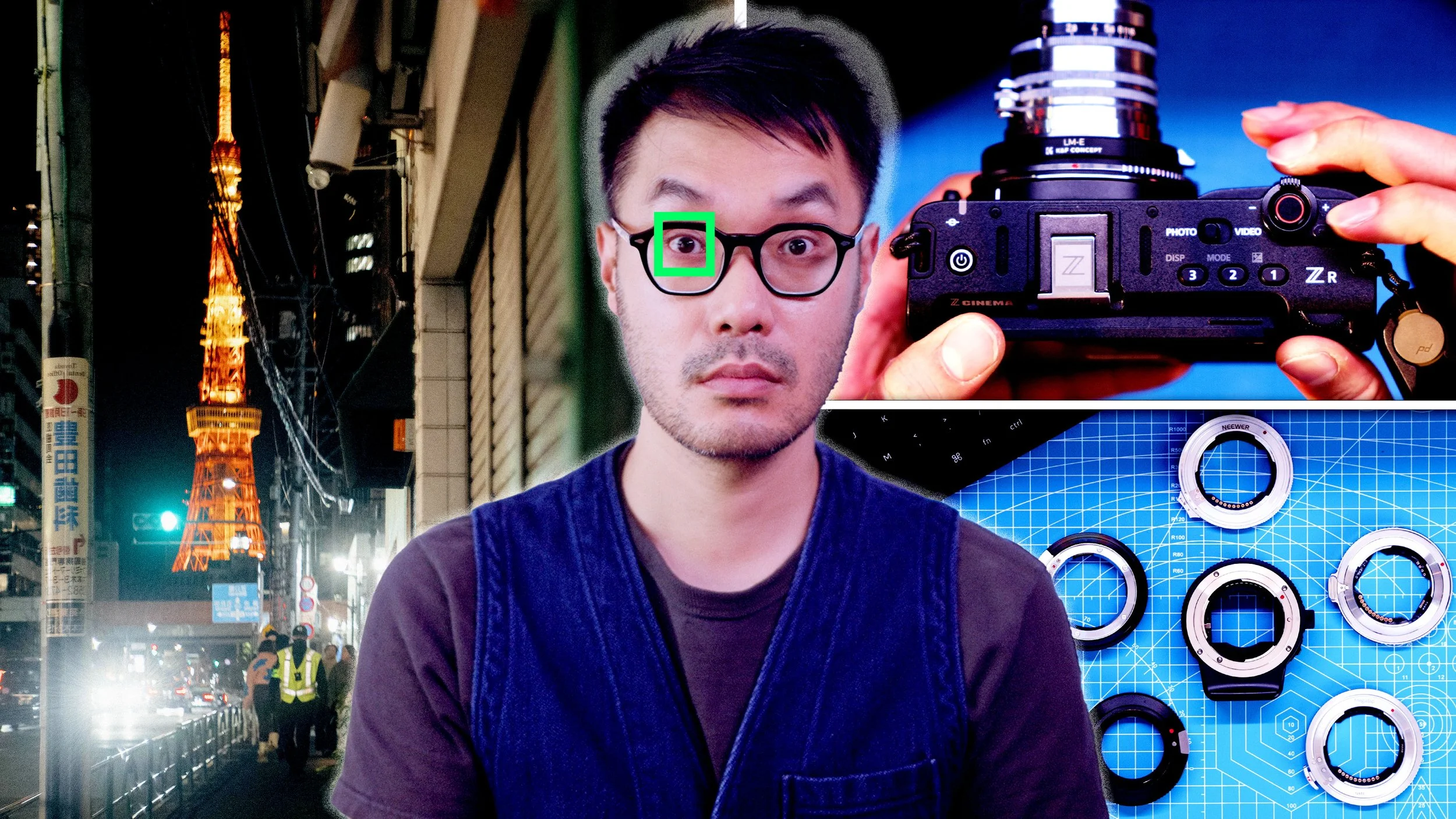
I thought the Nikon ZF was the best for vintage glass then came the ZR?
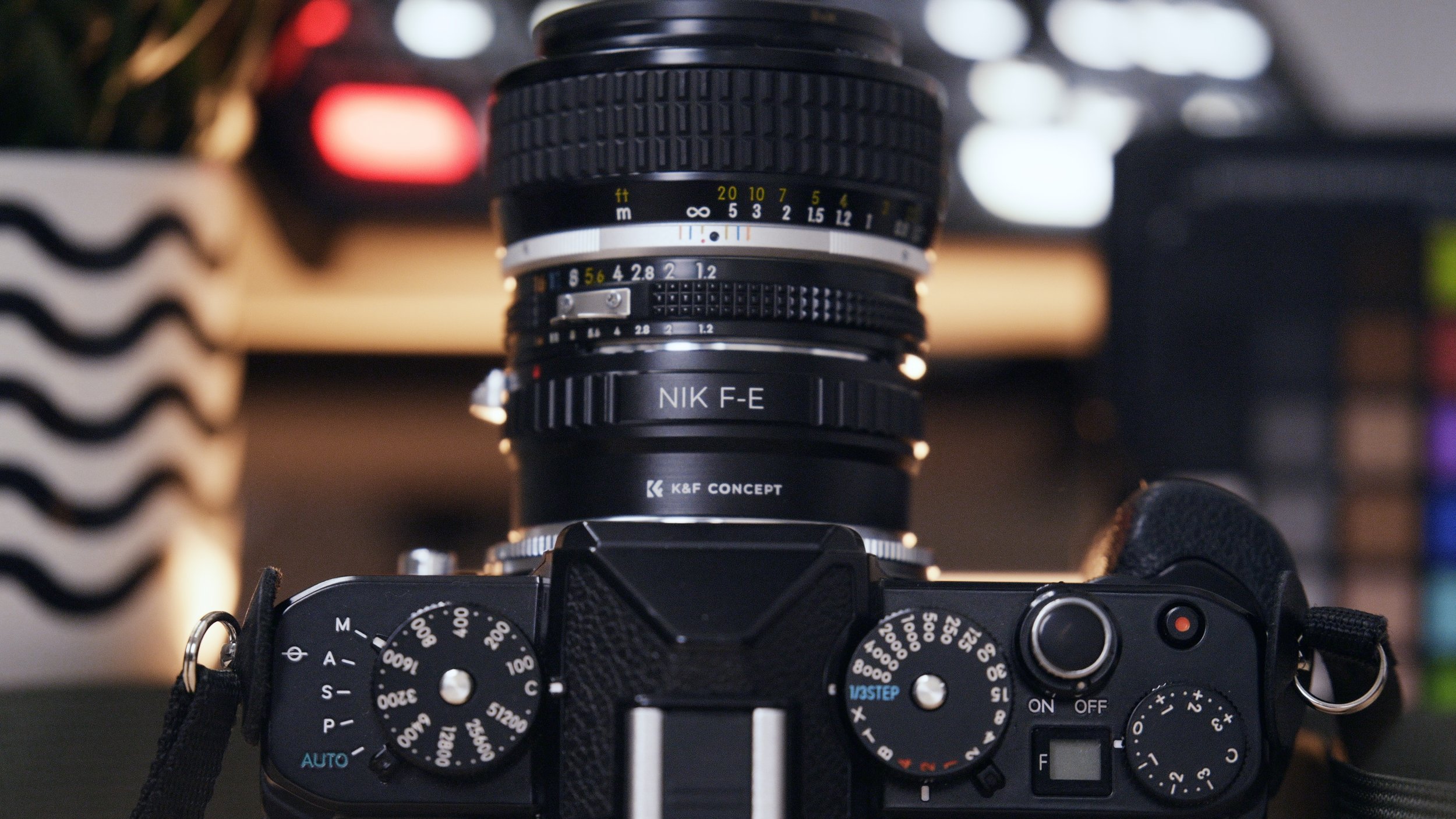
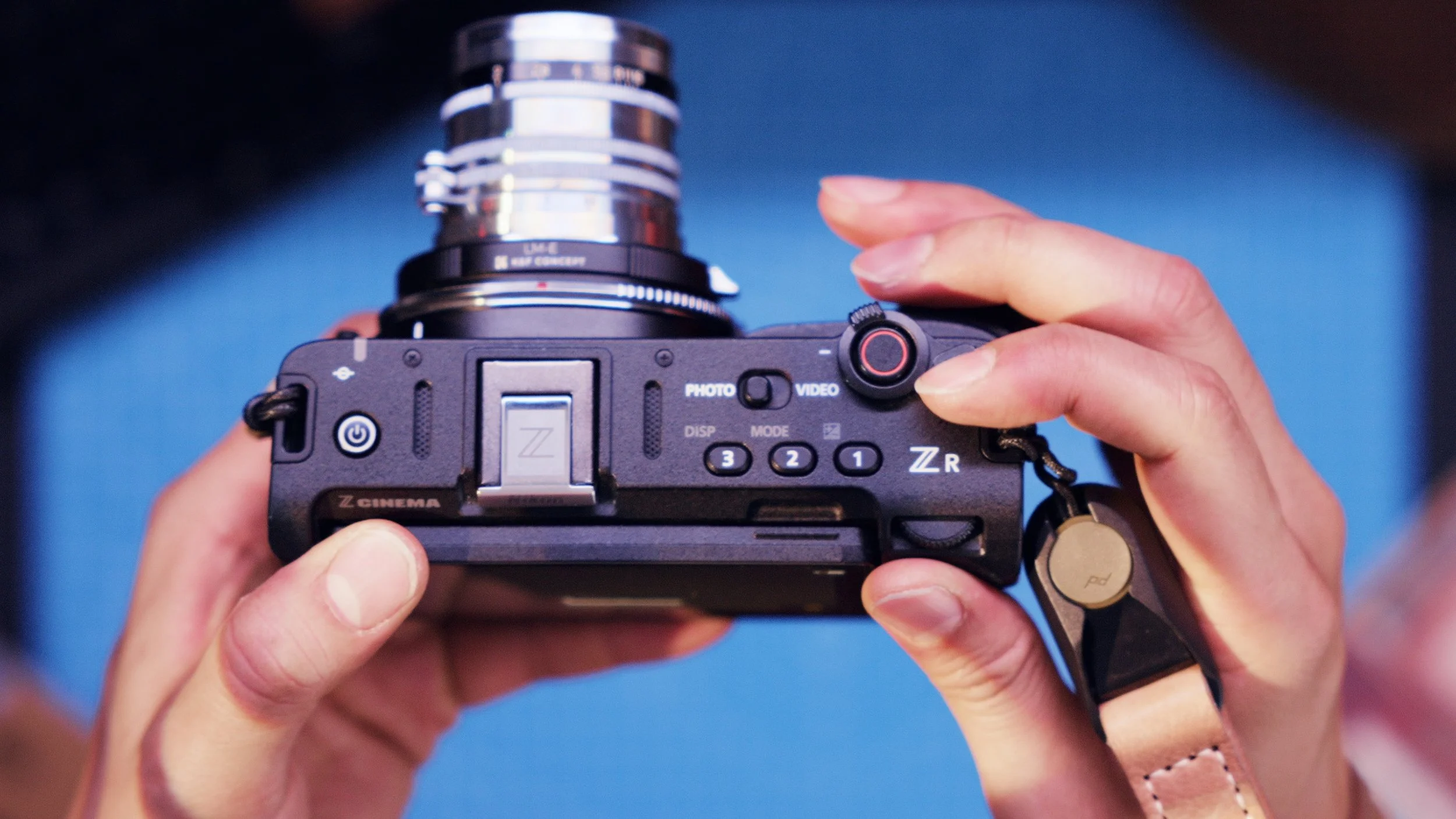
Its unique form factor breathes new life into old lenses, you do need the right adapter though to get green boxes, IBIS, autofocus?
The 6 best adapters are all very expensive, and to help you pick I’ve torture-tested them in bad lighting and terrible weather.
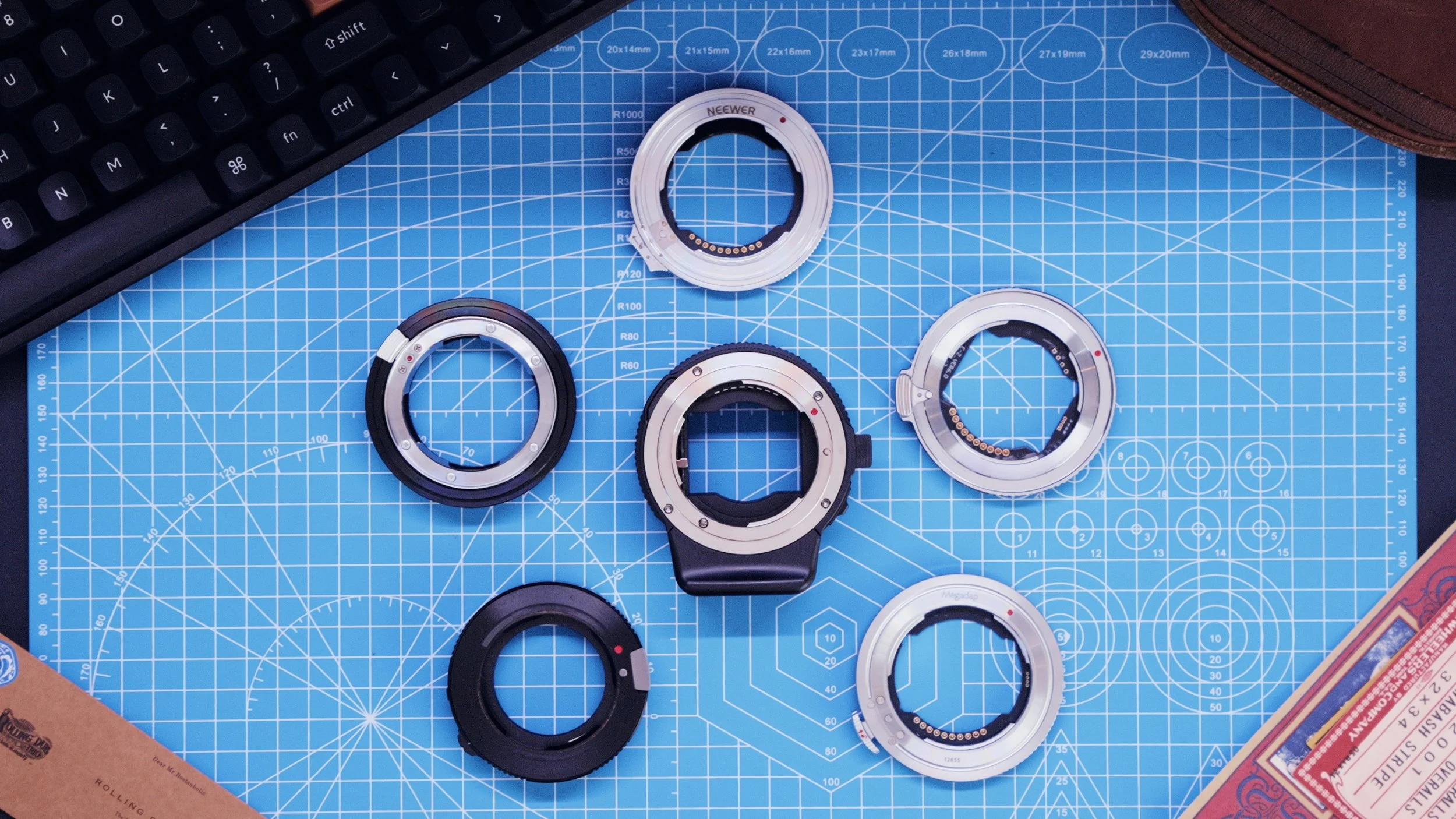
My time in Tokyo’s running out - there’s one last adapter I’m trying to track down (adapter 7).
But it’s the most expensive out of the bunch, and hard to recommend?
But lenses like the one below are why adapters are worth it to me.
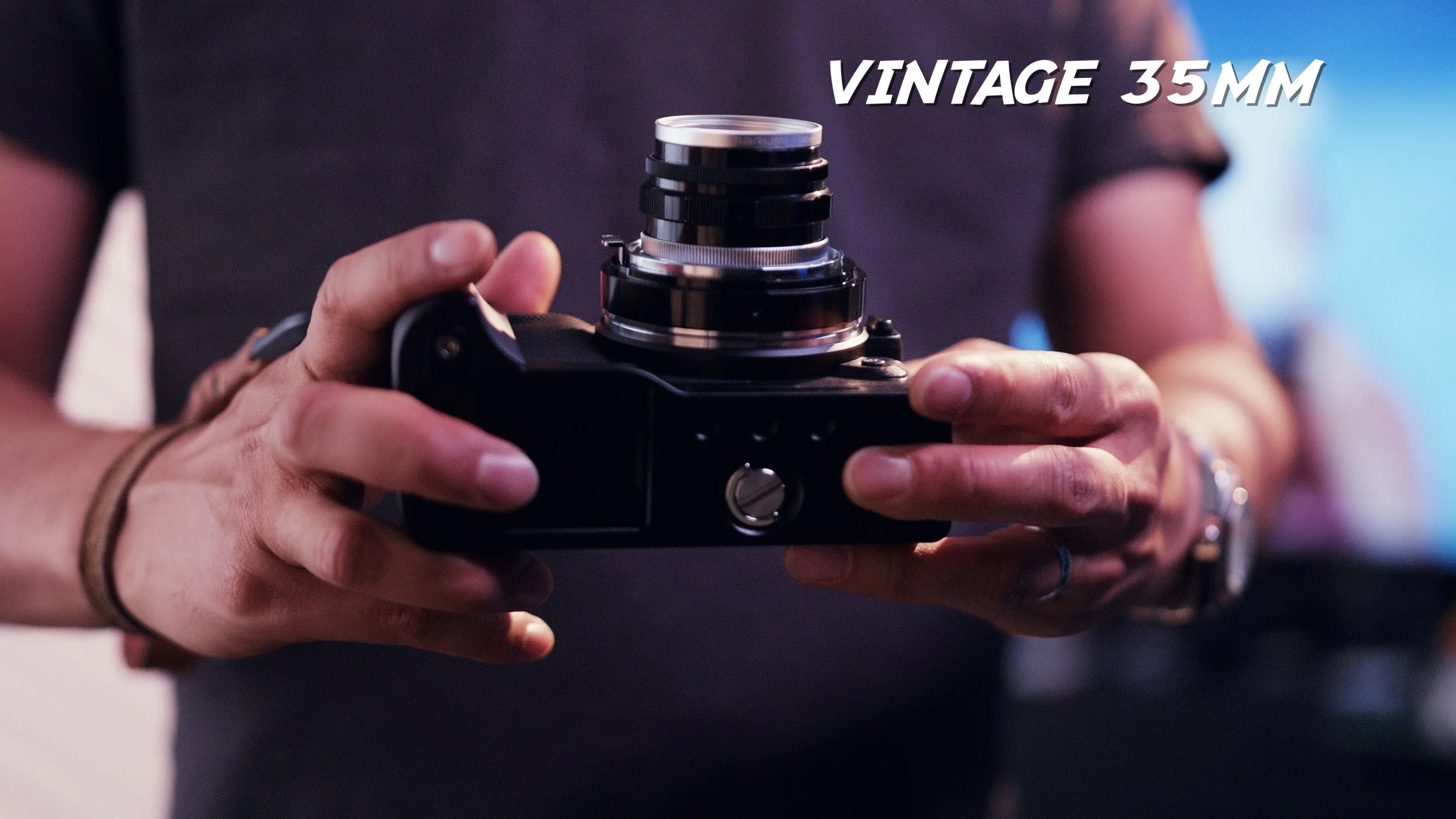
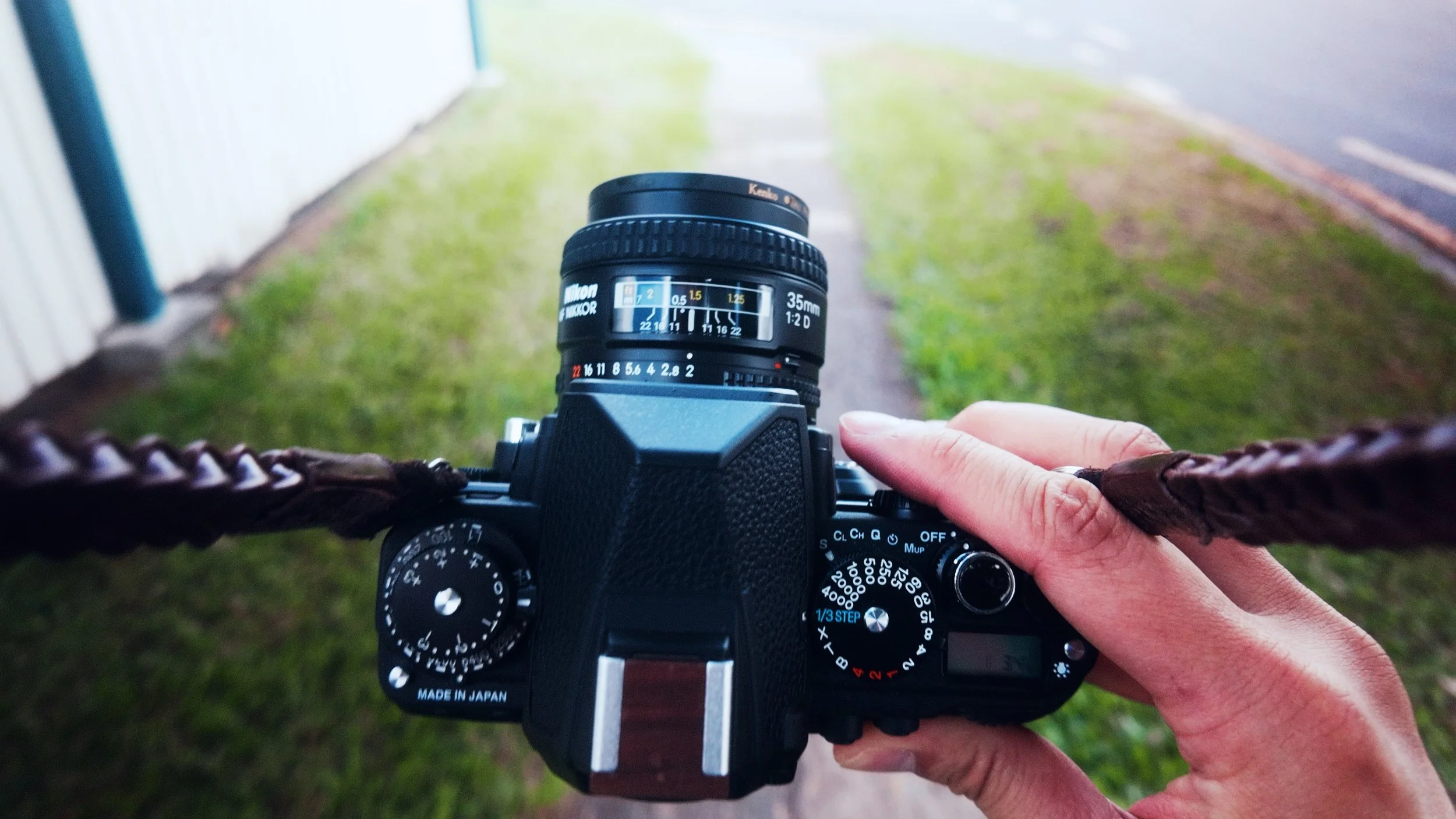
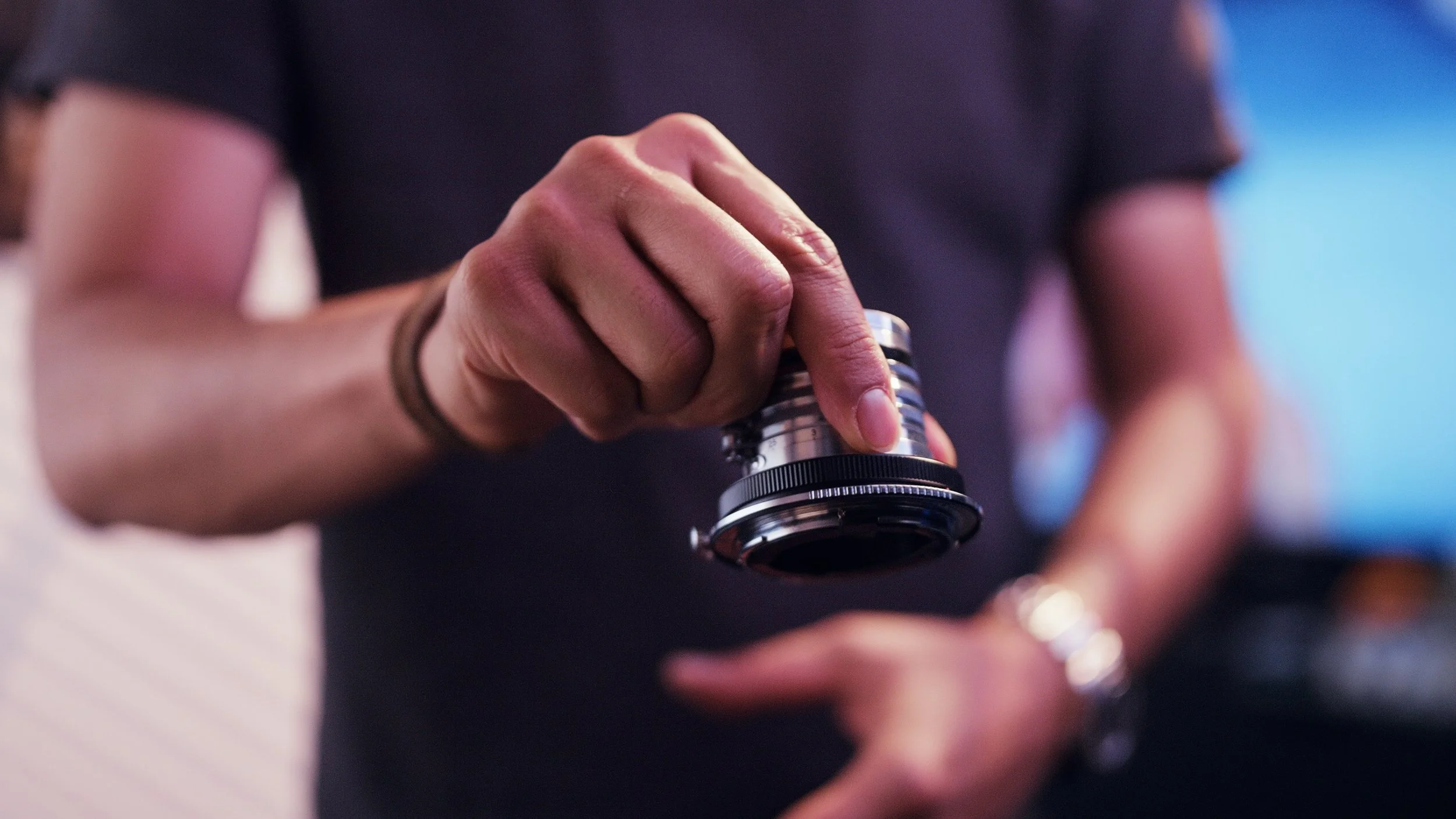
A tiny vintage 35mm (it’s rather famous), but like most old lenses theres no electronics to talk to new cameras. Instead of a dummy metal spacer, you need a chipped smart adapter, and smart adapters let you set the focal length and EXIF data.
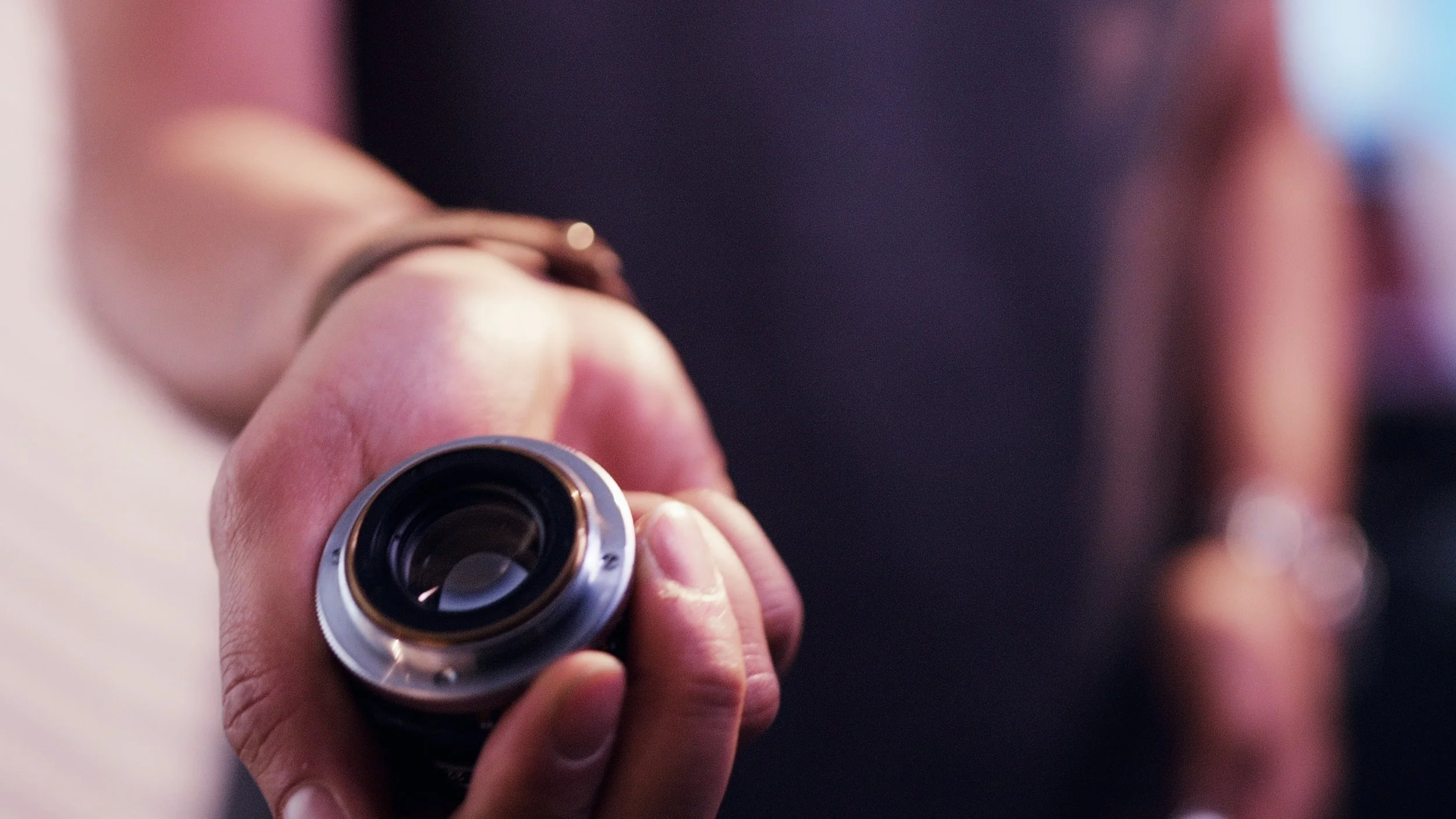
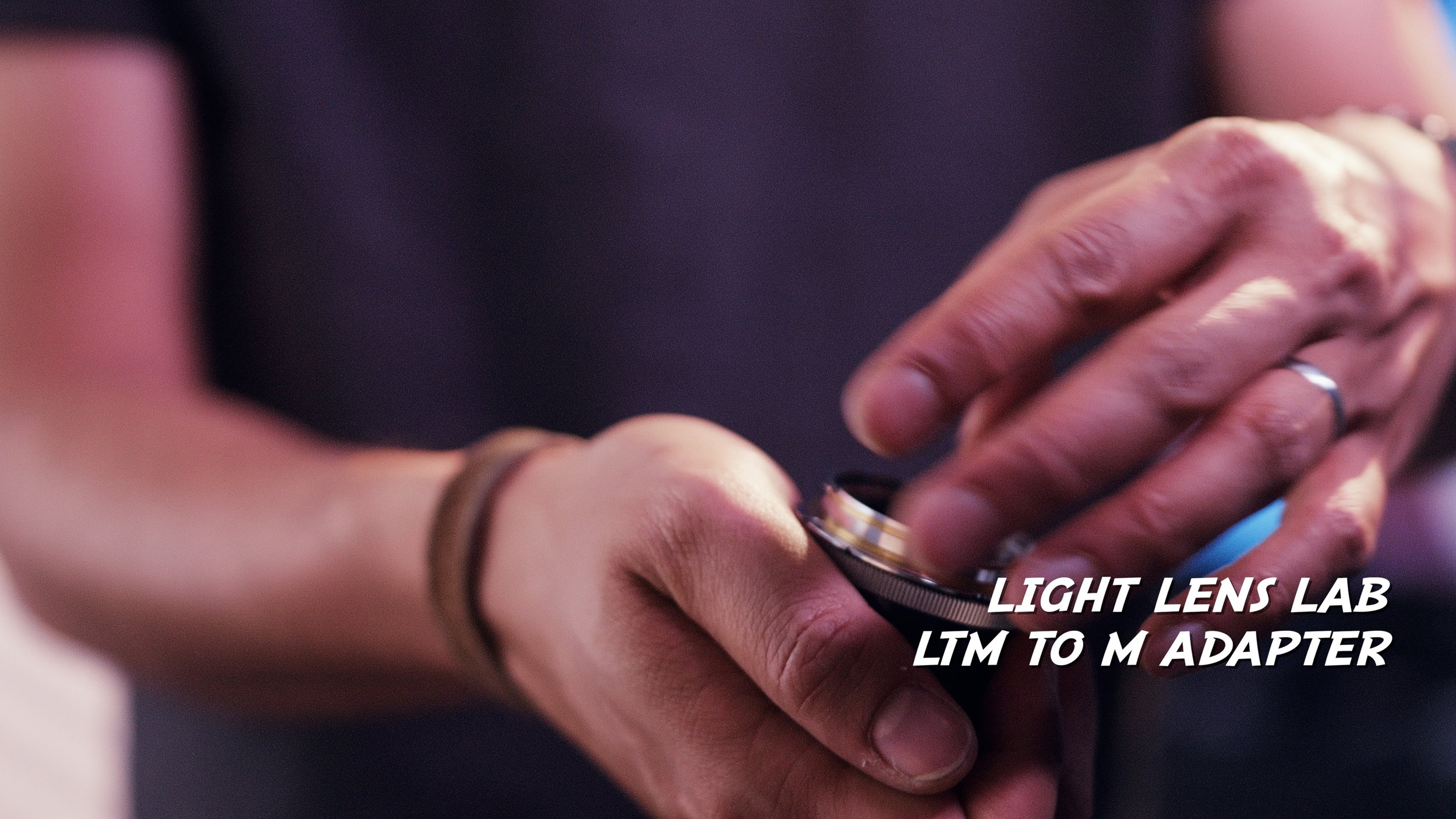
Before I can test this lens I need one more adapter. This 35mm has a Leica Thread Mount (LTM) - I have to adapt it to M-mount first.
Why not just go with Voigtlander Z?
Double-adapters are fussy, the costs all add up, and life would be so much easier if I only used Voigtlander.
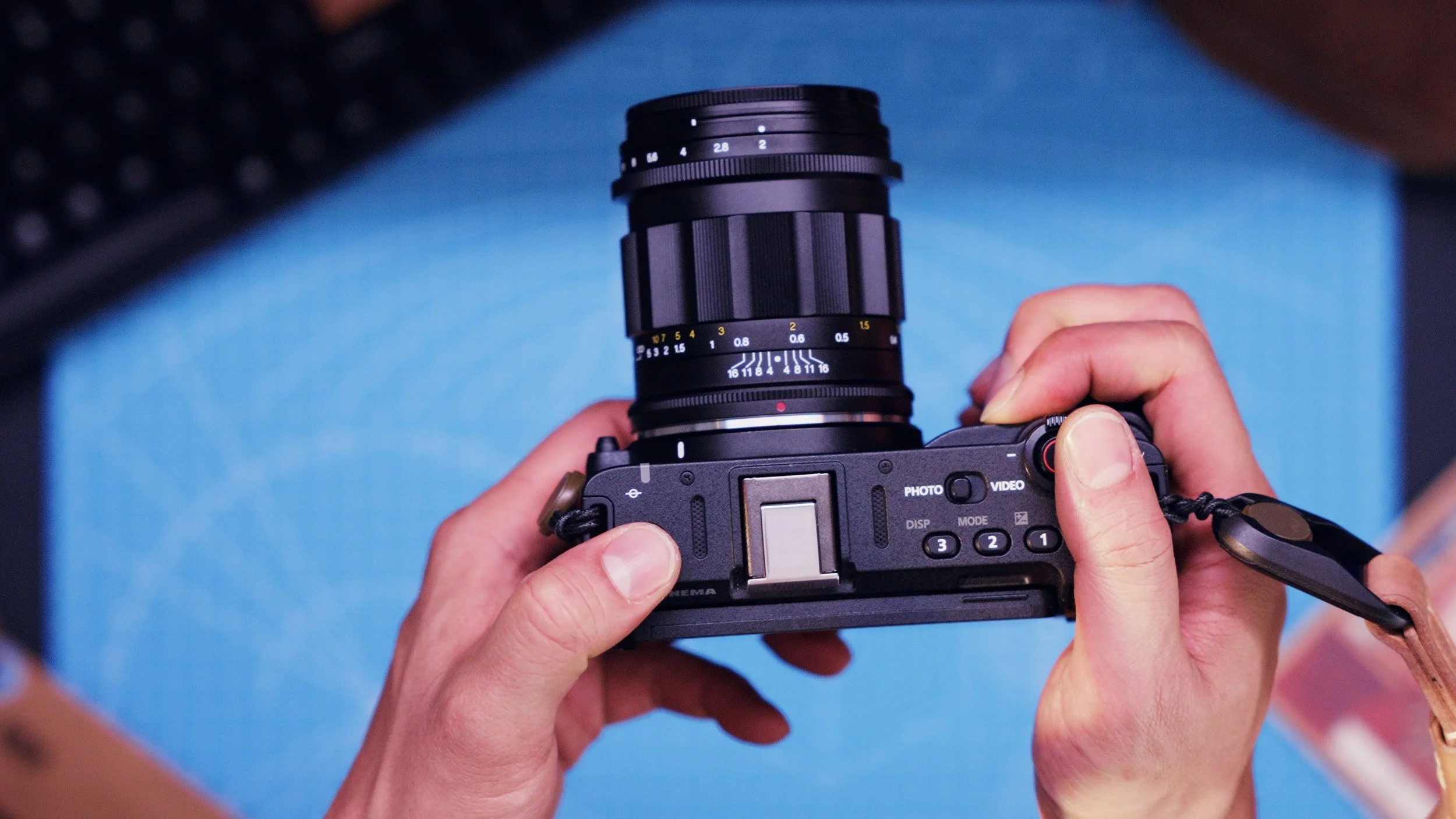
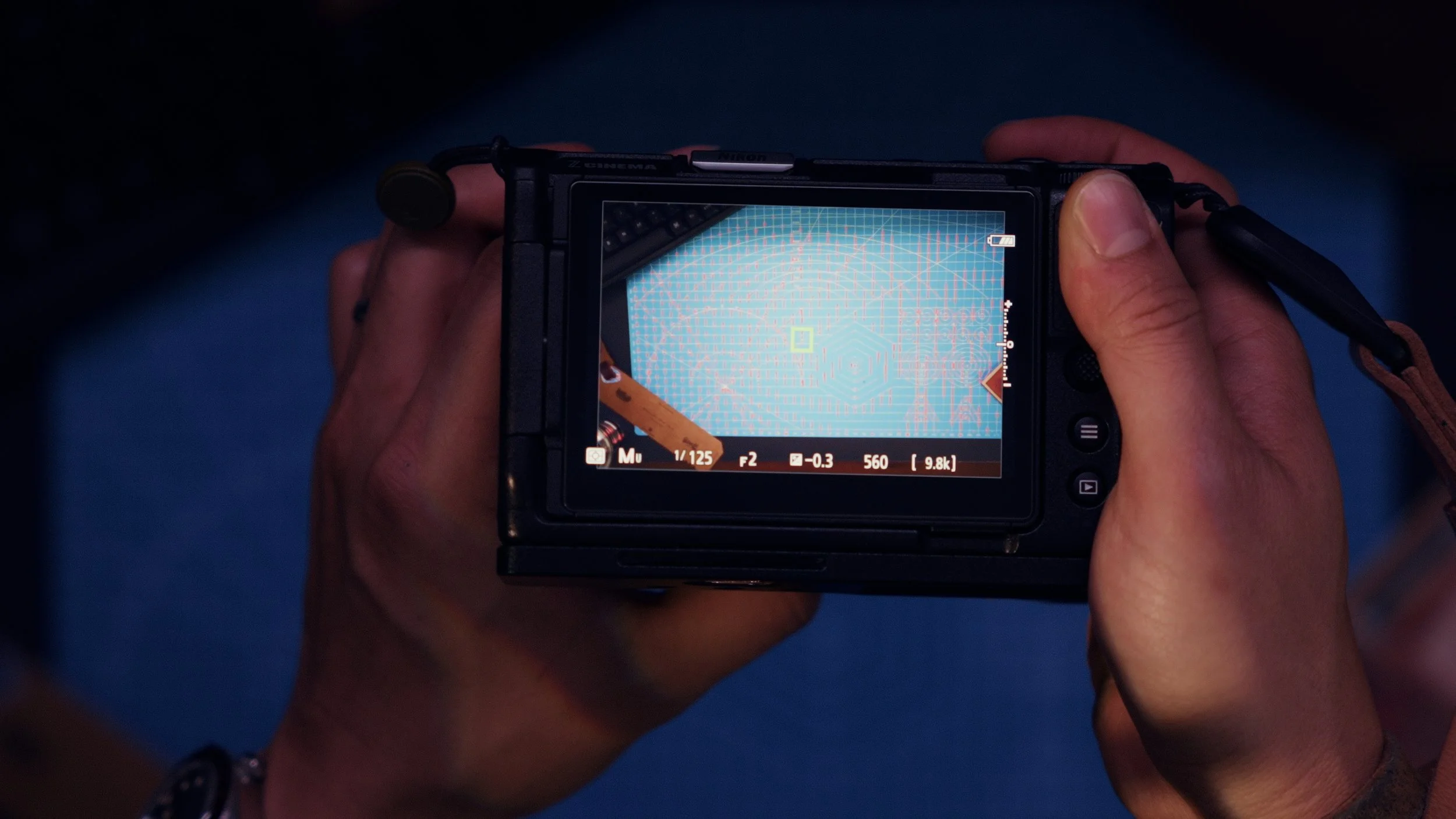
Old school haptics with modern optics, no risk of haze or fungus. Every lens is chipped, there’s a version for most mirrorless mounts, mine is in Z-mount. It auto sets the focal length, aperture, IBIS, and the focus box turns green when you nail focus - you don’t have to zoom magnify.
This is their 35mm f2 APO, the second version for Z mount, on loan from Mainline Photo (thanks again Scott!).
If Voigtlander’s chipped lenses are so smartly designed, do they make the best adapter?
1. Voigtlander M to Z Close Focus
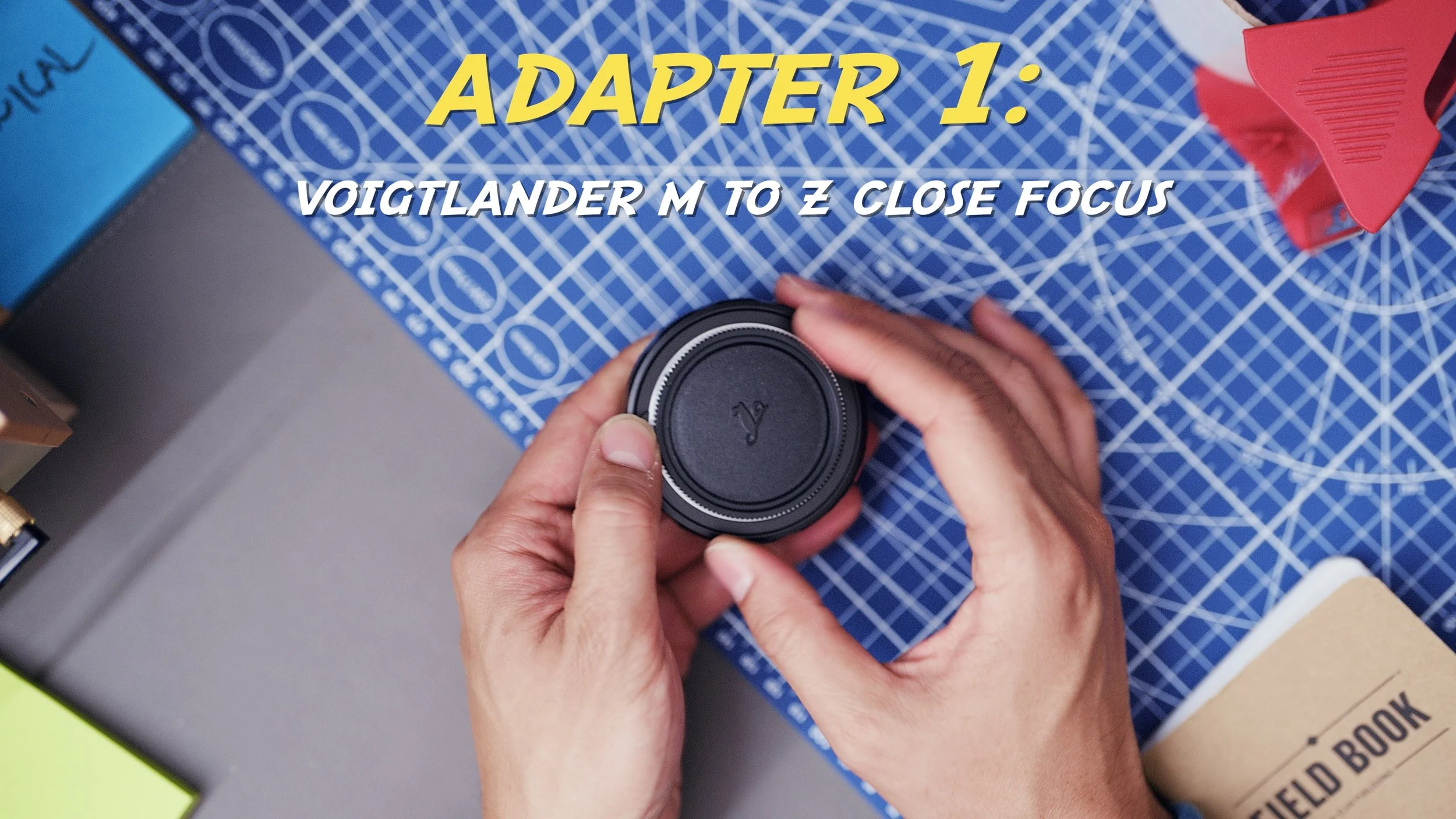
Their M to Z adapter is nicely machined, zone focus lines up on Thypoch’s notoriously finnicky 28mm f1.4 simera, there’s also an extension helicoid to fine tune the distance. But for some reason it’s a dummy unchipped metal spacer.
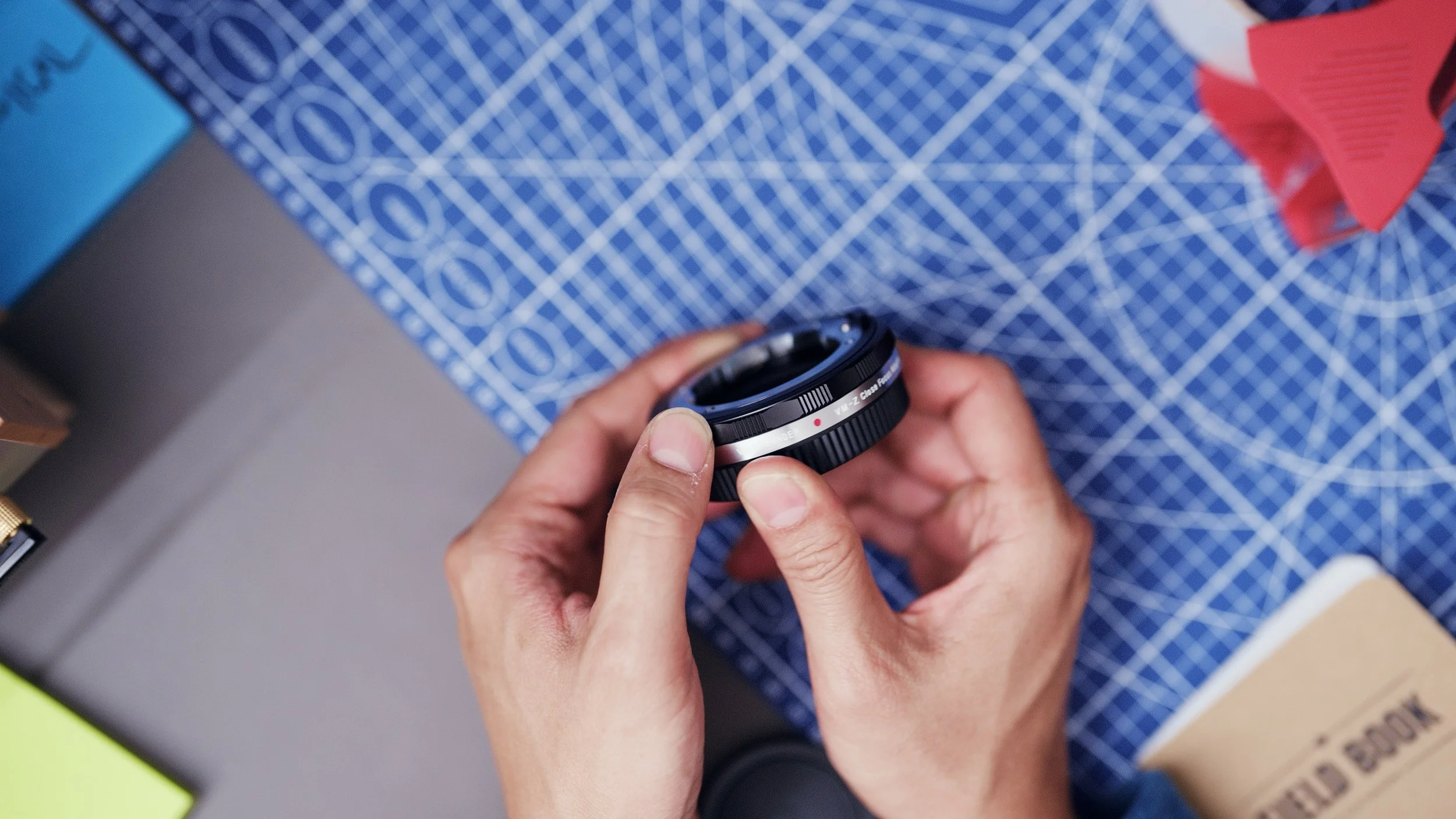
No EXIF data, focal length, aperture, the boxes never turn green. Other than those green boxes however, the advantage of dumb adapters is the camera takes over.
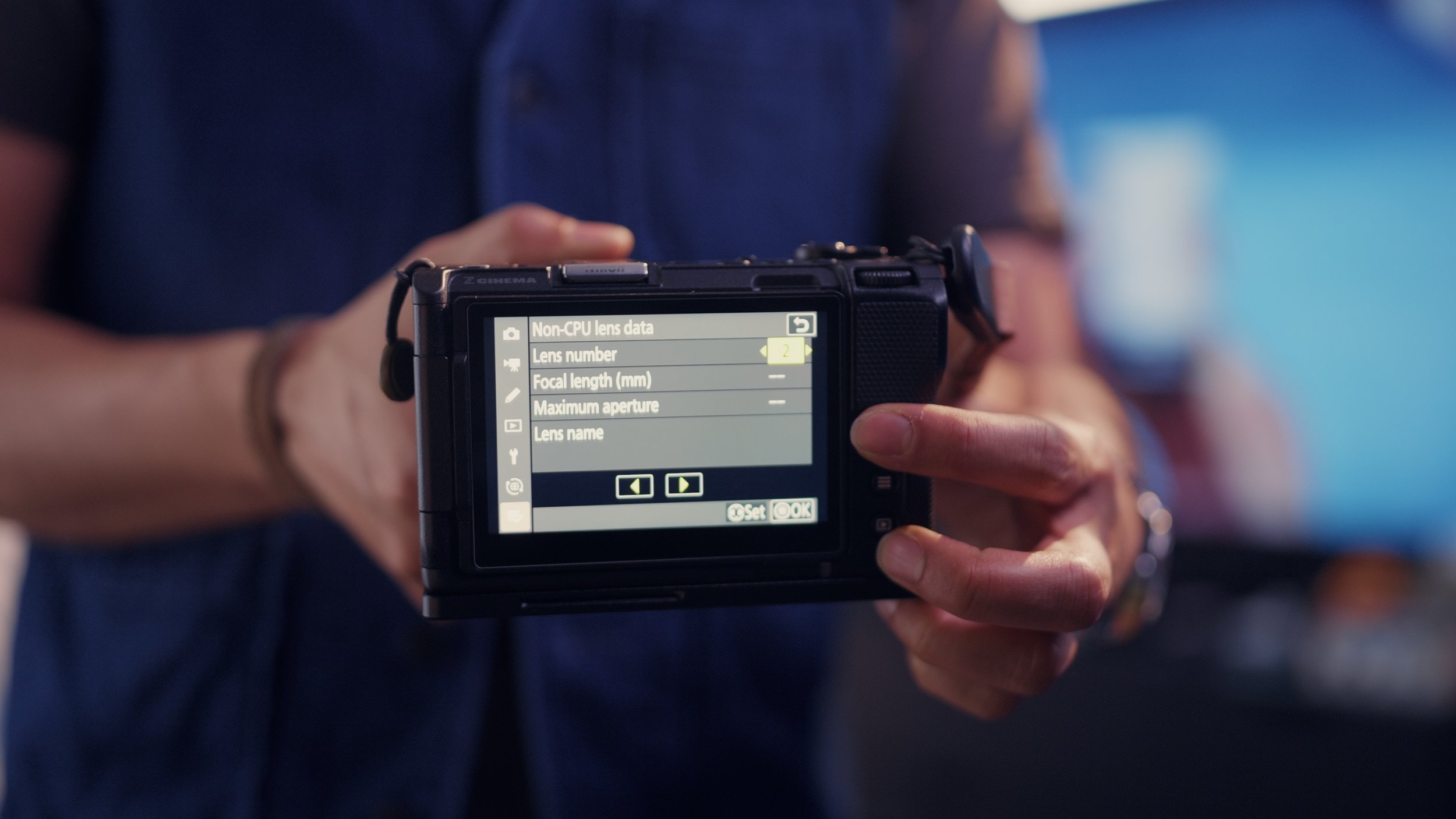
In the wrench setup menu for the ZR, “Non-CPU lens data”, you can name up to 20 lenses, set the focal length, maximum aperture. I find IBIS works well on unchipped lenses and adapters if you set it in this menu on the ZF and ZR. But those green boxes are the main draw, and you can only get those on chipped smart adapters, like…
2. TTArtisan M to Z 6 bit
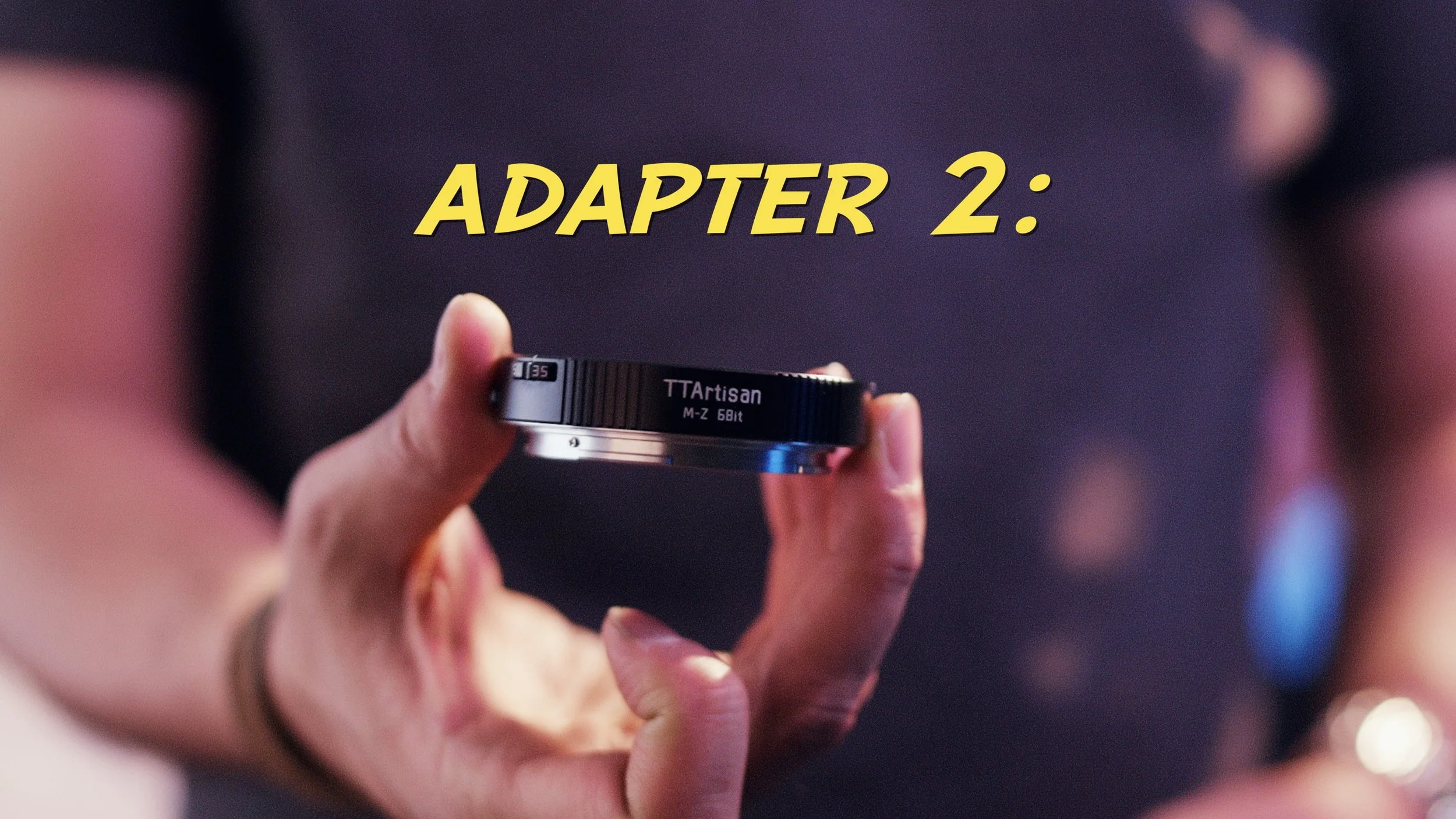
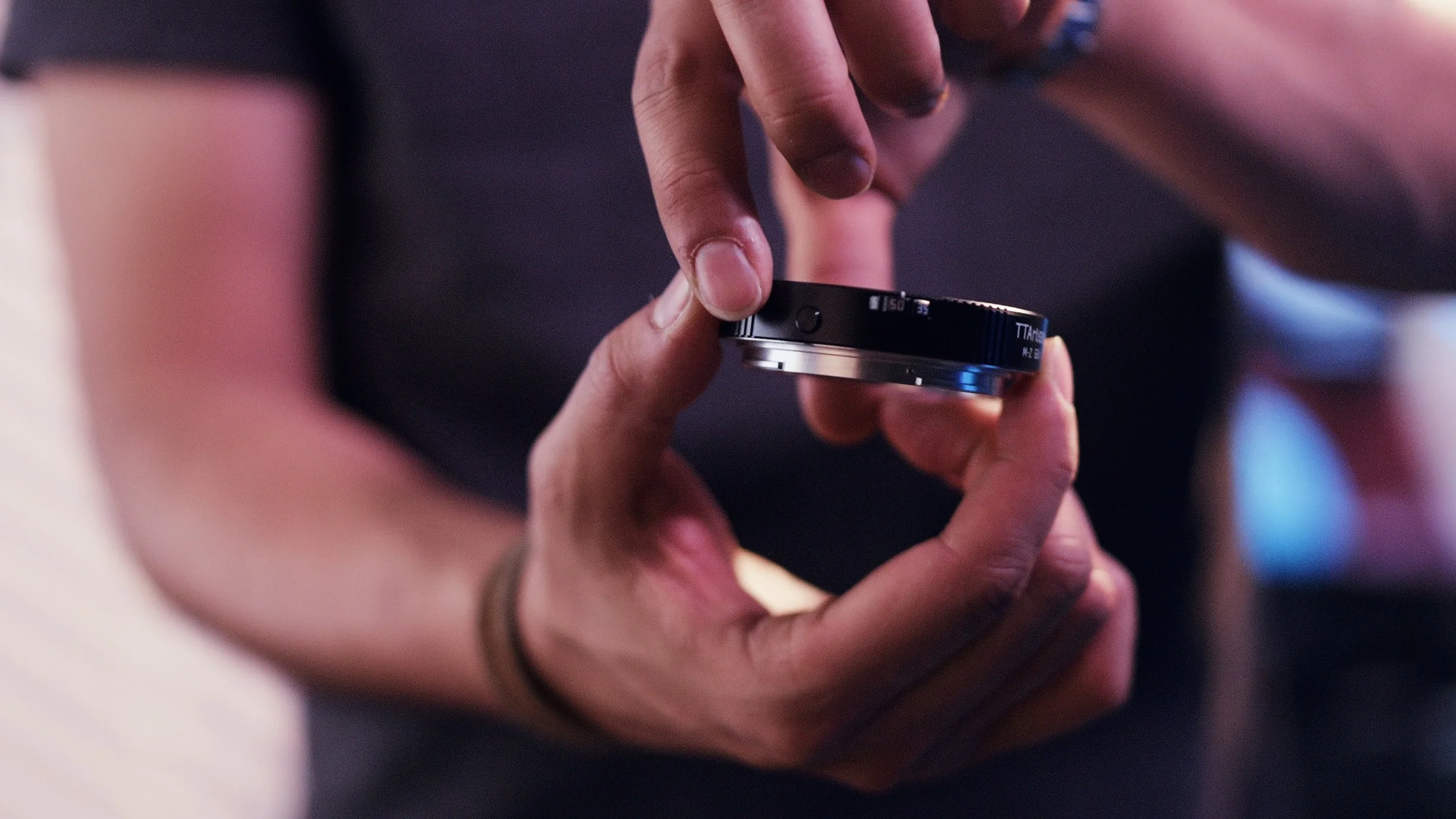
It’s the cheapest out of the 7, usually my first adapter recommendation, it can do everything but autofocus. It has a focal length switch on the side, once you press this button on the adapter, a little flash appears on screen to communicate to the camera.
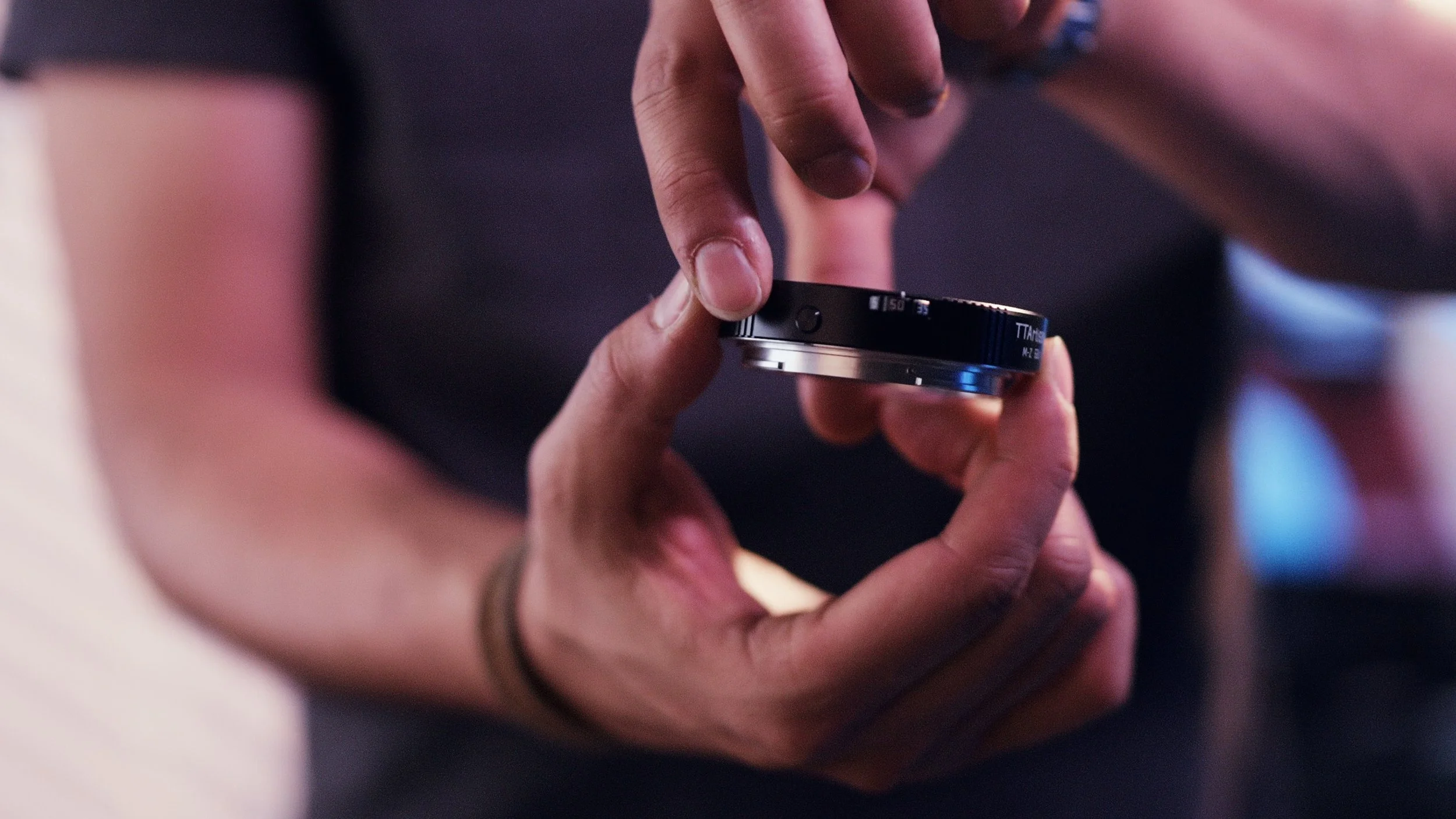
Then IBIS works, the focus boxes turn green, but you can’t change the aperture in camera below f5.6 - I just set it on the lens manually.
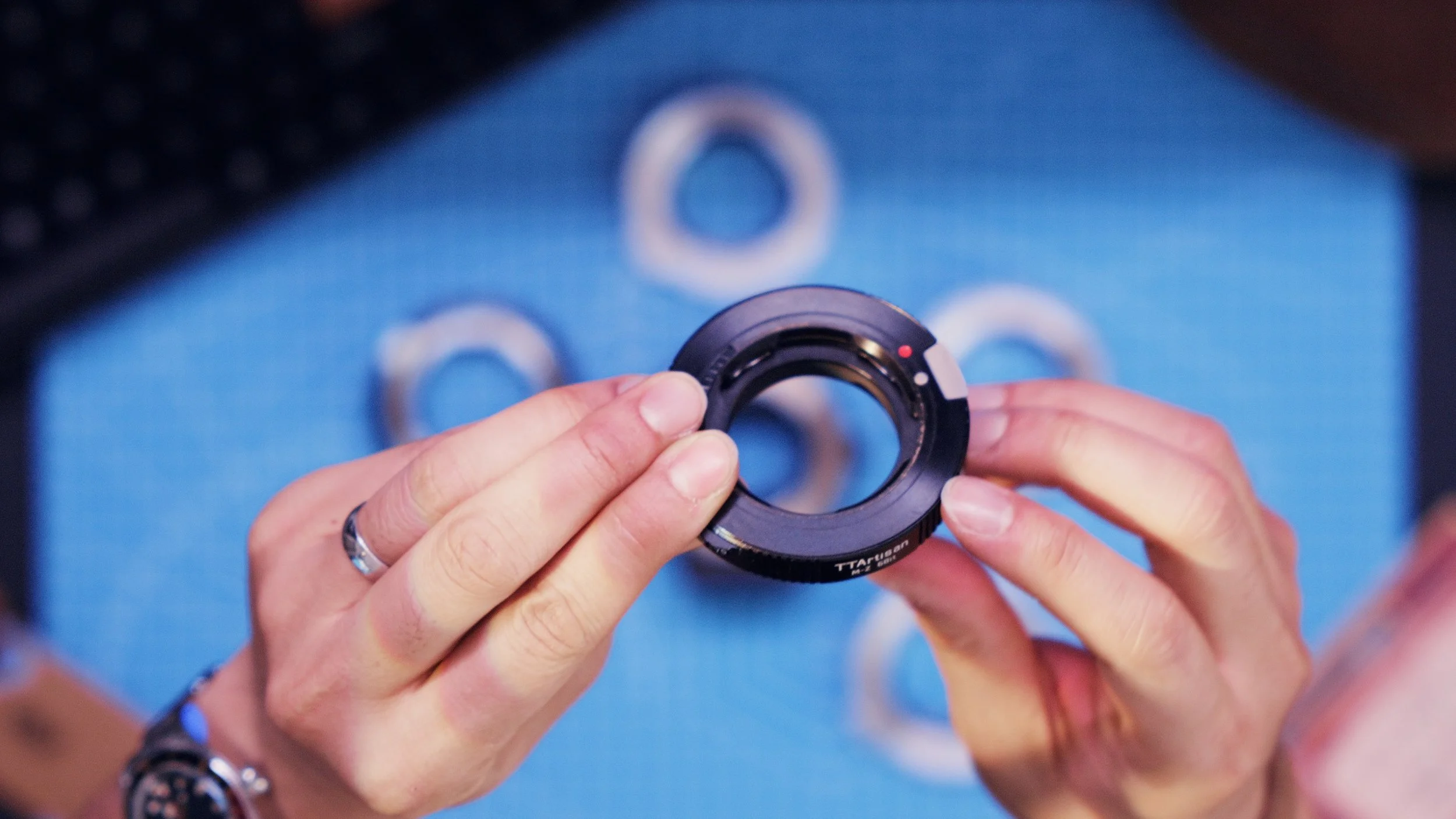
It’s not the best machined adapter - some lenses are too tight and scratched the finish, and a few of the switches are plastic which can wear out. It’s light, at only about 42 grams it doesn’t add much bulk, but it can be inaccurate for zone focus.
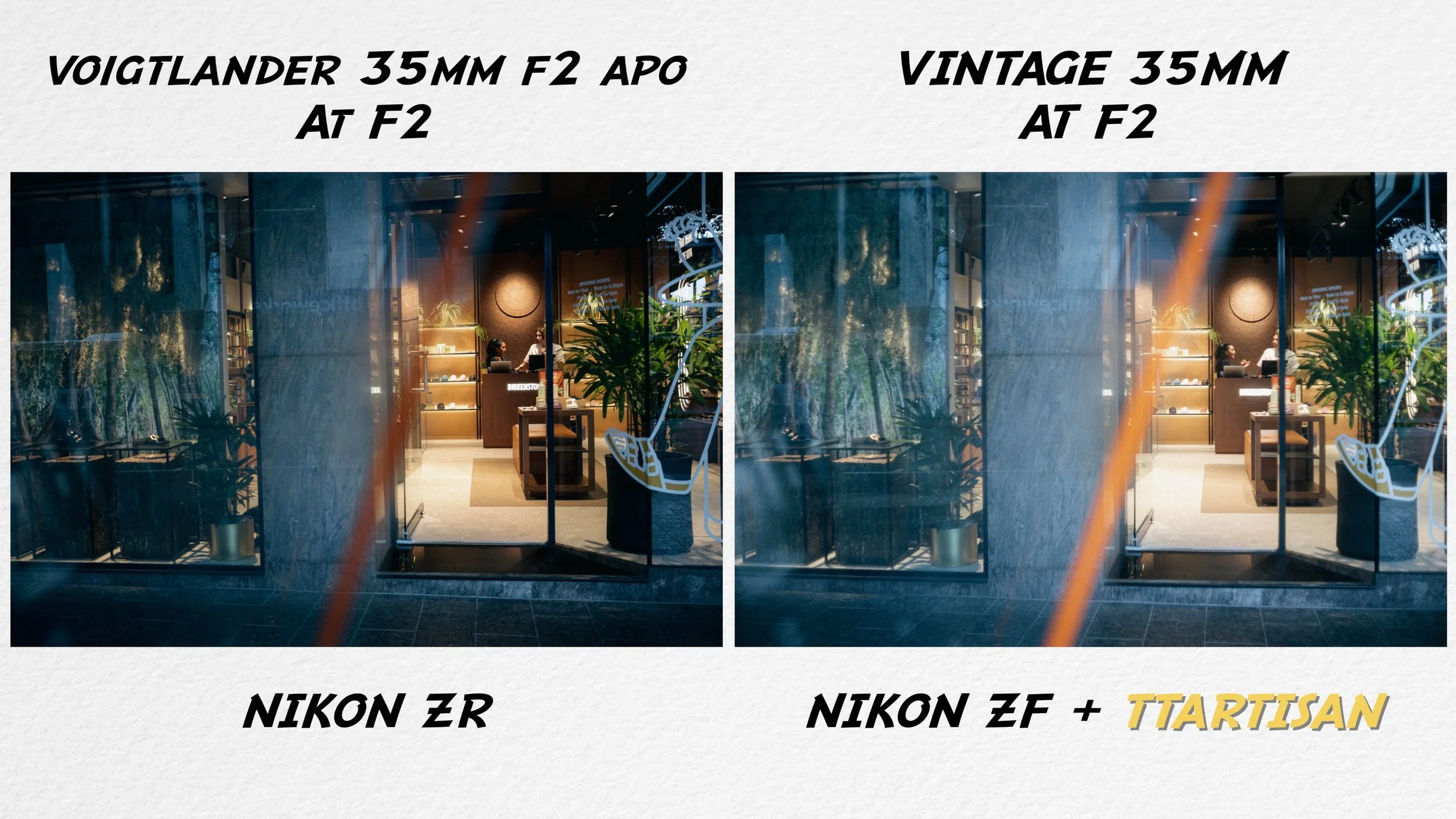
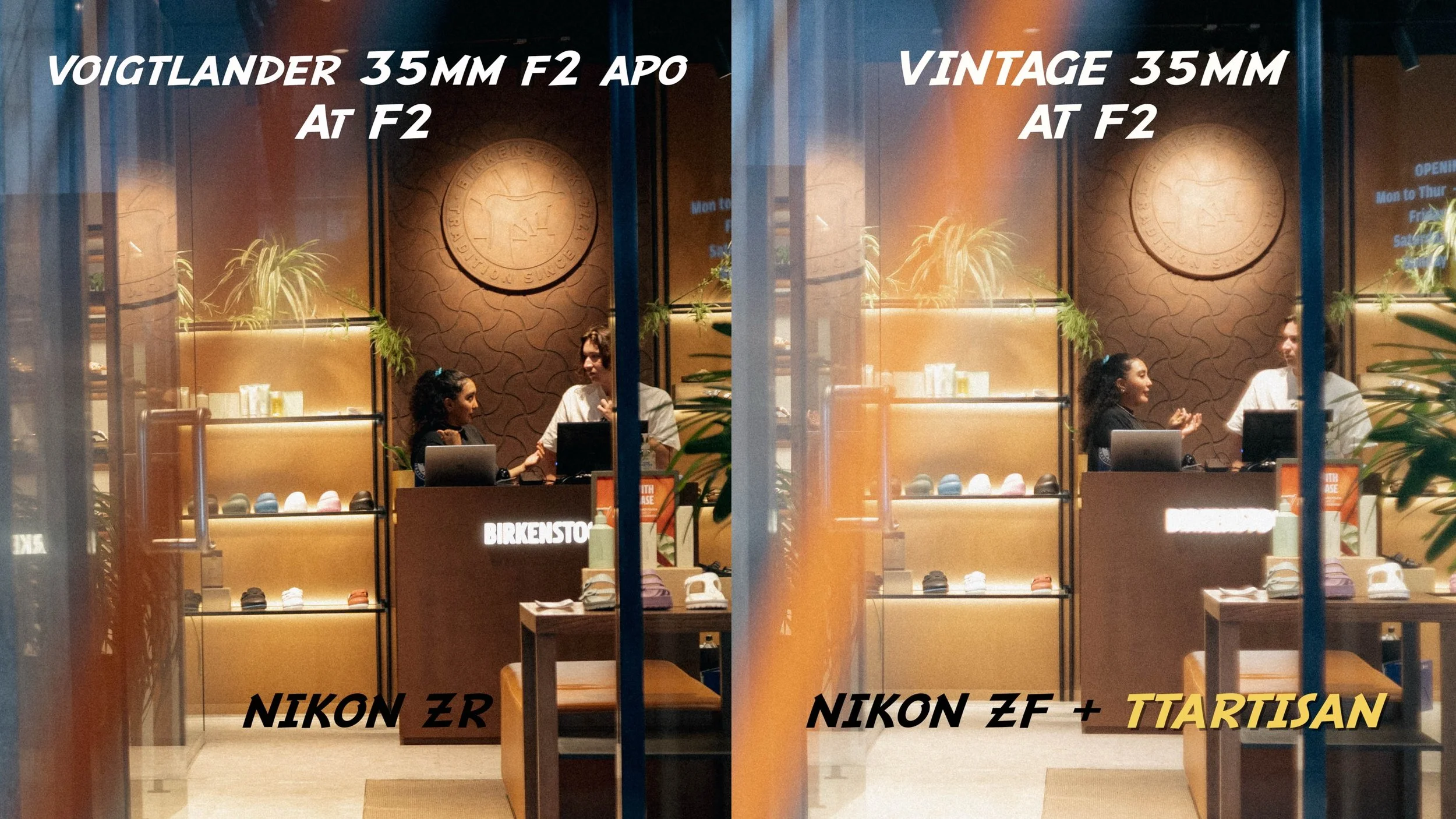
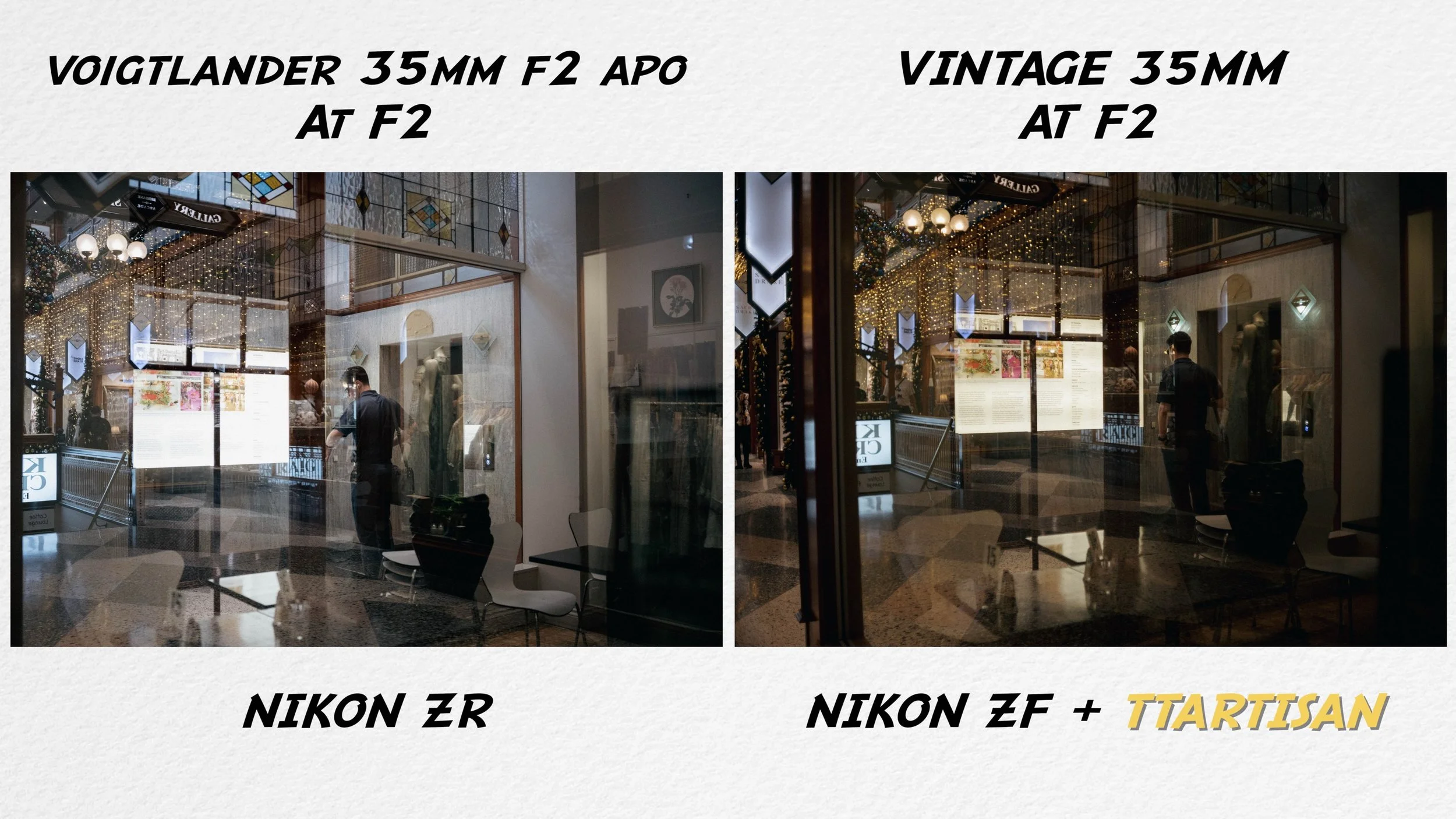
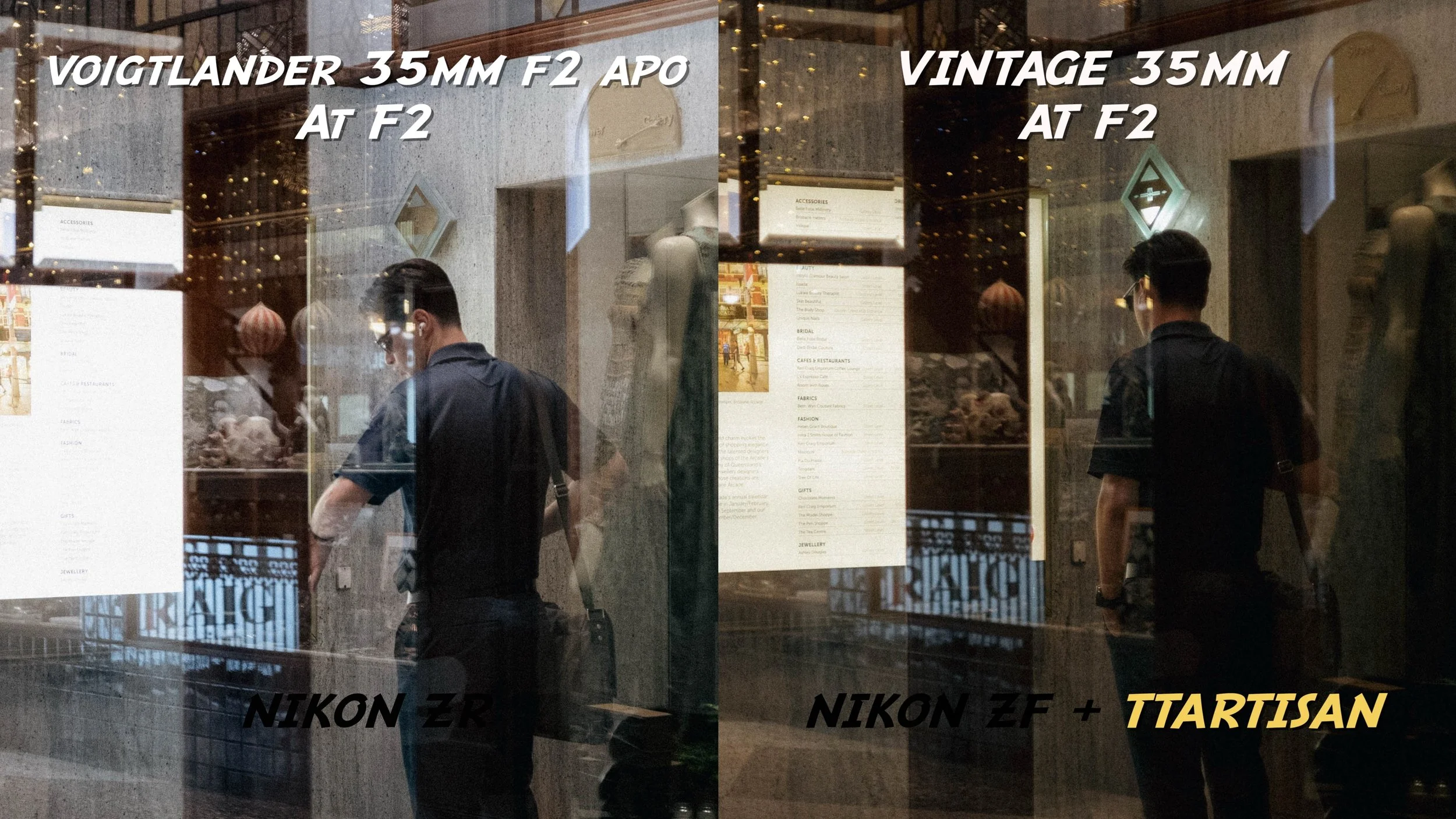
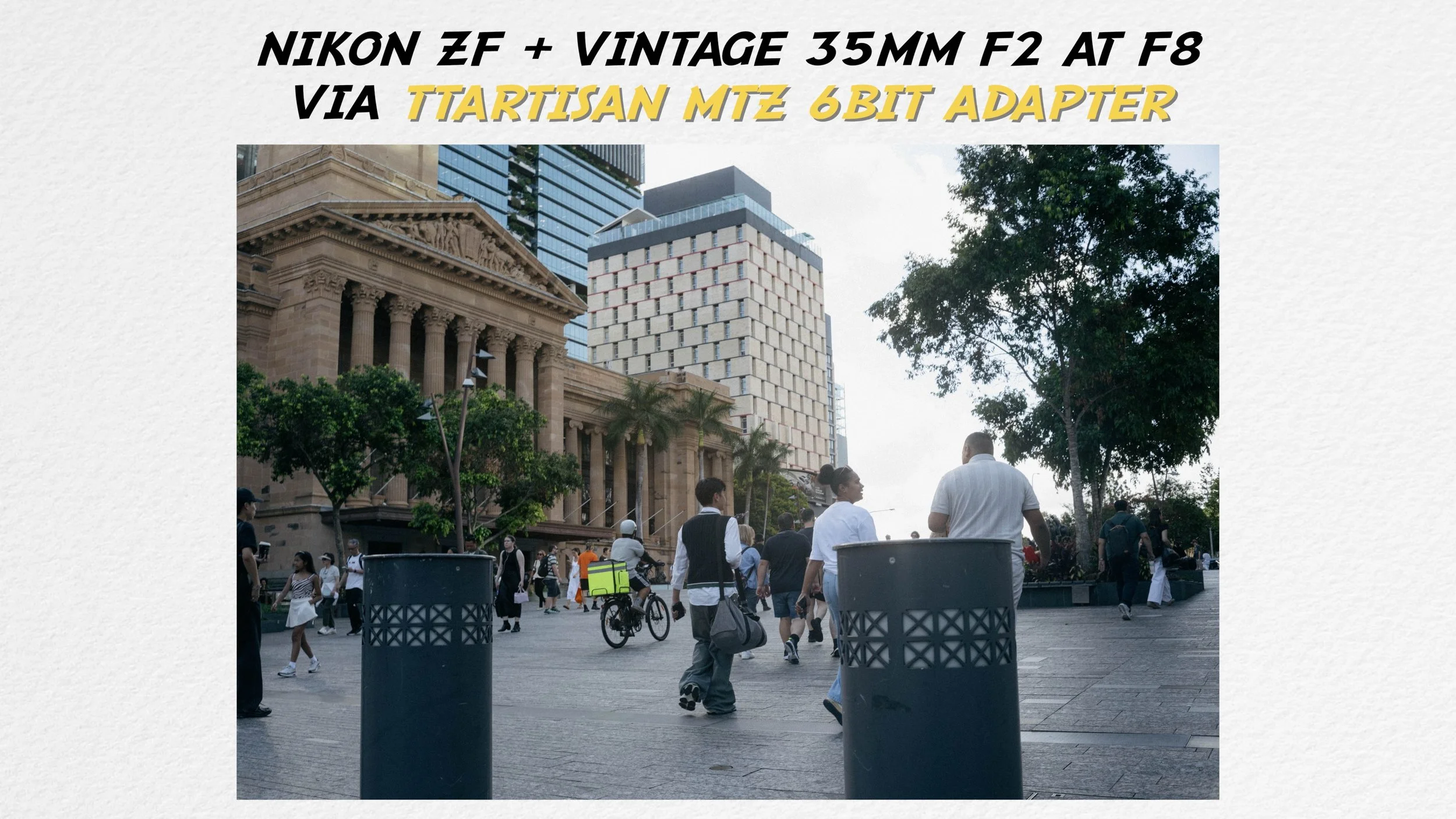
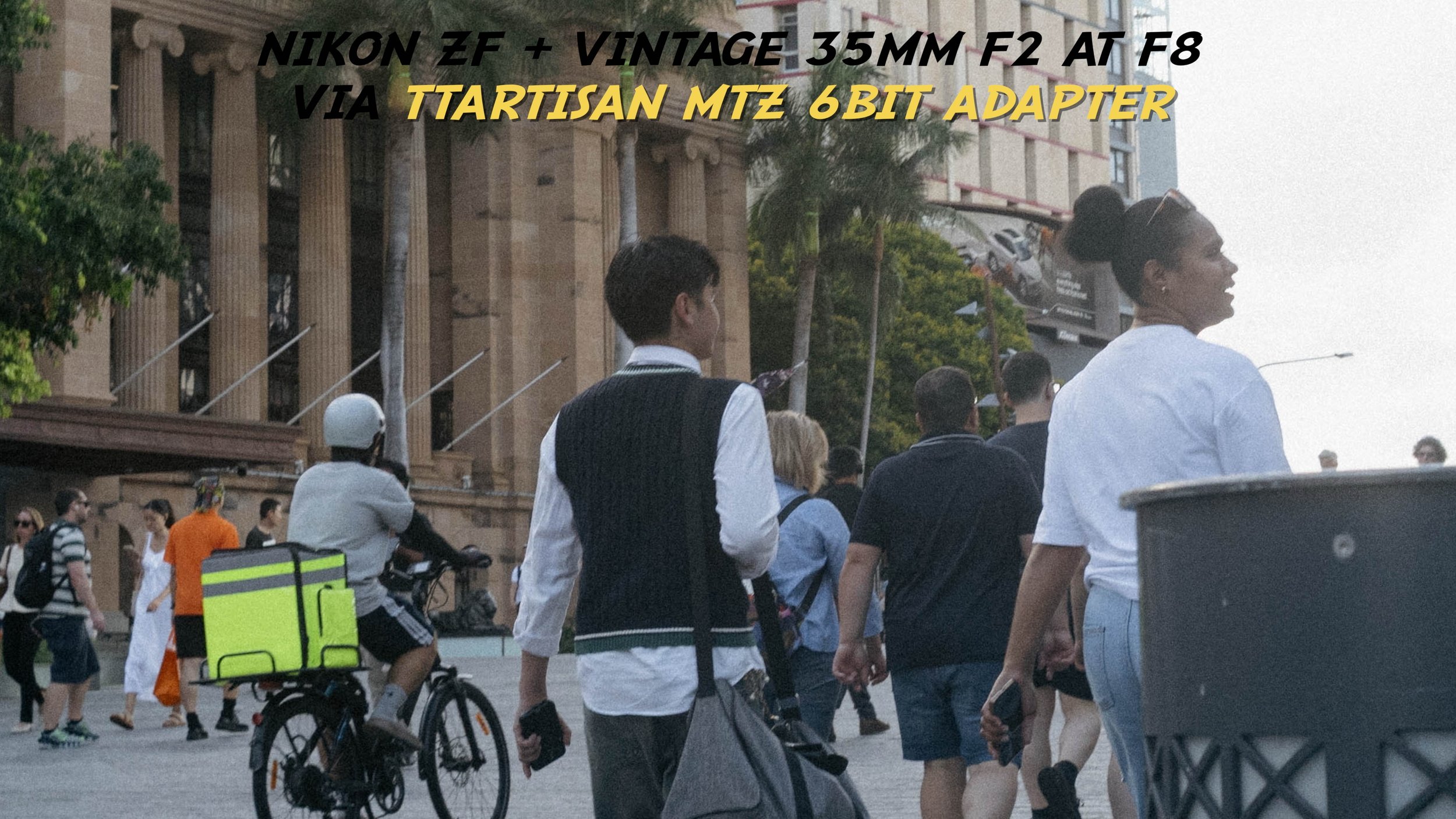
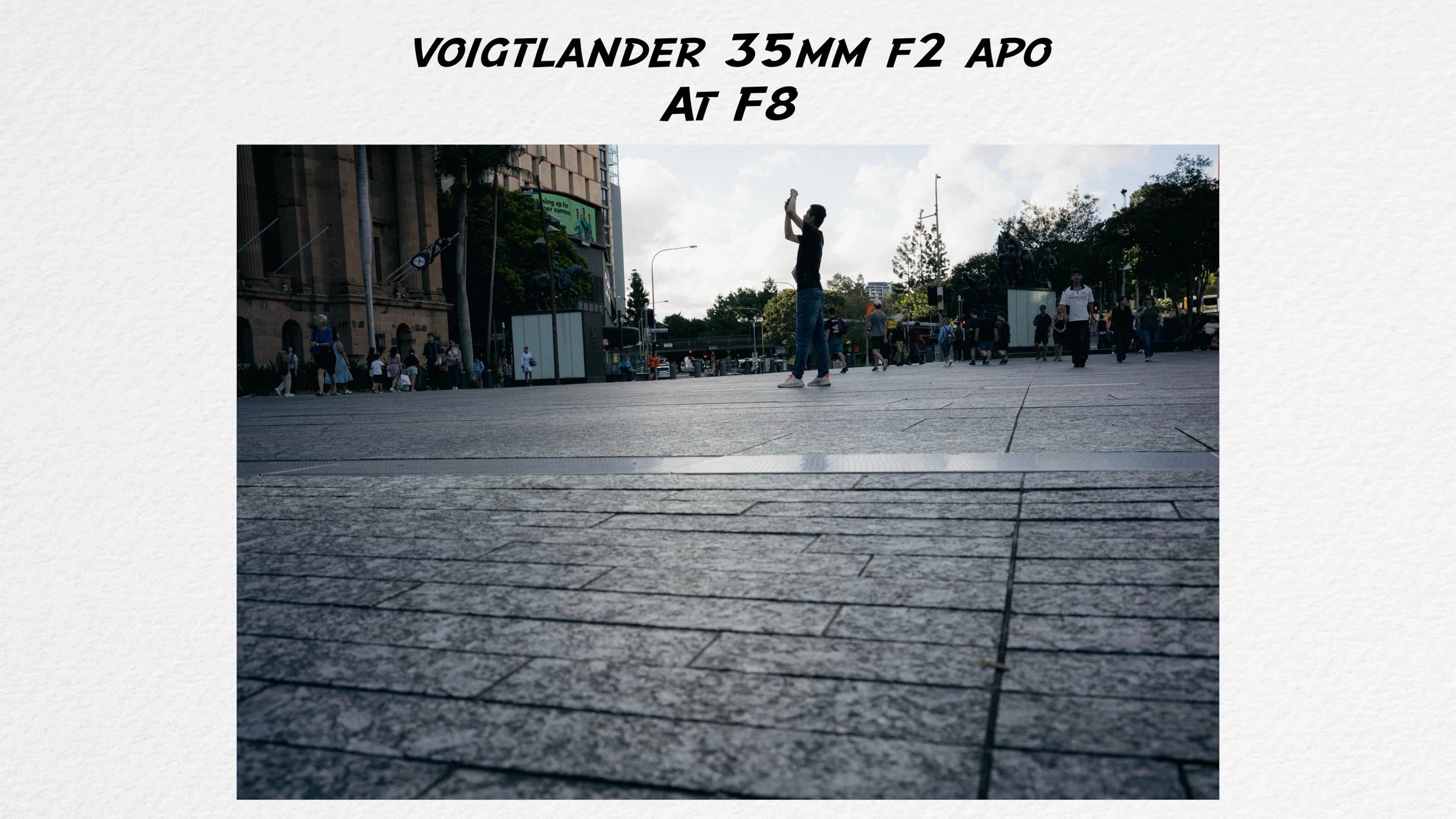
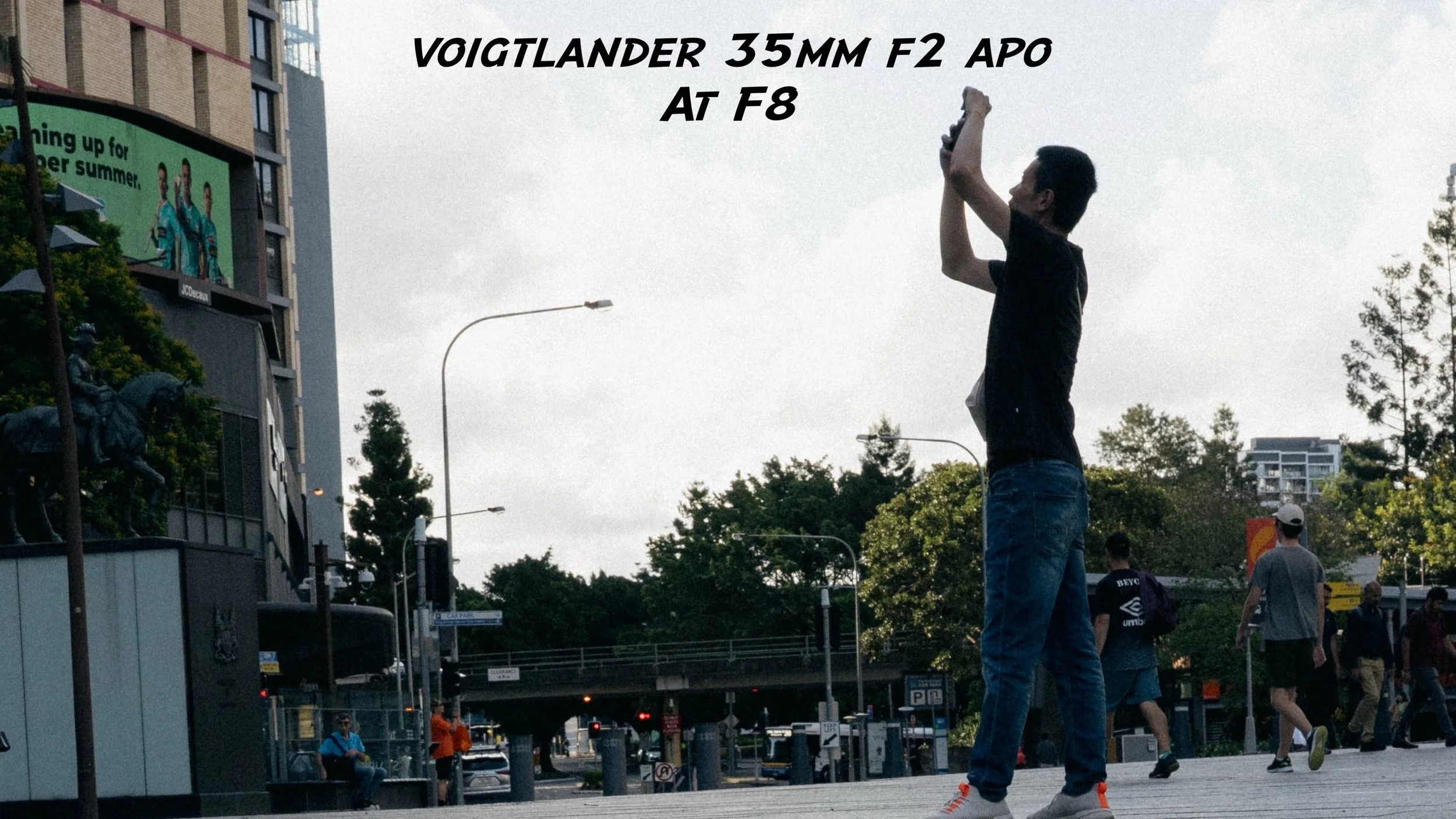
On this vintage 35mm when I set it to f8, line up the distance markers on the lens, you can see it’s in focus. Every lens is different though (e.g., Thypoch’s 28mm f1.4 Simera in M mount doesn’t line up for zone focus on this adapter), you’ll need to test case by case.
How does the TTArtisan adapter compare to a chipped Voigtlander lens?
Zone focus alignment is never a problem on the Voigtlander, when you change the aperture on the lens, the camera reads it.
On TTArtisan you have to change it twice - once on the lens, once in camera, but again you can’t go past f/5.6 for some reason? Even if the aperture setting is off - say it’s f8 on this lens, but f/5.6 in camera, the ZR meters the scene accurately enough as long as you press this adapter button first.
It won’t be perfect, it’s still a third party experience.
It does provide one focus assist tool that’s missing on Voigtlander.
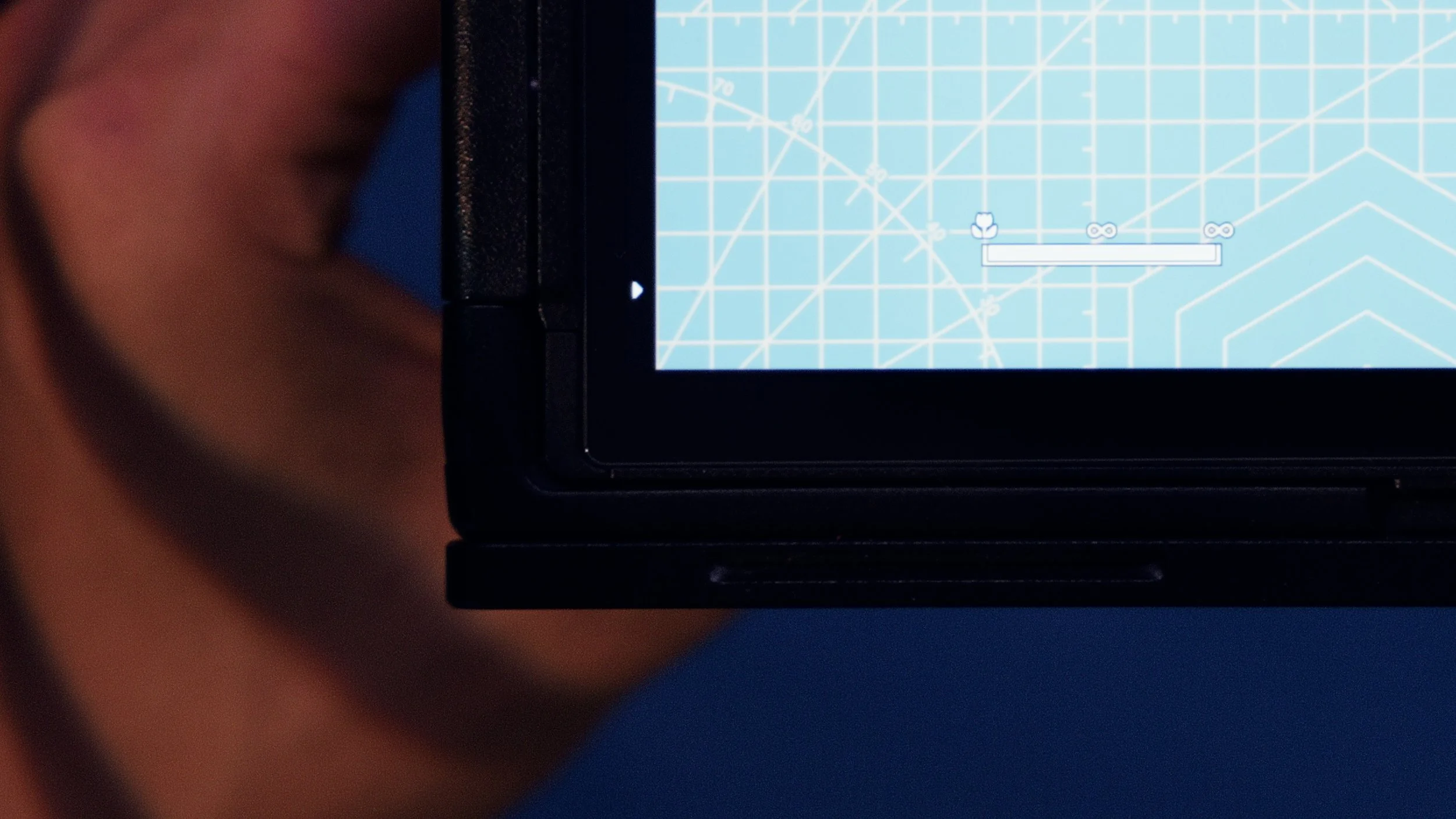
For TTArtisan - and most of the smart adapters we’ll talk about today - in the bottom left corner there are up to three symbols.
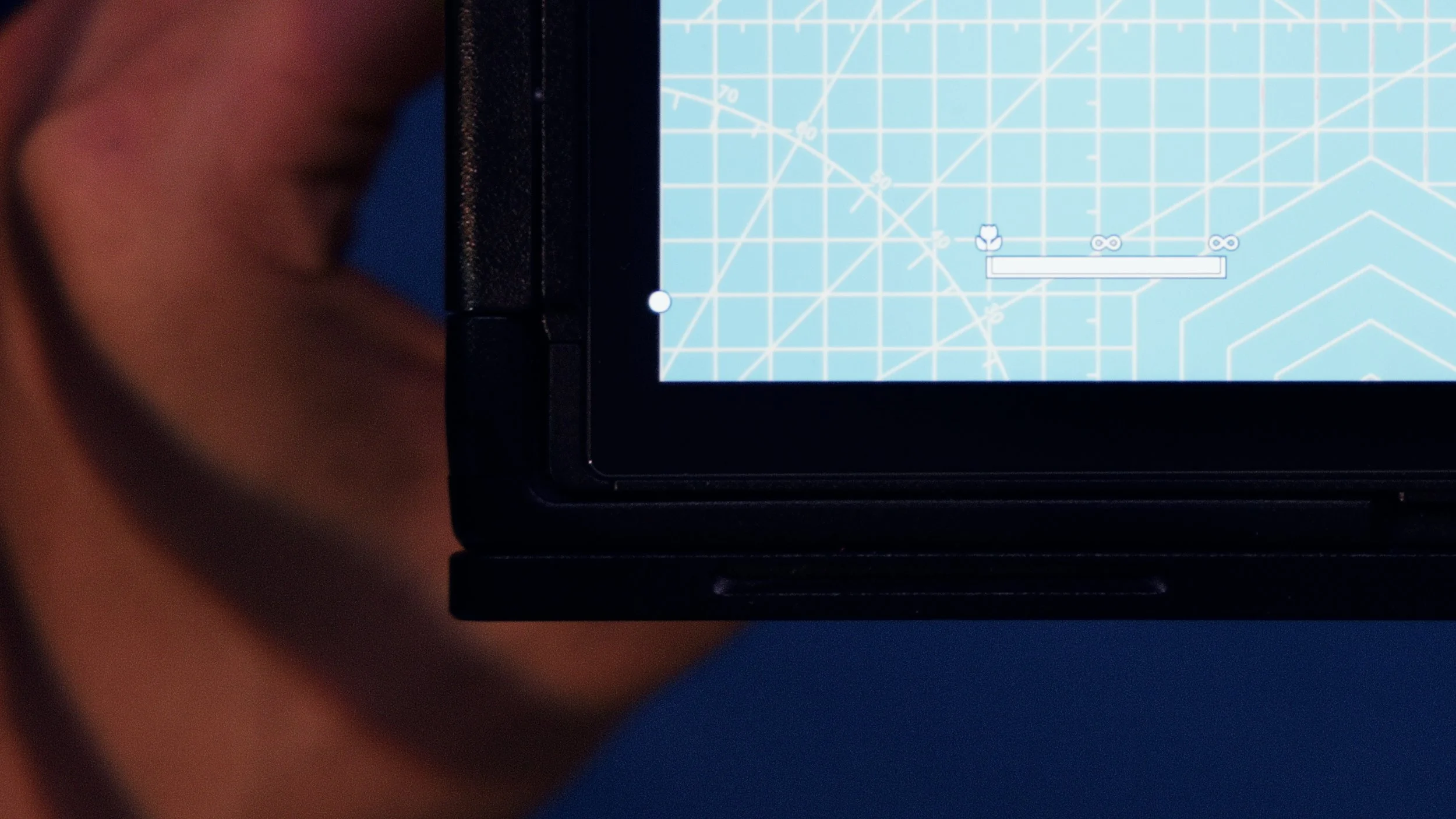
An arrow pointing to the right, please focus further away, an arrow pointing to the left - please focus closer, or a dot to indicate you’ve hit focus. This is very useful when you punch in because the green focus box disappears.
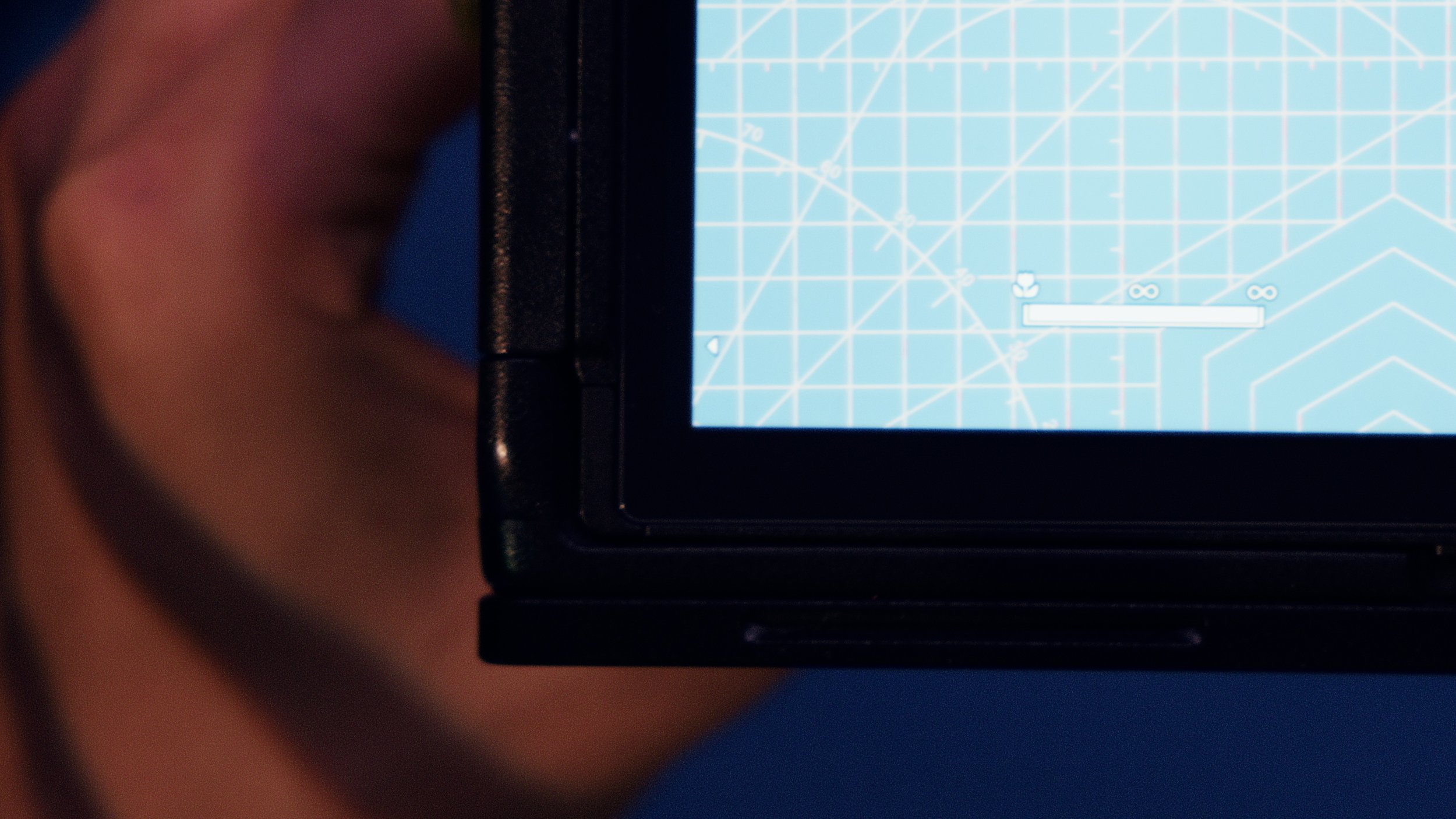
On the Voigtlander, the dots and arrows never appear whether you’re zoomed in or not.
Voigtlander APO or Vintage Lens?
But that’s not an issue on this Voigtlander 35mm f2 APO - it’s so sharp corner to corner that confirming focus with peaking is easy. Whether it’s f8, or wide open at f2 - I think there’s flat field curvature.
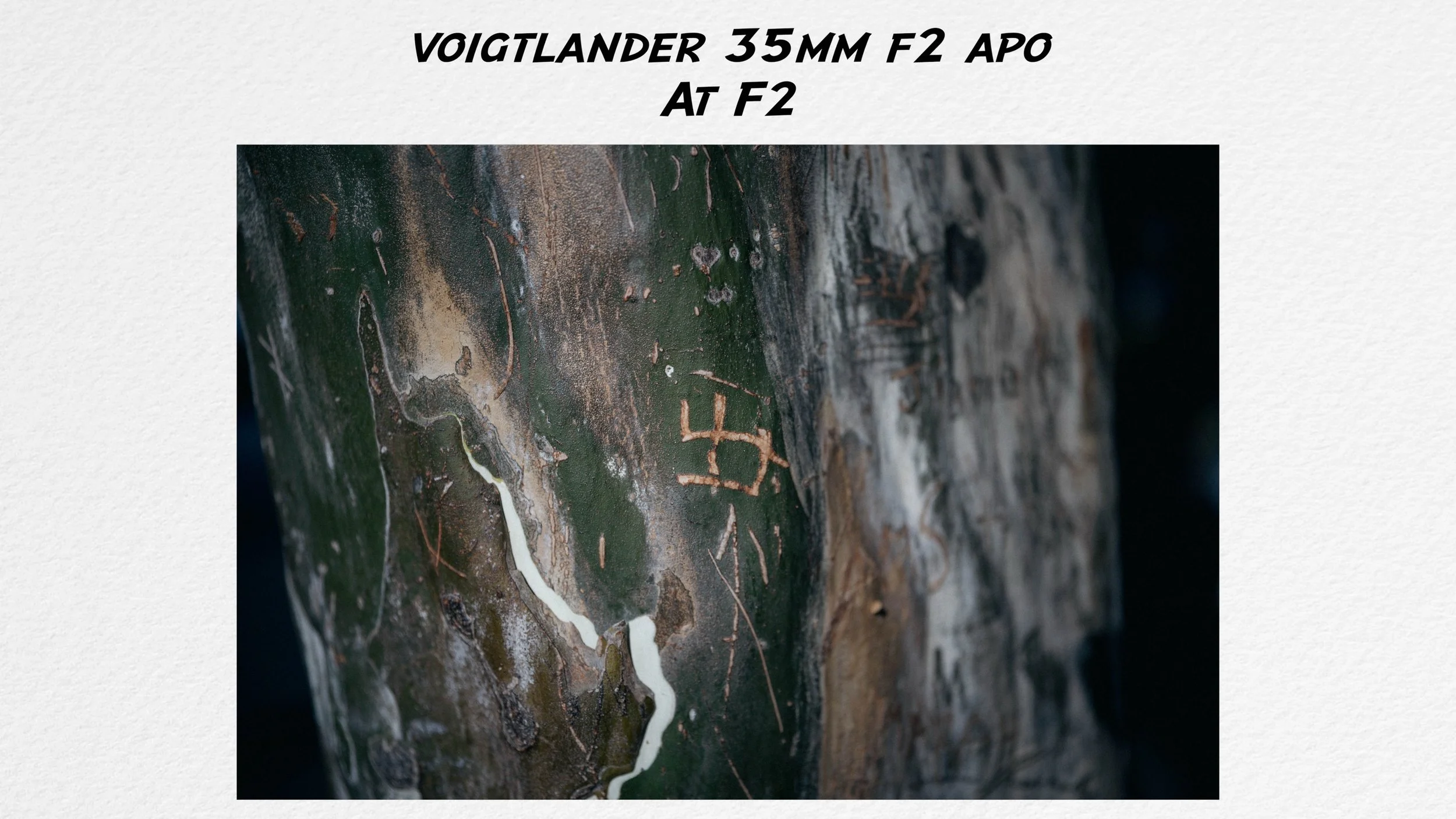
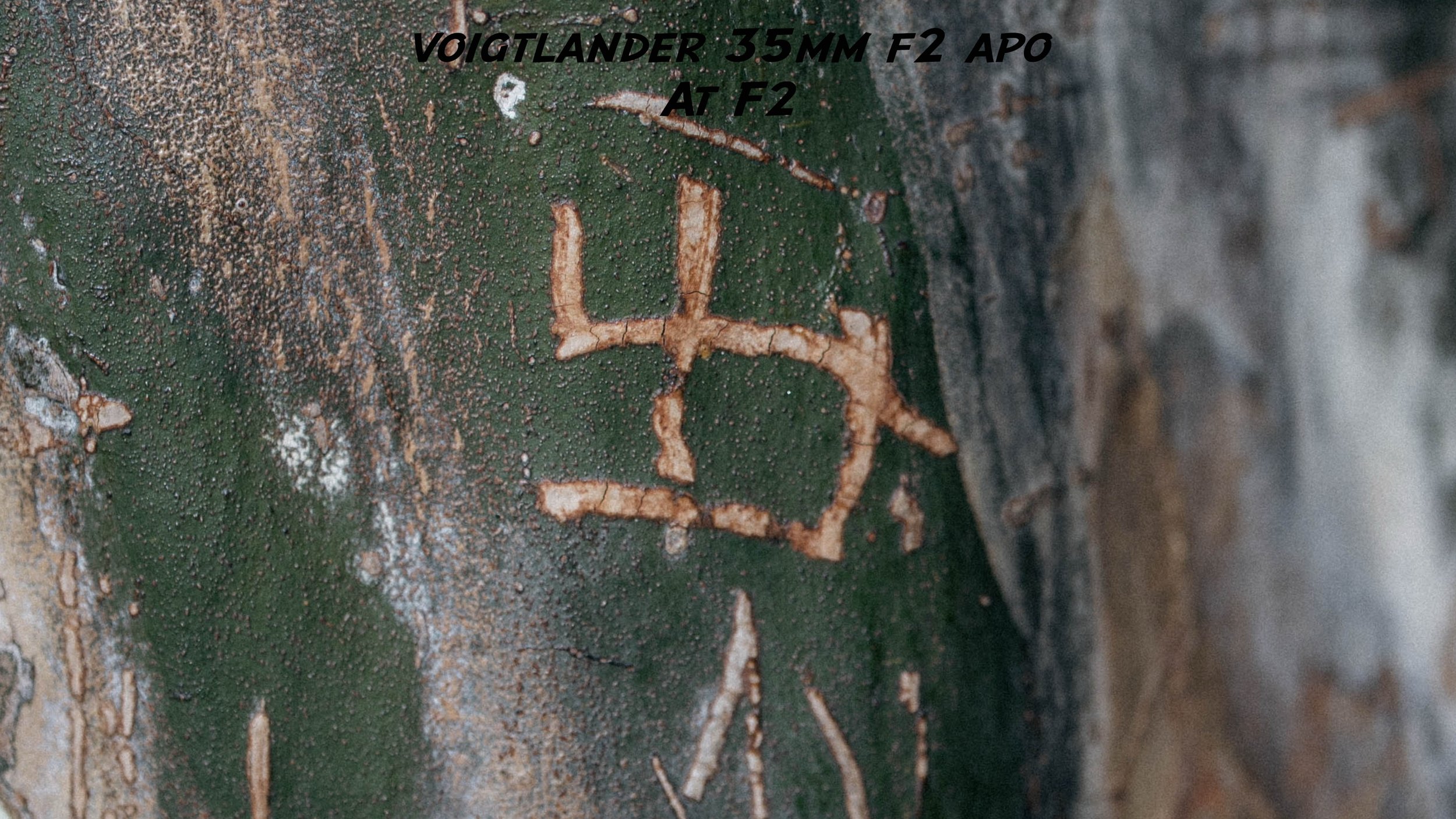
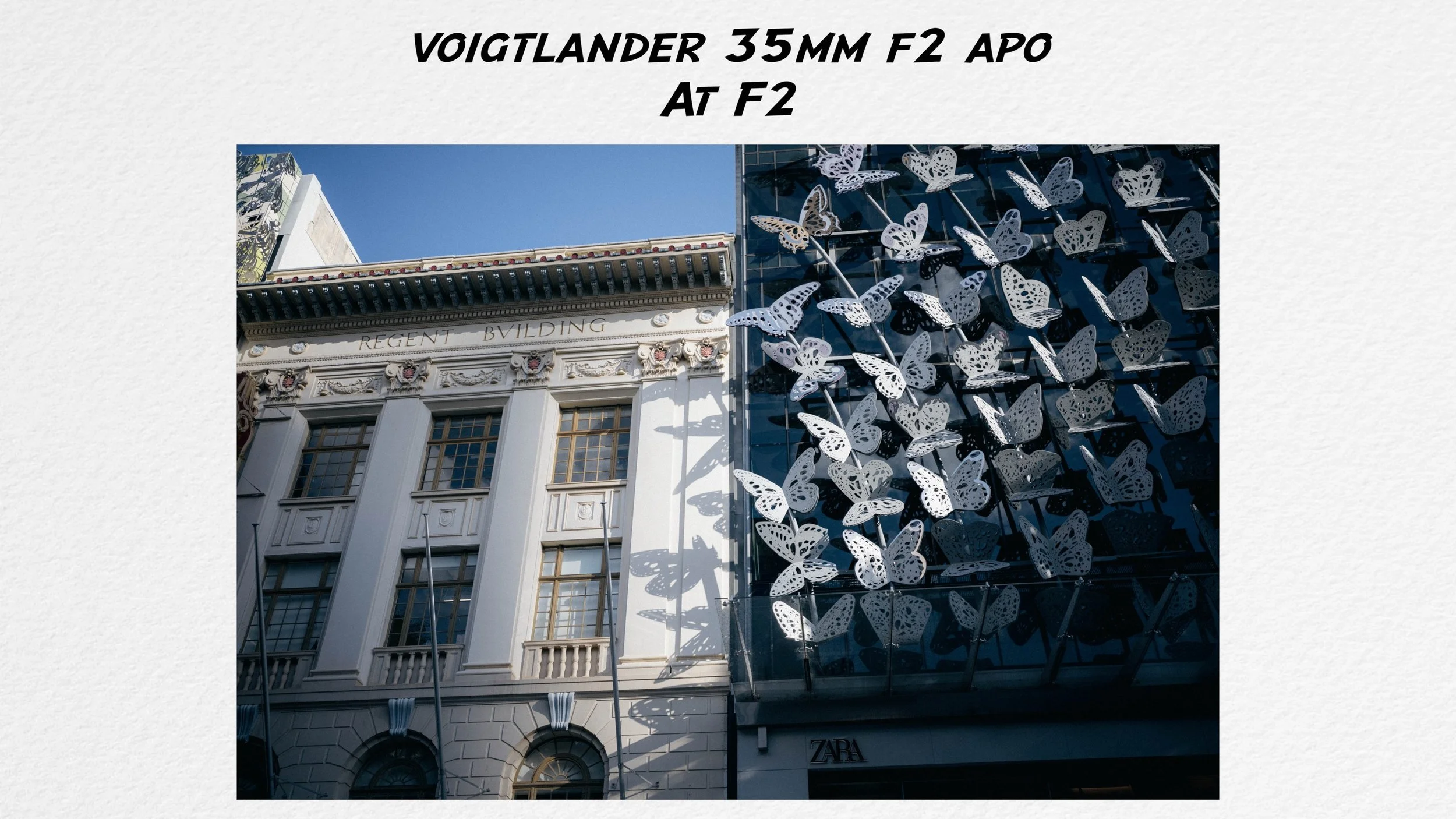
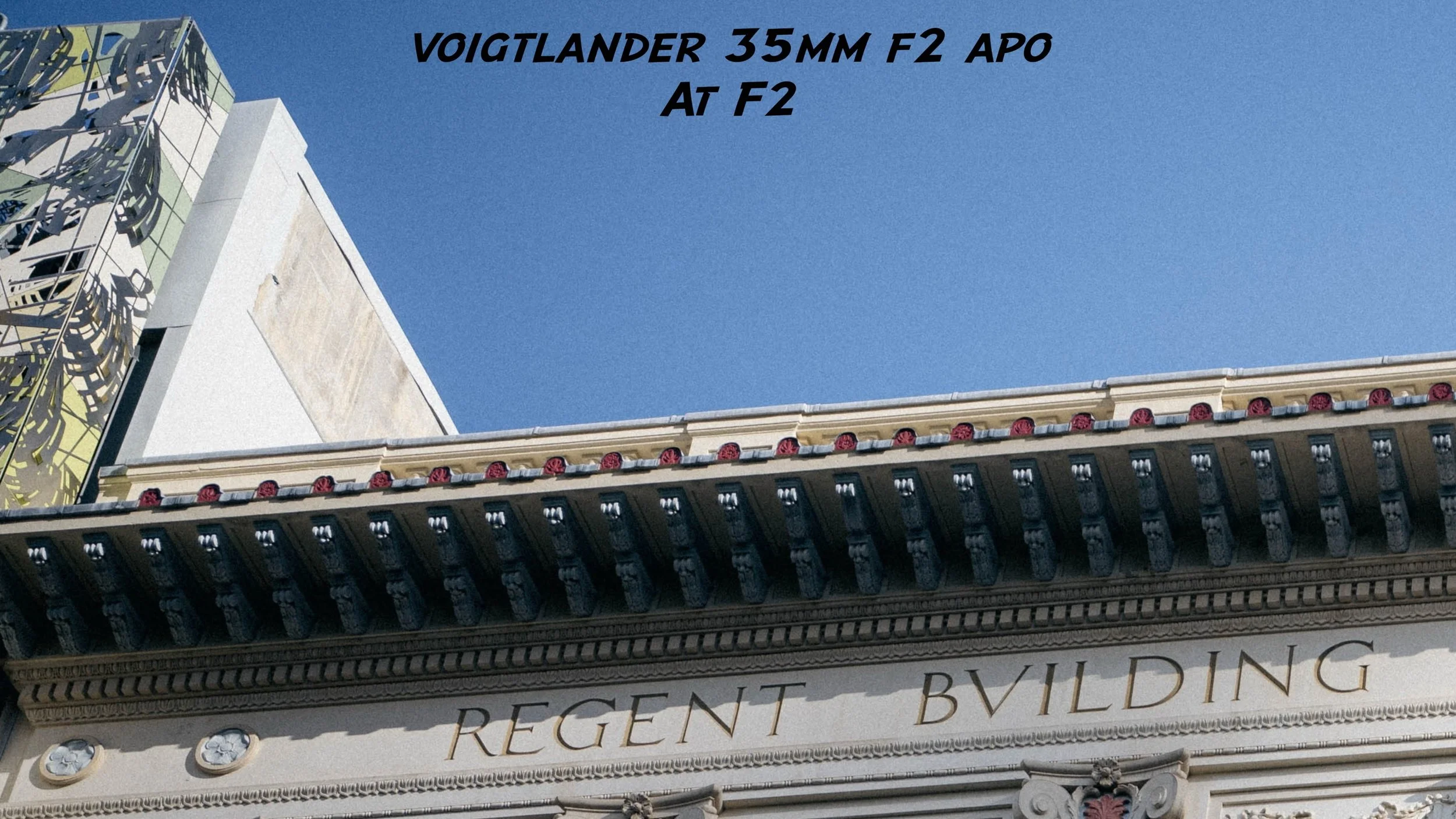
This vintage 35 is not sharp corner to corner - but there’s not as much glow as you might expect for a 50 year old lens.
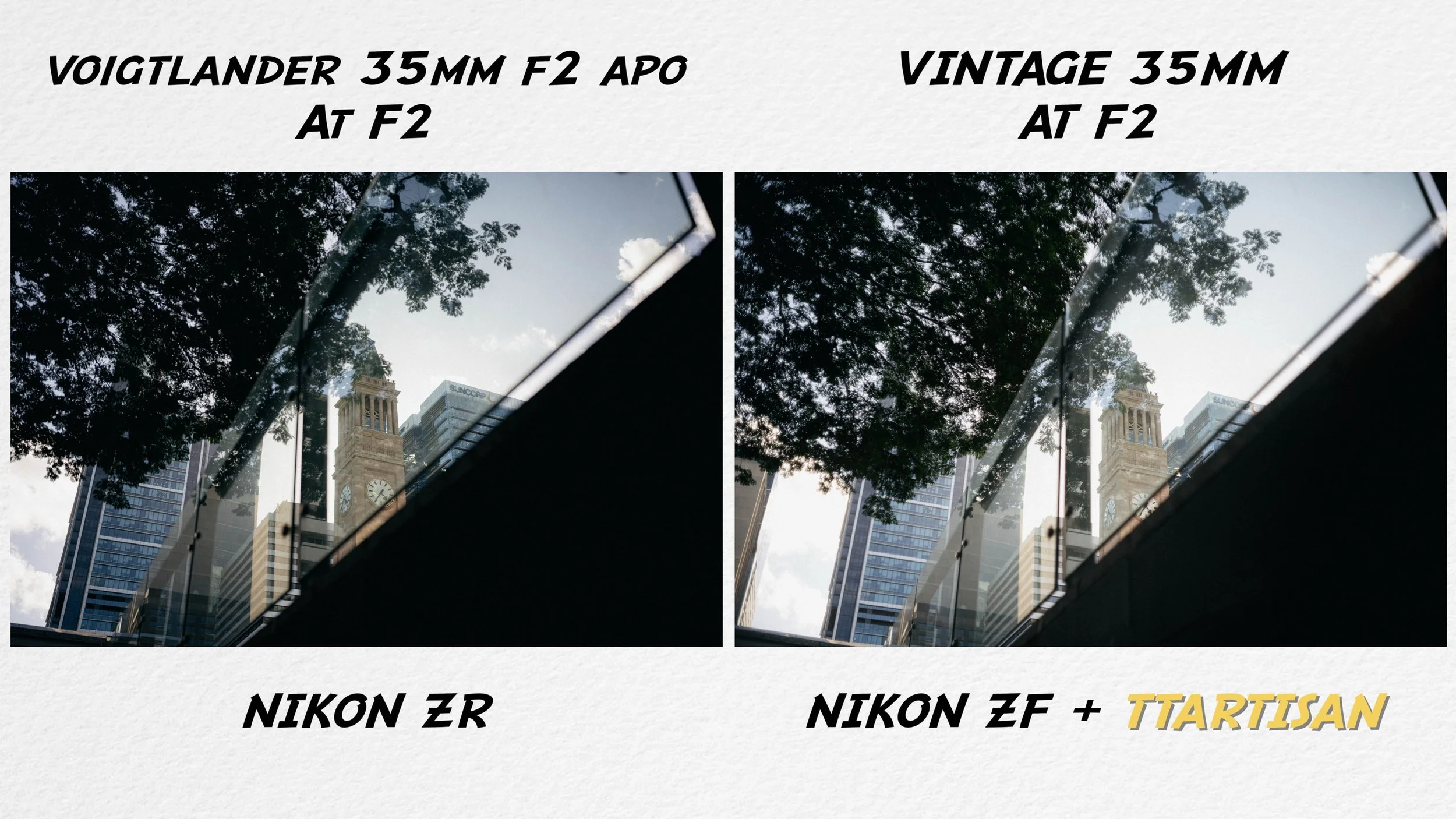
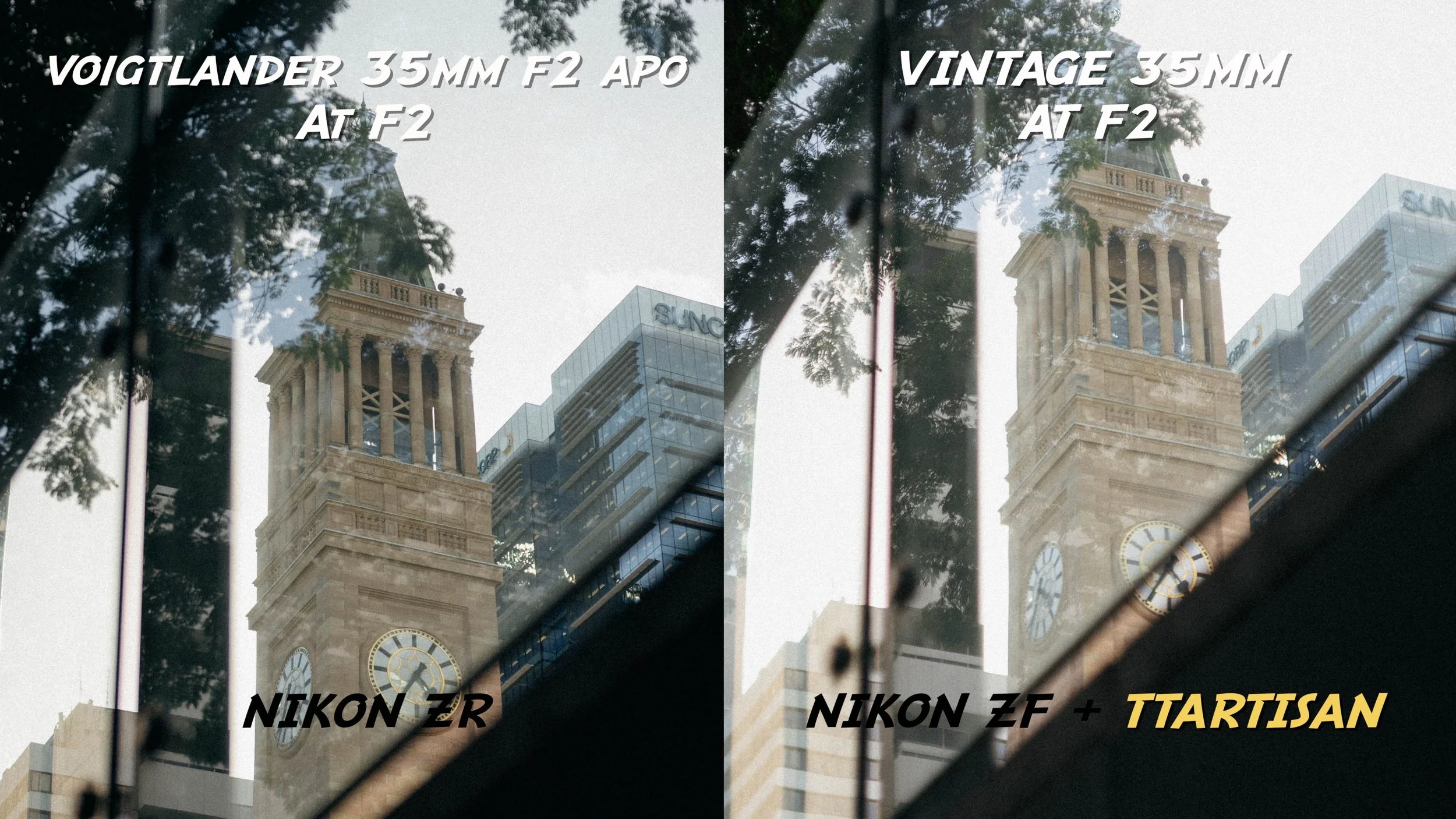
When it comes to aberrations? Significantly less green and purple fringing on the Voigtlander APO, it handles flares with grace - nothing like the craziness of this vintage 35mm.

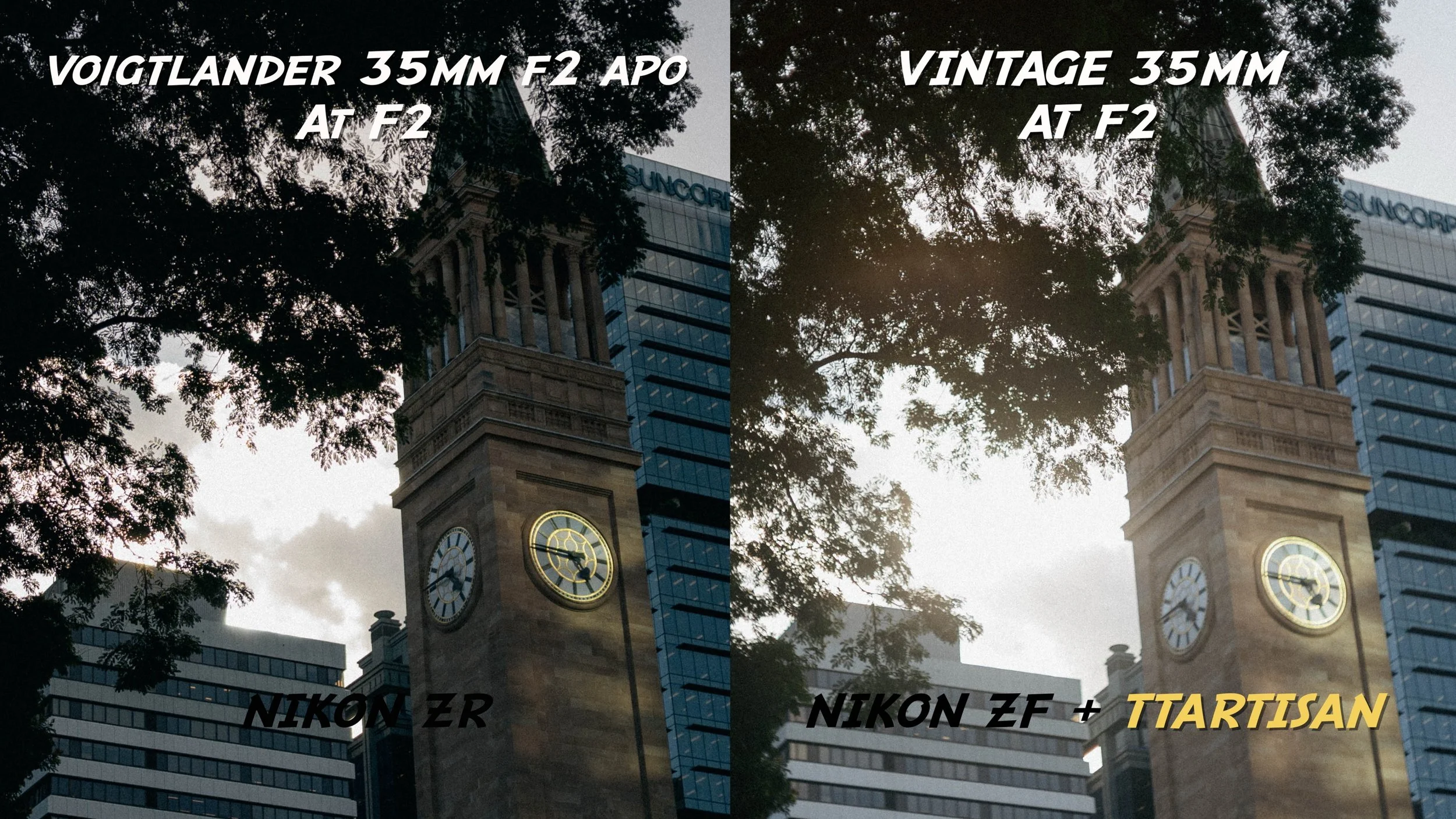
Voigtlander is the sharpest and best corrected 35 mm lens I’ve tested on Nikon Z (better than the Nikon 35mm f1.8 S), but what’s more interesting to me is its bokeh.
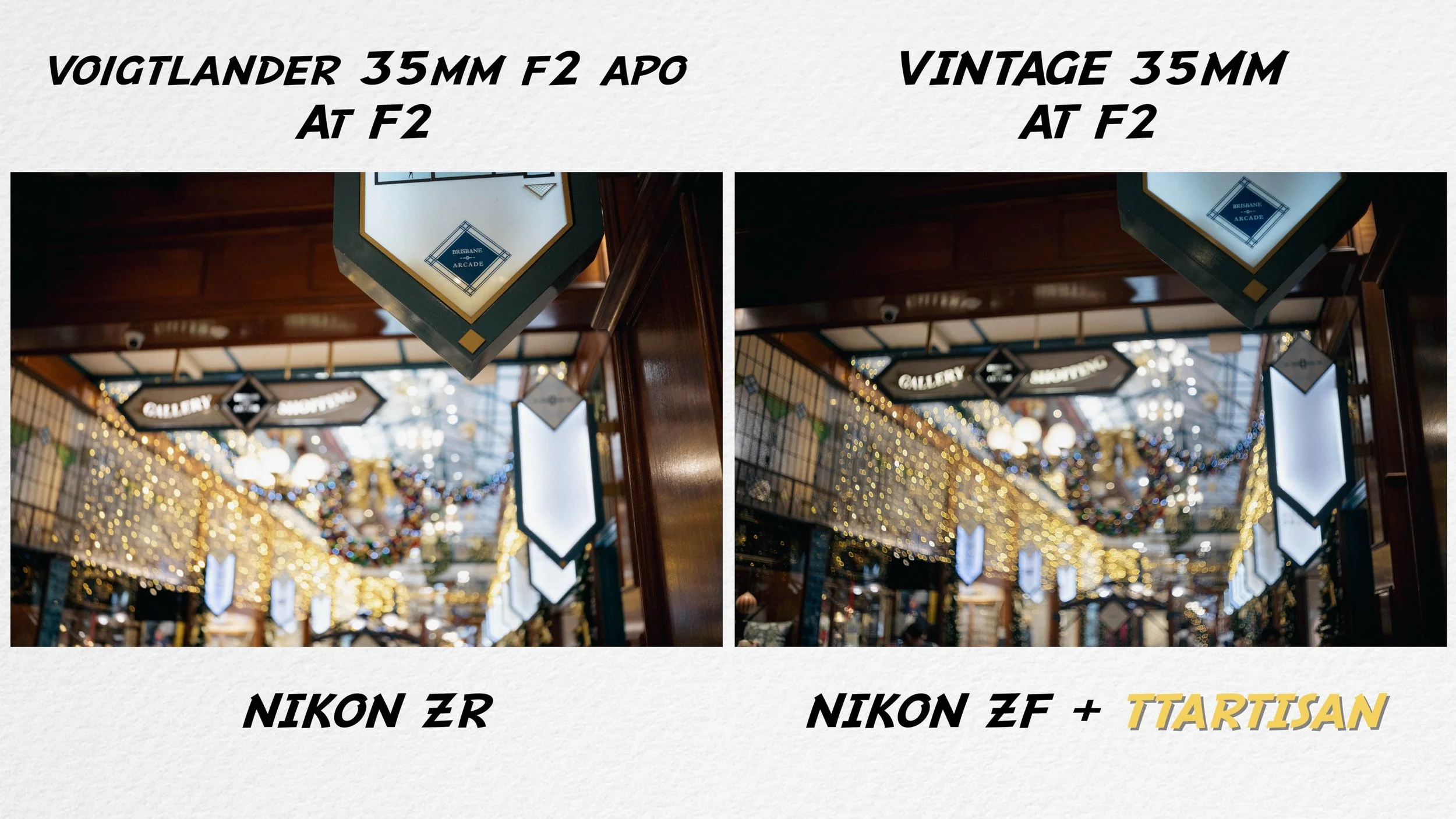
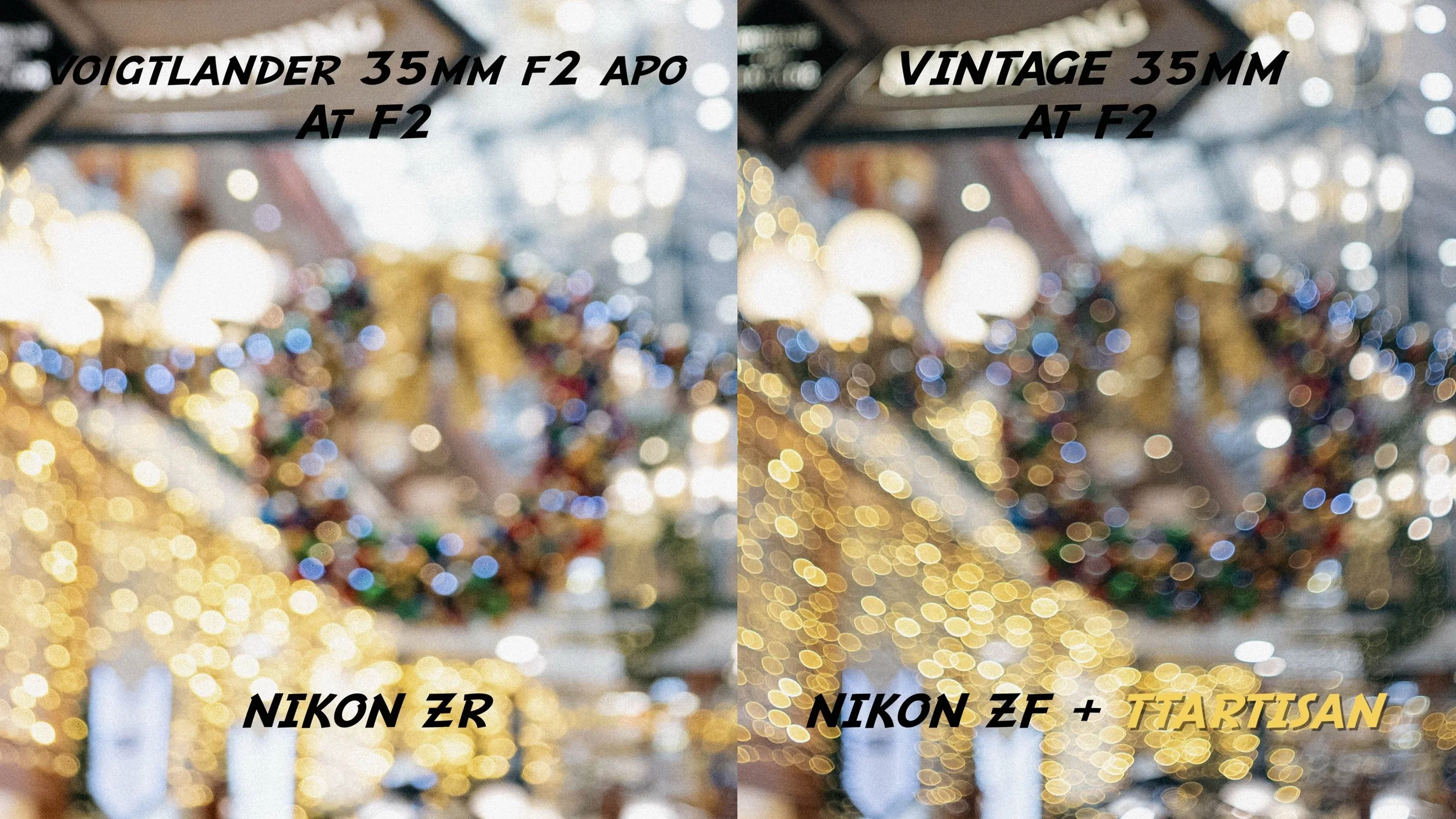
Not the creamiest, but smooth, not much onion ringing, version 2 lets you focus down to 0.27 metres as opposed to 0.35 metres on version 1, you can blow out the background even at f2.
I really like the Voigtlander’s performance, just not its size - almost as big as an autofocus lens when fully extended. It’s a great optical performer, but the charm of this tiny vintage 35mm is more appealing, even though there’s a lot less separation. While it opens up to f2 too, when bokeh’s present there’s a bit of that classic swirl, this is due to its 1 meter long minimum focus distance.
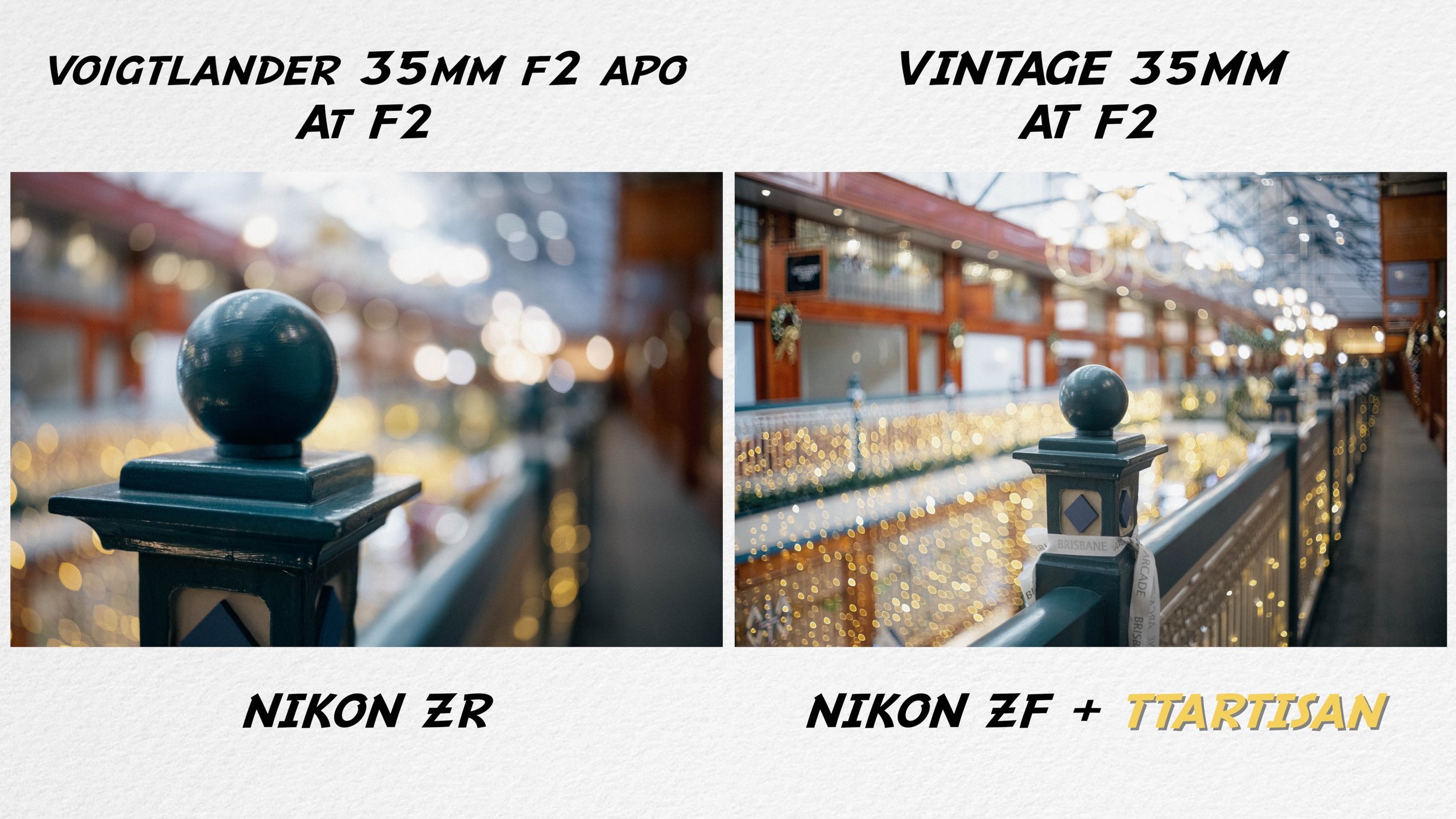
We can fix this problem and focus closer using:
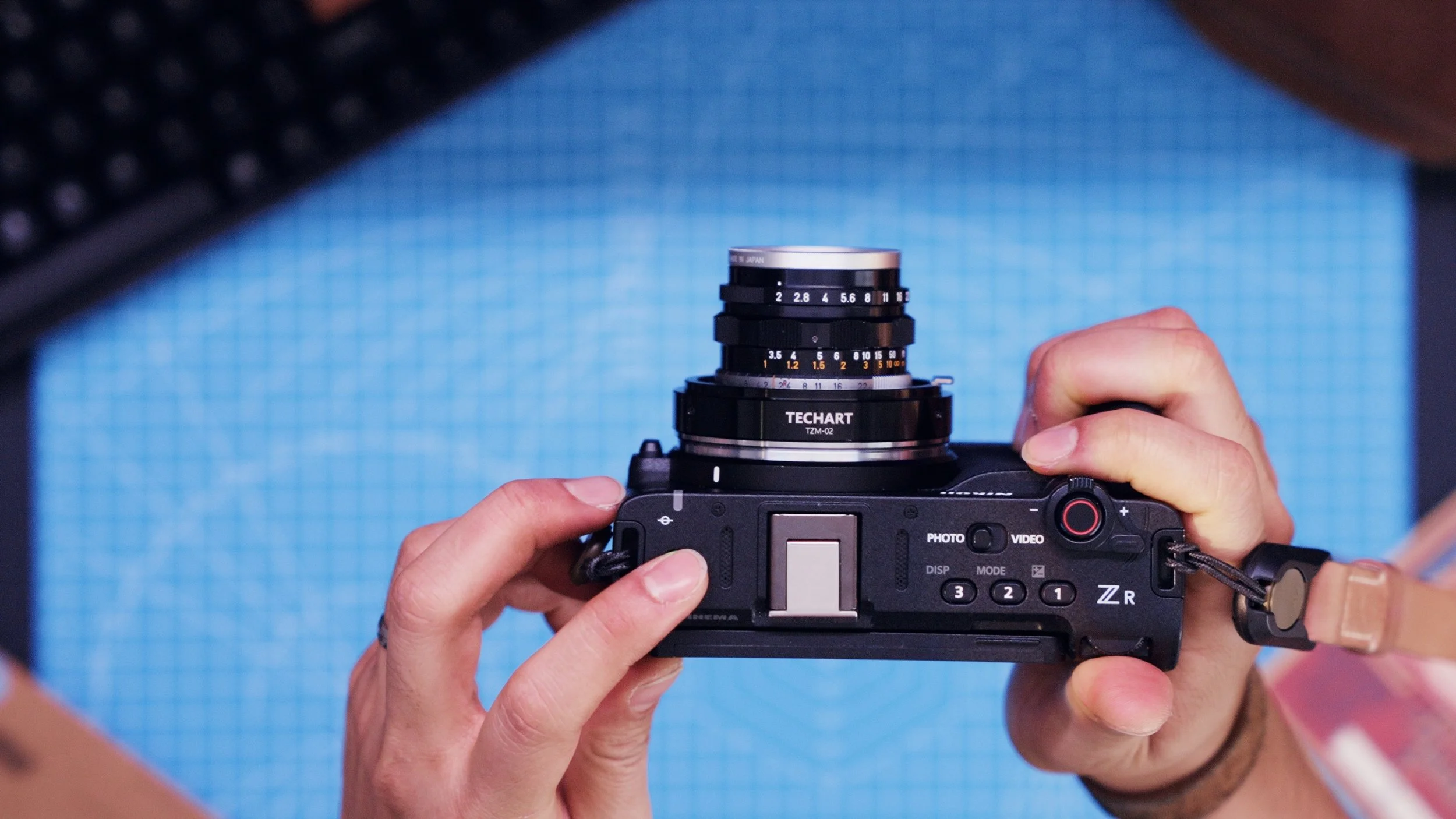
3. Techart TZM02

Any manual lens, as long as you can adapt it to M mount, set it to infinity, the motors move back and forth until the camera locks focus. Not only does this bring autofocus to my vintage 35 it can now focus closer.
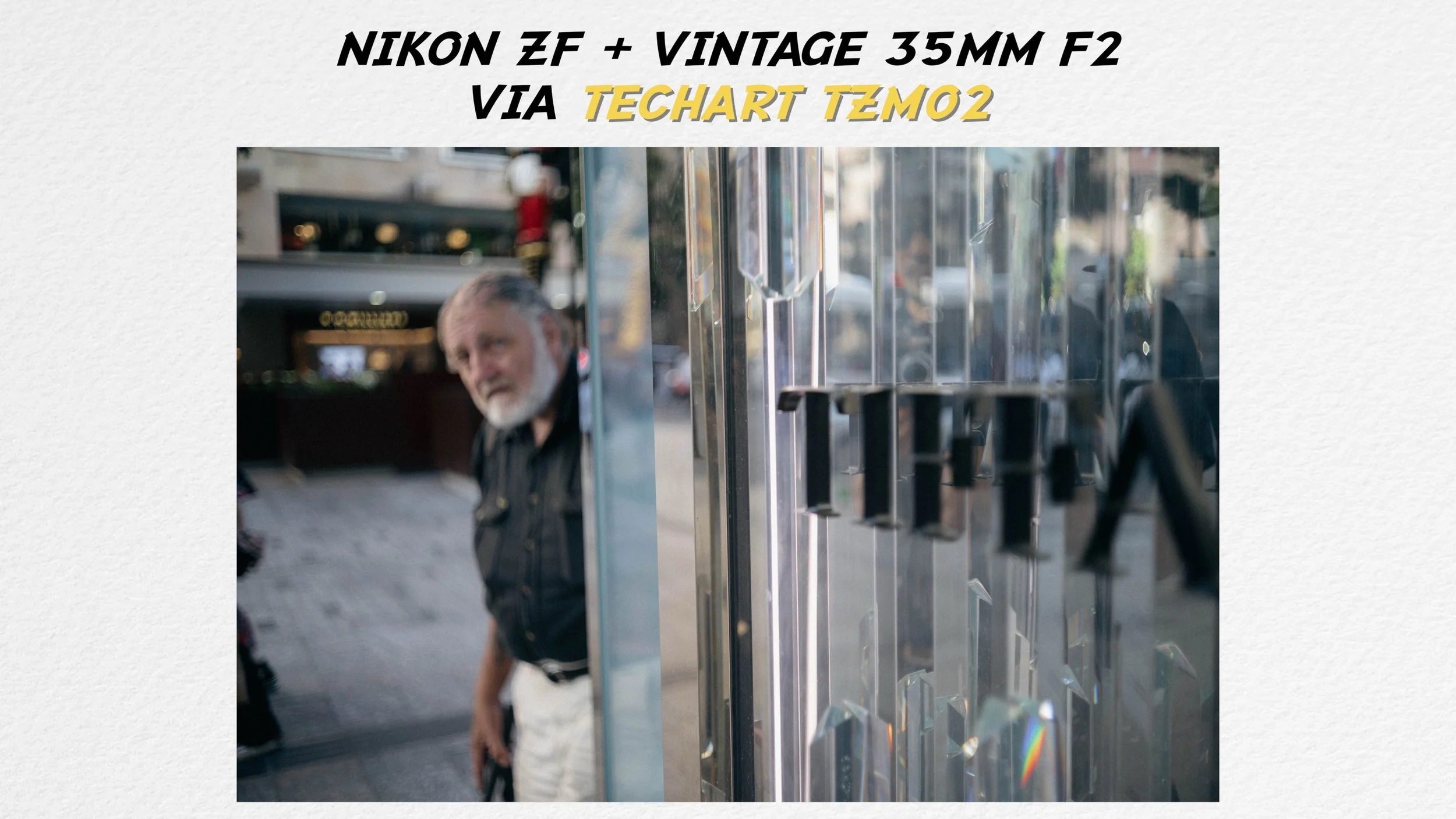
Almost as close as the Voigtlander 35mm f2 APO to blow out the background at f2, the vintage swirl is more evident, Techart lets you use old lenses in a brand new way.
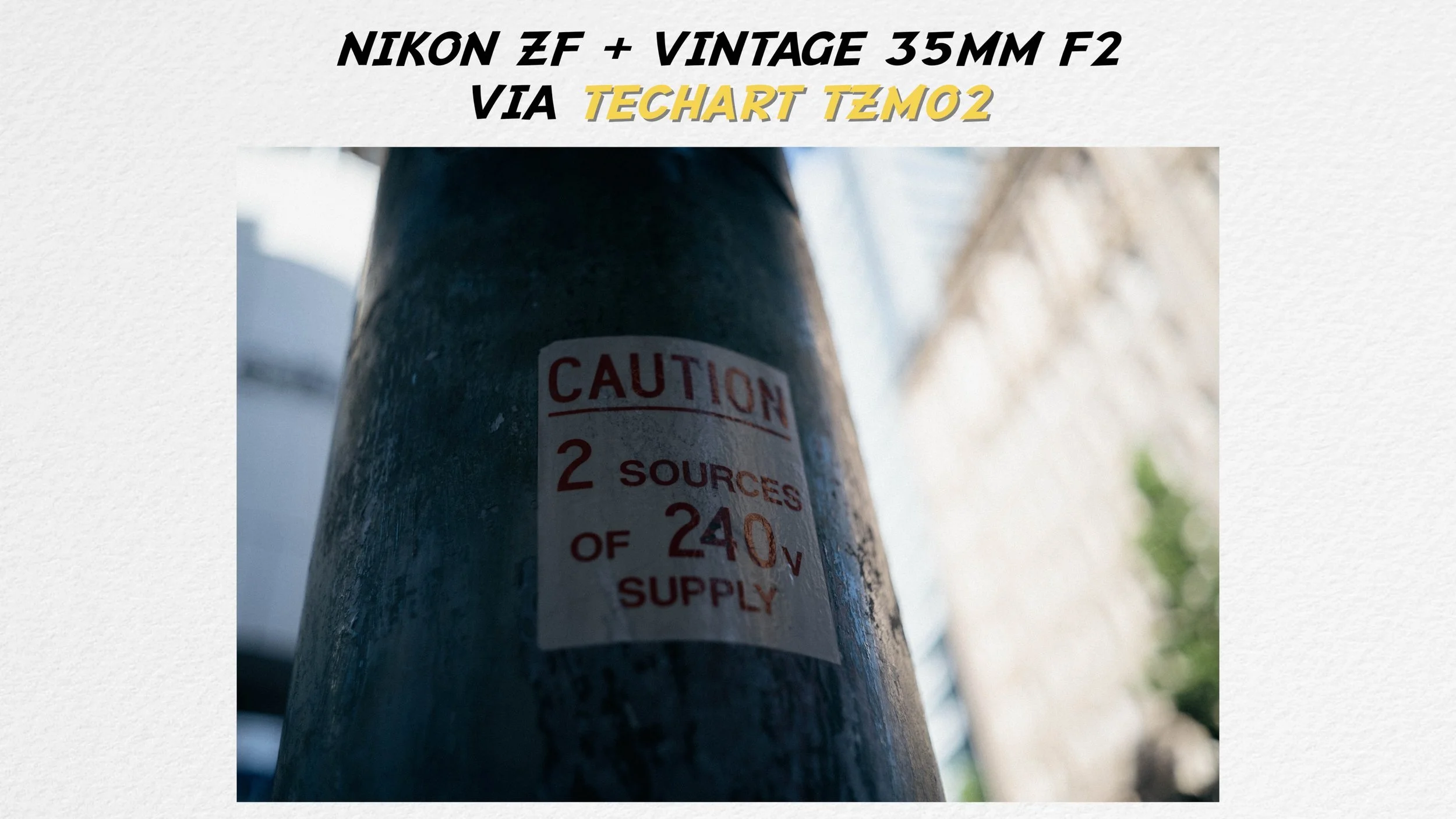
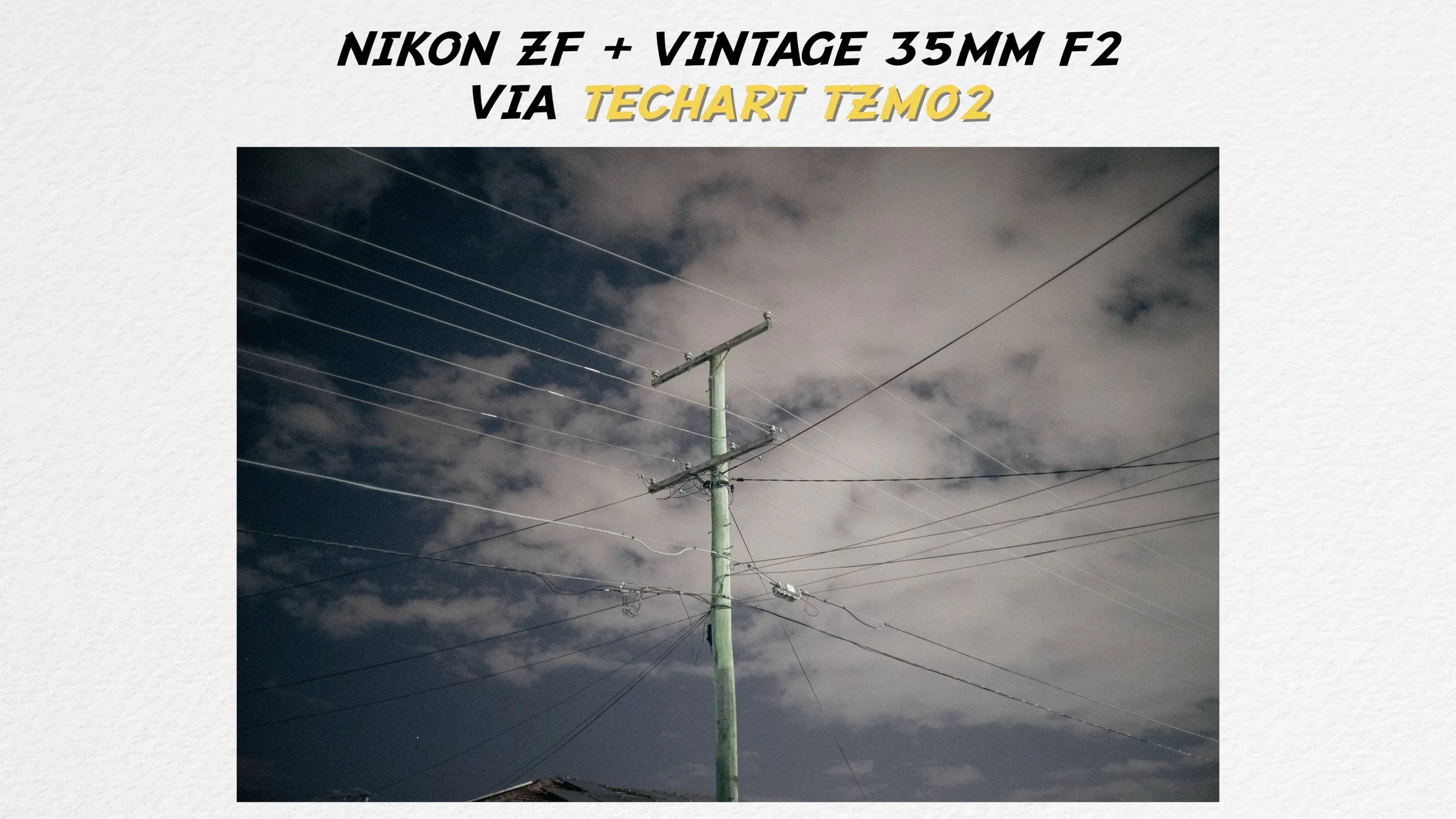
It can handle EXIF data by using the aperture setting to over-ride the focal length selector. For 35mm I need to set the aperture to f2.2 in camera, then IBIS will work OK. I was able to hand-hold this night-time shot at 1/10th of a second with this adapter combo and the vintage 35 - the results look sharp.
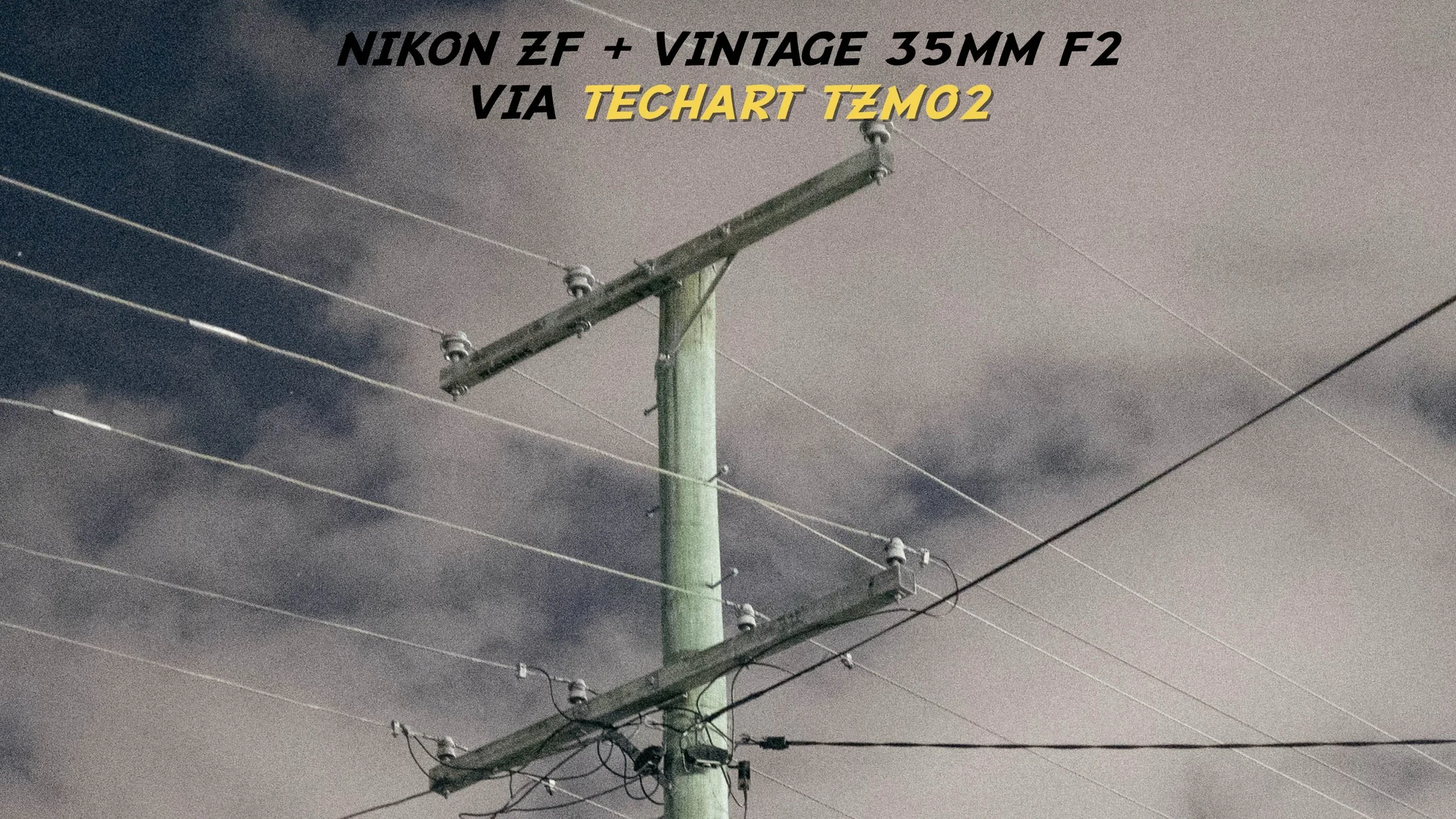
I also bought an F-to M mount adapter to use my AIS 105 2.5 on it - it can now autofocus - sort of.
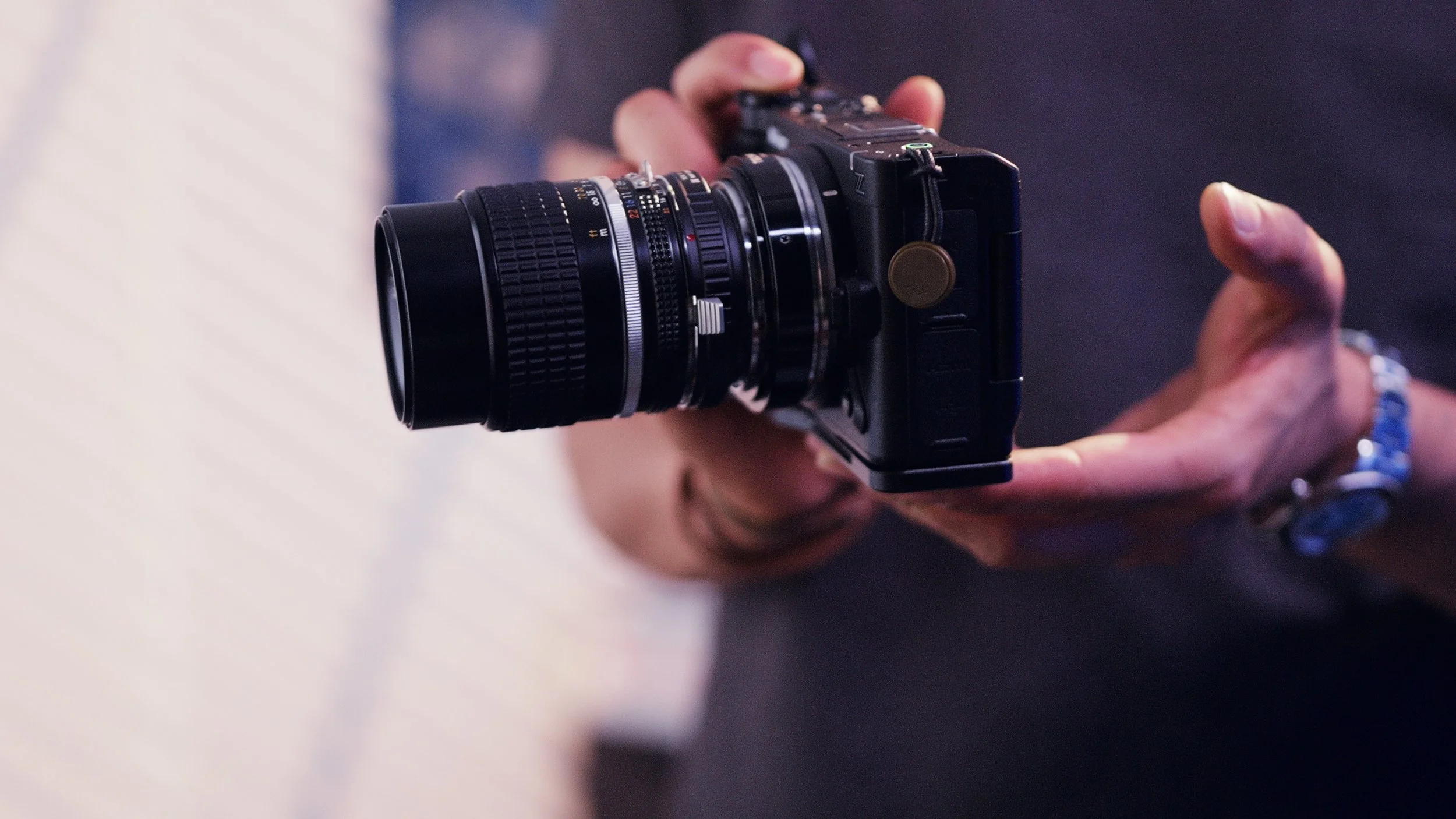
Techart is not only well made - the ability to autofocus manual lenses also makes it unique, but before we talk about the autofocus reliability there’s another potential dealbreaker.
Sure it’s expensive - it’s the second most expensive out of the smart adapters today (almost 5 times the price of the TTartisan), but a bigger problem is size.
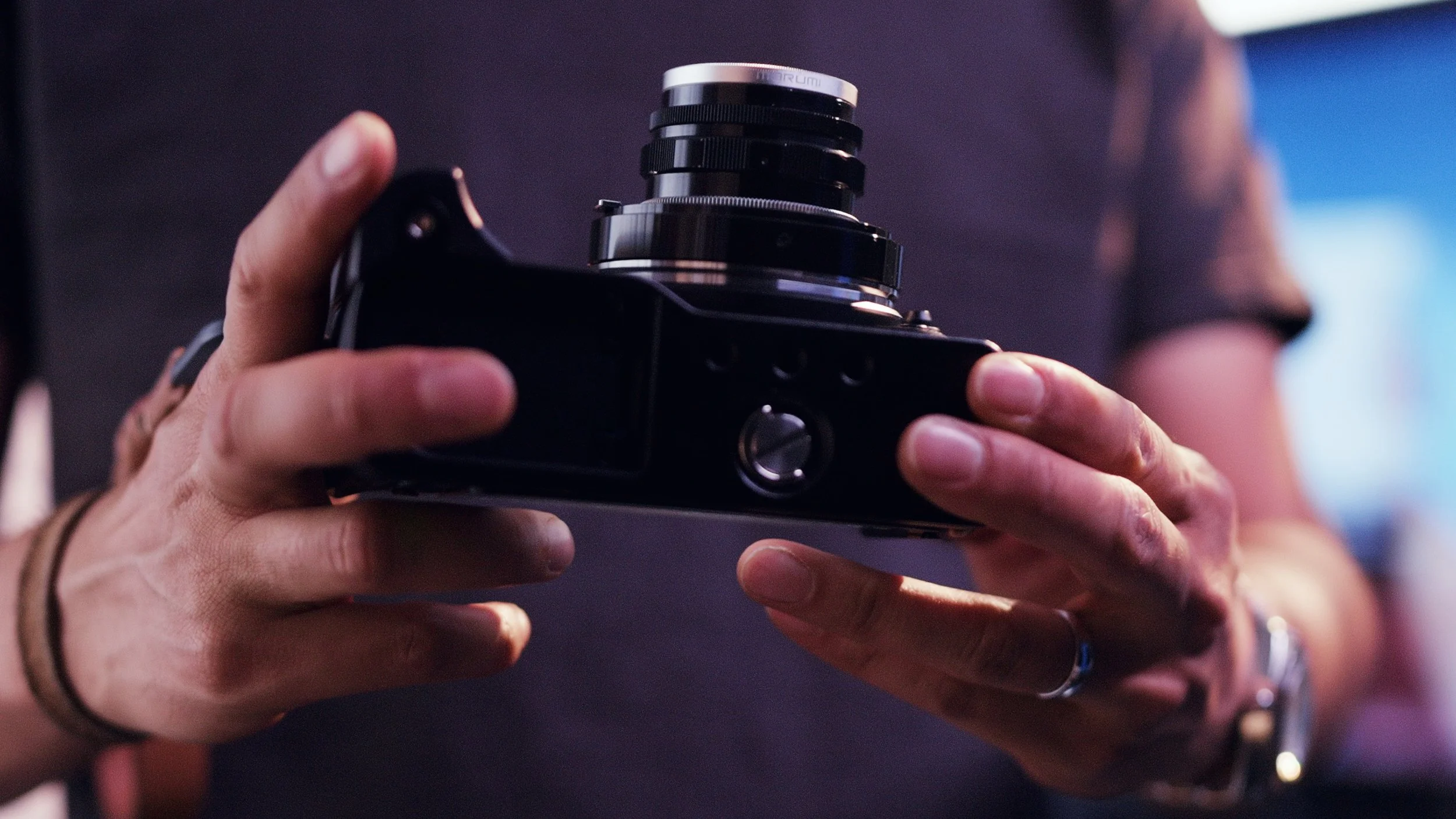
It weighs almost 200 grams - you’ll definitely feel it on the end of your camera with anything but the lightest of lenses. In fact the adapter alone is heavier than this vintage 35mm, so tiny and performant, it shouldn’t exist.
***
The only reason it does?
In the 50s Canon went all in to beat Leica. 11
Canon rangefinders released in 5 years, a full suite of thread mount lenses, until Cologne, 1954.
Leica announced the M3 at Photokina - its viewfinder was too bright, rangefinder mech too accurate.
They forced everyone else to move to SLRs.
Canon’s last hurrah in the rangefinder game was the lens I’m holding here.
The “Japanese Summicron” came out in 1962.
Well after Canon moved on to SLRs.
Even for a dying lens mount, they kept refining it for a decade, even releasing a version 2. A clean copy is a steal compared to any Leica 35.
Even in a doomed race you can still compete with grace.
This is why I love vintage glass.
Techart breathes new life into them with autofocus.
***
Can you trust Techart’s AF?
I’ve found it works best in well lit areas with high contrast using AF-C and 3D tracking. When I used AF-S it was less sure of itself, the autofocus also doesn’t really work in video mode, although it’s more stable on the ZF.
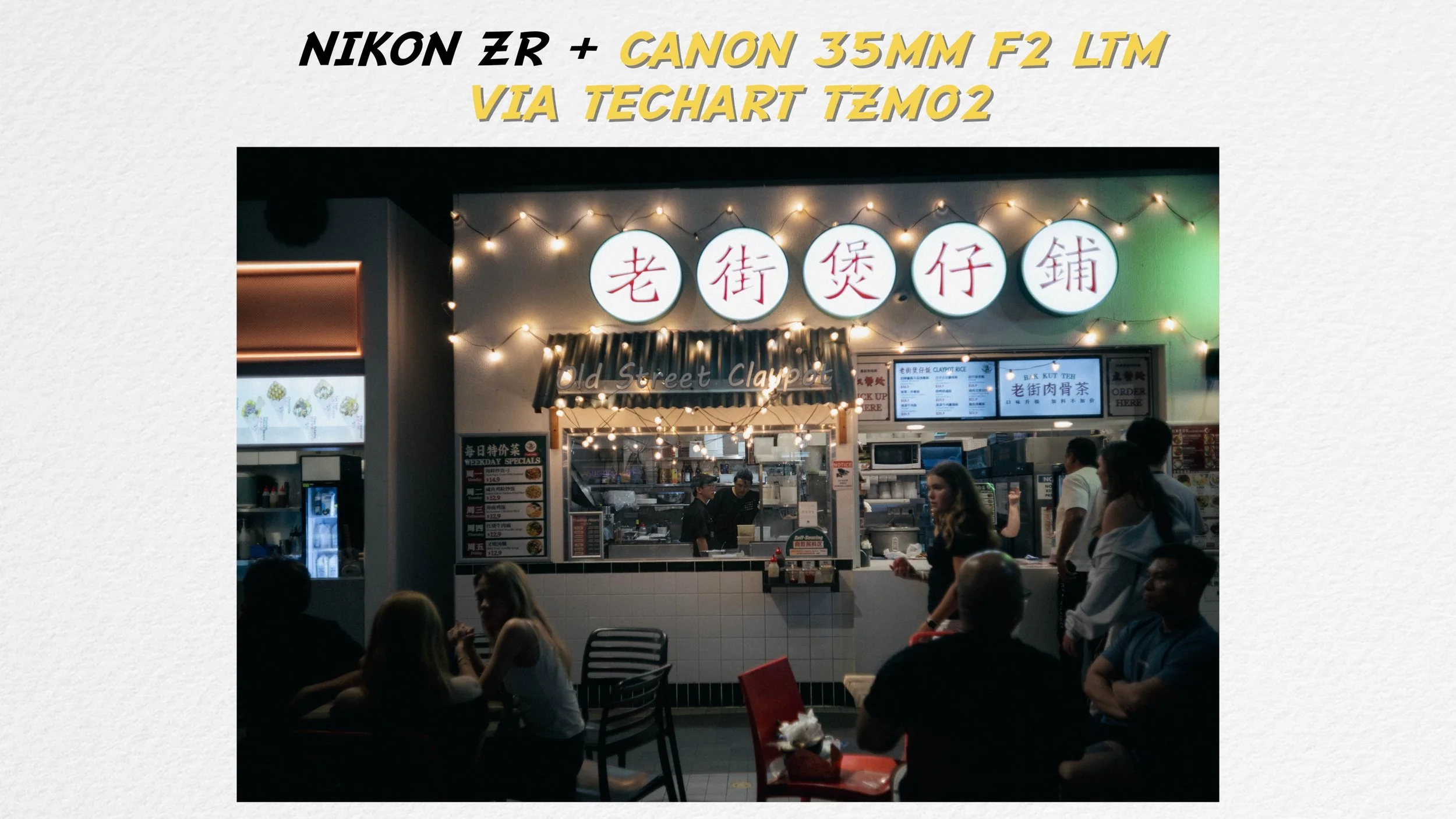
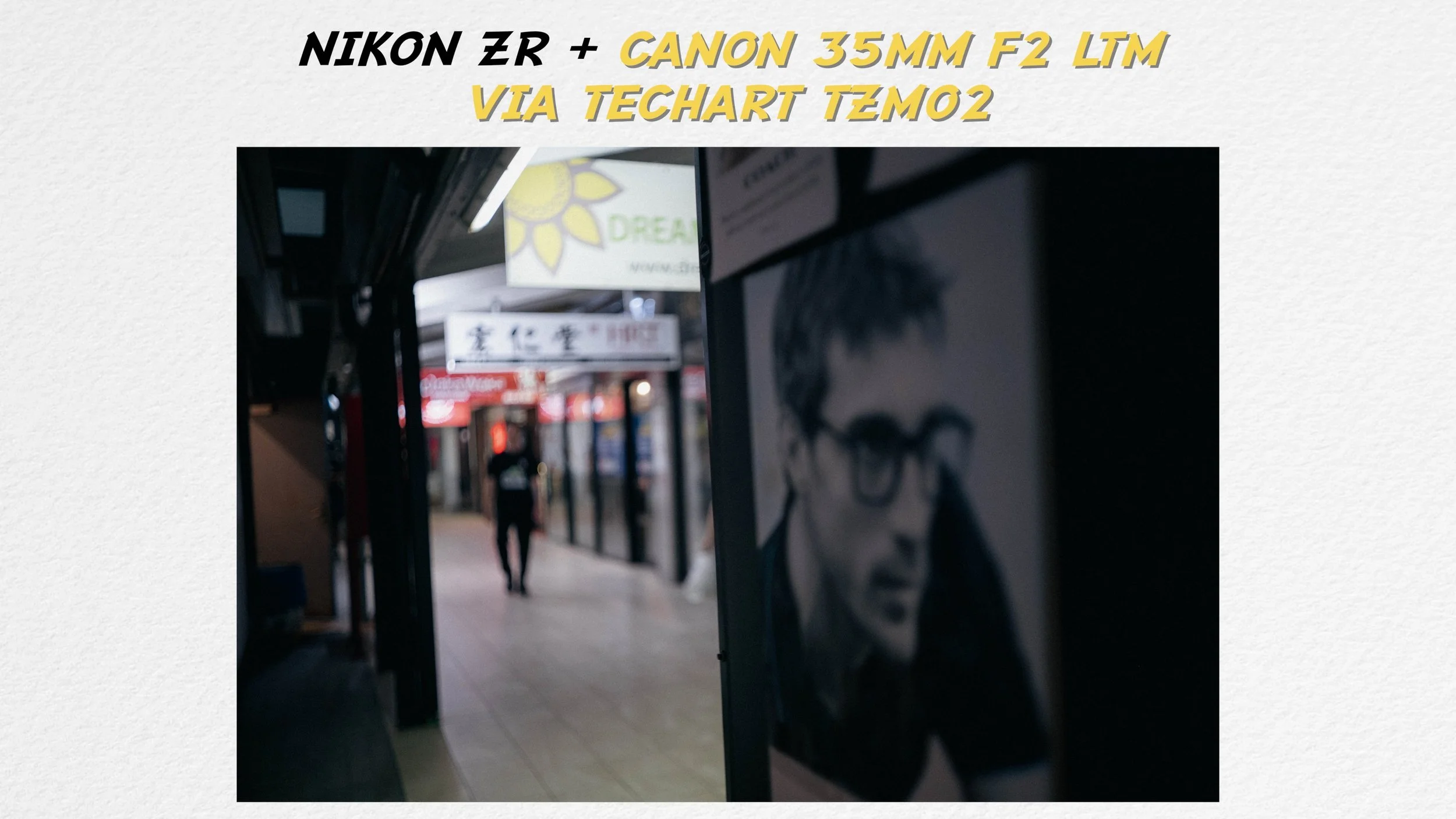
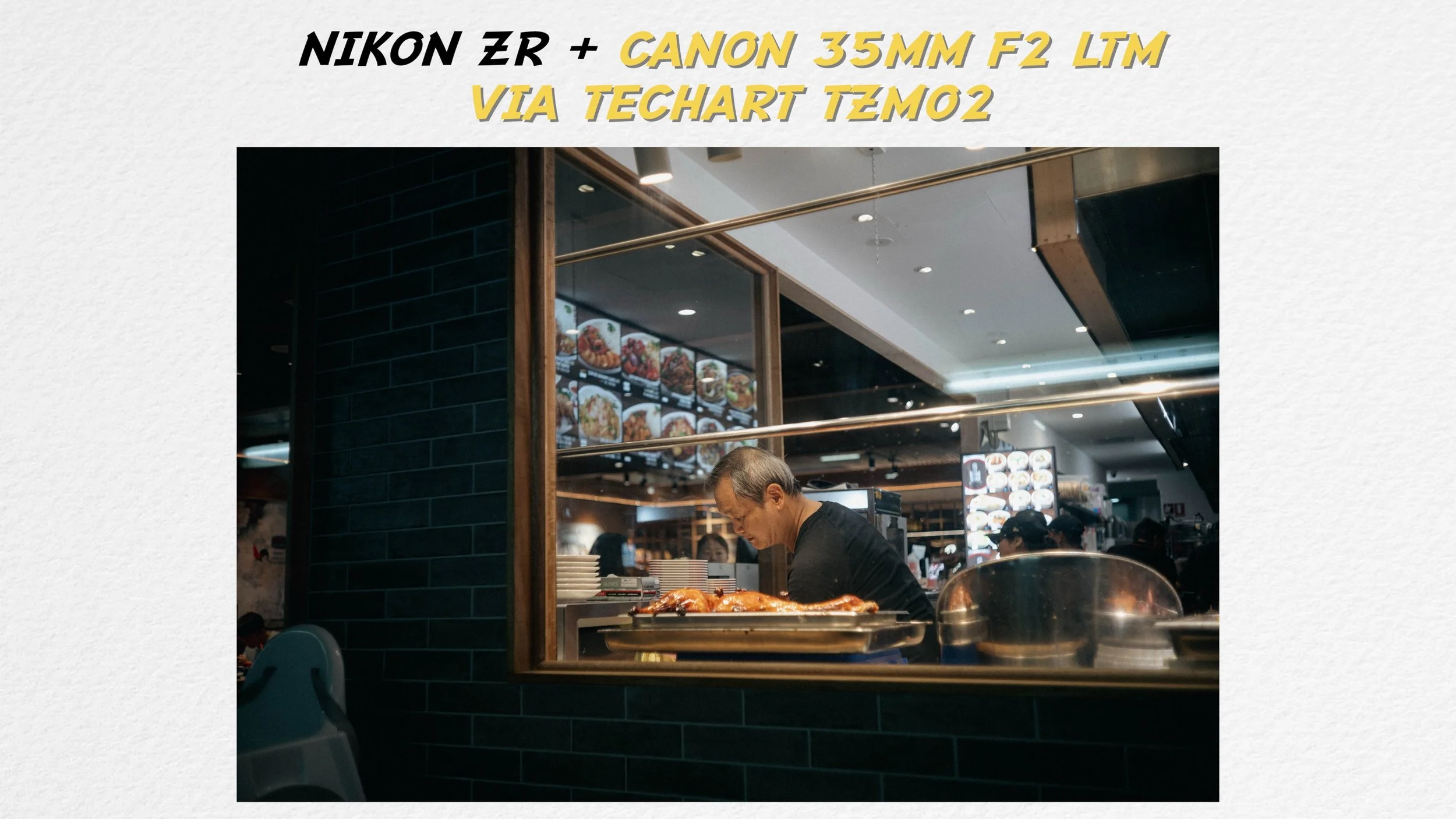
On the ZR the adapter pulses more, when it loses focus sometimes the screen flashes, there’s some sort of reset, while it’s fine during the day for critical work at night I prefer manual focus. On Techart if you set the camera to manual focus mode, you can still use the green box focus assist tools.
If it’s the best autofocus you’re after, let’s talk about:
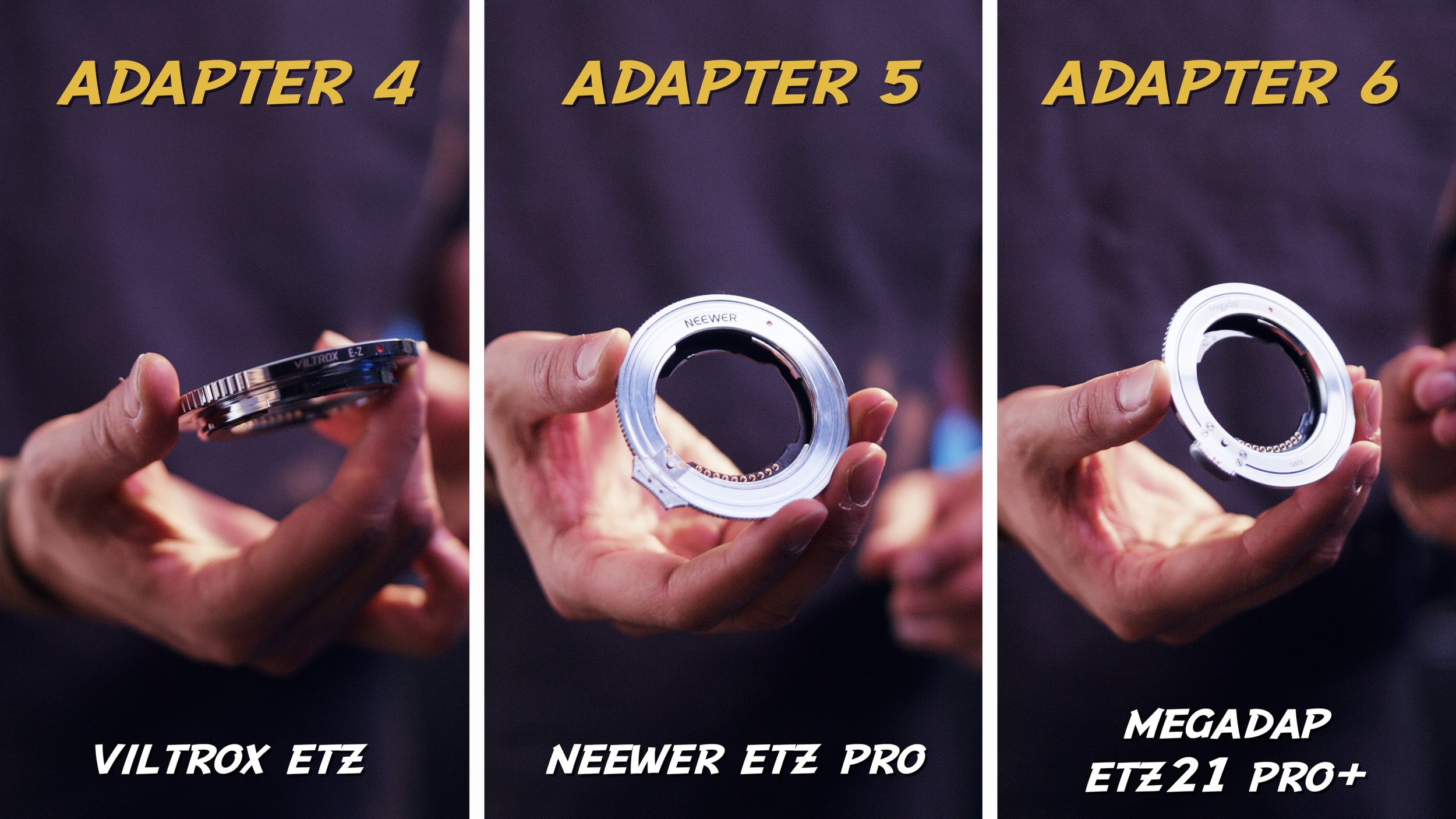
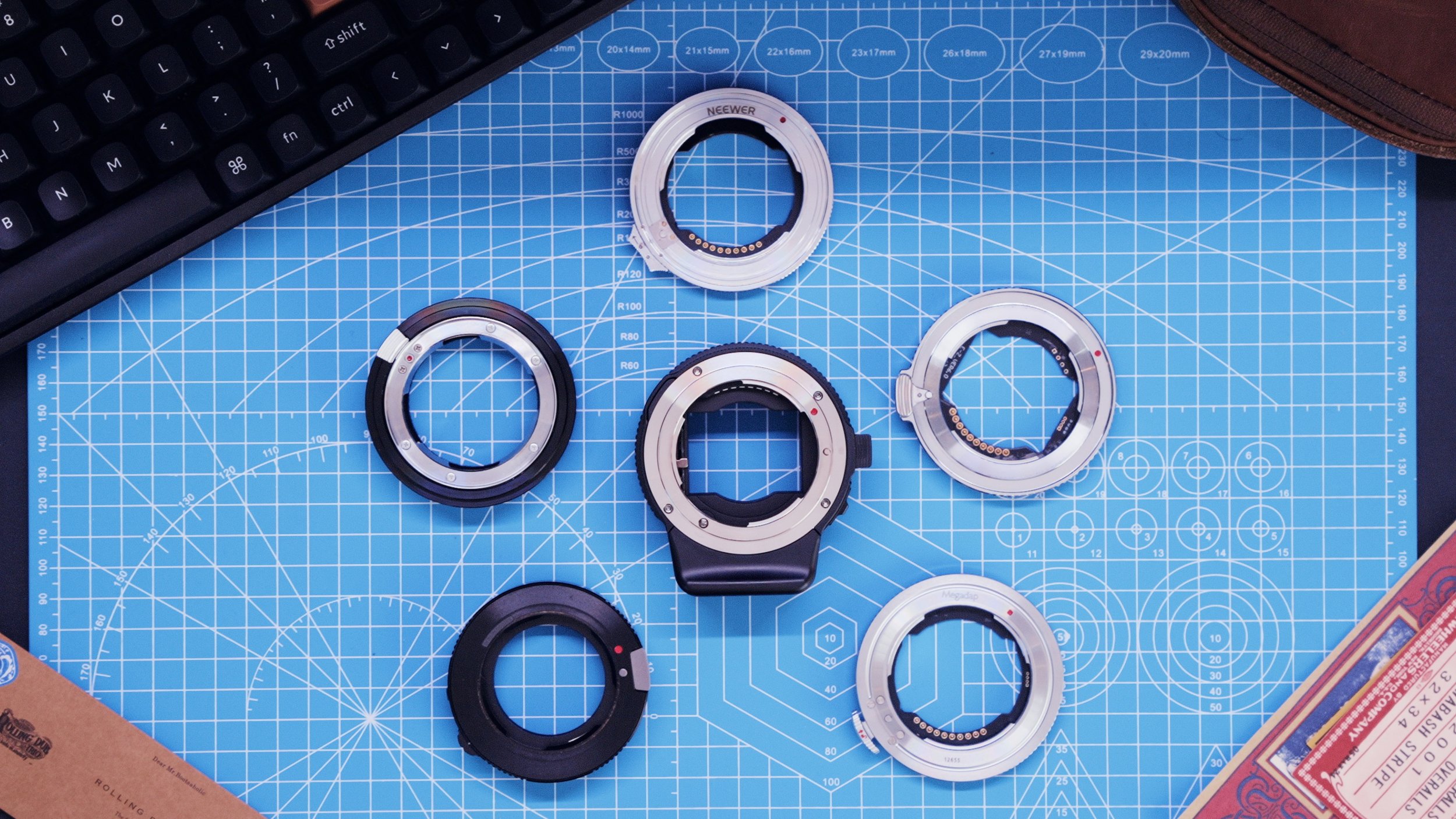
4. Viltrox E to Z
5. Neewer EtoZ Pro
6. Megadap ETZ21 Pro +
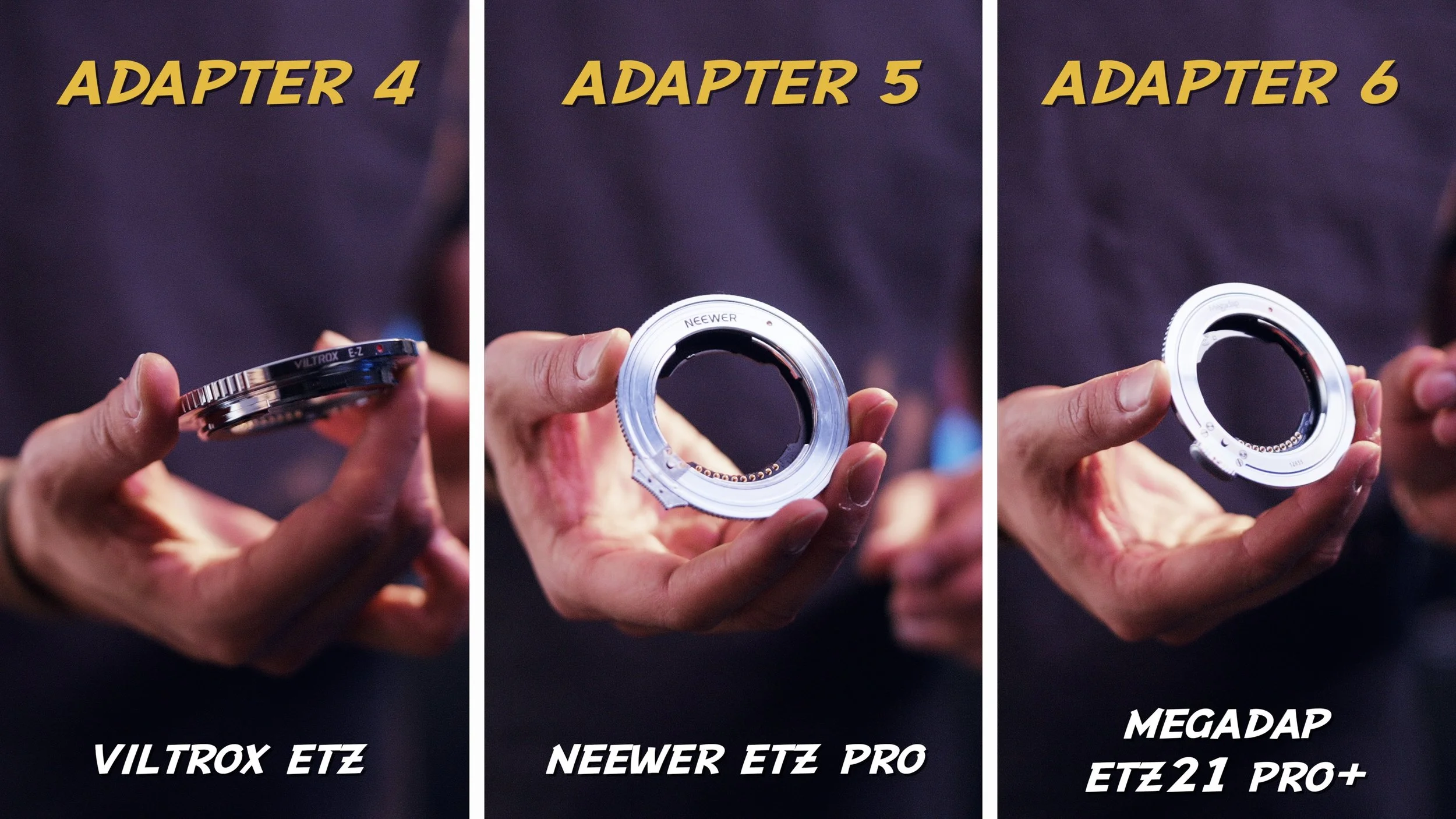
Viltrox, Neewer, and Megadap all make a Sony E to Nikon Z-mount adapter. I don’t shoot sports or wildlife - mostly street and travel - I do use the Sony FX3 as my primary body for video. Using the Sony 35mm 1.4 GMaster? AF tracking is good on the Neewer ETZPro, decent on the Viltrox, and indistinguishable from Sony using the Megadap ETZ21 Pro+.
Neewer appears to have discontinued their EtZ pro adapter - if you can find a cheap copy on eBay it may be worth it.
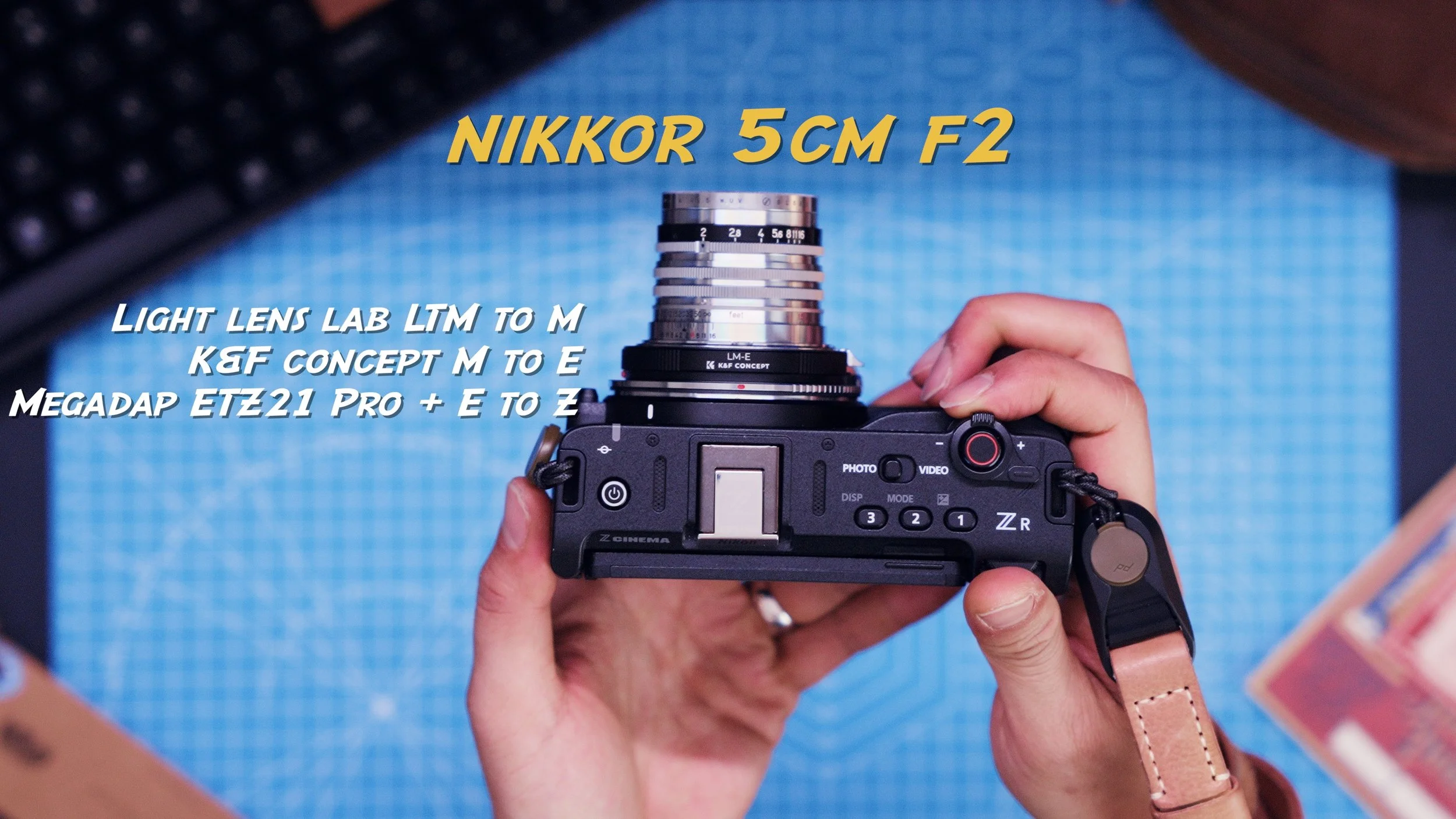
For adapting manual focus or vintage glass it’s a different story and this time I have a vintage 50, also famous for its backstory. Like the Japanese summicron from Canon, I bought this in Japan, it’s also leica thread mount, first adapted to M-mount, then M to E-mount, finally one of these chipped E to Z adapters.
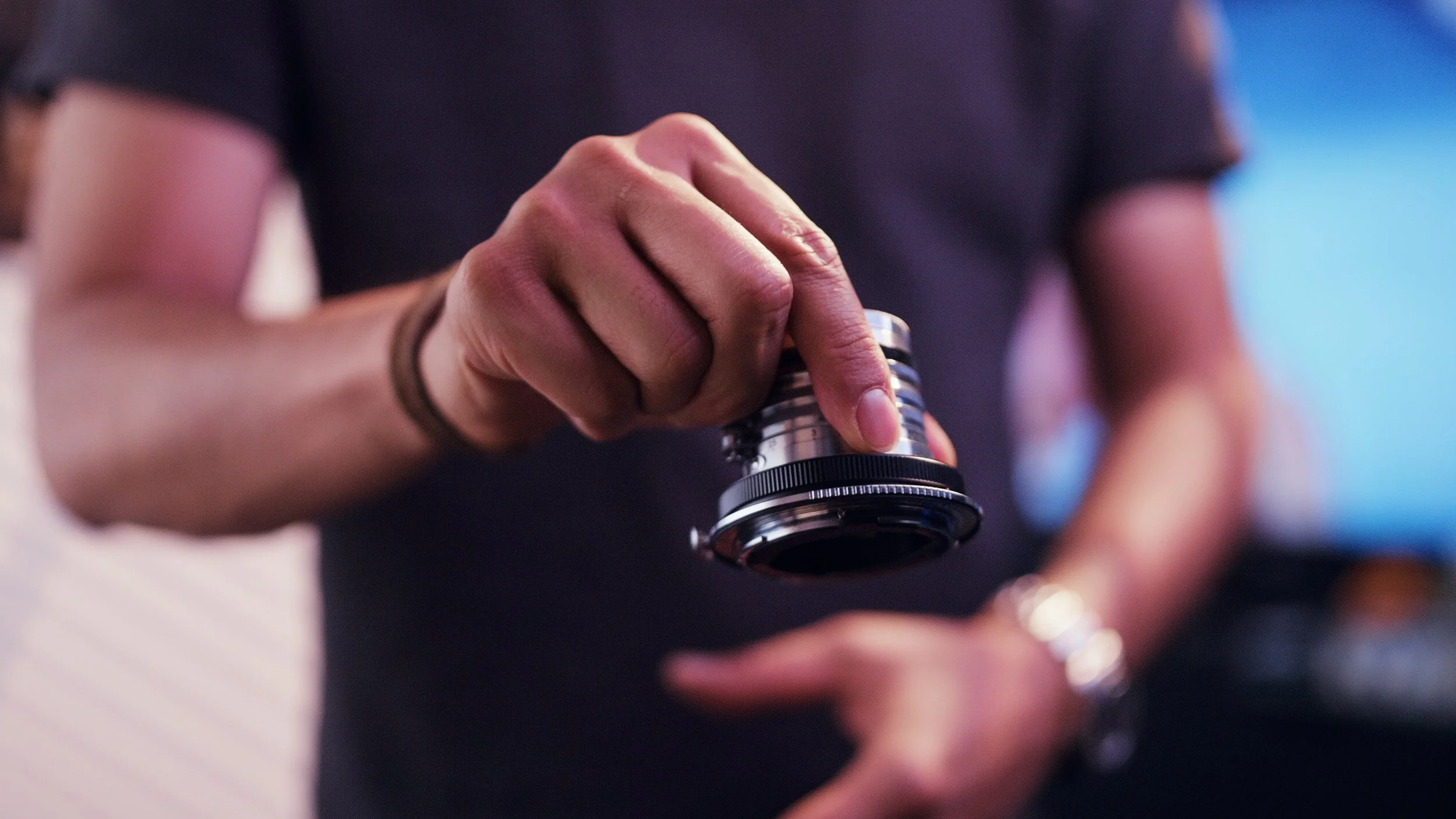
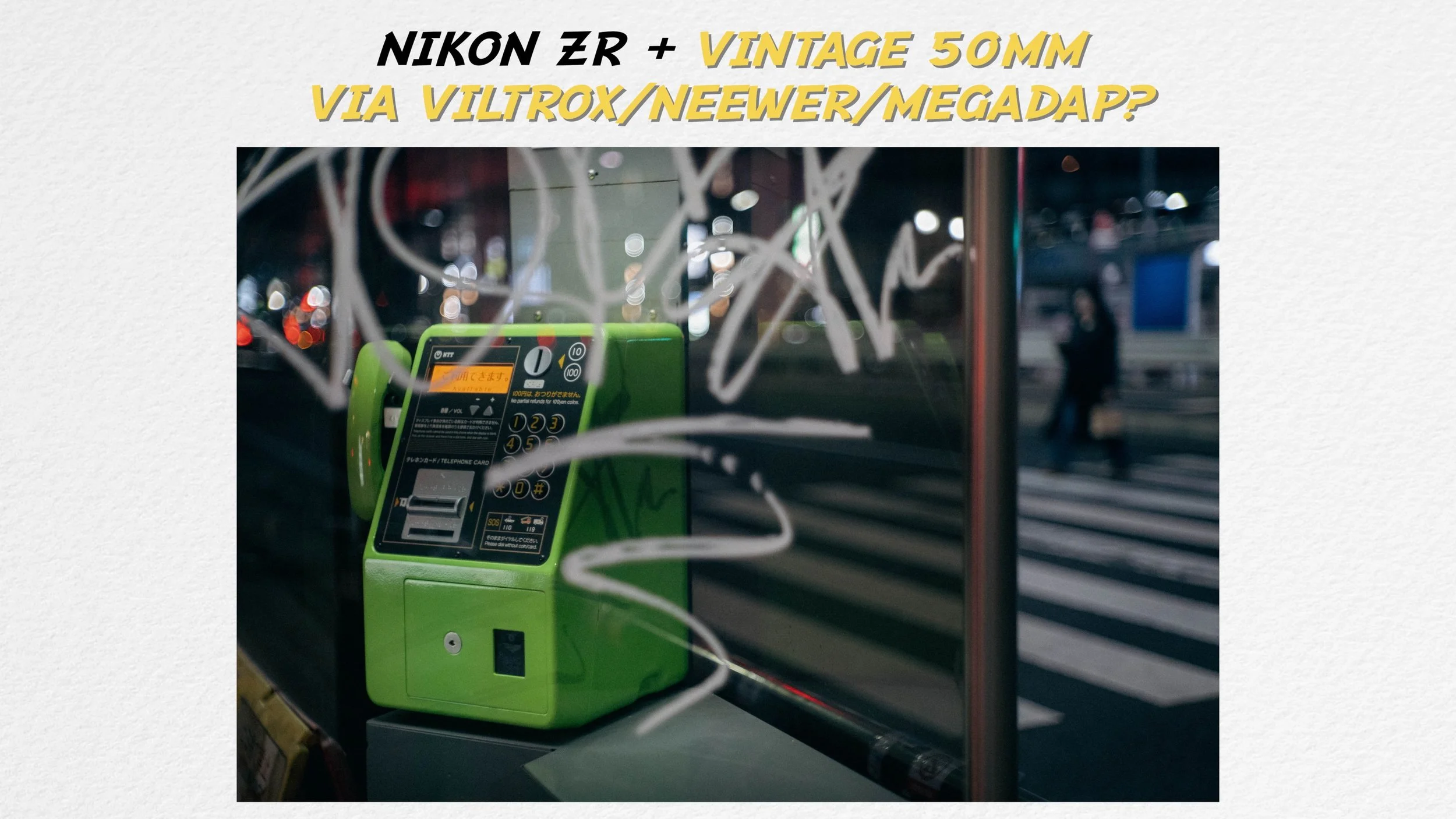
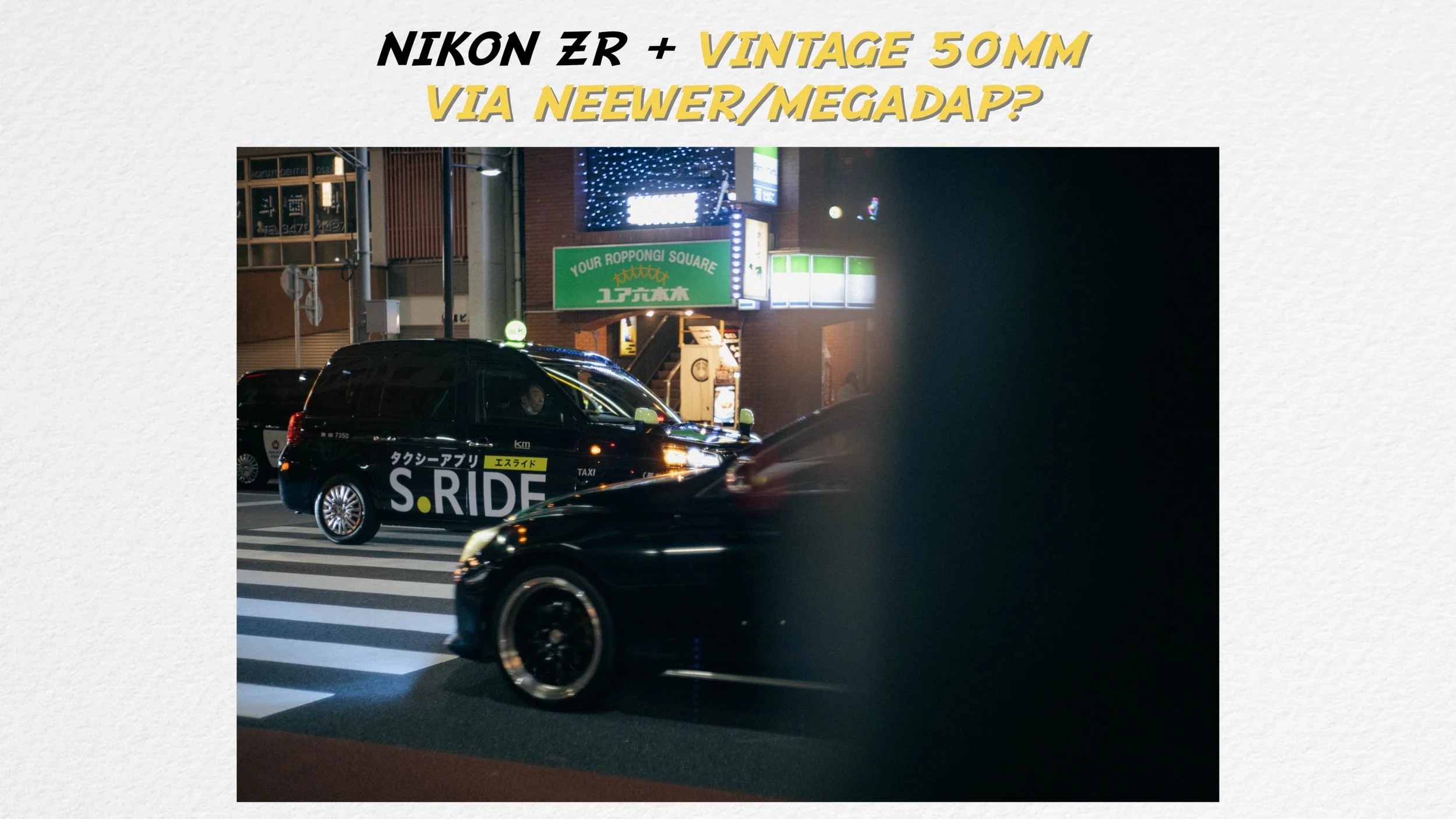
But rather than bring all of these smart adapters on my most Japan trip I only packed one. At least the E to Z mount adapters are so thin, stacking them and packing them doesn’t feel cumbersome, but don’t bother trying this on the Viltrox?
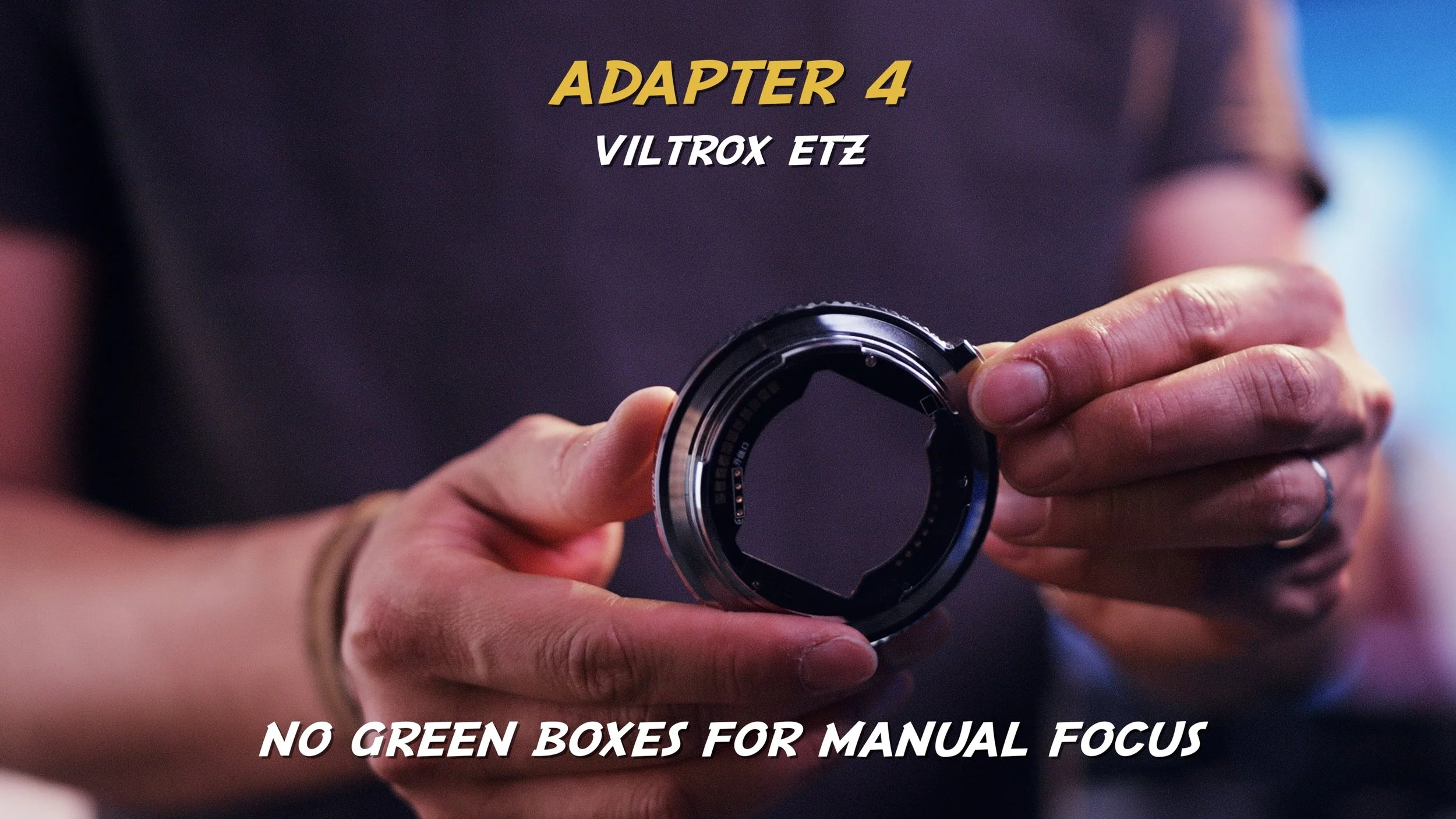
It’s designed purely as an autofocus adapter for chipped E-mount lenses, the cheapest adapter on the list today that’s great value. There are no green boxes for manual focus on the Viltrox, but on the Neewer and Megadap the green boxes light up when I nail focus hand held on my triple-adapted vintage 50. EXIF data and IBIS matter more for longer focal lengths and luckily you can set this manually on both the Neewer and Megadap.
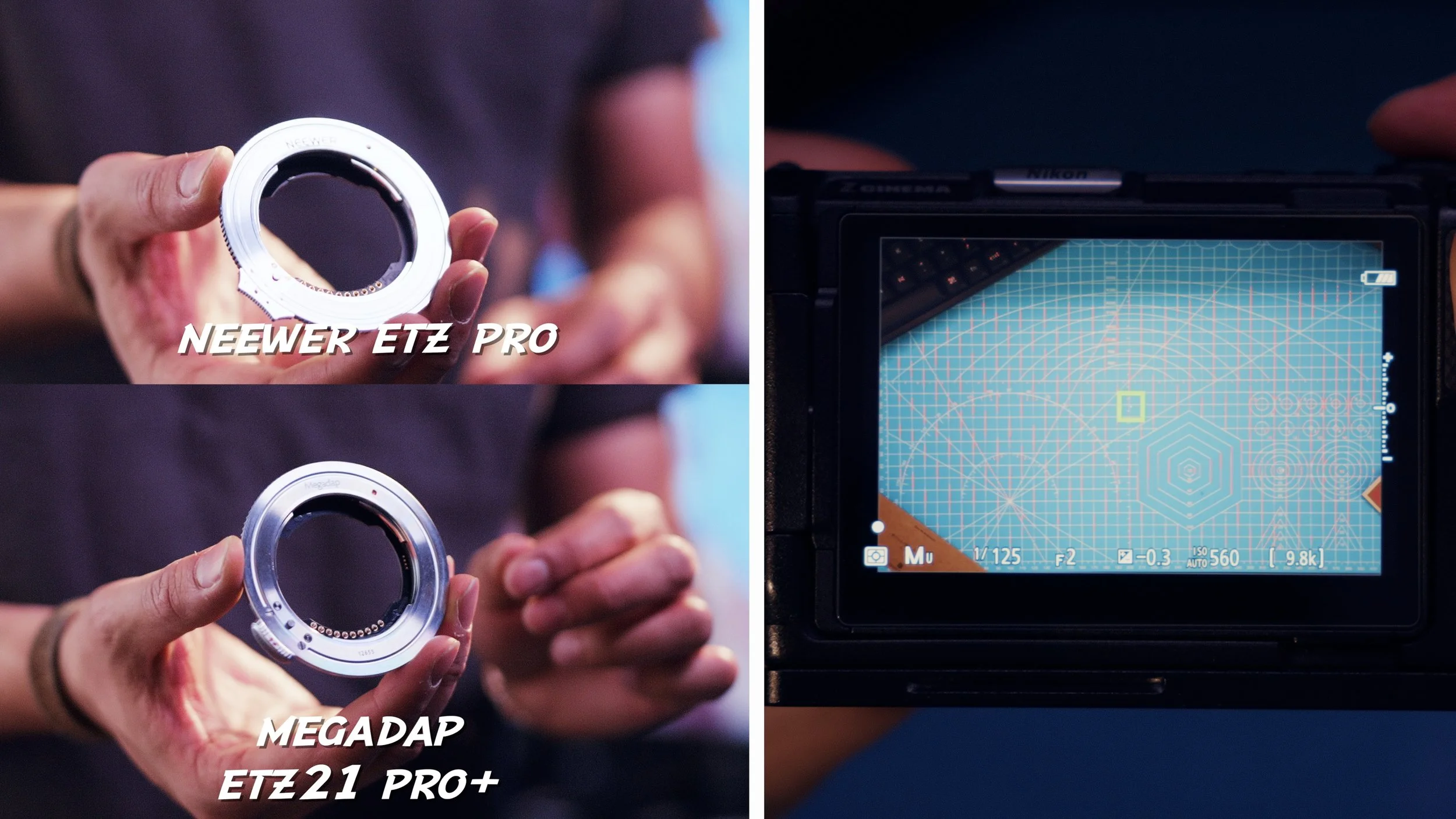
Don’t bother changing the Non-CPU lens menu - both adapters override it, on the Neewer you need to connect to your computer and edit a text file. Focal lengths, maximum aperture, save, reboot. Now the adapter will communicate that information to the camera. It’s slow, unfeasible in the field, Megadap has a quicker workaround.
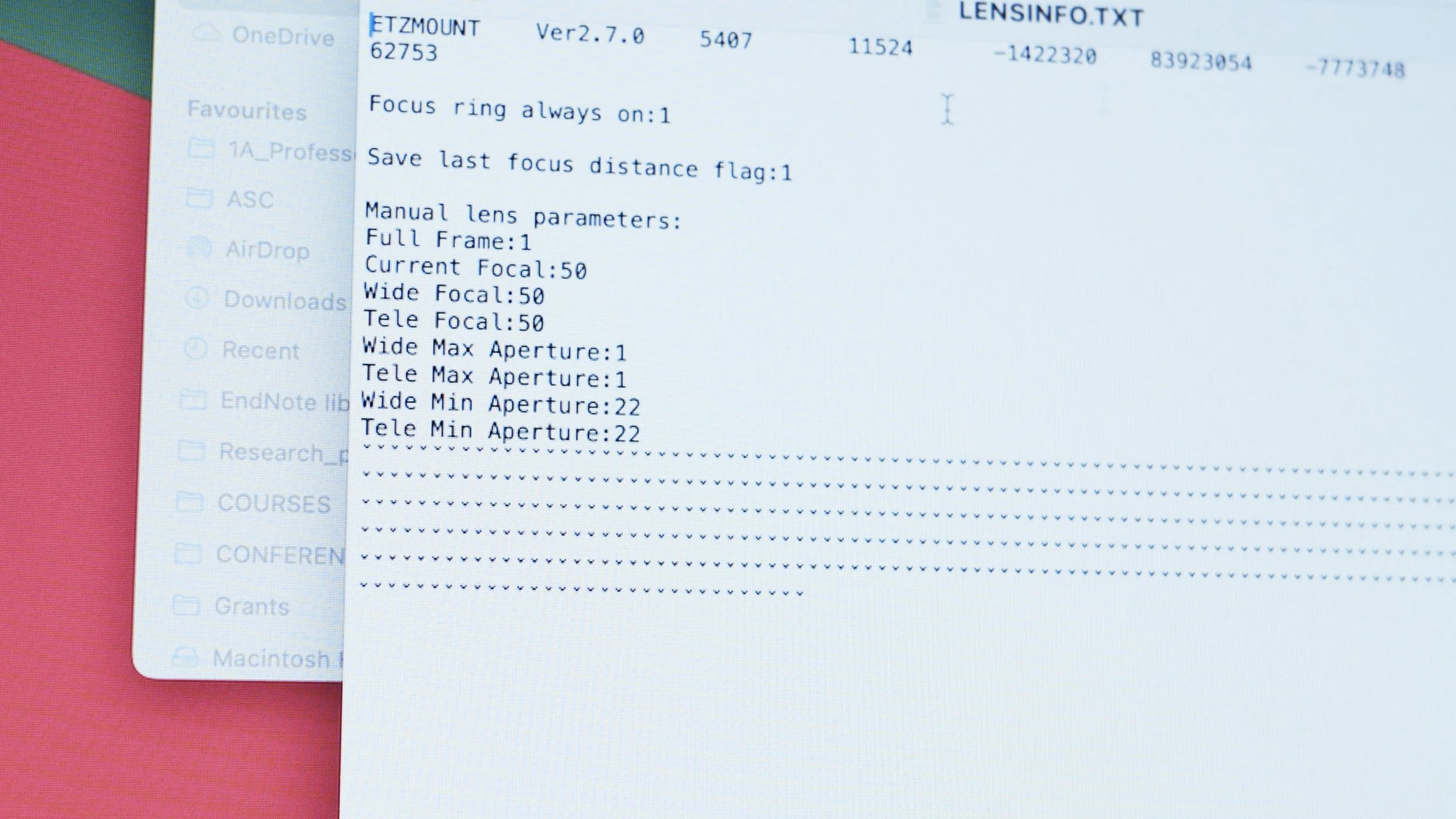
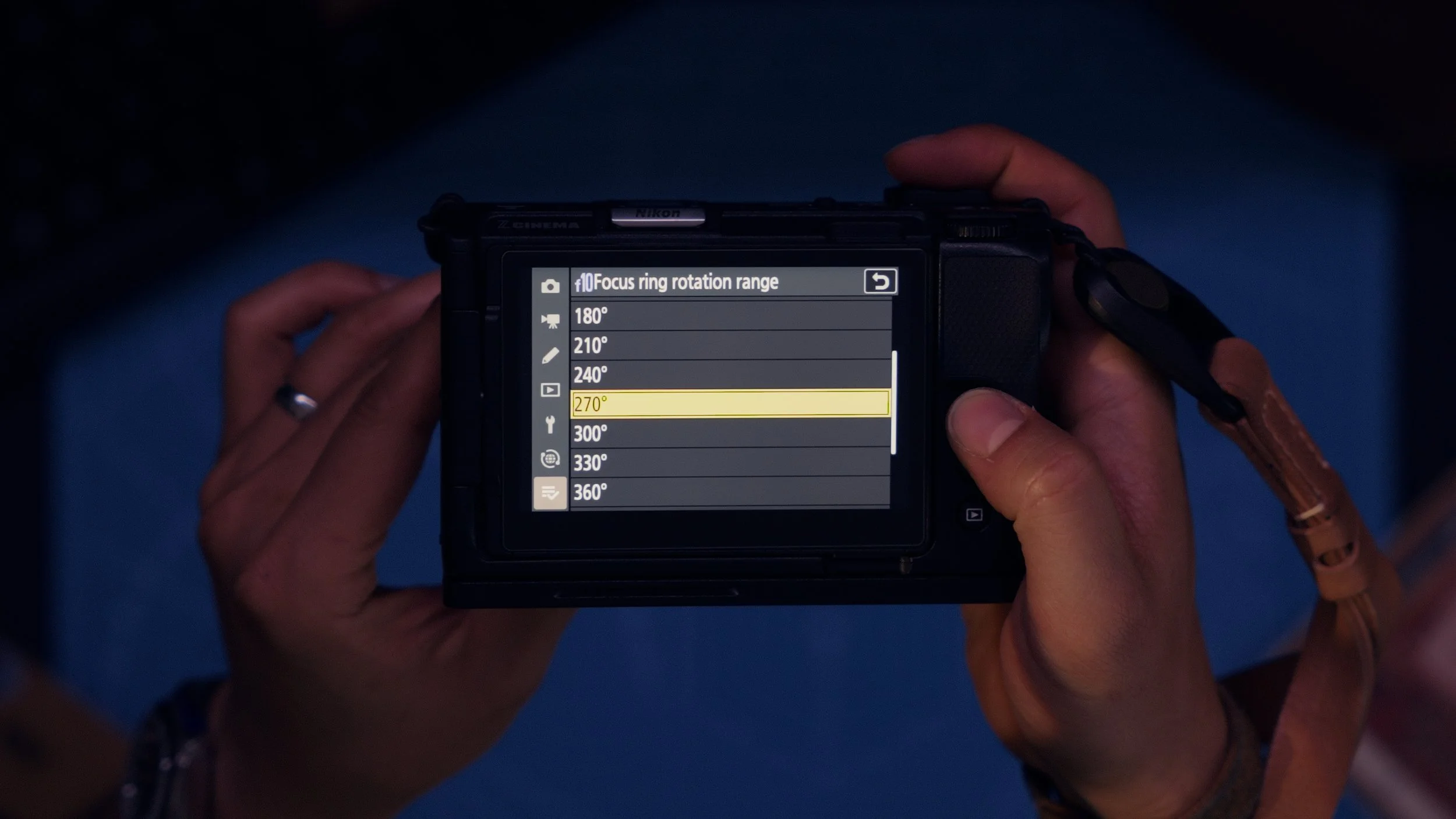
It remaps f10 - focus ring rotation range, so that different degrees of rotation correspond to different focal lengths. It’s good enough that the stabilisation works alongside the green box focus confirmation.
Out of these 3 smart autofocus adapters which would I recommend, and which did I bring to Japan to use with the ZR? The Neewer was my previous pick, it still stands if all you want is manual focus confirmation. If you have some E-mount glass AND some vintage lenses Megadap is the most expensive, but the most versatile and well-built.
It can’t autofocus F-mount AF-s lenses though, you’ll need an FTZii for that, but FTZii doesn’t work for my preferred F-mount glass.
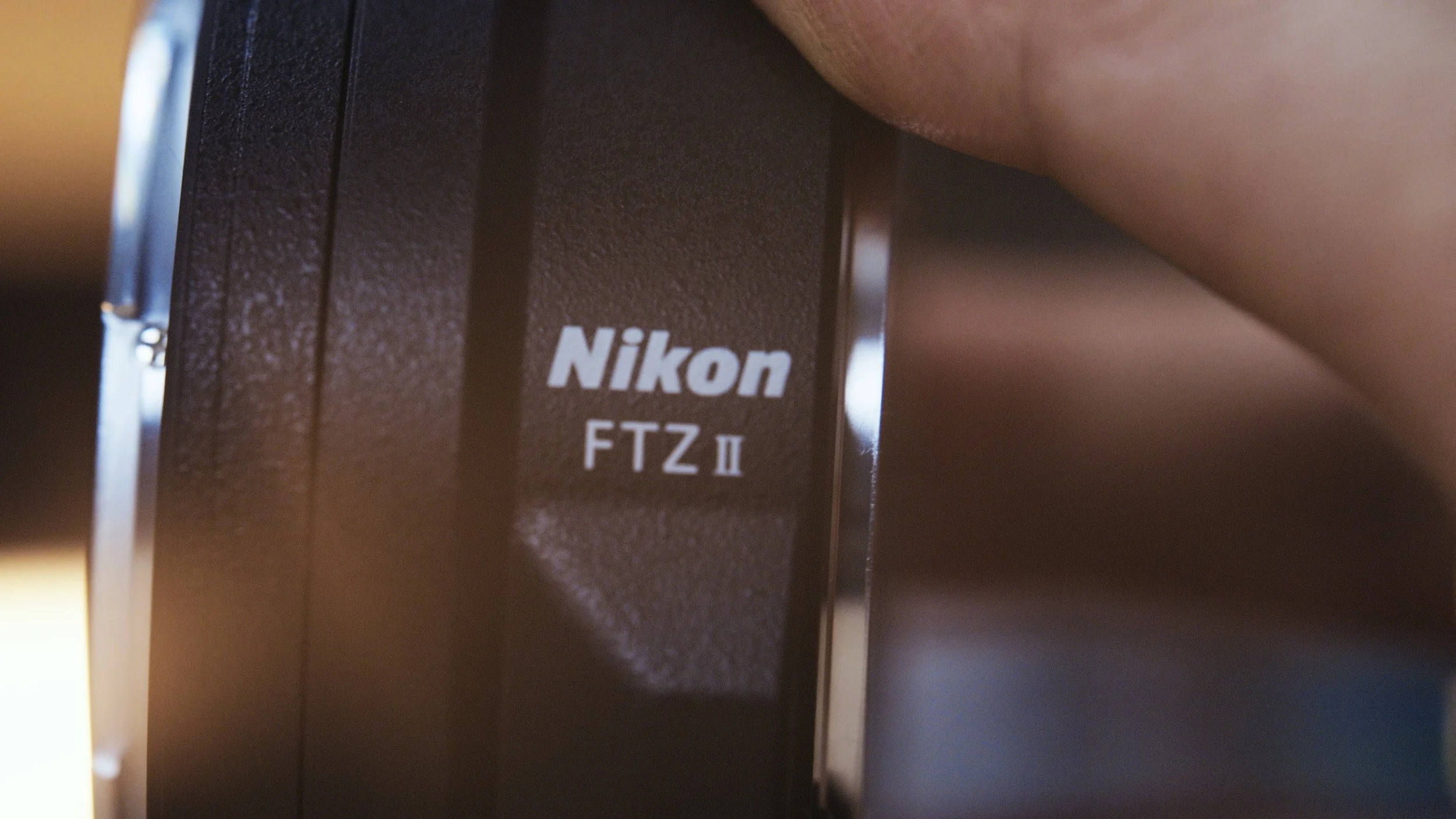
Screw drive lenses like the 35mm f2 or 50mm 1.4 AF-D, lightweight with aperture rings, on FTZii they’re limited to manual focus only. I could use them on the Techart to get some autofocus, but the last smart adapter - the one I’m trying to track down in Tokyo should work better…
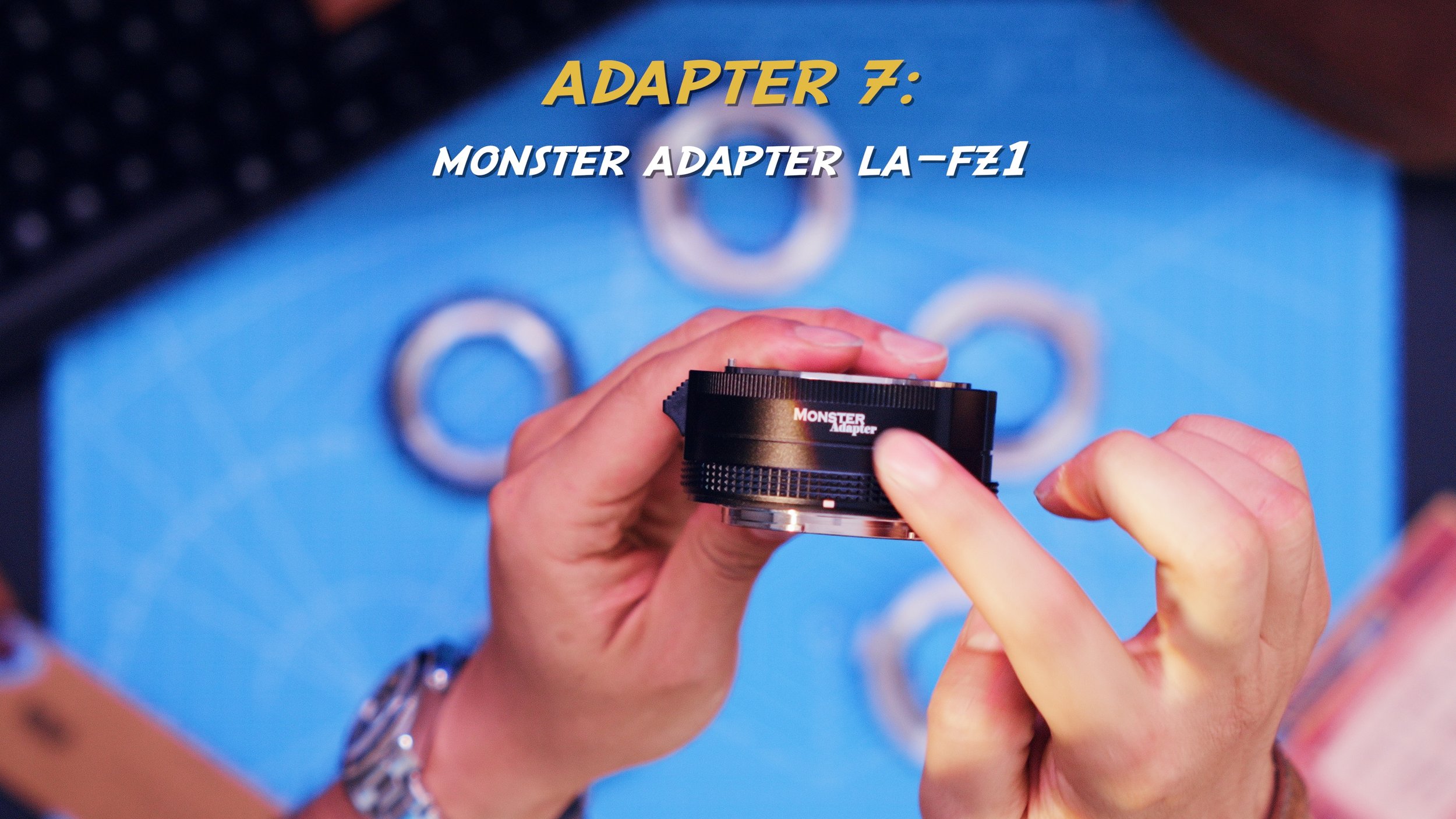
Monster Adapter’s LA-FZ1 (Adapter 7) has two motors.
One for screw drive autofocus, the other for aperture control, but it’s out of stock on their own website. So all I could do is bring the Megadap to Japan, at least there’s green box focus confirmation with vintage lenses I find on the trip.
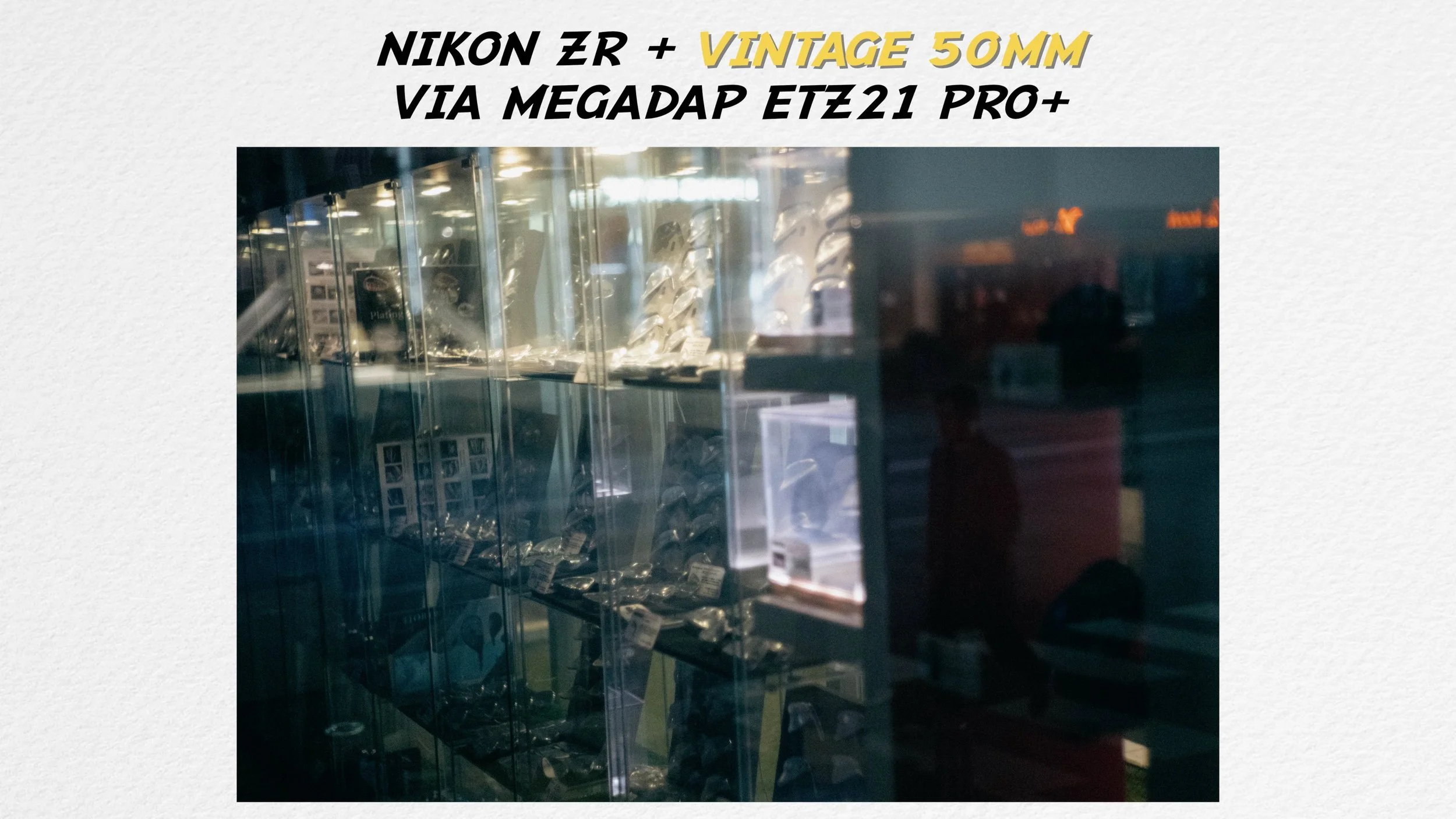
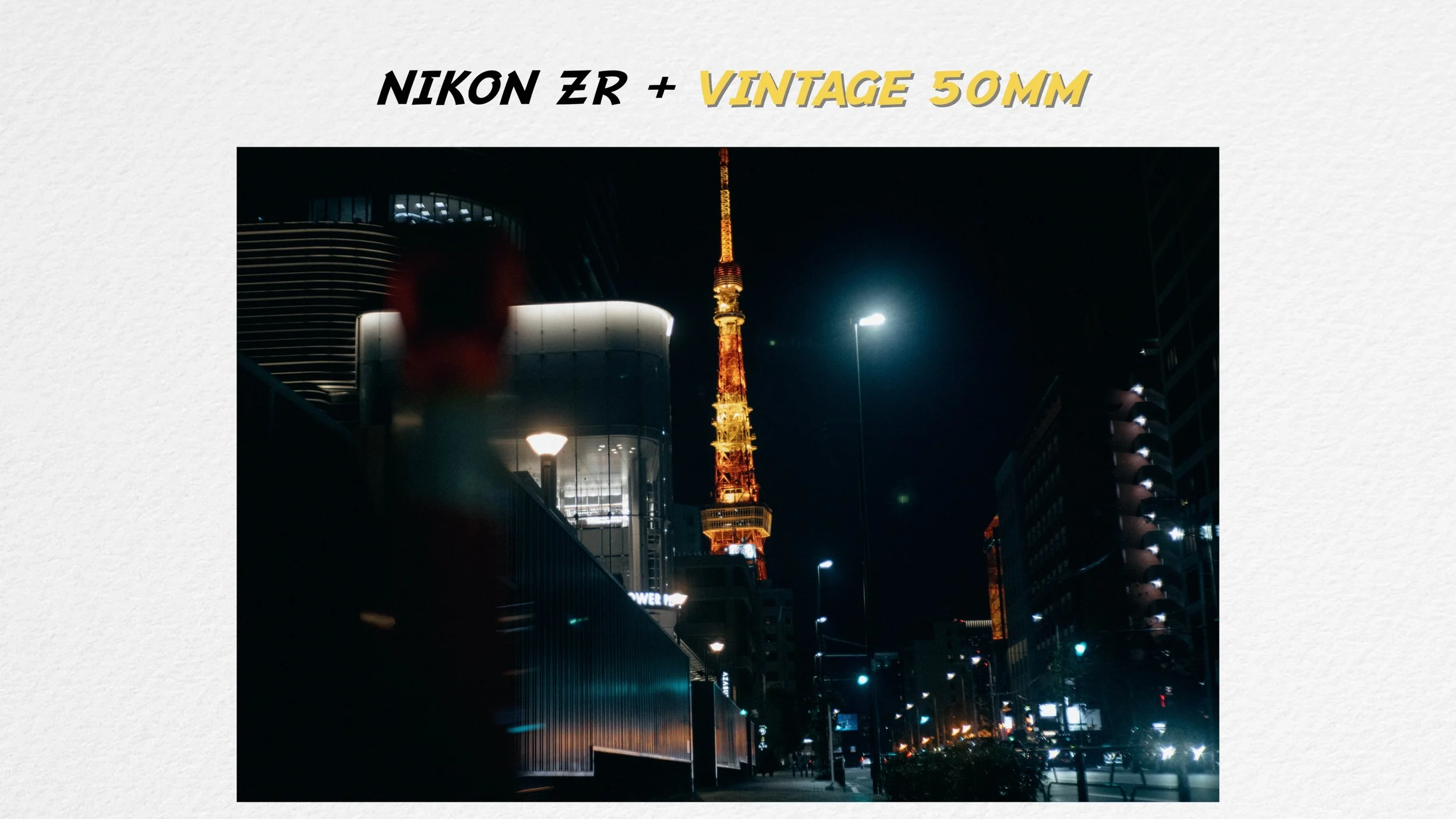
You don’t always need green boxes, a clear view is fine, but that’s hard to do on this vintage 50mm. Oodles of glow, a classic look, I’ll take any focus assist tool to get the shot because I only had 1 night to capture Tokyo tower.
***
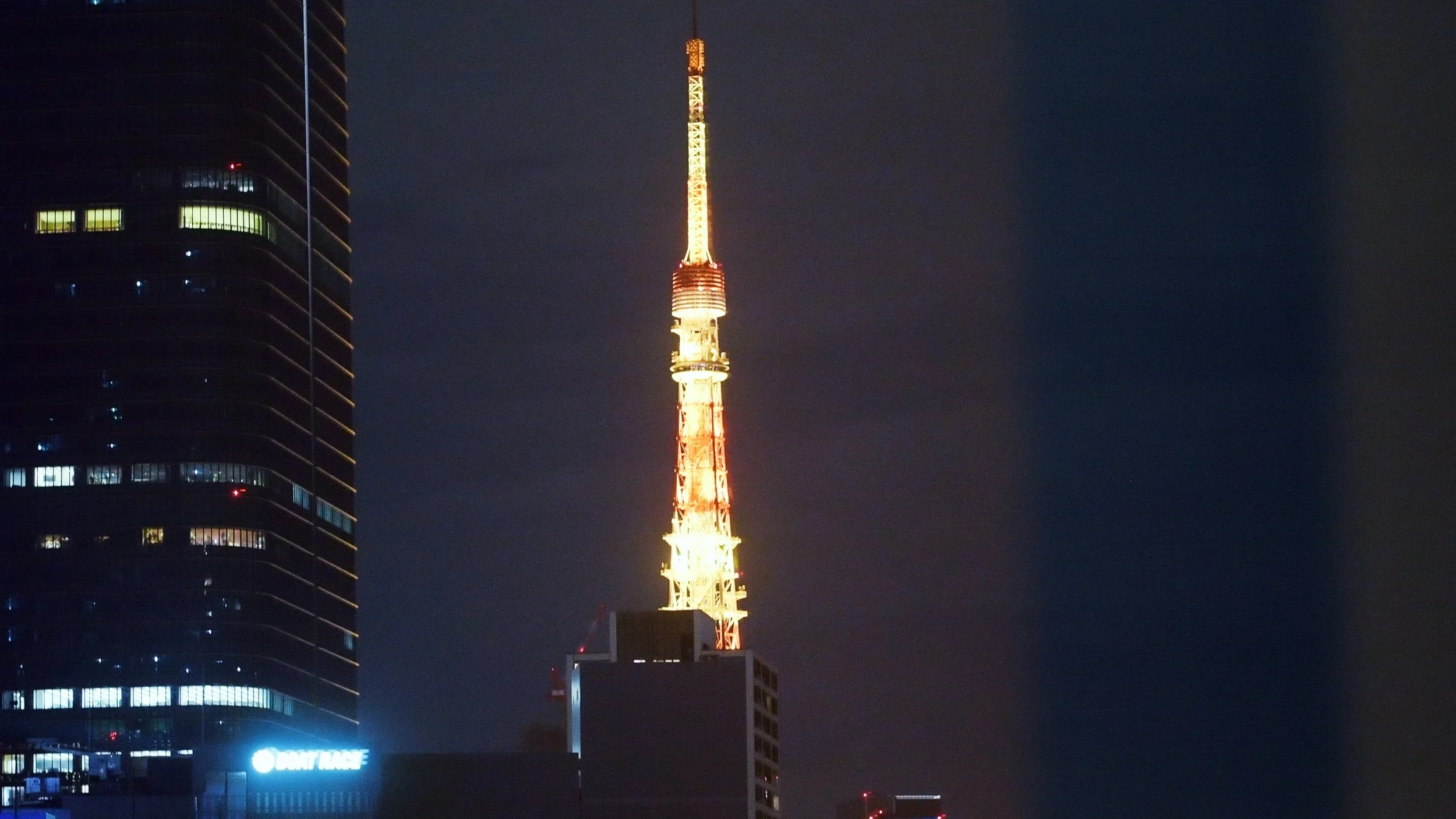
Tokyo Tower is the symbol of Japan’s post World War 2 recovery.
But at the time the camera industry was a mess.
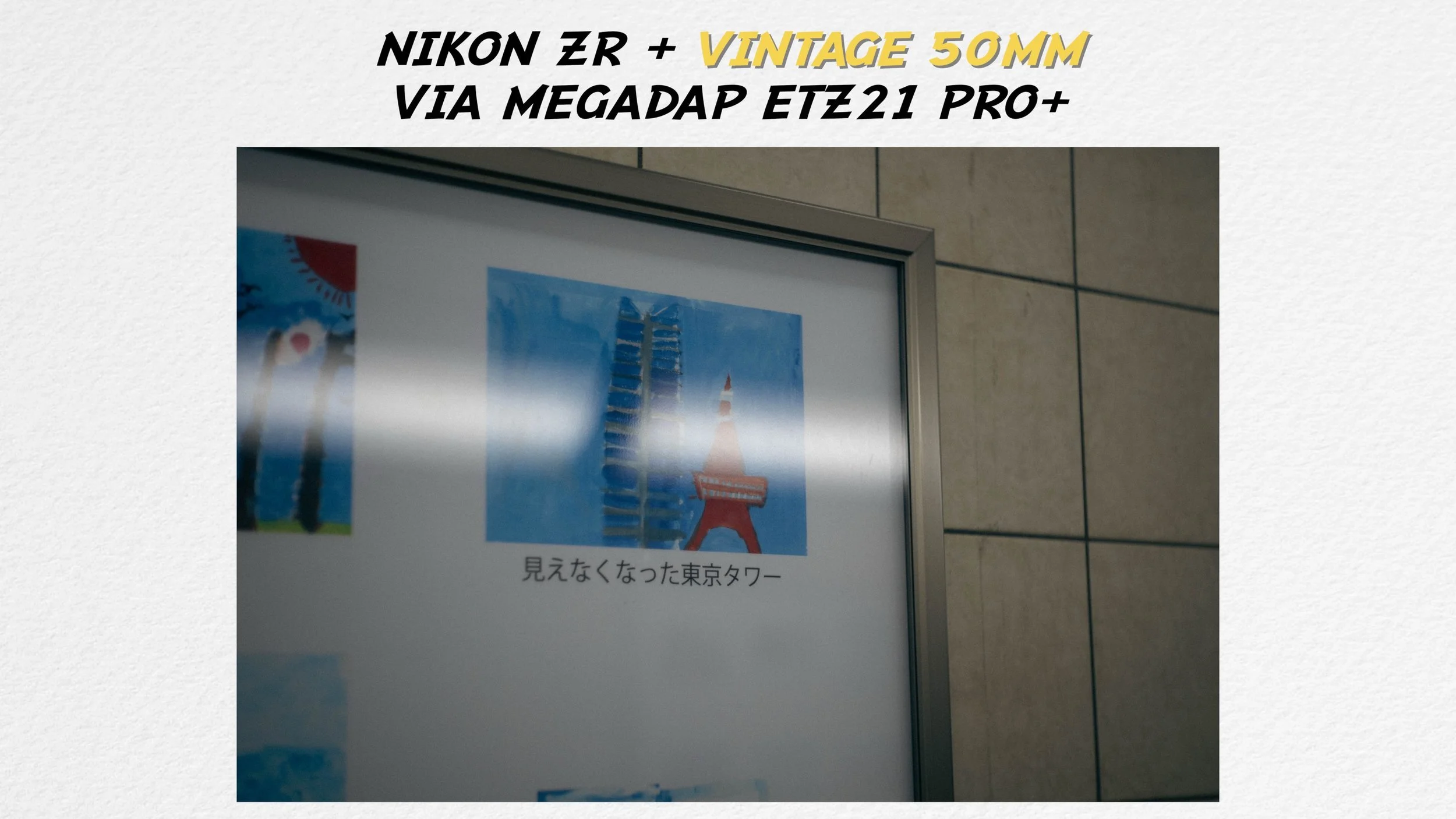
Pivots are hard, no-one knew what to make, or had enough resources to make it.
Canon even had to sell their flagship post war rangefinders with Nikkor lenses.
The 50mm I’m using here, like the Japanese summicron from Canon, shouldn’t exist, but Saburo Murakami was obsessed.
Determined to pivot Nippon Kogaku away from their military roots, Murakami san designed 6 new lenses in 4 years.
The first? The 5cm f3.5 - the one Nikon made for Canon up until 1948.
But what put them on the map was a different 50mm.
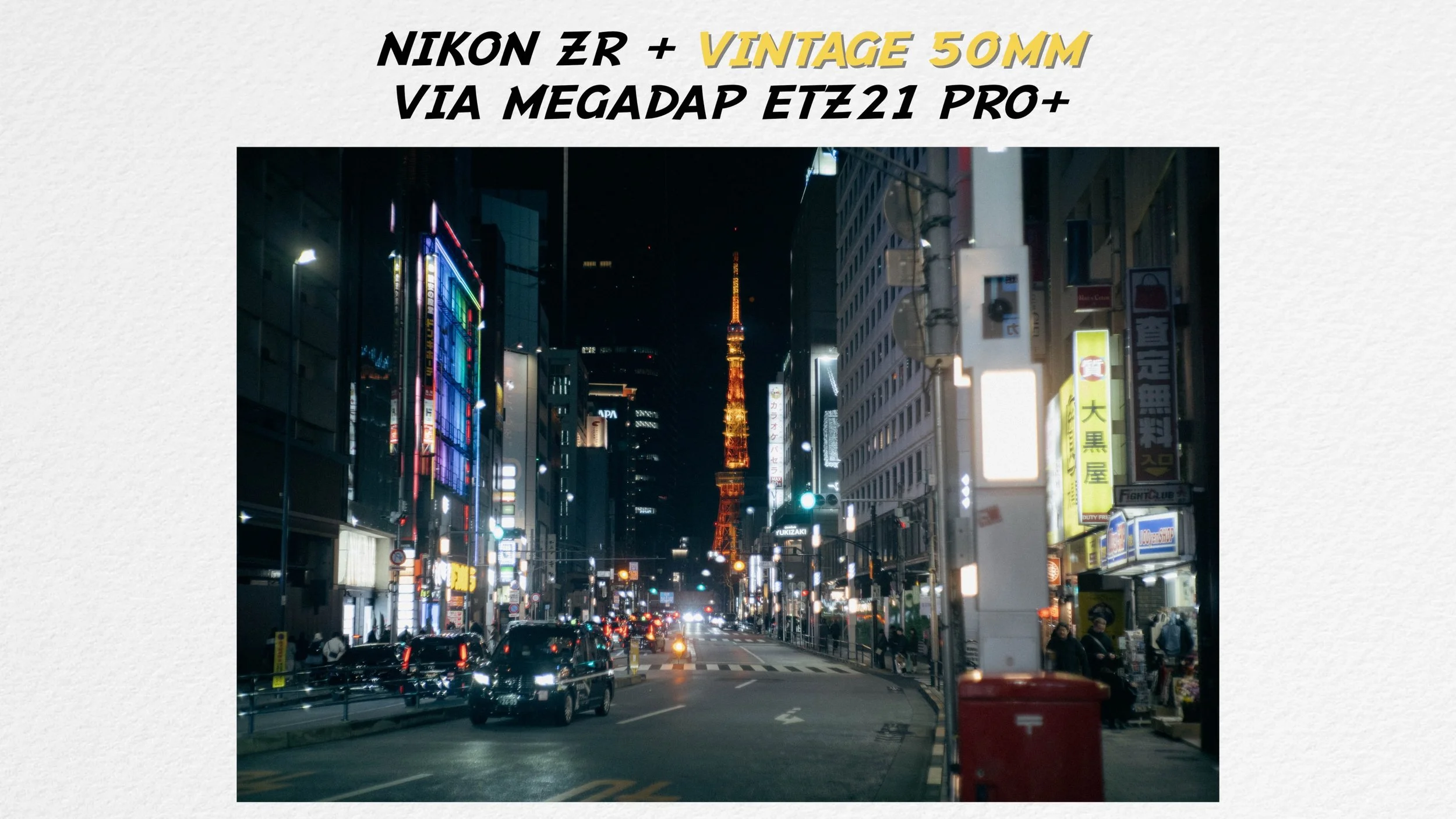
There’s glow but still enough contrast for a unique straight out of camera look.
To go from periscopes and binoculars to tiny jewel-like lenses
Murakami san persisted through lost blueprints, plant fires, ever-depleting stocks of glass.
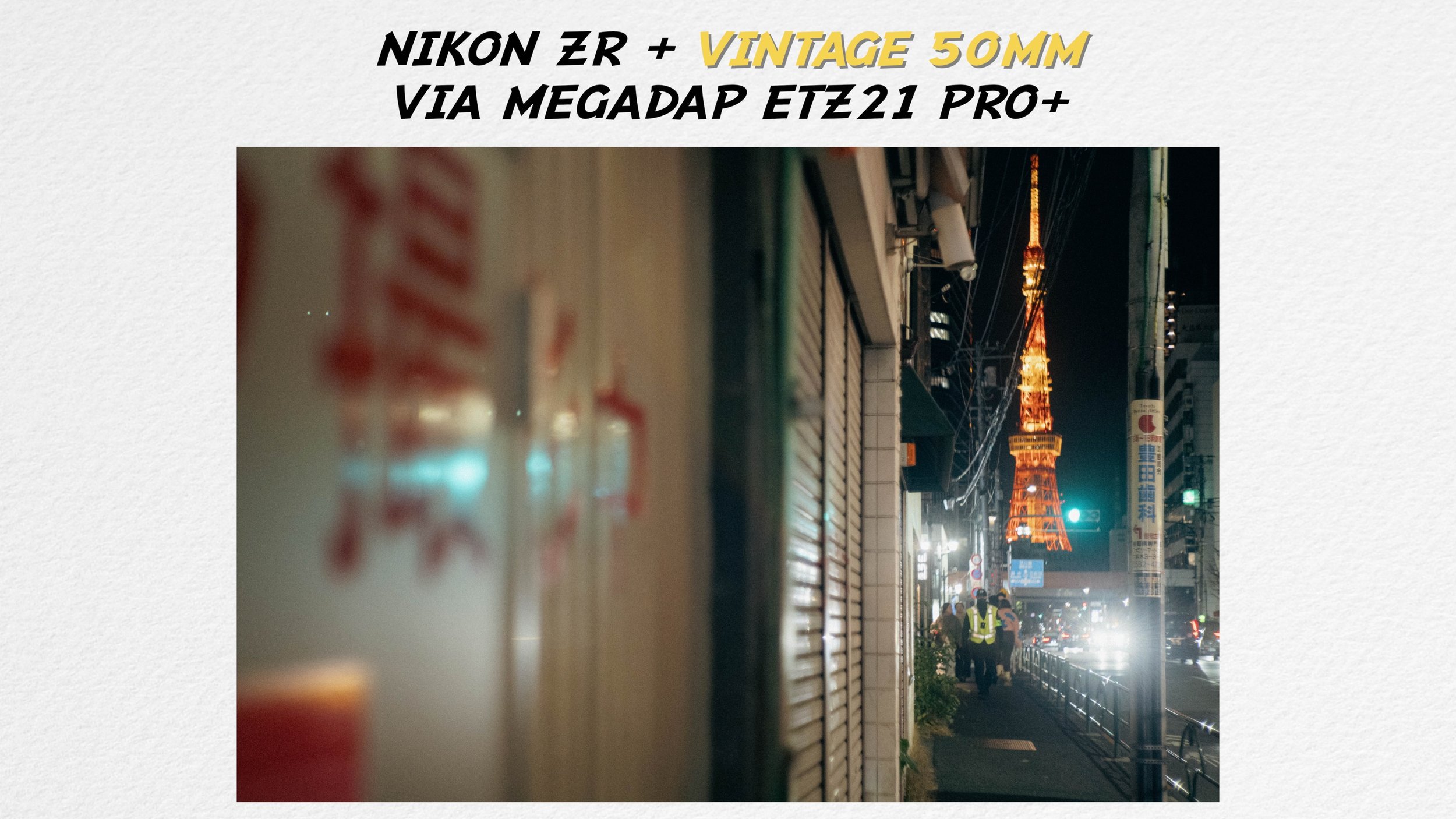
In a doomed race, Nikon competed with grace.
Until this 5cm f2 was made.
Initially just in Leica Thread Mount, eventually in S-mount when Nikon made their own rangefinders.
The 5cm f2 and its siblings catalysed Nikon’s rebirth.
The stories are why I love vintage glass.
***
ZR for Photo?
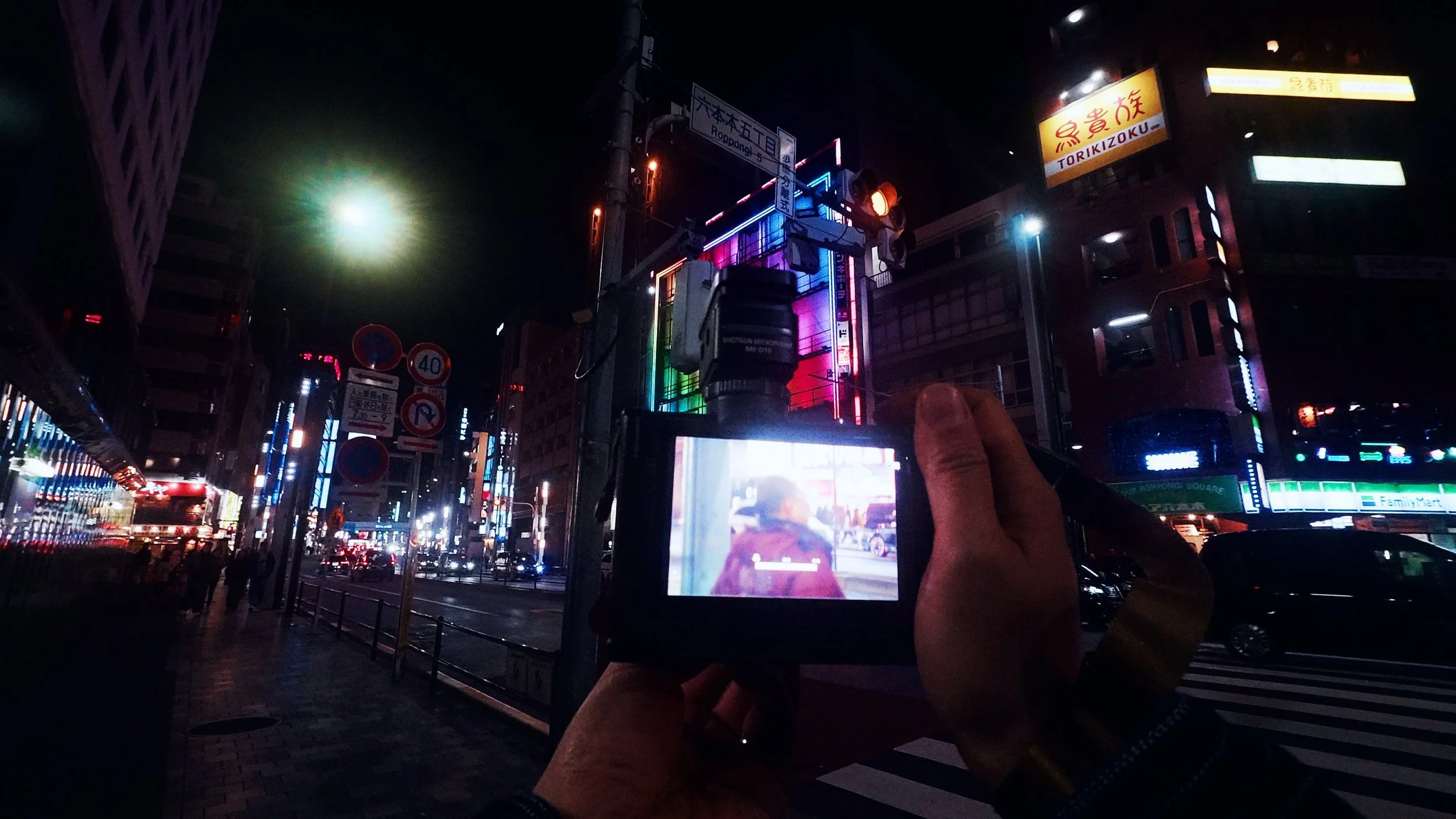
The ZR may be Nikon’s rebirth for this generation, their first mini cinema camera in collaboration with RED. Its video-first form factor doesn’t negate its use for photo, how did it handle the ambient lights of Tokyo?
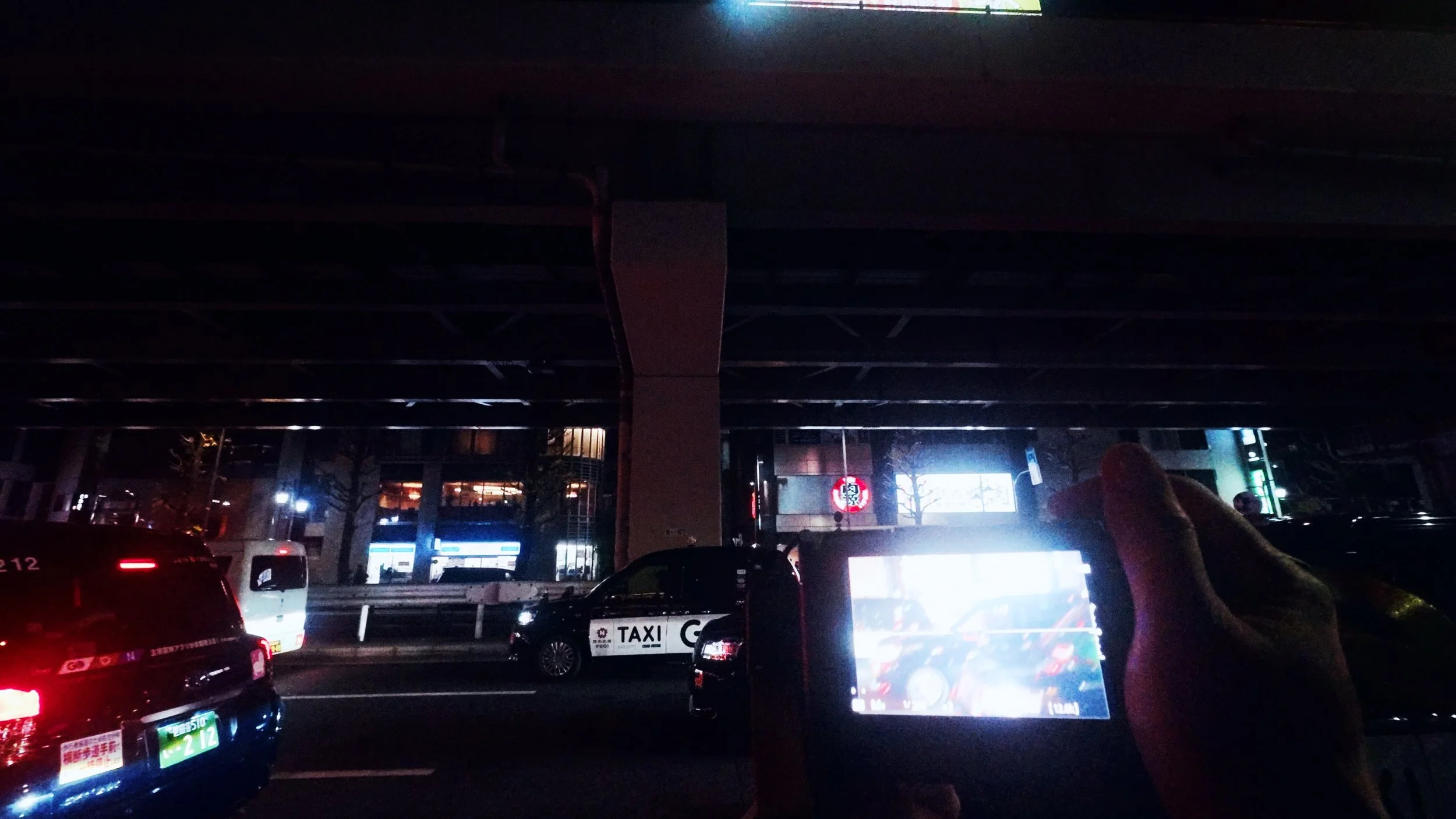
That massive screen is no joke - even without the green boxes and focus assist tools I was never that far off. It helps my working distance tended to be the same across the street for a while, up close for a while, I’m not pulling focus from near to far every time. The zoom rocker is so conveniently located - with Megadap the arrows and dot are still visible after punching in. Those two features alone make the ZR a unique photo experience.
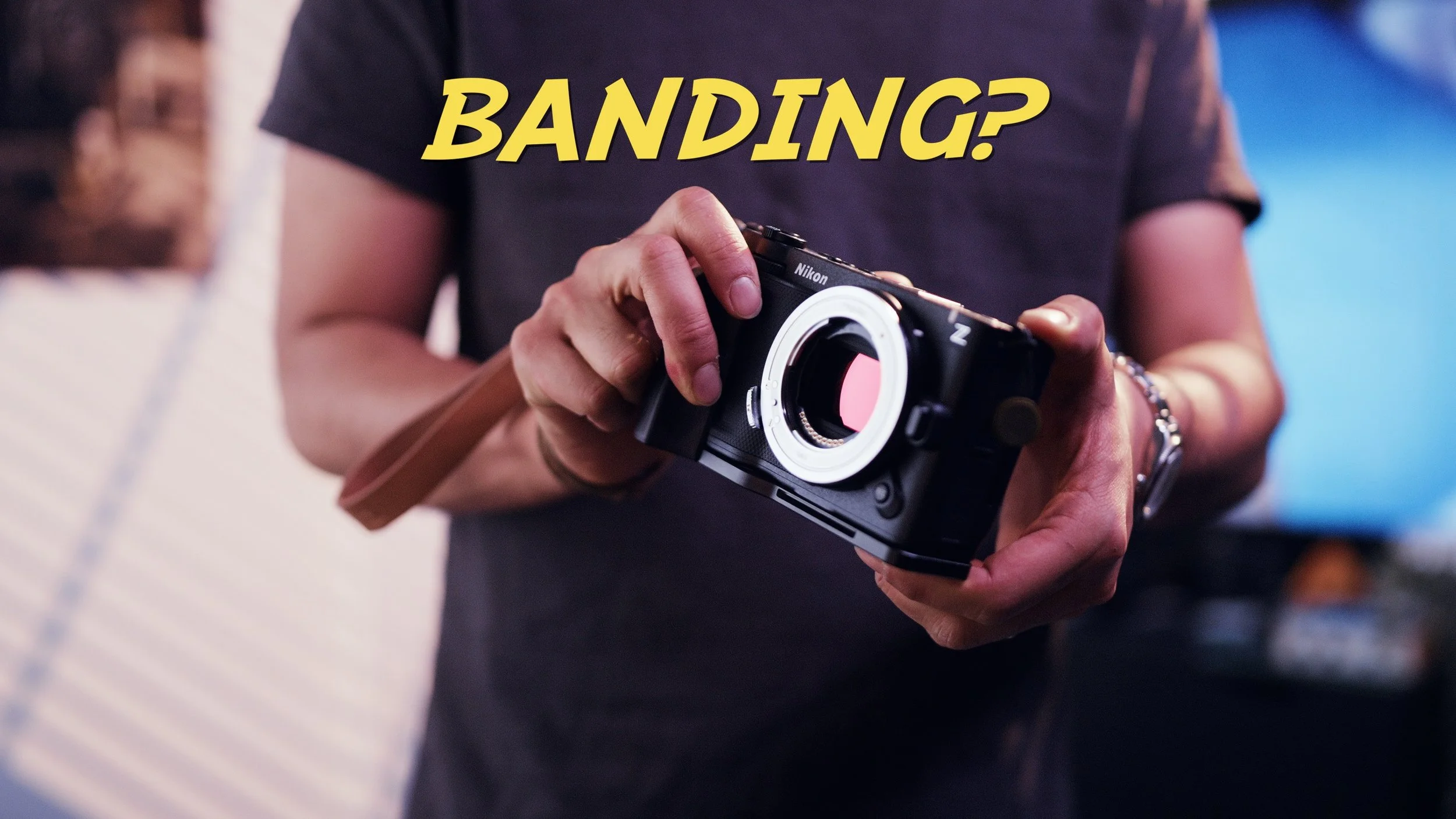
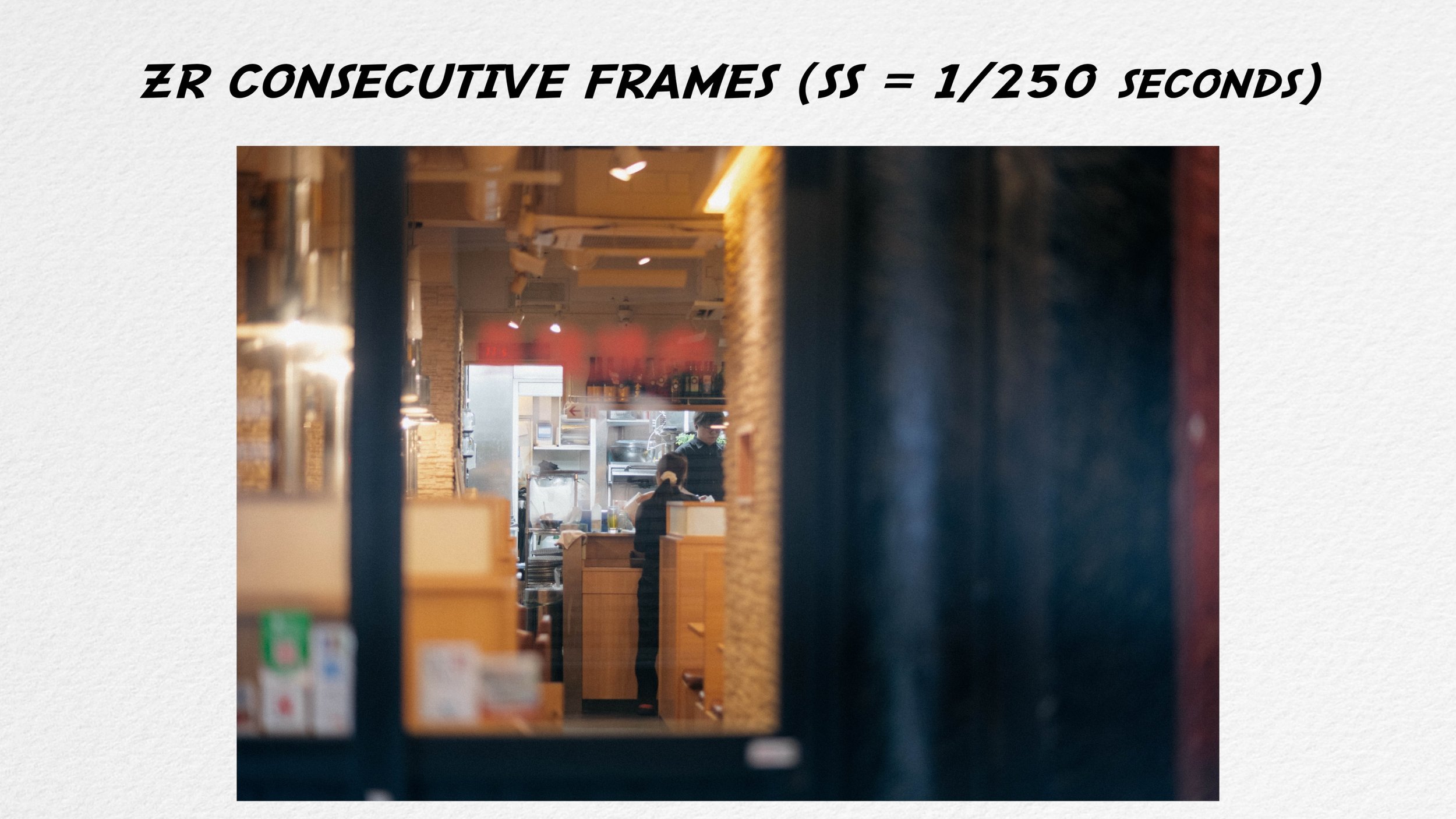
Did I run into banding with the electronic only shutter? Yes, I get cleaner results with the mechanical shutter on the ZF, but given how fast the partially stacked sensor is, any banding is thick, it doesn’t always ruin the shot. It’s safer to shoot in manual mode at night keep sync the shutter speed to 1/100th with the frequencies in Tokyo.
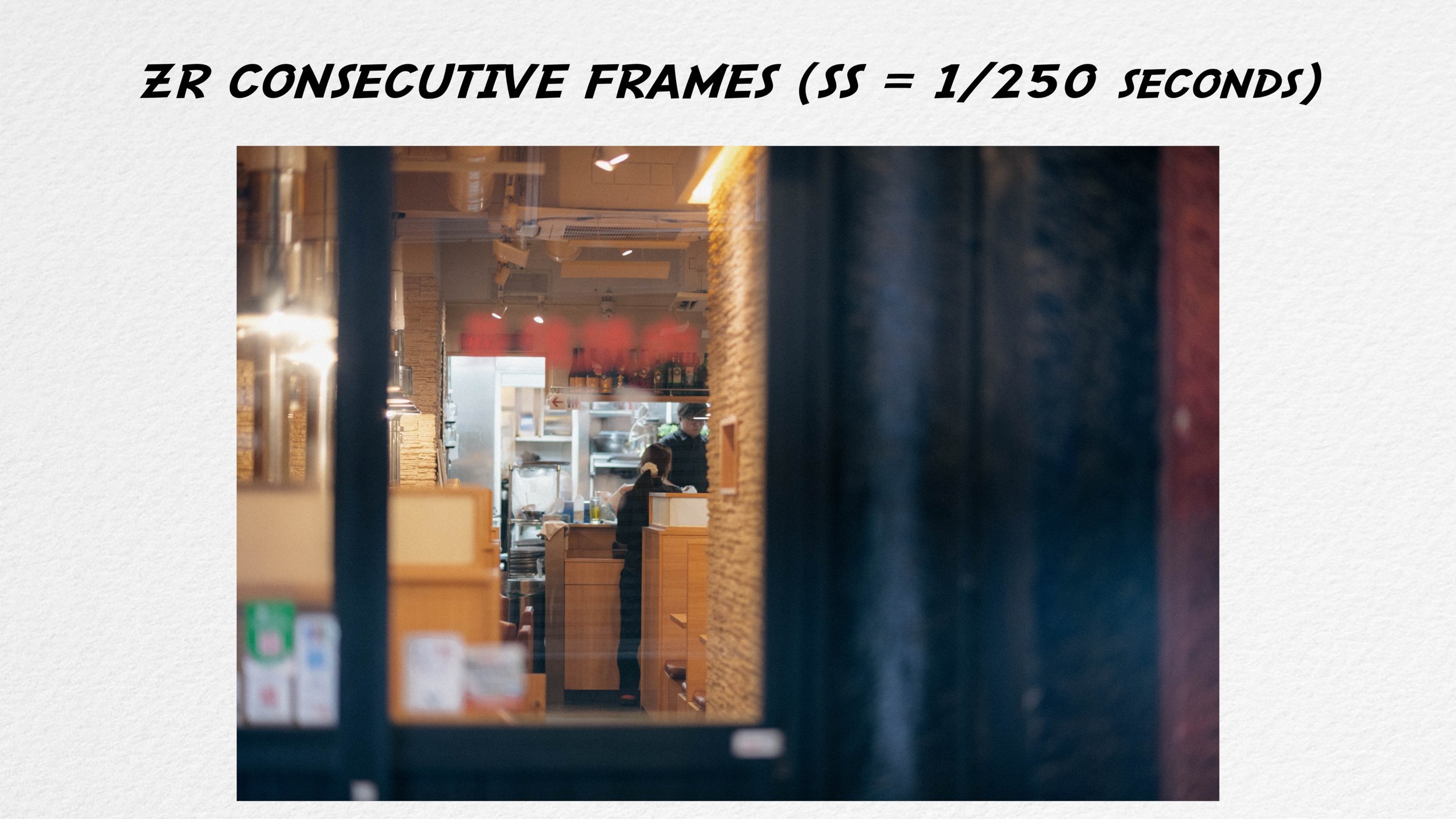
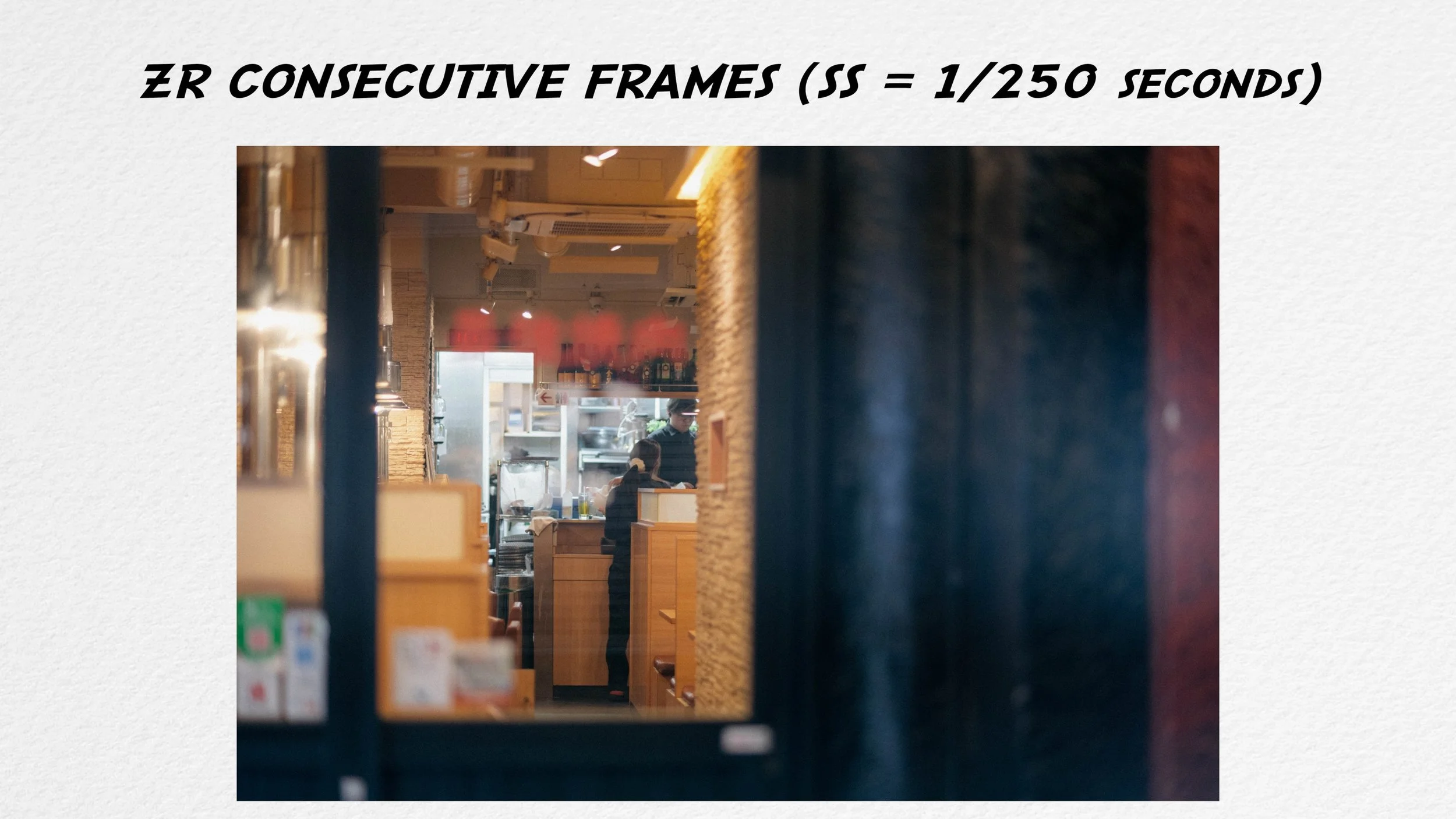
The combination of the black ZR with a thin black M to E K&F concept adapter, the silver Megadap adapter, matches my black and chrome 5cm f2 Nikkor perfectly.
I found it in Kitamura Camera. An amazing used selection, including a dedicated Nikkor LTM section in their beautiful Shinjuku headquarters.
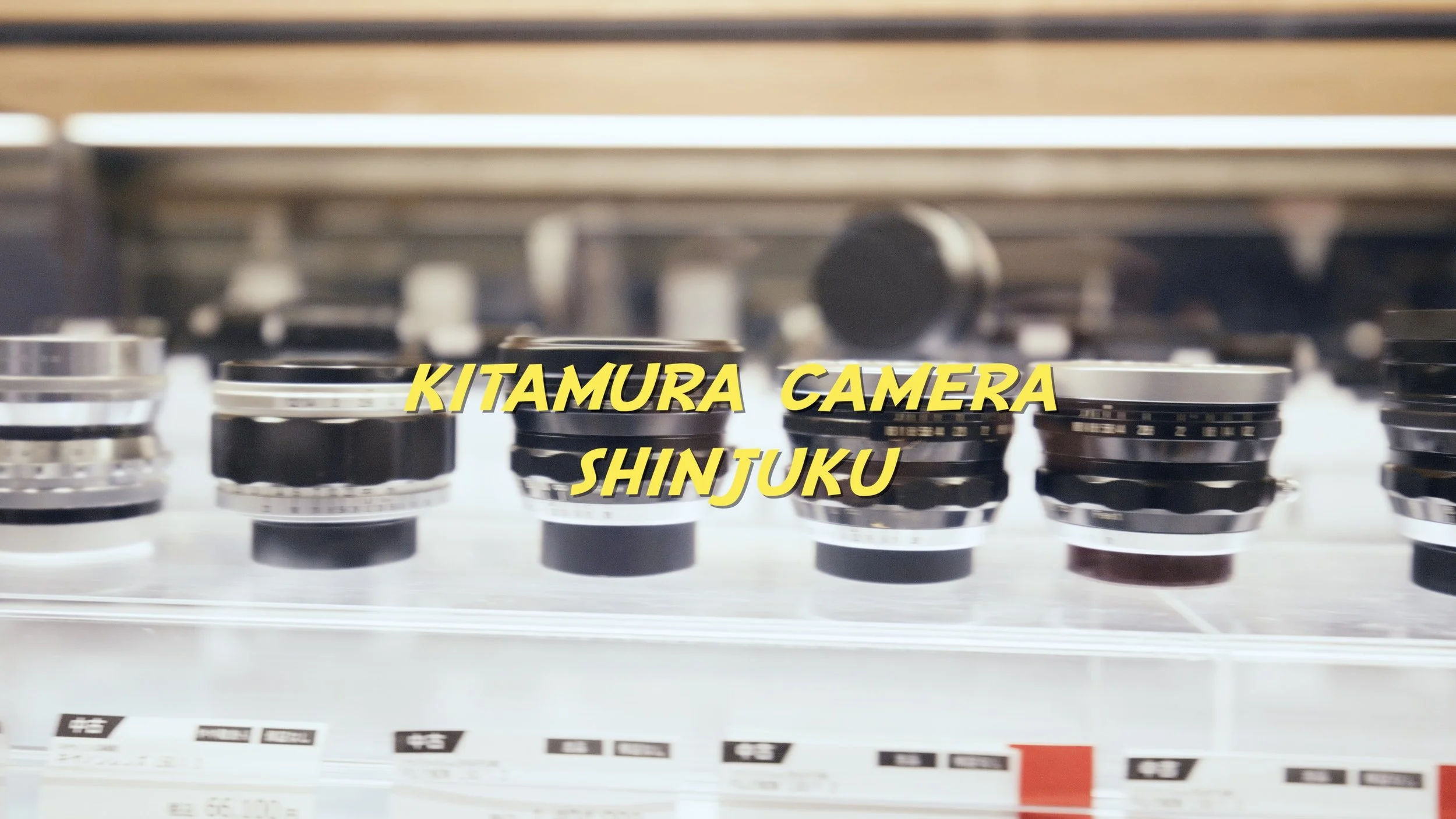
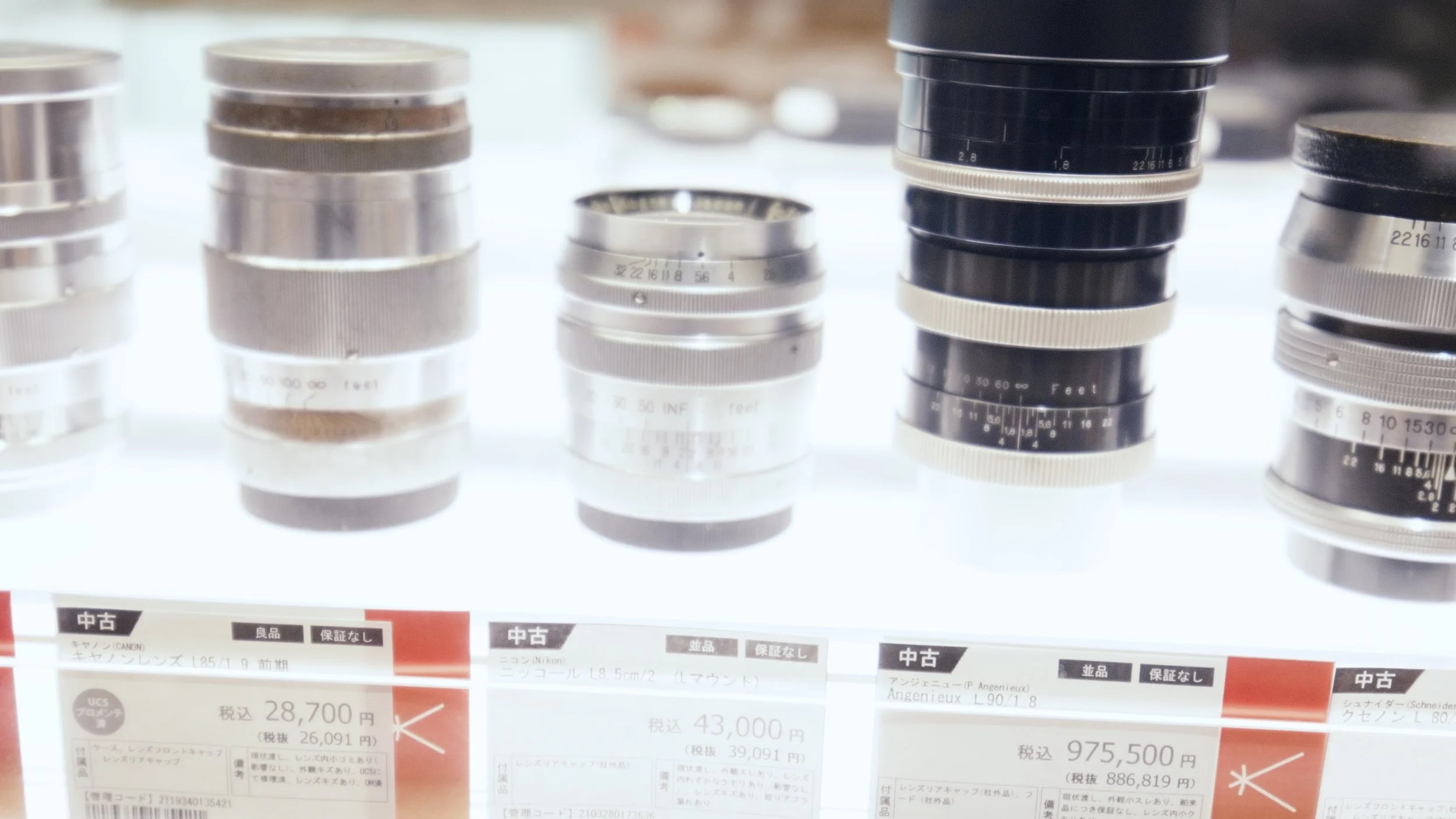
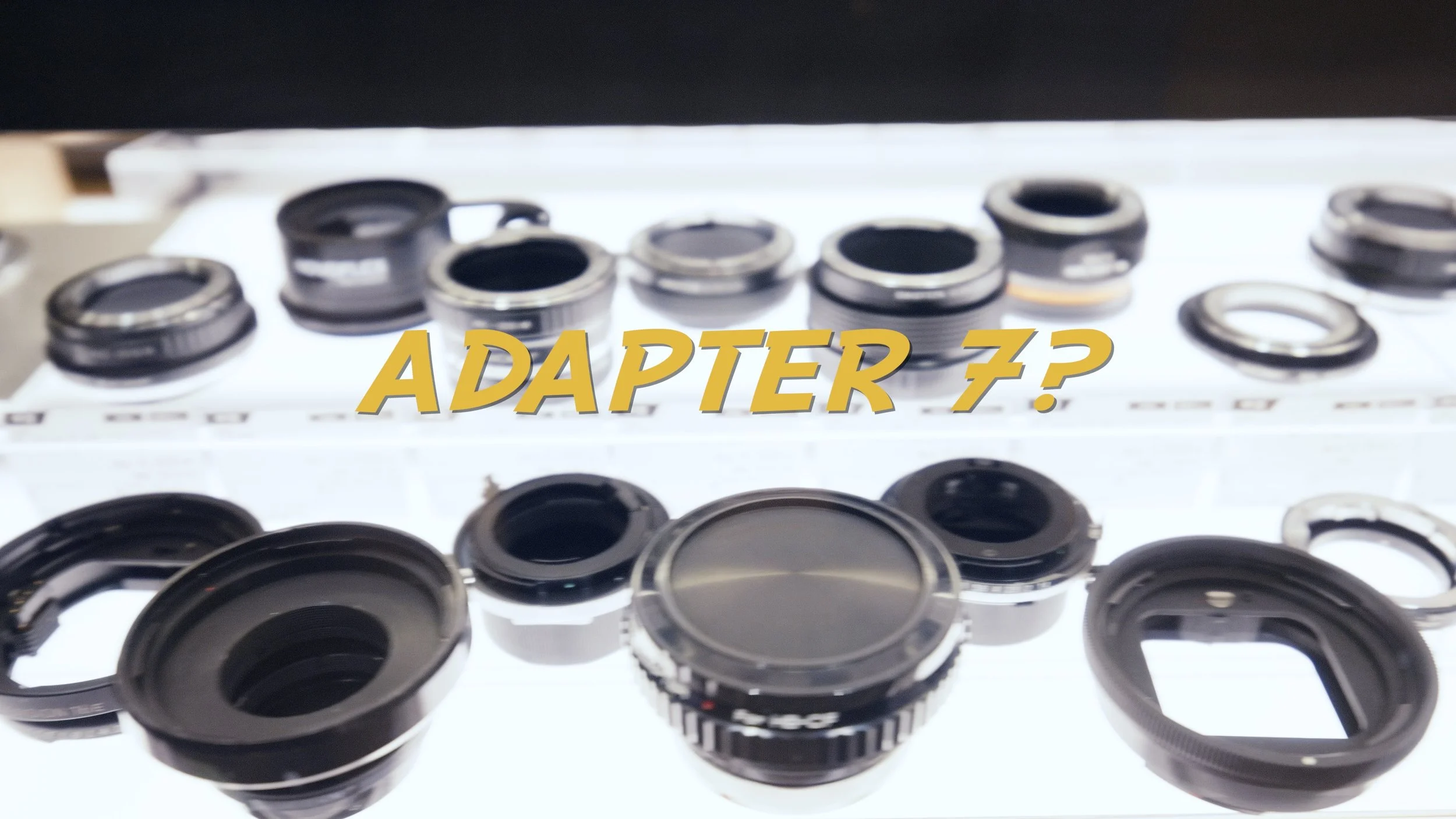
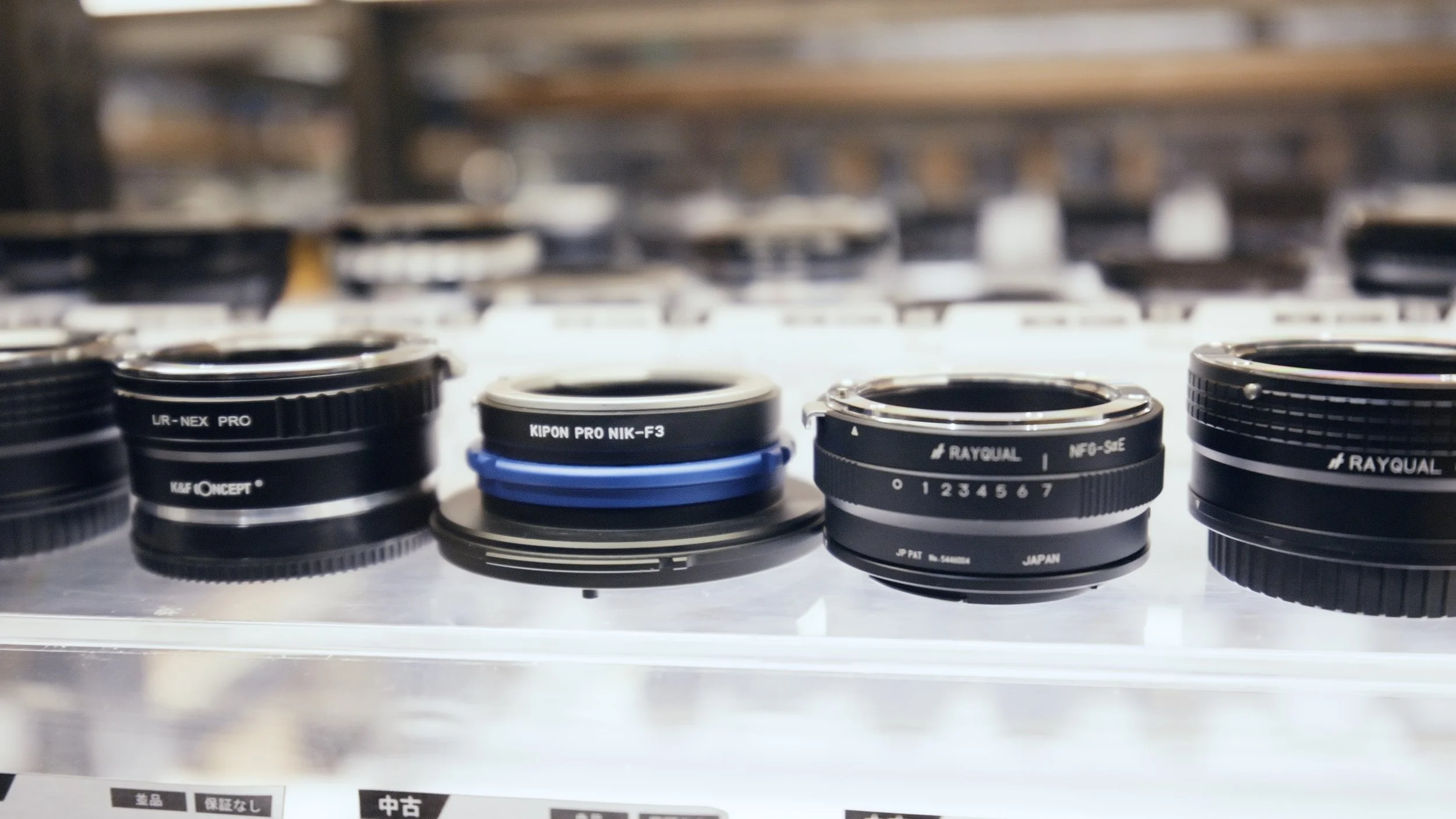
I got distracted by the 8.5cm f2 - another historically significant Nikkor - but it wasn’t in the right condition. Disappointment continued - even in this enormous wall of adapters there was no MonsterAdapter.
I went to the other side of Shinjuku to see the other branch of Kitamura (no luck), but mercifully it was right next to Map Camera.
I had a look at the Leica selection on B1 before moving to the floor for Nikkors. A ton of used D850s, older Z6s and Z7s, then the sales person told me the news I needed to hear.
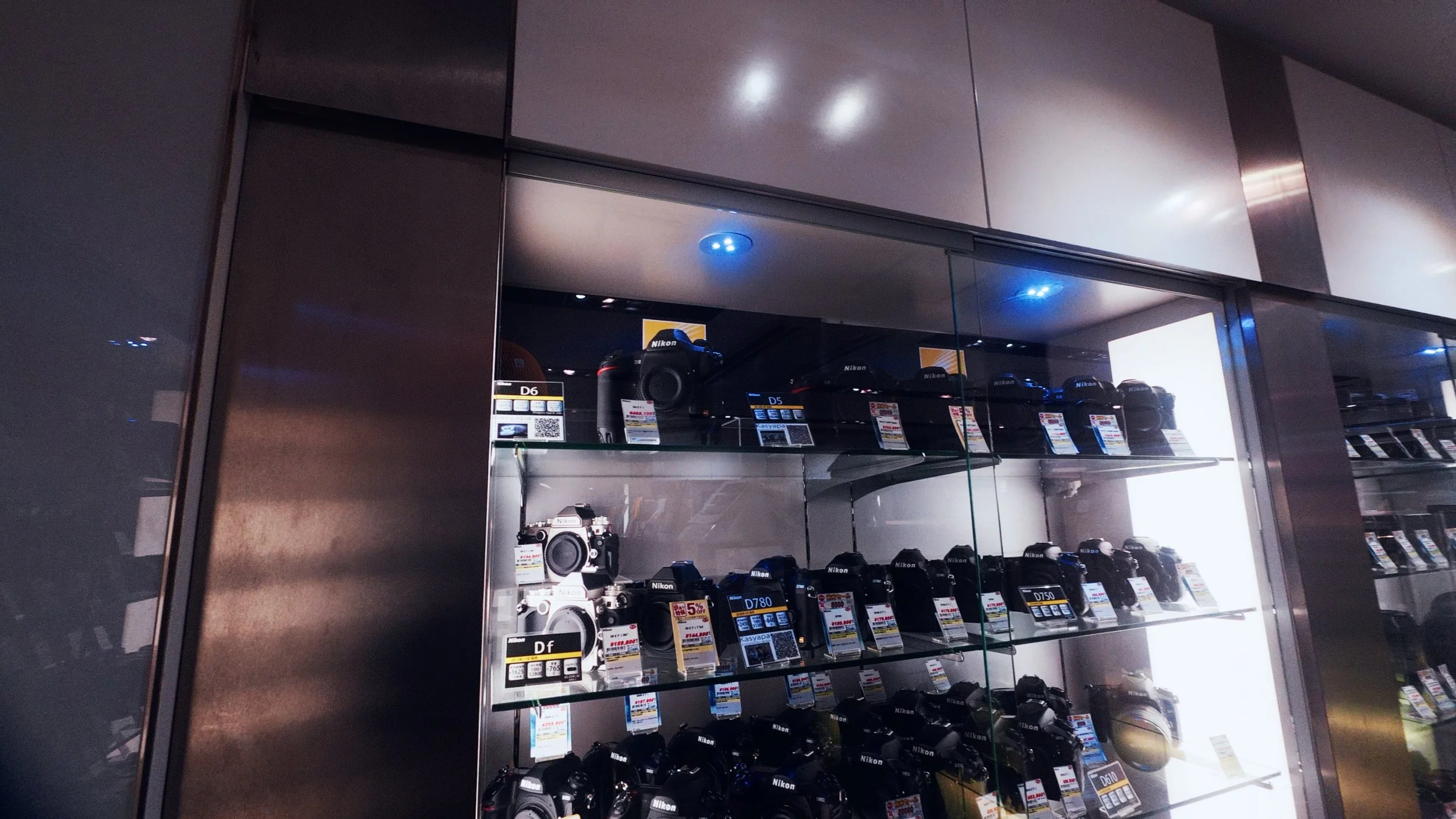
There it was, at last:
7. MonsterAdapter LA-FZ1.
All that was left was a quick 20 minute trip to Fujiya camera in Nakano, to find the lens to test it with.
All the sample images in this blog post were edited from RAW files using my free Chrome emulation preset. They work with most RAW files from different cameras as long as you use “Adobe Color” as the starting base.
Download it for free here.
If you’d like to support my work please consider purchasing gear through my affiliate links:
Nikon ZR: https://geni.us/KH4uMvX
Nikon ZR wooden grip: https://geni.us/C6foew
Voigtlander 35mm f2 APO II Z: https://geni.us/M3dbAQP
Voigtlander M to Z Close Focus: https://geni.us/03OWz
TTArtisan M to Z 6 bit: https://geni.us/iJcRak
Techart TZM02: https://geni.us/nEMa
Viltrox ETZ: https://geni.us/wArDh4
Neewer ETZPro: discontinued, try on eBay?
Megadap ETZ21 Pro +: https://geni.us/QMBRsh
MonsterAdapter LAFZ1: https://geni.us/1AyzeLd
Wotancraft leather pilot slings: https://geni.us/m210n
Wotancraft leather pouches: https://geni.us/vzyZHq
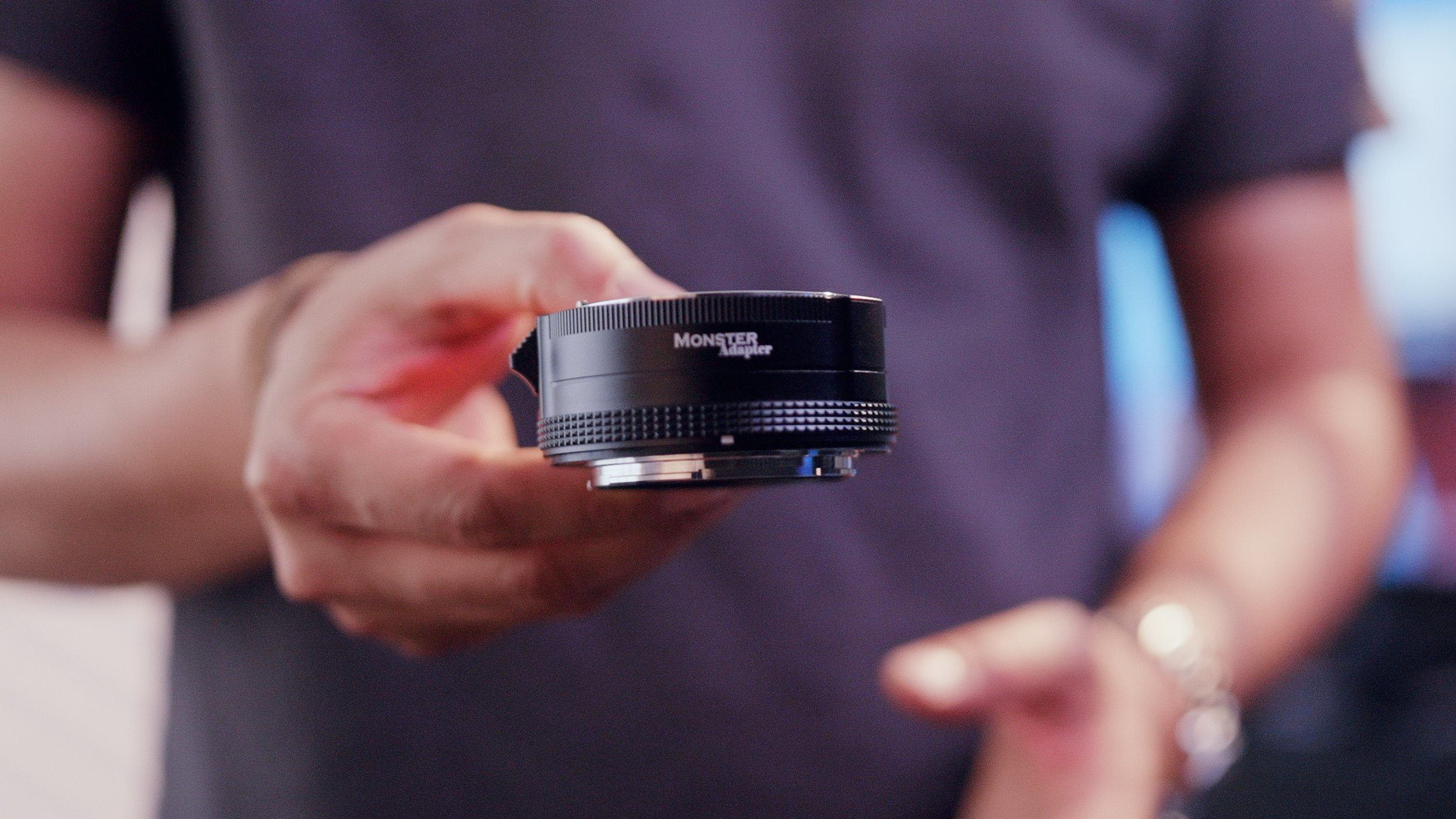
MonsterAdapter is the most expensive adapter out of the 6 tested today, and it’s hard to recommend. Not because it’s bad, but because it’s niche - it likely can’t be your only adapter. Only a subset of screw drive F-mount lenses, it can’t drive autofocus for any of the newer AF-S F-mount lenses.
The autofocus works well, better than the Techart, at least during the day. It locked on to commuters fine even on the thinner depth of field of the AF-D lens I was using.
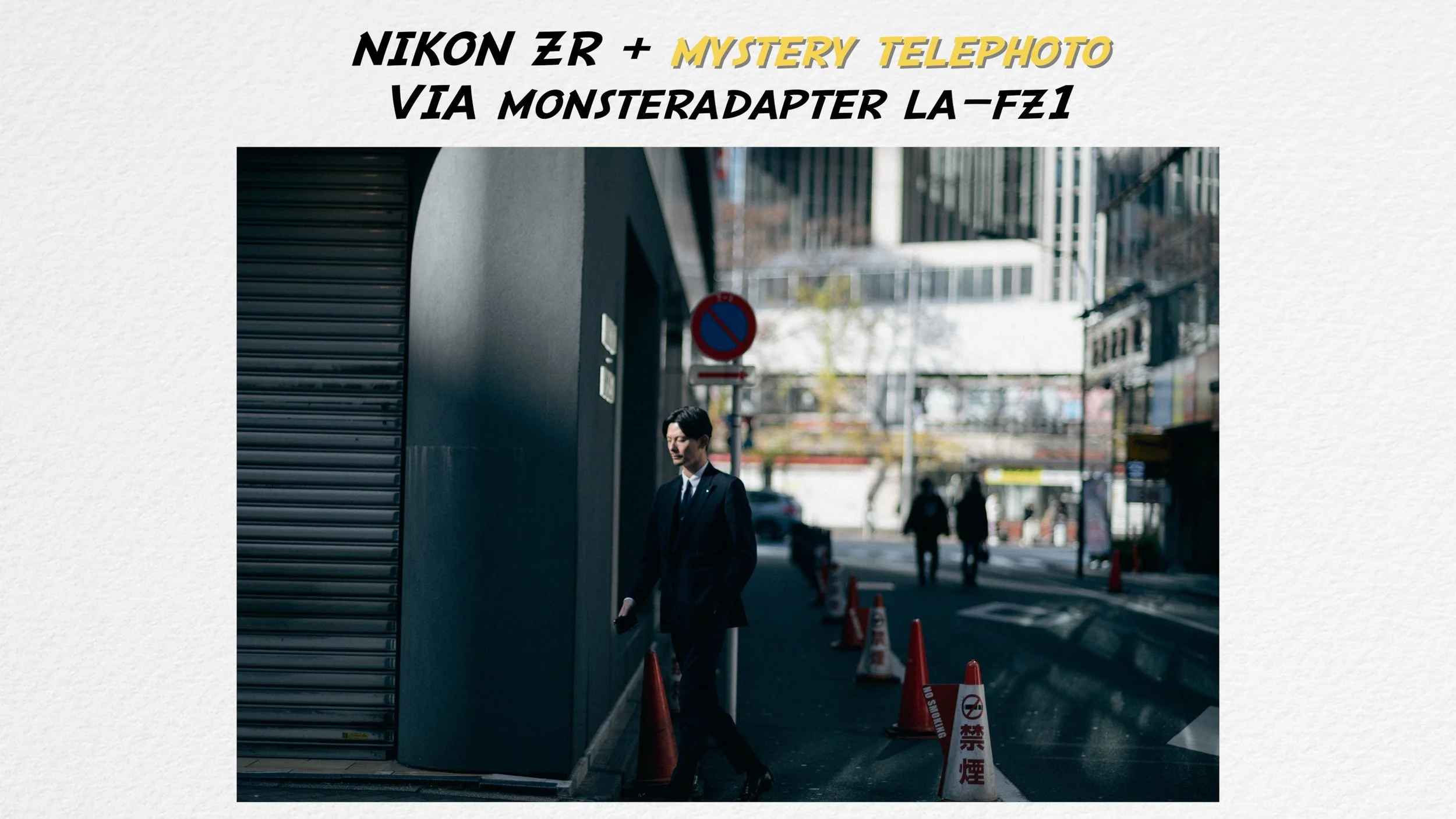
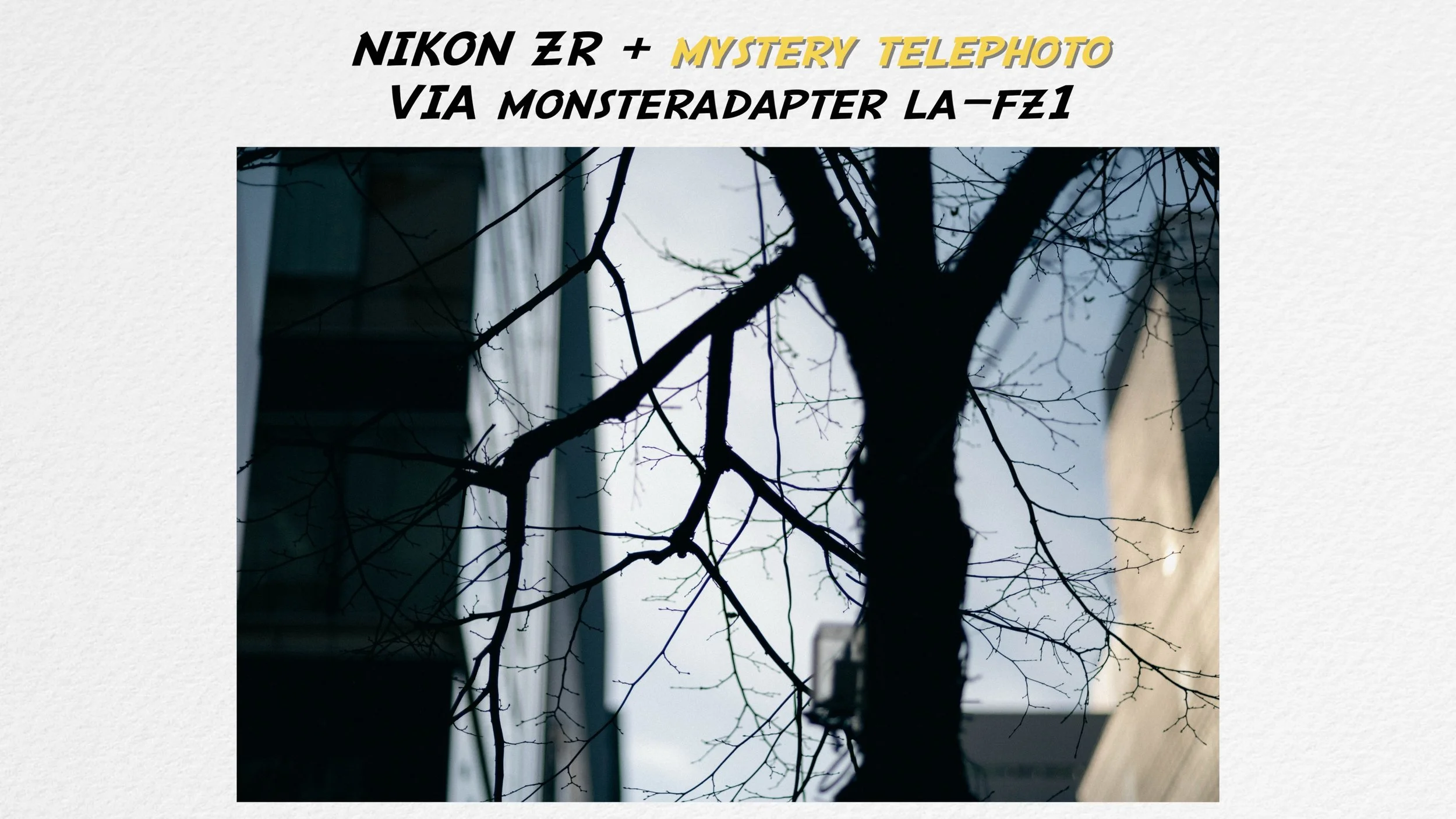
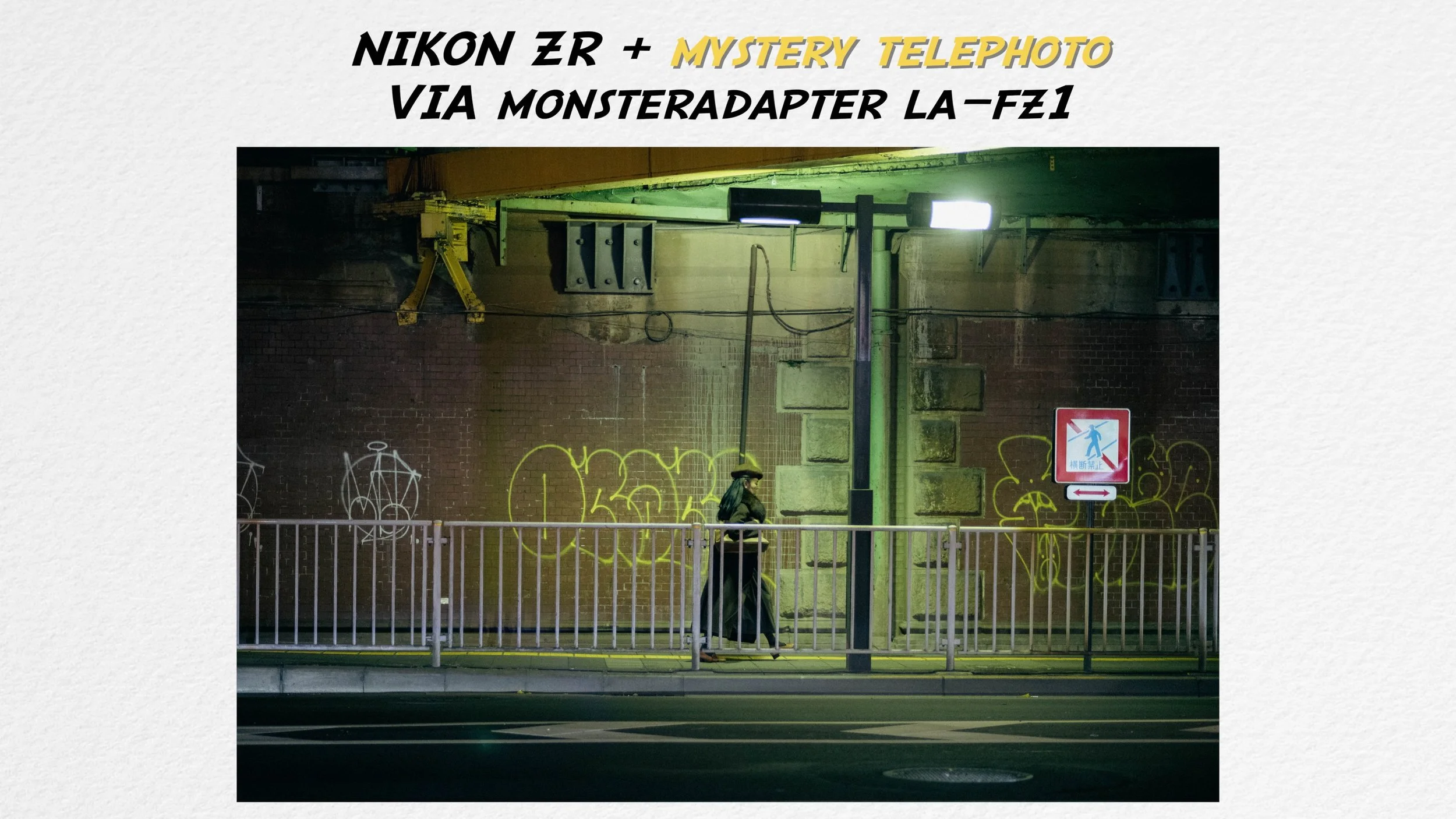
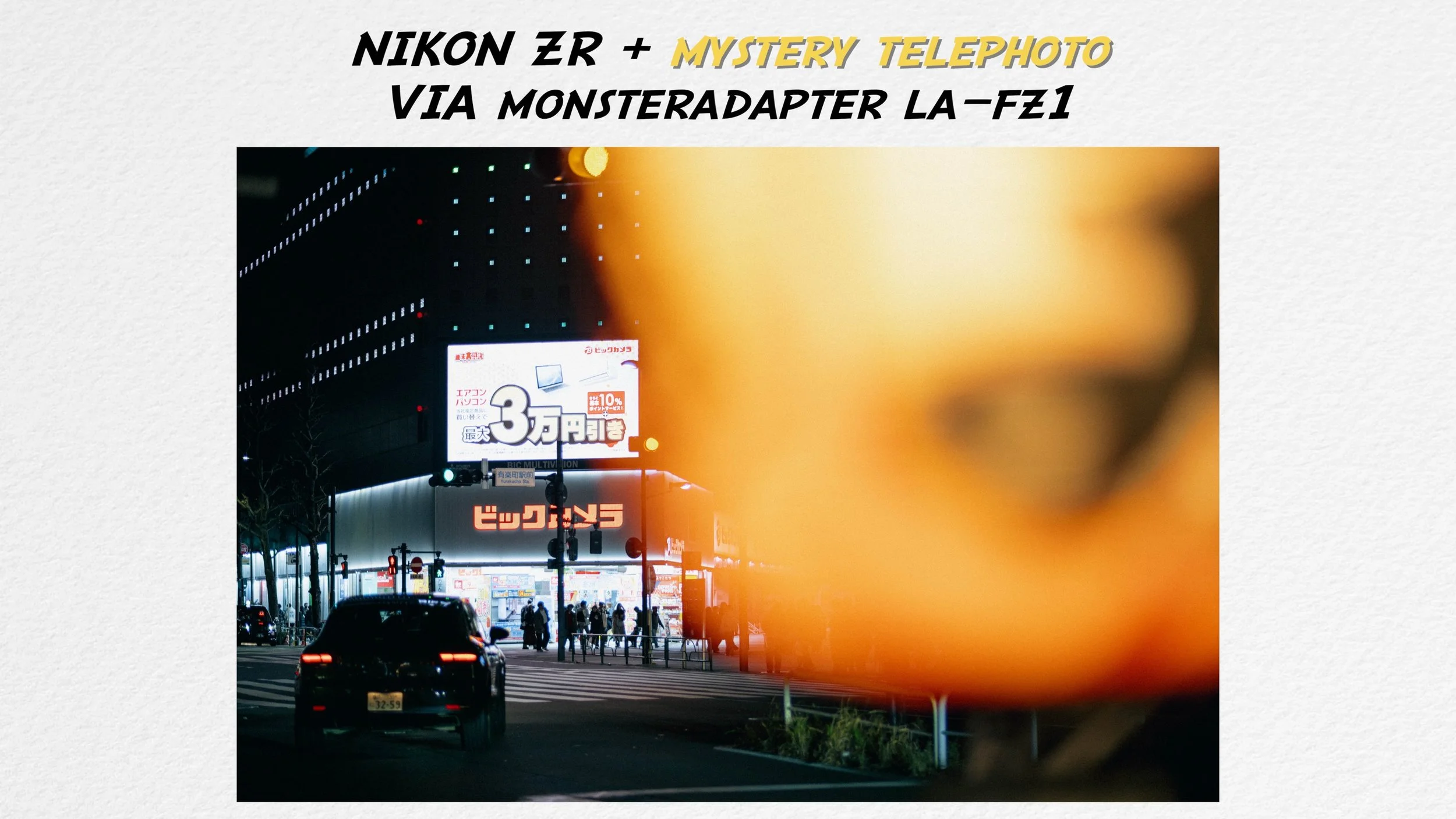
A couple of drawbacks - it is quite noisy - the motors sound like little swishing noises, a couple of squeaks, and on the current firmware there’s occasionally persistent “aperture chatter” - a loud clicking sound that won’t stop by itself. When it happens I have to change the aperture manually back and forth, and/or take the adapter and lens off then back on the camera.
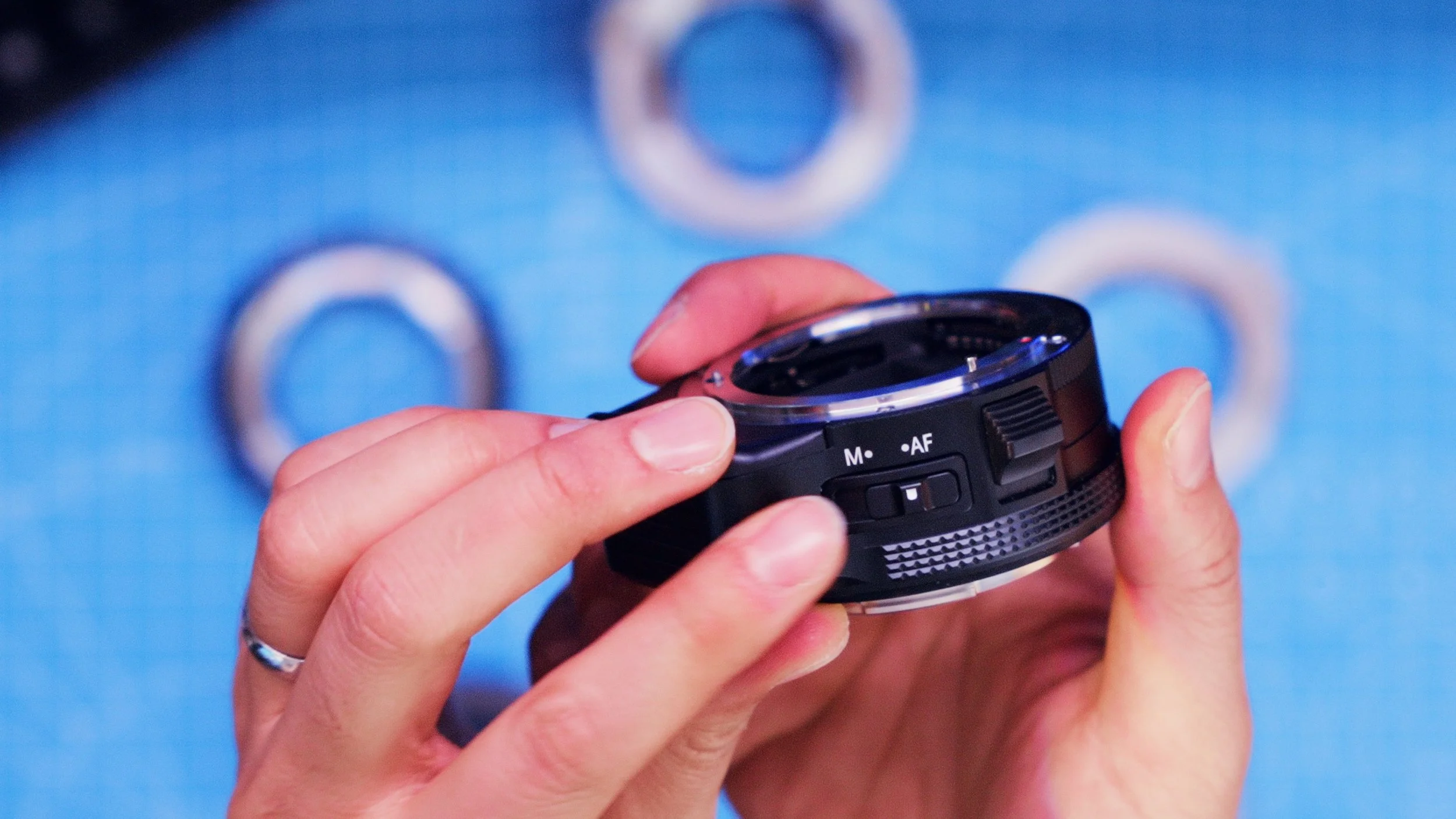
I like the build quality though - tight tolerances, the switches feel tactile, I also like the auto to manual focus switch - one more physical control on the ZR setup. In manual focus mode you can use old AIS lenses to get green box confirmation, but there’s no way to manually set the focal length. It needs a chipped lens - one of the ones listed on its website, then the EXIF and IBIS looks right. Like Techart it’s heavy, almost 200 grams, so even if the adapter can handle heavier lenses you might not want to.
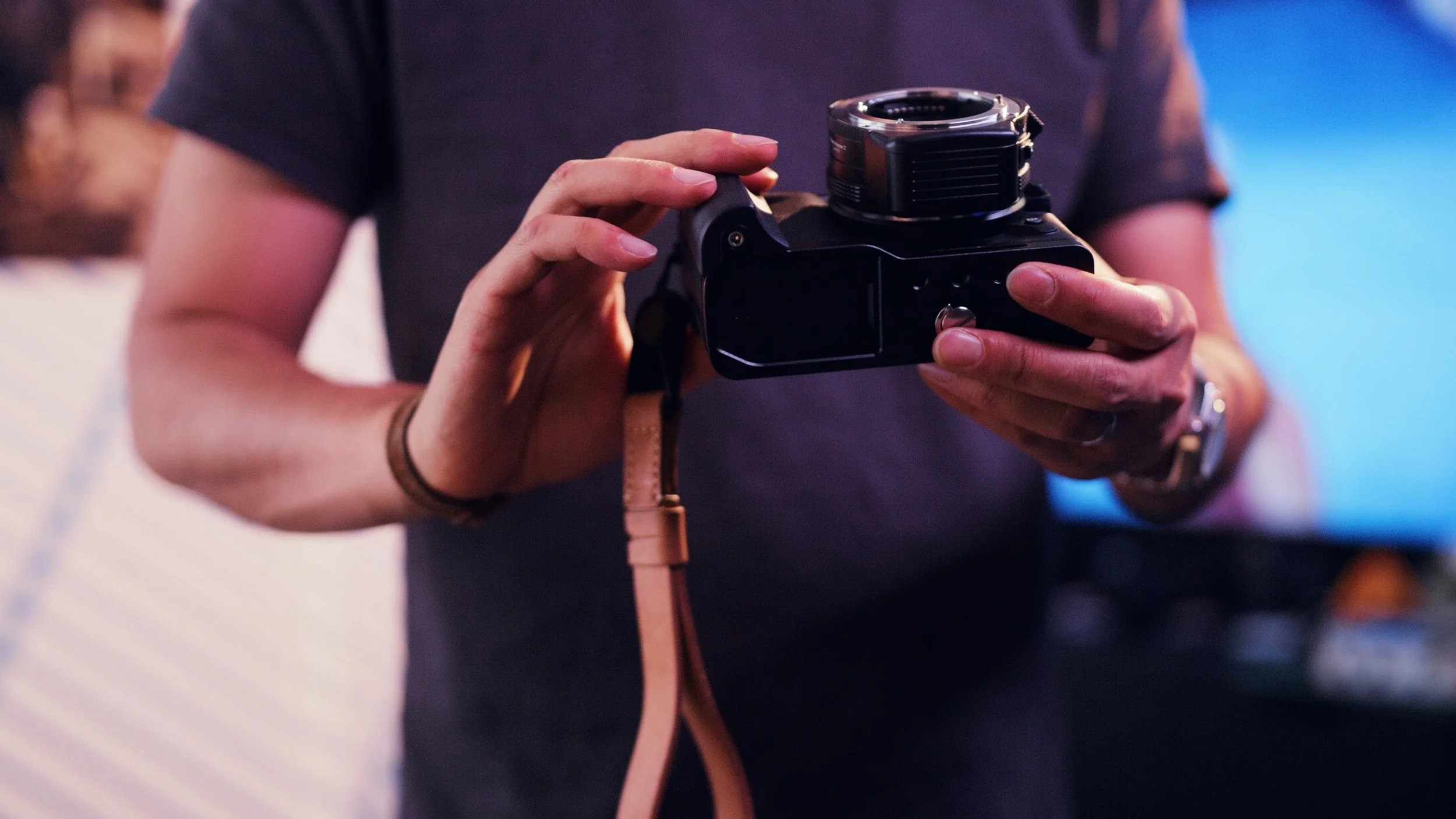
That’s the reason despite seeing a beautiful copy of the 85mm 1.4 AF-D at Fujiya, understanding its historical significance as one of the first lenses with internal-focusing elements that don’t extend the lens barrel, I ended up with its younger brother - the 1.8 D.
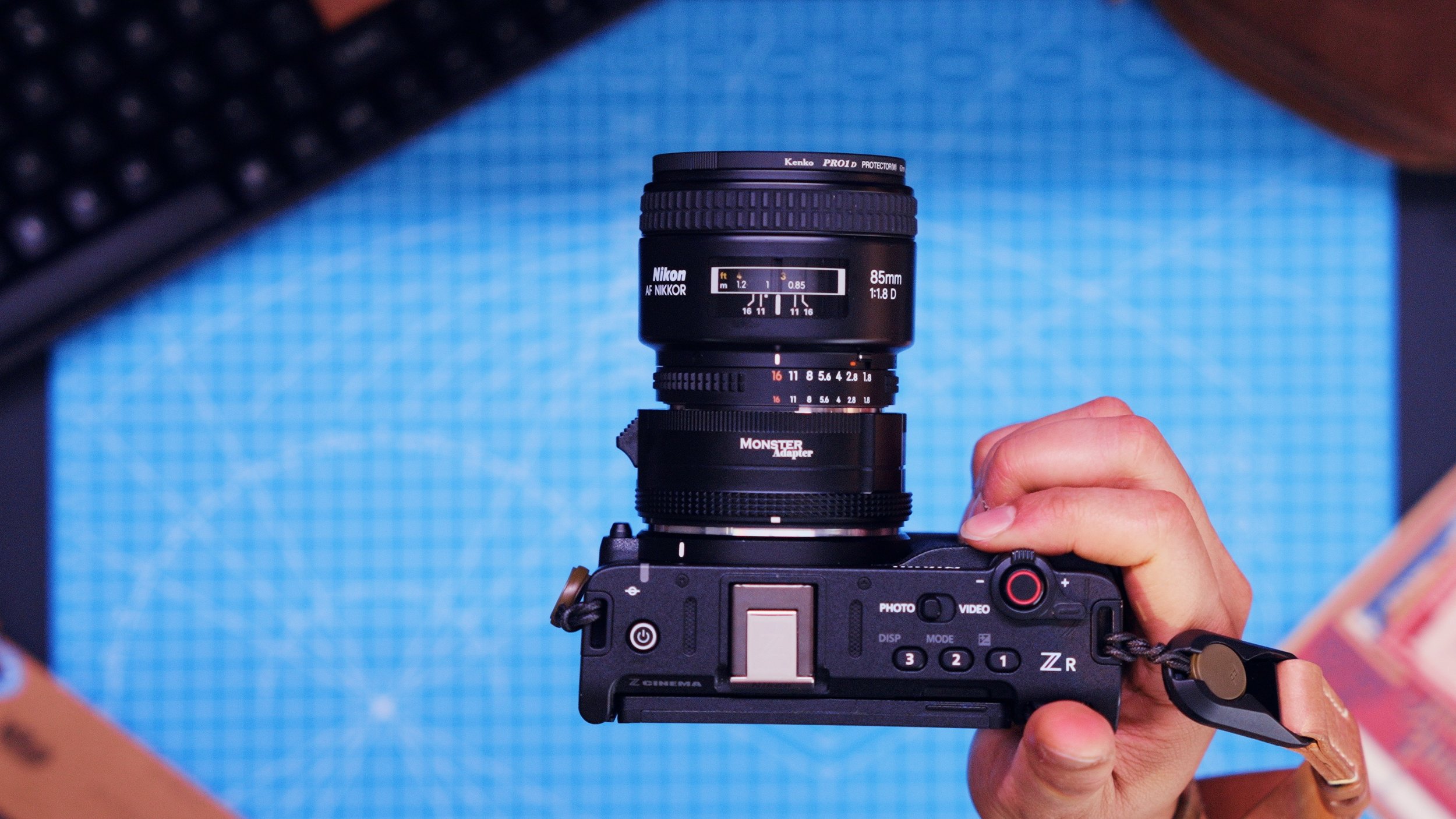
Significantly lighter, much easier to carry, whether it be mounted via the monster adapter to the ZR or directly to my DF. Because of the lack of screw drive motors in Nikon Z cameras, 3D tracking was never available for this lens until now.
But how does MonsterAdapter’s AF hold up at night?
As expected, it’s a little slower, less confident in staying locked on.
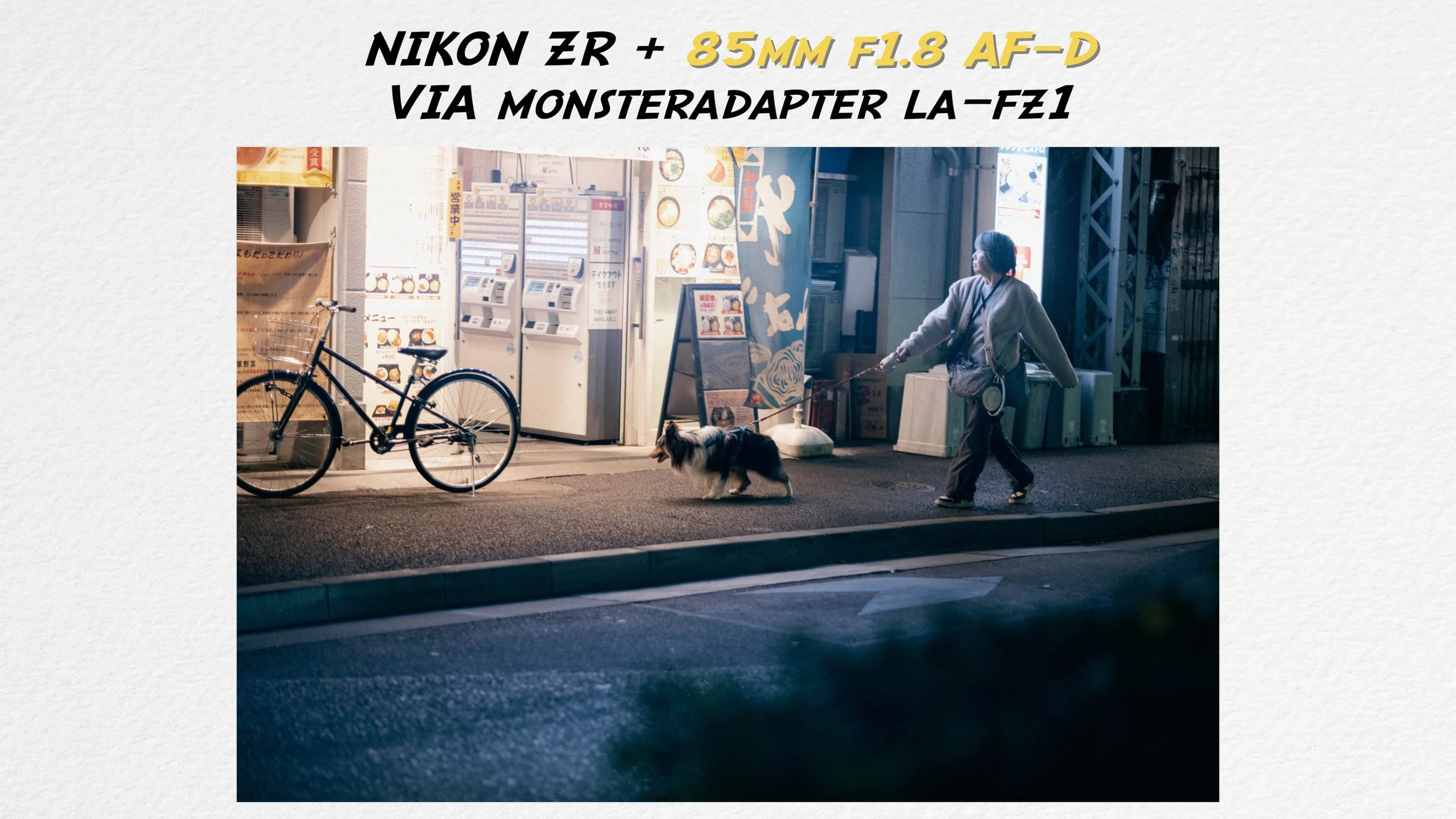
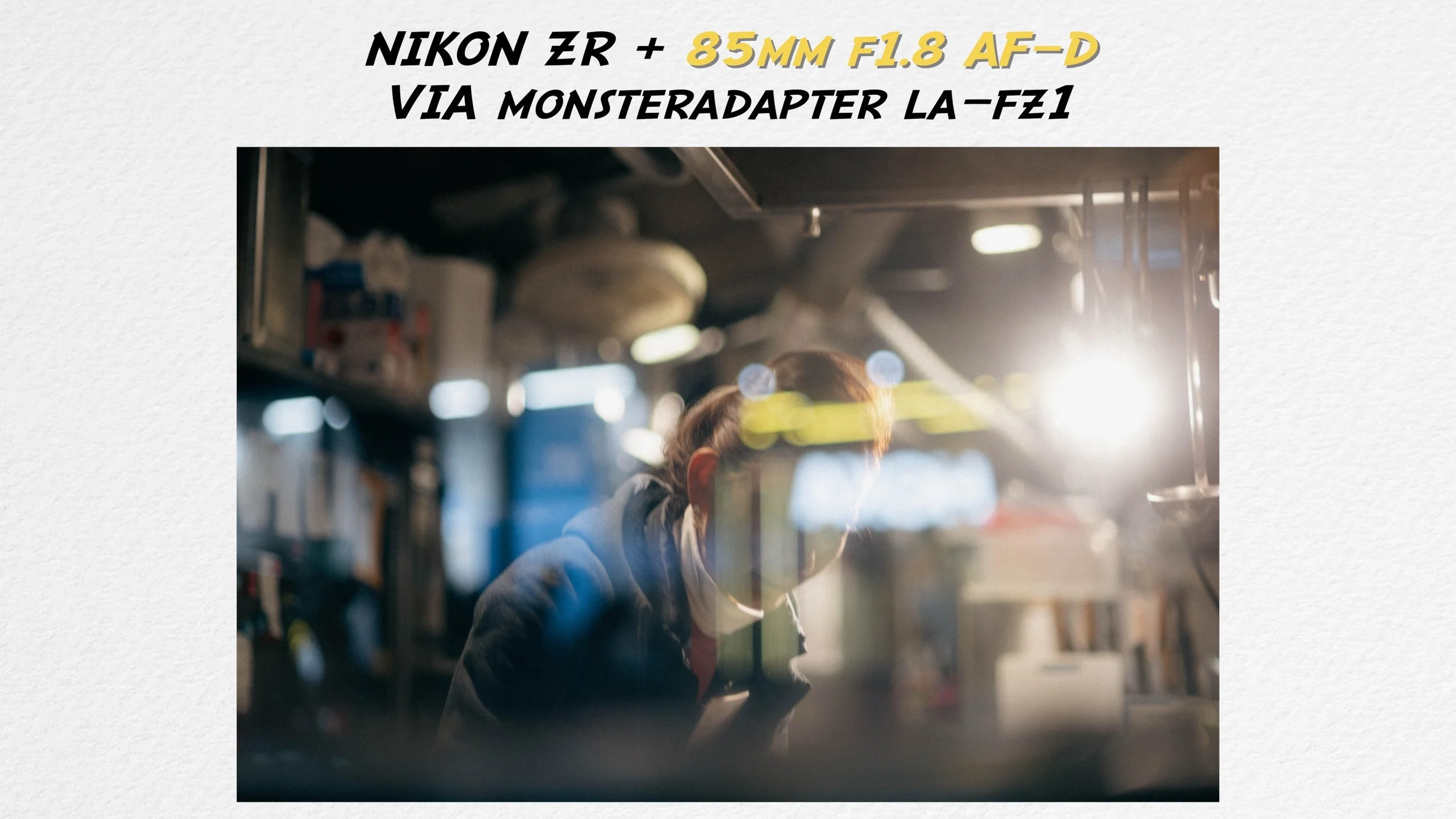
What I didn’t expect was this?
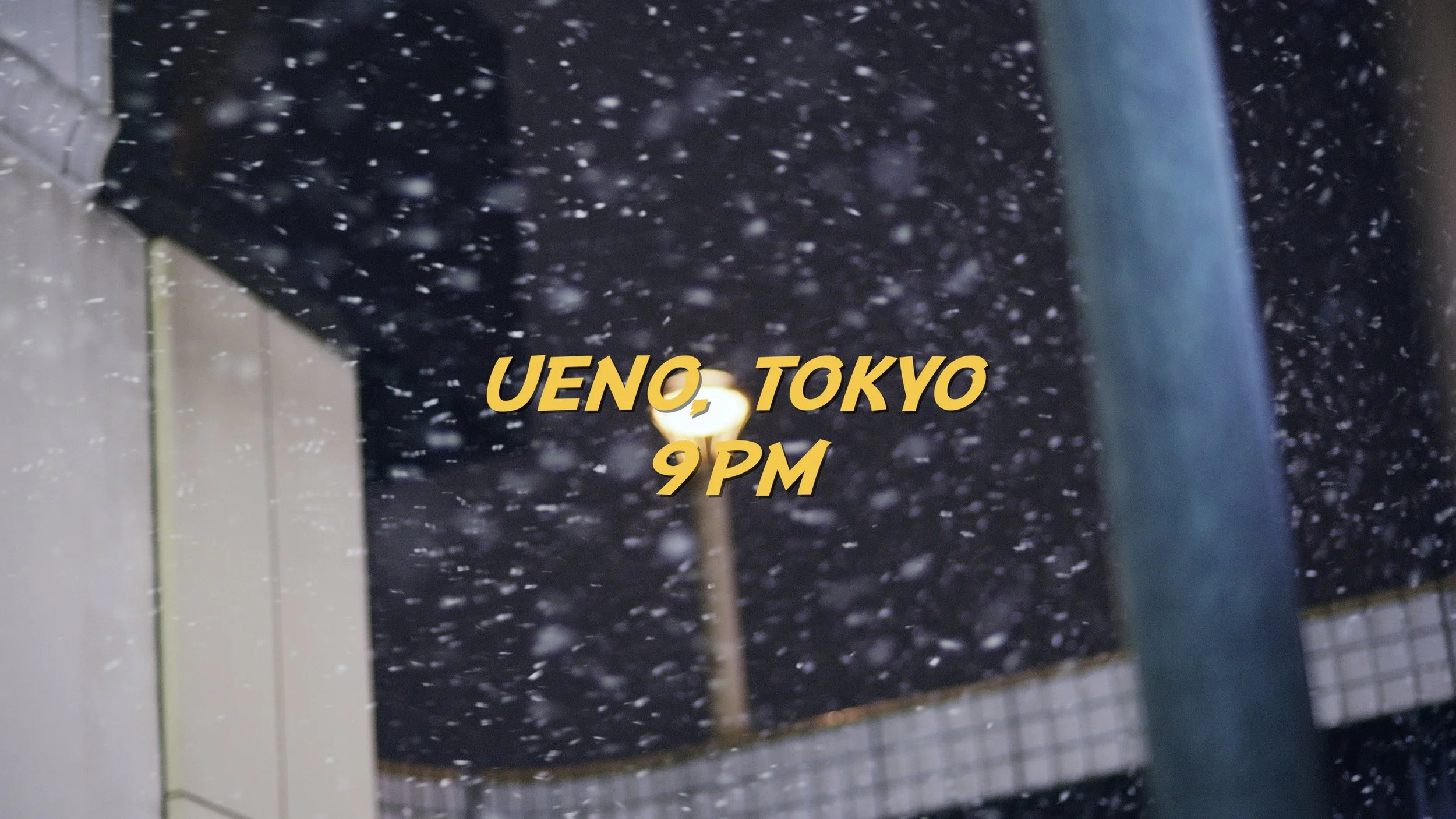
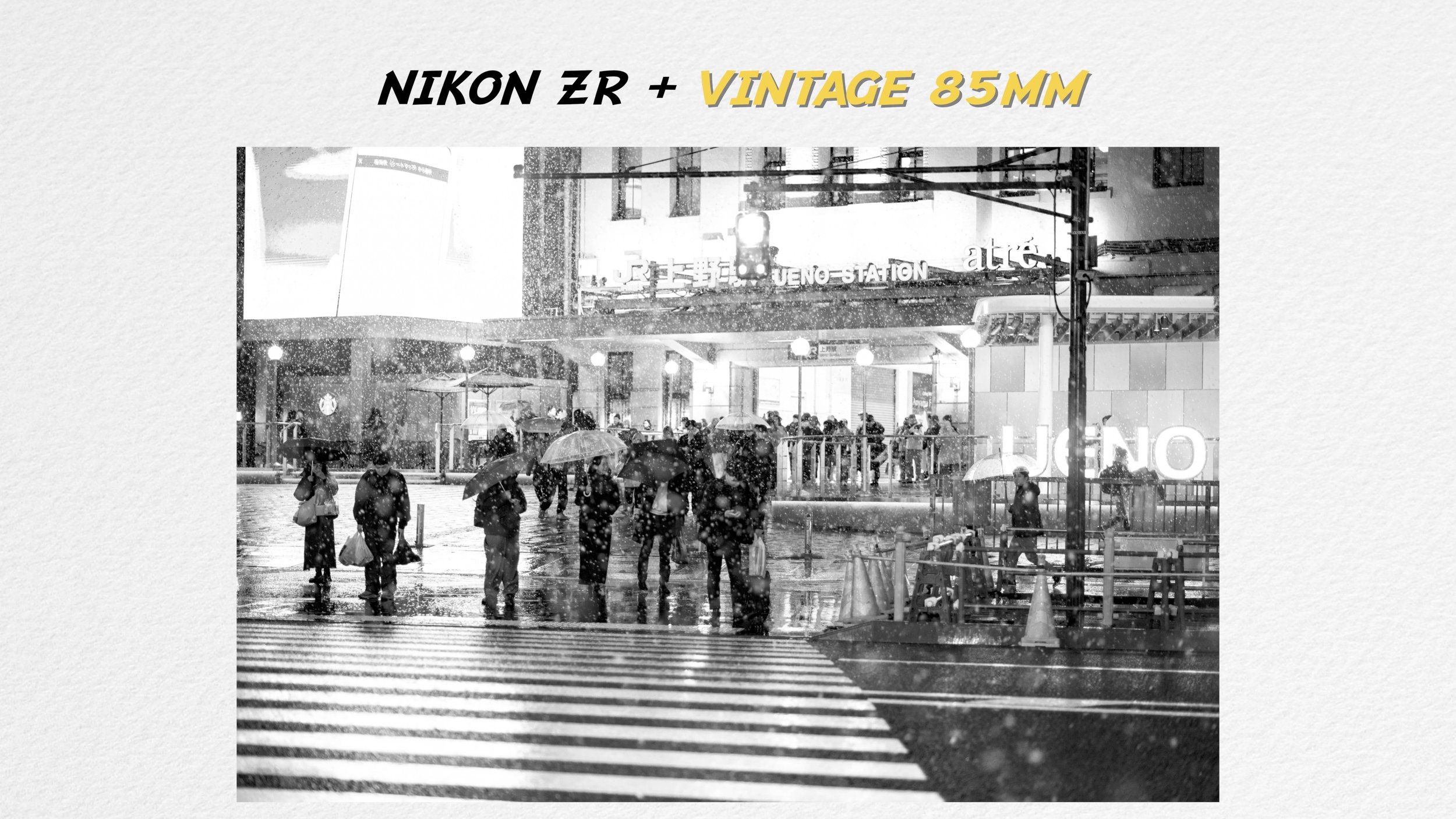
Despite being perfectly sunny earlier in the day, at 9pm it started to snow in the middle of Ueno. I mean it really started to snow, suddenly, randomly. I tried hiding out in a Wendy’s but it wasn’t going away anytime soon. I couldn’t stay at Wendy’s all night - eventually I had to venture out to get back to my hotel. The lens wasn’t weather sealed, but the adapter is sealed at the camera mount.
Even in the craziness of that sudden snow storm everything kept working, even though half the time it focused not on people but all that falling snow. The autofocus never had a chance, in this doomed race, it lost with grace, and coupled with the subtle flaws in the 85 1.8D what’s out of focus and flawed is that much more memorable.
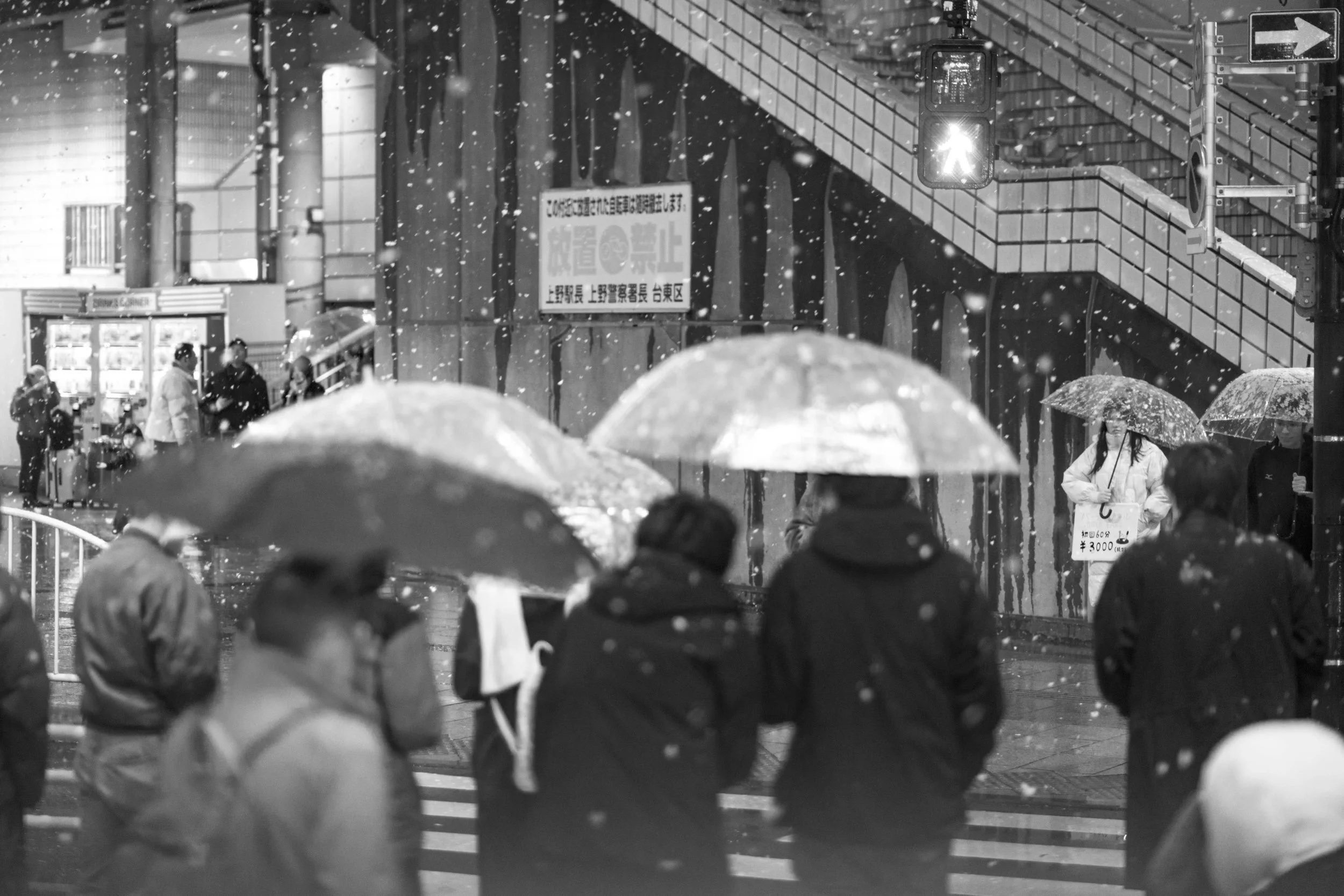
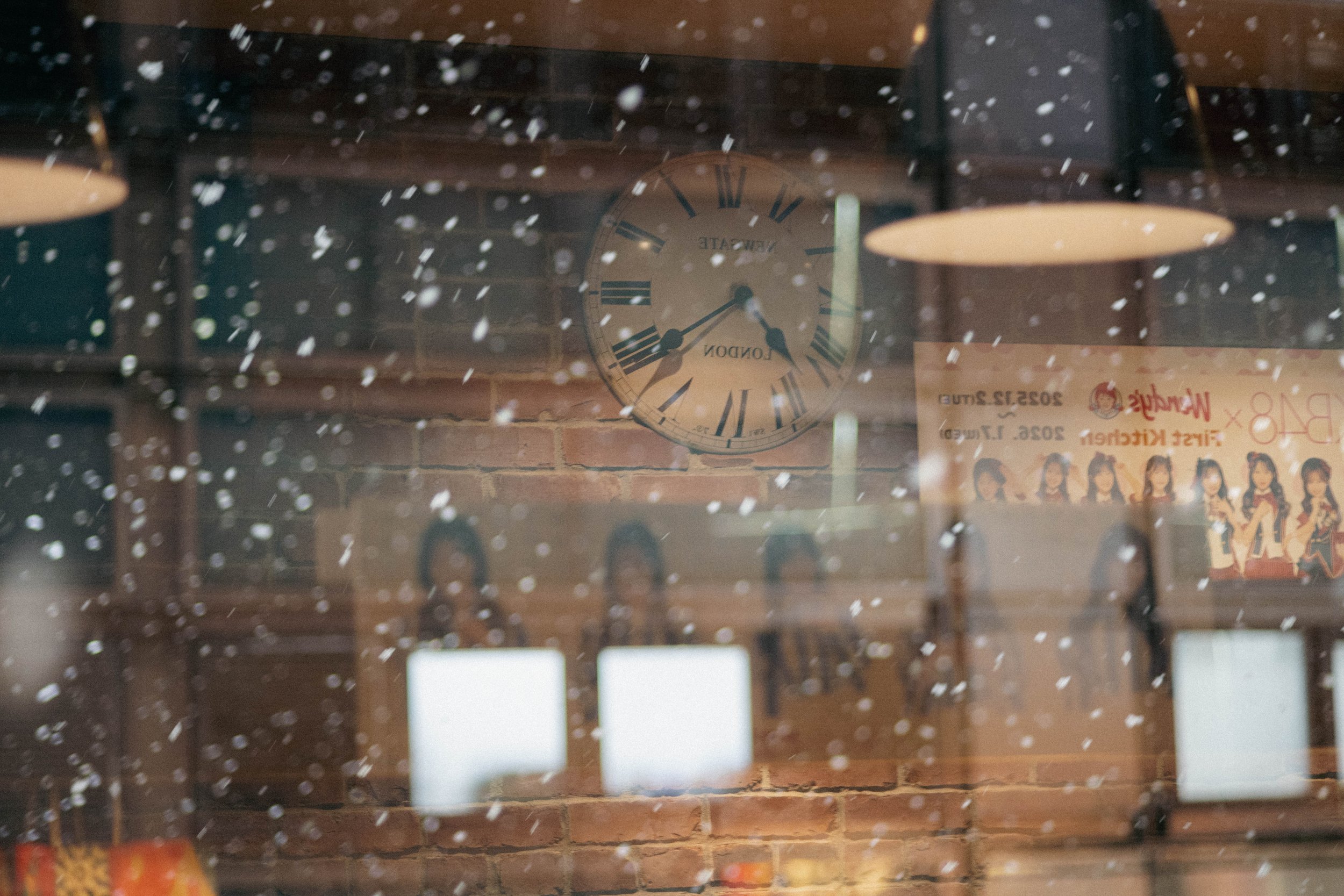
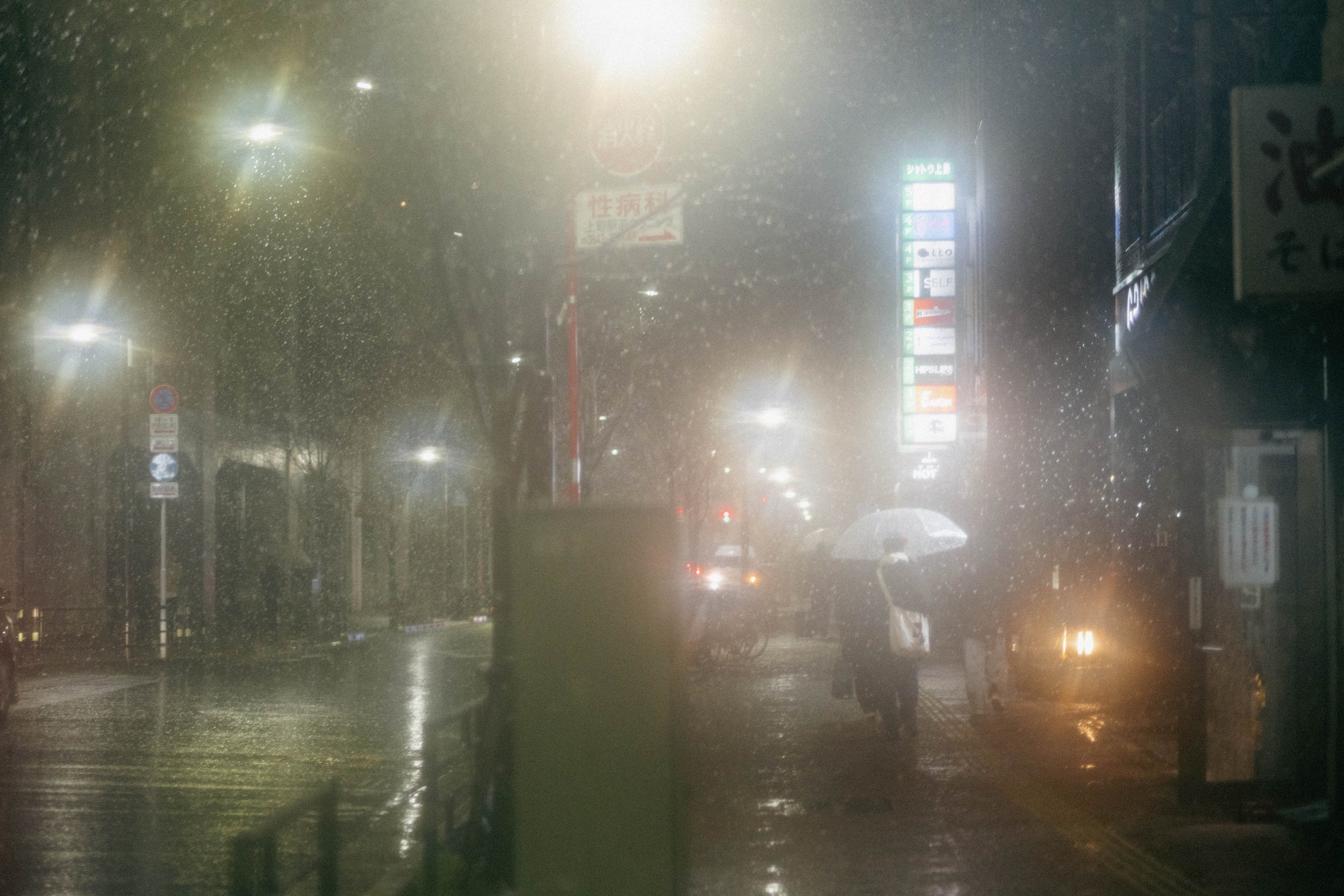

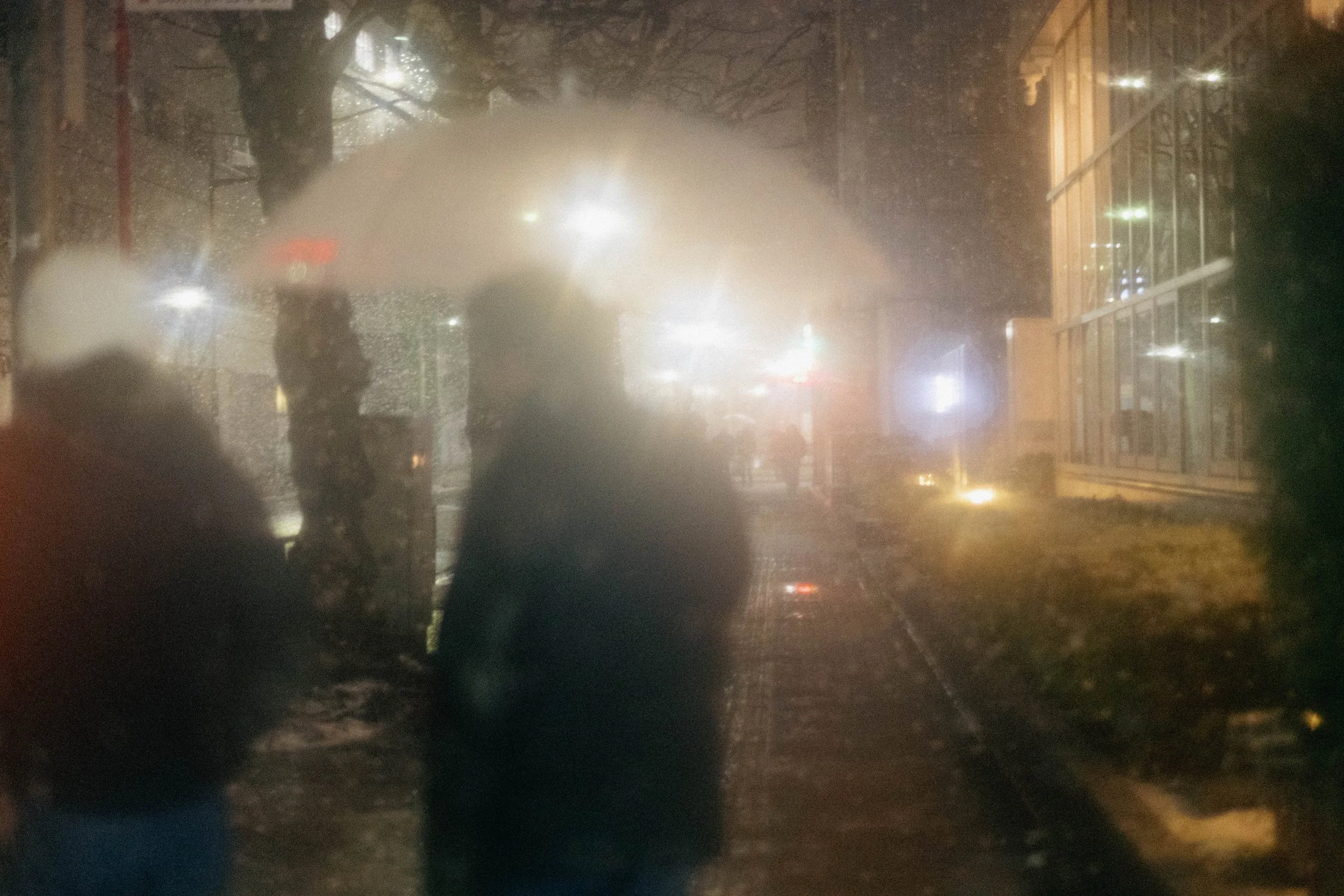
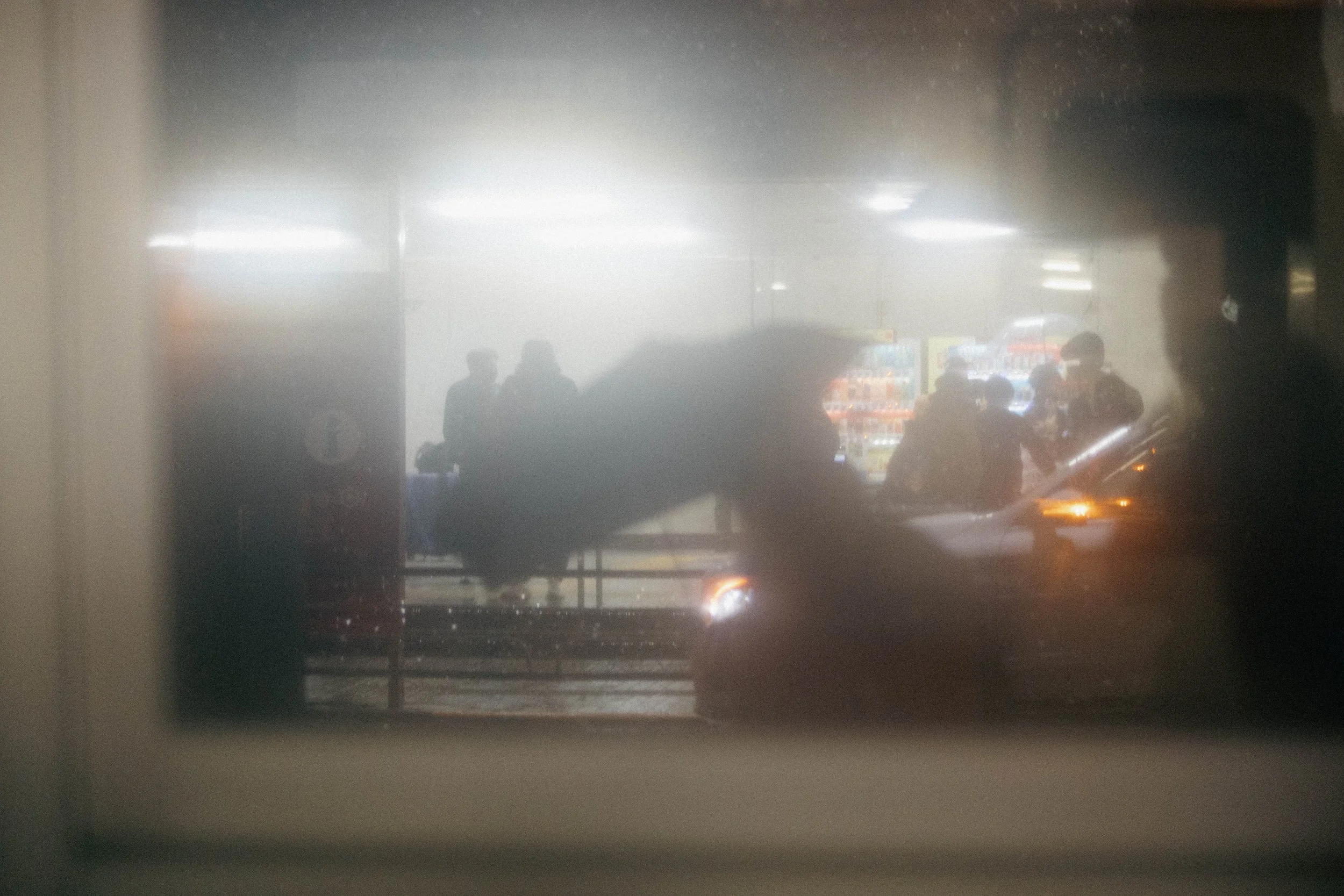
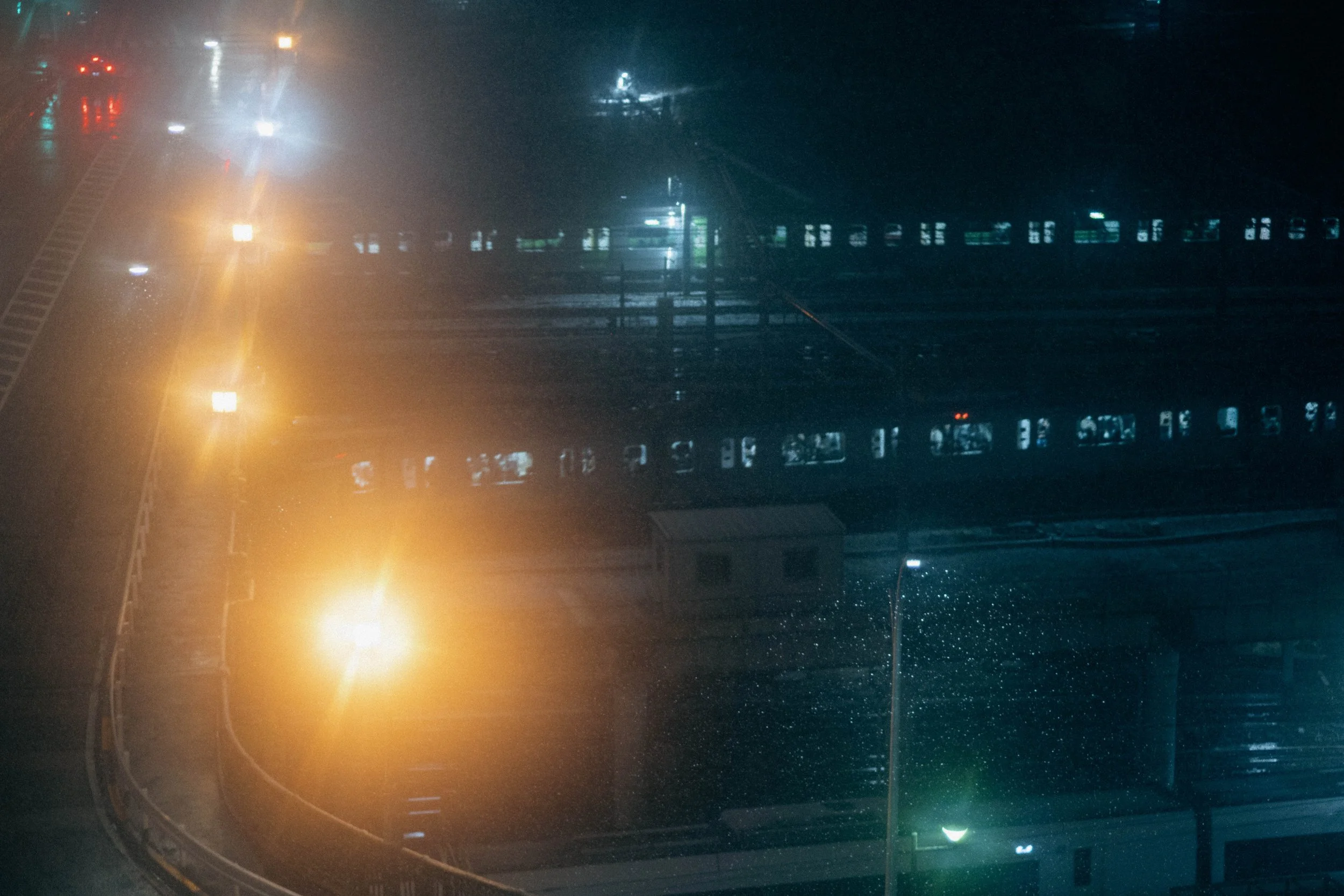
This is why I love old glass, am willing to put up with adapters, I’ll never forget that bone-chilling walk back to the hotel, this experience alone made the adapter worth it.
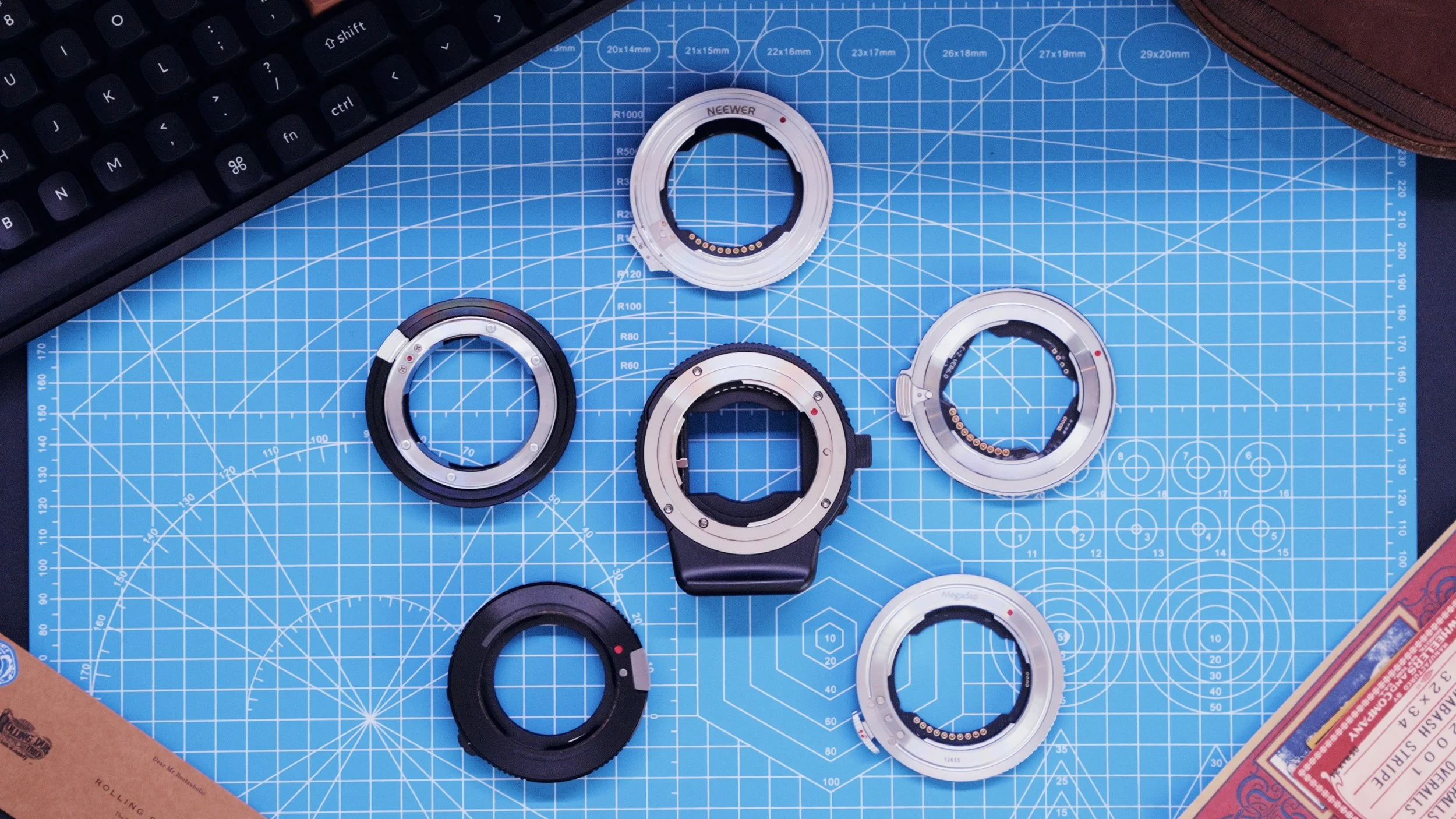
What’s worth it for you? If you only want to use manual glass - I’d go for TTArtisan or Techart. If you have a mix of auto and manual lenses go for Megadap. And if you want to use any of the old screw drive nikkor glass on mirrorless then and only then would I recommend MonsterAdapter.
Happy shooting everyone, talk soon.
Jack.